A curious nose. A very waggy welcome.
If you are choosing between a Blue Heeler and a Border Collie, you are not picking between “active” and “less active.” You are picking between two different kinds of go, two different kinds of brains, and two different ways of herding the world (including, yes, your kids, your cats, and your unsuspecting robot vacuum).
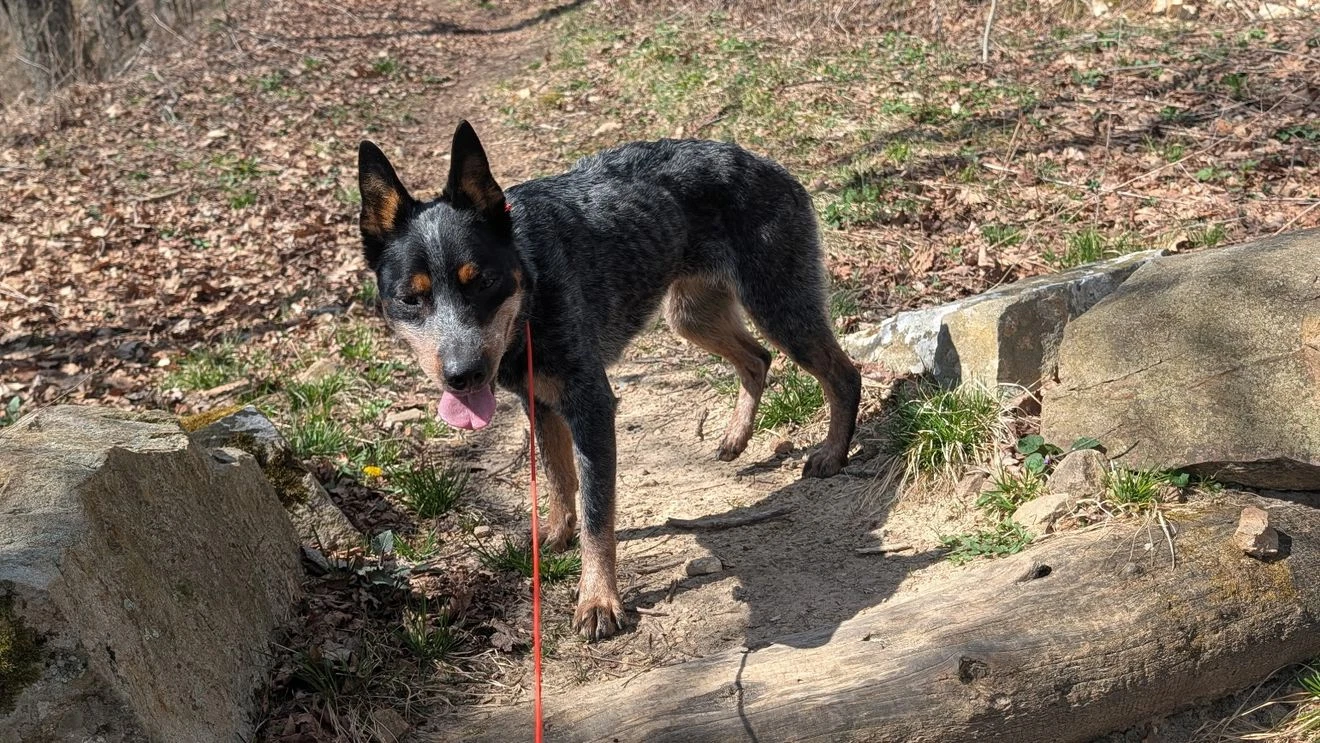
Let’s sniff through the big differences and the little household details that matter, so you can choose the herding buddy that fits your real life.
At a glance: the biggest difference
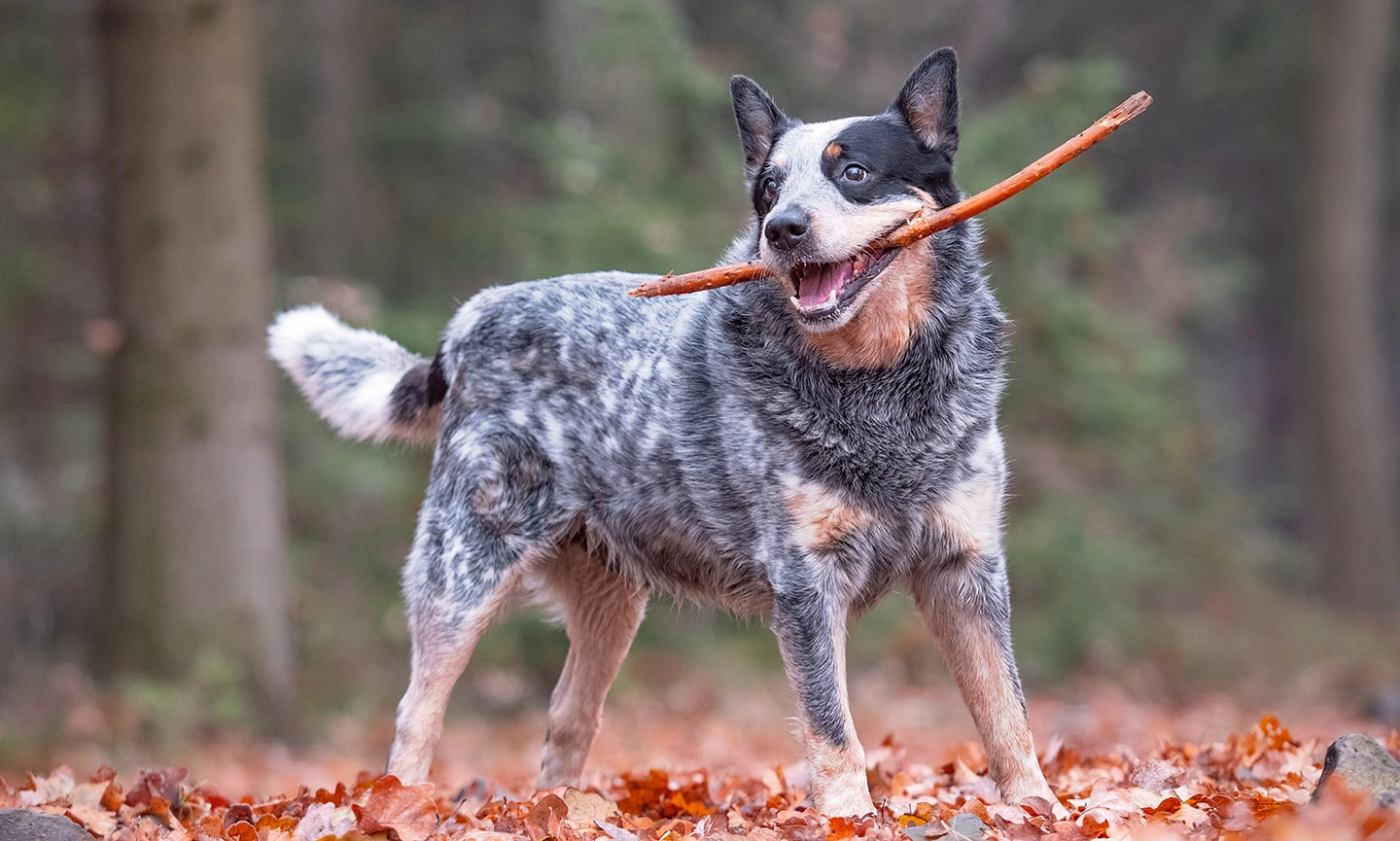
- Blue Heeler (Australian Cattle Dog): tough, sturdy, independent-leaning worker. Often more watchful or wary with strangers, more likely to alarm bark or show territorial tendencies, and more likely to use their mouth (heeling and nipping) when excited or trying to control movement.
- Border Collie: ultra-responsive, highly biddable “motion manager.” Often more sensitive to your voice and body language, more likely to fixate on movement, and can develop compulsive behaviors (like shadow or light chasing) if chronically under-stimulated or stressed.
Both can be wonderful family dogs in the right setup. Both can be very challenging in the wrong setup.
Energy and exercise: same gas tank, different fuel
Blue Heeler energy
Heelers were bred to move cattle over distance and handle pressure. Many have a steady, durable motor and a “job first” attitude. They tend to do best with daily exercise plus a purpose, not just random running.
- Often loves: hiking, structured fetch, tug with rules, scent games, agility foundations, trick training, “place” and settle work after activity
- Can struggle with: unstructured dog parks, boredom, too much confinement, inconsistent rules
Border Collie energy
Border Collies were bred to read stock and respond to a handler. Their energy is often more high-output and high-attention, and they can get restless if they do not get enough mental work.
- Often loves: agility, frisbee, herding lessons, advanced tricks, rally, scent work, off-leash skills in securely fenced fields or designated areas where it’s legal and safe
- Can struggle with: repetitive play with no brain work, chaotic homes with lots of motion, long inactive days
Make it actionable: A realistic weekday for either breed often looks like 45 to 60 minutes of structured exercise (hike, jog, or training walk), 10 minutes of skill work (recall, leash manners, impulse control), plus a decompression sniff walk where the dog leads and you say very little.
Home reality check: If your plan is “a long walk,” both breeds will probably ask what is next. The better question is: do you enjoy training and giving your dog structured tasks most days?
Trainability: who is easier for beginners?
Both breeds are very trainable. “Trainable,” though, does not always mean “easy.”
Border Collie
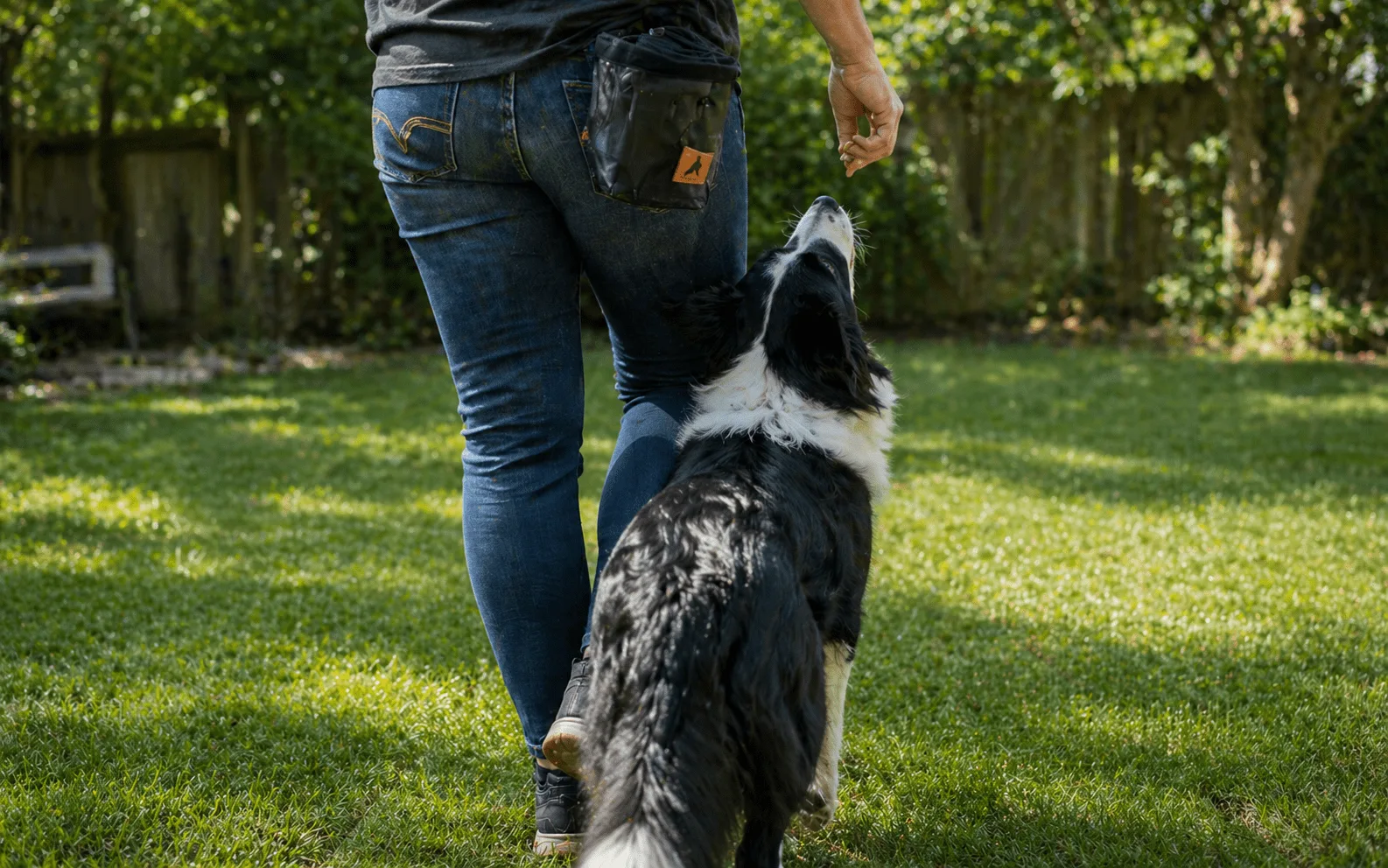
Border Collies are famous for being biddable. Many learn quickly and offer behaviors fast, which feels magical. The flip side is that they can also learn the wrong thing quickly (like chasing bikes), and they can get stressed if training is harsh, confusing, or inconsistent.
Blue Heeler
Heelers are smart and capable, but they can be more independent and more likely to question whether your request is worth it. They often need clear boundaries, consistent reinforcement, and early work on handling, calmness, and neutrality around triggers.
First-time owner note: If you are new to training, a well-bred, well-socialized Border Collie is often easier to shape with positive methods, while a Heeler often requires stronger management and more practice with impulse control. Individual temperament matters a lot, so meeting adult dogs in rescue or talking to ethical breeders is huge.
Herding style and nipping
Both are herding dogs. Both may chase and control movement. But the “how” can feel very different in a home.
Blue Heeler: heeling and body pressure
Heelers were developed to move stubborn cattle by driving from behind and nipping at heels. In pet homes, this can show up as:
- nipping ankles when kids run
- mouthy play and grabbing sleeves
- blocking, body-checking, or “policing” movement
Border Collie: eye and chase
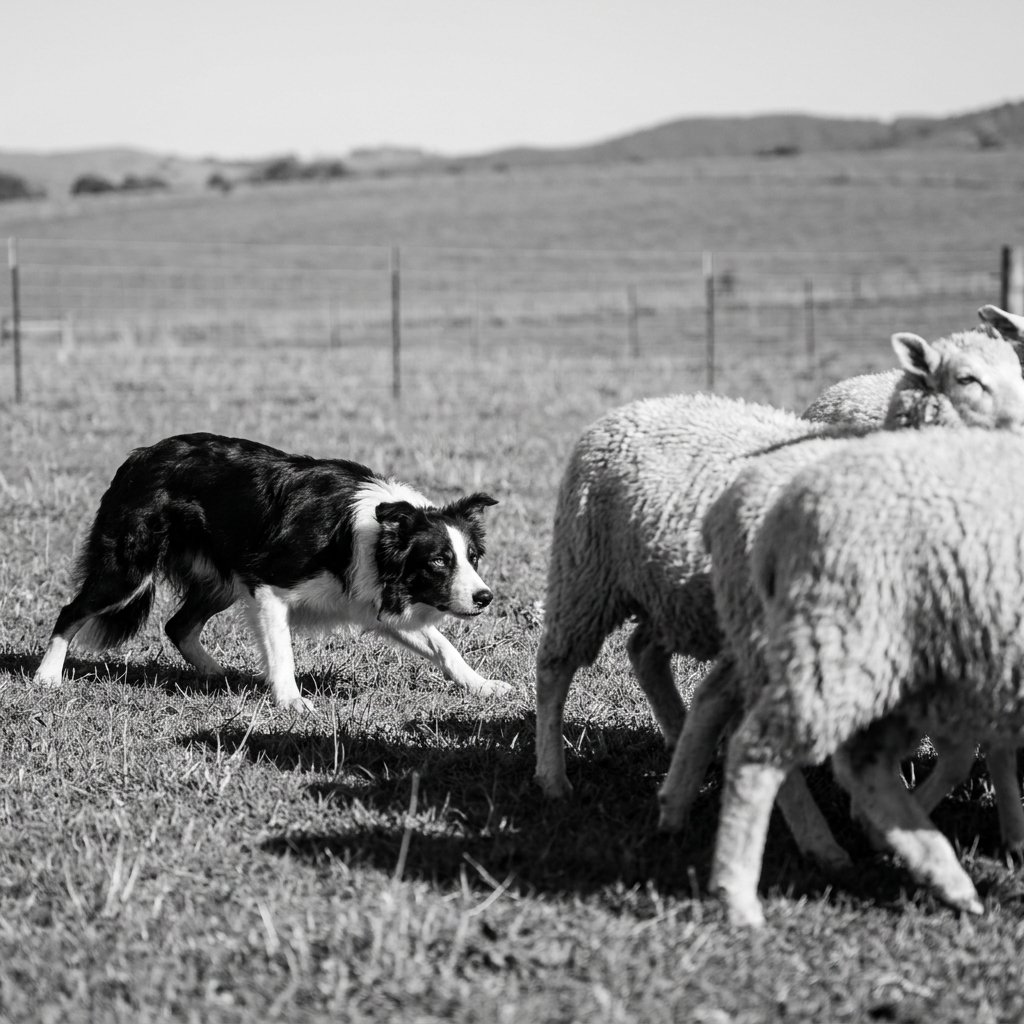
Border Collies are famous for “eye,” the intense stare and crouch used to control stock. In pet homes, this can show up as:
- stalking kids, cats, joggers, or cars
- fixating on moving objects
- chasing shadows, reflections, or leaves
What helps in either breed
- Management: baby gates, leashes, long lines, controlled introductions, and safe separation from chasing triggers
- Skill building: recall, leave it, “look” cues, mat training, and structured play with rules
- Appropriate outlets: herding lessons, agility, scent work, and games that satisfy the brain
What “structured play” actually means: You start the game, you end the game, and you mix in micro-pauses. Try: 10 seconds of tug, then “drop,” then a treat, then “place” for 5 to 15 seconds, then release back to tug. You are not just exercising muscles, you are practicing an off switch.
Kid factor: A household with small children who run and squeal can be tougher for both, but the Heeler’s nipping is often the bigger immediate problem. The Border Collie’s fixation can be sneakier and becomes a habit if it is rehearsed daily.
Size and build: couch and car fit
Both are medium dogs, but their shape is different. Size ranges vary by sex and by working versus show lines, so think of these as common ballparks.
- Blue Heeler: compact, muscular, sturdy. Commonly around 17 to 20 inches at the shoulder and often 35 to 50 pounds.
- Border Collie: athletic, lighter-framed, built for speed and stamina. Commonly around 18 to 22 inches and often 30 to 55 pounds.
In small spaces, size is not the real issue. Motion needs and noise tolerance are the real issues. A bored herding dog can make an apartment feel tiny fast.
Grooming and shedding
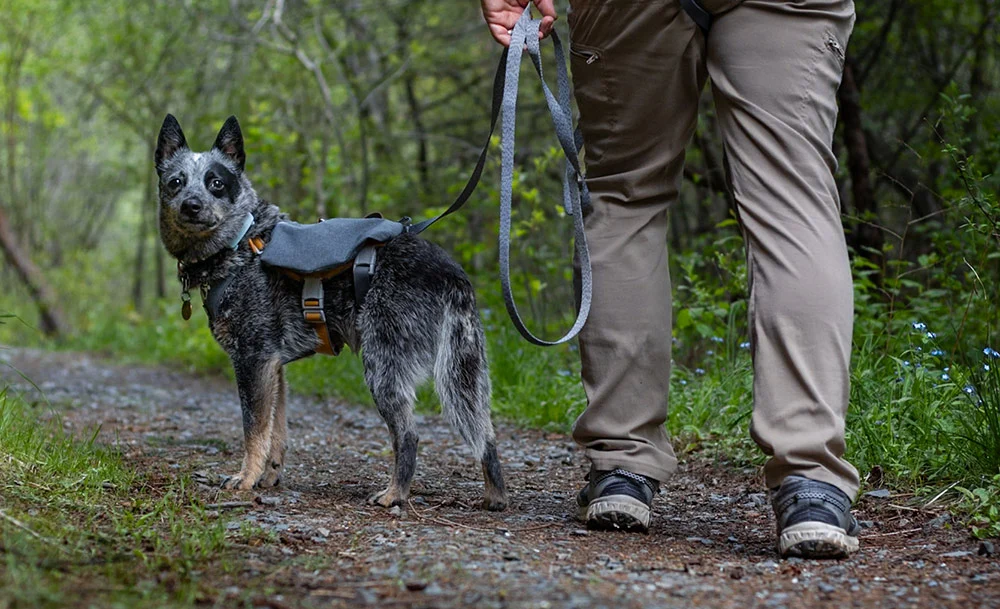
Blue Heeler coat
Short to medium double coat. Many Heelers are wash-and-wear most of the year, but they can “blow coat” seasonally and shed more than first-time owners expect.
- Brush: 1 to 2 times weekly, more during shedding seasons
- Baths: as needed
- Bonus: less matting risk
Border Collie coat
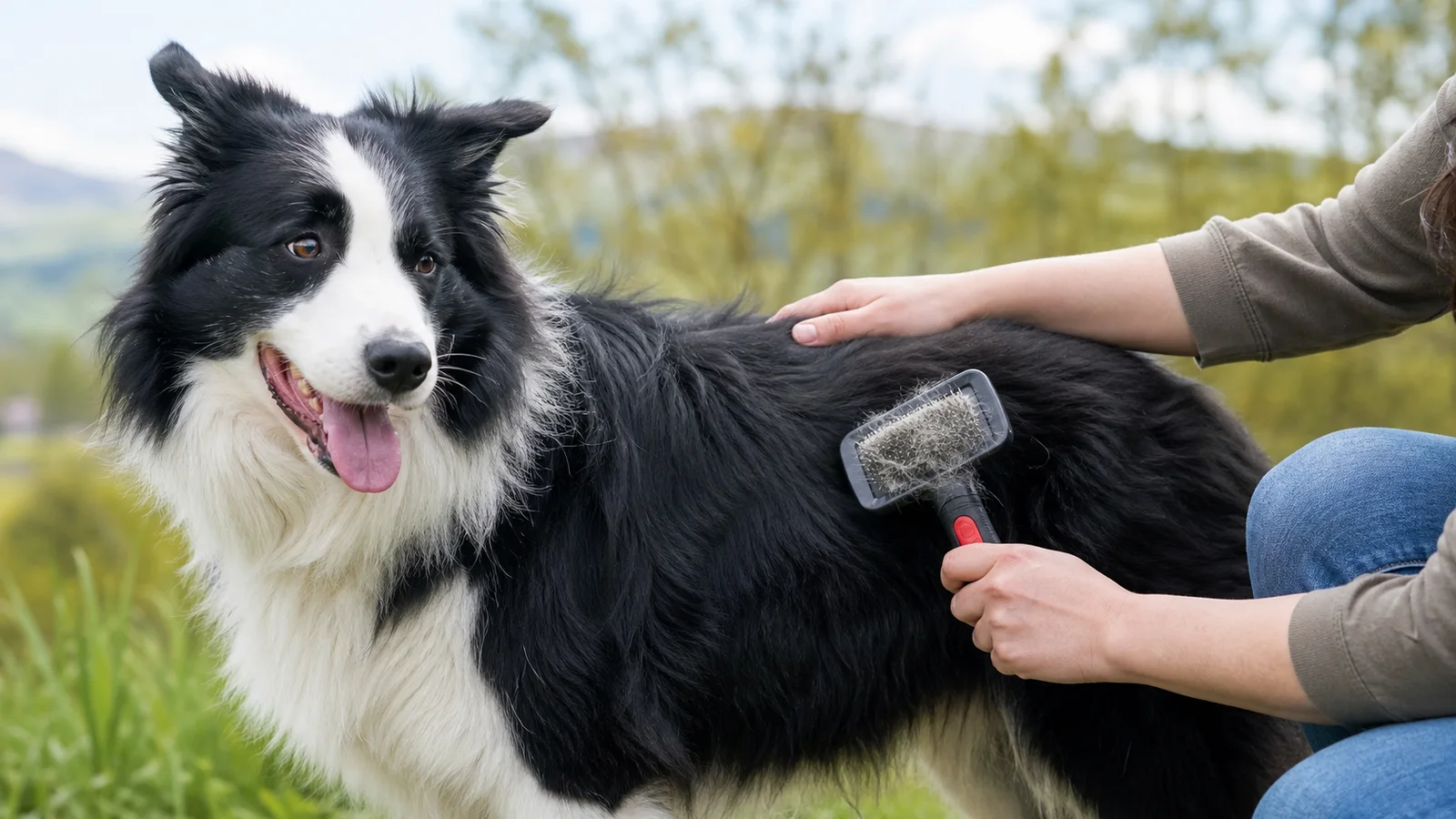
Border Collies can have rough (longer) or smooth coats. The rough coat is more likely to collect burrs and tangles, especially behind the ears and on the feathering.
- Brush: 2 to 3 times weekly for rough coats, weekly for smooth, more during shedding seasons
- Check: ears, tail, and pants area for mats and debris
Health: what to know
Neither breed is “fragile,” but both have inherited conditions that responsible breeding and smart screening aim to reduce. For any puppy, ask what health testing has been done and what the results were. (If you are adopting, ask what the rescue has observed and what has been medically evaluated.)
Blue Heeler (Australian Cattle Dog) considerations
- Hip dysplasia and other orthopedic issues
- Elbow dysplasia can occur, even if hips are the more commonly discussed screening
- Progressive retinal atrophy (PRA) and other eye concerns
- Deafness can occur in cattle dogs, especially in some lines with certain color patterns
- Injury risk from intense activity if conditioning and rest are not balanced
Border Collie considerations
- Collie eye anomaly (CEA) and other eye issues
- Epilepsy is a known concern in the breed
- Hip dysplasia
- Neuronal ceroid lipofuscinosis (CL)
- Trapped neutrophil syndrome (TNS)
- Imerslund-Gräsbeck syndrome (IGS)
- MDR1 drug sensitivity is classically associated with several collie-type breeds. It is less common in Border Collies than some relatives, but discussing medication sensitivity and genetic testing with your vet is still worthwhile.
For both: If a dog is always “on,” watch for chronic stress. Behavior struggles can look like stubbornness, but sometimes they are a dog who cannot settle because their needs or environment are not a match.
Temperament at home
Blue Heeler
- Often loyal and deeply bonded to their person
- More likely to be wary of strangers
- May be dog-selective, especially with rude greetings
- Typically thrives with clear structure and boundaries
Border Collie
- Often affectionate and very tuned-in to humans
- Can be reserved rather than instantly social
- May be sensitive to loud voices and chaotic environments
- Often needs help learning to relax, not just to perform
Quiet-house note: If you want a dog who can truly chill with you after training, individual temperament matters more than breed stereotypes. That said, many Border Collies need intentional “off switch” training, and many Heelers need intentional “friendly neutrality” training.
Velcro and alone time
Both breeds can be extremely people-oriented, just in slightly different flavors. This matters if you work long shifts, travel often, or want a dog who happily naps alone.
- Border Collie: often very handler-attached and tuned in. Some struggle when their person is gone unless alone-time skills are trained early.
- Blue Heeler: often bonds hard to one person and may “shadow” them. Some are fine alone with a routine, but others can develop frustration behaviors if under-exercised or under-enriched.
Prevention that actually works: Practice short absences from day one, reward calm alone behavior, and build a daily pattern: exercise, enrichment, rest. A stuffed food toy or scatter feeding can help, but the real goal is a dog who can downshift.
Families and kids
Both breeds can do well in families, but they are rarely “easy family dogs” without guidance. The question is less about love and more about management and supervision.
Blue Heeler with kids
The big risk is nipping and rough controlling behavior. A Heeler may interpret running kids as livestock that need organizing. This can be improved with training, but it must be taken seriously early.
Border Collie with kids
The big risk is stalking, chasing, and fixation, plus sensitivity if kids are loud or unpredictable. Many Border Collies do best with older kids who can follow training rules.
Best match for families: Generally, families with very young kids tend to do better with a calmer breed mix or a lower-intensity herding breed. If your heart is set on one of these two, consider adopting an adult dog with a known temperament and invest in a positive-reinforcement trainer early.
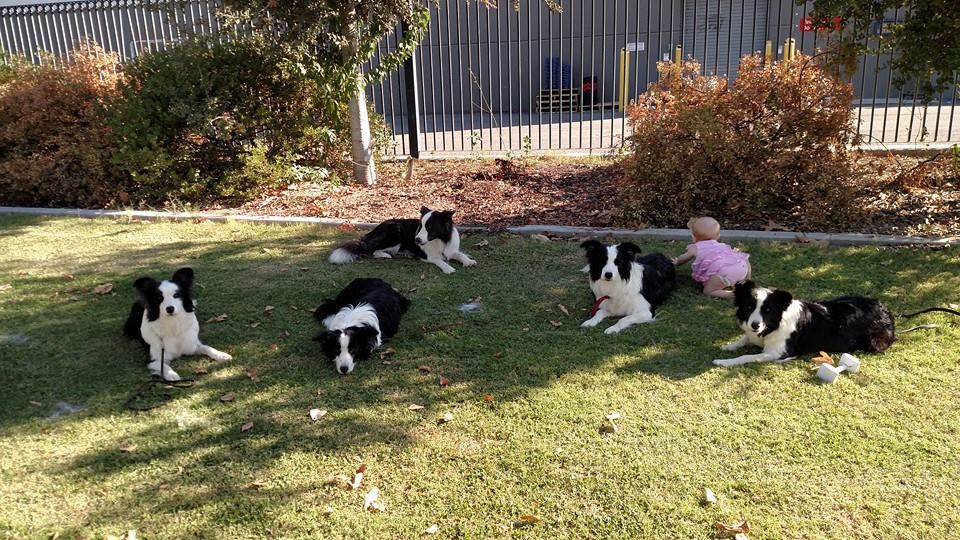
Common behavior pitfalls
These are not guarantees, but they are common enough that it is smart to plan for them up front.
- Reactivity and over-guarding: more commonly reported in Blue Heelers. Early controlled exposures, rewarding calm, and avoiding chaotic greetings help a lot.
- Noise and motion sensitivity: often seen in Border Collies. Teach a settle on a mat, block window patrol habits, and build calm routines around busy times.
- Compulsive patterns: can happen in either breed, but Border Collies are famous for light and shadow habits. Do not let it become a daily hobby. Interrupt, redirect to a real job, and reduce chronic stress.
What to do in the first week: Keep life boring on purpose. Leash in the house if you need to. Prevent rehearsal of nipping or chasing, reward calm, and build simple patterns: potty, sniff, train 3 minutes, chew, nap.
First-time owners: match check
Here is my puppy-scout checklist. If you answer “no” to several of these, either breed may be a tough first pick.
- Time: Can you commit to daily training and exercise, not just weekend adventures?
- Structure: Can you handle consistent rules about jumping, mouthing, and barking?
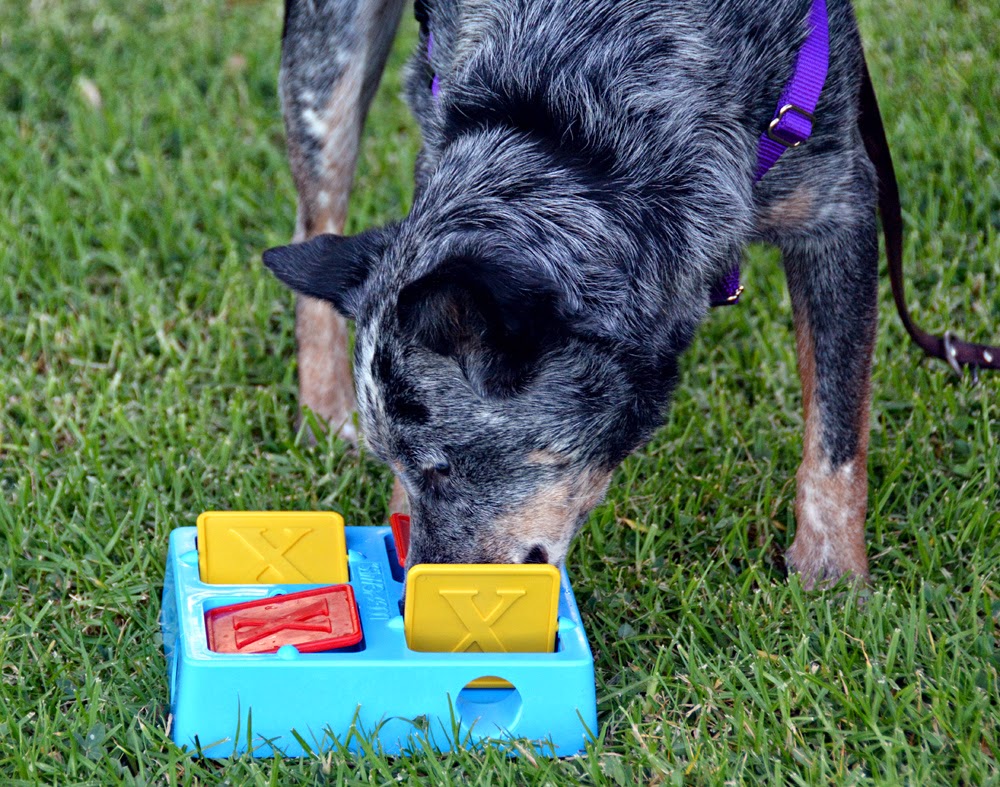
- Enrichment: Do you enjoy puzzle toys, scent games, and teaching skills?
- Management: Are you willing to use gates, leashes, and calm setups rather than hoping the dog “figures it out”?
- Help: Would you hire a trainer if herding behaviors show up?
General guidance:
- If you want a dog who tends to be more responsive to cues and training games, a Border Collie may be the better fit.
- If you want a dog who tends to be sturdier, more watchful, and more intense about boundaries, a Blue Heeler may be your dog, but it often demands more management skill.
Finding the right breeder or rescue
If you do one thing before committing, do this: ask questions that reveal what daily life will feel like.
- Health testing: Ask for proof of relevant orthopedic and eye screening, plus breed-appropriate genetic testing. A reputable breeder will be used to this.
- Temperament: Ask what the parents are like in the house, not just on a field. “What does the dog do at 6 p.m. on a weekday?” is one of my favorite questions.
- Early socialization: Look for puppies raised with thoughtful exposure to normal life, not “thrown into everything.”
- Rescue honesty: In foster-based rescues, ask what triggers the dog, how they settle at home, and whether they guard resources, chase cats, or struggle with visitors.
Choosing the right one for your home
A Blue Heeler may fit you if
- You want a tough companion for hikes, running, and structured play
- You like clear rules and do not mind a dog with opinions
- You can train early for mouthiness and impulse control
- You are comfortable managing wariness around strangers
A Border Collie may fit you if
- You want a training partner who loves learning and precision
- You enjoy dog sports, trick training, or advanced obedience
- You can prevent and redirect chasing and fixation habits
- You can provide a calmer routine with planned mental work
If you are stuck, do this
- Meet adults of both breeds, not just puppies.
- Talk to the rescue foster or breeder about what the dog does at home at 6 p.m. on a normal weekday.
- Pick temperament over aesthetics. A “softer” Heeler or a “lower-drive” Border Collie can exist, but you want that to be real, not a wish.
FAQ
Do Blue Heelers and Border Collies bark a lot?
They can. Many bark from excitement, alertness, or frustration. Border Collies may vocalize when aroused during play or when watching motion outside. Heelers may bark as watchdogs or when trying to control activity. Training, enrichment, and preventing boredom matter more than any single “quiet breed” promise.
Which one is better with other dogs?
It depends on the individual and early socialization. Border Collies may ignore other dogs in favor of their person or a ball. Heelers can be more dog-selective and may dislike rude greetings. Slow introductions and structured play help either breed.
Can either breed be happy without a farm?
Yes, as long as their needs are met. Many thrive in suburban homes when they get daily exercise, mental work, and training. The challenge is that their needs are not optional. They are part of the breed design.
Which sheds more?
Both shed. Rough-coated Border Collies can feel like they shed more because the hair is longer and catches on everything. Heelers can surprise you with short hair tumbleweeds, especially during seasonal coat blows.
The bottom line
If you want a focused, handler-oriented teammate and you enjoy training as a hobby, the Border Collie is often the better match.
If you want a durable, no-nonsense worker who thrives with structure and has strong opinions about how the household should move, the Blue Heeler may be your dog, as long as you are ready to address nipping and intensity early.
Either way, the best herding dog for your home is the one whose needs you can meet on a normal Tuesday, not just on your dream weekend.