A curious nose. A very waggy welcome.
If you have ever heard someone say, “Blue Heelers are tougher” or “Red Heelers are sweeter,” you are not alone. But here is the simple truth I keep coming back to: Blue Heeler and Red Heeler are nicknames for the same breed, the Australian Cattle Dog (ACD). The difference is coat color and patterning, not a separate breed, separate line, or separate personality type.
Blue Heeler and Red Heeler: the quick answer
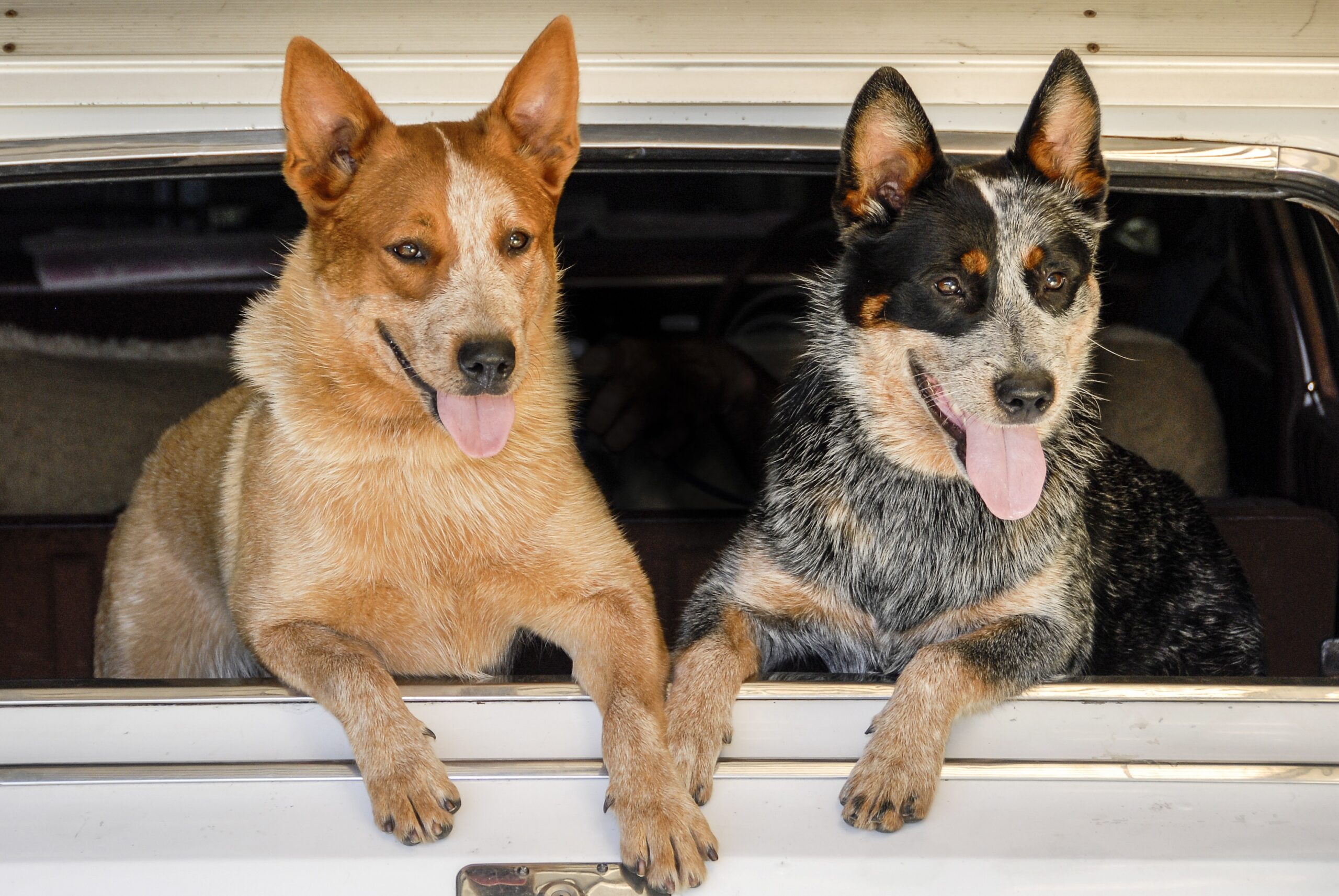
No, they are not different breeds. Blue Heelers and Red Heelers are both Australian Cattle Dogs.
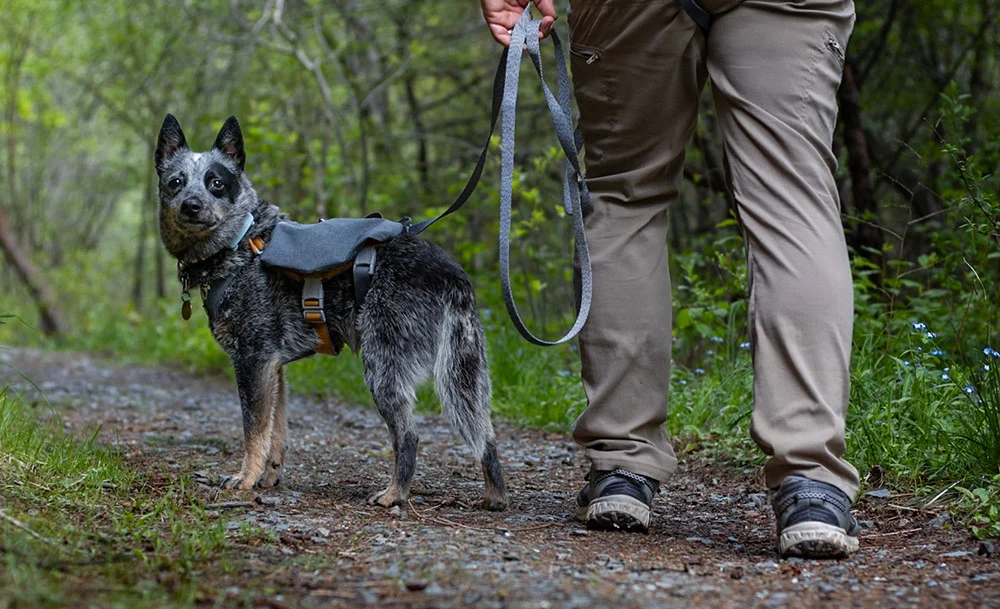
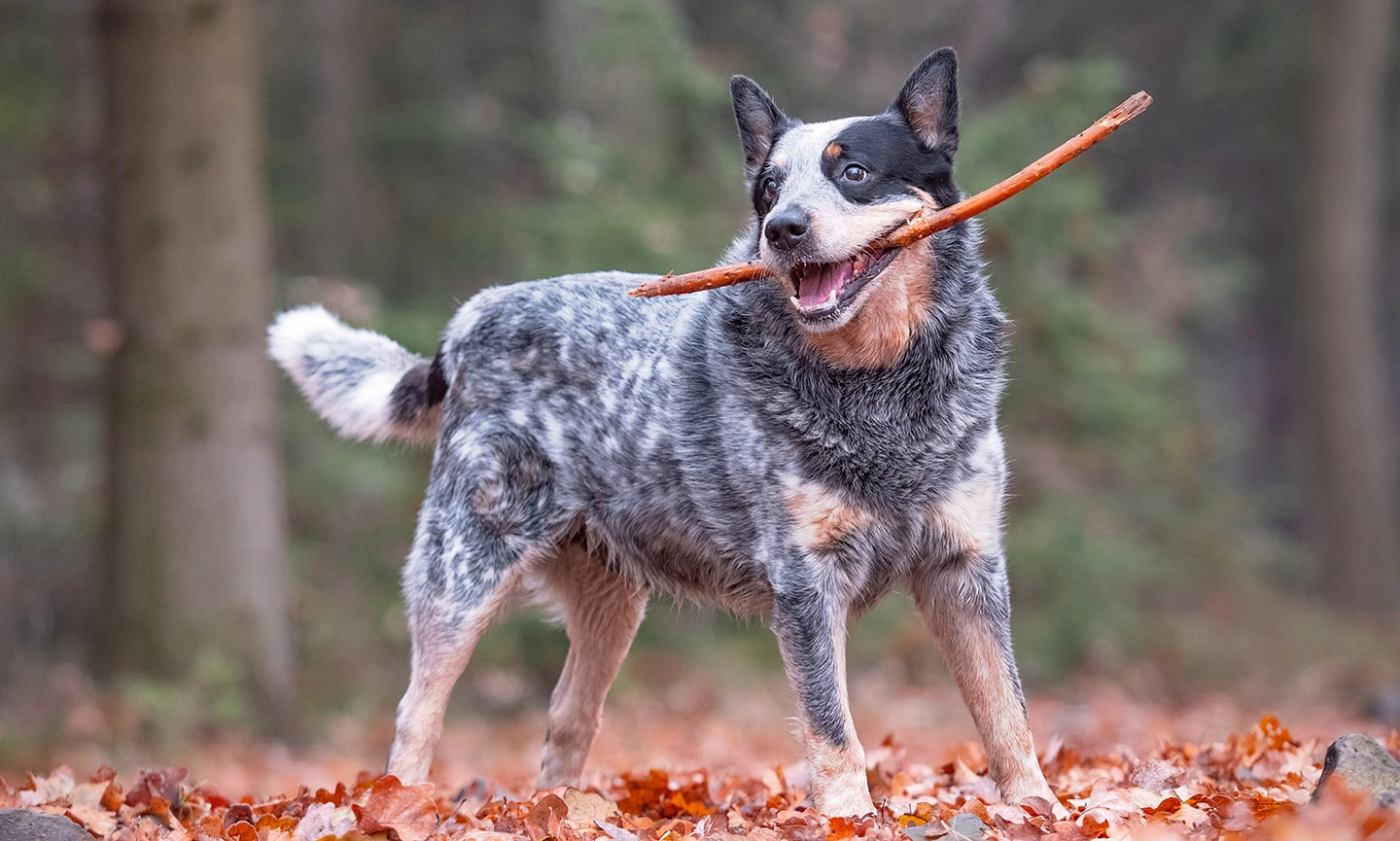
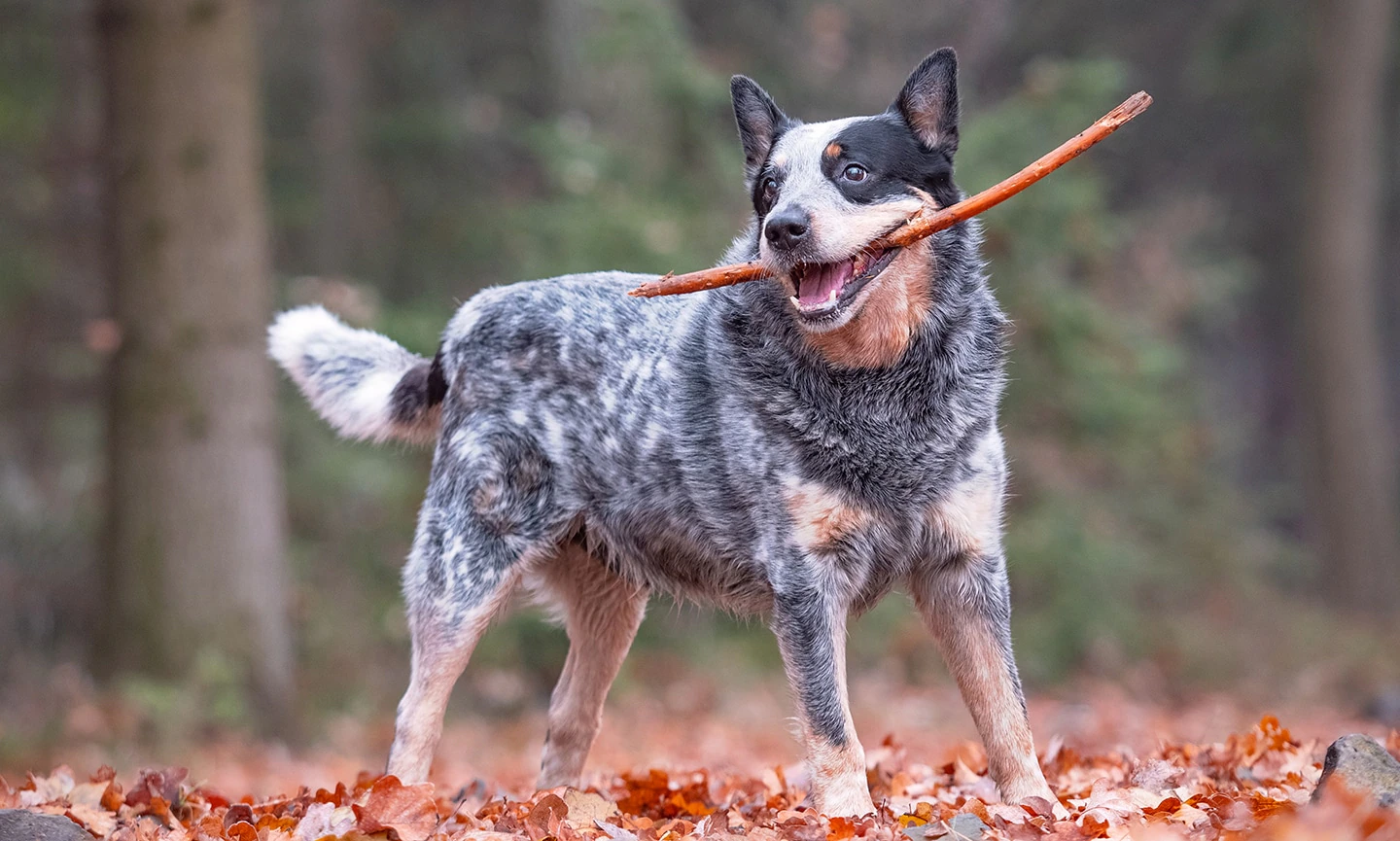
- Blue Heeler refers to an ACD with a blue-gray look (from black-based hairs intermingled with lighter hairs).
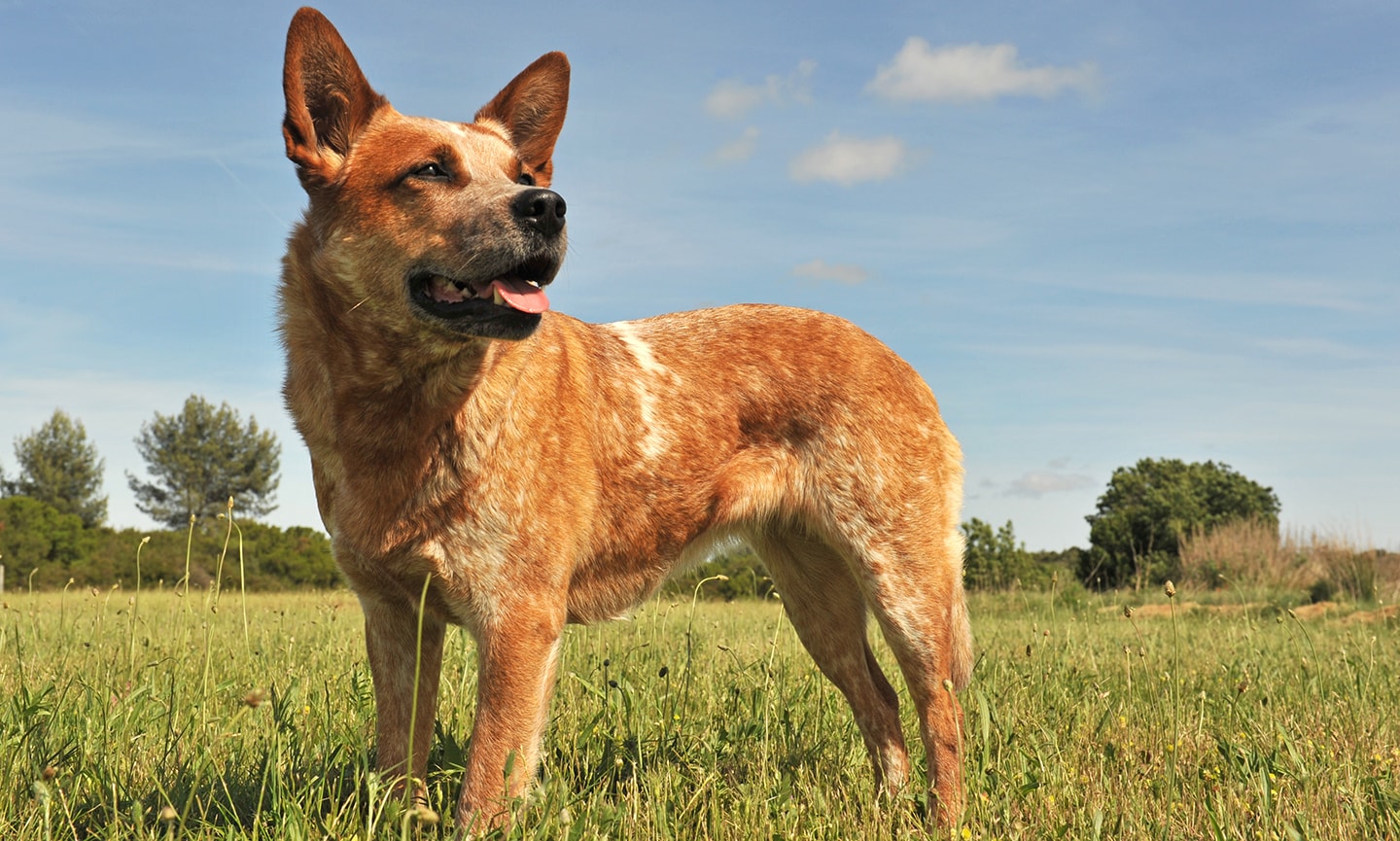
- Red Heeler refers to an ACD with a red look (from red or brown hairs intermingled through the coat).
Major registries and breed standards generally recognize Australian Cattle Dogs in blue and red color varieties (with different acceptable markings depending on the standard). If you are a details person, it is worth checking the exact wording from your local kennel club or national breed club.
Why do some Heelers look blue and others look red?
Heeler coats are famously speckled or mottled, and that is the visual magic. Many Australian Cattle Dog puppies are born looking very light, then their adult pattern fills in as more colored hairs appear and mix through the coat.
The genetics in plain language
Coat color genetics gets complicated fast, so here is the non-scary version.
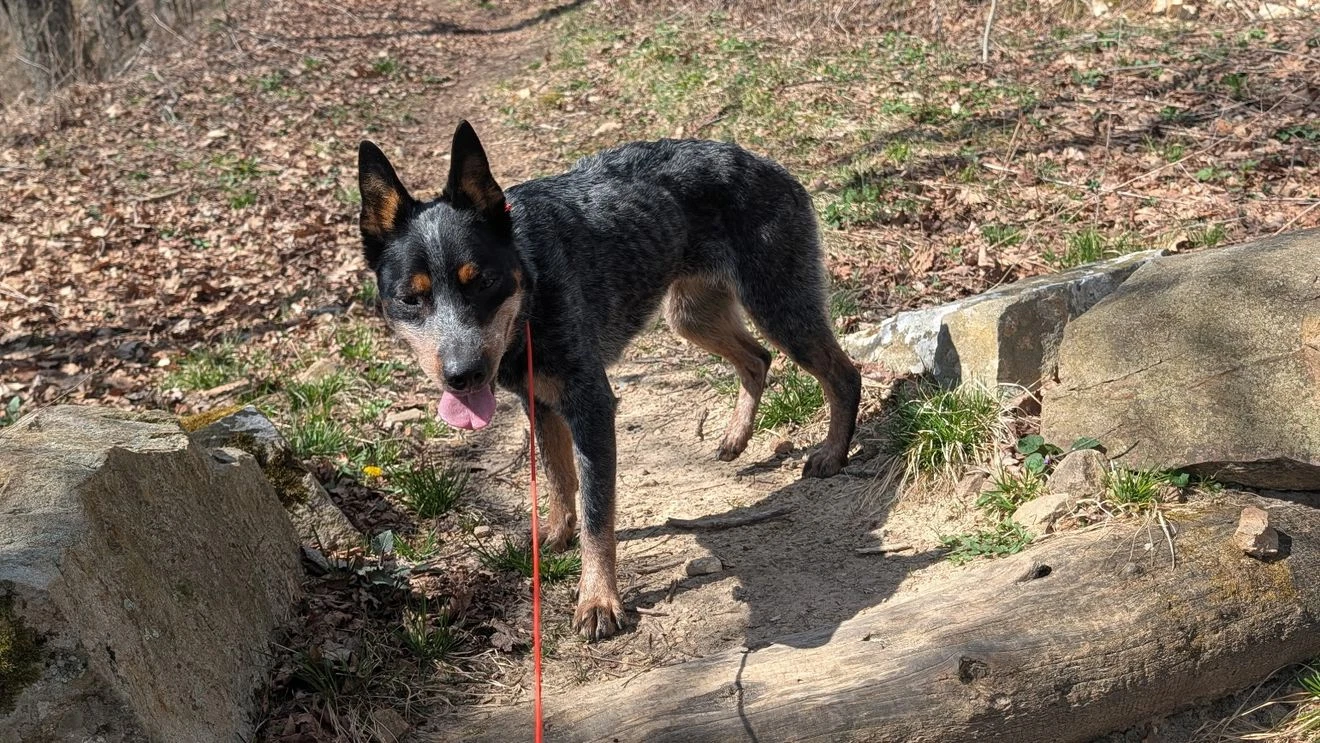
- Blue Heelers get their overall blue-gray appearance from black pigment showing up throughout the coat in speckled or mottled patterns. Blue dogs may also show tan points (eyebrows, cheeks, legs) depending on other genes.
- Red Heelers get their overall red look when the dog expresses red pigment in the same speckled or mottled patterning. The red can range from warm copper to deeper rusty tones.
You will sometimes hear the word roan used for this look. In Heelers, I treat that as a visual description, meaning “roan-like speckling,” rather than a promise about one specific gene.
Common markings on Heelers
Color is only the headline. Markings are the fine print, and Heelers have lots of it.
Marking terms (and what they mean)
- Speckling: Small flecks of color across the coat.
- Mottling: Larger patches of mixed color, often giving a marbled look.
- Facial patches: Darker coloring on part of the face (often more noticeable in blue dogs).
- Tan points: Tan markings above the eyes, on cheeks, inside ears, on legs (commonly seen with blue coloration).
- Body patches: Some dogs have larger patches of color on the body. In some conformation standards, heavy body patches may be less preferred, even though they occur naturally in the breed.
One especially famous marking: the ACD Bentley mark, a white spot on the forehead, is often mentioned by fans of the breed. Not every dog has it, but it pops up often enough that people love to look for it.

Temperament myths: are Blue Heelers different from Red Heelers?
This is where rumors like to sprint ahead of facts.
Coat color does not determine temperament. An Australian Cattle Dog is an Australian Cattle Dog: clever, intense, movement-sensitive, and typically ready to work. Individual personality still varies a lot, but the biggest influences are usually:
- Genetics beyond coat color (the temperament of the parents matters)
- Early socialization (people, dogs, places, sounds)
- Training and daily routine (clear rules and consistent reinforcement)
- Work outlets (sports, herding-style games, hiking, puzzles)
Why the myth sticks
People often meet only one or two Heelers in their life, then connect the dog’s personality to the dog’s color. If your neighbor’s Red Heeler is mellow and your cousin’s Blue Heeler is a chaos rocket, it is tempting to blame the coat. But that is storytelling, not science.
One more small-but-helpful clarification: in some places, people use “Heeler” loosely for other cattle dog types too, like the Australian Stumpy Tail Cattle Dog. If you are comparing notes online, double-check that everyone is actually talking about Australian Cattle Dogs.
Does color affect health? A note on deafness
Color itself is not a “health problem,” but some coat pattern genetics across dog breeds are associated with a higher likelihood of congenital (present at birth) deafness, especially when a dog has a lot of white on the head or reduced pigment around the ears and eyes.
Australian Cattle Dogs can have congenital deafness, and the risk discussion often circles around:
- White patterning (particularly heavy white on the face)
- Pigment around the ears and eyes (less pigment is a known risk factor in several breeds)
- Family history (what has shown up in related dogs)
Important nuance, puppy-scout note: this is not a “Blue Heeler problem” or a “Red Heeler problem” exclusively. It is more about the underlying pigment and white patterning and what is present in a particular line.
How deafness is screened
If you are working with a breeder or adopting a puppy, ask about BAER testing (Brainstem Auditory Evoked Response). It is the standard hearing test used to identify unilateral (one ear) or bilateral (both ears) deafness.
If you already have a dog and suspect hearing issues, your veterinarian can help you decide whether a referral for BAER testing makes sense.
If a breeder dismisses deafness questions with “That is only the blue ones” or “That never happens,” treat it as a cue to ask more, not less.
Grooming: any difference by color?
No. Coat color does not change coat type in this breed. Australian Cattle Dogs have a short, dense double coat built for weather and work.
- Shedding: Expect year-round shedding with heavier seasonal blowouts.
- Brushing: A weekly brush helps, and more often during coat blows.
- Bathing: As needed. Many Heelers stay fairly “self-cleaning” if brushed regularly.
- Nails and paws: Keep nails trimmed and check paw pads, especially for active dogs.
Is one color rarer or more expensive?
Pricing varies by region and by breeder practices, and local demand can make one color feel harder to find in a given area. But in a well-run program, color should not be treated as a luxury upgrade.
More important than coat color is whether the breeder (or rescue) can talk clearly about:
- Health testing and health history
- Temperament and working style of the parents
- Early handling and socialization
- Matchmaking a puppy to your household
Be cautious of anyone who markets a color as “rare” without also being transparent about health screening and responsible breeding decisions.
Choosing a Blue or Red Heeler
If you are deciding between puppies or dogs of different colors, try focusing on questions that actually predict day-to-day life:
- Energy level: Is this dog a steady worker or a constant motion detector?
- People social: Comfortable with visitors or suspicious and watchy?
- Dog social: Plays well, tolerant, selective, or reactive?
- Handling: Accepts grooming and restraint calmly?
- Recovery: After excitement, can the dog settle?
Color is a joy, but fit is the secret sauce.
FAQ
Are Blue Heelers and Red Heelers the same as Australian Cattle Dogs?
Yes. Blue Heeler and Red Heeler are common nicknames for Australian Cattle Dogs with different coat colors.
Are Red Heelers calmer than Blue Heelers?
Not because they are red. Temperament is shaped by the individual dog, breeding lines, early socialization, and training, not coat color.
Do Blue Heelers have more health problems?
Not inherently. Australian Cattle Dogs can have congenital deafness, and BAER is the standard screening test. It is best to ask about family history and testing rather than assume risk based on color alone.
Can a litter have both blue and red puppies?
Yes, it can happen depending on the parents’ genetics. Color inheritance is complex, and the same breed can produce either color variety.
Do Heelers change color as they grow?
Many do. Puppies can look lighter at first, then develop more visible speckling and color as the adult coat comes in.
The bottom line
Blue Heeler vs. Red Heeler is mostly a coat color conversation. They are the same breed, with the same bright brain, the same working-dog engine, and the same need for training, enrichment, and a job to do.
If you are picking a Heeler, pick the temperament match. Then enjoy the color like the cherry on top of a very energetic sundae.