A curious nose. A very waggy welcome.
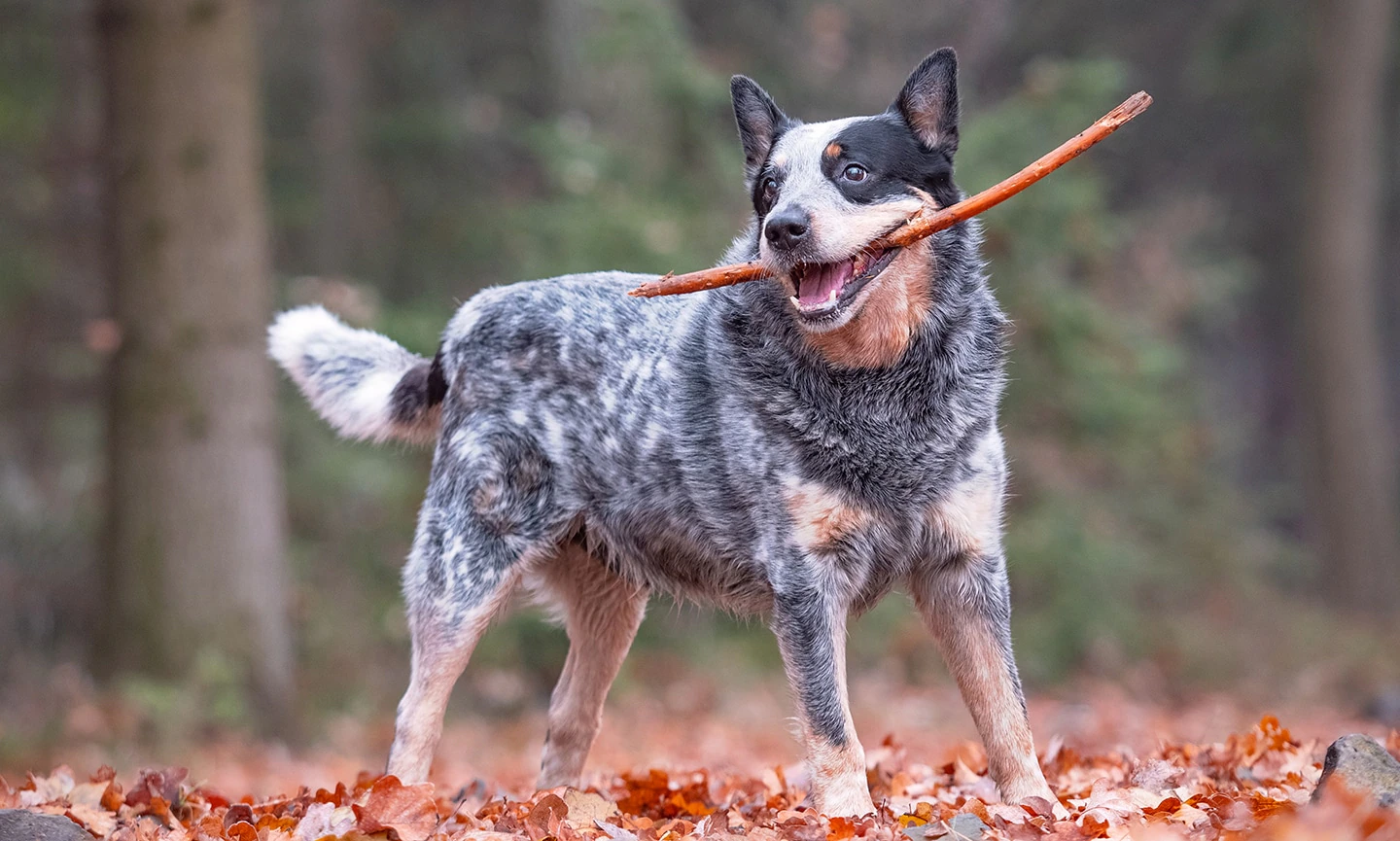
If you live with an Australian Cattle Dog, you already know the deal: bright mind, tough body, and a work ethic that does not come with an off switch. That sturdy vibe can make it easy to assume they are indestructible. But even hardy breeds have patterns, and knowing what to look for is one of the kindest things you can do for your dog.
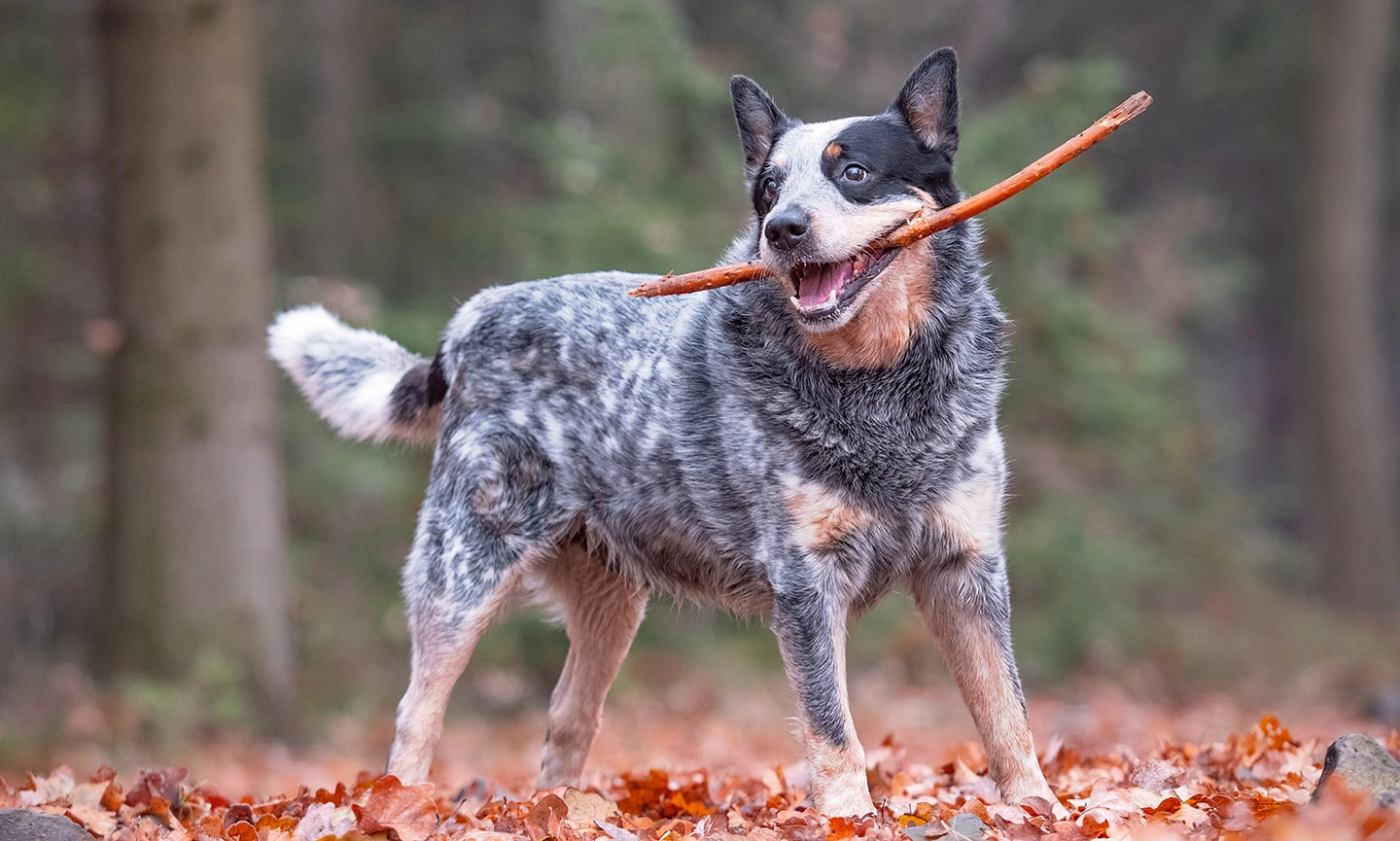
Australian Cattle Dog lifespan
Most Australian Cattle Dogs live around 12 to 16 years, with many landing right in the middle of that range. Genetics matter, but so do the everyday choices that add up over time: keeping a lean body condition, protecting joints during growth, dental care, parasite prevention, and catching problems early.
A Cattle Dog who stays fit without being overworked, eats a balanced diet, and sees the vet regularly has the best odds of reaching their senior years still bossing everyone around.
Health problems seen in Australian Cattle Dogs
Not every Cattle Dog will run into these issues, but these are the conditions that show up often enough to deserve a spot on your radar.
- Congenital deafness (present at birth, often inherited)
- Progressive retinal atrophy (PRA) and other inherited eye disease
- Hip dysplasia
- Elbow dysplasia
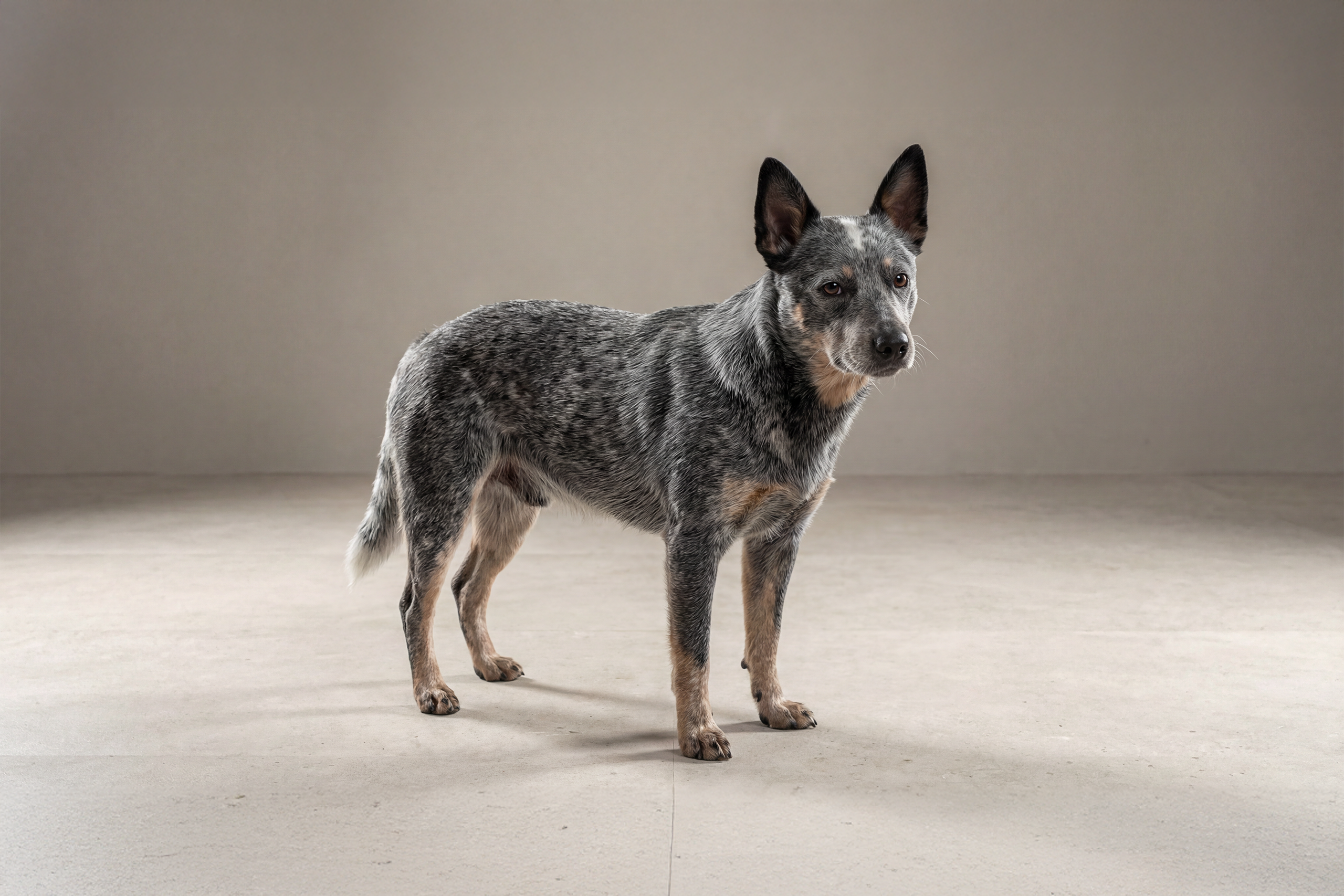
Congenital deafness
Congenital deafness (deafness present at birth, and often inherited) can occur in Australian Cattle Dogs, including puppies that seem perfectly normal until you notice they sleep through loud noises or do not respond to sound cues. Deafness may affect one ear (unilateral) or both ears (bilateral). Unilateral deafness can be easy to miss because the puppy can still hear with the other ear.
What owners can watch for
- Not waking up to household sounds
- Startles easily when approached from behind
- Does not respond to squeaky toys or clapping
- Seems to ignore verbal cues but does fine with hand signals
Recommended screening
The go-to test is a BAER hearing test (Brainstem Auditory Evoked Response). Breeders may test litters, and owners can request testing through a referral if there are concerns. If you are choosing a puppy, asking whether BAER testing was done is a practical, non-awkward question.
Why early confirmation helps
Deaf dogs can thrive, but training and safety look a little different. A confirmed diagnosis helps you lean into visual cues, vibration cues, secure fencing, and leash habits that prevent surprises.
PRA and inherited eye disease
PRA is a group of inherited diseases that cause gradual degeneration of the retina. It often starts with night vision problems and can progress to significant vision loss over time. Because the change can be slow, families sometimes adapt without realizing what is happening until the dog seems hesitant in dim light.
What owners can watch for
- Bumping into objects in low light
- Hesitation on stairs at dusk or indoors
- Reluctance to go outside at night
- Unusual eye shine or dilated pupils in dim light (not specific to PRA, but worth an exam)
Recommended screening
- Routine veterinary eye checks at annual visits, sooner if you notice changes
- Eye exams by a veterinary ophthalmologist when recommended (and typically the best choice for inherited eye screening in breeding dogs)
- DNA testing may be available for specific inherited eye conditions depending on lines and what tests your breeder or vet suggests
If you are working with a breeder, ask what eye screening is done on the parents and how often.
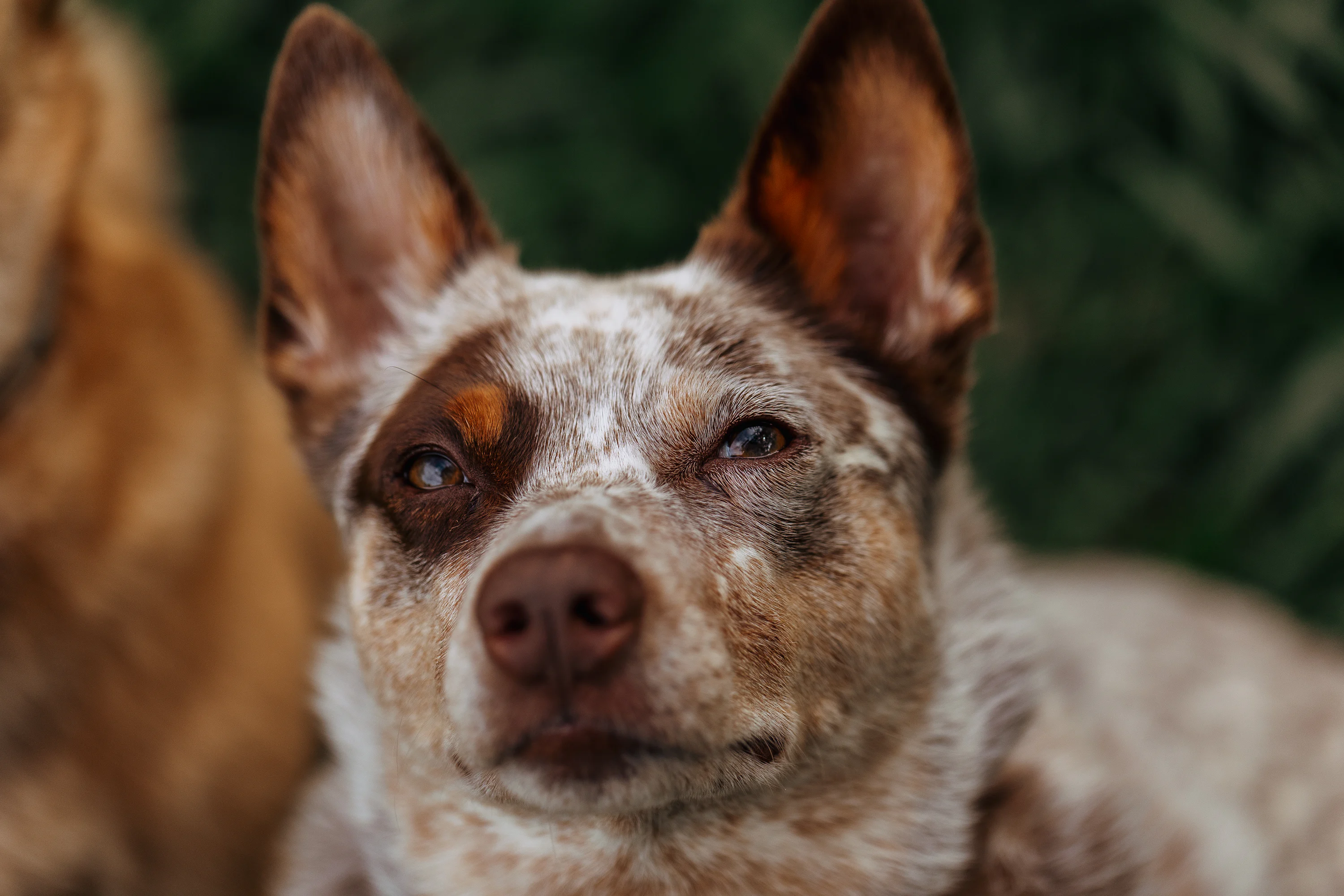
Hip dysplasia
Hip dysplasia is a developmental condition where the hip joint does not fit together as snugly as it should. Over time, that mismatch can contribute to pain, inflammation, and arthritis. Cattle Dogs are athletic and enthusiastic, which means mild discomfort can be hidden behind sheer determination until the problem progresses.
What owners can watch for
- “Bunny hopping” with the back legs when running
- Stiffness after rest, especially in the morning
- Reluctance to jump into the car or onto furniture
- Hind-end weakness, muscle loss, or swaying gait
- Behavior changes: irritability when touched over hips or lower back
Recommended screening
Hip screening is done with radiographs (X-rays). For breeding dogs, results are often submitted to organizations that evaluate joint conformation (your vet can explain the options used in your region). For pet dogs, your veterinarian may recommend X-rays as a diagnostic step based on symptoms, age, and activity level.
What helps day to day
- Keep your dog lean, since extra weight increases joint stress
- Build muscle safely with steady, controlled exercise rather than repeated high-impact leaps
- Use traction (rugs, runners) on slick floors
- Ask your vet about pain management, physical therapy, and joint supplements if appropriate
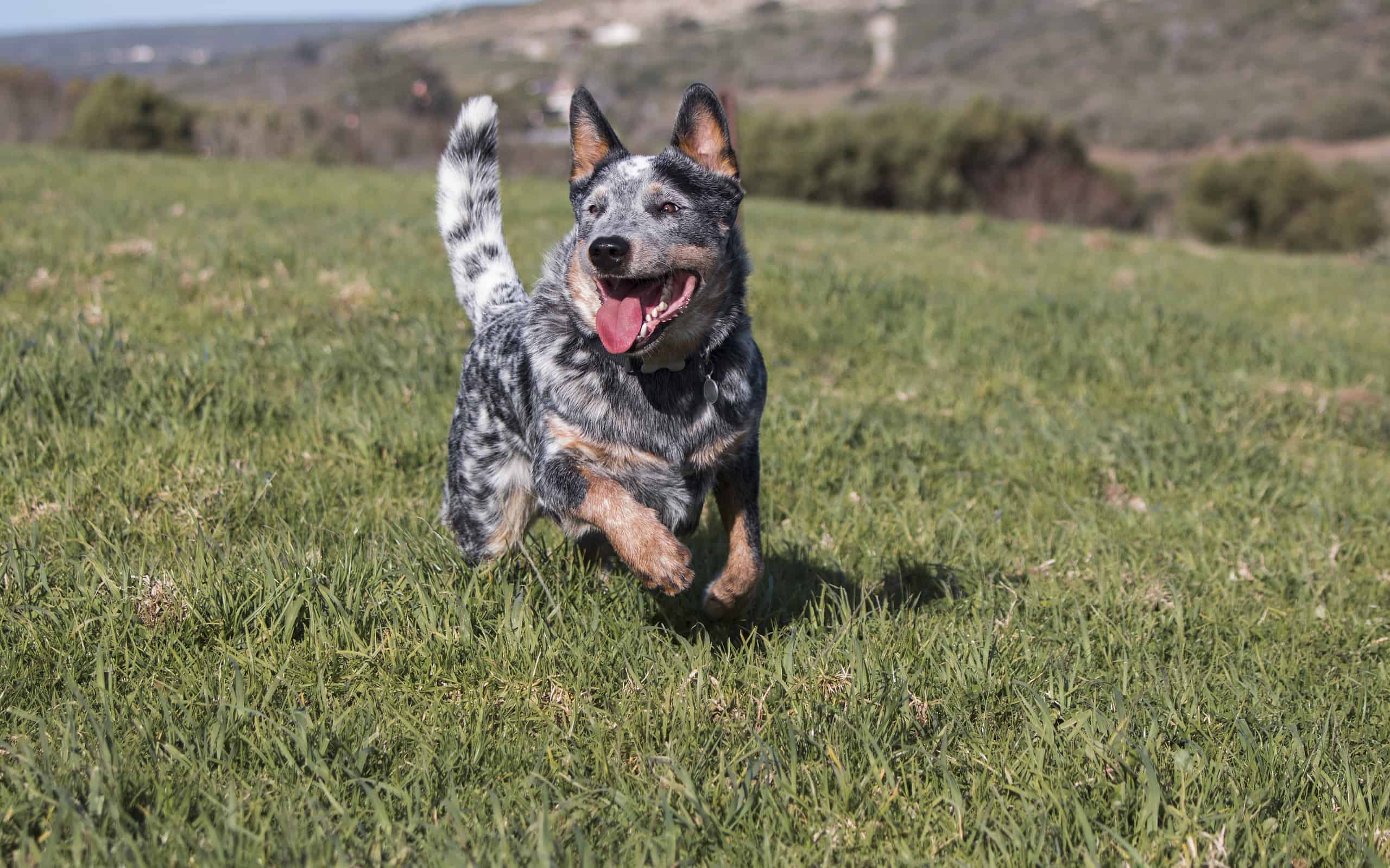
Elbow dysplasia
Elbow dysplasia describes several developmental issues affecting the elbow joint. It can show up as front-leg lameness, stiffness after exercise, or a dog that suddenly decides sitting is much more fun than fetch.
What owners can watch for
- Limping or head bobbing (some dogs lift the head more when the sore front leg bears weight)
- Stiffness after intense play
- Turning wide instead of pivoting tightly
- Reluctance to go down stairs or jump down from heights
Recommended screening
Like hips, elbows are evaluated with X-rays. If your dog shows persistent front-leg lameness or stiffness, especially at a young age, prompt imaging can make a real difference in comfort and long-term joint health.
Screening and prevention
If I had a puppy-scout checklist for Cattle Dogs, it would look something like this: pick smart screenings, then stay consistent with the basics.
Screenings to discuss with your veterinarian
- BAER hearing test if you suspect hearing loss, or if you want confirmation in a puppy
- Eye exam during routine visits, and ophthalmology referral if changes appear or if advised
- Hip and elbow evaluation with X-rays if there are symptoms, or for dogs intended for sports or breeding
Preventative care that supports longevity
- Annual or twice-yearly wellness exams (many vets recommend twice-yearly once dogs hit middle age)
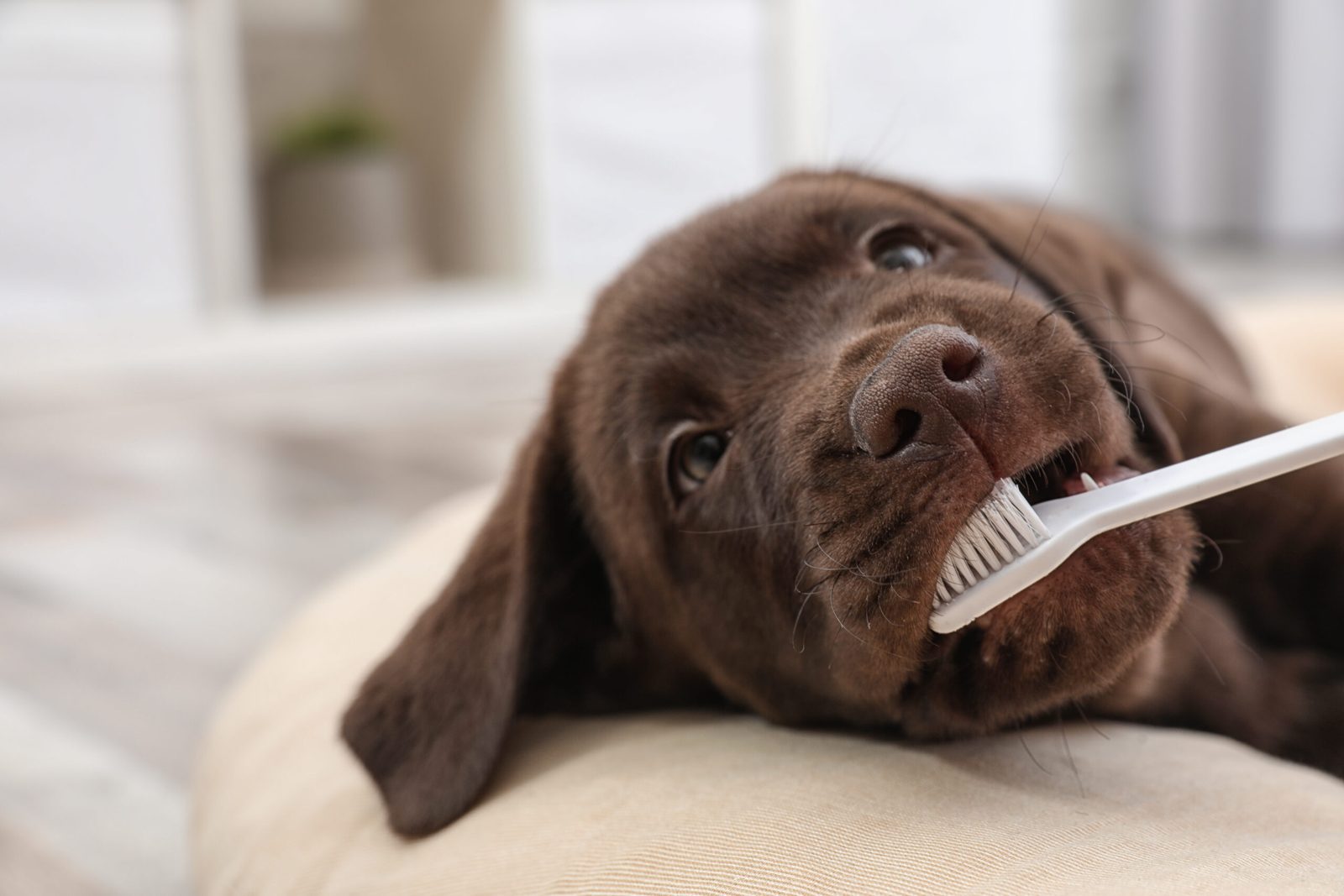
- Dental care at home plus professional cleanings when recommended
- Parasite prevention appropriate for your region and lifestyle
- Vaccination plan tailored to risk
- Baseline bloodwork as your dog enters adulthood, then periodic monitoring as they age
What to monitor at home
Some of the best health clues are tiny and boring, which is exactly why they are powerful. You see your dog every day, and you will notice patterns before anyone else.
Quick at-home watch list
- Weight and body condition: a visible waist and easy-to-feel ribs under a light layer is the goal for most dogs
- Gait changes: limping, stiffness, bunny hopping, or slowing down on walks
- Jumping and stairs: hesitation can be an early joint pain sign
- Eyes: cloudiness, redness, squinting, bumping into things, or night anxiety
- Ears and hearing: startle response, ignoring sounds, or confusion with verbal cues
- Behavior: irritability, less interest in play, or avoiding touch in certain areas
If your Australian Cattle Dog is still willing to work but starts recovering more slowly, moving differently, or acting “not quite right,” it is worth a vet visit. Stoic dogs are great at hiding pain.
Senior care tips
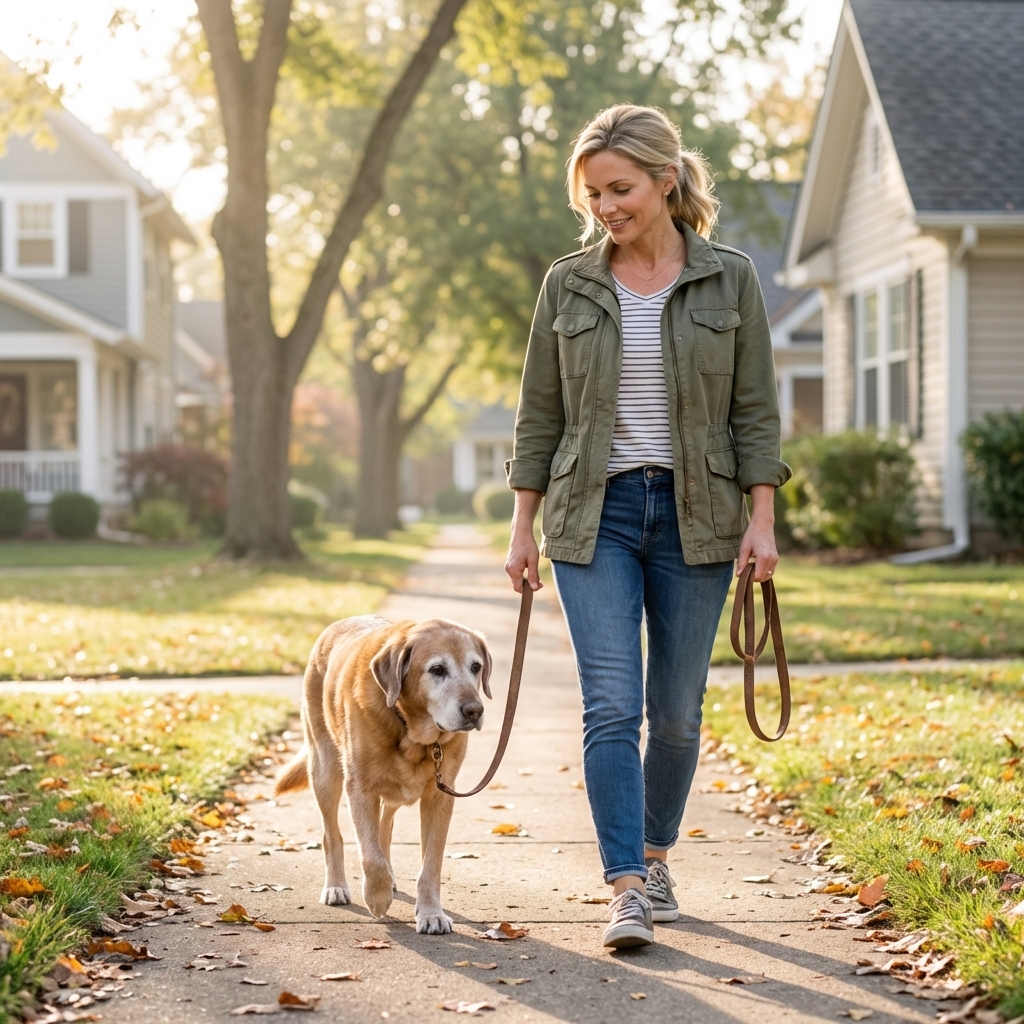
Longevity is not just about avoiding disease. It is about keeping your dog comfortable, mobile, and mentally satisfied as the years stack up.
- Protect joints early: avoid repetitive high-impact exercise in young dogs whose growth plates are still developing, and build fitness gradually
- Train for handling: cooperative care cues (chin rest, paw offer, stationing on a mat) make exams and home checks less stressful
- Keep nails and paw pads in check: good footing helps joints and prevents slips
- Adjust exercise, do not delete it: older cattle dogs still want a job, but they may need shorter, more frequent sessions
- Stay curious: new sniff routes, puzzle toys, and low-impact games keep the brain happy
FAQ
What is the average lifespan of an Australian Cattle Dog?
Many Australian Cattle Dogs live 12 to 16 years. Individual lifespan varies with genetics, weight, activity habits, and medical care.
Are Australian Cattle Dogs prone to hip dysplasia?
They can be. Hip dysplasia appears in many active medium-to-large breeds. Keeping your dog lean, watching for stiffness or gait changes, and getting X-rays when recommended can help catch issues early.
How do I know if my Cattle Dog is going deaf?
Common clues include not responding to sound cues, startling when touched, and sleeping through noise. A BAER test is the standard way to confirm hearing status.
What are early signs of PRA?
Often it starts with night vision trouble. Dogs may hesitate in dim rooms, bump into objects after sunset, or seem less confident on stairs at dusk. Any vision change deserves a vet check.