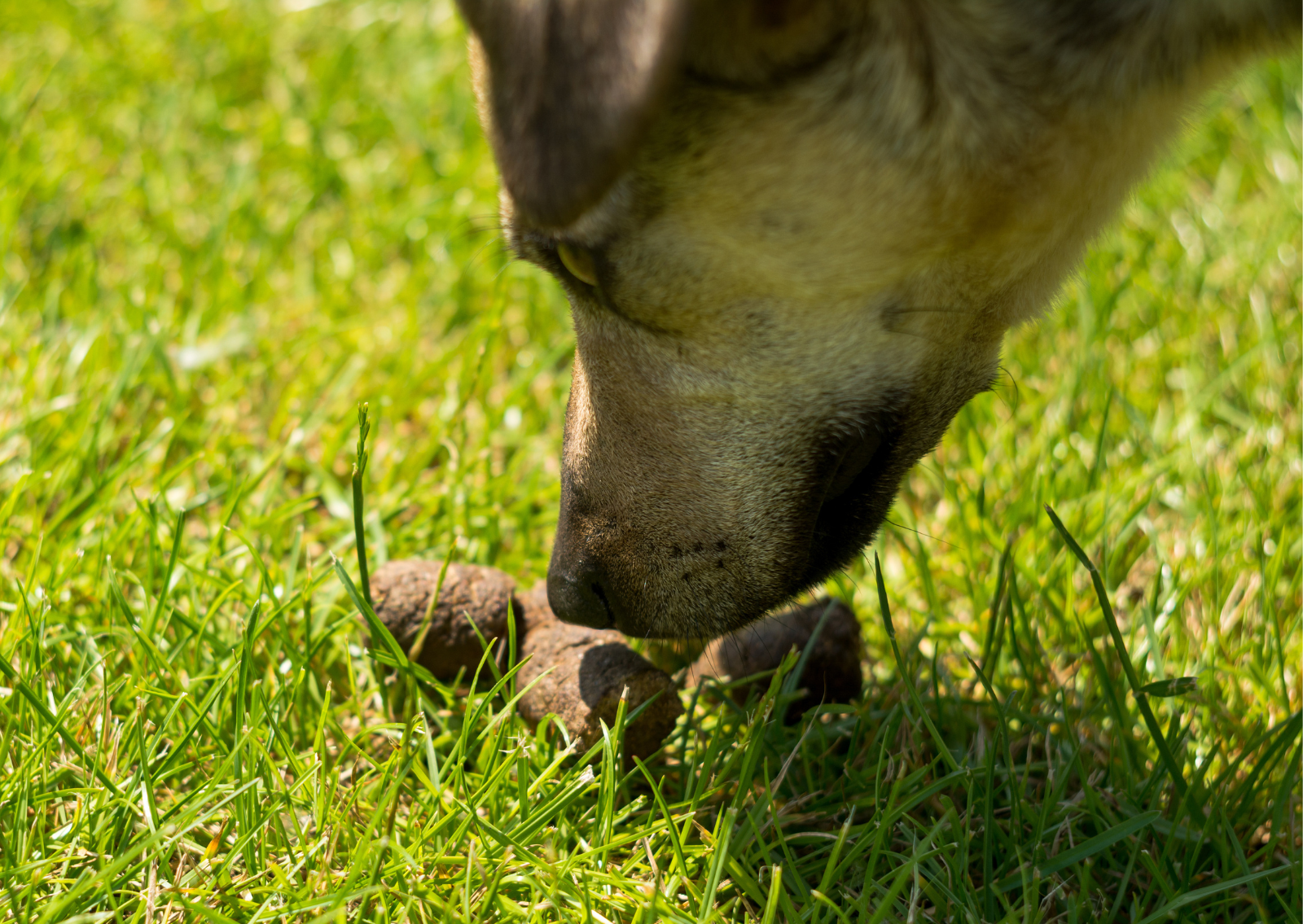
I have to tell you, this is one of those dog habits that makes people gasp, laugh, and then immediately say, “Wait, is that dangerous?” If your dog is eating horse manure on trails, around barns, or anywhere horses are kept, you are not alone. In veterinary clinics, we hear about this a lot.
The good news is that many dogs who sneak a bite of horse manure do not get seriously ill. The not so great news is that it can cause stomach upset, and in certain situations it can expose your dog to parasites or other germs.
Why horse manure tempts dogs
Dogs experience the world through scent first. To us, manure is disgusting. To many dogs, it is a strong, information-rich smell with a “food-like” component.
It smells like a buffet
Horses eat grasses and hay, and sometimes grain-based feeds. That plant-heavy diet ferments in the gut and produces odors that can smell edible to scavenging animals. Dogs are natural scavengers, so they may investigate and then take it one step too far.
Undigested grain can be rewarding
One big reason dogs target horse manure specifically is that horses do not digest every bit of grain and starch perfectly. If a horse is fed sweet feed, pelleted feed, corn, oats, or other concentrates, small amounts can pass through and remain in the manure. Some dogs learn very quickly that certain piles are “the good kind.”
Some dogs are more likely to do it
- Puppies and adolescents who explore with their mouths
- Food-motivated breeds and dogs who have a history of scavenging
- Dogs on restricted diets who feel hungry or unsatisfied
- Bored dogs who are off-leash and self-entertaining
Important note: If your dog is ravenous, losing weight, or constantly trying to eat non-food items, that is worth a vet conversation. Sometimes appetite changes point to an underlying medical issue.
Is it dangerous?
It depends on what is in the manure, where it came from, and your dog’s health. The two biggest concerns are gastrointestinal upset and infectious or parasite exposure.
1) Stomach upset (most common)
Even when it is “just poop,” horse manure can irritate a dog’s stomach and intestines. You might see drooling or lip-smacking, vomiting, soft stool or diarrhea, gassiness, or reduced appetite for a meal or two.
Most mild cases improve with time and a bland diet, but persistent vomiting or diarrhea can dehydrate dogs quickly, especially small dogs and seniors.
2) Parasites and protozoa (often about the environment)
Horses have their own internal parasites, and dogs have theirs. The reassuring part is that many “horse worms” do not set up a long-term infection in dogs. The practical concern is that barns, pastures, and trailheads are high-traffic areas where dogs can be exposed to a mix of organisms from multiple animals and contaminated soil or water. That can include canine parasites and protozoa (such as Giardia) that dogs pick up more commonly in shared outdoor environments.
If manure piles are near puddles, stagnant water, or heavily used dog-walking routes, the risk of picking up something contagious goes up.
3) Bacteria and other germs
Any feces can potentially carry bacteria that upset the gut. Not every exposure causes illness, but organisms such as Salmonella or Campylobacter can be present in animal feces and can trigger vomiting and diarrhea in some dogs.
4) Medication residues (a low but real consideration)
Occasionally, horses are on medications (including some dewormers). For most dogs, an occasional mouthful of manure is unlikely to cause toxicity from medication residue. Still, with repeated access or unknown history, it is another reason I prefer to discourage manure snacking and focus on prevention.
5) Trail debris
On trails, manure piles may include sand, small rocks, wood chips, twine bits, or other debris. Dogs can accidentally swallow things they should not, particularly if they gulp instead of nibble.
How it compares to other poop
All stool-eating is called coprophagia, but the motivation and risk profile can differ depending on the source.
Horse manure
- Main attraction: smell plus leftover plant material or undigested grain
- Main risks: GI upset, exposure to germs in livestock and trail environments, debris on trails
- Common setting: barns, pastures, riding trails
Dog eating its own stool
- Main attraction: behavioral (stress, anxiety, boredom), management issues (too much access), sometimes diet-related
- Main risks: reinfection with some canine parasites if present, plus persistent habit formation
- Most helpful approach: immediate cleanup, enrichment, training, and a vet check if it is sudden onset
Cat poop and litter box raids
- Main attraction: cat food is high in protein and fat, stool can smell like food to dogs
- Main risks: GI upset, parasite exposure, and litter ingestion which can cause constipation or obstruction
- Most helpful approach: physical barriers (baby gates, covered box), training, and management
Wildlife droppings
- Main attraction: scavenging and prey interest
- Main risks: wildlife parasites and bacteria depending on region, plus unknown diet and disease exposure
- Most helpful approach: leash skills and a strong “leave it”
In other words, horse manure is often more about opportunity and reward than a deeper behavioral problem. That is good news, because management and training can make a big difference.
What to do right after
If you just watched your dog grab a mouthful, do not panic. Here is what I recommend as a practical first response.
Step 1: Move on
Calmly call your dog away, leash up if needed, and keep walking. If you chase, many dogs turn it into a game.
Step 2: Offer water
Hydration helps the gut do its job. Do not force water, just make it available.
Step 3: Monitor for 24 to 48 hours
Keep an eye out for vomiting, diarrhea, appetite changes, lethargy, or discomfort. If you see any red-flag symptoms, use the list below and call your veterinarian.
Step 4: Think ahead about fecal testing
If manure snacking happens often, ask your vet about a stool test schedule that makes sense for your dog and your area.
Step 5: Be extra careful with hygiene
If your dog develops diarrhea after manure exposure, be cautious until things resolve. Pick up stool promptly, wash hands after cleanup, and limit face-licking and close contact with small children or immunocompromised family members. If you have other pets, consider separating them from the sick dog’s stool area to reduce the chance of sharing something contagious.
When to call the vet
This is the part I always want pet parents to take seriously. Call your veterinarian promptly if you notice any of the following after manure exposure:
- Repeated vomiting or inability to keep water down
- Diarrhea lasting more than 24 hours, or diarrhea that is very watery
- Blood in stool or black, tarry stool
- Marked lethargy, weakness, or signs your dog just is not right
- Abdominal pain, bloating, or a hunched posture
- Worms visible in stool or around the rear end
- Dehydration signs like sticky gums, sunken eyes, or poor skin snap-back
- Puppies, seniors, or immunocompromised dogs with any GI symptoms
If you are ever unsure, it is completely appropriate to call and ask, “My dog ate horse manure today, and now we have these symptoms. Do you want to see him?” That context helps a clinic triage appropriately.
How to stop the habit
I like to think of this as a two-part plan: management (prevent access) plus training (teach a better choice).
Management that works
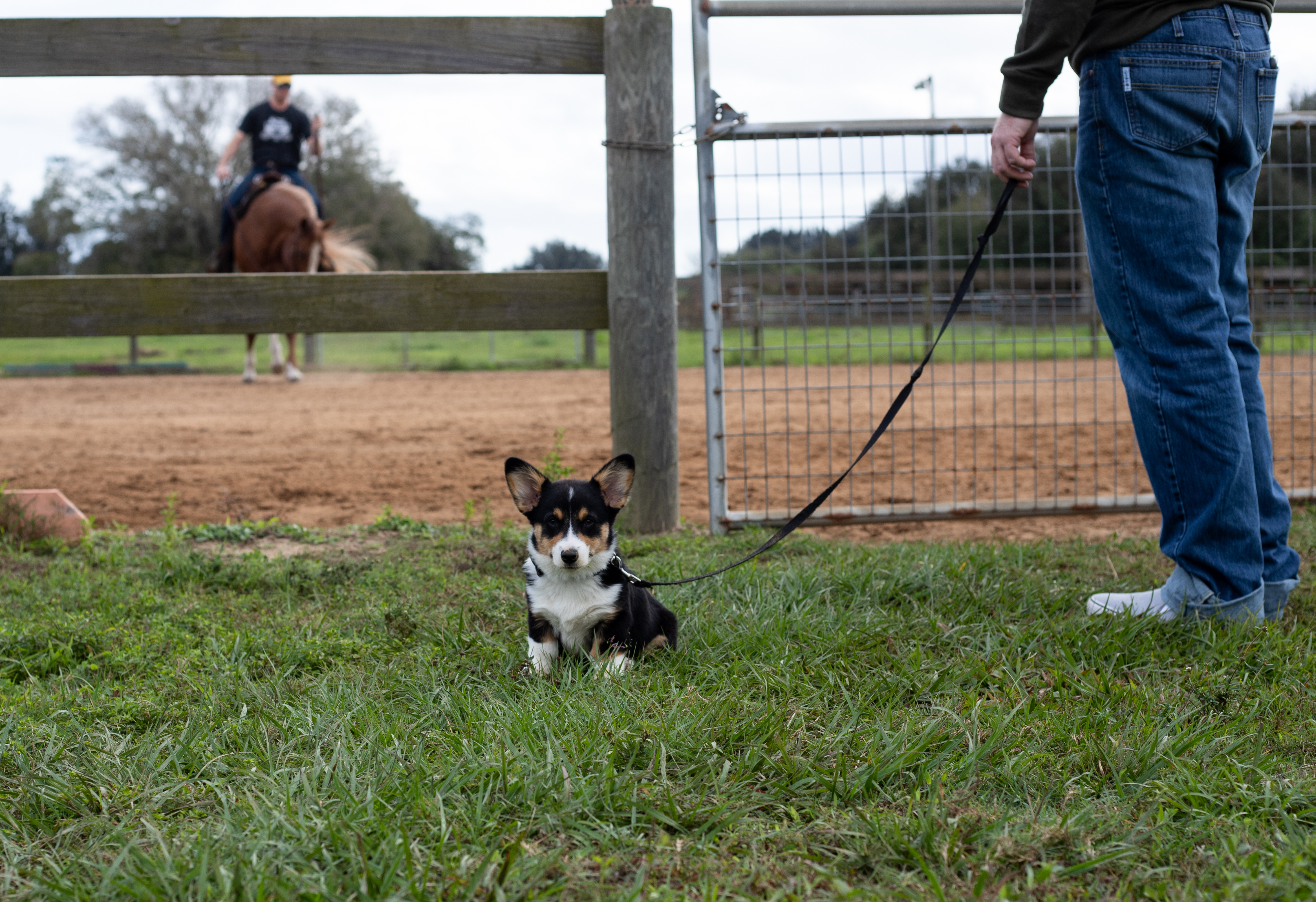
- Keep your dog leashed in manure-heavy areas, even if they are normally trustworthy off-leash.
- Walk the outside line of trails when possible, away from obvious piles.
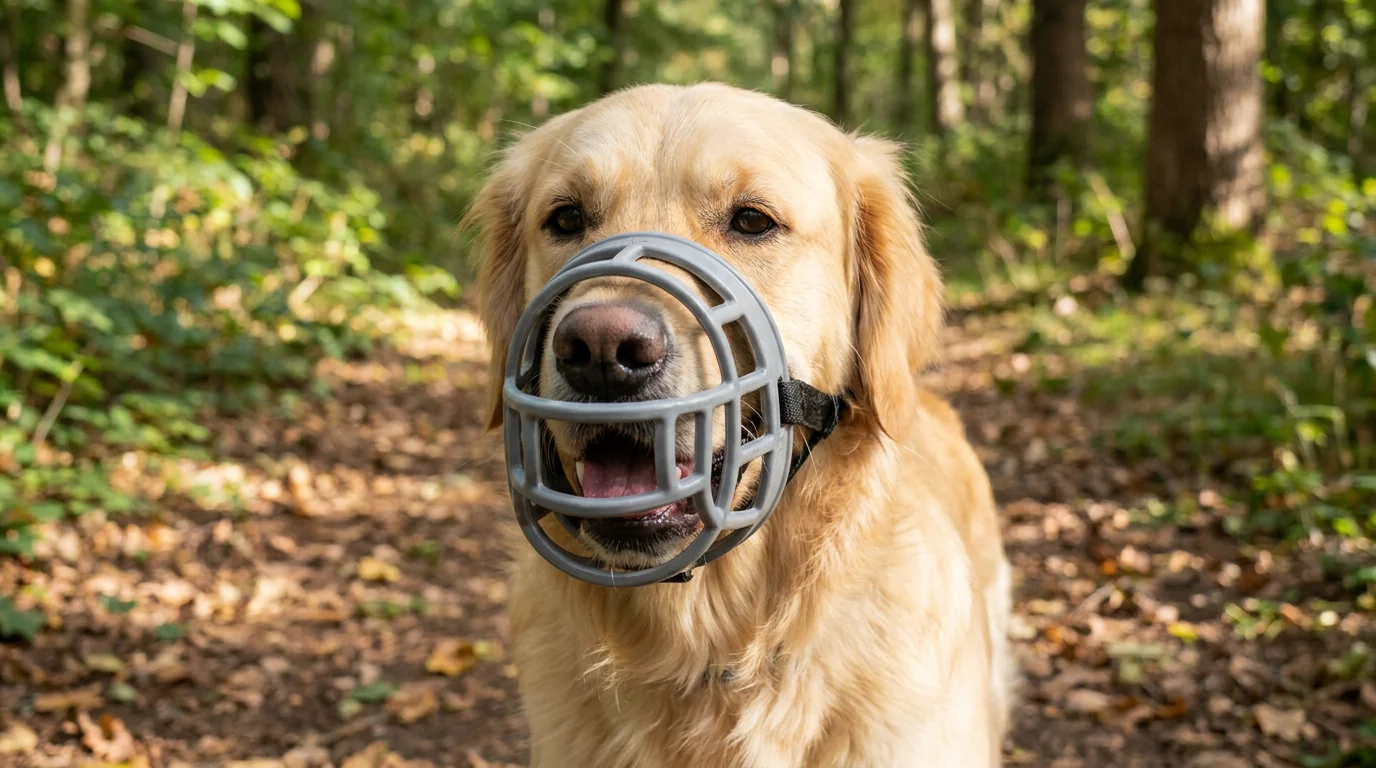
- Use a basket muzzle for determined poop-eaters if training is in progress and you need a safety net. A well-fitted basket muzzle allows panting and drinking.
- Bring high-value treats and reward frequently before your dog finds the snack.
Training: leave it and drop it
These cues are your best friends for any outdoor scavenger.
- Leave it means: do not take it in the first place.
- Drop it means: spit it out now.
A simple way to progress “leave it” is to practice in stages: start with low-stakes items at home, then move to the yard, then to calm outdoor spaces, and finally to higher-distraction places like trails. Reward heavily. In my experience, many dogs will choose the treat if you make it worth their while and you catch them early.
Support the need that drives scavenging
If your dog is always hunting for snacks, consider these supportive changes:
- Check feeding amounts with your vet, especially if your dog is very active.
- Use food puzzles or scatter feeding at home to satisfy foraging instincts.
- Increase enrichment on walks with sniffing time that is supervised, not self-service snacking.
Can dogs get worms from it?
Potentially, yes, although it is often more about what dogs can pick up in shared barn and trail environments than about “catching horse worms.” Risk varies by region, season, and management practices, and it also depends on whether your dog is on routine parasite prevention.
Here is the practical takeaway: if your dog routinely eats manure, talk with your veterinarian about fecal testing and an appropriate parasite prevention plan. If you ever see worms, segments, or rice-like bits in stool, call your vet and ask if they want a fresh stool sample brought in.
FAQ
Why does my dog only eat some piles?
Dogs often prefer manure that smells sweeter or more food-like. That can happen when horses are fed grain or treats, or when a pile is fresher.
My dog has diarrhea after eating horse manure. What should I feed?
A bland diet is commonly recommended, but the safest plan depends on your dog’s age, health, and how severe the diarrhea is. If diarrhea is mild and your dog is otherwise acting normal, many vets suggest a short bland-diet period and hydration.
A caution here: do not fast puppies, toy breeds, or dogs with medical issues unless your veterinarian instructs you to. And if your dog has a history of pancreatitis or needs a prescription diet, check with your vet before changing foods.
If diarrhea is persistent, watery, bloody, or paired with vomiting, contact your vet right away.
Is horse manure safer than cat poop?
They are different. Cat feces plus litter can bring its own risks, including litter ingestion and different parasite exposure. Horse manure is often more food-like due to plant material and undigested grain, but it is not risk-free.
Will my dog grow out of it?
Some do, especially puppies. Many do not without training because the behavior is self-rewarding. The sooner you interrupt it and teach an alternative, the easier it is to change.
My bottom line
If your dog eats horse manure, it does not mean you have a bad dog. It usually means you have a dog who is doing very normal dog things in a very tempting environment. Focus on safety first: prevent access when you can, train “leave it,” and keep an eye out for vomiting, diarrhea, or signs of parasites.
And if the habit is frequent, or your dog is showing any symptoms, your veterinarian can help you rule out parasites, adjust prevention, and get your dog’s stomach back on track.