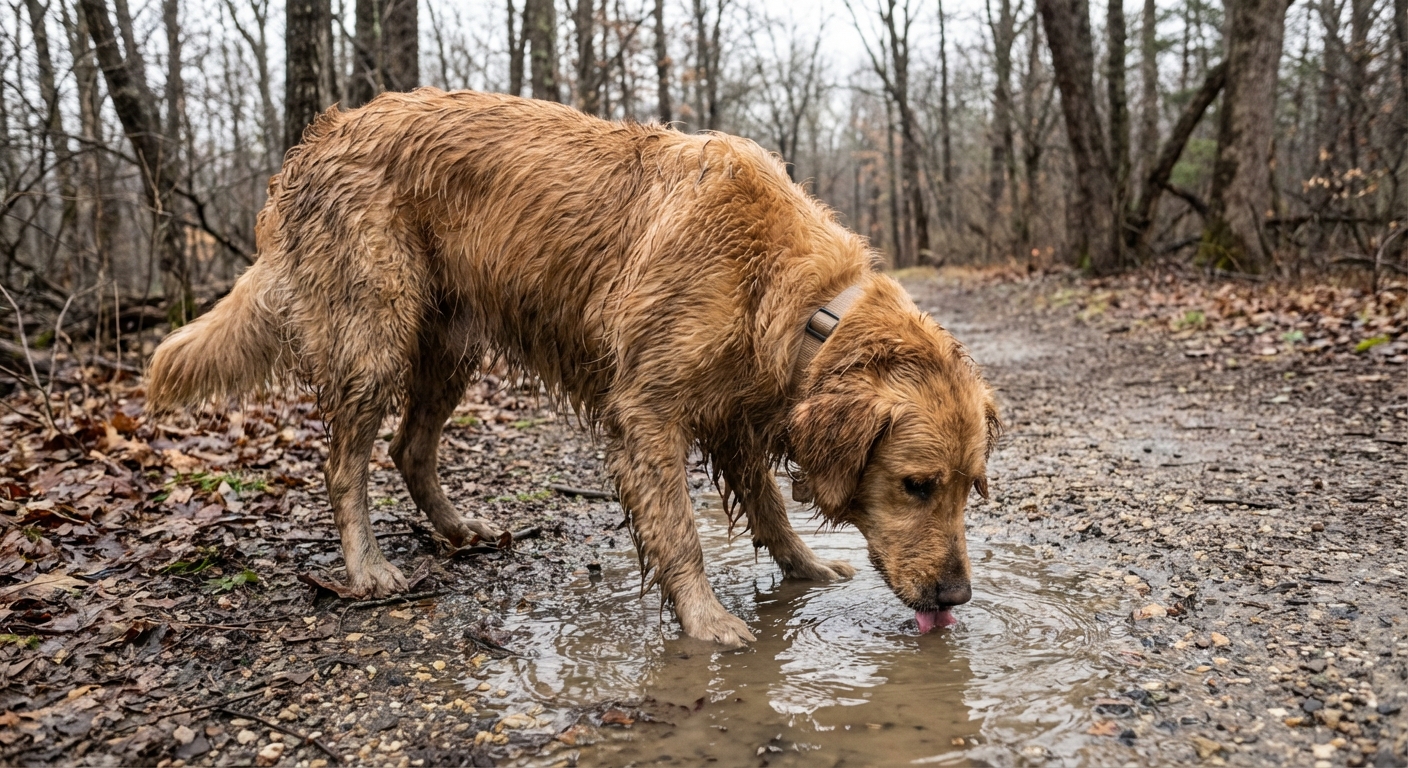
Yes, a dog can get sick from eating squirrel droppings. I know it sounds like a one-time gross moment in the yard, but from a veterinary assistant point of view, squirrel feces are a potential package deal of intestinal parasites, bacteria, and other germs. Some dogs will be completely fine after a quick nibble. Others develop vomiting, diarrhea, or a lingering parasite problem that does not show up until days or even weeks later.
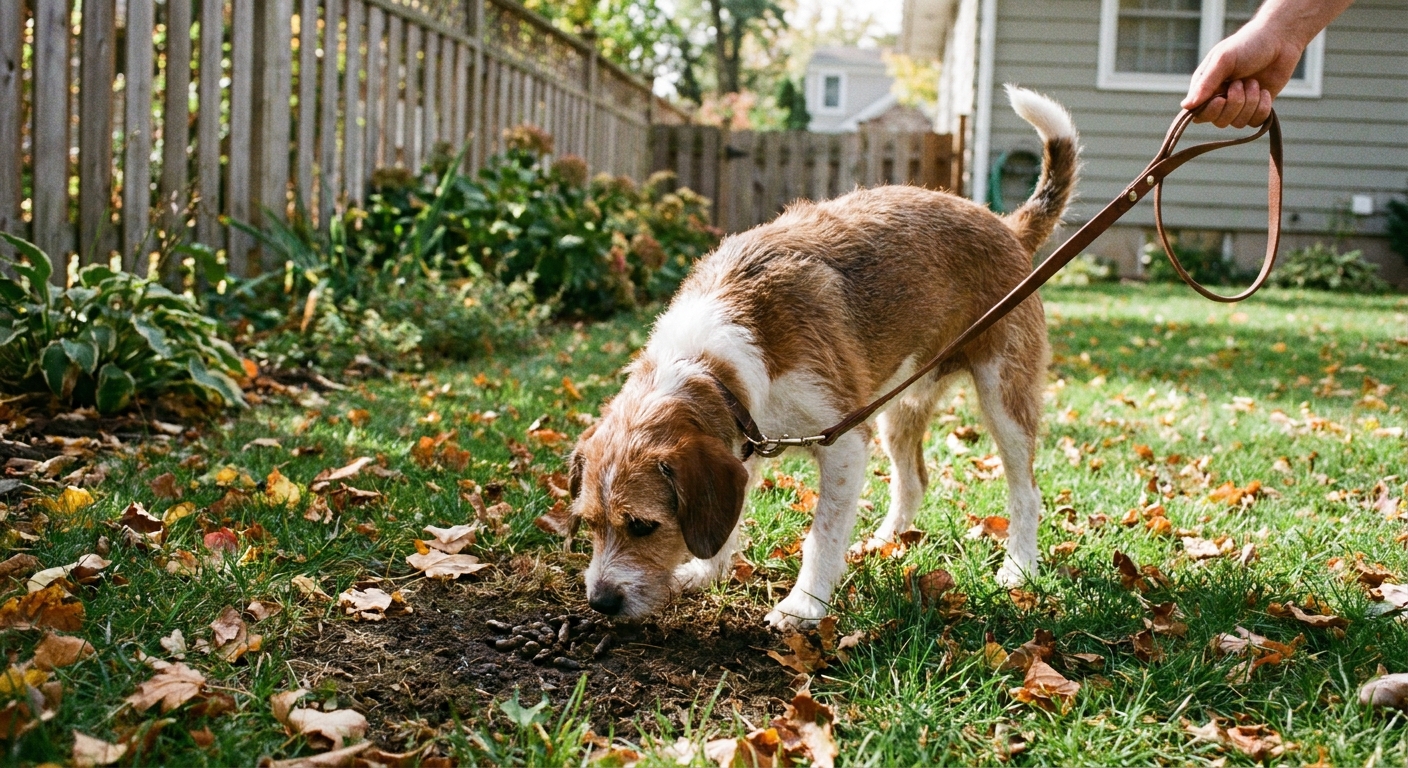
This guide walks you through the real risks, how this differs from a dog eating its own stool, what symptoms mean you should call your vet, and the yard habits that make a big difference.
Why squirrel droppings can make dogs sick
Squirrels are wild animals. Even if they look healthy, they can shed organisms in their stool that upset a dog’s stomach or trigger an infection. Risk depends on how much was eaten, how fresh it was, your dog’s immune system, and what is circulating in local wildlife.
Common health concerns
- GI upset: Mild vomiting or soft stool from ingesting something irritating or contaminated.
- Intestinal parasites: Dogs can pick up parasite eggs or cysts from feces in the environment, then develop diarrhea, weight loss, or a pot-bellied look over time.
- Bacterial infection: Some bacteria shed in wildlife feces can cause diarrhea that is watery, mucousy, or bloody.
- Protozoal infection: Certain protozoa can cause recurrent diarrhea and can be stubborn without treatment.
Even when the initial stomach upset passes, parasites are one reason we often recommend watching longer than just 24 hours. A dog can seem fine at first and still be incubating an intestinal infection.
Parasites and germs to know
It is impossible to know what was in that specific dropping without lab testing. But these are the categories we worry about most after a dog eats wildlife feces.
Intestinal worms
Wildlife feces can contain eggs from intestinal parasites. Not every parasite that infects squirrels can infect dogs, and some “worm” infections require intermediate hosts or a different route of exposure. Still, from a practical clinic standpoint, eating unknown wildlife stool is a realistic way for dogs to encounter transmissible parasites in the environment.
In dogs, this can show up as diarrhea, vomiting, poor coat quality, weight loss, scooting, or no signs at all. Routine fecal testing is how veterinarians confirm what is going on.
Giardia and other protozoa
Protozoa such as Giardia are commonly spread through contaminated water and feces. Dogs may develop soft, greasy, foul-smelling stool, frequent bowel movements, gas, and waxing and waning diarrhea.
Bacteria that cause diarrhea
Wildlife can shed bacteria such as Salmonella or Campylobacter. Dogs may develop fever, lethargy, decreased appetite, vomiting, and diarrhea that can be severe.
Why this matters for people, too
Some of these organisms are zoonotic, meaning they can infect humans. Transmission risk varies and tends to be higher when a pet has active diarrhea and hygiene is poor. Wash hands after picking up stool, keep kids away from dog feces during the illness, and try to avoid face licking until your dog is back to normal.
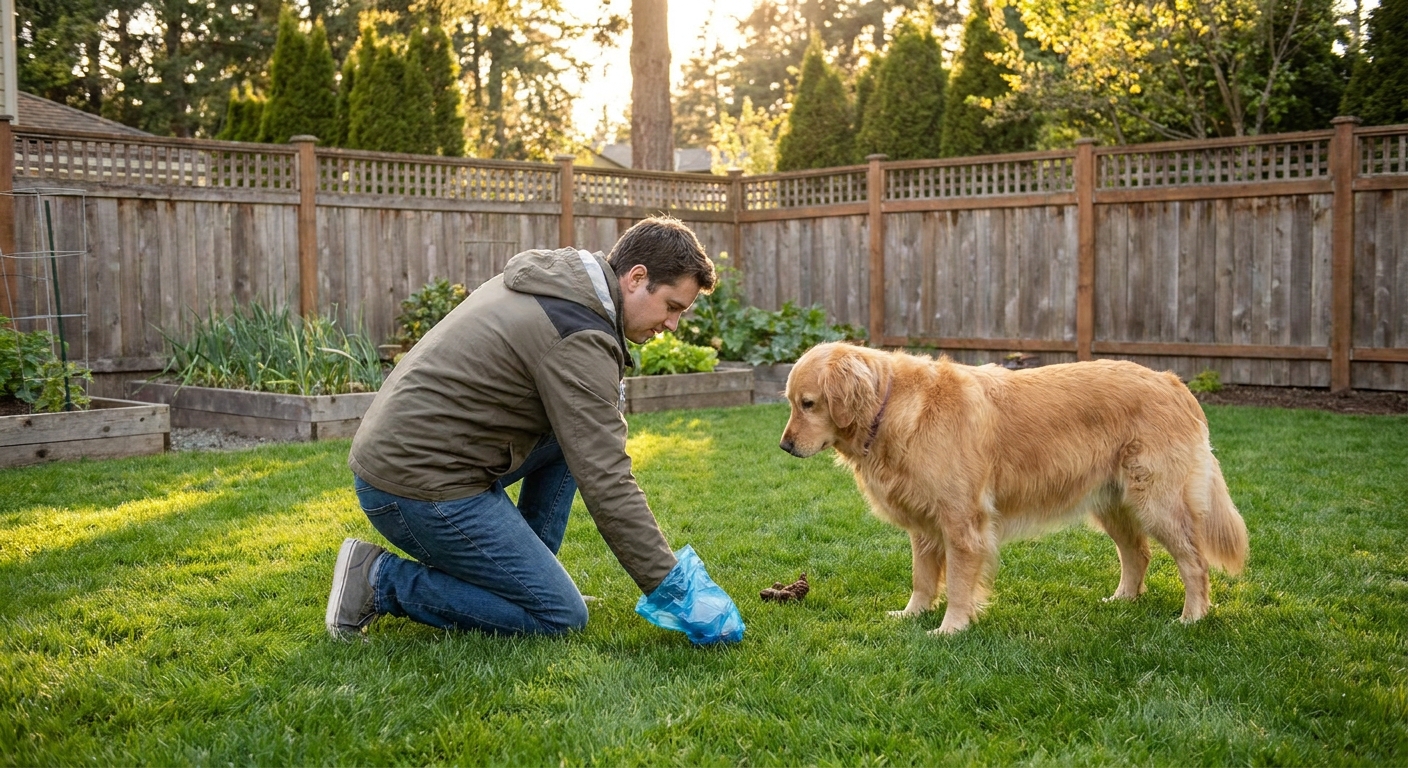
Squirrel poop vs dog poop
These situations overlap a little, but they are not the same problem.
Eating their own stool is often behavioral
When dogs eat their own stool (coprophagia), it is frequently driven by behavior, stress, boredom, hunger, learned habit, or attention seeking. It can also be related to diet quality, digestive issues, or medical conditions, so it is still worth discussing with your veterinarian.
Eating squirrel droppings is mainly an exposure risk
With squirrel feces, the big concern is what your dog may be exposed to. Wildlife droppings can contain organisms your dog has not encountered before, and it can introduce parasites into your household and yard.
So even if your dog has a history of eating stool, think of squirrel droppings as a different level of health risk, not just a gross habit.
What to do right away
Try to stay calm. Most dogs do not need an emergency visit for this alone, but you do want to take a few smart steps.
- Remove access: Bring your dog inside or move to a clean area of the yard.
- Offer water: Hydration matters if vomiting or diarrhea starts later.
- Do not induce vomiting unless a vet tells you to: Inducing vomiting is not always safe and is rarely necessary for feces ingestion.
- Quick cleanup: If your dog’s muzzle or paws are dirty, wipe them with a damp cloth or pet-safe wipe and wash your hands after. For the next day, I also avoid letting dogs lick faces, especially kids.
- Make a note: Approximate time it happened, how much you think they ate, and any symptoms that show up.
- Call your vet sooner if your dog is high risk: Puppies, seniors, pregnant dogs, and immunocompromised dogs deserve a lower threshold for advice.
If your dog is on a monthly parasite prevention, that helps, but it does not cover everything. Coverage varies by product. Many preventives cover certain worms and heartworm, some cover tapeworm, and most do not prevent Giardia.
If you are not fully sure it was squirrel droppings (versus raccoon, fox, or another wild animal), mention that when you call your vet. If symptoms develop, a quick phone photo can be helpful for context, even if it is not a diagnosis.
Symptoms to watch for
Some reactions happen fast, like stomach irritation. Others take time, like parasites establishing in the intestines. I typically watch stool and energy closely for the next couple of weeks.
Mild signs you can monitor
If your dog is otherwise acting normal, these mild signs can often be watched at home.
- One episode of vomiting, then back to normal appetite and energy
- Slightly soft stool for a day
- Extra gas or mild tummy gurgling
Even with mild signs, keep an eye on hydration and appetite. If it is not clearly improving within 24 hours, call your veterinarian.
Call your vet the same day if you see
- Vomiting more than once, or vomiting that continues beyond 12 to 24 hours
- Diarrhea that is frequent, watery, or lasting more than a day
- Diarrhea with mucus, a very foul odor, or urgency and accidents in the house
- Decreased appetite, refusing meals, or acting painful
- Lethargy that is unusual for your dog
- Any fever, trembling, or obvious discomfort
How urgent this feels can vary based on your dog’s size, age, and underlying conditions. When in doubt, call. That is what the phone triage is for.
Seek urgent care now if you see
- Blood in vomit or stool (bright red or black, tarry stool)
- Repeated vomiting with inability to keep water down
- Signs of dehydration: dry gums, sticky saliva, sunken eyes, weakness
- Bloat signs: swollen abdomen, unproductive retching, collapse
- A puppy with vomiting or diarrhea (they dehydrate quickly)
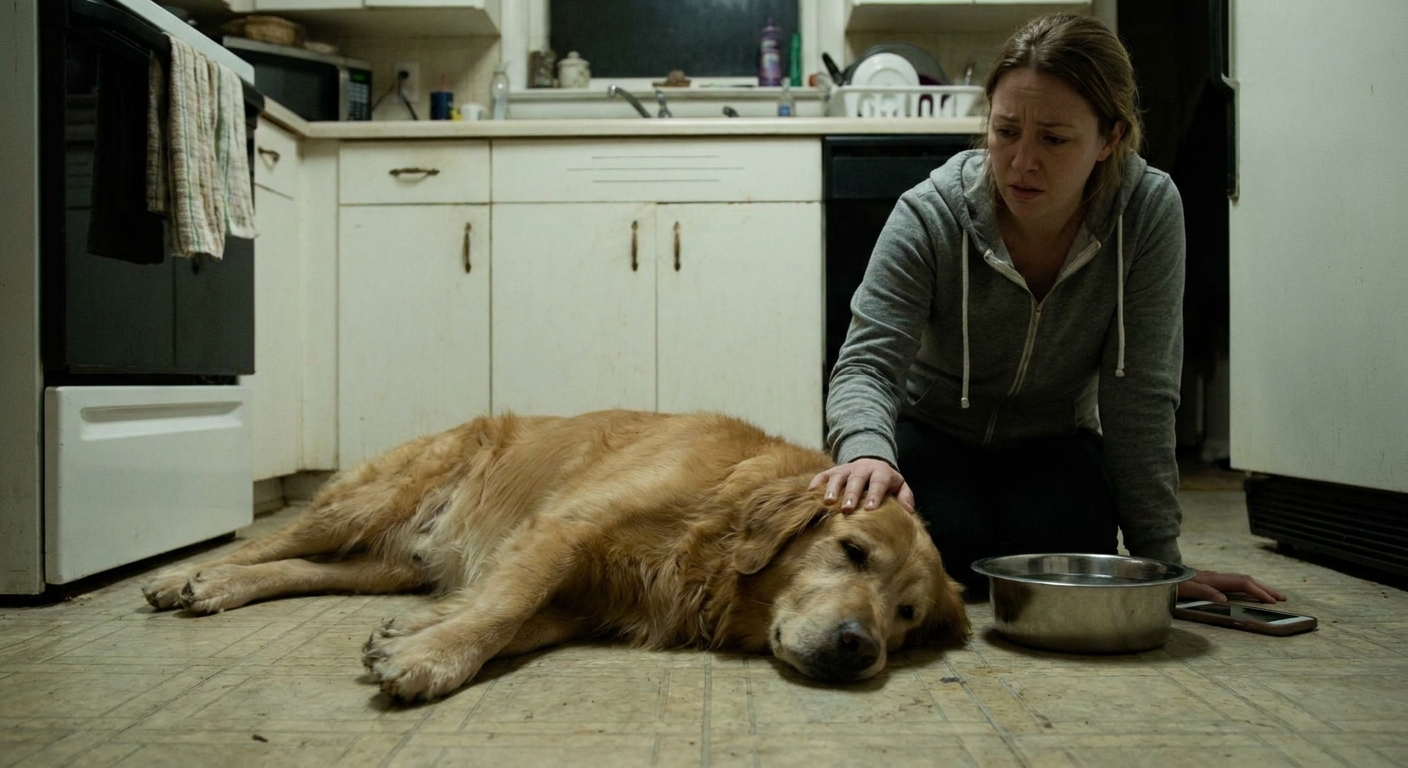
What your vet may recommend
Veterinary recommendations vary by the dog, the symptoms, and what is common in your area. But in clinic, these are the most typical next steps.
Fecal testing
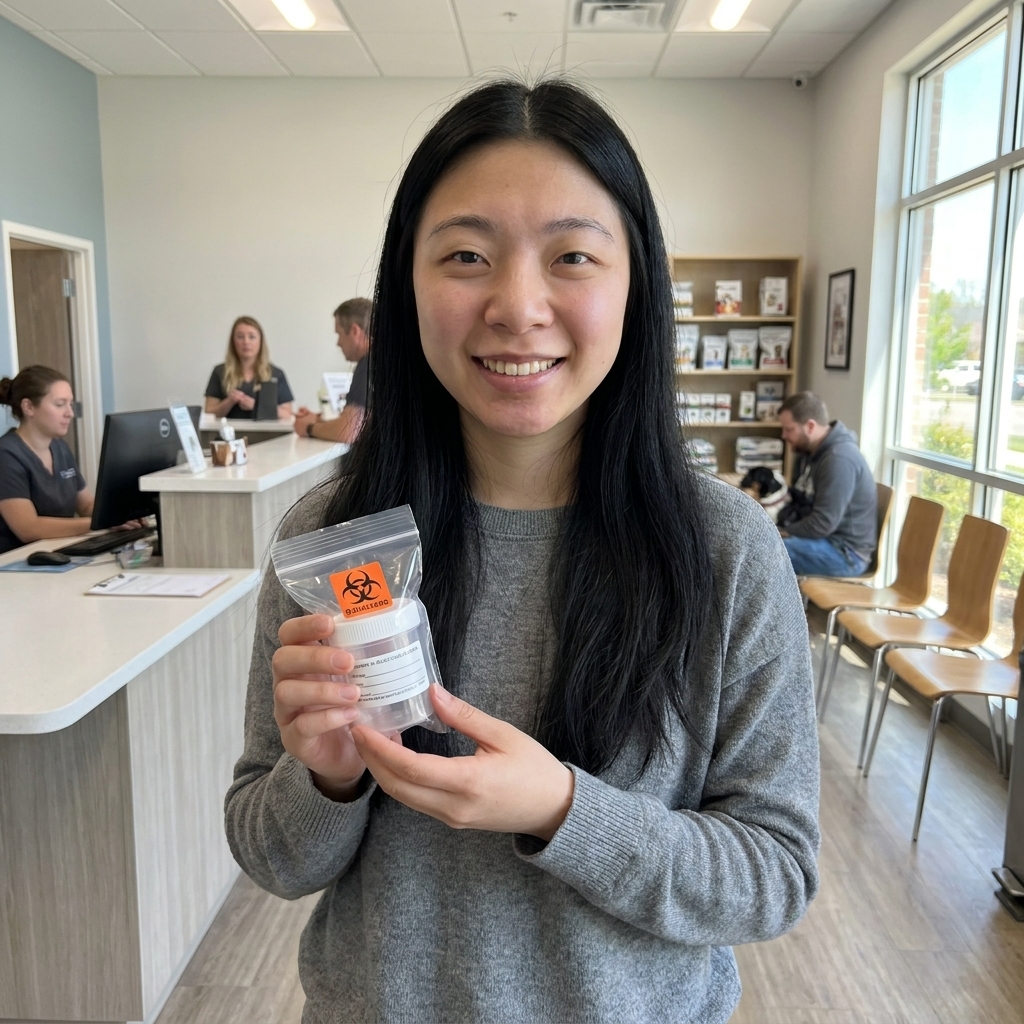
Many intestinal parasites are diagnosed with a stool sample. Your vet may run a fecal flotation (to look for worm eggs) and may add Giardia or other antigen testing if diarrhea suggests it.
Supportive care
If your dog is vomiting or has diarrhea, your vet may recommend a bland diet for a short period, probiotics, anti-nausea medication, or fluids depending on severity.
Targeted treatment
If parasites are identified or strongly suspected, your vet may prescribe a dewormer or medication aimed at protozoa. It is tempting to self-treat with leftover meds, but the right medication depends on which organism is actually present.
Yard cleanup that helps
When dogs learn that squirrel droppings are a snack, the yard becomes a repeat exposure zone. Cleanup and prevention are not about perfection. They are about reducing how often your dog finds the gross stuff.
Practical steps
- Do a quick daily scan of your dog’s favorite corners of the yard, under trees, and along fences.
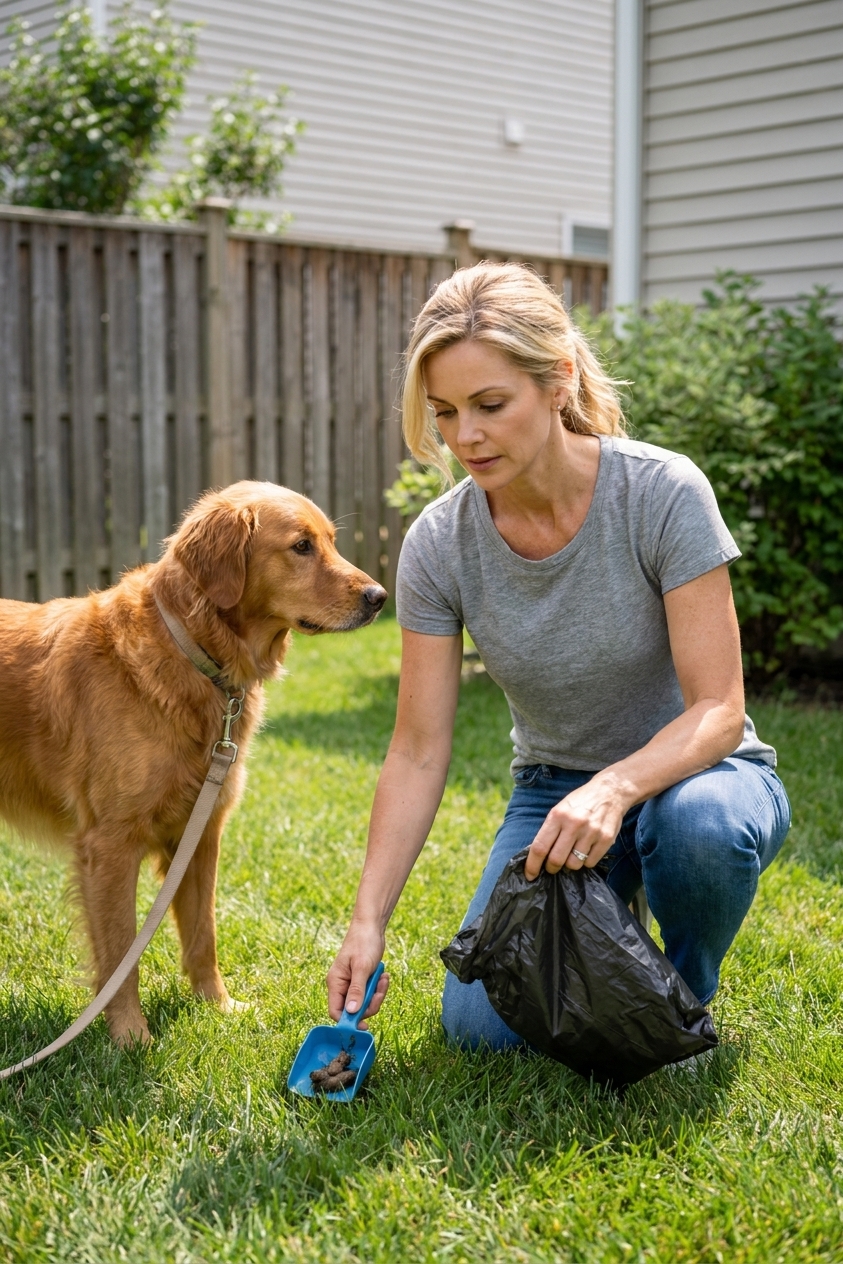
- Pick up promptly using a bag or pooper scooper. Avoid hosing droppings into the soil, which can spread contamination.
- Wear gloves or use a tool, then wash your hands afterward.
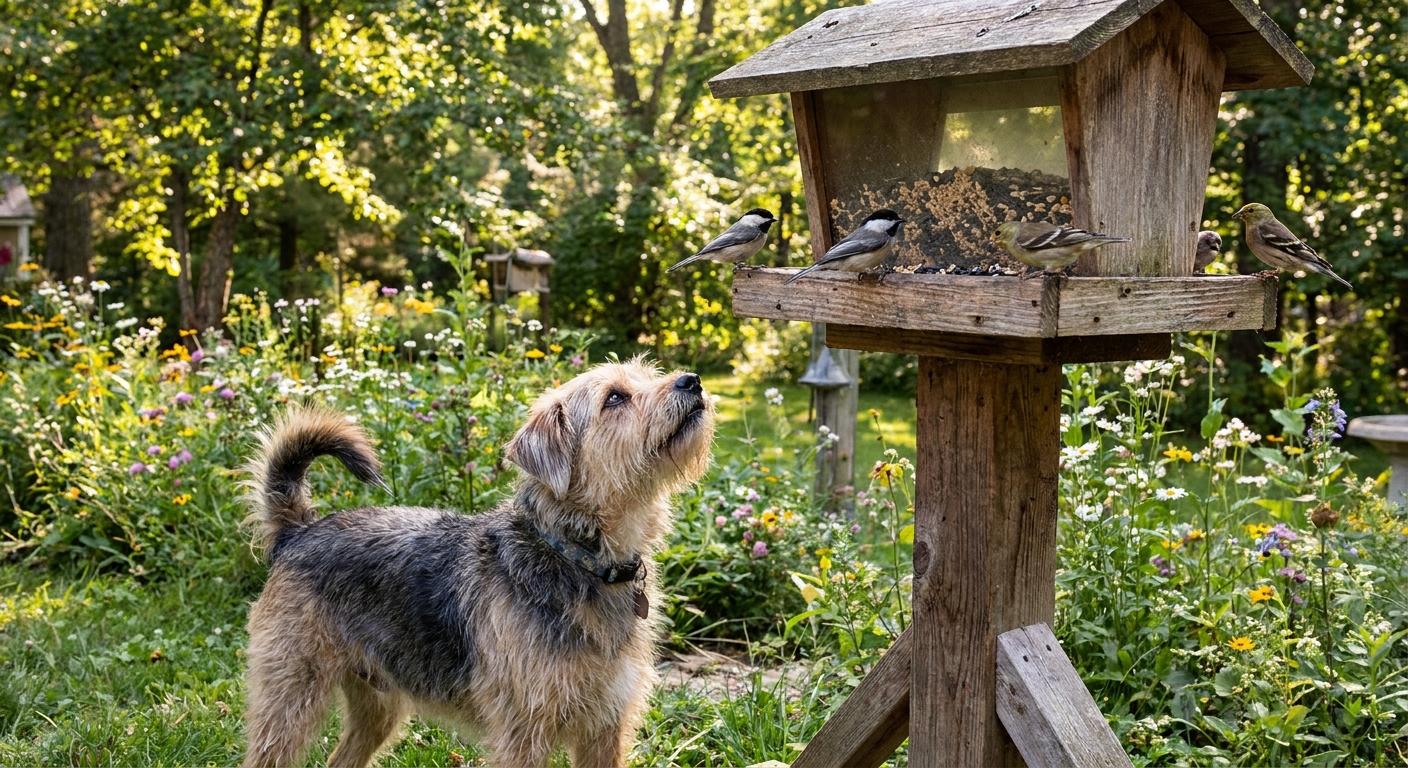
- Limit access to high-traffic squirrel zones like the base of bird feeders, along tree roots, and near patios where squirrels run.
- Store seed securely and clean up spilled birdseed, which attracts squirrels and increases droppings nearby.
Cleaning hard surfaces
If droppings are on a patio or deck, remove the material first, then wash the area. For disinfectants, follow product directions carefully and keep pets away until the surface is fully dry. If you are unsure what is pet-safe for your specific surface, ask your veterinarian for guidance.
Can dogs get worms from squirrel poop?
They can be exposed to parasite eggs and cysts by eating squirrel feces or by licking contaminated grass and paws afterward. Whether your dog actually becomes infected depends on the organism and the amount of exposure, but it is absolutely plausible.
If your dog develops diarrhea after this, or if you have not done a fecal test in the last year, it is reasonable to ask your vet whether testing is appropriate. Many clinics can test a fresh stool sample quickly, and it gives you real answers instead of guesswork.
FAQ
My dog ate squirrel poop and seems fine. Should I still call the vet?
If your dog is a healthy adult and has no symptoms, you can usually monitor at home. I do recommend calling your vet if your dog is a puppy, senior, immunocompromised, or if you notice any vomiting, diarrhea, appetite change, or lethargy over the next several days.
How long after eating droppings can symptoms appear?
Stomach upset can show up within hours. Parasite-related diarrhea may appear days to weeks later, which is why watching stool quality for a couple of weeks is helpful.
Should I give a dewormer right away?
Do not give prescription dewormers without veterinary guidance. Different parasites require different treatments, and your vet may prefer testing first or may treat based on symptoms and risk factors.
Can my other pets catch something from the sick dog?
Potentially, yes, depending on the organism. If one dog has diarrhea, pick up stool promptly, keep the yard as clean as possible, and wash hands after cleanup. Ask your veterinarian whether your other pets should be tested if symptoms appear.
Bottom line
Squirrel droppings are not just “yuck.” They can expose dogs to parasites and germs that cause vomiting, diarrhea, and sometimes more serious illness. The best approach is a calm, practical one: monitor your dog closely, know which symptoms need a vet the same day, and tighten up yard cleanup so it does not become a repeat habit.
If you are ever unsure, call your veterinarian. A quick phone conversation and a fecal test can save you days of worry and, more importantly, can keep your dog comfortable and healthy.