If your dog is eating poop, you are not alone. In my work as a veterinary assistant, I hear this complaint all the time, and I promise there is a way forward. The fastest path is to stop treating it like a mystery and start treating it like a habit with access. When we control access and teach an alternate behavior that pays better, many dogs improve quickly, but timelines vary depending on the dog, the environment, and how long the habit has been practiced.
This guide focuses on what actually changes the behavior: management (so they cannot practice it), a training sequence you can repeat daily, and a short list of health checks to discuss with your veterinarian.
What it is (and why it sticks)
Coprophagia is the behavior of eating feces. Dogs can do this with their own stool, another dog’s stool, cat litter box contents, or wildlife droppings. The behavior can start for many reasons, but it becomes persistent for one big reason: it is self-rewarding.
For some dogs, poop smells interesting. For others, it can be related to boredom, stress, competition in multi-dog homes, or simple opportunity on walks. Puppies often explore with their mouths, and if they discover poop before we can interrupt, they may repeat it.
A quick normal note: some mother dogs will ingest puppy stool while cleaning the nest. That is a different context than a dog who is routinely seeking out and eating feces on walks or in the yard.
The good news is that most cases respond best to the same approach: remove the opportunity and teach a replacement behavior that is easy to do and heavily rewarded.
Step 1: Stop the practice loop
Training is hard when the dog is still rehearsing the behavior daily. Start here, because management creates immediate progress and buys you time.
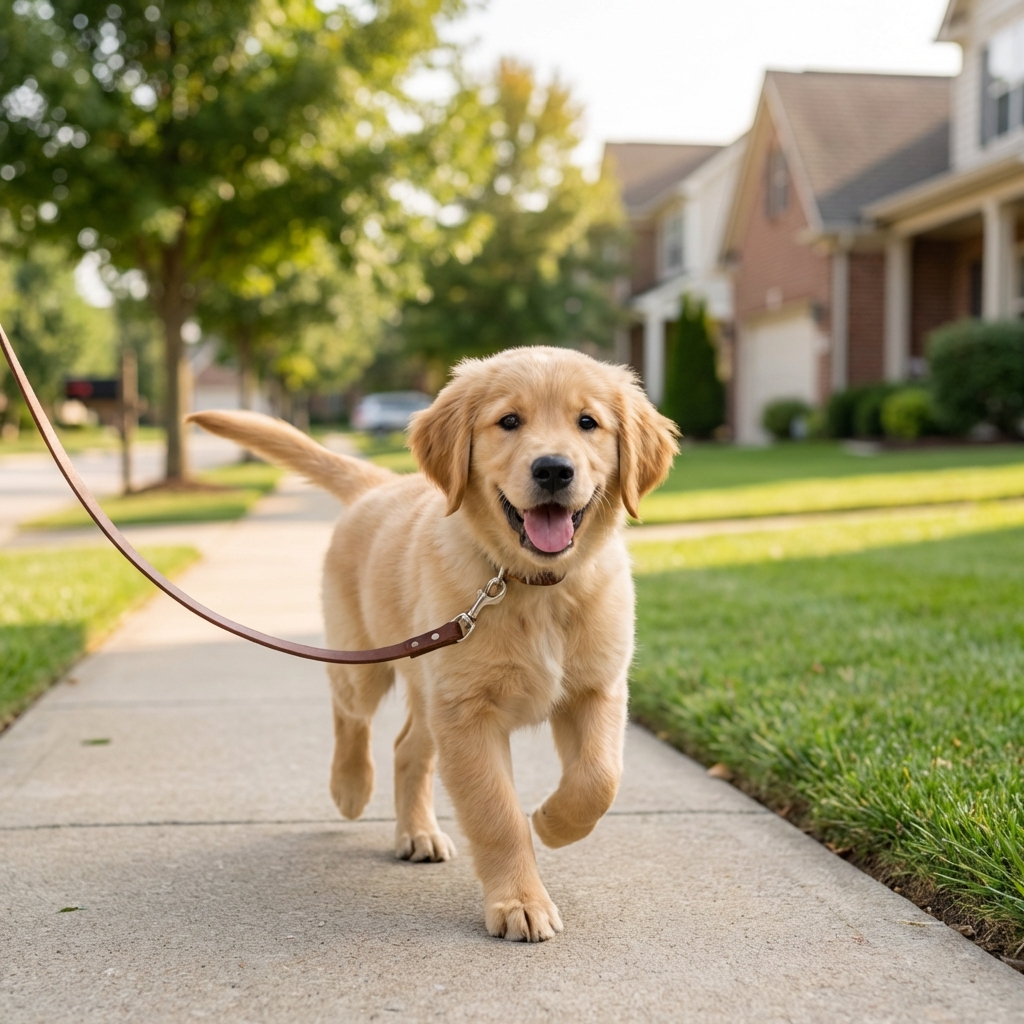
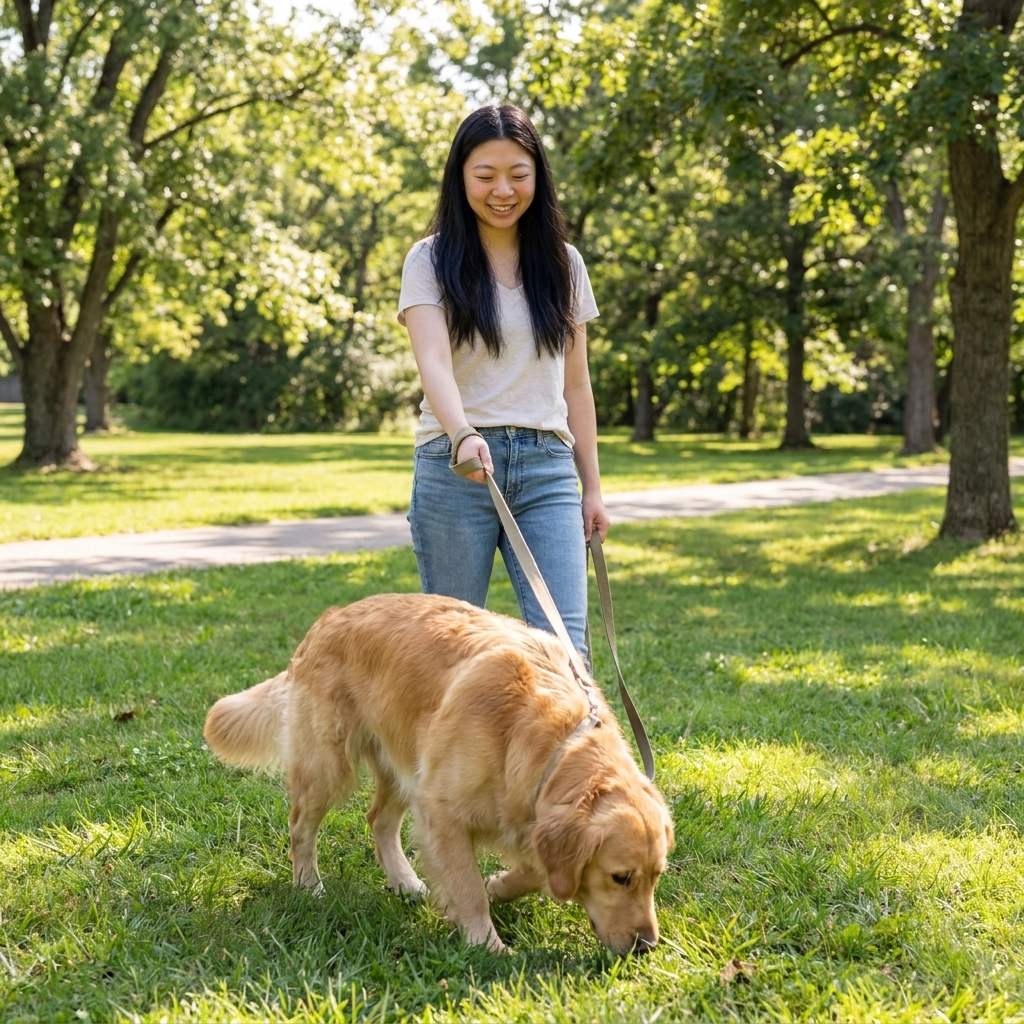
Leash potty breaks
- Leash up for potty for 2 to 3 weeks, even in a fenced yard.
- Stand still and let your dog finish, but keep the leash short enough that they cannot pivot back toward the stool.
- As soon as they squat and finish, calmly say “Let’s go” and take 3 to 5 steps away.
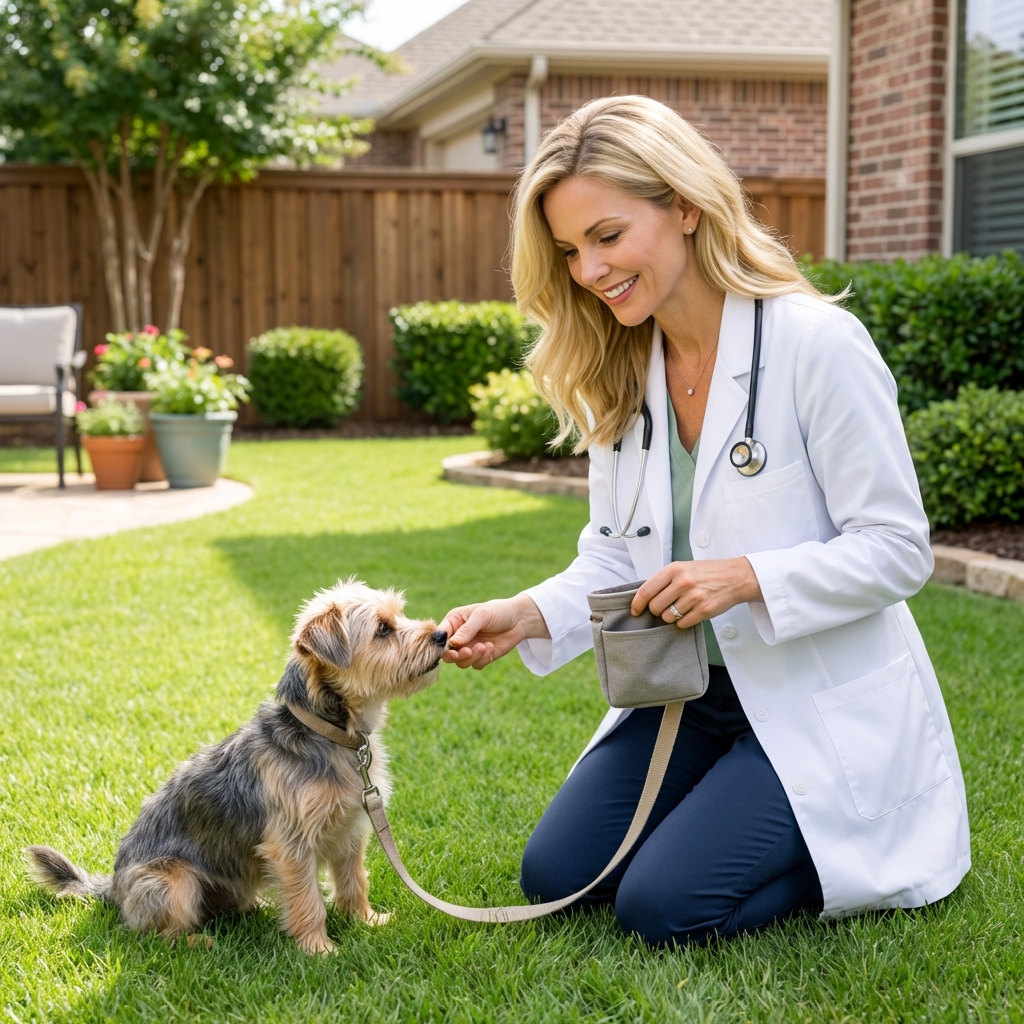
- Pay immediately with 3 to 5 tiny high-value treats after moving away. This prevents the quick spin-and-snack.
Prompt cleanup with a simple system
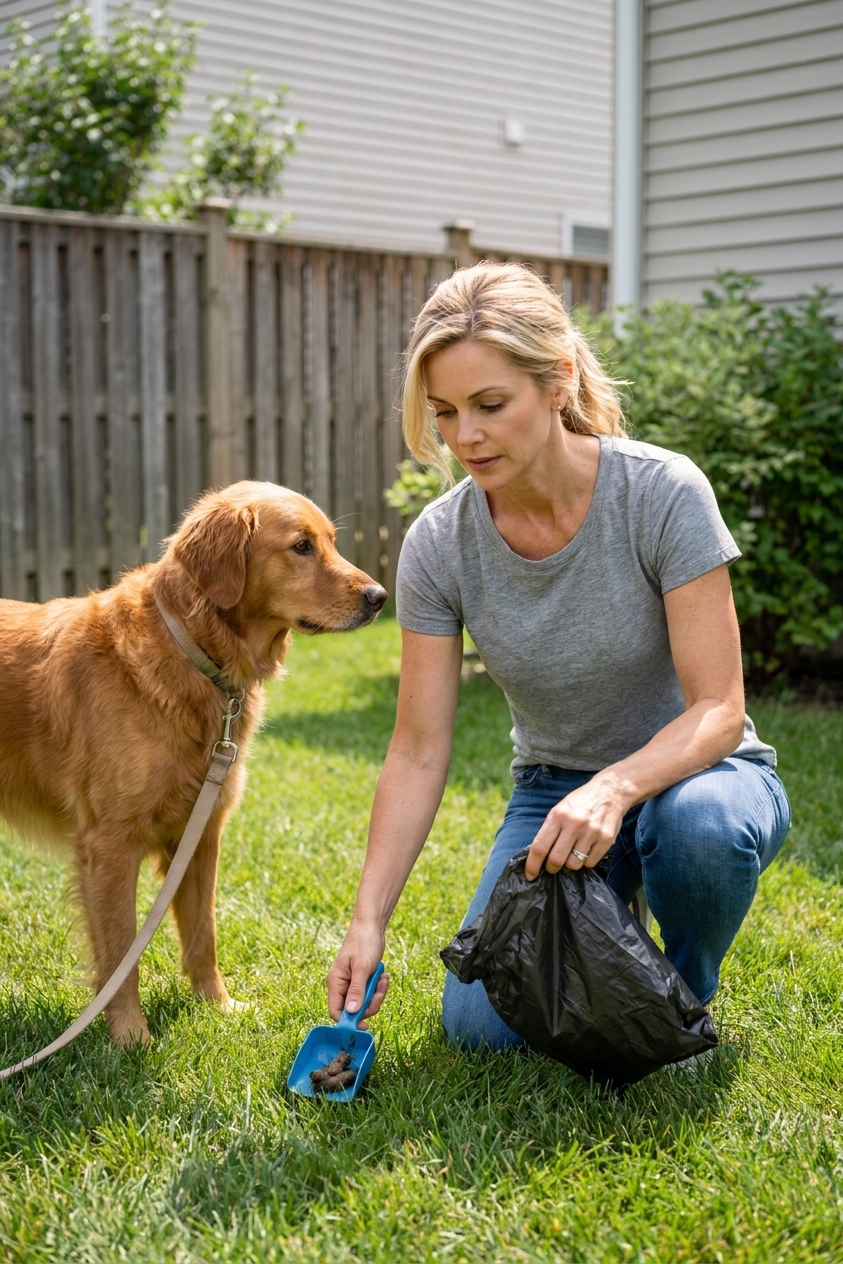
The goal is “poop never sits.” Make it easy.
- Place a bag dispenser and small trash can outside near the exit door.
- Do a quick yard scan once or twice daily.
- If you have kids, assign “poop patrol” as a 2-minute timed task with supervision. Consistency matters more than perfection.
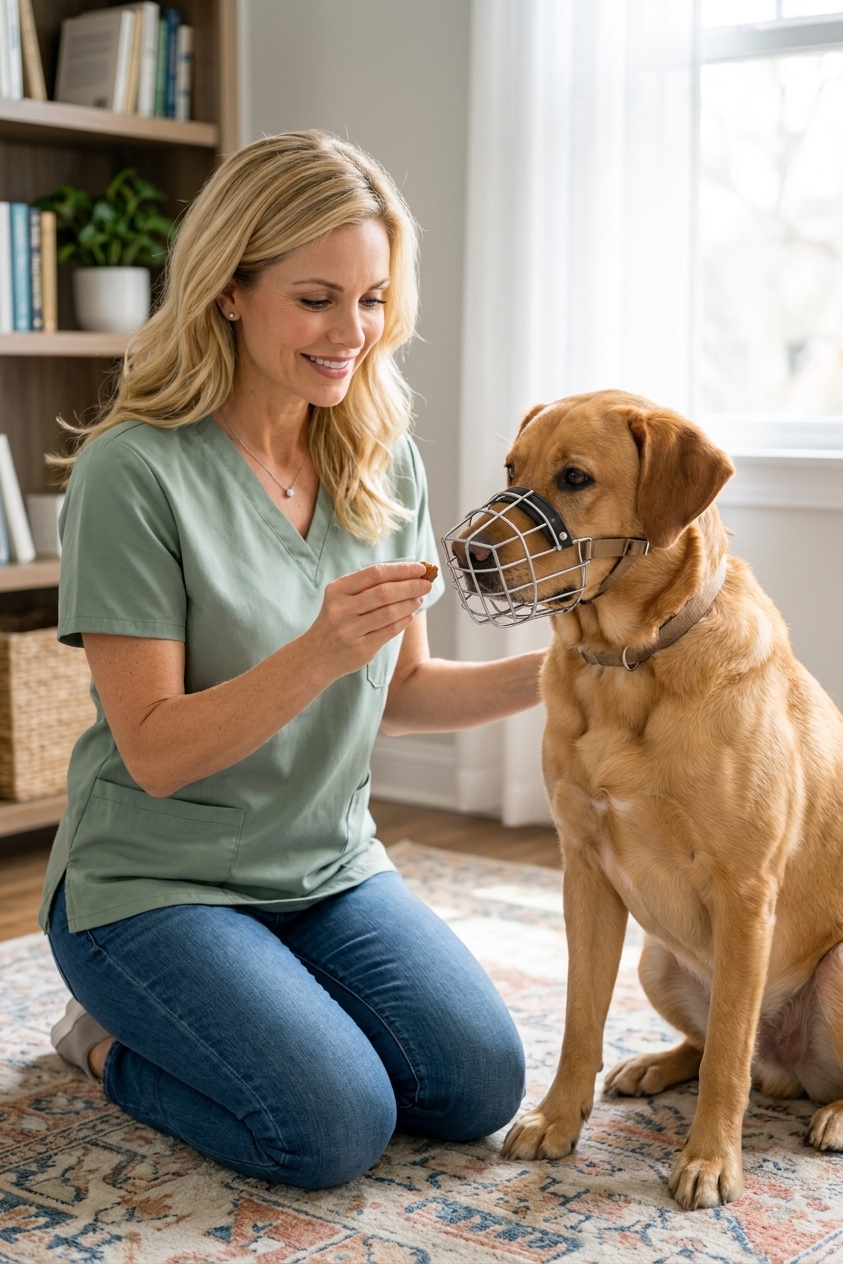
Muzzle training for dogs who vacuum poop on walks
For some dogs, walks are the biggest risk zone. A basket muzzle can be a humane, temporary safety tool while you train, because it prevents scavenging and reduces your stress. Key point: do not slap a muzzle on and hope for the best. Condition it gradually with treats so your dog happily shoves their nose in.
- Choose a basket-style muzzle that allows panting and drinking.
- Start by feeding treats through it while it is in your hand.
- Build up to short wear times indoors, then in the yard, then on short walks.
Step 2: Rule out medical causes
Many dogs eat poop purely for behavioral reasons, but it is smart to rule out health contributors, especially if this behavior is new, escalating, or paired with weight loss, diarrhea, greasy stool, or a ravenous appetite.
Call your veterinarian if you notice
- Sudden onset in an adult dog who never did this before
- Chronic diarrhea, frequent soft stool, mucus, or blood
- Weight loss, poor coat quality, or a pot-bellied look
- Increased hunger, increased thirst, or increased urination
- Vomiting, lethargy, or repeated gas and gut upset
What your vet may check
- Fecal testing for parasites like roundworms, hookworms, whipworms, giardia, and coccidia
- Diet review including treats, chews, and table scraps (and whether the diet is meeting needs)
- GI disease or malabsorption concerns such as exocrine pancreatic insufficiency (EPI) if symptoms fit
- Endocrine disease screening if signs fit (for example diabetes or Cushing’s can be on the list with increased thirst, urination, and appetite)
- Medication side effects that can increase appetite or scavenging (steroids are a common example)
If your dog is stealing poop from the litter box, mention it too. Cat feces can carry parasites and other pathogens (giardia is a common household example), and it is very high-value to many dogs. Prevention is mostly access control, plus keeping parasite prevention current as guided by your veterinarian.
Step 3: Fix the trigger routine
Coprophagia often happens in predictable moments. When you identify the pattern, you can interrupt it before it starts.
Common triggers
- Potty breaks with free yard access (dog finishes and immediately circles back)
- Multi-dog competition (one dog rushes to “clean up” the other)
- Unsupervised time (especially bored adolescents)
- Fast eaters and hungry dogs (meals too small or too few for their needs)
- Stress (after changes in schedule, guests, moves, or punishment-based training)
Simple adjustments
- Add a predictable potty schedule. Many dogs do better with fewer “free-for-all” trips.
- Feed measured meals and review calories with your vet if your dog always seems starving.
- Increase enrichment: sniff walks, food puzzles, and short training games can reduce scavenging behavior.
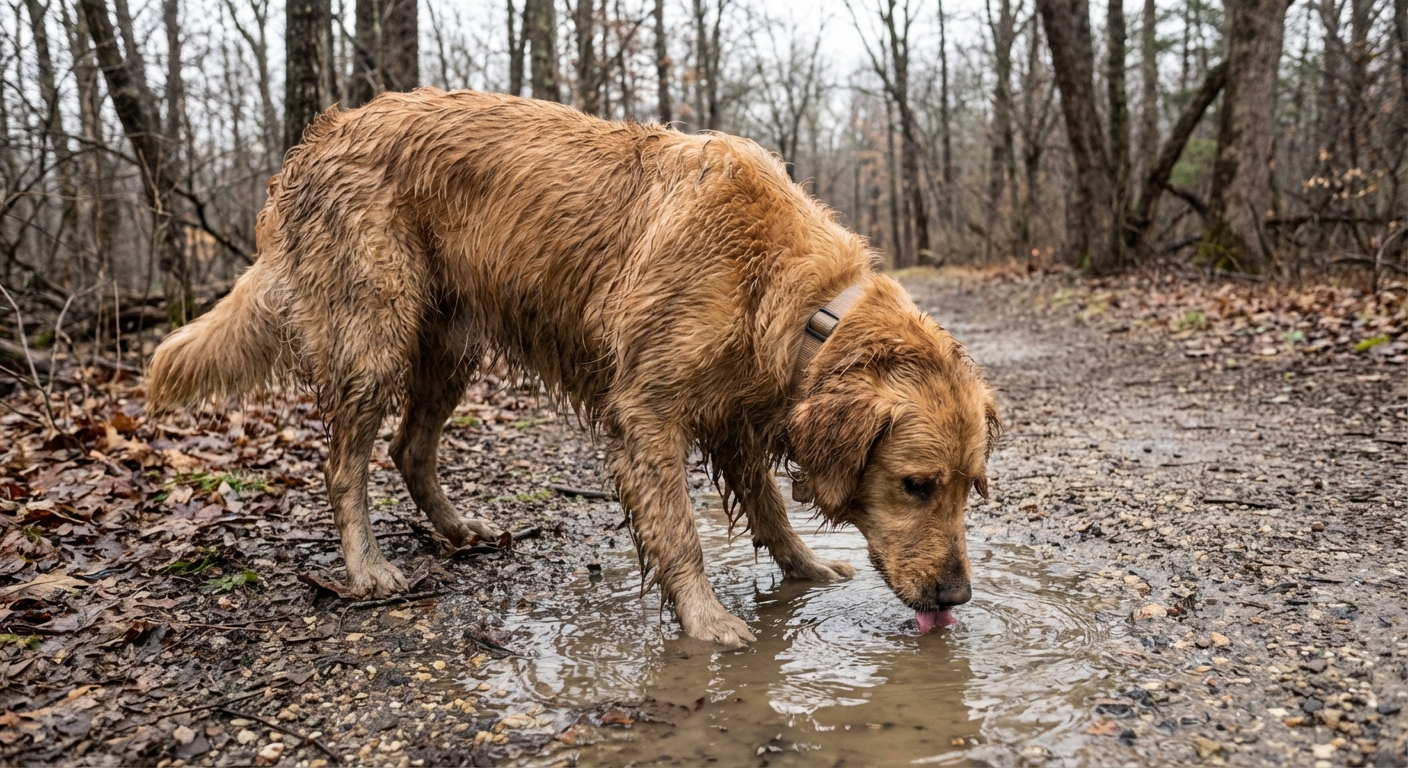
- On walks, avoid letting your dog access stool from unknown dogs or wildlife droppings. The parasite risk is real, and prevention is much easier than treatment.
Training plan that sticks
Here is the sequence I like because it is simple, kind, and easy to repeat daily. You are teaching your dog what to do instead of eating poop.
The goal behaviors
- Move away after pooping (so you can clean up)
- Leave it when they spot stool
- Come to you fast when you call
1) Teach “Let’s go” as a happy U-turn
This is your best post-potty tool.
- Say “Let’s go” in a cheerful tone.
- Turn your body and take a few quick steps away.
- When your dog follows, reward with several treats in a row.
Practice this away from potty time too, so it becomes automatic.
2) Build a real “Leave it”
Many dogs have heard “leave it” in a frustrated tone, but they have never been paid for leaving something alone. Keep sessions short, about 1 to 2 minutes, and quit while your dog is still winning.
- Hold a treat in a closed fist.
- Let your dog sniff and paw. Say nothing.
- The moment they back off even slightly, say “Yes” and give a different treat from the other hand.
- Repeat until backing off becomes quick and obvious.
Success criteria before you level up: your dog disengages within 1 to 2 seconds in at least 8 out of 10 reps. Then move to an easy item on the floor, then to a boring object outside, and only later to higher temptations. Poop is a high temptation for some dogs, so build the skill first.
3) Add a “trade up” reward for ignoring stool
When you see stool on walks, do not wait for your dog to be nose-to-poop.
- Spot it first and create distance.
- Ask for “Leave it” or “Let’s go.”
- Reward with something better than kibble: tiny bits of chicken, freeze-dried meat, or a favorite toy.
4) Train a fast recall in real life
Many poop-eating moments happen because the dog is out of reach. A reliable recall is life-changing.
- Choose a cue you will not poison with anger, like “Here!”
- Start indoors: cue, then reward heavily.
- Move to the yard on a long line.
- Only then practice around distractions.
If you call your dog when you are upset and then grab their collar, many dogs learn that coming close ends the fun. Instead, reward first, then gently clip the leash.
Multi-dog homes
In homes with more than one dog, I often see the fastest dog dash in to eat the other dog’s stool. This can be about anxiety, competition, or simply being quick.
What helps
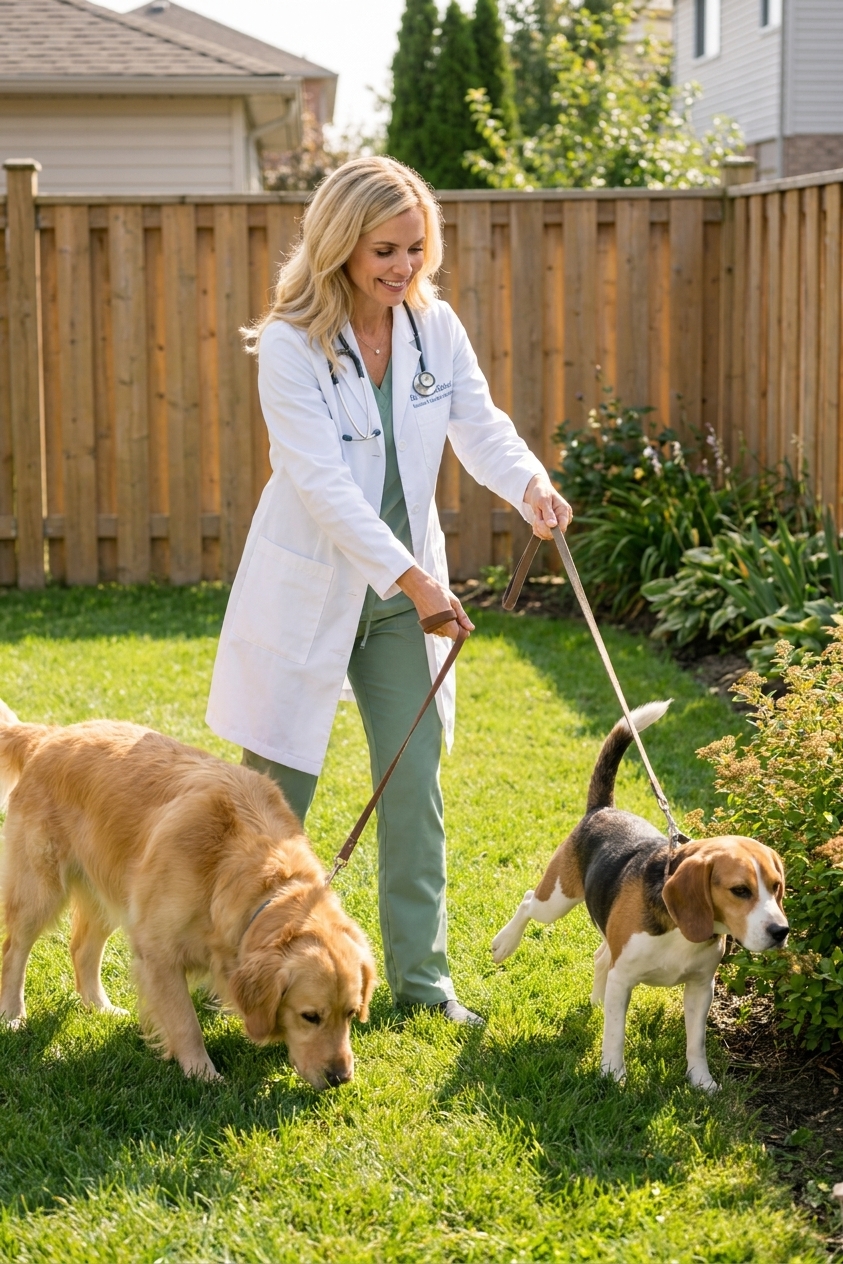
- Separate potty times for a few weeks. One dog out, one dog in.
- Leashes for both dogs until the habit fades.
- Immediate rewards for both after potty: you are reinforcing the “finish and move away” routine.
- Remove punishment after accidents. Harsh reactions can increase secretive elimination and stress behaviors.
Nutrition checks
Nutrition is not the only factor, but it can matter. If your dog is constantly hungry, has inconsistent stool, or has a history of gut issues, talk with your veterinarian about diet quality and digestibility.
Questions to ask your vet
- Is my dog at an ideal body condition, or are they underfed for their needs?
- Should we switch to a more digestible diet or adjust feeding frequency?
- Would adding fiber help stool consistency and satiety for my dog?
- Do you recommend probiotics for this dog’s GI history?
A quick reminder from the clinic side: avoid random supplement stacking. Some “stool eating cures” are just flavor additives, and they can upset sensitive stomachs. Focus on a consistent, balanced diet and let your vet guide changes.
What not to do
- Do not punish after the fact. Dogs connect consequences to what is happening right now, not what happened minutes ago.
- Do not chase. Chasing often turns it into a game and increases speed.
- Do not rely on taste deterrents alone. Some dogs will eat stool even if it tastes worse. Management and training still matter.
- Do not ignore cat litter access. If the litter box is available, many dogs will keep trying. Use baby gates with a cat door cutout, covered boxes only if your cat tolerates it, or place the box in a dog-free room.
Two-week reset
If you like a concrete plan, here is a realistic two-week reset that I see work in many households. Some dogs need longer, especially if they have had months of practice, but this is a solid start.
Days 1 to 3
- Leash every potty break
- Instant “Let’s go” after stool hits the ground
- Clean up immediately
- Start muzzle conditioning if walks are a major problem
Days 4 to 7
- Add 3 short “Leave it” sessions daily (1 to 2 minutes each)
- Practice recall indoors and in the yard
- Increase enrichment: 1 food puzzle per day or a sniff walk
Days 8 to 14
- Practice “Leave it” outside on leash around low-level distractions
- Use a long line for controlled freedom
- Begin slowly reducing management only if your dog has had zero access to stool
If there is a slip, that is not failure. It is information. Go back a step, tighten management, and keep rewarding the correct routine.
Key takeaways
- Stop the practice first: leash potty breaks, quick cleanup, and supervised yard time.
- Teach a better routine: “Let’s go,” “Leave it,” and a fast recall with real rewards.
- Call your vet if the behavior is sudden or paired with GI signs, weight loss, or increased thirst and urination.
- Do not let dogs access unknown feces or wildlife droppings, and keep parasite prevention current per your veterinarian.
When to get extra help
If your dog’s coprophagia is intense, linked to anxiety, or paired with other behavior concerns like resource guarding or extreme scavenging, ask your veterinarian for a referral to a credentialed trainer or veterinary behaviorist. You deserve support, and your dog deserves a plan that reduces stress, not one that relies on fear.
With the right combo of leash timing, fast cleanup, and consistent training, many dogs reduce or stop practicing coprophagia over the following weeks, and the habit fades from there.