I’m Shari Shidate, a veterinary assistant in Frisco, Texas, and I want to say this as clearly as I can: if you think your dog ate any part of a sago palm (or another cycad plant), treat it like an emergency. These plants can cause severe poisoning and may trigger rapid liver injury. Waiting to “see how they do” is one of the most dangerous choices a loving owner can accidentally make.
Why sago palms are so dangerous
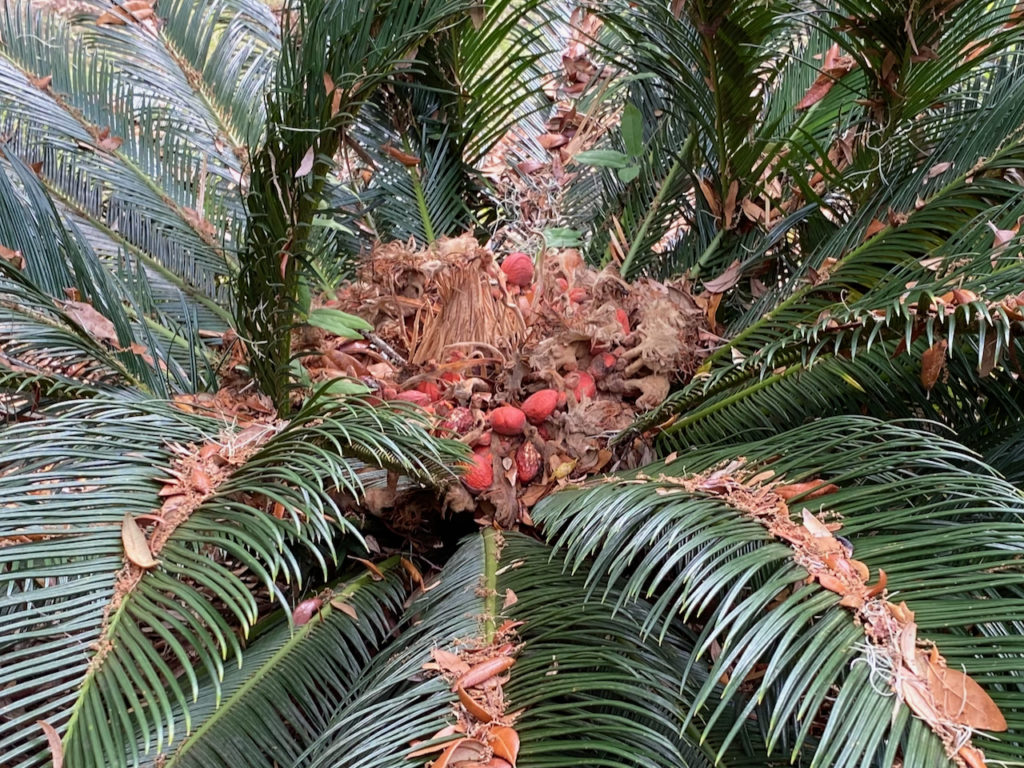
“Sago palm” is a common name, but the bigger category you need to know is cycads. Many cycad species are used as landscaping plants and houseplants. They look decorative and sturdy, but they contain potent toxins that can seriously harm dogs.
The toxins most often discussed in cycads include cycasin (linked to severe GI upset and liver injury) and BMAA (a toxin associated with neurologic effects). Not every exposure looks the same, but the potential severity is why we take suspected ingestion so seriously.
All parts of the plant can be toxic, including:
- Seeds or nuts (often the most toxic part and the most tempting to chew)
- Leaves or fronds
- Roots
- Trunk and plant debris (including pieces broken off during yard work)
Even small exposures can be dangerous. Dogs do not need to eat a whole plant for this to become a life-threatening situation.
Common signs of sago palm poisoning
Many dogs start with stomach upset and then progress into much more serious illness as the liver becomes injured. The timeline can vary based on how much was eaten, what part of the plant, and how quickly treatment starts, but this is a poisoning where same-day veterinary care matters.
Early signs
- Vomiting
- Drooling
- Diarrhea
- Loss of appetite
- Lethargy or acting “off”
- Abdominal discomfort
Serious signs
- Yellow tint to gums, eyes, or skin (jaundice)
- Dark urine
- Weakness, collapse, or severe lethargy
- Bruising or bleeding (the liver helps with clotting factors)
- Wobbly walking, disorientation
- Seizures in some cases
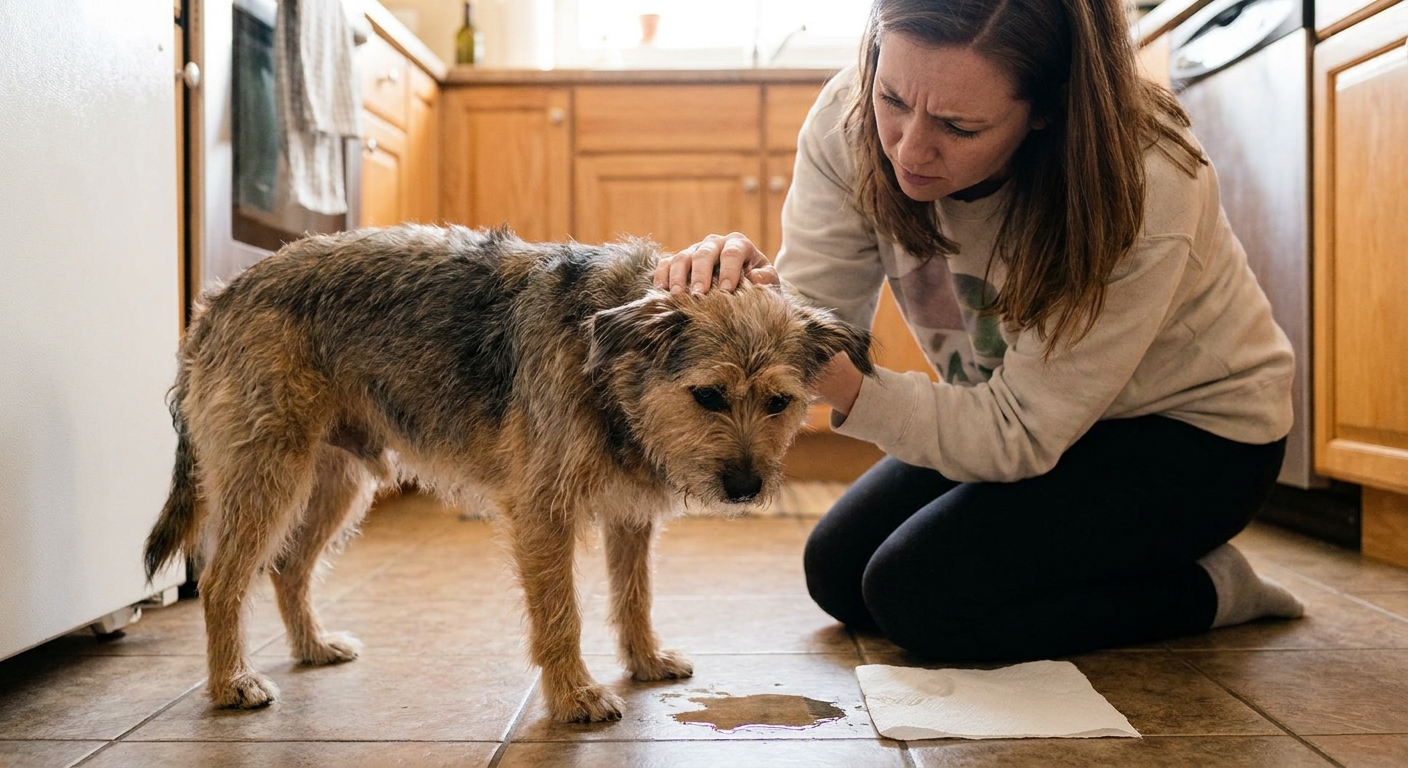
If your dog is vomiting and you have a sago palm anywhere in your home or yard, I want you to connect those dots right away and call for help.
What to do right away
If you suspect ingestion, act quickly and keep it simple. Your goal is to get expert medical help fast and give the veterinary team the best information you can.
Step 1: Remove access
- Move your dog away from the plant.
- Pick up any dropped seeds, chewed fronds, or plant chunks so your dog cannot eat more.
- If it is safe to do so, gently wipe plant residue from your dog’s mouth or face with a damp cloth.
Step 2: Call an ER vet
Contact your veterinarian or a local emergency animal hospital and tell them: “My dog may have eaten a sago palm or cycad.” This helps them triage appropriately.
If you cannot reach a clinic immediately, you can also contact a pet poison hotline for guidance while you are arranging care. ASPCA Animal Poison Control and Pet Poison Helpline are commonly used options in the U.S. (fees may apply).
Step 3: Bring a photo if you can
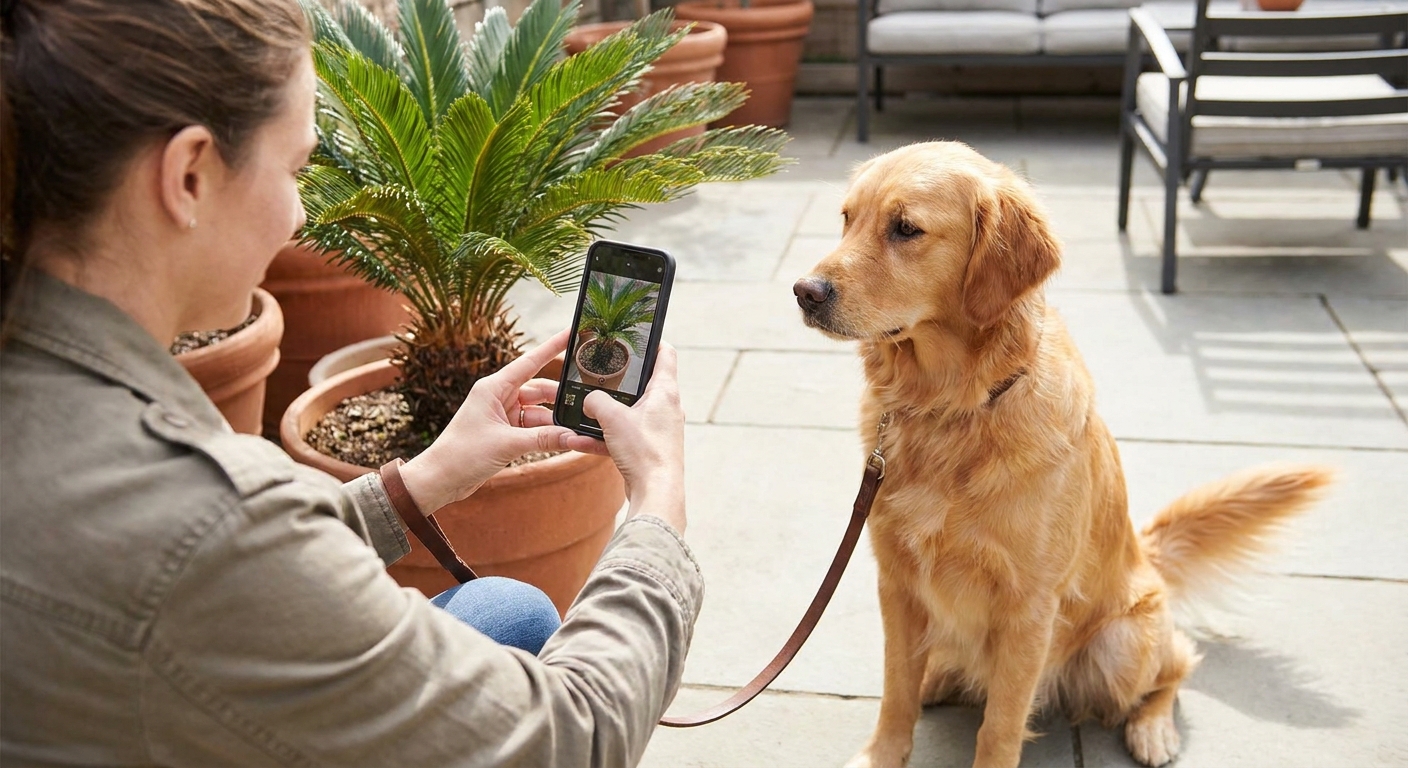
If you can do it safely and quickly, take a clear photo of the plant (and any seeds or pieces your dog got into). If the clinic says it is okay, bring a small sample in a sealed bag.
Identification does not replace treatment, but it can help the team confirm risk and make better decisions about decontamination, monitoring, and follow-up testing. If this is a purchased houseplant, bring the plant label or receipt if you have it.
Step 4: Skip home remedies
I know the urge is strong to try something at home. With sago palm and other cycads, this is not the time for experimenting.
- Do not dose activated charcoal at home unless your veterinarian specifically instructs you to and gives you the exact product and dose.
- Do not force vomiting with hydrogen peroxide unless your veterinarian tells you to. It can be unsafe in certain situations, and timing matters.
- Do not give food, oils, milk, or supplements to “bind toxins.” These can delay proper care and complicate treatment.
The safest, most helpful thing you can do is get to a veterinary clinic right away.
Why fast care matters
Cycad toxins can cause severe liver injury, sometimes quickly. The liver is responsible for detoxifying the body, supporting digestion, and producing proteins involved in blood clotting. When it is damaged, dogs can become dangerously ill.
In many poisoning cases, early treatment focuses on decontamination (reducing toxin absorption) and supportive care (protecting organs, maintaining hydration, controlling nausea, stabilizing blood sugar, and monitoring clotting).
The sooner your dog is seen, the more options your veterinary team may have.
What the vet may do
Every case is different based on how much was eaten, when, and your dog’s overall health. Your veterinarian will tailor treatment, but common steps may include:
- Exam and history: when ingestion happened, what part of the plant, and how much
- Induced vomiting if the ingestion was recent and it is safe to do so
- Activated charcoal in the clinic to reduce toxin absorption (not for every dog, and not always appropriate)
- IV fluids to support hydration and organ perfusion
- Anti-nausea and stomach protectants
- Liver support medications as indicated
- Bloodwork to evaluate liver enzymes, bilirubin, glucose, electrolytes, and clotting status
- Hospitalization for monitoring, especially if bloodwork is abnormal or symptoms are significant
One thing I always tell owners: if your clinic recommends follow-up bloodwork after discharge, please do it. With liver toxins, trends in lab work over time matter.
Seizures and neurologic signs
Not every dog with sago palm poisoning will have seizures, but it can happen, particularly as illness progresses and the body becomes more unstable.
If your dog has a seizure:
- Keep your hands away from their mouth.
- Move furniture away if you can do so safely.
- Time the seizure on your phone.
- Dim lights and reduce noise.
- Call an emergency vet as soon as the episode ends, or immediately if the seizure lasts longer than 5 minutes or your dog has back-to-back seizures.
A seizure in the setting of known or suspected toxin exposure is a medical emergency.
How to prevent sago palm poisoning
Prevention is truly the best medicine here, because cycad toxicity can be severe even with prompt care.
- Remove cycads from areas your dog can access, including yards, patios, and indoor pots.
- Be cautious after landscaping. Fallen fronds and seeds can be especially tempting.
- Teach a solid “leave it” cue and supervise outdoor time, especially for puppies and chronic chewers.
- Ask about plants when visiting friends, vacation rentals, or new parks and neighborhoods.
If you are not sure whether a plant is a cycad, take a photo and ask your veterinarian, a reputable nursery professional, or your local extension office for help identifying it. When in doubt, treat it as unsafe until confirmed.
Quick FAQ
Are sago palms poisonous if my dog only chewed a leaf?
Yes. Leaves are toxic, and chewing can still expose your dog to harmful compounds. Seeds are often the most toxic, but any ingestion should be treated seriously.
My dog vomited and now seems fine. Can I watch them at home?
I do not recommend “watch and wait” for suspected sago palm exposure. Vomiting can be an early sign before liver injury becomes obvious. Call a vet and get guidance the same day.
Should I make my dog throw up at home?
Only if a veterinarian instructs you to. Inducing vomiting is not safe for every dog, and incorrect dosing or timing can make things worse. With cycads, professional guidance is important.
What information should I bring to the clinic?
- A photo of the plant and any seeds or pieces
- Approximate time of exposure
- How much you think was eaten
- Your dog’s weight and any current medications
- Any plant label, pot tag, or store info if you have it
The bottom line
Sago palms and other cycads are not “mildly irritating” plants. They can be profoundly toxic to dogs, with vomiting that can progress to liver failure and sometimes seizures. If you suspect your dog ate any part of one, seek veterinary care the same day and bring a plant photo if you can. Fast action can truly save a life.