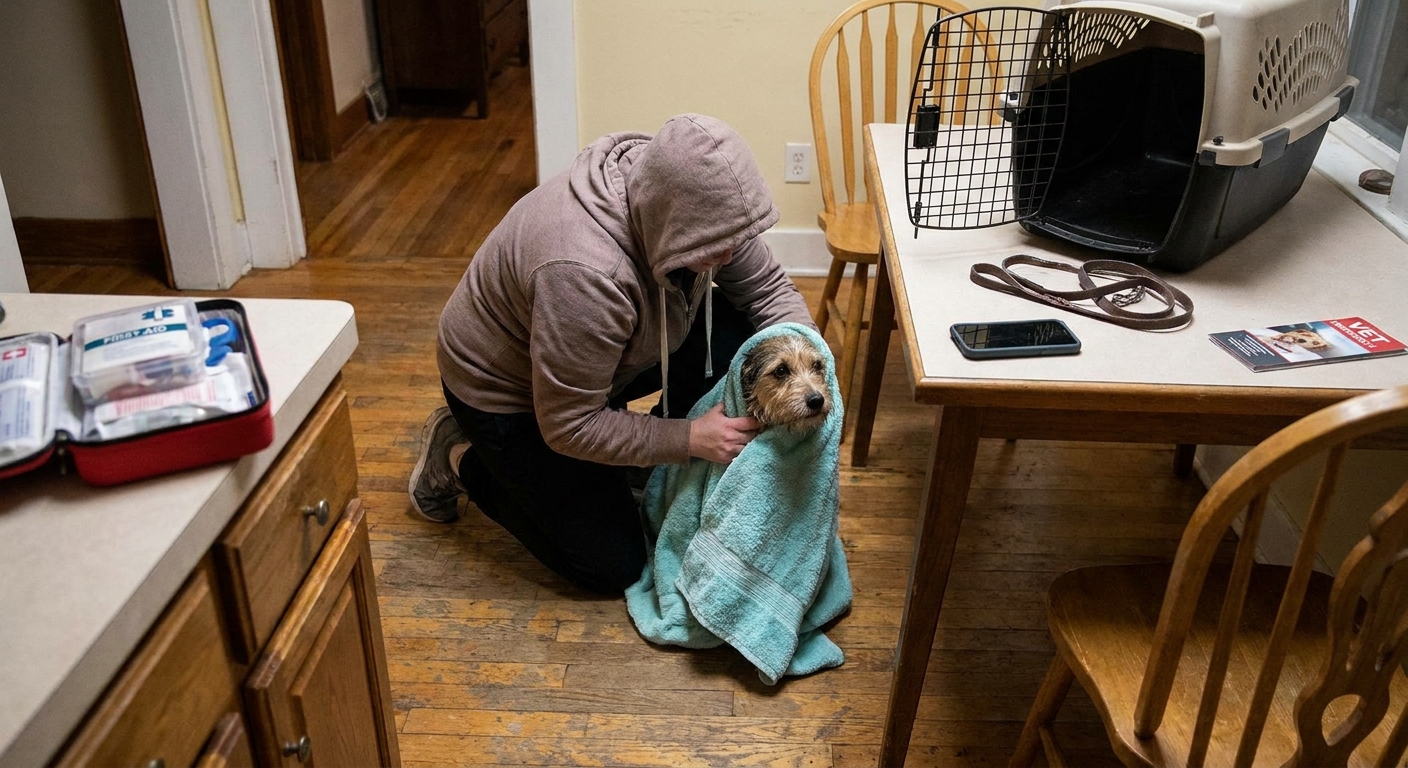
I am a veterinary assistant in Frisco, Texas, and one of the scariest calls I get from dog parents is, “My dog’s penis is out and it won’t go back in.” If that is happening to your dog, you are right to take it seriously. Paraphimosis can go from uncomfortable to urgent fast because the exposed tissue can swell, dry out, get injured, and in some cases interfere with urination.
This page will walk you through what paraphimosis is, why it happens, what you can do safely while you call your veterinarian, and the clear signs it is an emergency.
What is paraphimosis in dogs?
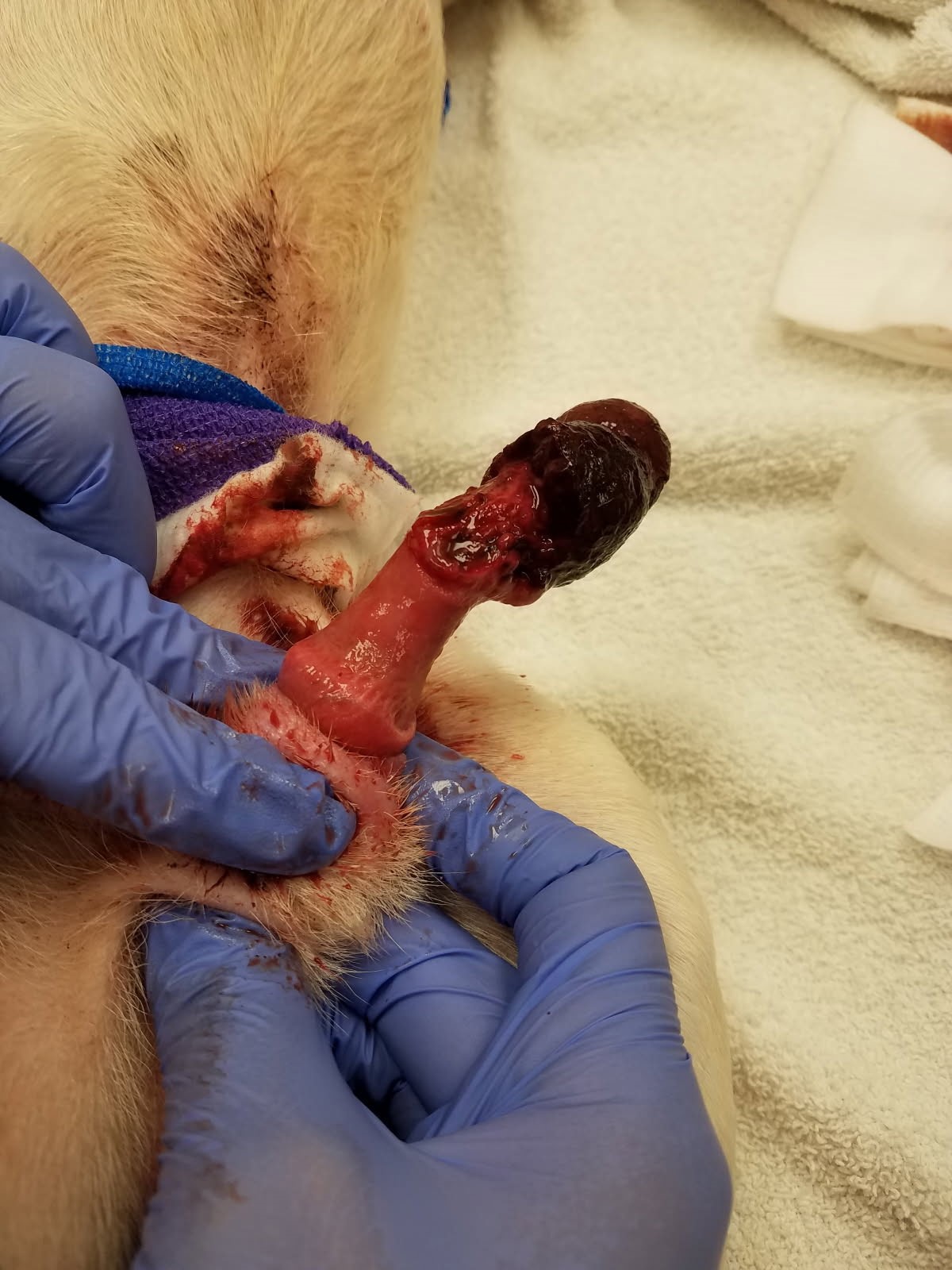
Paraphimosis means the penis is extended out of the prepuce (the sheath) and cannot return back inside. It is not the same as a normal erection that goes away in a few minutes. With paraphimosis, the sheath opening can act like a tight ring, trapping the penis outside. Once trapped, swelling tends to worsen the problem.
It is also worth knowing this: some dogs briefly show a red “lipstick” tip during excitement or grooming, then it retracts on its own. That short, self-resolving exposure is usually normal. Paraphimosis is when it does not go back in and starts to look swollen or dry.
Paraphimosis may happen after:
- mating or attempted mating
- excitement (including play, visitors, or arousal)
- grooming, bathing, or licking
- an injury or irritation to the area
Because the tissue is delicate and meant to be protected inside the sheath, prolonged exposure can lead to drying, cracking, and reduced blood flow. That is why we treat it as time-sensitive.
What paraphimosis looks like
Many pet parents notice it when they see a red or pink structure protruding from the sheath longer than expected. You may also notice the end of the penis becoming darker red, purple, or bluish as swelling increases.
Common signs
- The penis remains protruding longer than a few minutes and does not retract on its own.
- Swelling of the penis or at the sheath opening.
- The tissue looks dry, dull, cracked, or sticky.
- Your dog is licking, uncomfortable, restless, or painful when sitting.
- Hair, debris, or a tight skin fold appears “caught” around the penis.
Signs it is becoming an emergency
- Your dog cannot urinate, strains to pee, or only dribbles.
- The penis becomes purple, blue, gray, or very dark red.
- Bleeding, obvious trauma, or a foul odor develops.
- Your dog seems significantly painful, lethargic, or distressed.
Why it happens
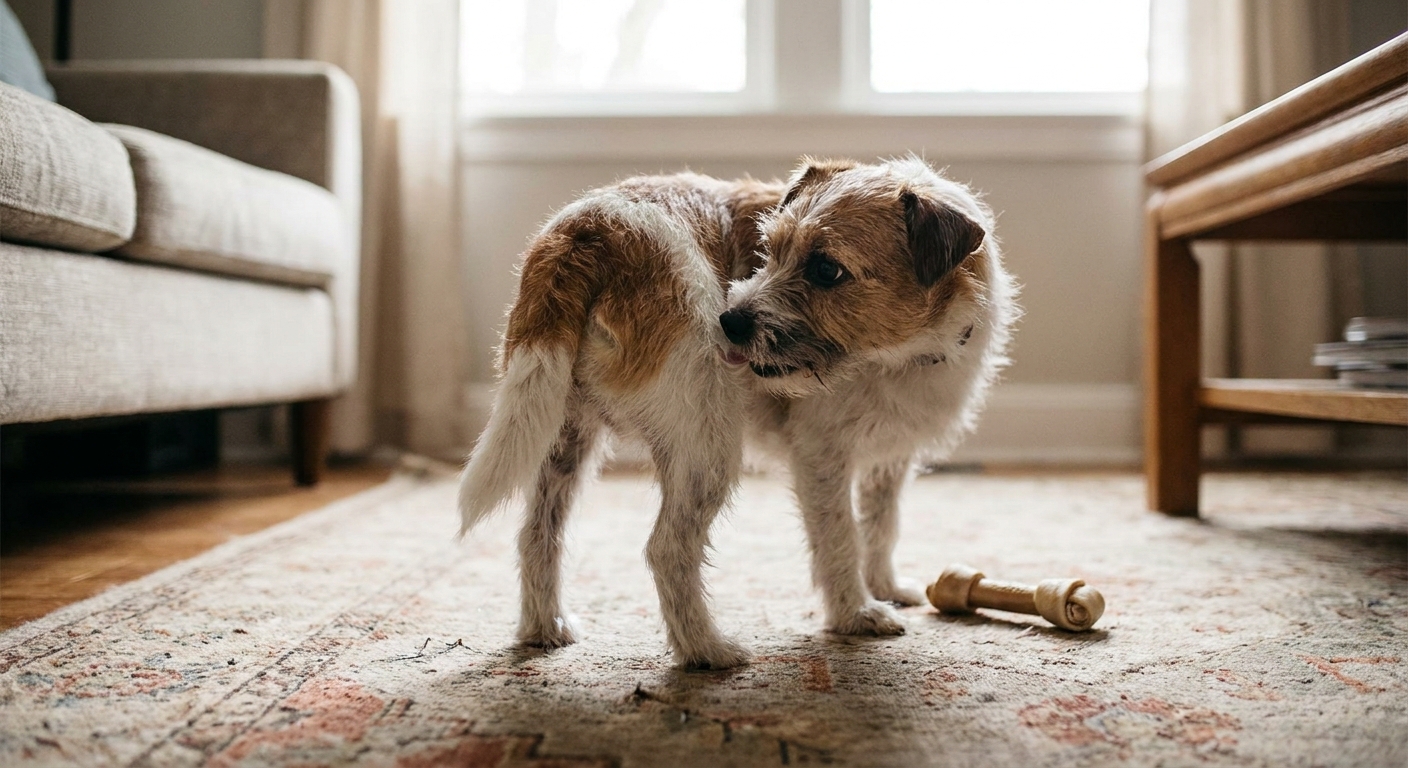
Paraphimosis usually has one main driver: the penis swells and the sheath opening is too tight to let it slide back in. Several underlying issues can contribute.
- Hair ring: Long hair around the prepuce can wrap around the penis like a rubber band. This is especially common in long-coated breeds or doodle mixes if hair is not trimmed in that area.
- Swelling from arousal: After mating or intense excitement, swelling can persist and the penis gets “stuck” outside.
- Trauma: A scrape, bite, or rough play can cause inflammation.
- Foreign material: Dirt, sand, plant material, or dried discharge at the sheath opening can create friction and swelling.
- Neurologic or muscle issues: Less common, but problems that affect the muscles that help retract the penis can play a role.
- Conformation: Some dogs have anatomy that makes this more likely, including a smaller sheath opening.
What not to do
When you are worried, it is natural to want to “fix it” quickly. But a few well-intended actions can make paraphimosis worse.
- Do not force it back in using pressure, pulling, or pushing. You can tear tissue and worsen swelling. If your veterinarian specifically talks you through a gentle attempt with lubrication, follow their directions. Otherwise, focus on keeping it moist and getting seen.
- Do not use harsh products like hydrogen peroxide, alcohol, essential oils, or fragranced lotions. This is highly sensitive mucosal tissue and chemicals can burn or irritate it. Some products can also be harmful if your dog licks them.
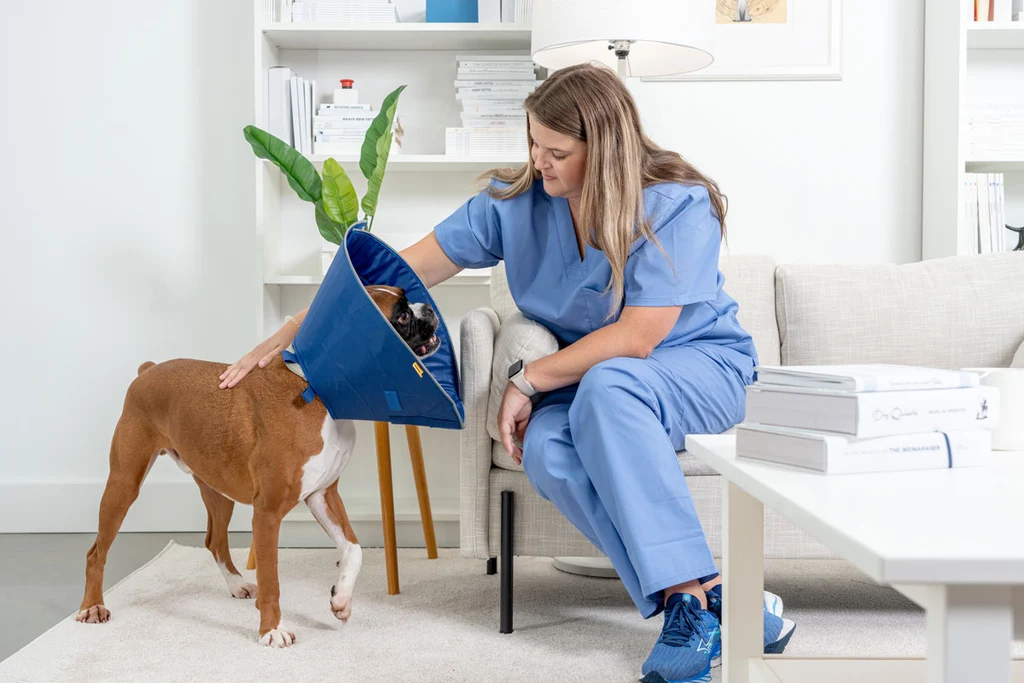
- Do not let your dog continue licking if you can safely prevent it. Licking dries and inflames tissue and can cause injury. Use an e-collar if you have one.
- Do not give human pain medicine (like ibuprofen, naproxen, or acetaminophen) unless your veterinarian tells you to. These can be dangerous for dogs.
- Do not assume it will “work itself out” if it has been out more than a short time, looks dry, or your dog cannot urinate.
If two dogs are physically “tied” together after mating, do not pull them apart. That is a separate situation from paraphimosis and pulling can severely injure both dogs.
Safe first aid while you call your vet
If your dog is bright, not in severe pain, and is still able to urinate, you may be able to provide gentle, temporary support while you arrange veterinary care. The goal is to keep the tissue moist and reduce additional swelling. This is not a substitute for veterinary care, but it can protect the tissue while you are getting help.
Step 1: Keep him calm and prevent licking
- Move your dog to a quiet room.
- Leash him to prevent running or jumping.
- Use an e-collar if you have one. If you improvise, make sure it does not restrict breathing or put pressure on the neck.
Step 2: Keep the penis moist
Drying is a major problem with paraphimosis.
- Rinse gently with sterile saline if you have it, or clean lukewarm water if you do not.
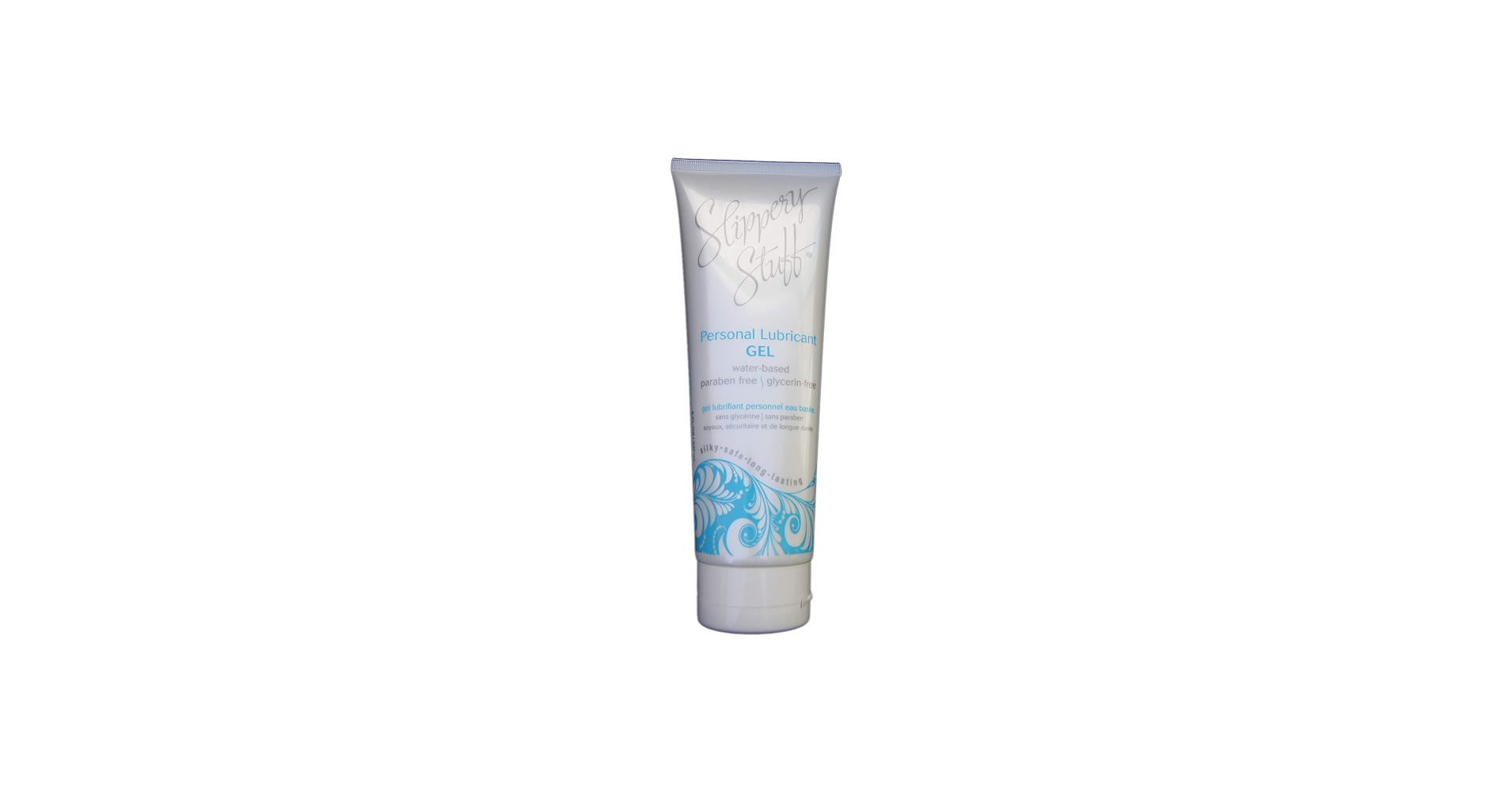
- Apply a water-based sterile lubricant (like the type used for medical lubrication). A very thin layer is enough.
- If you do not have lubricant, a clean, damp cloth held against the tissue can help keep it moist during transport.
Step 3: Check for a hair ring or obvious constriction
If you can clearly see a tight band of hair wrapped around the penis, that can rapidly cut off blood flow. If it is easy to remove without pulling or injuring the tissue, you can try to gently free it. If you cannot remove it immediately and safely, go to the emergency vet.
Step 4: Call your veterinarian right away
Even if you can keep things moist, your vet needs to advise you on urgency. Many dogs need medication to reduce swelling, sedation for comfort, and safe replacement of the penis into the sheath. In some cases, stitches or surgery are needed to prevent recurrence.
Getting to the clinic
Keep the e-collar on, keep your dog as quiet as possible, and keep the exposed tissue moist. If you can, bring a small tube of lubricant or saline with you so you can reapply if it starts to dry out on the way.
When it is an emergency
Go to an emergency veterinarian now if you see any of the following:
- Your dog cannot urinate, strains, or cries when trying to pee.
- The penis is purple, blue, gray, or very dark.
- The tissue is dry, cracked, bleeding, or appears injured.
- The penis has been protruding for more than a short time and is not improving, especially if you are approaching the 30 minute range.
- Your dog is very painful, trembling, lethargic, or you cannot prevent intense licking.
Urine blockage and loss of blood flow are the two big reasons we do not wait. Tissue that stays swollen and trapped too long can become seriously damaged.
What your vet may do
It helps to know what to expect. Treatment depends on how swollen the tissue is, whether there is a hair ring or debris, and whether your dog can urinate.
- Pain relief and sedation to reduce stress and allow gentle handling.
- Lubrication and reduction of swelling (your veterinarian may use specific techniques and medications).
- Cleaning and inspection for trauma, foreign material, or a constricting band of hair.
- Catheterization if your dog is unable to urinate or if the urethra is compromised.
- Temporary sutures to narrow the sheath opening in recurring cases, or surgery in severe or repeated episodes.
If your dog had paraphimosis once, ask your vet how to reduce the risk of it happening again. Recurrence is possible, especially if the underlying cause is not corrected.
How to help prevent paraphimosis
You cannot prevent every case, but you can reduce risk, especially in long-coated dogs and mixes.
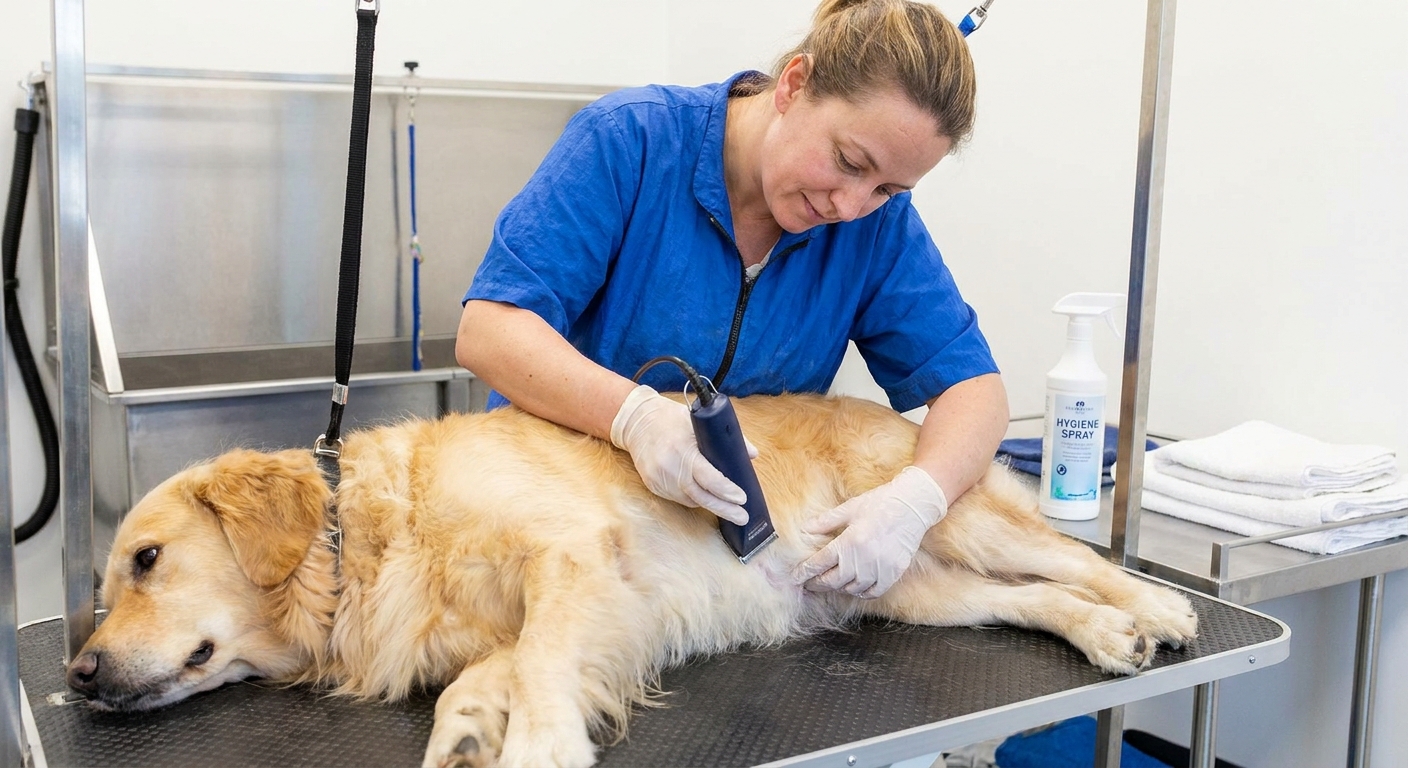
- Keep the area trimmed: A sanitary trim around the prepuce can prevent hair rings.
- Check after excitement: If your dog tends to stay aroused longer, do a quick visual check after intense play or mounting behavior.
- Discourage persistent licking: Licking can cause irritation and swelling over time.
- Address skin allergies: Dogs with allergies may lick more and irritate the tissues.
- Talk to your vet about reproductive health: Paraphimosis can happen in any male dog, but it is often noticed in intact dogs after mating attempts or heavy arousal. If this is a repeat pattern for your dog, ask for guidance specific to him.
Paraphimosis vs look-alikes
Normal erection vs paraphimosis
A normal erection from excitement typically resolves within a few minutes, and the penis returns inside the sheath without intervention. With paraphimosis, it stays protruding and begins to swell or dry, and it does not retract normally.
Mating tie vs paraphimosis
During mating, dogs can become physically locked together for a period of time. If that happens, do not pull them apart. Once the tie resolves, some males may still have swelling or delayed retraction, and that is where paraphimosis can develop.
Urinary blockage without paraphimosis
Some dogs strain to urinate due to bladder stones, prostate disease, or other urinary issues without the penis being trapped outside the sheath. Straining to urinate is still urgent, but the treatment is different. If your dog is straining, call a vet even if you do not see a visible problem.
FAQ
How long is too long for a dog’s penis to be out?
There is no perfect minute mark for every dog. As a general guideline, if it is not retracting within a short time or you see swelling or drying, treat it as urgent and call your veterinarian. If it keeps protruding and you are getting into the 20 to 30 minute range with no improvement, I consider that a strong sign to call or head in. If there is discoloration or trouble urinating, go now.
Can I use petroleum jelly?
I recommend a water-based lubricant if you have one. Petroleum jelly is not ideal because it can trap debris and it is harder to clean off. If it is the only option to prevent drying during transport, use a very small amount and still seek veterinary care promptly.
Will it fix itself?
Occasionally a mild case resolves with calm rest, moisture, and time. But because swelling can progress quickly and blood flow can be compromised, it is not something to watch for hours. When in doubt, call your veterinarian.
Is paraphimosis life-threatening?
It can become very serious if the tissue loses blood supply or if your dog cannot urinate. Prompt care makes a huge difference in outcome and comfort.
The bottom line
Paraphimosis is when a dog’s penis stays out of the sheath and cannot retract. The biggest risks are swelling, drying and cracking of tissue, injury from licking, and in severe cases, trouble urinating. Keep the tissue moist, prevent licking, do not force it back in, and contact a veterinarian right away. If your dog cannot urinate or the tissue is turning dark, head to emergency care immediately.