I am writing this with a lot of care, because if you are reading it, you are probably scared. If you can actually see internal tissue, fatty tissue, or especially intestine through your dog’s spay incision, this is not a “wait and see” situation. It is an emergency.
This kind of incision failure is sometimes called incision dehiscence. When abdominal contents push out through the opening, it is called evisceration. Either way, your job right now is to protect the exposed tissue and get to an emergency veterinarian immediately.
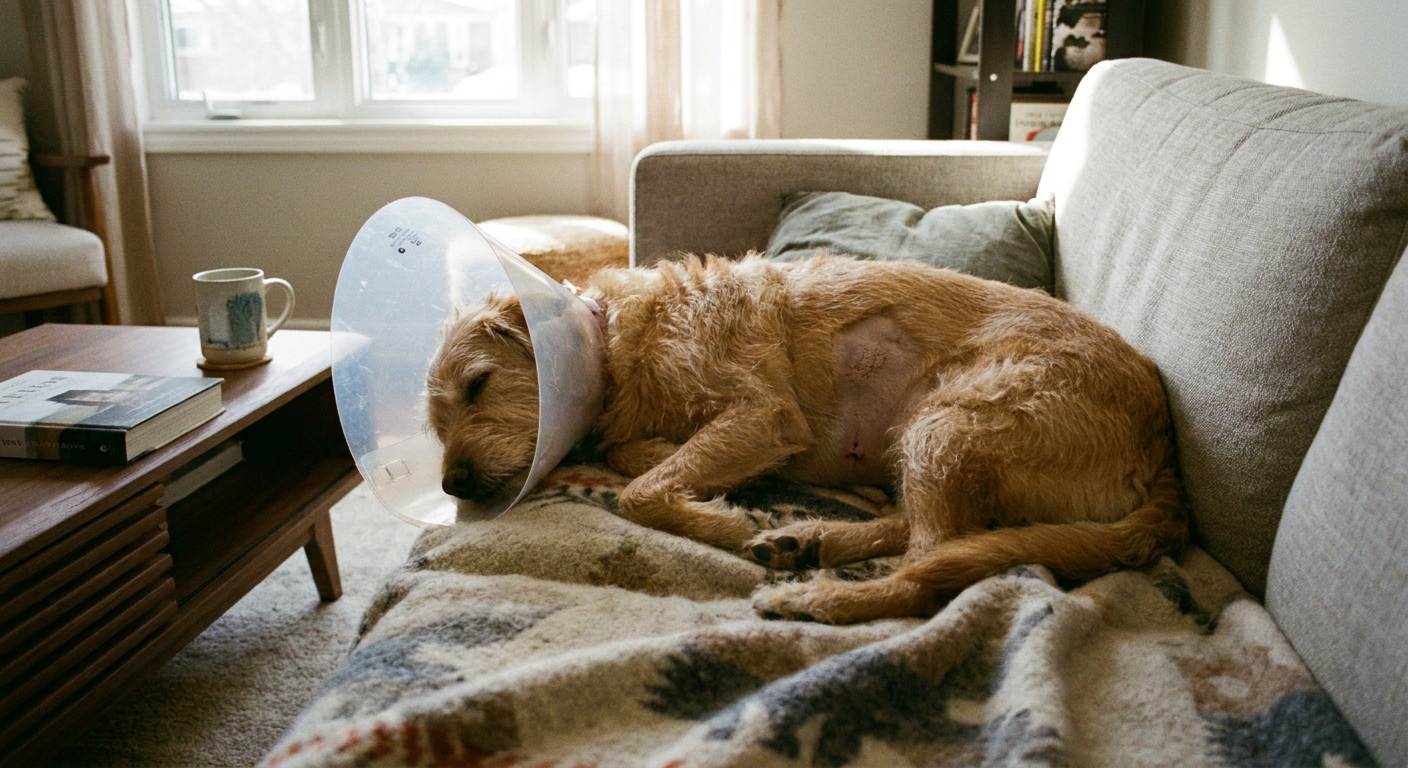
If Organs or Tissue Are Visible, Treat It Like an Emergency
If you see:
- Pink, red, shiny tissue bulging out of the incision
- Yellow, lacy fat protruding (this can still be serious)
- Loops of intestine or anything that looks like tubing
- A hole or gap where the skin and deeper layers are open
Go to an emergency clinic right now. Even if your dog seems “okay,” exposed tissue dries out quickly, can become contaminated, and can lose blood supply. Quick surgical repair is often needed.
What to Do Immediately (At Home, On the Way Out the Door)
1) Stop licking and chewing immediately
Licking can turn a small weakness into a full breakdown fast.
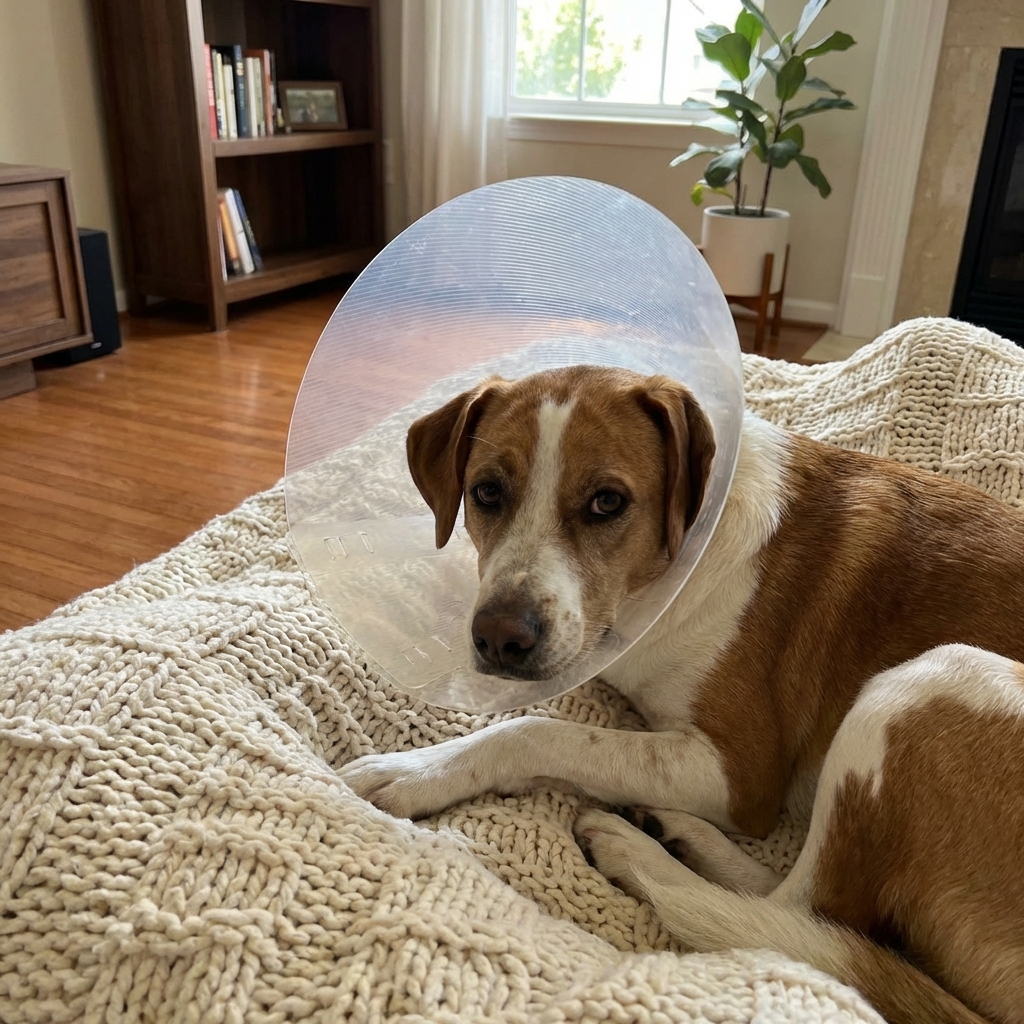
- Put on an E-collar (cone) if you have one.
- If no cone is available, use a snug recovery suit or a clean T-shirt in a pinch, but do not delay leaving for the ER to make it perfect.
- Keep your dog as calm and still as possible.
2) Keep exposed tissue moist (Do not scrub it)
If tissue is protruding, it is critical to prevent it from drying out.
- Use sterile saline if you have it.
- If you do not have saline, use clean lukewarm water.
- Moisten a clean gauze pad or very clean cloth and gently lay it over the exposed tissue.
- Keep it damp, not dripping.
Do not use hydrogen peroxide, alcohol, iodine, chlorhexidine scrub, ointments, or powders on exposed organs or deep tissue. Those products can damage tissue and complicate surgical repair.
3) Cover it, protect it, and go
- Lightly cover with damp gauze or cloth.
- If you can, place a dry layer over the damp one to help keep it in place.
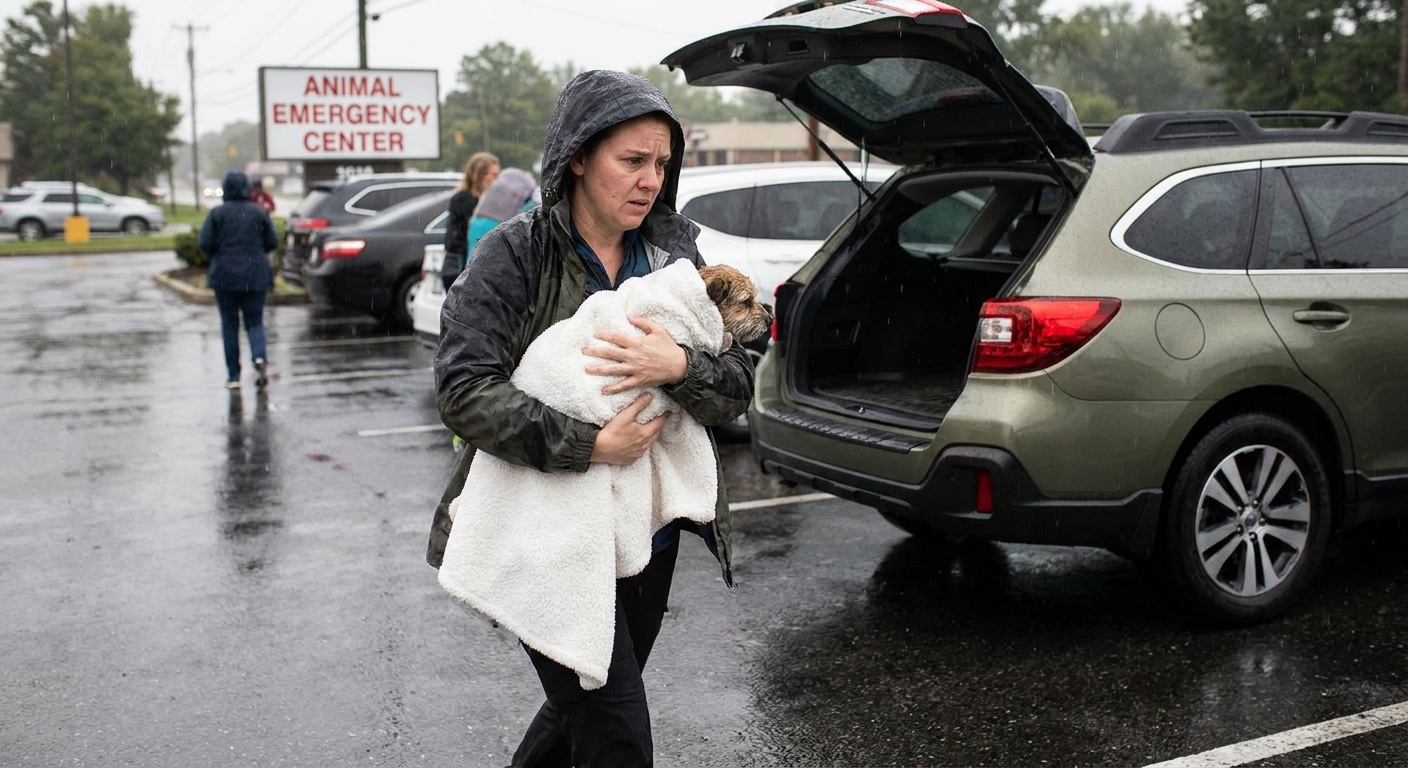
- Carry small dogs to the car. For large dogs, walk slowly on a short leash.
- Prevent jumping, stairs, and wrestling with other pets.
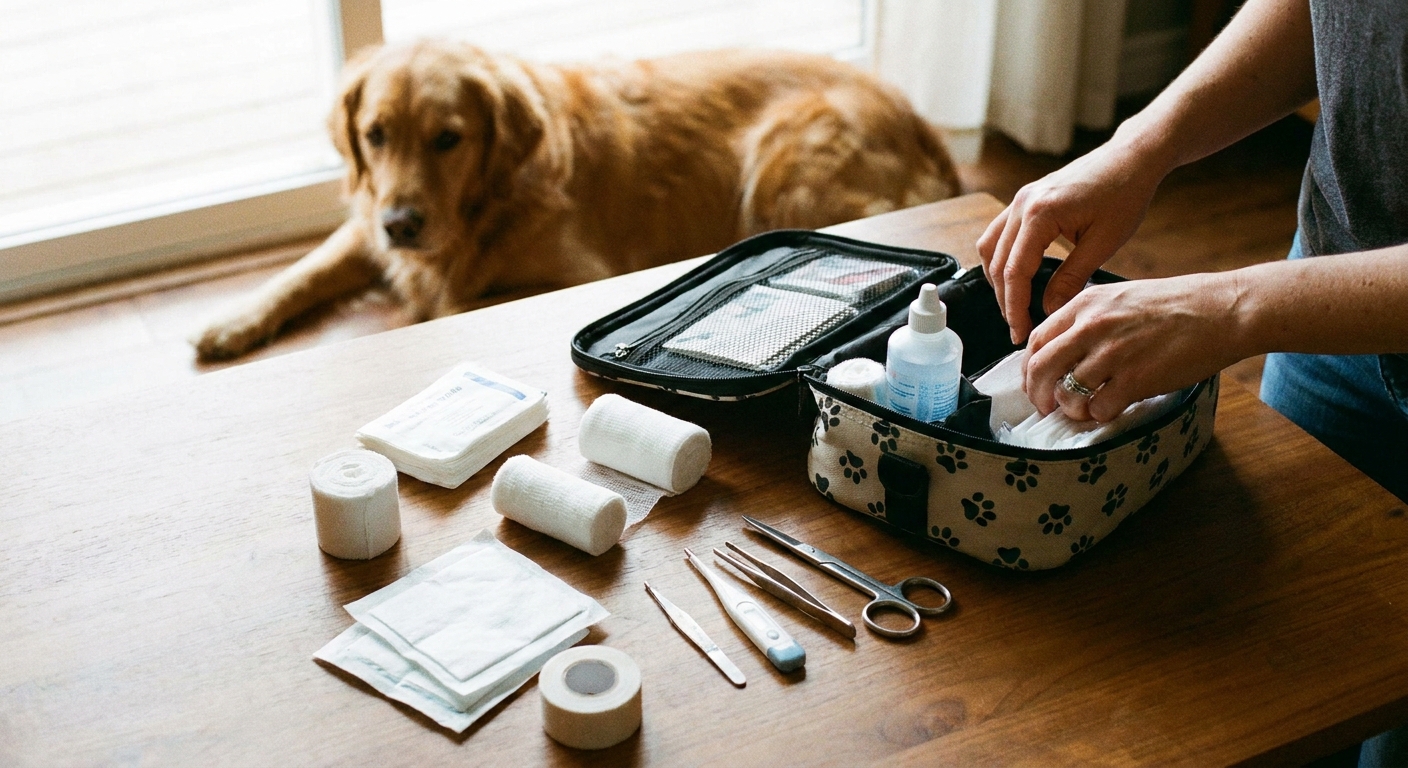
What Not to Do (This Part Matters)
- Do not push anything back in. Do not attempt to “tuck” tissue or intestines into the abdomen. You can tear tissue, introduce contamination, or trap organs in a way that cuts off blood supply.
- Do not remove sutures or staples.
- Do not apply tight bandages around the abdomen. Pressure can worsen damage.
- Do not let your dog eat or drink on the way. If emergency surgery is needed, a full stomach increases anesthesia risk. If your veterinarian instructs otherwise due to a medical condition, follow their guidance.
- Do not wait until morning. This is one of those situations where time truly matters.
How This Differs From a Seroma or Normal Healing
A lot of caring dog parents fear the worst when they see swelling or a “weird lump” after a spay. Most of the time, that worry is about issues that are uncomfortable but not life-threatening. Here is how to tell the difference.
Seroma (fluid pocket) under a closed incision
A seroma is a soft or squishy swelling under the skin, usually with the incision still closed.
- Often looks like a water balloon under the skin
- Skin edges are usually still together
- May be mildly tender, but your dog is often otherwise stable
Seromas still deserve a call to your vet, but they are different from a true incision opening with tissue visible.
Normal healing skin edge
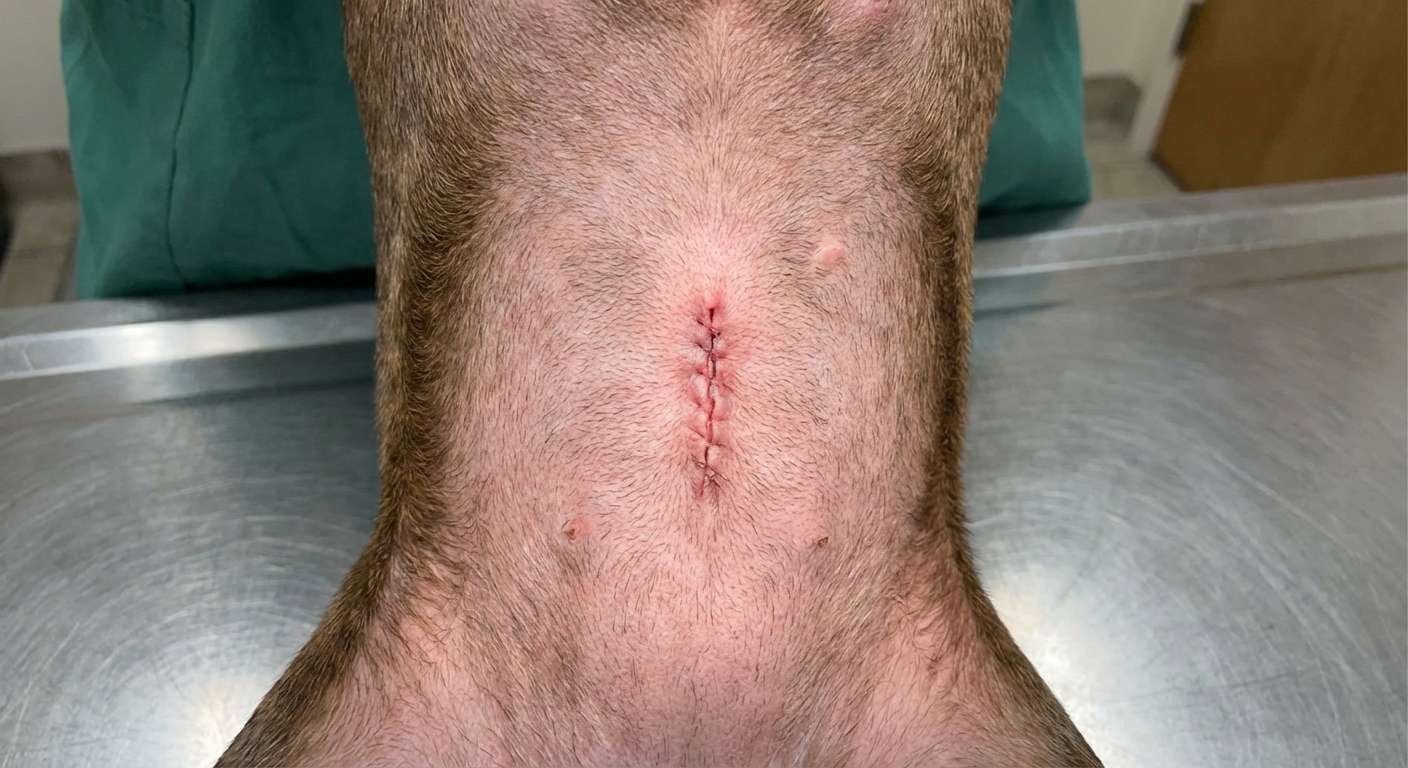
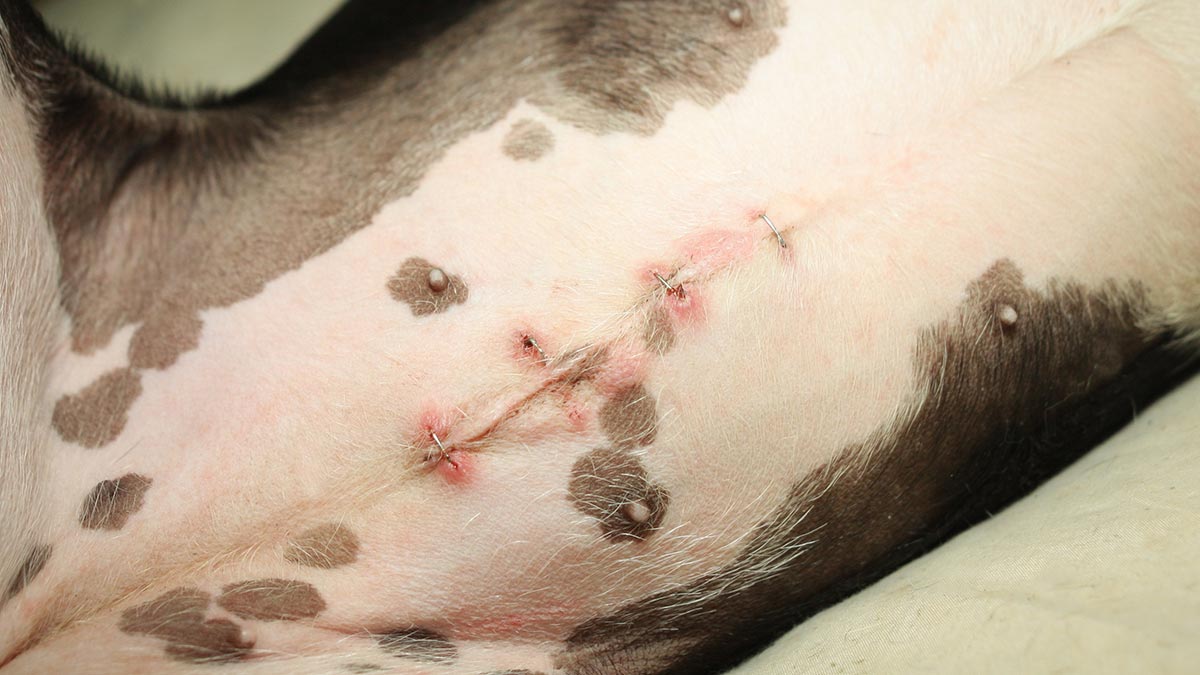
A normally healing incision can look pink, slightly puffy, or have a thin scab.
- A thin, dry scab is common
- Mild redness directly along the line can be normal early on
- No hole or deep gap
Bruising or a little surface spotting
Small bruises around the incision can happen, especially in lighter-skinned dogs. A tiny amount of blood staining on the first day can also be seen. It should not keep spreading or soaking through bandages.
Bleeding Inside the Abdomen Can Be Serious Even If the Incision Is Closed
There is another situation I want you to be aware of: internal bleeding after a spay. In this case, the incision on the skin may look fine, but your dog can become very ill.
Go to an emergency vet immediately if you notice:
- Weakness, collapse, or extreme lethargy
- Pale or white gums
- Rapid breathing or trouble breathing
- A very swollen, painful abdomen
- Repeated vomiting or acting “not right”
This is separate from incision breakdown, but it is another reason not to judge recovery only by how the skin looks.
Why Spay Incisions Break Open
In my experience as a veterinary assistant, the most common reasons we see incisions fail include:
- Licking and chewing at the incision
- Too much activity too soon (running, jumping, stairs, rough play)
- Bandage or clothing friction that irritates the incision
- Infection weakening tissue
- Poor healing conditions (some dogs have more swelling, reaction to sutures, or underlying illness)
Sometimes a dog feels great after surgery and wants to act normal. That is why strict rest and lick prevention are so important during the healing window.
What the Emergency Vet May Do
Every case is different, but treatment commonly includes:
- Pain control and sedation to keep your dog calm
- Protecting and cleaning exposed tissue
- IV fluids and antibiotics if needed
- Bloodwork to check hydration, infection markers, and overall stability
- Surgical repair of the abdominal wall and skin layers
If intestine has been exposed, your veterinarian may need to assess whether it is healthy and has good blood supply. That is one of the reasons getting in quickly is so important.
How to Transport Your Dog Safely
- Keep your dog on leash and move slowly.
- If possible, have a second person ride along to help keep your dog from twisting or trying to lick.
- Bring your dog’s e-collar and any post-op paperwork you were given.
- If you have the damp gauze covering exposed tissue, try to keep it in place without pressure.
FAQ
Is a small opening in the incision an emergency?
If the incision is truly gaping or you can see tissue beneath the skin, treat it as urgent. Even a small separation can worsen quickly, especially if your dog licks. When in doubt, call an emergency clinic and describe exactly what you see.
What if I only see a little yellow tissue?
Yellow tissue can be fat. It still should not be protruding. Do not push it in. Prevent licking, cover with a clean damp dressing, and have your dog seen immediately.
Should I rinse the wound?
If organs or deep tissue are exposed, your goal is moisture and protection, not cleaning. Lightly moisten with sterile saline or clean water and cover gently. Let the veterinarian handle flushing and wound management.
Can my dog die from this?
It can be life-threatening, especially if intestines are involved, tissue dries out, or infection sets in. The good news is that prompt emergency care can make a huge difference.
My Bottom Line
If you can see tissue or intestines through your dog’s spay incision, assume it is an emergency: stop licking, keep tissue moist, cover gently, and go to an emergency vet now.
You are not overreacting. You are protecting your dog in a moment where fast, calm action is exactly what they need.