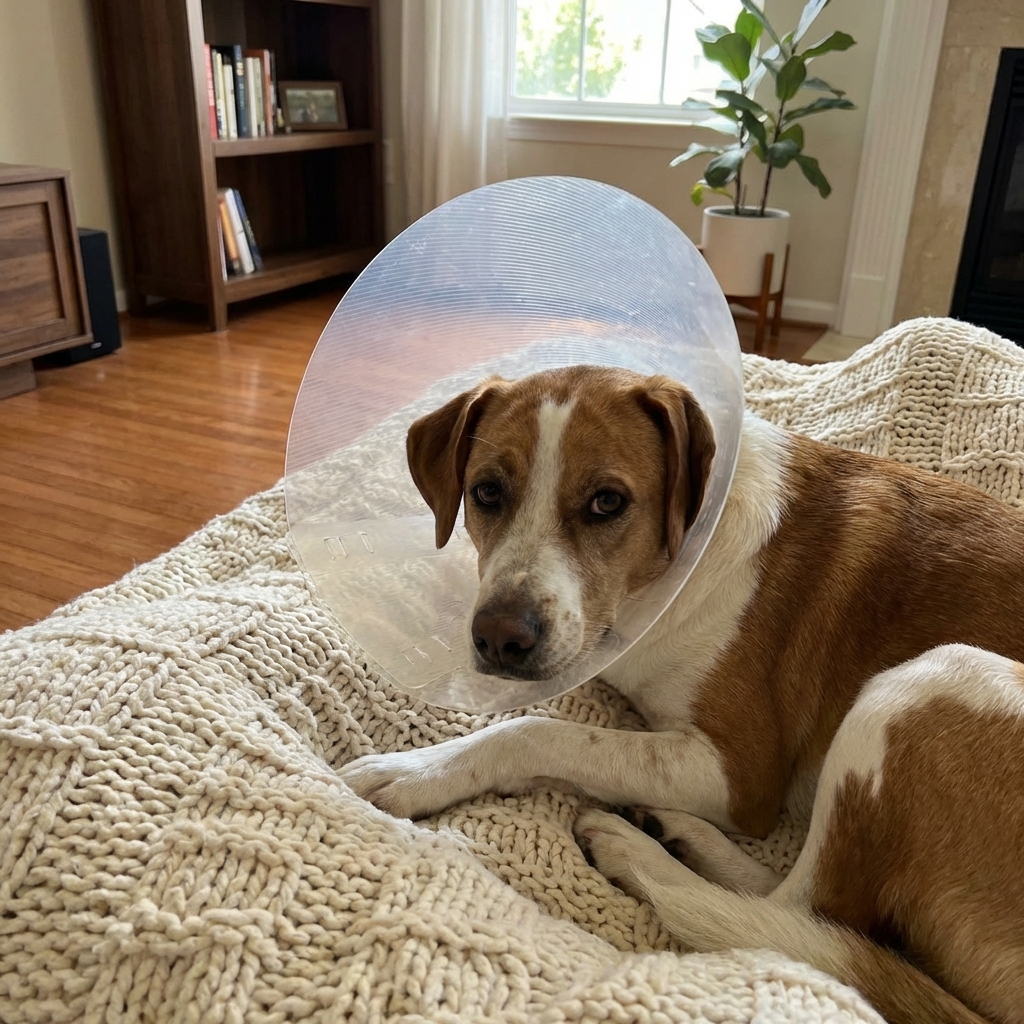
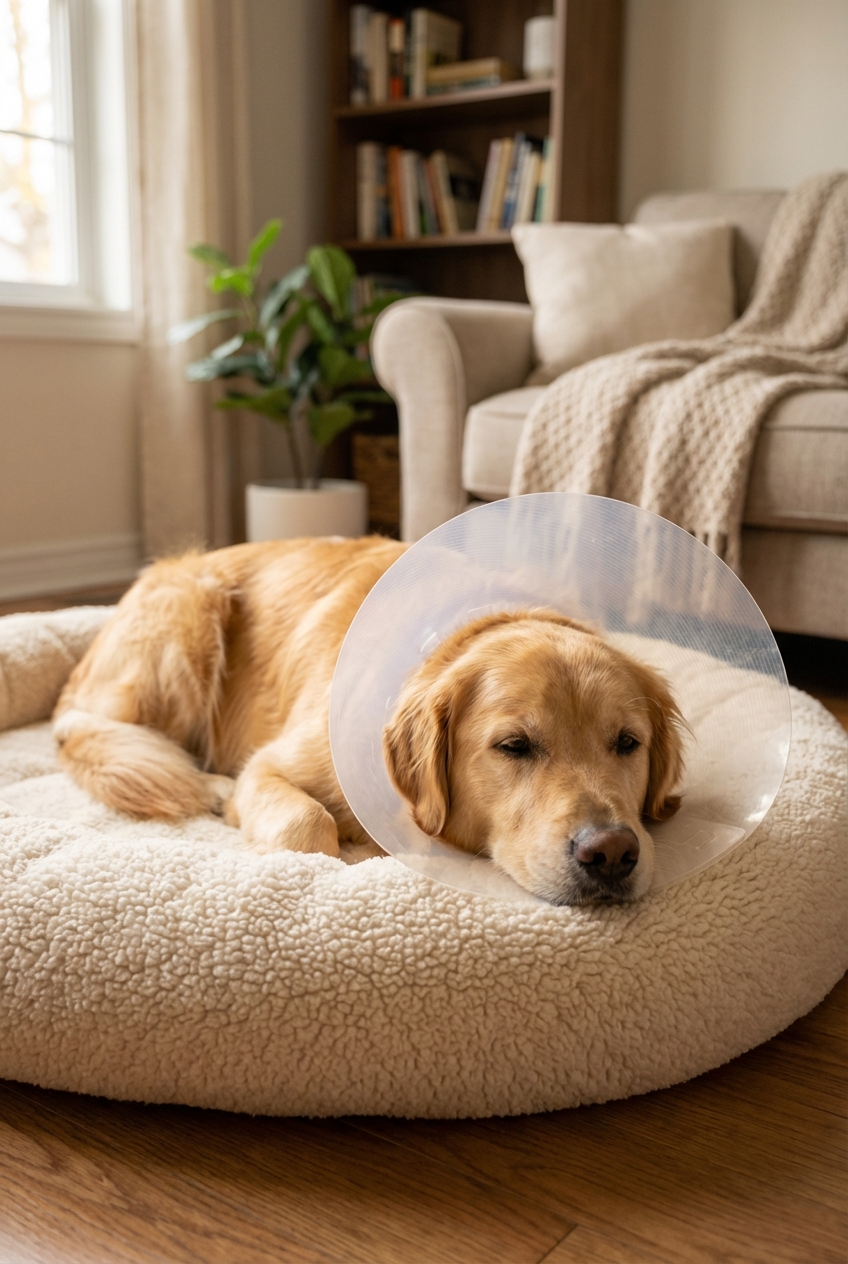
When a dog is spayed, a little sleepiness and mild discomfort can be completely normal. But there is a short list of symptoms that are not normal and should always be treated like an emergency. As a veterinary assistant here in Frisco, Texas, I always tell families the same thing: if your gut is saying, “This seems worse than soreness,” listen to that instinct and call your clinic or an emergency hospital right away.
Internal bleeding after a spay is uncommon, but it can happen, and it can become dangerous quickly. The tricky part is that the incision on the skin can look fine while bleeding is happening inside the abdomen.
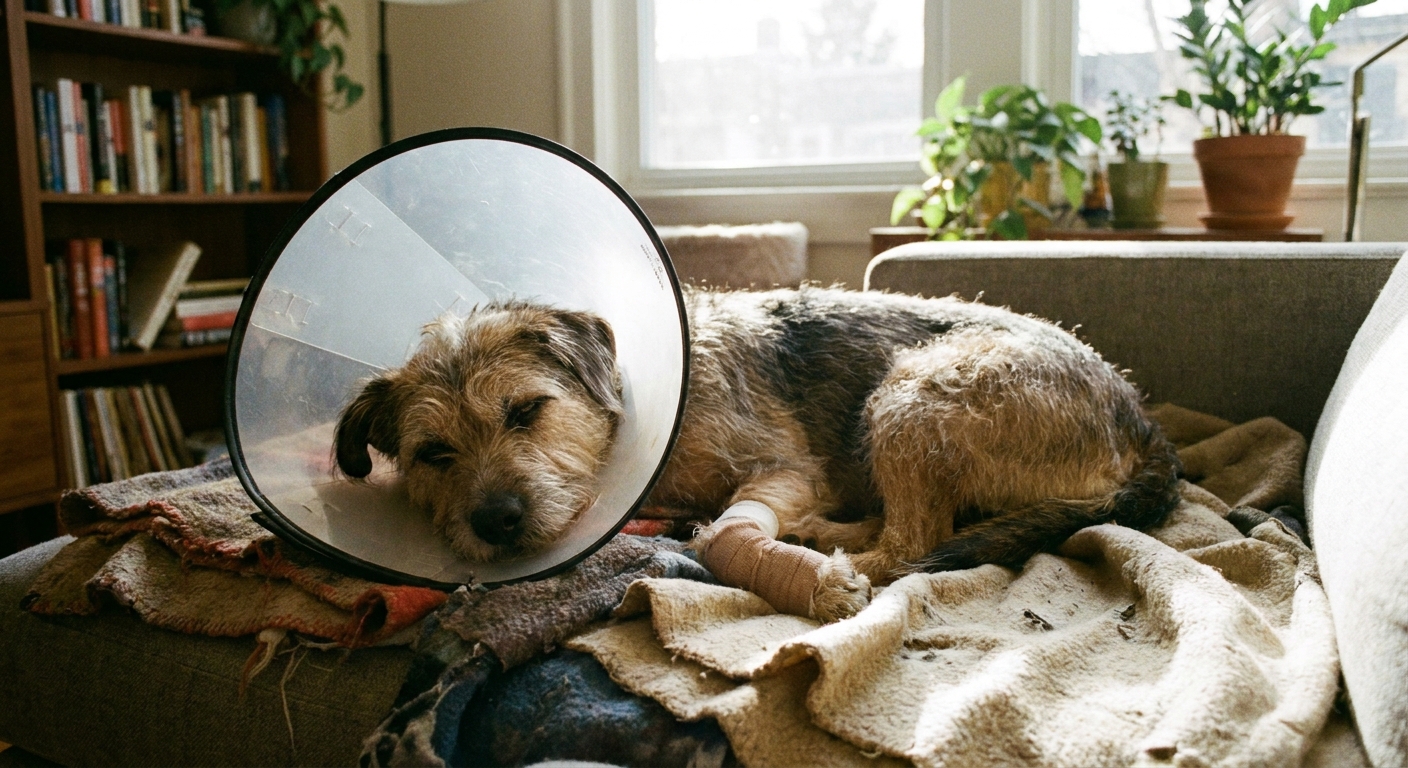
Why internal bleeding after a spay is an emergency
A spay is abdominal surgery. The veterinarian ties off blood vessels associated with the ovaries and uterus. If a vessel slips or a small bleed continues internally, blood can collect inside the abdomen. This is dangerous because:
- Blood loss reduces oxygen delivery to vital organs, leading to shock.
- Dogs can look “quiet” at first, then crash suddenly as blood loss progresses.
- You may not see blood externally, so it is easy to mistake it for normal post-op sleepiness.
If you notice the signs below in the hours after surgery, it is not a “wait and see” situation. Your dog needs immediate veterinary assessment.
Key signs of internal bleeding after a dog spay
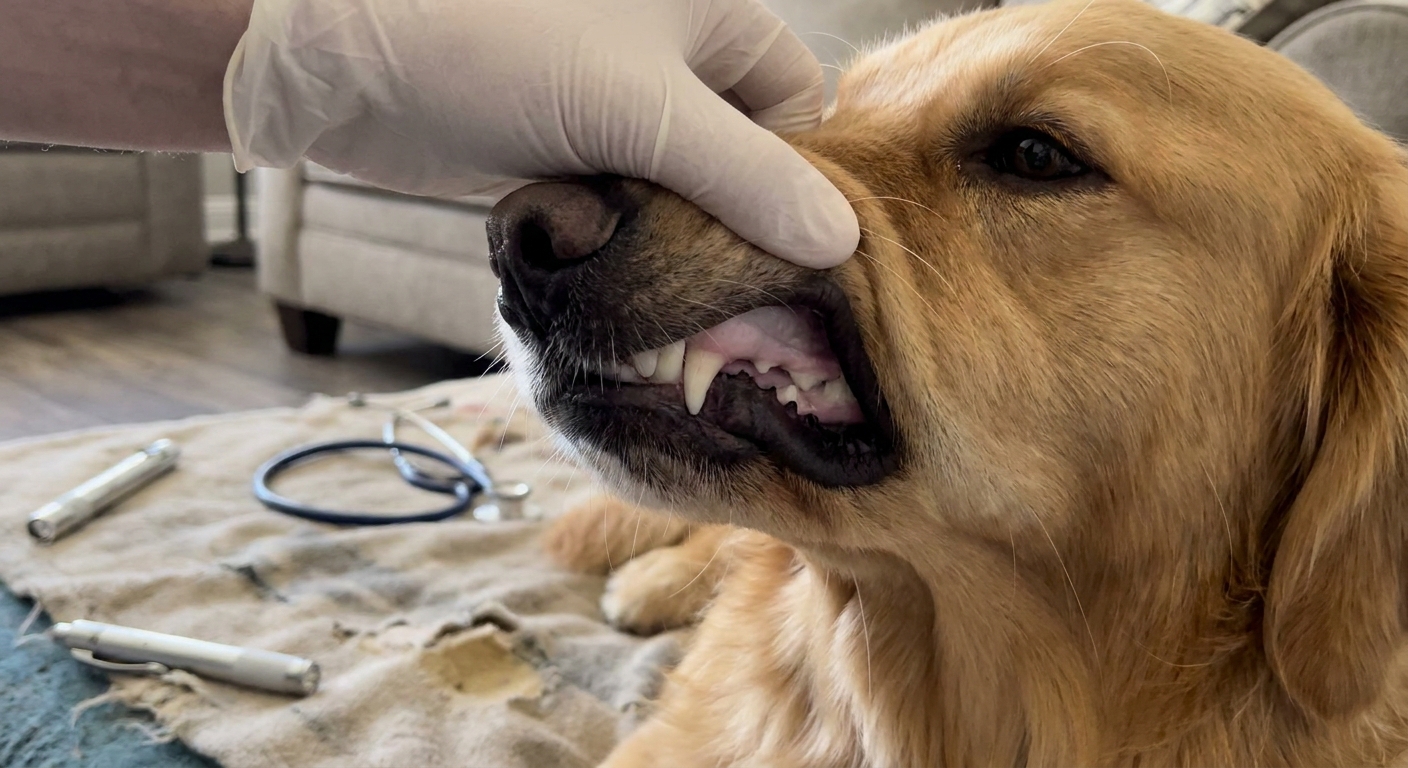
Pale gums
Healthy gums are usually bubblegum pink (pigment varies, but you are looking for what is normal for your dog). With internal bleeding, gums can become pale pink, whitish, or grayish because there are fewer red blood cells circulating.
If you are not sure, lift the lip and compare the gum color to what you remember from before surgery. You can also gently press a finger on the gums and release. In many dogs, color should return quickly. If gums are pale and your dog seems weak, that combination is concerning.
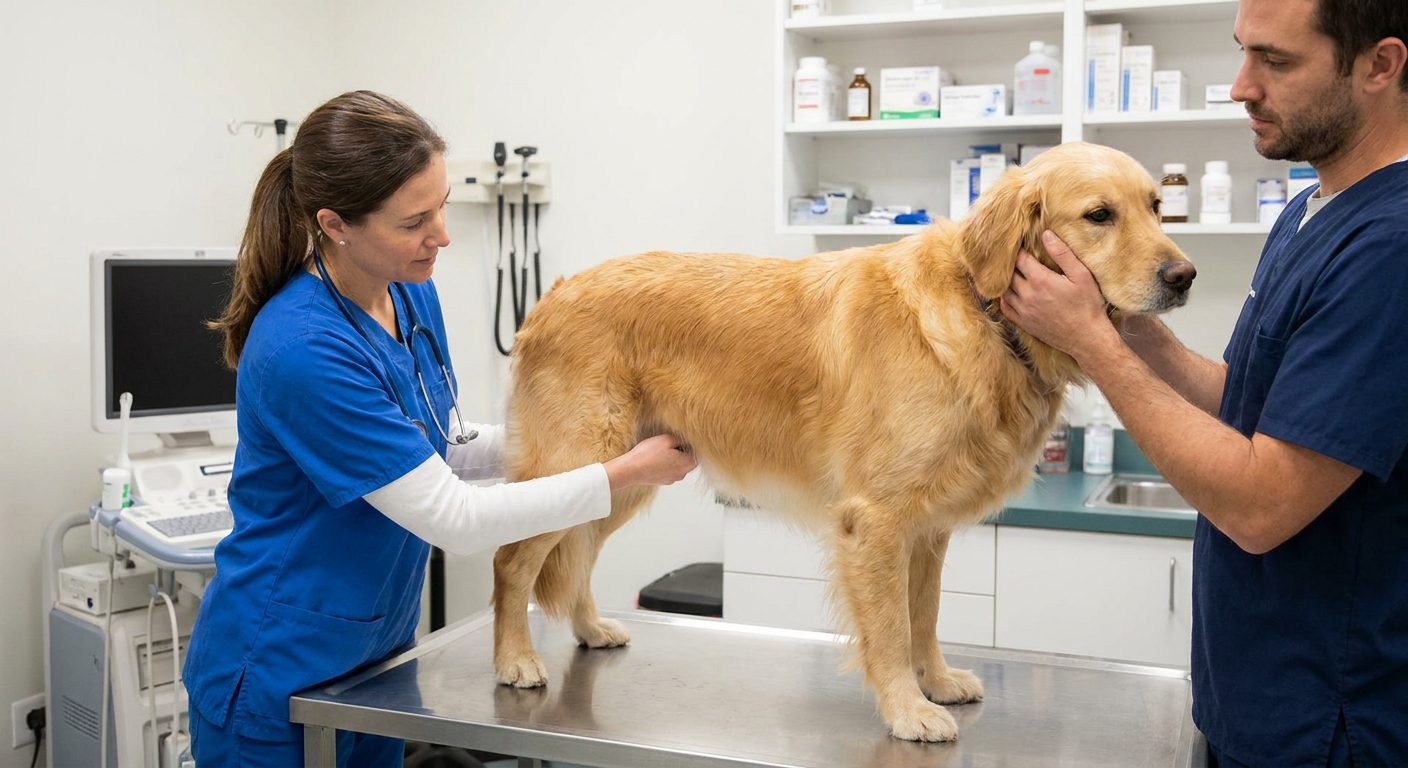
Swollen or enlarging belly
A dog’s abdomen can look rounded, tight, or suddenly bigger if blood is accumulating internally. Some dogs also act uncomfortable when you try to touch or pick them up, because the abdomen feels sore or pressurized.
Many owners describe it as “her belly looks bloated” or “she looks wider than when we got home.” After a spay, a small amount of mild, generalized post-op tenderness is expected, but visible abdominal distension is not something to ignore.
Weakness, wobbliness, or extreme lethargy
Anesthesia can make dogs sleepy, but there is a difference between “groggy” and “too weak to stand.” Red flags include:
- Struggling to get up or collapsing when trying to walk
- Wobbling, swaying, or seeming disoriented
- Suddenly becoming much more lethargic after initially being okay at home
- Refusing to lift the head, not responding normally to your voice
With internal bleeding, weakness often comes from low blood pressure and poor oxygen delivery. This can progress fast.
Collapse or fainting
If your dog collapses, cannot stand, or seems like she is going to pass out, treat it as an emergency, period. This can be a sign of shock. Do not wait to see if she “snaps out of it.”
Rapid breathing, panting, or a racing heart at rest
Dogs who are losing blood may breathe faster as the body tries to compensate. Some dogs pant even when the room is cool and they are not active. You may also feel a fast heartbeat when you place a hand on the chest.
Pain can also cause panting, which is why you should look at the whole picture. Panting plus pale gums, weakness, or belly swelling is especially concerning.
Other concerning signs that can go along with internal bleeding
- Cold ears, paws, or skin compared to normal
- Restlessness that looks like they cannot get comfortable, then sudden exhaustion
- Vomiting or repeated attempts to vomit
- Not eating can be common the first night, but when paired with weakness or pale gums it matters more
How this is different from normal spay soreness
I never want to dismiss an owner’s worry, because you know your dog best. But I also want you to have peace of mind about what typically looks normal on the outside.
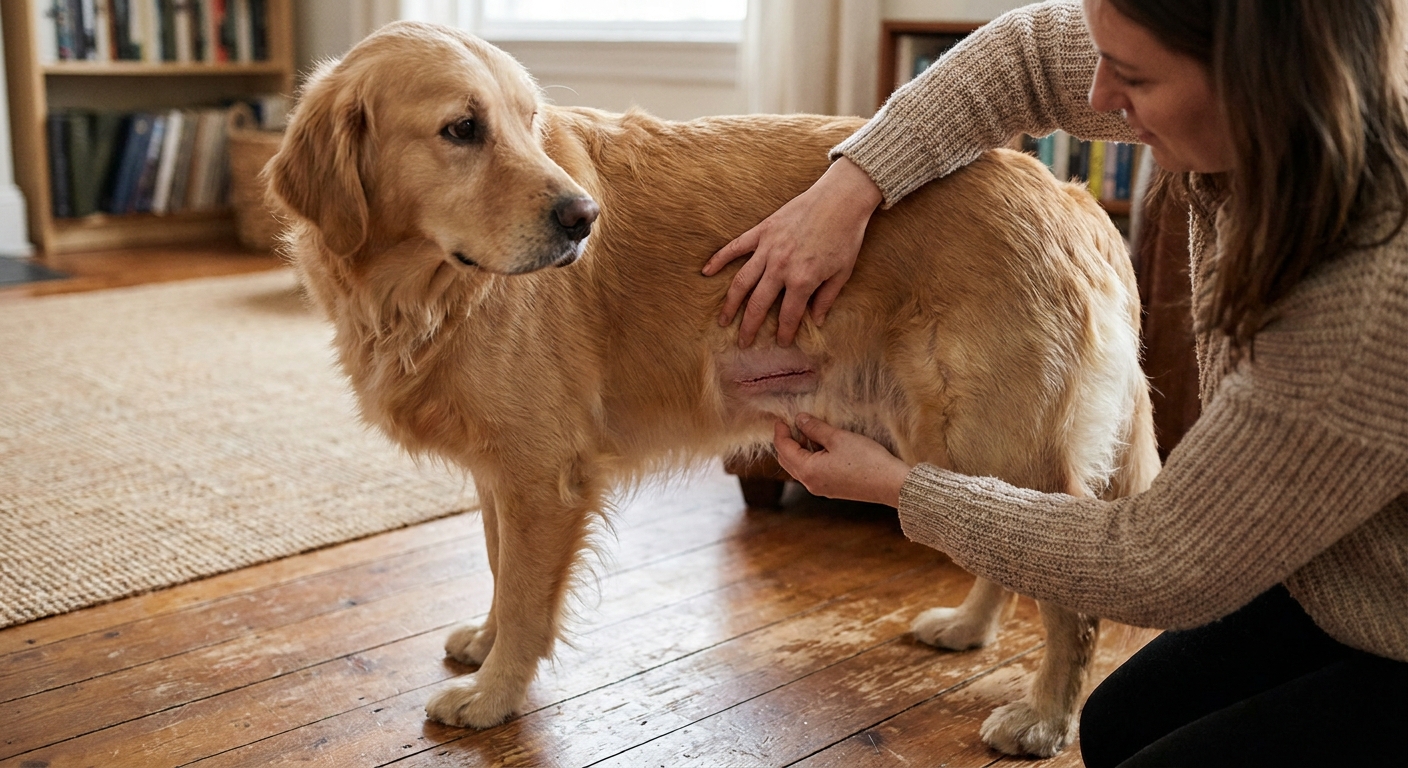
What a normal incision often looks like
- A thin, closed line with mild swelling right along the incision
- Slight pinkness or bruising around the skin (especially in fair-skinned dogs)
- Dryness and clean edges, with no gaping
Some dogs develop a small, dry scab at the skin surface. That is different from active bleeding inside the abdomen.
Normal activity limits are about protecting the incision
After surgery, your veterinarian will restrict running, jumping, wrestling, and rough play. That is mainly to protect the internal sutures and the skin incision from pulling or opening.
Needing rest and having lower energy is expected. But normal post-op rest should not look like collapse, severe weakness, or a progressively swollen belly.
When to call the vet or ER right away
Call your veterinarian’s after-hours line or go to an emergency hospital immediately if your dog has any of the following in the hours after a spay:
- Pale, white, or gray gums
- A rapidly swelling, tight, or distended abdomen
- Severe weakness, wobbliness, or inability to stand
- Collapse, fainting, or unresponsiveness
- Rapid breathing or panting at rest paired with weakness or pale gums
If you are on the fence, I recommend you call anyway. A quick phone conversation can help determine whether you should come in now.
What to do while you are getting help
- Keep your dog warm and quiet. Use a blanket and minimize movement.
- Carry, do not walk, if she is weak. Use a towel as a sling if needed for support, but avoid putting pressure on the abdomen.
- Do not give human pain meds. Many are toxic to dogs and can worsen bleeding risk.
- Bring your discharge papers and any medications you were sent home with.
- Call ahead so the ER team can be ready when you arrive.
FAQ
Can internal bleeding happen even if the incision looks perfect?
Yes. The skin can look closed and clean while bleeding is occurring internally. That is why signs like pale gums, belly swelling, and weakness matter so much.
Is bruising on the belly the same as internal bleeding?
Not usually. Mild bruising near the incision can be normal after surgery, especially in dogs with lighter skin. Internal bleeding is more about whole-body signs like pallor, weakness, collapse, and abdominal enlargement. If bruising is spreading quickly or your dog seems unwell, call your vet.
My dog is sleepy after the spay. How do I know if it’s too much?
Sleepiness alone can be normal right after anesthesia. It becomes concerning when your dog seems progressively weaker, cannot stand, has pale gums, a swollen abdomen, or collapses. Those are emergency signs.
The takeaway
After a spay, a little soreness is expected. Pale gums, a swelling belly, weakness, and collapse are not normal. Those signs can point to internal bleeding and shock, and they deserve immediate veterinary care.
If you are worried, you are not overreacting. You are protecting your dog, and that quick decision to call can truly make all the difference.