A curious nose. A very waggy welcome.
If your dog just swallowed a tampon, it can feel like the longest minute of your life. This is one of those “call your vet now” objects because tampons are designed to soak up liquid and swell. That same super-absorbent material can expand inside the stomach or intestines and create a blockage, sometimes before obvious obstruction signs show up.

First hours checklist
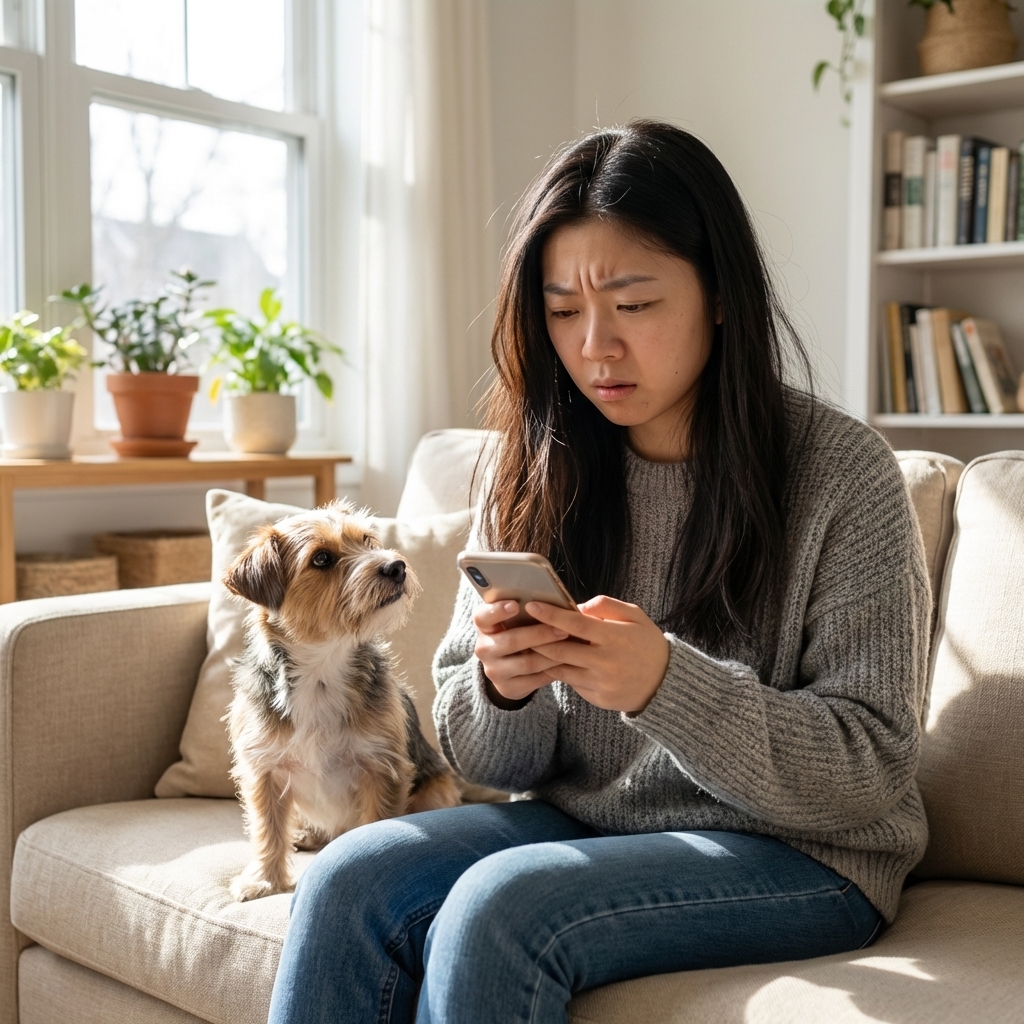
Your job in the first few hours is to (1) get guidance quickly, (2) prevent a second swallow, and (3) gather details that help a clinic decide the safest next step.
- Call your veterinarian or an emergency vet right away. If it’s after hours, call an ER clinic. Time matters with swelling foreign bodies.
- Confirm what was eaten. Was it a tampon, applicator, wrapper, or multiple items? If you can safely identify the brand and absorbency level, that helps.
- Estimate timing. When do you think your dog swallowed it? If you saw it happen, note the time.
- Do not offer a meal to “push it through” unless your vet tells you to. Food can complicate next steps if the clinic recommends vomiting induction, sedation, or a procedure.
- Remove access to the trash. Tampons often come with bonus hazards like wrappers, floss, or applicators.
- Watch for symptoms. Start a notes app log: vomiting attempts, appetite, energy, belly discomfort, stool output.
Most clinics will ask for your dog’s weight, any health conditions, and whether they take medications. If you can, also bring the packaging (or at least tell them how many are missing, whether an applicator was involved, and whether the string seems intact).
Why tampons are risky in dogs
The material swells
Tampons are built to absorb fluid and expand. Inside a dog, that means a tampon can become larger and more obstructive as it picks up water and digestive fluids. A swollen mass of absorbent material can get stuck at narrow points, including the outlet of the stomach or along the intestines.
The string can act like a “line”
The string matters because long, string-like objects can behave differently than a single solid item. A string can catch and tighten as the intestines move. This is one reason vets treat linear foreign bodies cautiously, even when part of it is visible.
If the tampon was used, it may also cause extra stomach upset. The primary danger is still obstruction and the linear-foreign-body risk from the string.
If the string is hanging out, do not pull it
I know. The urge is powerful. But do not tug on a visible tampon string unless a veterinarian specifically instructs you to.
Here’s the problem: if the tampon (or part of the string) is already beyond the stomach, pulling can saw or bunch the intestines against a fixed point. In the worst cases, that can cause serious internal injury. Even if nothing dramatic happens immediately, pulling can make the situation harder to treat safely.
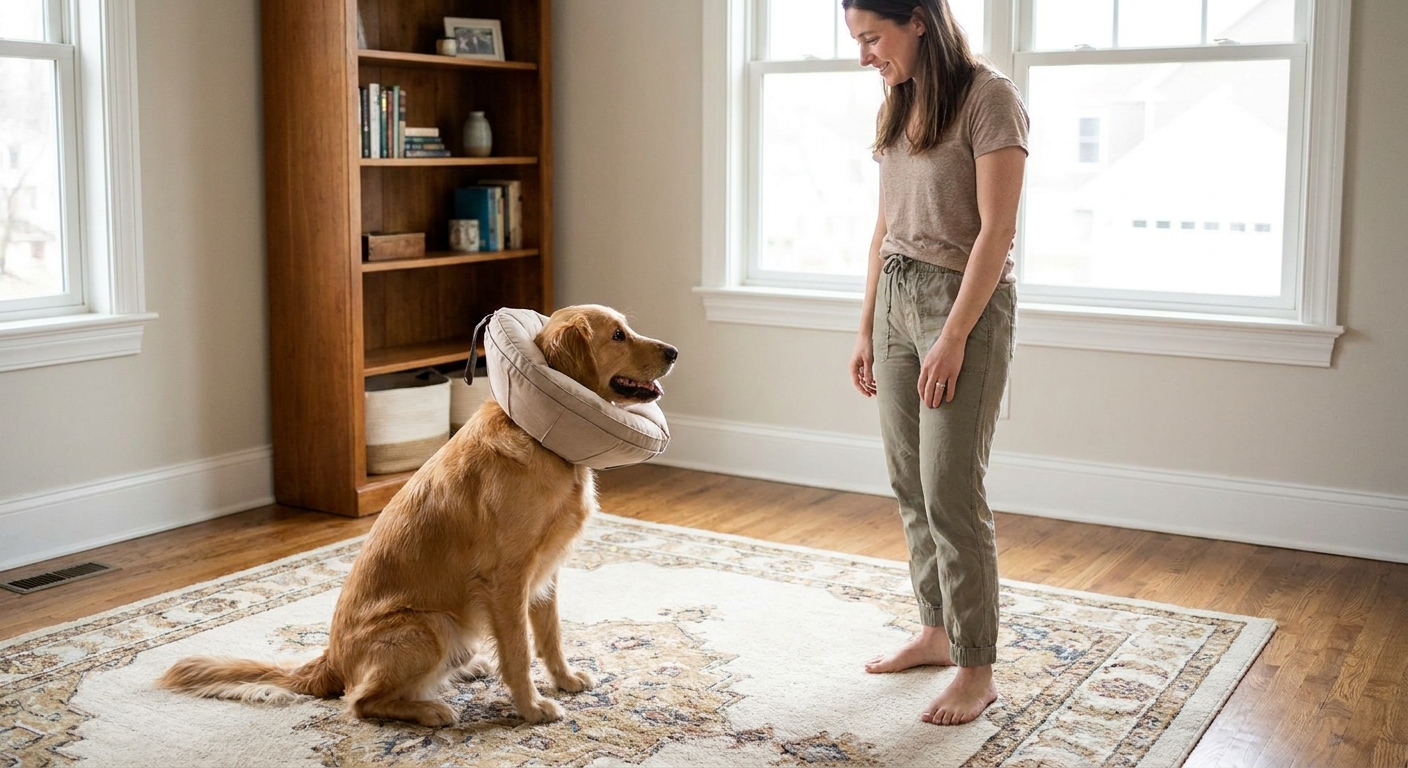
What you can do instead: prevent your dog from chewing or swallowing more of it. If your dog will tolerate it, use an e-collar. You can also keep them calmly on leash and head to the vet.
When this is an emergency
A tampon swallow can become urgent quickly. Go to an emergency vet now if you notice any of these:
- Repeated vomiting or retching, especially if nothing comes up
- Swollen or painful belly, hunched posture, reluctance to lie down
- Straining to poop with little or no stool produced
- Diarrhea, especially if it becomes frequent or contains blood
- Drooling, lip licking, or obvious nausea
- Refusing food or water, or suddenly low energy
- Restlessness that looks like “can’t get comfortable”
- Pale gums, weakness, collapse, or trouble breathing
Even if your dog seems fine, a tampon is still a high-risk foreign object. Some dogs look normal at first and then worsen hours to days later as swelling and obstruction develop.
Small dogs are often at higher risk for a blockage, but any size dog can get into trouble depending on what was swallowed and where it ends up.
What not to do at home
Some home ideas are popular, but with tampons they can be risky.
- Do not induce vomiting at home unless a veterinarian tells you to. Vomiting induction is not safe for every dog or every situation, and timing matters.
- Do not give hydrogen peroxide without explicit veterinary instruction. It can cause severe stomach irritation and complications, and it is not appropriate in many cases.
- Do not give laxatives, mineral oil, or “constipation remedies” unless your vet recommends a specific product and dose. These can worsen dehydration, vomiting, or aspiration risk.
- Do not try to “bulk it up” with bread, rice, pumpkin, or fiber supplements in hopes of pushing it through. With a swelling object, adding bulk can backfire.
- Do not pull the string. If you only remember one thing from this page, make it this.
What your vet may do
The right treatment depends on what was swallowed (tampon alone, tampon plus applicator, multiple tampons), your dog’s size, and how long ago it happened.
Assessment
Many clinics start with an exam and a conversation about timing and symptoms. They may recommend imaging. A tampon may not show up clearly on plain X-rays, but radiographs can still reveal clues like gas patterns or intestinal changes. Depending on the case, your vet may recommend additional views, ultrasound, or other tests.
Vomiting induction or removal
If ingestion was recent and your vet decides it is safe, they may induce vomiting at the clinic. In some cases, if the tampon is still in the stomach, a veterinarian may discuss removal options. If the item has moved into the intestines or there are signs of obstruction, treatment can become more urgent.
Monitoring and supportive care
If your vet recommends monitoring, follow instructions closely and return immediately if symptoms appear. A “wait and see” plan should always include clear red flags and a recheck timeline.
How fast do symptoms show up?
It varies. Some dogs vomit quickly. Others seem normal for a while, then develop nausea, vomiting, belly pain, or straining as the tampon swells or shifts into a spot where it cannot pass. Obstruction signs can appear hours to days later. The scary part is that lack of symptoms early on does not guarantee safety.
If you did not see the swallow and you’re guessing based on a missing tampon, treat it like a recent ingestion and call a vet. Your timeline is still useful information, even if it’s a best estimate.
FAQ
What if my dog ate just the string?
String alone is still a concern. Linear foreign bodies can tangle, knot, or anchor and cause damage. Call your vet for advice and do not pull anything that is visible.
What if my dog chewed it up first?
Chewed pieces can still swell and clump together. Multiple fragments can also lodge at different points. Tell your vet what you saw and whether any pieces are missing.
What if my dog swallowed a tampon with an applicator?
This raises the risk. Applicators can be rigid and may increase the chance of obstruction or irritation to the digestive tract. This warrants urgent veterinary care.
Can a tampon pass on its own?
Sometimes foreign objects pass. Tampons are unpredictable because they expand and can behave like both a blockage risk and a string risk. That is why calling a vet promptly is the safest move, even if your dog is acting normal.
Preventing a repeat
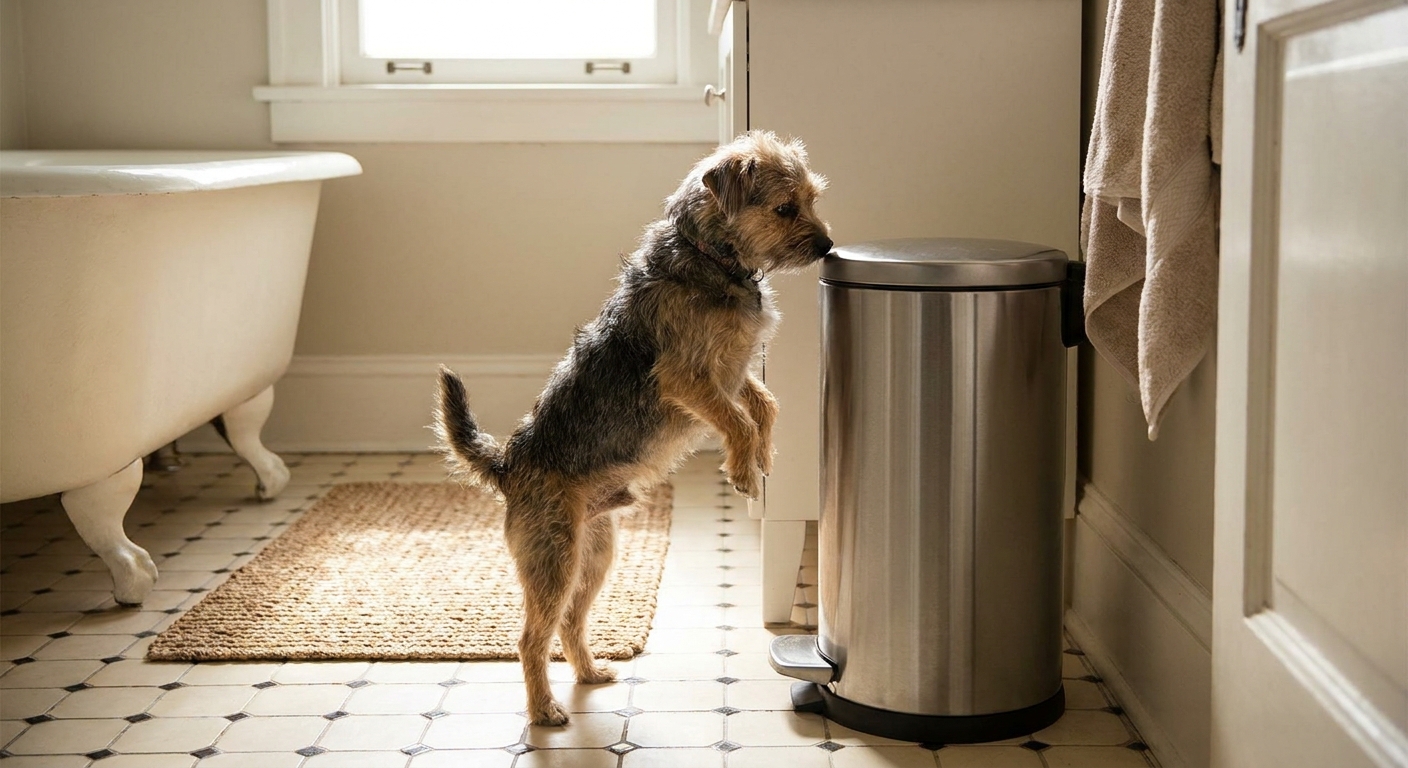
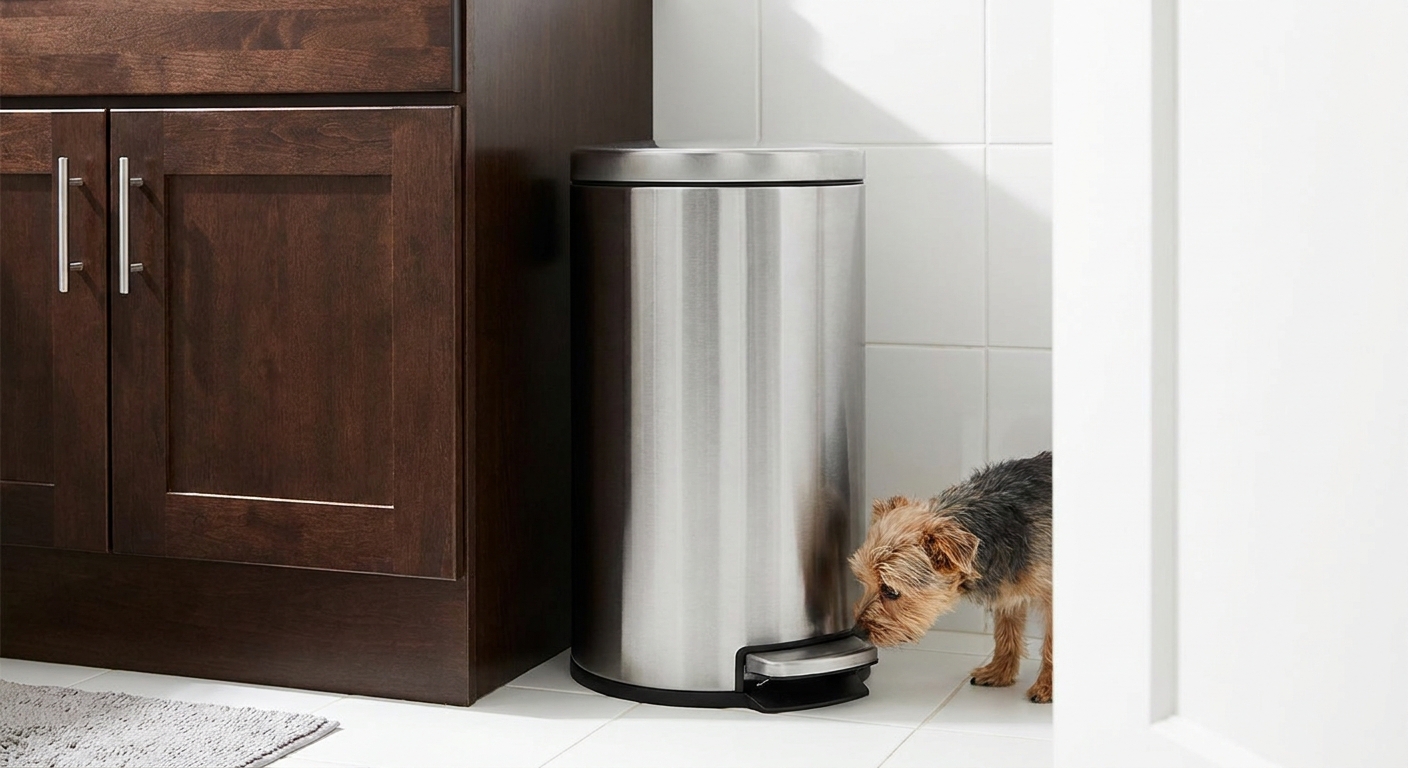
- Use a lidded, weighted bathroom trash can, or place it inside a cabinet.
- Take out bathroom trash frequently, especially in multi-dog homes.
- Teach “leave it” and “drop it” as life skills, not just party tricks.
- Consider baby gates to limit unsupervised bathroom access.
The bottom line
A tampon is not just gross. It is a swelling, blockage-prone foreign object, and the string can add extra danger. In the first hours, your best move is simple: call a veterinarian or emergency clinic for guidance, avoid home experiments, and do not pull a visible string.
On the way to the clinic, keep your dog calm and on leash, do not offer food or water unless you were told to, and bring any packaging or remaining pieces you can safely grab. Quick action can prevent a scary situation from turning into an emergency surgery night.