If you are reading this because your dog just swallowed a sock, take a breath. As a veterinary assistant here in Frisco, Texas, I have seen this exact situation more times than I can count. A sock is soft, but that does not make it safe. Fabric can bunch up, lodge in the stomach or intestines, and turn into a bowel obstruction.
The most important thing to know is this: it can become an emergency fast, and you often cannot tell from the outside whether the sock will pass. The earlier you call your veterinarian, the more options you may have, including the chance to remove it before it travels deeper into the intestines.
How fast is this an emergency?
With socks, I do not like to talk in days first. I like to talk in as soon as possible.
- Right away: Call your veterinarian or an emergency clinic for advice. If the sock was swallowed recently and your dog is a good candidate, there may be a window where intervention is simpler.
- Same day: If you cannot reach your regular vet, call an emergency clinic for guidance. A dog can look fine for hours and still develop a blockage later.
- Any time symptoms begin: Treat it as urgent. Vomiting, belly pain, lethargy, or refusing food can mean obstruction, and obstruction can become life-threatening.
Timing is not a perfect rule because it depends on your dog’s size, the sock size and thickness, and where the sock is sitting in the GI tract. The goal is to get ahead of complications like dehydration, electrolyte imbalance, and injury to the intestinal wall.
First steps in 15 minutes
1) Confirm what happened as best you can
If you saw your dog swallow the sock, note the time. If you did not see it, look for clues: a missing sock, ripped fabric, or pieces left behind.
2) Check for choking
If your dog is actively choking, struggling to breathe, turning blue, or cannot settle because they cannot get air, do not wait. That is a true emergency. Go to the nearest emergency vet immediately.
3) Do not offer a big meal to push it through
This is a common well-meaning idea, but it can backfire. If a sock is going to obstruct, adding a meal can increase vomiting risk and discomfort. Follow your vet’s instructions on food and water.
4) Call a vet, even if your dog looks normal
When you call, be ready to share:
- Your dog’s weight, age, and breed
- What was swallowed (ankle sock, thick wool sock, kids sock, sock plus underwear)
- Approximately when it happened
- Any symptoms already present (gagging, drooling, vomiting, pacing)
- Medical history and medications (especially if your dog has GI disease or had prior foreign-body surgery)
Do not do these things
These are the common at-home moves that can make a bad situation worse:
- Do not induce vomiting unless a veterinarian tells you to.
- Do not give oils, laxatives, or bulk remedies (pumpkin, bread, big meals) without vet guidance.
- Do not wait overnight if your dog is repeatedly vomiting, painful, or cannot keep water down.
- Do not pull fabric if you see it hanging out. Call your vet.
When monitoring might be ok
Sometimes, after your vet reviews the details, they may recommend careful monitoring. This is more likely when:
- Your dog is a large adult dog and the sock was small and thin
- Your dog has no symptoms at all
- Your dog is eating, drinking, and acting normal
- Your vet believes the risk of induced vomiting or anesthesia outweighs the benefit in that specific case
Even then, “monitoring” does not mean ignoring it. It means watching closely and being ready to go in immediately if anything changes.
Monitoring checklist (at home)
- Appetite: Is your dog interested in food?
- Water intake: Drinking normally, or refusing water?
- Vomiting or retching: Any repeated attempts to vomit are a red flag.
- Energy: Normal playful behavior, or suddenly quiet and withdrawn?
- Stool: Normal output, or straining, diarrhea, or no stool?
- Belly comfort: Any tenderness, a tucked abdomen, or guarding when you touch the belly?
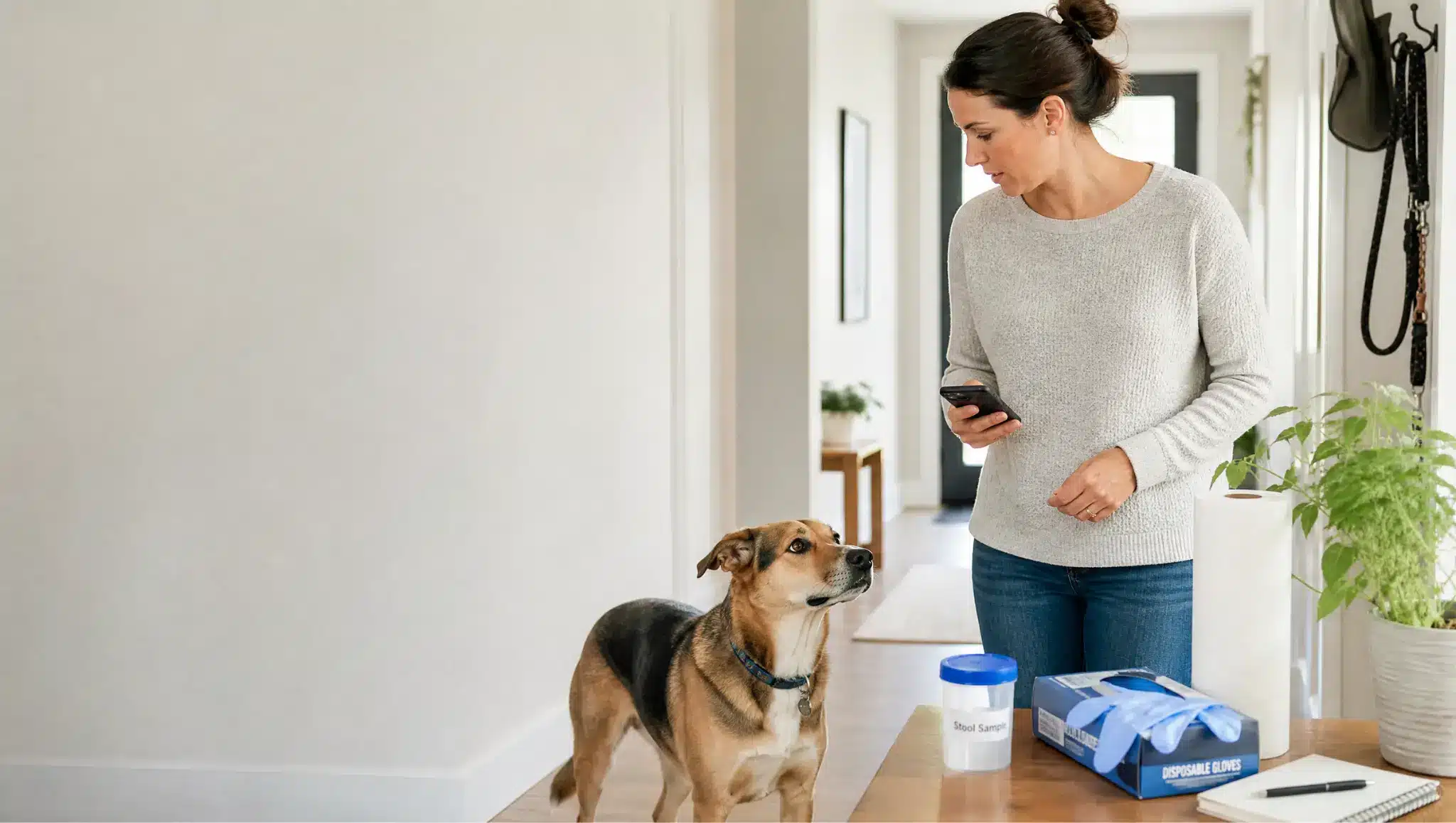
If your vet asks you to watch for the sock to pass, use a leash outside and check stool carefully. If the sock appears partially out, do not pull it. That can injure the intestines if the fabric is anchored inside. Call your vet for next steps.
Also, do not assume “I did not see it in the stool” means it is still inside, or that “I think I saw it” means you are in the clear. Socks can be missed, and symptoms matter more than stool-checking alone.
Red flags: go now
A swallowed sock becomes an emergency when it acts like a plug. The classic signs of a developing bowel obstruction can start subtly and then escalate.
Emergency signs
- Repeated vomiting or vomiting more than once
- Retching with little or nothing coming up
- Painful belly, tense abdomen, or your dog cries or snaps when picked up
- Severe lethargy, weakness, or collapse
- Refusing food, especially if combined with vomiting
- No stool for longer than normal, straining, or producing only small amounts
- Bloated abdomen
- Drooling or lip licking that looks like nausea
One note from the clinic side: dogs can sometimes seem okay between vomiting episodes. That does not rule out obstruction. Repeated vomiting after a known sock ingestion is enough reason to be seen urgently.
Why inducing vomiting at home is risky
I understand why people reach for hydrogen peroxide. It is everywhere online. But with fabric items like socks, inducing vomiting at home can be dangerous for a few reasons:
- Choking risk: A sock can come back up and get stuck in the throat, especially if it is bunched or large.
- Aspiration risk: Dogs can inhale vomit into the lungs, leading to aspiration pneumonia.
- Esophageal injury: Fabric can scrape and irritate on the way back up.
- Stomach irritation: Hydrogen peroxide can inflame the stomach lining, and concentration or dosing errors increase the risk.
- It may not work: If the sock has already moved beyond the stomach, vomiting is less likely to bring it up.
- False reassurance: A dog can vomit once and still have the sock inside, or bring up only part of it.
There are also dogs who should not have vomiting induced unless a veterinarian directs it, including brachycephalic breeds (like Bulldogs and Pugs), dogs with breathing disease, dogs with neurologic impairment, very young or very small dogs, and dogs that are already weak, sedate, or struggling to breathe.
If vomiting is appropriate, your veterinarian may prefer to do it in a controlled setting or may choose a different plan entirely.
How vets decide next steps
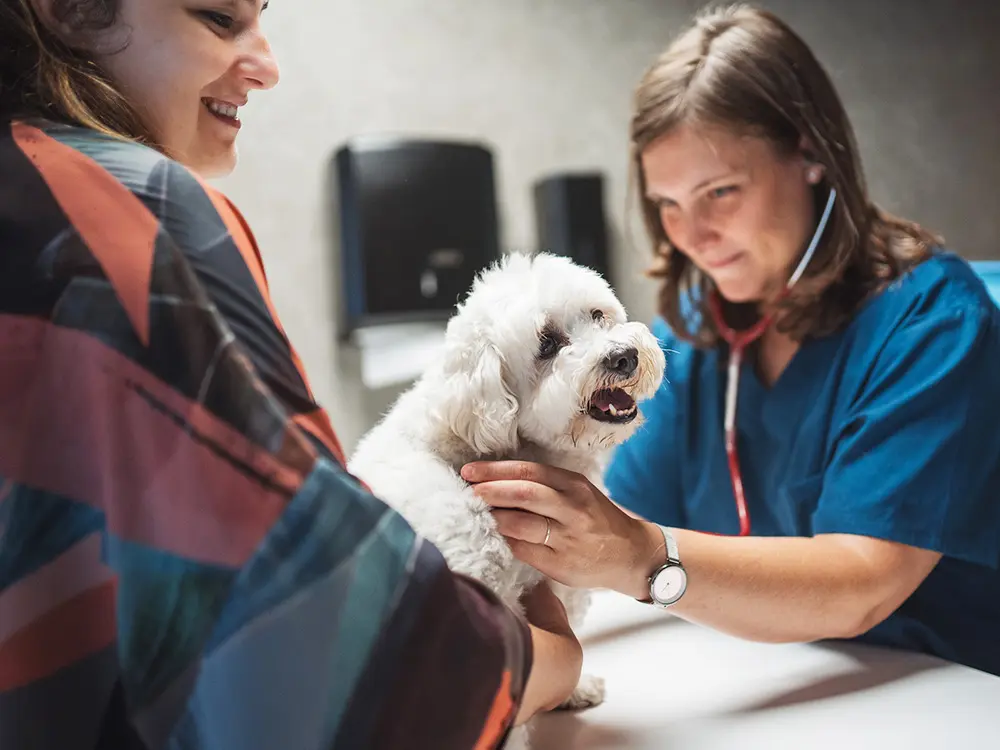
When you arrive at the clinic, the vet team is trying to answer a few key questions quickly: Where is the sock? Is it moving? Is it causing blockage or damage? Is your dog stable enough to wait, or do we need to act now?
Step 1: Exam and history
Your vet will check hydration, abdominal comfort, temperature, heart rate, and overall stability. They will also ask about vomiting, bowel movements, appetite, and timing.
Step 2: Imaging and diagnostics
Socks are not always visible on X-rays because fabric is not metal or bone. That does not mean imaging is useless. X-rays can show patterns that suggest obstruction, like gas buildup and intestinal dilation. Many clinics also use ultrasound, which can sometimes identify a foreign body or abnormal intestinal movement.
Bloodwork may be recommended to check hydration status, electrolytes, and signs of inflammation or infection, especially if surgery or anesthesia might be needed.
Option A: Monitoring
Monitoring might be chosen when your dog is stable, not vomiting, not painful, and there is no strong evidence of obstruction. Your vet may recommend supportive care, specific feeding instructions, and a clear recheck plan.
Option B: Endoscopy
If the sock is still in the stomach (or very upper small intestine in some cases) and your dog is a good candidate for anesthesia, your veterinarian may recommend endoscopic removal. This is a procedure using a camera and specialized tools passed through the mouth to retrieve the sock without opening the abdomen.
Endoscopy can be an excellent option because it is less invasive than surgery, but it depends on timing and the sock’s location.
Option C: Surgery
Surgery is more likely when:
- The sock has moved into the intestines and is stuck
- Your dog is obstructed and worsening
- Imaging suggests a complete blockage
- There are signs of intestinal damage, perforation, or severe abdominal pain
Surgery allows the vet to physically locate and remove the sock and evaluate intestinal health. If the fabric has caused significant injury, the surgeon may need to address compromised tissue.
What it feels like for dogs
Dogs cannot tell us “my stomach hurts,” so they show it with behavior. Watch for:
- Restlessness, pacing, or inability to get comfortable
- A hunched posture or tucked belly
- Refusing treats from someone who normally gets an instant tail wag
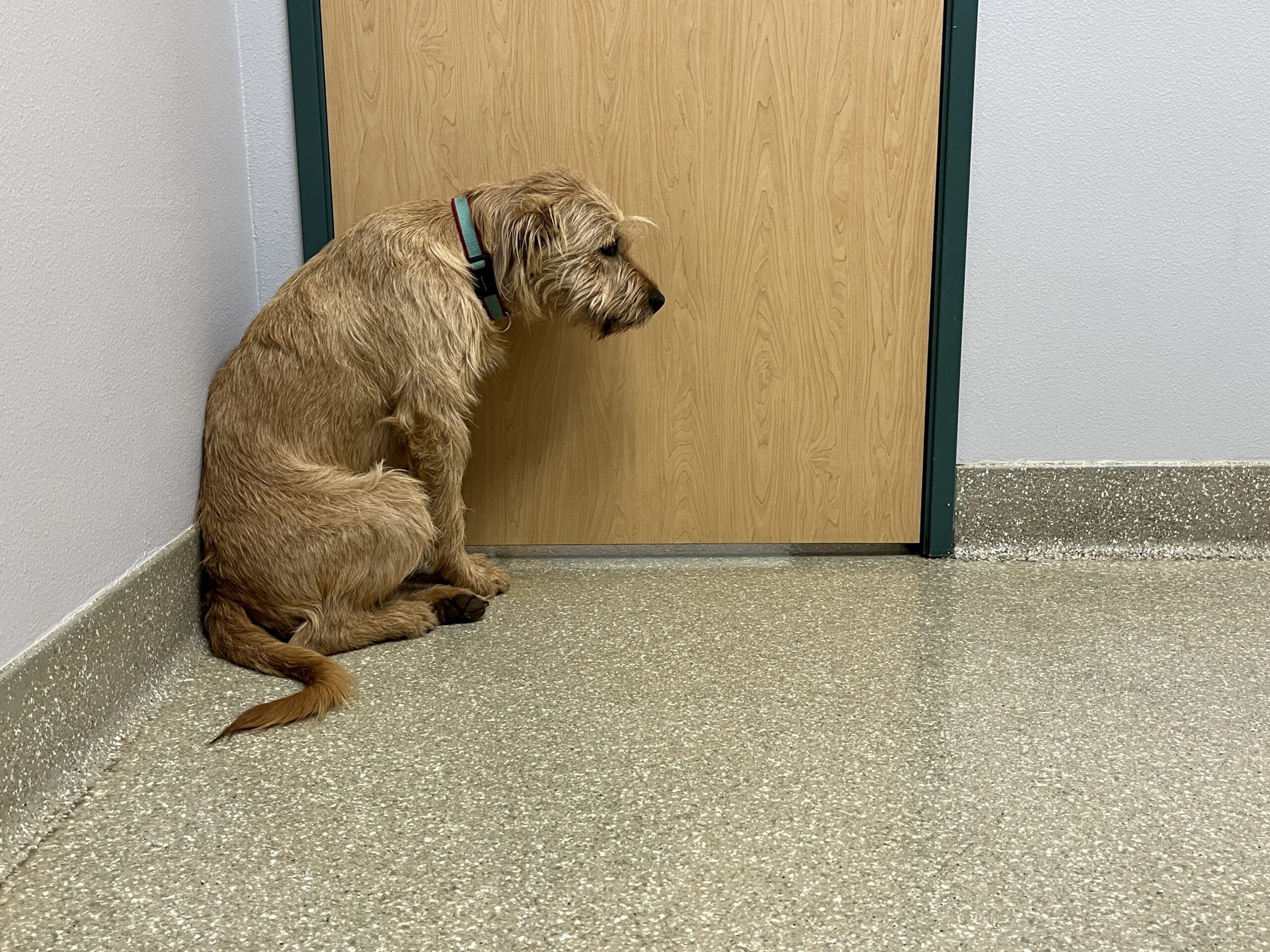
- Hiding, trembling, or seeking unusual solitude
- Stretching repeatedly as if trying to relieve pressure
Trust your instincts. If your dog is acting off after eating a sock, that matters.
FAQ
Can a dog poop out a sock?
Yes, some dogs do pass socks, especially small thin socks and larger dogs. But it is unpredictable. Socks can also partially pass and then get stuck, or they can bunch and obstruct. That is why a vet call is so important, even when your dog looks normal.
How long does it take to pass a sock?
There is no safe universal timeline. Gut transit time varies by dog, diet, hydration, and the size and texture of the sock. If your veterinarian recommends monitoring, ask for a specific time-based plan, including when to recheck and what symptoms mean you should go in immediately.
My dog ate a sock and seems fine. Should I still go in?
I still recommend calling right away. If your dog is symptom-free and your vet advises home monitoring, follow that plan exactly. If your dog is vomiting, painful, lethargic, refusing food, or having trouble breathing, that shifts to urgent care.
Will pumpkin or bread help my dog pass a sock?
Please do not try home bulk remedies without a veterinarian’s guidance. Adding volume to the gut can increase pressure behind an obstruction and may worsen vomiting. Your vet may recommend a specific diet plan, but it should be individualized.
What if my dog swallowed only part of a sock?
Part of a sock can still obstruct. In some cases, stringy fabric can behave like a linear foreign body, which can be especially dangerous because it can saw through the intestines as the gut tries to move it along. Call your vet.
What if my dog ate more than one sock?
Multiple socks, or a sock plus another item (like underwear), increases the risk of a blockage and makes outcomes harder to predict. I consider that a strong reason to call immediately and prepare to be seen.
Prevention for sock-eaters
Sock-eating is common, especially in puppies, adolescents, anxious dogs, and dogs who love to steal high-value human-smelling items.
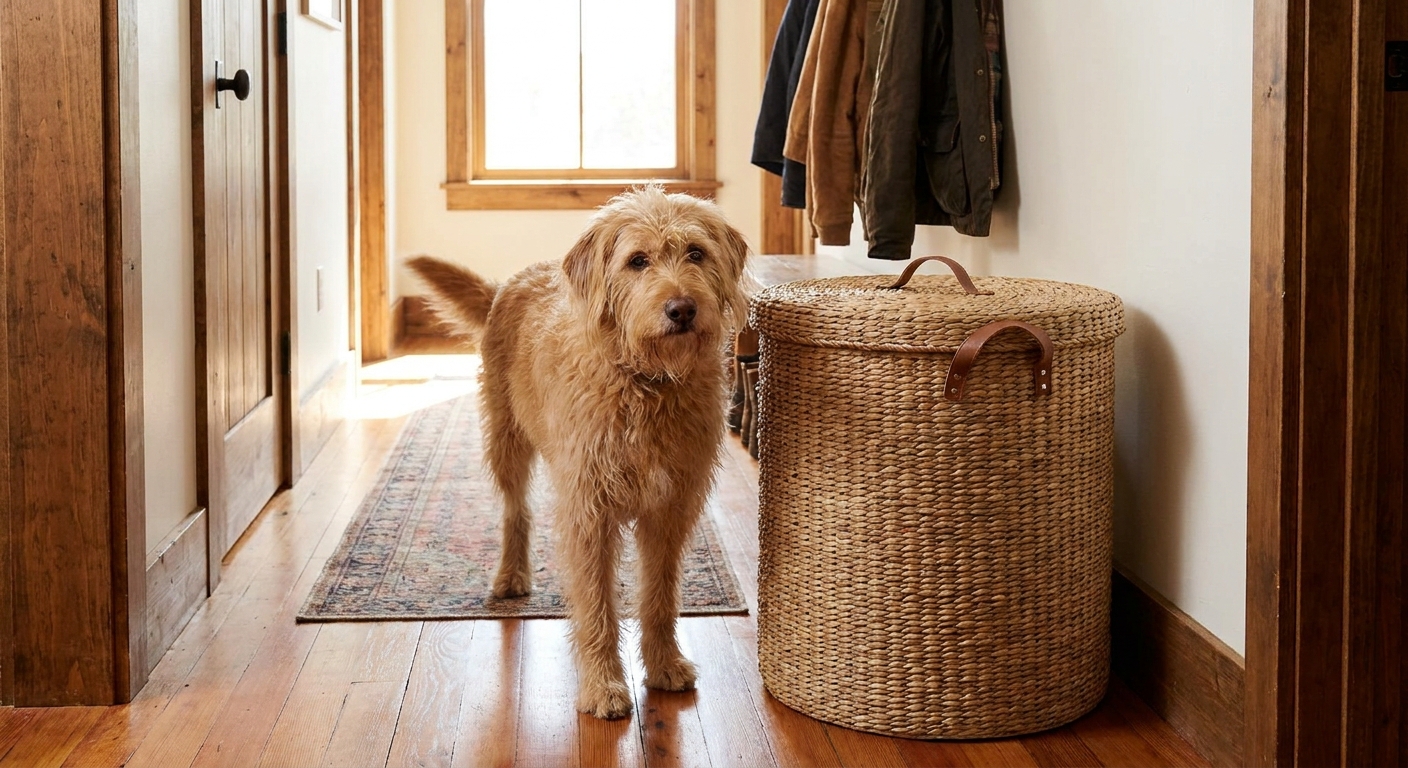
- Use a laundry hamper with a lid and keep it behind a closed door if needed.
- Pick up socks immediately, especially kids’ socks and ankle socks.
- Crate or confine when you cannot supervise, particularly for known fabric dogs.
- Offer safe chewing outlets and rotate them so they stay interesting.
- Talk to your vet if this is repetitive. Compulsive ingestion can be linked to anxiety, GI upset, or nutritional issues, and it deserves a bigger conversation.
The bottom line
A sock is not a harmless snack. If your dog swallowed one, the safest approach is to call your veterinarian immediately and be ready to go in. If vomiting starts, if the belly becomes painful, if your dog becomes lethargic or stops eating, or if breathing looks abnormal, treat it as an emergency.
You are not overreacting. Acting early can be the difference between monitoring, a minimally invasive retrieval, and an emergency surgery.