A curious nose. A very waggy welcome.
If your vet has mentioned a mast cell tumor (MCT), your brain can do two things at once: worry about your dog, and worry about the bill. I cannot make the second part disappear, but I can help you see the usual line items, what they cost in the US, and what makes the price jump up or down.
Quick note: Costs below are typical US ranges you might see on estimates. They are not a quote. Pricing varies a lot by region, clinic type (general practice vs specialty or ER), and your dog’s size and medical needs. The ranges here reflect common line items seen on US clinic estimates in recent years, plus typical fee ranges shared by hospitals in online client education resources.
Typical total cost range (US)
For many dogs, mast cell tumor removal is not one single charge. It is a chain of steps: confirm what the lump is, plan the surgery, remove it with appropriate margins, send tissue to the lab, and then decide if staging or additional treatment is needed.
- Common “straightforward” path: exam + FNA/cytology + surgery + histopathology: $1,500 to $4,500
- Higher complexity path: specialist surgery or difficult location, advanced anesthesia monitoring, staging tests, and rechecks: $3,500 to $10,000+
Those totals can be lower for small, easily removed masses at a general practice with minimal staging, and higher if a tumor is large, in a tricky spot (like a leg, face, paw, groin, or armpit), or if oncology gets involved.
Cost breakdown by step
1) Exam and consult
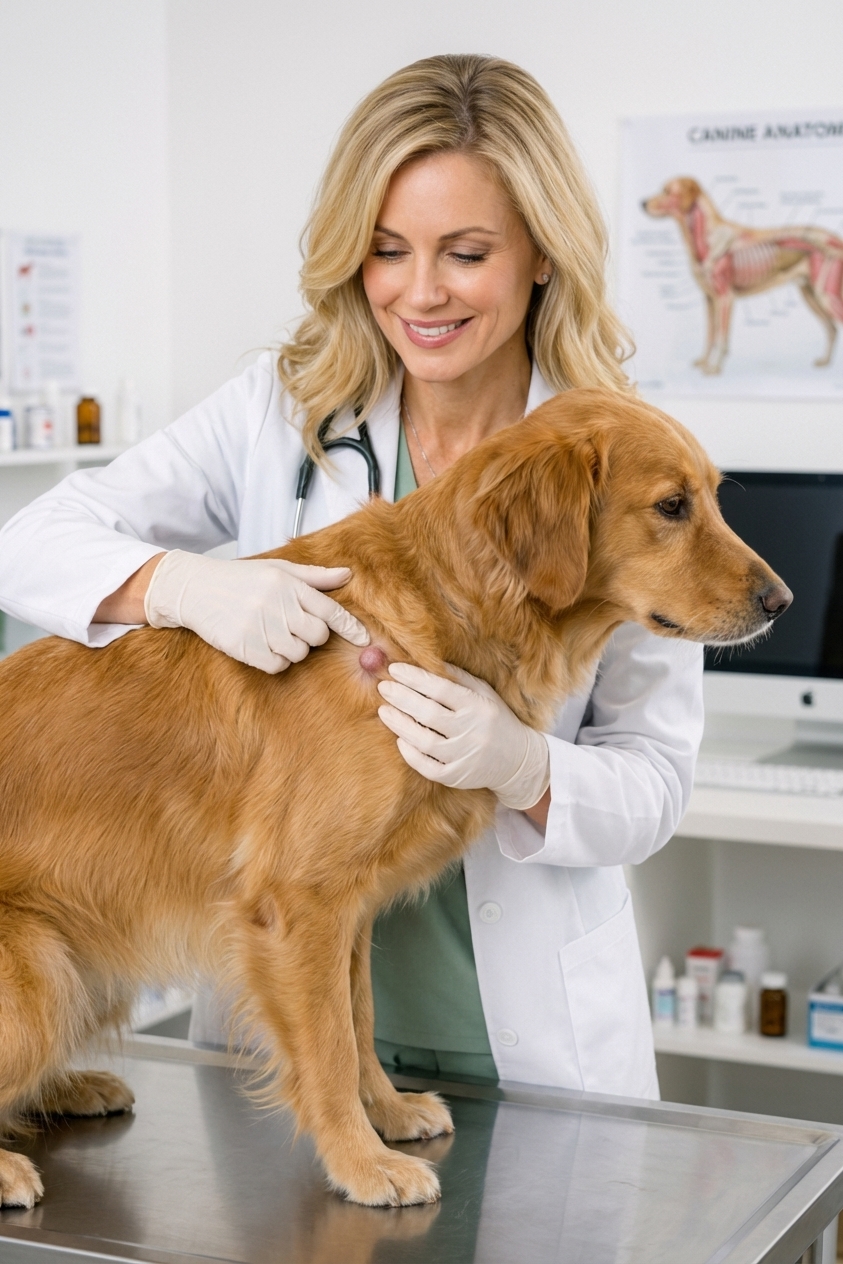
Before any needle sample or surgery, most clinics start with an exam and discussion.
- Typical cost: $60 to $150
- What can change it: urgent same-day visits, specialty consults, or after-hours emergency hospitals
2) Fine needle aspirate (FNA) and cytology
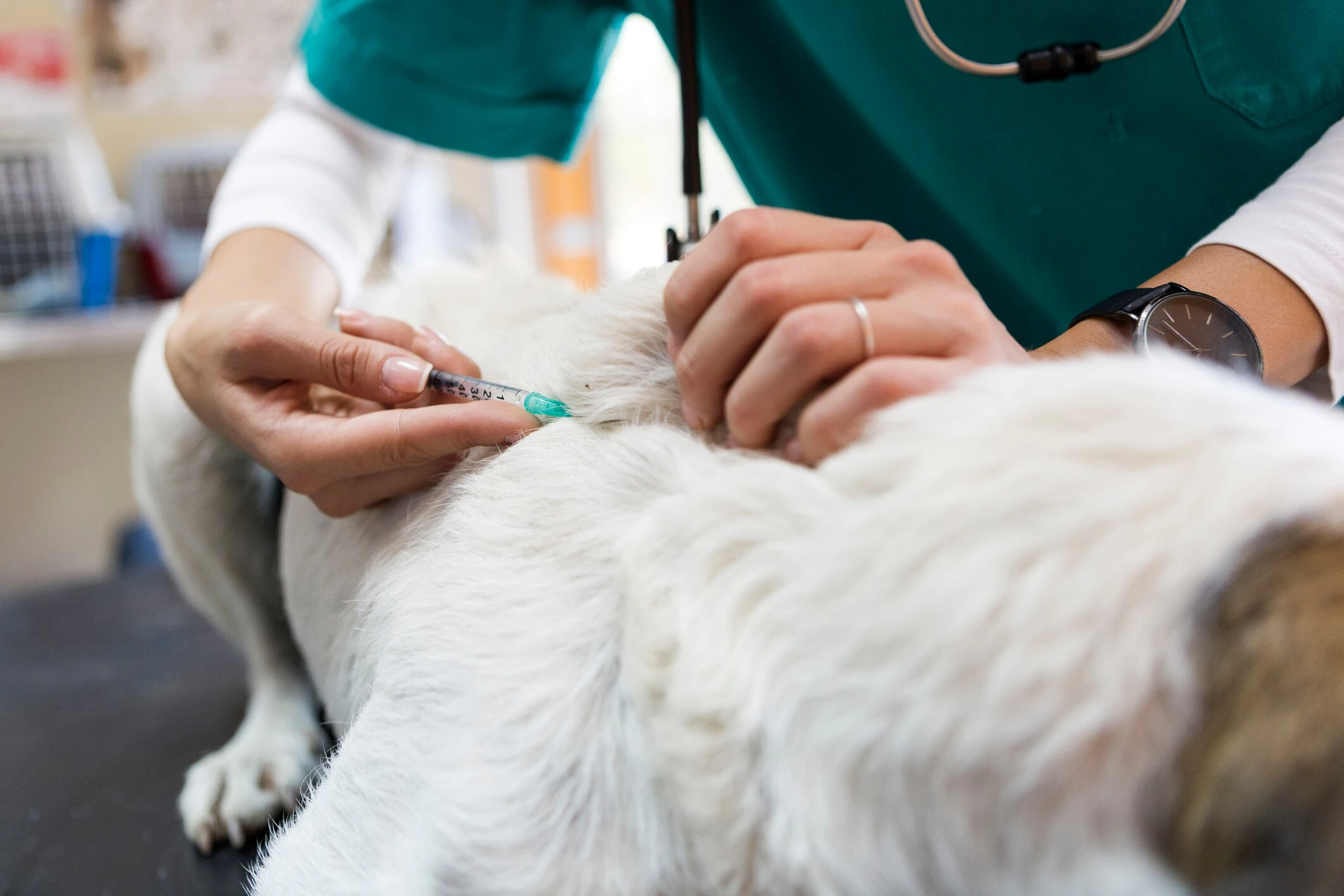
An FNA uses a small needle to collect cells from the lump. The sample may be examined in-house, sent to a pathologist, or both. FNAs are often the best first budgeting step because they can prevent “surprise tumor” scenarios.
- Typical cost: $150 to $450
- Common add-ons: sedation for wiggly dogs ($50 to $250), multiple lumps sampled (+$25 to $150 each, varies)
- Good to know: cytology is very helpful, but it is not perfect. Sometimes results come back as non-diagnostic or “inconclusive,” especially if the sample is low-cell or the mass is inflamed. If that happens, your vet may recommend a repeat aspirate, a biopsy, or moving ahead with removal based on the whole picture.
- Why MCTs get special handling: mast cell tumors can “act” irritated when poked and may release histamine. Your vet may pre-medicate or recommend prompt surgical planning once suspected.
3) Pre-op lab work (and sometimes imaging)
Most dogs get pre-anesthetic bloodwork. Older dogs or dogs with other health concerns may need a broader panel, and some clinics recommend chest X-rays or an abdominal ultrasound depending on the case.
- Pre-op bloodwork: $120 to $300
- Chest X-rays: $250 to $600
- Abdominal ultrasound: $500 to $1,200
Not every dog needs every test. When staging is recommended, it is often because the tumor looks higher risk, is in a concerning location, is recurrent, or the cytology suggests more aggressive behavior.
4) Surgery (tumor removal with margins)
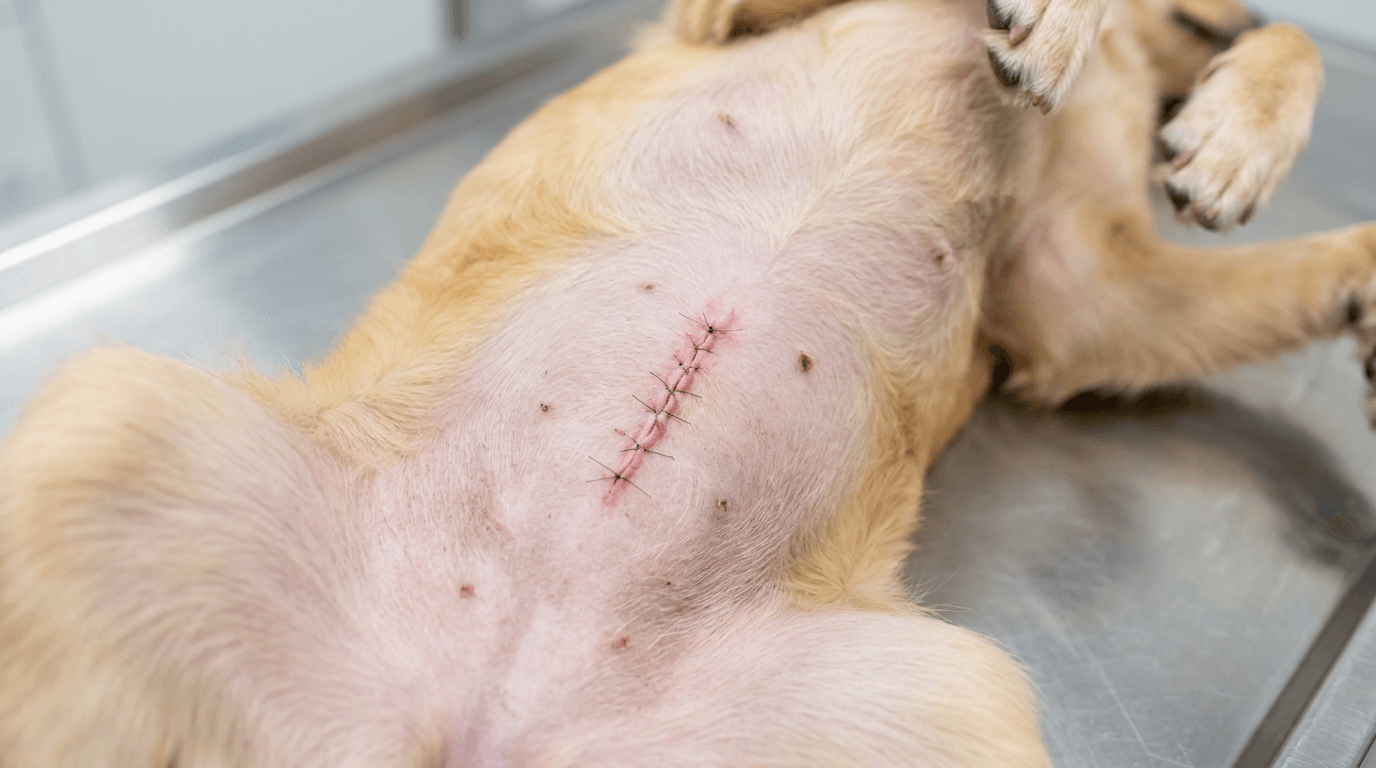
This is usually the biggest part of the estimate. Mast cell tumors are often removed with margins (extra normal-looking tissue around the mass) because mast cells can extend beyond what you see on the surface. Exactly how wide to go is individualized. It depends on tumor size, location, and the surgeon’s plan to balance cancer control with function and closure options.
- Typical cost (general practice, straightforward location): $800 to $2,500
- Typical cost (specialty surgery or challenging cases): $2,500 to $6,000+
What that surgical fee often includes:
- anesthesia and monitoring
- IV catheter and fluids
- surgical time and supplies
- pain control (in-hospital and some take-home meds)
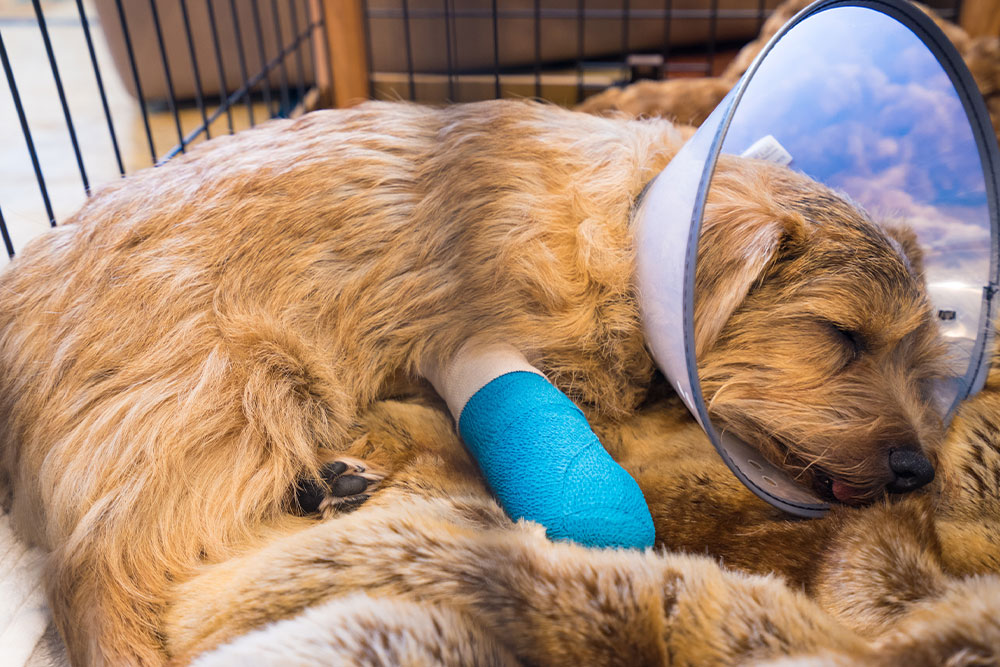
- E-collar
Extra surgical costs you might see:
- Advanced closure or reconstruction (flaps, grafts): +$500 to $3,000+
- Referral surgeon (board-certified): typically higher facility and anesthesia costs
- Hospitalization (overnight monitoring): +$200 to $1,000+
If the tumor sits on a paw, lower limb, face, or other tight real estate, referral is not just about “cutting wider.” It can be about function-preserving surgery and closure options. In some distal limb cases, amputation is discussed as one way to achieve clean margins, but it is very case-dependent and not automatically the next step.
5) Histopathology (sending the tumor to a lab)
After removal, the mass should be submitted for histopathology to confirm diagnosis, evaluate grade, and comment on margins (whether tumor cells extend to the cut edge).
- Typical cost: $200 to $600
- Possible add-on: special stains or additional pathology workup ($100 to $300+)
This lab result is often the moment your plan becomes clearer: either you have reassuring news, or you have a reason to talk about next steps.
6) Staging (checking for spread)
Staging means looking for evidence that the cancer has spread, and it can range from minimal to extensive. Your vet may recommend some combination of:
- Bloodwork and urinalysis (if not already done)
- Needle sample of local lymph node (even if it feels normal)
- Chest X-rays
- Abdominal ultrasound
- Advanced imaging (CT or MRI) when location is complex or surgical planning is difficult
- Buffy coat smear (sometimes discussed, but many oncologists consider it low-yield compared with lymph node aspirates and imaging)
Typical cost ranges (depending on what’s included):
- Basic staging: $300 to $900
- More complete staging: $800 to $2,500+
- CT scan (often with anesthesia): $1,500 to $3,500+
7) Follow-up and rechecks
Follow-up visits help make sure the incision is healing well, review the pathology report, and decide what is next.
- Recheck exam: $40 to $120
- Suture removal: sometimes included, sometimes $0 to $60
- Additional meds (pain relief, antibiotics if needed): $20 to $150
If it is not an MCT
One reason vets like to start with an FNA is that the plan and price can look very different if the lump turns out to be something else.
- Benign masses (like a lipoma): removal can be simpler, margins may be smaller, and staging is usually not needed.
- Infected or inflamed lumps: you might be paying for diagnostics and medications, not surgery.
- Other tumor types: they can come with their own “rules” about margins, lymph node sampling, imaging, and whether oncology consult is recommended.
In other words, that needle sample can save money, but it can also help you avoid paying for the wrong next step.
What changes the price
Here are the biggest “why did the estimate change so much?” factors I see pop up again and again.
- Tumor size: larger masses usually mean longer surgery and more complex closure.
- Tumor location: legs, paws, face, mouth, groin, and armpit can be harder to cut wide and close neatly.
- Need for reconstruction: skin flaps or grafts add time, supplies, and sometimes referral surgery.
- General practice vs specialty hospital: specialty centers often have higher overhead and advanced monitoring, plus surgeon and anesthesiologist fees.
- Dog size and health: big dogs need more medication and supplies; dogs with heart disease or other conditions may require extra precautions.
- Single mass vs multiple masses: removing and submitting multiple lumps increases surgical and lab costs.
- Urgency and setting: emergency hospitals are typically more expensive than scheduled procedures.
- Histopathology details: margin evaluation, special stains, and extra lab work can add cost, but they also add clarity.
If margins are not clean
Sometimes the pathology report says the margins are incomplete, or the tumor is higher grade, or both. That does not automatically mean the worst, but it often means a follow-up decision. Cost-wise, these are the common “next step” buckets:
- Re-excision (second surgery): often similar in range to the first surgery, sometimes more if closure is tighter the second time.
- Radiation therapy: typically a specialty referral and commonly quoted in the $4,000 to $10,000+ range depending on protocol, region, and facility.
- Medical therapy: may include chemotherapy-style drugs or targeted therapies (tyrosine kinase inhibitors). Cost varies wildly by drug, dog size, and monitoring needs, but it is common to see plans that land around $200 to $800+ per month for medication plus periodic rechecks and lab work.
If you are staring at those possibilities, it is fair to ask for a stepwise plan: what is essential now, what can wait for a pathology result, and what choices keep your dog comfortable while you decide.
Planning tips
I am a big fan of saving money in ways that do not cut corners on your dog’s safety. Here are practical options to ask about.
Ask for a written estimate
A line-item estimate helps you choose between options like minimal vs full staging, or general practice vs specialty referral when appropriate.
Do the FNA first when possible
When a lump can be sampled, an FNA is often a cost-effective way to guide decisions. It may prevent paying for a “simple lump removal” that turns into a more expensive second surgery because margins were too small.
Phase tests when it is reasonable
In some cases, your vet might prioritize the most decision-changing tests first, then add others if results suggest higher risk. The right order depends on your dog’s case, so ask: “Which test changes our plan the most today?”
Consider referral for tricky locations
This sounds backwards, but sometimes paying more upfront for a specialist can reduce the chance of incomplete excision and a second procedure. It can also improve function and closure options when a tumor is on a limb or paw.
Ask about meds to reduce mast cell side effects
Mast cell tumors can release histamine and other chemicals, especially when manipulated. Vets often prescribe drugs like antihistamines and stomach protectants around the time of surgery in certain cases. The medications themselves are usually modest in cost, and they can help prevent complications that become expensive.
Use insurance or financing tools if you have them
If you already have insurance, call early to understand what counts as pre-existing. If you do not have insurance, some clinics can discuss payment plans or third-party financing. It never hurts to ask before surgery day.
Ask about local assistance
Some regions have nonprofit support for veterinary care, and some specialty hospitals have patient assistance resources. Availability varies by location, but asking your clinic is a good start.
Questions to ask your vet
- Do you recommend an FNA first, or are we already past that point?
- What margin plan are you aiming for in my dog’s case, and why?
- What exactly is included in the surgical estimate (anesthesia, monitoring, IV fluids, meds, cone, rechecks)?
- Are you submitting the mass for histopathology, and will the report include margin evaluation?
- Do you recommend staging now, later, or only if pathology suggests higher risk?
- If this is a hard location, would referral improve the odds of complete removal or preserve function?
- If margins are incomplete, what are the realistic next steps and their ballpark costs?
FAQ
Is mast cell tumor removal worth it?
For many dogs, yes. Surgery is often the primary treatment, and complete removal can be curative for lower-risk tumors. The best answer depends on the tumor’s behavior, location, your dog’s overall health, and what the pathology report shows.
Why do vets talk about margins and how does that affect cost?
Margins mean removing extra normal-looking tissue around the tumor to catch microscopic spread. Taking larger margins can mean a longer surgery and more complex closure, which increases cost, but it can also increase the chance of getting clean margins the first time. The exact margin plan is tailored to the tumor and the body site.
Can I skip histopathology to save money?
It is usually not recommended. Histopathology confirms what the mass truly is and provides details that help you avoid either under-treating a risky tumor or over-treating a low-risk one. If cost is the issue, ask whether your clinic has lab options and what information they consider essential (diagnosis, grade, and margins are the usual priorities).
When cost meets urgency
If you are staring at a lump that seems to change size, looks red or angry, or your dog keeps licking it, it is tempting to wait and see. With mast cell tumors, earlier evaluation often saves both stress and money because smaller, simpler removals are often easier than delayed, larger, ulcerated, or repeatedly inflamed masses. That said, location and tumor biology can matter more than size, so there are exceptions.
If your budget is tight, you can tell your vet that directly. A good team can help you sort what is essential now, what can be staged later, and what options exist in your area.

Sources
- American College of Veterinary Surgeons (ACVS), client education resources on soft tissue surgery and surgical margins: https://www.acvs.org
- American College of Veterinary Internal Medicine (ACVIM), client information resources and oncology guidance: https://www.acvim.org
- VCA Animal Hospitals, client education pages on mast cell tumors, diagnosis (FNA/biopsy), staging, and treatment options: https://vcahospitals.com
- Veterinary Partner (VIN), client education on mast cell tumors, cytology, histopathology, and staging concepts: https://veterinarypartner.vin.com