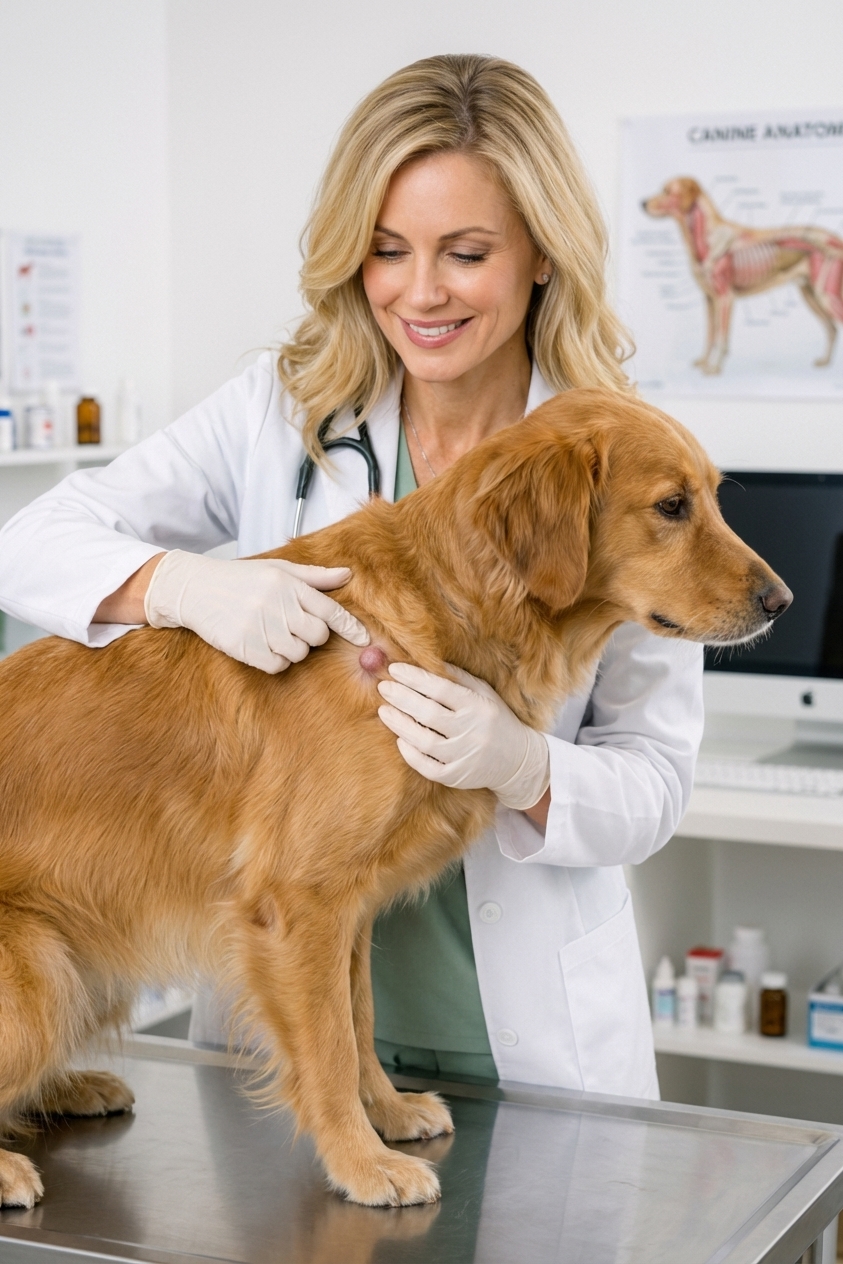
Hearing the words mast cell tumor can make your stomach drop. As a veterinary assistant here in Frisco, Texas, I have sat with families while they try to absorb a whole new vocabulary of grades, margins, staging, and treatment options. One medication that often comes up, especially when surgery is not curative or the cancer has spread, is Palladia.
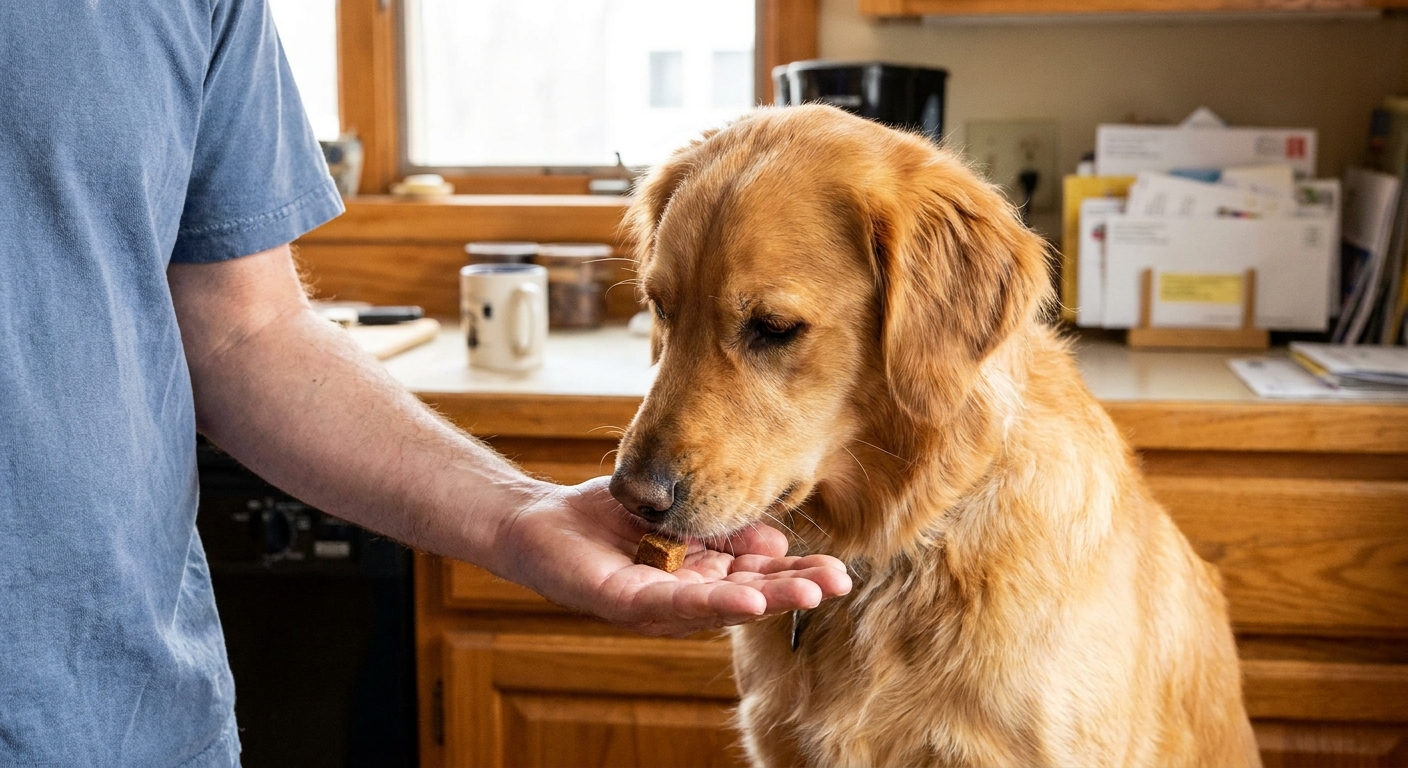
Let’s walk through what Palladia is, why oncologists use it for some dogs with mast cell tumors, what side effects you might see at home, and what monitoring bloodwork is typically part of the plan.
What is Palladia (toceranib)?
Palladia is the brand name for toceranib phosphate, an oral cancer medication for dogs. It is a type of targeted therapy called a tyrosine kinase inhibitor. That sounds intimidating, but here is the practical idea: tyrosine kinases are “on switches” used by cells to grow and signal. Some cancers, including many mast cell tumors, rely on these signals to keep growing.
For strict label accuracy: Palladia is FDA-approved in dogs for recurrent cutaneous mast cell tumors. Veterinary oncologists may also recommend it in other mast cell tumor situations based on the individual case and current evidence, which your veterinarian may describe as “off-label” use.
Palladia blocks several tyrosine kinases, including KIT, which is important because mast cells commonly use the KIT pathway. Some mast cell tumors have mutations in the c-KIT gene that can make them more likely to respond to drugs that block KIT signaling. Response can also occur without a detectable mutation, so mutation testing can be helpful, but it is not a perfect crystal ball.
When Palladia comes up after diagnosis
Many families first hear about Palladia in situations like these:
- Non-resectable tumors: the tumor cannot be removed completely, or surgery would be too disfiguring or risky (for example, certain muzzle, eyelid, groin, or limb locations).
- Incomplete margins after surgery: the tumor was removed, but cancer cells were left behind at the edges, and additional surgery or radiation is not possible or not chosen.
- Recurrent mast cell tumors: a tumor regrows at the same site, or new tumors keep appearing.
- Metastatic disease: spread is suspected or confirmed to lymph nodes, liver, spleen, or other sites.
- As part of a combined plan: Palladia may be used alongside other therapies depending on the oncologist’s approach and the dog’s overall health.
One helpful way to think about it: mast cell tumor care often includes a mix of local control (like surgery and radiation) and systemic control (like medications that treat the whole body). Palladia is usually part of the systemic side of the plan.
One important expectation-setting point: Palladia is typically used to shrink tumors, slow growth, and improve comfort. In many cases it is not described as a cure, but it can meaningfully extend good quality time for the right patient.
Which dogs are candidates?
Every dog is unique, and your veterinarian or veterinary oncologist will tailor the plan to your dog’s tumor behavior and overall health. That said, good candidates for Palladia often share a few themes.
Dogs that may benefit most
- Dogs with measurable disease: a tumor that can be measured on exam or imaging so your team can tell if it is responding.
- Higher-risk mast cell tumors: fast-growing tumors, tumors with concerning features on pathology, or tumors that have recurred.
- Dogs with suspected KIT-driven disease: sometimes your oncologist will recommend c-KIT mutation testing or KIT staining patterns. This is not always required to start therapy, but it can help with forecasting response.
- Dogs healthy enough for monitoring: Palladia is generally used when a dog can handle periodic bloodwork and has stable organ function.
Dogs that may need extra caution
Palladia can still be used in many seniors and medically complex dogs, but the team may move more slowly, adjust the dose, or choose a different therapy if a dog has:
- Significant kidney disease
- Significant liver disease
- Underlying gastrointestinal disease (severe IBD history, chronic vomiting or diarrhea)
- Problems with low white blood cells or other baseline blood count abnormalities
- History of certain bleeding disorders or poorly controlled ulcers
If you are ever unsure, ask your vet a very practical question: “What would make you pause or change the plan with Palladia in my dog?” It helps you understand the guardrails.
How Palladia is given
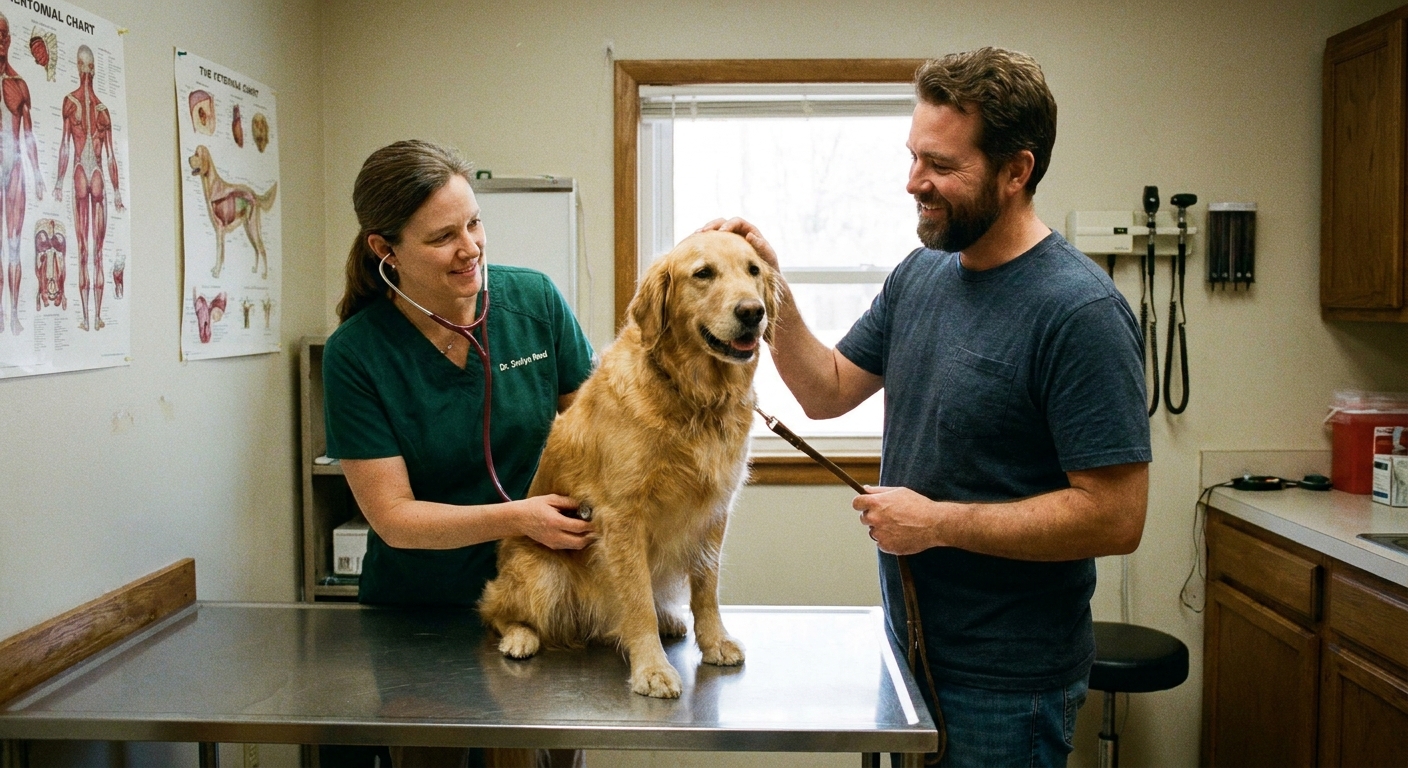
Palladia is an oral tablet given at home. Many oncology protocols use an every other day schedule (for example, Mon/Wed/Fri/Sun, then Tue/Thu/Sat), but dosing and frequency vary by the dog’s size, side effects, and how the tumor responds. Your clinic will tell you the exact calendar days for your dog.
Two tips I share often because they prevent common headaches:
- Give exactly as prescribed. Do not “make up” missed doses without asking, and do not increase frequency because a lump looks bigger.
- Handle tablets carefully. Palladia is considered a hazardous anticancer medication. Your veterinary team may recommend wearing gloves when handling tablets and washing hands afterward. Pregnant people, nursing people, and children should not handle hazardous cancer medications.
A few more safety basics that come up a lot in real life:
- Do not crush or split tablets unless your veterinarian specifically tells you to. Damaging a tablet can increase exposure risk and dosing errors.
- Store it securely in the original container, away from food, kids, and other pets.
- If a tablet is dropped, use gloves (or a paper towel) to pick it up, avoid bare-handed contact, and ask your clinic what disposal method they prefer.
- If your dog vomits after a dose, call your clinic for advice. Do not automatically re-dose unless your veterinary team tells you to.
Your vet may also prescribe supportive medications along with Palladia, especially early on, such as anti-nausea medications, anti-diarrheal medications, appetite support, or stomach-protectant medications. Because mast cell tumors can release histamine and other inflammatory mediators, many dogs are also sent home with medications like an antihistamine (for example diphenhydramine) and sometimes an acid-reducer (for example famotidine) when appropriate. Not every dog needs the same add-ons, so follow your vet’s instructions.
Side effects at home
Most side effects from Palladia are manageable, especially when caught early. I always tell families: you do not need to “tough it out” at home. Many dogs feel better quickly once the dose is held or adjusted, and supportive medications can make a huge difference.
A quick, usable rule: do not change the dose or stop the medication on your own unless your veterinarian has already given you a clear “if X happens, do Y” plan. If you see concerning signs, call the same day so your team can tell you whether to hold the next dose and what support to start.
Common side effects
- Decreased appetite or picky eating
- Vomiting
- Diarrhea (sometimes soft stool at first, sometimes more severe)
- Lethargy or acting off
- Weight loss over time if GI side effects linger
Less common but important side effects
- Blood in stool or black, tarry stool (can indicate GI bleeding)
- Persistent or severe vomiting and diarrhea that risks dehydration
- New coughing, breathing changes, or weakness (not typical, but always worth urgent guidance)
- Lameness or stiffness (occasionally reported)
- Wound healing delays if given close to surgery. If surgery is planned, your oncologist will usually tell you exactly when to stop and restart Palladia. Do not try to time this yourself.
When to call your vet the same day
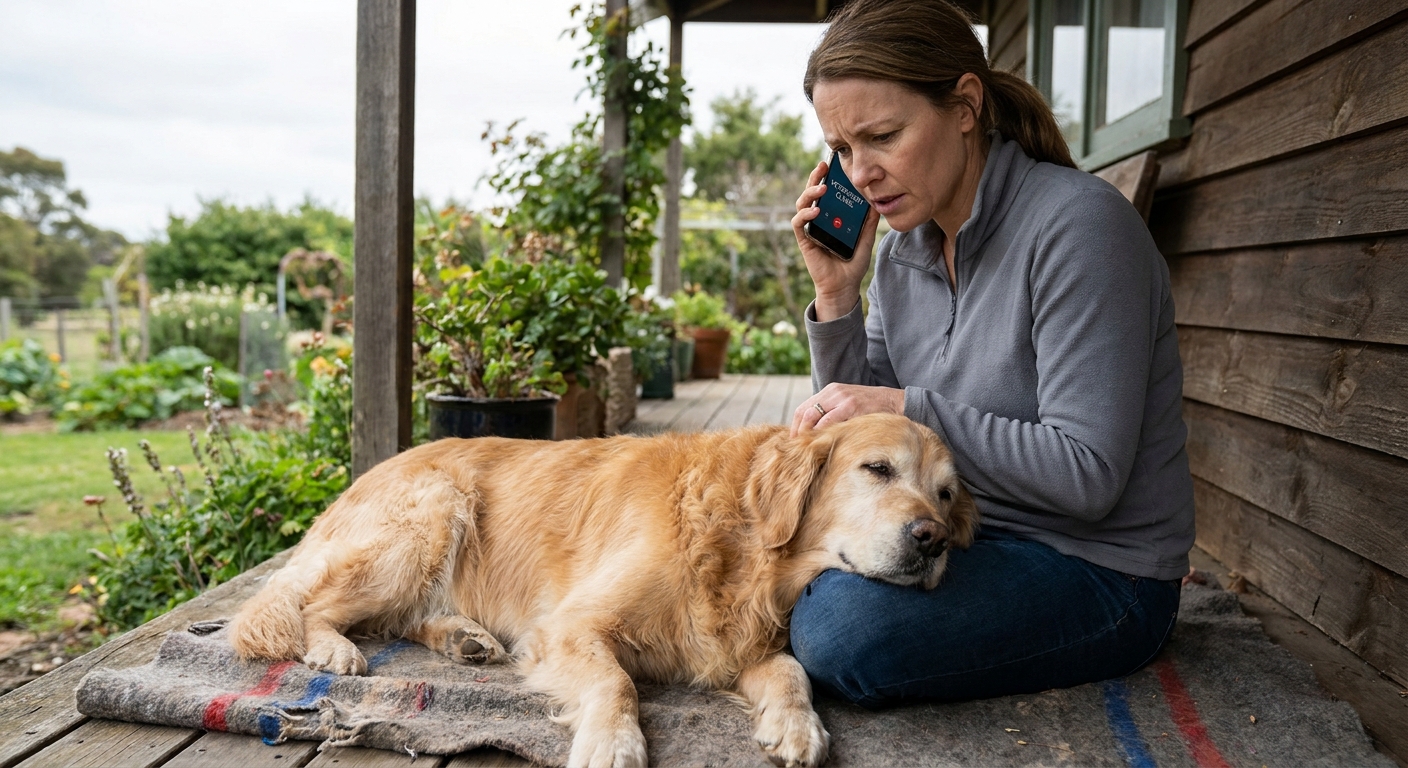
If your dog is on Palladia, call your veterinary clinic promptly if you notice:
- Vomiting more than once, or vomiting with refusal to eat
- Diarrhea that is frequent, watery, or continues beyond 24 hours
- Any blood in stool, or black stool
- Marked lethargy, weakness, or signs of dehydration (sticky gums, sunken eyes)
- Not eating for a full day
Most oncology teams would rather you call early than wait until your dog is miserable.
Bloodwork and monitoring
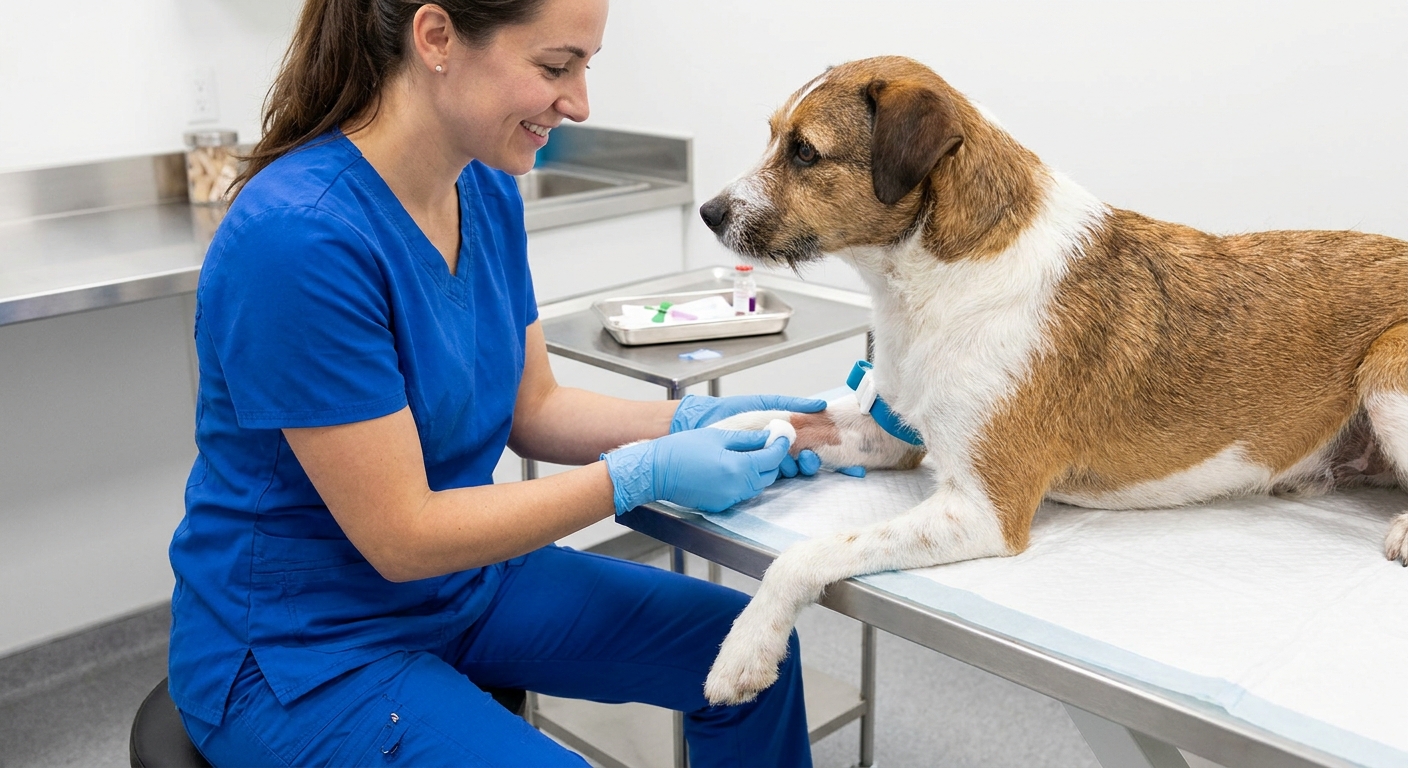
Because Palladia can affect the gastrointestinal tract, bone marrow, and organ function, monitoring is a normal and necessary part of treatment. Your veterinarian will choose a schedule based on your dog’s baseline labs and how they do on the medication.
Baseline tests before starting
Common pre-treatment checks include:
- CBC (complete blood count): evaluates red blood cells, white blood cells, and platelets.
- Chemistry panel: evaluates liver enzymes, kidney values, electrolytes, protein levels, and more.
- Urinalysis: helps assess kidney function and urinary health.
- Blood pressure (sometimes): some targeted therapies can affect blood pressure in certain patients, so your vet may check it depending on your dog and your clinic’s protocol.
If your dog’s mast cell tumor is higher risk, your vet may recommend additional staging tests or imaging. The goal is to understand what you are treating and to have a safe baseline for comparison once therapy begins.
Recheck schedule
Many dogs have bloodwork rechecked about 1 to 2 weeks after starting, then periodically after that (often every few weeks early on, then spacing out if stable). Practices differ, but the concept is the same: start closer together, then adjust based on how your dog is doing.
What the team is watching for
- Neutropenia (low neutrophils): can raise infection risk and may require pausing the drug.
- Anemia (low red blood cells) or thrombocytopenia (low platelets): less common, but important.
- Kidney changes: rising BUN/creatinine or urine concentration changes may prompt dose adjustment.
- Liver enzyme elevations: can occur and may require a pause or change in protocol.
- Protein levels: some dogs can develop issues like protein loss, so albumin and total protein matter.
Monitoring is not busywork. It is how we keep dogs feeling good while still treating the cancer.
How to support your dog at home
You are a huge part of the care team. The most helpful thing you can do is keep notes and communicate early.
At-home tracking list
- Appetite: normal, picky, refusing meals
- Stool: normal, soft, watery, any blood or black stool
- Energy: normal, slightly tired, very lethargic
- Vomiting: none, once, multiple times
- Weight: weekly weigh-ins can catch slow loss early
- Tumor changes: size, redness, irritation, new lumps
Food and hydration tips
If your dog has mild nausea or decreased appetite, your vet may approve short-term steps like warming food slightly, offering smaller meals, or using a bland diet. If diarrhea starts, do not add supplements or change foods repeatedly without guidance. With cancer meds, it is easy to accidentally make the GI tract more irritated by changing too many variables at once.
And please remember: supplements can interact with medications. Always ask your veterinarian before adding anything new.
Frequently asked questions
Does Palladia cure mast cell tumors?
Palladia is usually used as a control medication, meaning it can shrink tumors and slow progression. Some dogs respond very well, but it is not typically described as a guaranteed cure. Your oncologist can tell you what success looks like for your dog’s specific case.
How long will my dog stay on Palladia?
Many dogs stay on Palladia as long as the tumor is responding and side effects are manageable. If side effects build up, the oncologist may pause treatment, lower the dose, change the schedule, or switch therapies.
What if my dog has diarrhea on Palladia?
Call your vet early. Often the plan is to hold the medication if your veterinary team tells you to, start supportive care, and then restart at a modified dose or schedule. Do not wait until your dog is dehydrated or has blood in stool.
Is Palladia the same as chemotherapy?
It is a cancer drug, but it is not the same as traditional IV chemotherapy. Palladia is an oral targeted therapy. Side effects still happen, and safe handling still matters.
A final word of encouragement
If you are reading about Palladia, you are probably already doing the hardest part: showing up for your dog and learning what you can. Mast cell tumors can be unpredictable, but modern veterinary oncology has more options than ever, and many dogs enjoy excellent quality of life on treatment.
If you feel overwhelmed, bring this short list to your next appointment:
- What is our goal with Palladia for my dog?
- What side effects are most likely for my dog specifically?
- When do you want me to call, and when is it an emergency?
- What bloodwork schedule do you recommend and why?
- What is our Plan B if Palladia is not tolerated or stops working?
You do not have to memorize everything. You just need a plan, good monitoring, and a team you trust.