I am Shari, a veterinary assistant in Frisco, Texas, and constipation is one of those issues that looks simple from the outside but can turn serious fast. One of the most common questions I hear is whether Miralax is safe for dogs.
Miralax is the brand name many people recognize for polyethylene glycol 3350, often shortened to PEG 3350. Vets do use PEG 3350 in dogs in certain situations, but it is not a one-size-fits-all fix. The most important part is making sure your dog is constipated for a reason that is appropriate to treat at home, and that the dose is prescribed for a dog, not borrowed from cat instructions or human habits.
What Miralax is and how it works
PEG 3350 is an osmotic laxative. That means it works by drawing water into the colon, which helps soften stool and makes it easier to pass.
In veterinary medicine, PEG 3350 is most often used when a dog has mild to moderate constipation and the veterinarian believes the colon is still able to move stool along normally.
What “mild constipation” can look like
- Still eating and acting mostly normal, but stools are smaller, drier, or harder than usual.
- Taking longer to poop or needing a second try, but they do pass stool.
- One missed bowel movement in a dog who usually goes daily, with no other red flags.
What it does not do
- It does not treat the underlying cause of constipation, such as pain, dehydration, an obstruction, or neurologic disease.
- It does not lubricate a foreign object so it can pass safely.
- It is not the right tool for a dog that is actually straining due to urinary trouble.
- It is unlikely to solve severe constipation or impacted stool (obstipation) without veterinary help.
How veterinarians use PEG 3350
When a veterinarian recommends PEG 3350, it is usually part of a broader plan, which may include:
- Hydration support (encouraging water intake, sometimes adding wet food, and in some cases giving fluids at the clinic).
- Diet adjustments (some dogs do better with added fiber, others need a lower-residue diet, and the right choice depends on the dog).
- Addressing pain (arthritis, hip pain, spinal pain, and anal gland issues can make dogs avoid squatting).
- Treating contributing conditions like kidney disease, endocrine disease, or side effects of medications.
- Follow-up if the constipation keeps coming back, because recurring constipation can progress to obstipation.
Doses vary a lot by dog and situation. If your vet recommends PEG 3350, they will calculate a dog-specific dose and schedule. Please do not guess a teaspoon or tablespoon amount.
Why you must not copy a cat dose
This is a big one. Even though cats and dogs can both be prescribed PEG 3350, you should never copy a cat dose for your dog, and you should not use online “pet dose charts” either.
Here’s why it is risky
- Different body size and sensitivity: A dose that is safe for a 10 pound cat may be far too low to help a 60 pound dog, or far too high for a 5 pound dog.
- Different causes of straining: Cats often strain from constipation, but dogs can strain from other problems too, including prostate disease in intact males, painful anal issues, or urinary blockage.
- Different risk profiles: Dogs vary widely in hydration status and underlying disease. PEG 3350 is not usually “dehydrating” by itself, but it can cause diarrhea, and it can worsen an already-dehydrated state if your dog is not drinking well or is vomiting.
- Product differences: You want plain PEG 3350. Avoid combination laxatives or products with added drugs, sweeteners, electrolytes, or flavorings unless your veterinarian told you exactly which product to buy.
If your vet recommends PEG 3350, ask for a dog-specific plan that includes what to watch for, and when to stop and recheck.
Dogs that should not get Miralax first
There are dogs where giving an osmotic laxative at home can delay needed treatment or make a dangerous situation worse. In these cases, you want a veterinarian to examine your dog before you give anything.
- Dogs with possible intestinal obstruction (foreign body risk, history of eating toys, socks, bones, corn cobs, or trash).
- Dogs that are vomiting, especially repeatedly or with lethargy.
- Dogs that seem dehydrated (dry or tacky gums, weakness, sunken eyes, reduced skin elasticity).
- Dogs with kidney disease or significant heart disease, where fluid balance matters and constipation can have multiple drivers.
- Very young puppies and very small dogs, where small dosing errors can have bigger consequences.
- Dogs with a history of chronic constipation or suspected megacolon, because they may need imaging and a long-term plan.
- Dogs on multiple medications that can affect hydration, gut movement, or electrolytes.
- Dogs with known swallowing issues or aspiration risk, because any oral medication plan has to be safe to administer.
When to skip laxatives and go in
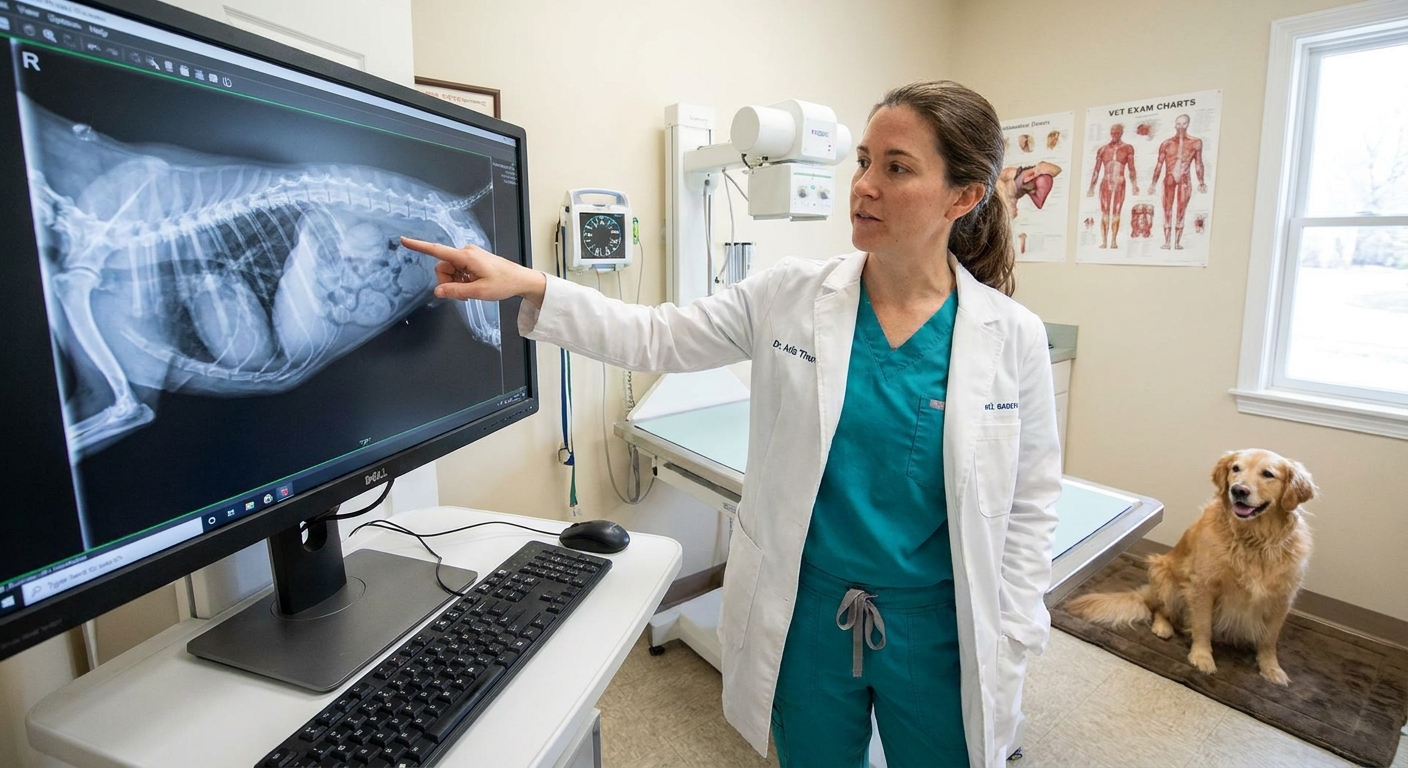
Straining is not always constipation. I have seen dogs come in for “constipation” that turned out to be urinary trouble or an obstruction. If you see any of the signs below, treat it as urgent and get your dog checked the same day.
Go in urgently if your dog has:
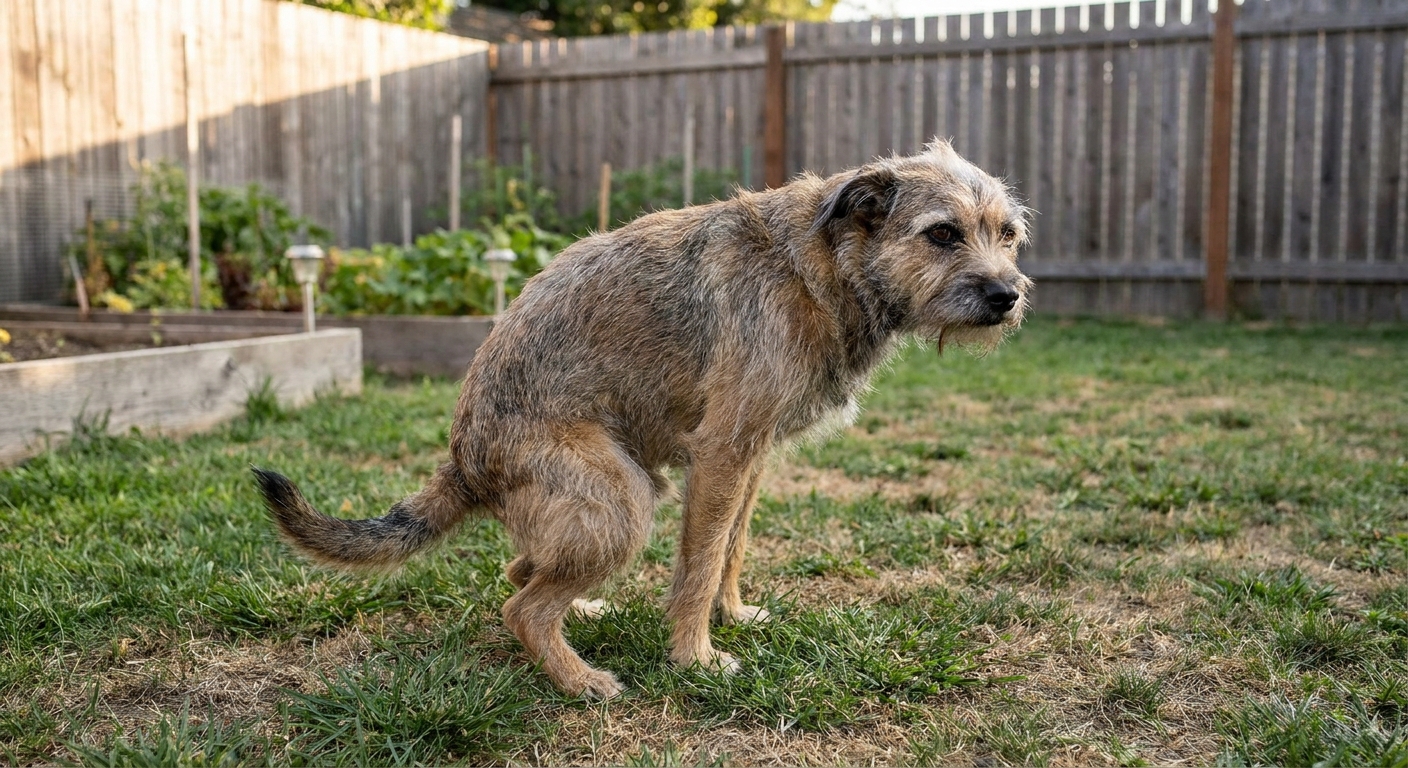
- Repeated, unproductive straining with little or no stool produced.
- Crying out, yelping, or sudden panic when trying to poop.
- A bloated or painful belly, hunched posture, or guarding the abdomen.
- Vomiting along with constipation or straining.
- Lethargy, collapse, weakness, or pale gums.
- Blood in the stool that is more than a small streak, or black tarry stool.
- No poop for 48 to 72 hours plus discomfort, reduced appetite, or behavior changes, or sooner if this is abnormal for your dog.
- Straining to pee, frequent squatting with only a few drops, or crying while urinating. This can be a urinary blockage or severe urinary issue, not constipation.
- String, fabric, or foreign material seen from the rectum. Do not pull it.
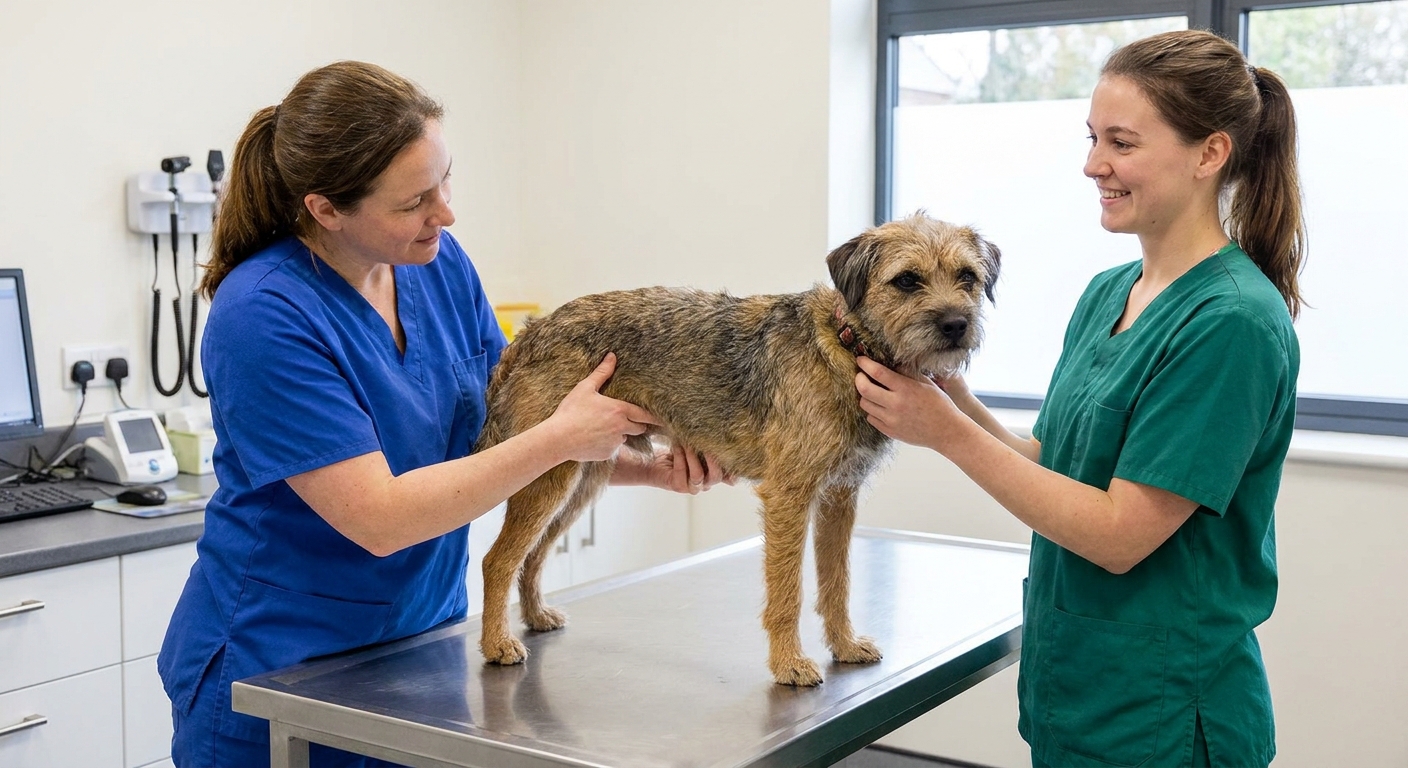
These are situations where an exam, and often imaging, matters. A laxative can waste time when the real issue is obstruction, severe dehydration, significant pain, or urinary trouble.
Possible side effects
When prescribed appropriately, PEG 3350 is often well tolerated. Side effects can happen, especially if the dose is too high or the underlying cause is not simple constipation.
- Diarrhea or very soft stools.
- Gas and abdominal cramping.
- Nausea or reduced appetite.
- Worsening weakness or dehydration signs if diarrhea develops or your dog is not drinking well.
If your dog develops diarrhea, seems painful, vomits, appears weak, or you are worried about obstruction after starting any laxative your veterinarian recommended, call your clinic for next steps.
Common constipation causes
Constipation is a symptom, not a diagnosis. In clinic, we commonly see constipation linked to things like:
- Dehydration or not drinking enough.
- Diet issues (not enough fiber for that dog, too much bone, or a sudden diet change).
- Low activity and fewer walks.
- Pain (arthritis, back pain, or anal/rectal pain that makes squatting miserable).
- Eating non-food items (trash, toys, fabric), which raises concern for obstruction.
- Medication side effects that slow gut movement.
If constipation is recurring, this is where a veterinary workup matters, because the long-term fix depends on the cause.
What you can do at home
If your dog is bright, eating, not vomiting, and only mildly backed up, your veterinarian may suggest supportive care alongside or instead of PEG 3350. These gentle steps are often part of the plan:
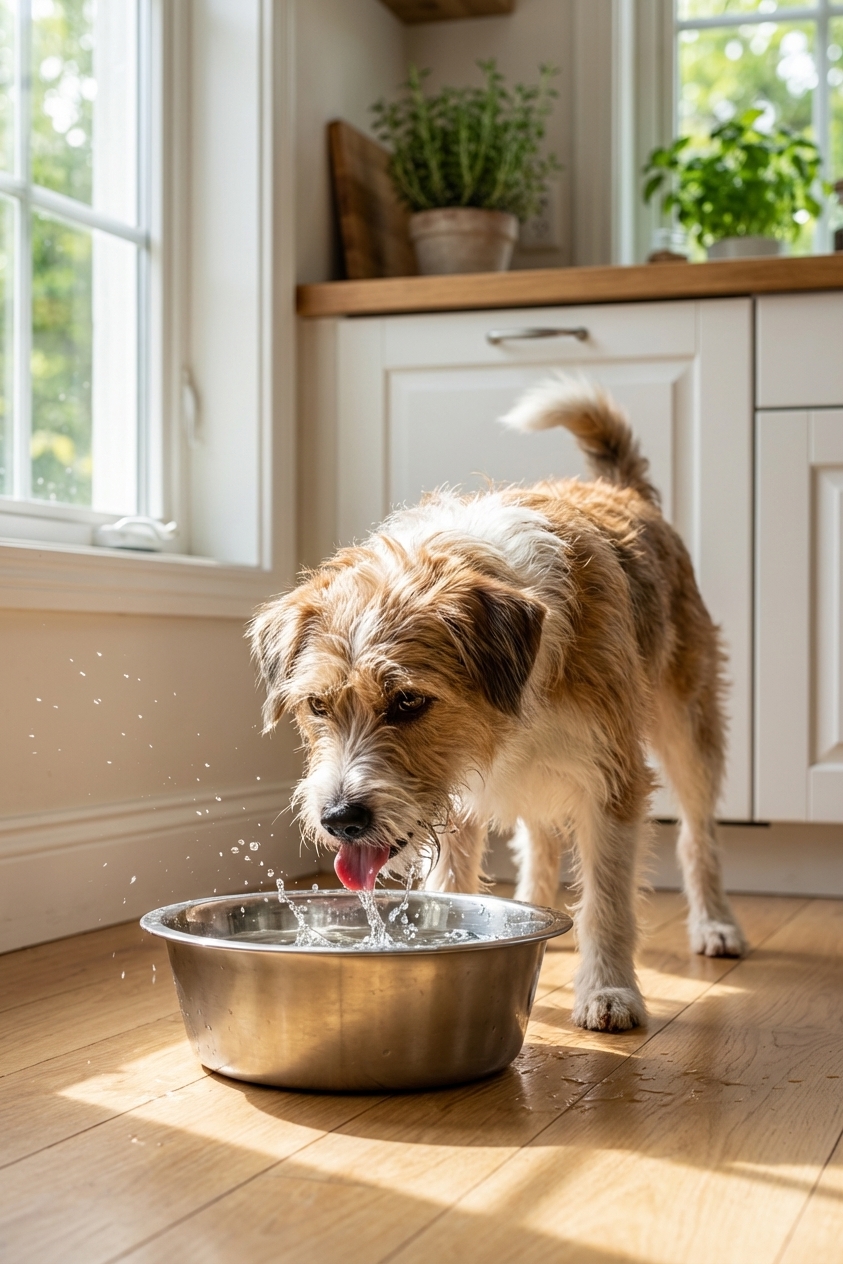
- Encourage water by refreshing bowls, offering ice cubes, or adding water to food if your dog tolerates it.
- Take calm, frequent walks to stimulate normal gut movement.
- Feed a consistent diet and avoid sudden diet changes unless your vet directs you. Sudden switches can cause diarrhea and more discomfort.
If you are considering Miralax specifically, the safest move is to call your veterinary clinic, describe the symptoms, and ask whether plain PEG 3350 is appropriate for your dog’s situation. That conversation is where dosing and timing belongs.
FAQ
Do veterinarians prescribe Miralax for dogs?
Yes, many veterinarians use PEG 3350 in dogs for constipation when it is a good fit for the case. It is one tool among many, and the best choice depends on the dog’s exam, hydration, and history.
How long does PEG 3350 take to work?
It is not an instant fix. Some dogs respond within a day, while others need longer or need a different approach. If your dog is uncomfortable, straining repeatedly, vomiting, or acting ill, do not wait at home.
Can I use Miralax if my dog is straining but nothing is coming out?
I would be cautious. Unproductive straining can mean constipation, but it can also mean urinary issues, obstruction, or significant pain. Those situations need a clinic visit, not a laxative guess.
Is Miralax safe if my dog might have an obstruction?
No. If obstruction is on the table, your dog needs an exam and often X-rays or ultrasound. Home laxatives can delay care and increase risk.
What if my dog has constipation over and over?
Recurring constipation deserves a workup. Your vet may discuss diet changes, hydration strategy, pain control, lab work, and imaging. Chronic issues can progress to obstipation, which is harder and more expensive to treat.
The bottom line
Miralax can be safe for some constipated dogs when a veterinarian recommends it, but it should not be treated like a casual, copy-and-paste remedy. Do not copy cat doses, do not guess a scoop size, and stick to plain PEG 3350 if your veterinarian approves it.
Do not use it when your dog is vomiting, painful, bloated, weak, dehydrated, or straining without producing stool. If you are unsure whether your dog is truly constipated or is showing a red-flag sign, call your veterinarian or an emergency clinic. Constipation is uncomfortable, and in the wrong situation, it can also be dangerous.