Yes, lactulose can be safe for dogs, but only when your vet says it is the right choice
As a veterinary assistant here in Frisco, Texas, I have seen constipation range from a mild, fixable slowdown to a true emergency. Lactulose is one of the medications veterinarians often prescribe for constipated dogs. When it is used for the right patient, at the right dose, and with the right follow-up, it is often very effective.
But constipation is also one of those symptoms that can fool you. A dog can look like they “just need help pooping,” when the real problem is something that should never be treated at home. That is why the safest approach is simple: confirm with your veterinarian that your dog is a candidate for lactulose before giving it.
What lactulose is and how it helps
Lactulose is a synthetic sugar solution that is poorly absorbed from the gut. That is the point. It stays in the intestinal tract where it pulls water into the colon and softens stool. It also acidifies colonic contents, which can help stimulate movement and, in certain liver-related conditions, reduce absorption of some gut byproducts.
Vets may prescribe lactulose for:
- Constipation when stool is dry and difficult to pass
- Obstipation (more severe constipation) as part of a broader treatment plan
- Some liver-related conditions where lowering certain toxins produced in the gut is helpful
Because lactulose works by shifting fluid into the colon, hydration matters. If a dog is dehydrated, simply adding a laxative can be the wrong direction, and your vet may prioritize fluids first.
Lactulose is not Miralax
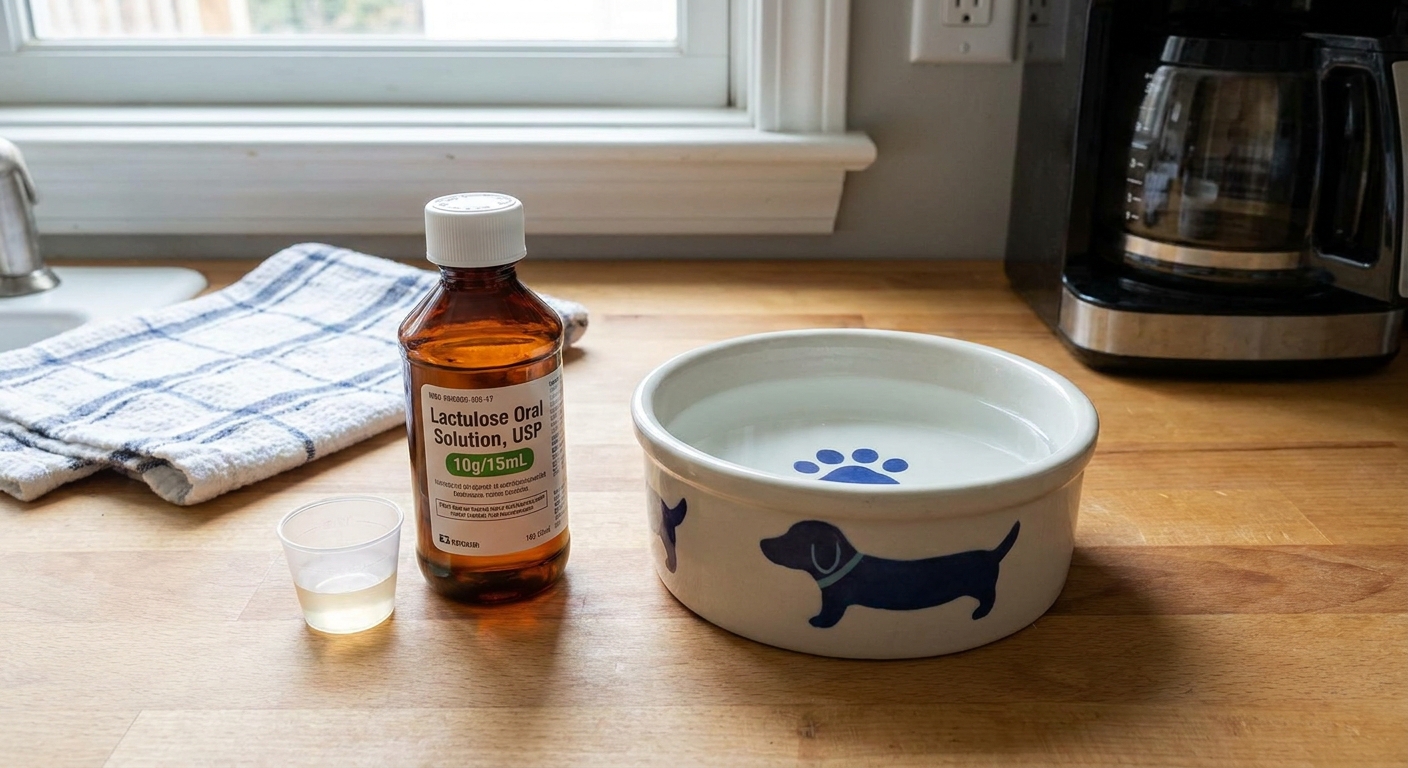
This is one of the most important points. Lactulose and polyethylene glycol 3350 (often called Miralax) are different drugs with different practical considerations.
How they differ
- Lactulose: a sweet liquid solution that vets commonly prescribe in dogs. It draws water into the colon and can produce gas as gut bacteria ferment it.
- Polyethylene glycol (PEG 3350, commonly known as Miralax): a tasteless powder that dissolves in water and also works osmotically by holding water in the stool, but it is a different compound and dosing approach.
Because these are not interchangeable, do not substitute one for the other unless your veterinarian directs you to. Even when both are used for constipation, the right choice depends on your dog’s size, hydration status, other medications, underlying disease, and how severe the constipation is.
When vets choose lactulose
Veterinarians typically reach for lactulose when they suspect stool is too dry, too firm, or moving too slowly through the colon, and the dog is stable enough for outpatient care.
Your vet may also pair lactulose with other strategies, such as:
- Fluids (oral, under the skin, or IV) to correct dehydration
- Diet adjustments such as adding appropriate fiber or switching foods
- Prokinetic medications that improve gut motility in select cases
- Pain control if orthopedic pain is preventing normal posture and pushing
- In-hospital treatments for severe impaction, sometimes including enemas and manual removal
The big takeaway is that lactulose is usually one piece of a plan, not a magic fix by itself.
How vets confirm constipation
This is another reason I push people to call their clinic instead of guessing. When a dog is straining, we often need to confirm what is actually going on before we reach for a laxative.
Depending on the dog, your veterinarian may use:
- History and timing, including last normal bowel movement, diet changes, bone chewing, or possible foreign material
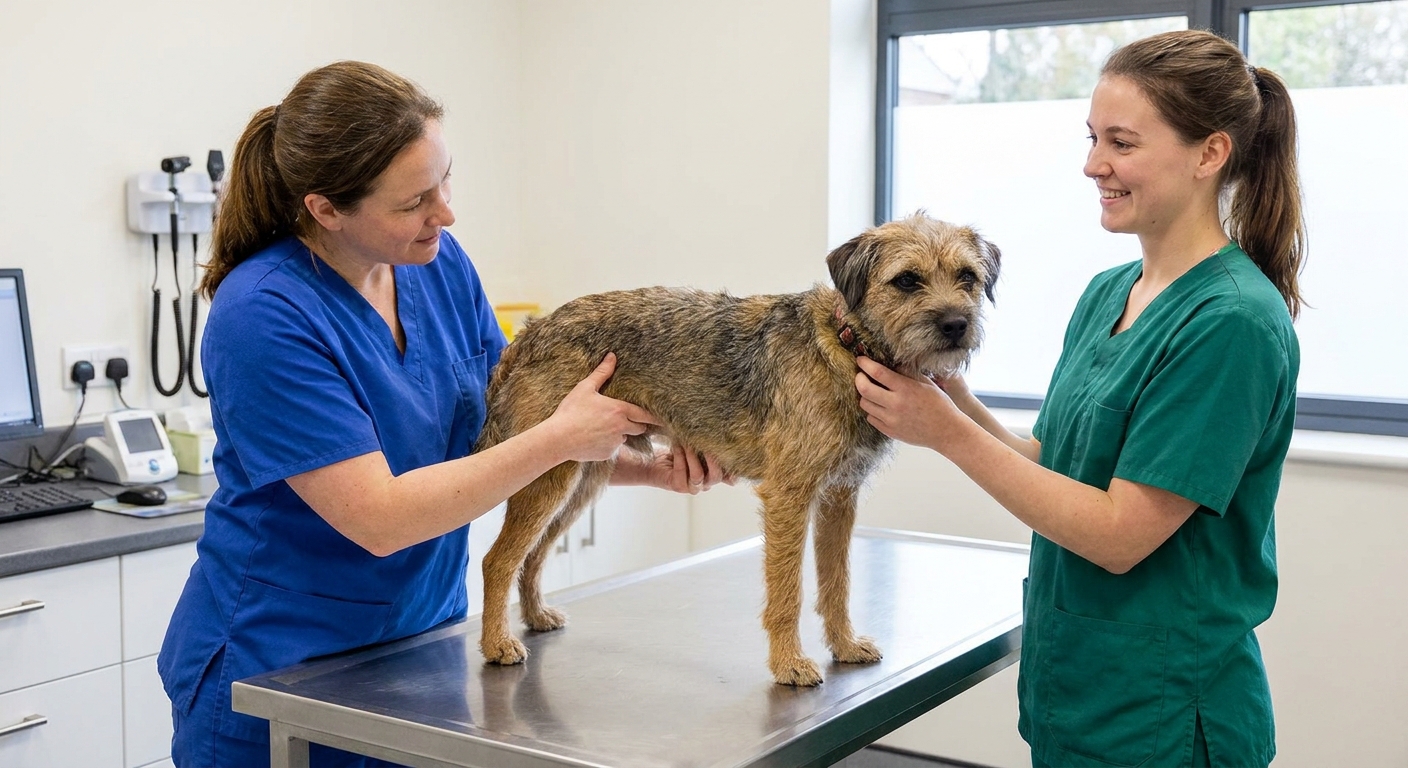
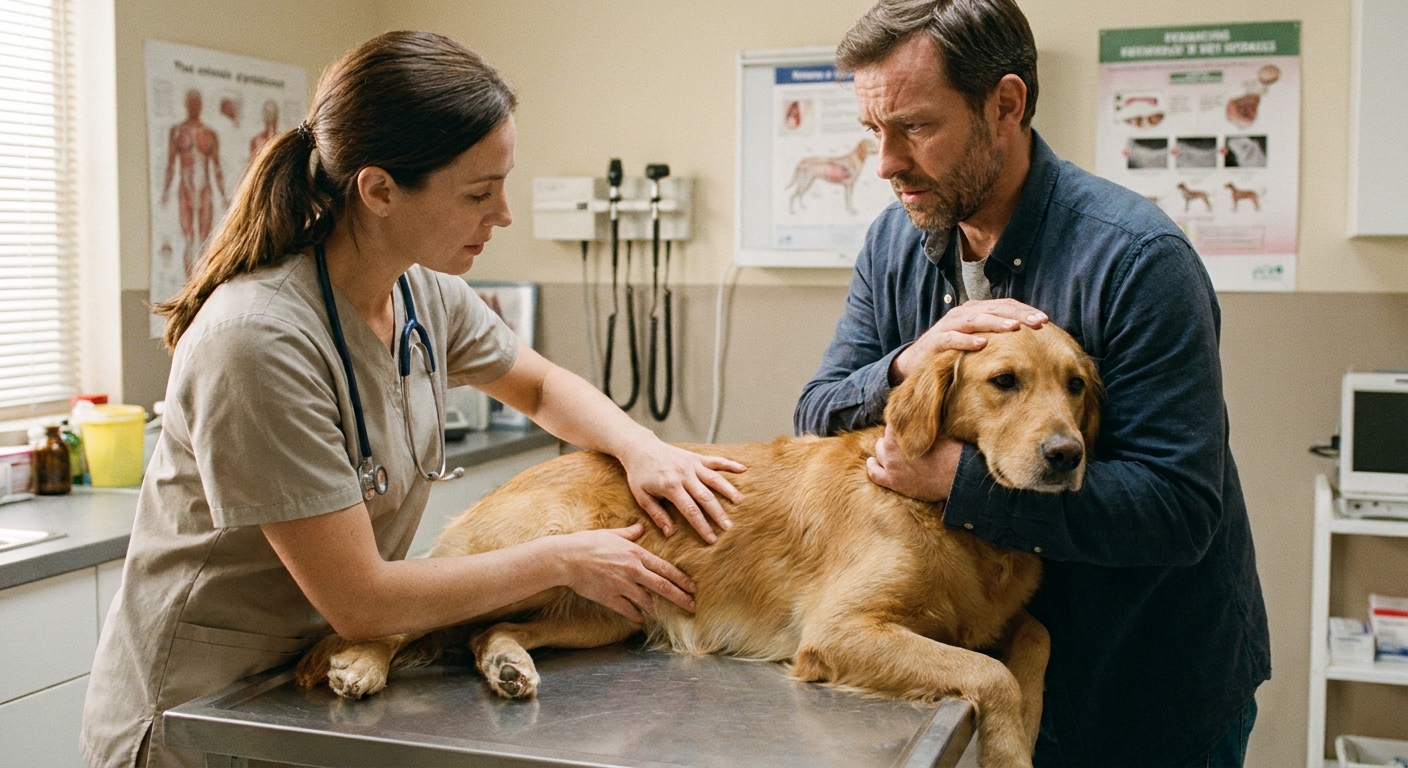
- Abdominal palpation to feel for firm stool, pain, or abnormal masses
- Rectal exam to check for pelvic narrowing, painful anal sacs, strictures, or firm stool in the rectum
- Radiographs (X-rays) to assess stool burden and rule out obstruction or foreign material when indicated
That workup is what keeps a “simple constipation” case from being mistaken for something far more serious.
How lactulose is given
Lactulose is typically given by mouth as a liquid. Most families either measure it carefully with an oral syringe or mix the measured dose into a small amount of food. It is sweet, so some dogs take it willingly, and others resist.
What I tell owners to watch for is not just whether the dog poops, but how the stool looks and how the dog feels. Your goal is comfortable, soft, formed stool, not watery diarrhea. If stool becomes too soft, your veterinarian may adjust the dose or the schedule.
Also, never rely on human lactulose dosing instructions. Veterinary dosing is individualized.
Common side effects
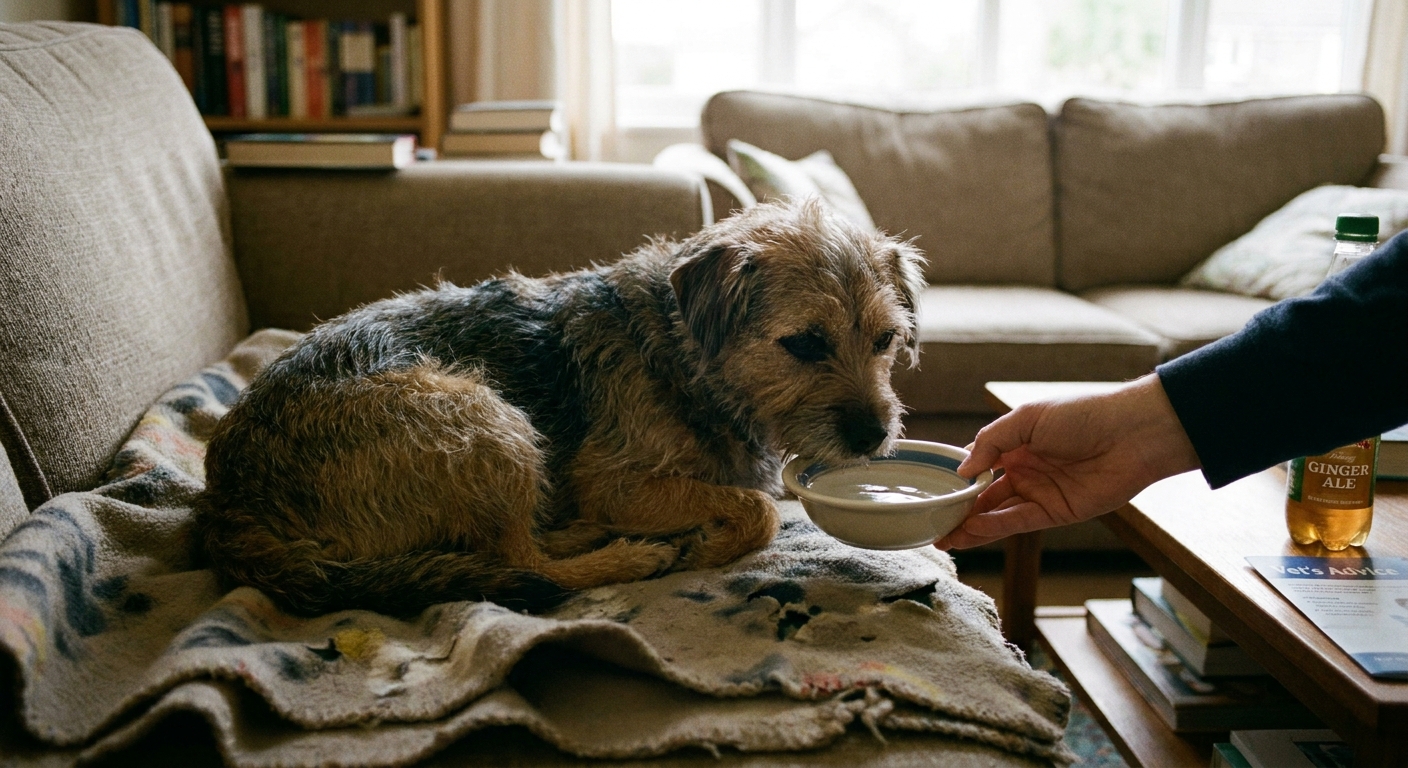
Most side effects are related to how lactulose changes stool water content and gut fermentation.
- Diarrhea or overly soft stool, especially if the dose is too high
- Gas and noisy gut sounds
- Abdominal cramping or discomfort
- Dehydration if diarrhea develops and fluids are not maintained
If your dog develops watery diarrhea, repeated vomiting, marked lethargy, or seems painful, stop the medication and contact your veterinary clinic. Constipation treatment should never trade one serious problem for another.
Cautions to discuss with your vet
Lactulose can be a good tool, but there are situations where your veterinarian may delay it, adjust it, or choose something else.
- Suspected intestinal obstruction or foreign material ingestion
- Severe dehydration or a dog that cannot keep water down
- Uncontrolled vomiting or significant abdominal pain
- Diabetes, since lactulose is a sugar solution. It is still sometimes used, but your vet may want closer monitoring.
- Dogs where diarrhea would be especially risky, such as very small dogs, frail seniors, or dogs with other medical issues
This is also why combining stool-softening products without guidance can get a dog into trouble. The biggest risk is diarrhea that leads to dehydration, and dehydration is where electrolyte problems can follow.
Do not copy a cat dose
I know it is tempting, especially if you have lactulose at home for another pet. But a cat dose is not a safe shortcut for a dog.
- Species differences matter, including sensitivity to dehydration and stress.
- Weight ranges vary widely. A “normal” cat dose could be ineffective for a large dog or too much for a tiny dog.
- Underlying causes differ. Constipation in cats can be tied to megacolon, while dogs more commonly have other triggers like diet, dehydration, pain, foreign material, or prostate enlargement in intact males.
If your vet prescribes lactulose, follow the label exactly and ask what to do if your dog skips a bowel movement, strains, or develops diarrhea.
Straining red flags
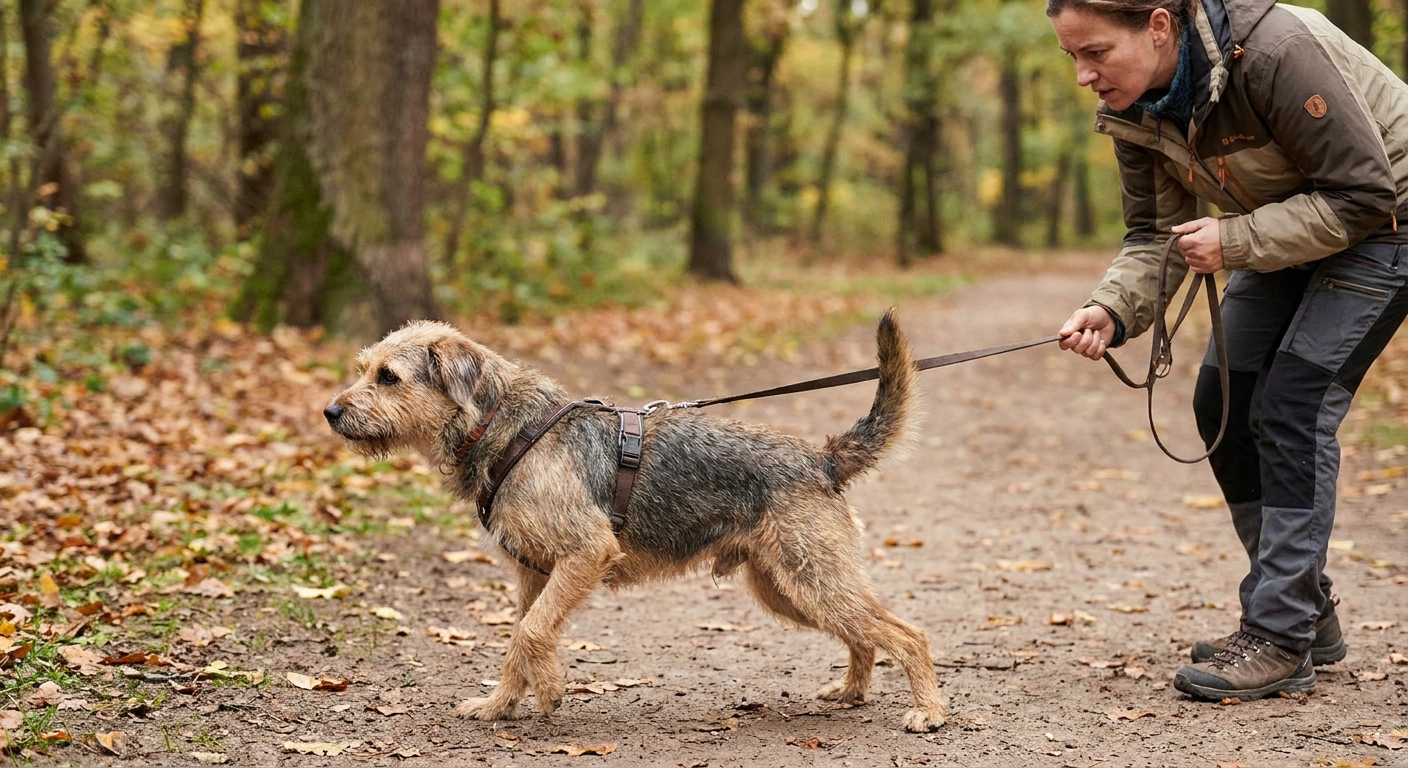
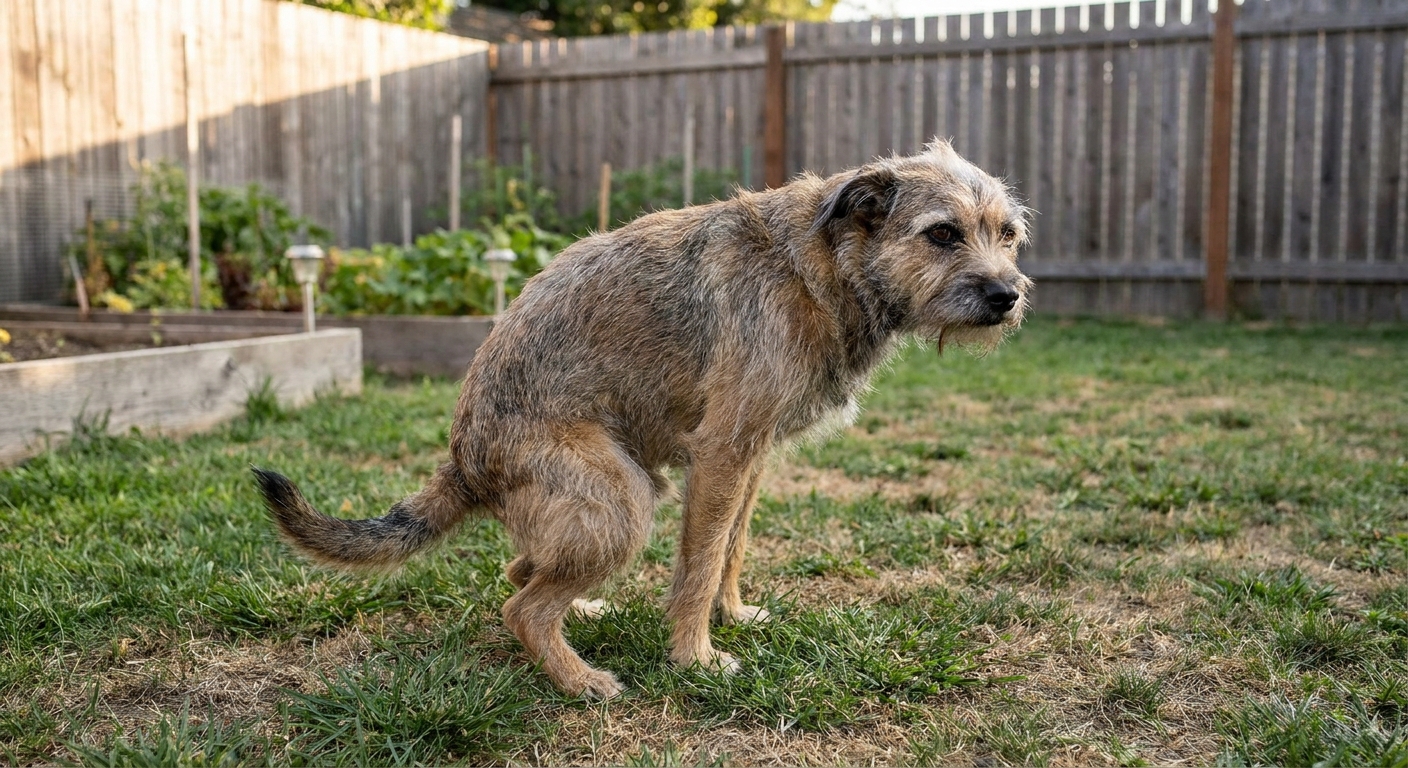
This part is so important. Not all straining is constipation. Dogs can strain with urinary blockage, intestinal obstruction, severe colitis, anal gland pain, or reproductive tract issues. Some of those are emergencies.
Go to an urgent clinic or emergency vet now if you see:
- Repeated straining with little or no stool plus signs of distress or pain
- A bloated or tight abdomen
- Vomiting, especially repeated vomiting
- Profound lethargy, weakness, collapse, or pale gums
- Black, tarry stool or large amounts of fresh blood
- A string, ribbon, or foreign material seen hanging from the rectum (do not pull it)
- No poop for 48 to 72 hours along with discomfort, reduced appetite, or pacing
- Inability to urinate or frequent squatting with only drops of urine (this can look like constipation)
- Known ingestion of bones, toys, corn cobs, rocks, socks, or other non-food items
If your dog is straining and you are not sure whether it is poop or pee, treat it as urgent until proven otherwise. A urinary blockage can become life-threatening quickly.
Skip DIY enemas
It is completely understandable to want fast relief for your dog. But at-home enemas are one of the riskiest DIY constipation “hacks” I see discussed online.
- Some enema products made for people can be dangerous or even deadly for pets.
- If there is an obstruction or severe impaction, forcing fluid into the rectum can cause injury and delay proper treatment.
- Dogs in pain can bite, and rectal procedures are stressful for everyone involved.
If an enema is truly needed, the safest place for it is a veterinary clinic where the team can assess hydration, take an X-ray if indicated, and choose a pet-appropriate product and technique.
What you can do while you wait
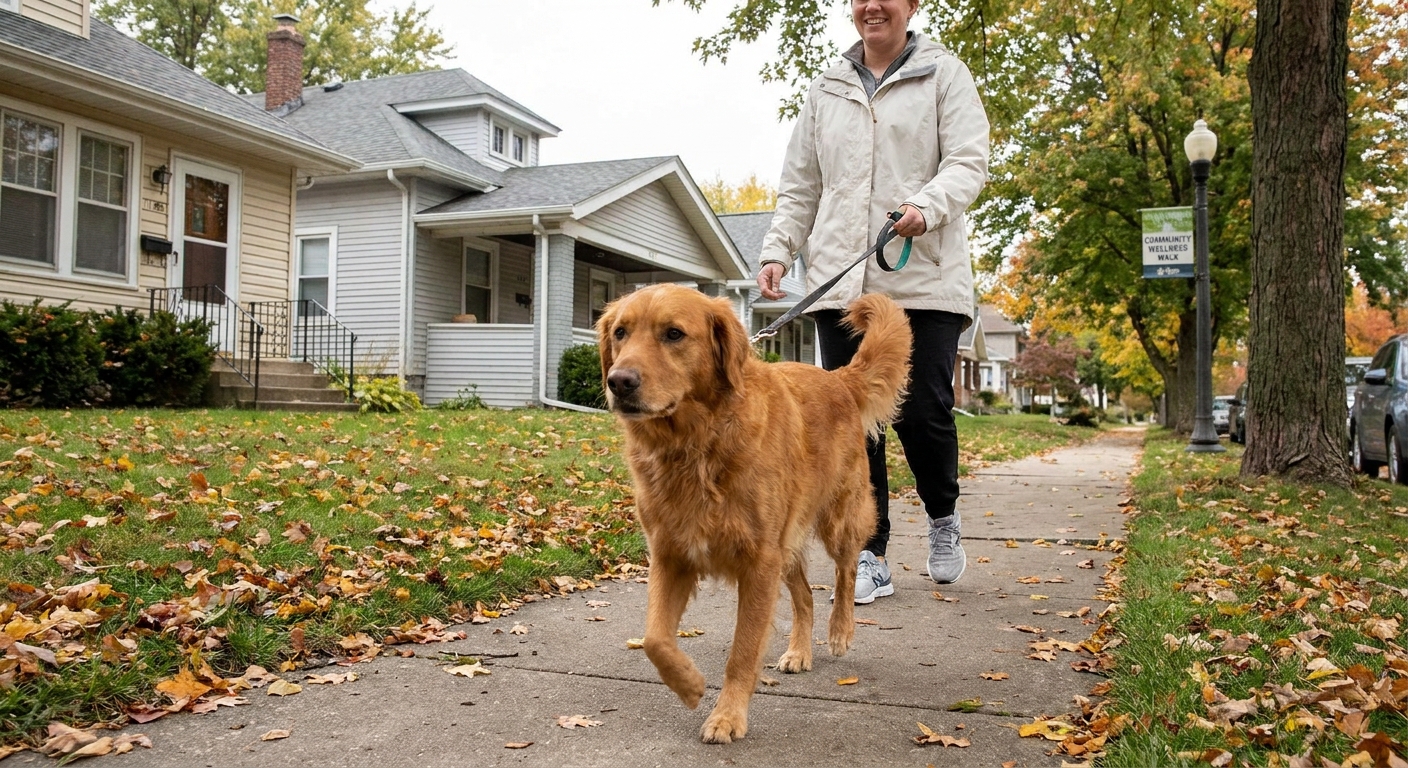
If your dog is otherwise bright and comfortable, and you have already contacted your veterinary clinic for guidance, these gentle steps are typically reasonable while you wait. Stop and seek urgent care if your dog worsens or shows any red flags.
- Encourage water intake by refreshing bowls, adding water to food, or offering ice chips if your vet says it is okay.
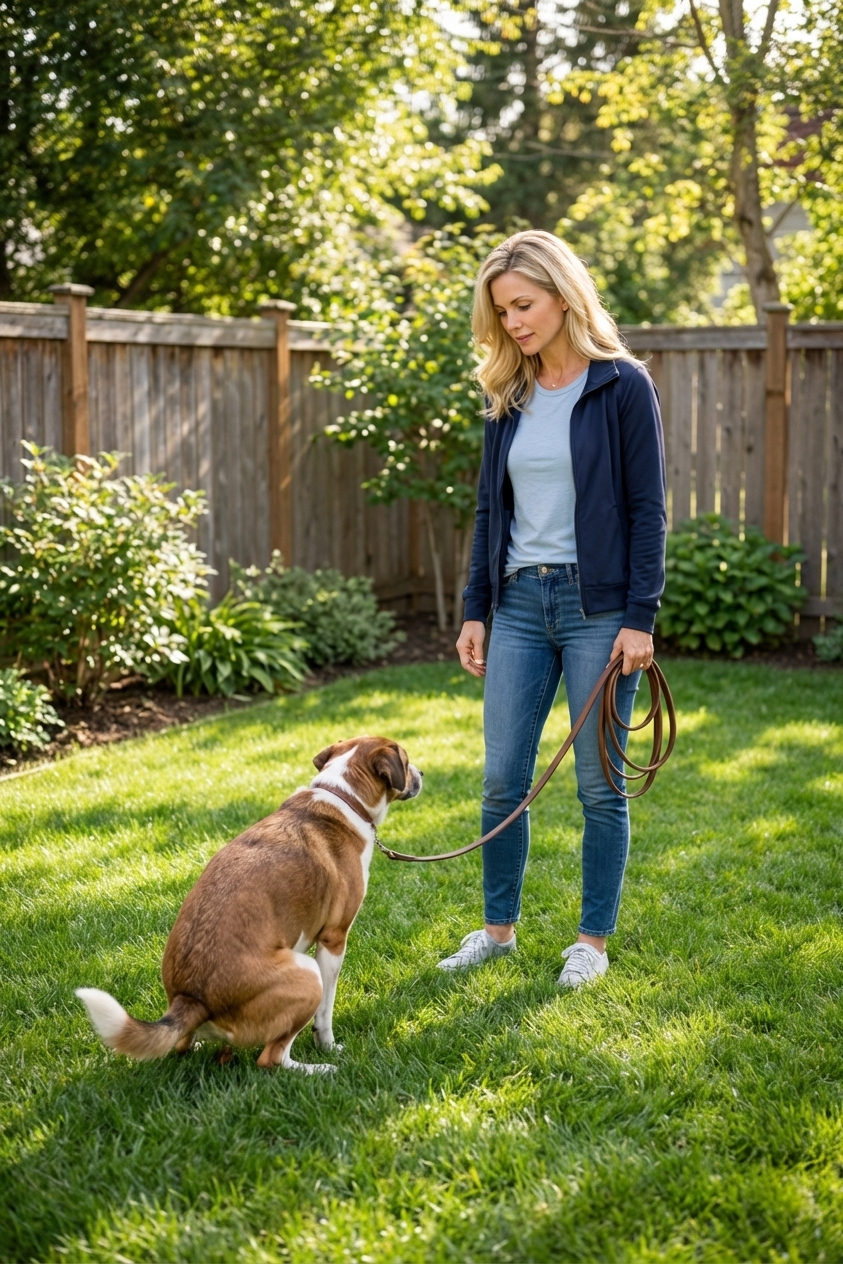
- Take several short leash walks. Movement can stimulate normal gut motility.
- Feed a consistent diet until you get advice. Sudden food changes can backfire.
- Prevent bone and toy access if chewing and swallowing are part of the problem.
Because each dog’s situation is different, I avoid giving a home dose chart for laxatives. A safe plan depends on your dog’s size, history, medications, and whether your vet suspects a simple stool-drying constipation versus something more serious.
FAQ
How fast does lactulose work in dogs?
It varies. Some dogs have a bowel movement later the same day, but it can also take 12 to 24 hours or longer, especially if stool has been building up. If your dog is painful, vomiting, or not improving as expected, contact your veterinarian rather than repeating doses on your own.
Can lactulose cause diarrhea?
Yes. Diarrhea is one of the most common side effects and often means the dose is too high for that dog or the timing needs adjustment. Diarrhea can quickly lead to dehydration, so check in with your clinic promptly.
Can I give lactulose and Miralax together?
Only if your veterinarian specifically instructs you to. Since both can soften stool by shifting water into the intestines, combining them without guidance increases the risk of diarrhea. If diarrhea develops, dehydration and electrolyte imbalance can follow.
My dog is straining but nothing comes out. Is that constipation?
It might be, but it could also be a urinary problem or an obstruction. If your dog cannot pass stool or urine, is vomiting, has a swollen belly, or seems very uncomfortable, go to a clinic right away.
Bottom line
Lactulose is often a safe, vet-approved laxative for dogs when constipation is truly the problem and your dog is stable enough for at-home care. It is not the same drug as polyethylene glycol (Miralax), and it should not be dosed by copying what worked for a cat, another dog, or a human handout.
If your dog is straining with pain, vomiting, belly swelling, lethargy, or any concern they might be blocked or unable to urinate, skip the laxative and go to a veterinary clinic. When it comes to constipation, fast relief is wonderful, but the correct diagnosis is what truly keeps dogs safe.