A curious nose. A very waggy welcome.
Let’s talk about the Great Danoodle, a Great Dane and Poodle mix that can land squarely in “giant dog” territory. If you love the idea of a tall, gentle companion with a more Poodle-like coat and a big, goofy heart, this mix can sound like a dream. But giant mixes also come with giant realities: space, training, grooming, and a short list of health risks you truly want to understand before you fall in love with the first fuzzy face you see.
What is a Great Danoodle?
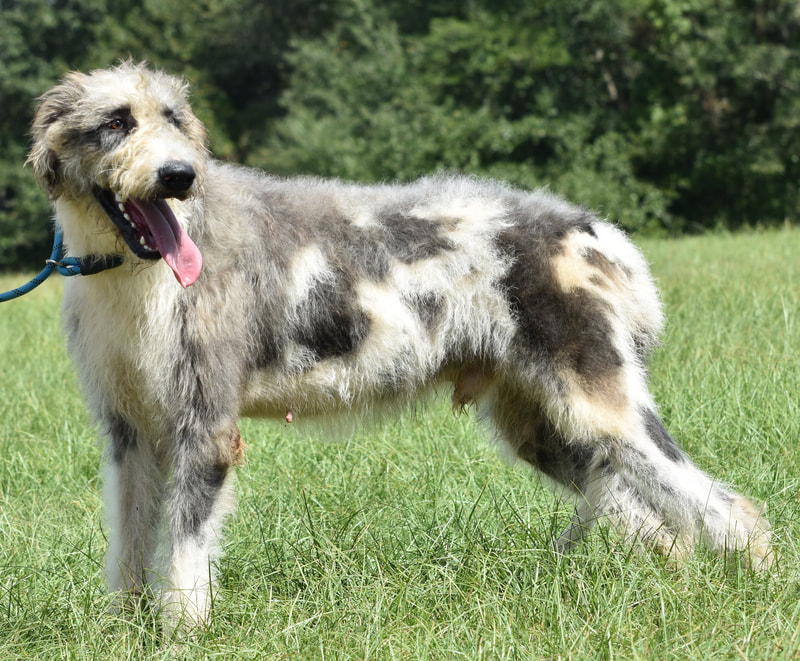
A Great Danoodle is a mixed-breed dog made by crossing a Great Dane with a Poodle (most commonly a Standard Poodle). You might also see the name written as Greatdoodle or Great Dane Doodle.
Because this is a mix, there is no single guaranteed “type.” Great Danoodles can vary a lot in:
- Adult size (from large to truly giant)
- Coat texture (shorter and shed-prone to curly and lower-shedding)
- Energy level (mellow couch-leaner to bouncy athlete)
- Health risks (especially those tied to large and giant breeds)
Great Danoodle size: how big do they get?
Most Great Danoodles are very large dogs, and many grow into giant dogs. Adult size depends heavily on the size of the parents, overall structure, and plain old genetic luck.
Height and weight ranges
Because there is limited published data specific to “Great Danoodle” as a population, it helps to anchor expectations to the parent breeds, then accept that mixes can surprise you.
- Great Dane (adult): often about 28 to 34 inches at the shoulder, roughly 110 to 175 pounds
- Standard Poodle (adult): often 18 inches or taller at the shoulder, roughly 40 to 70 pounds
Many Great Danoodles end up somewhere between those two, commonly landing around 24 to 32 inches and 70 to 150 pounds. Think of those numbers as a practical ballpark, not a promise.
When do Great Danoodles stop growing?
Large and giant mixes tend to mature slowly. Many Great Danoodles reach most of their height by around 12 to 18 months, then continue filling out in muscle and body condition until roughly 18 to 24 months. Some may keep maturing a bit beyond that.
Puppy-scout note: the “awkward teen phase” can look extra dramatic when your dog is growing legs that seem to arrive before the rest of the body.
If you are raising a puppy, your veterinarian is your best partner for tracking growth, body condition, and joint-friendly development.
Temperament: what are Great Danoodles like?
Temperament is one of the biggest reasons people consider this mix. Great Danes are often described as gentle, people-oriented, and affectionate. Poodles are known for being smart, responsive, and sensitive to their environment and humans.
A well-socialized Great Danoodle is often:
- Friendly and affectionate with family
- Social and eager to be near their people
- Smart, sometimes startlingly so
- Goofy in that big-dog way, with lots of leaning and flopping
Are they good with kids and other pets?
They can be wonderful with kids when raised with respectful handling and solid supervision. The big consideration is size. Even a friendly Great Danoodle can accidentally knock over a toddler just by turning around too fast.
With other dogs and pets, early socialization matters. Many do well, but some may inherit a more boisterous play style, or a more reserved Great Dane approach with unfamiliar dogs.
Next up, let’s talk about the part that surprises a lot of people: coat and grooming. A “doodle” name does not guarantee a low-maintenance coat.
Coat, shedding, and grooming
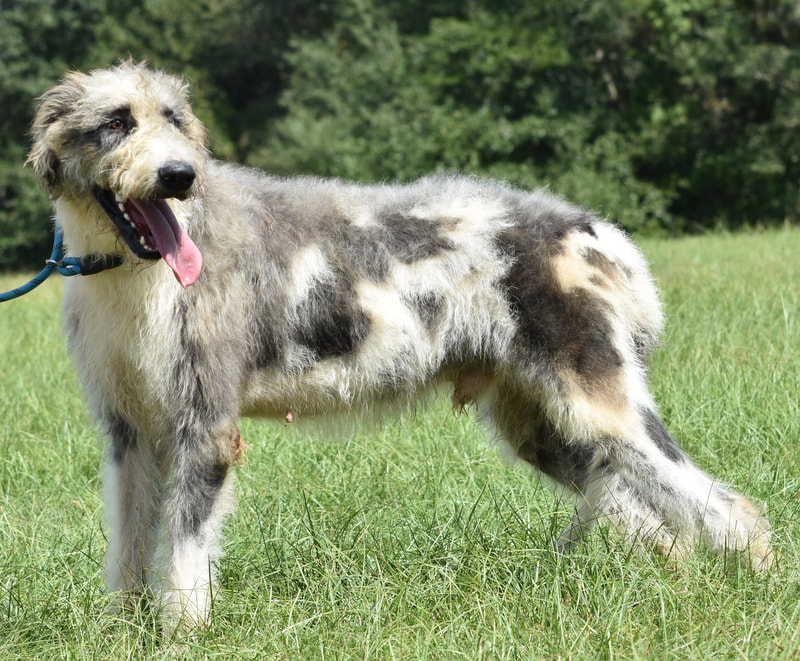
Great Danoodles can inherit anything from a shorter, smoother coat that sheds to a curlier coat that sheds less but needs more grooming. Coat predictions are especially tricky in first-generation mixes.
Common coat types
- Wavy coat: often moderate grooming needs, may shed lightly
- Curly coat: can be lower-shedding, higher grooming needs, prone to mats
- Shorter coat: more Great Dane-like, usually more shedding, easier brushing
Are Great Danoodles hypoallergenic?
No dog is truly hypoallergenic. Some Great Danoodles may be more allergy-friendly if they inherit more Poodle coat traits, but allergies are complex. Dander, saliva, and individual sensitivity all matter. If allergies are a concern, spending time with the specific dog before committing is a smart step.
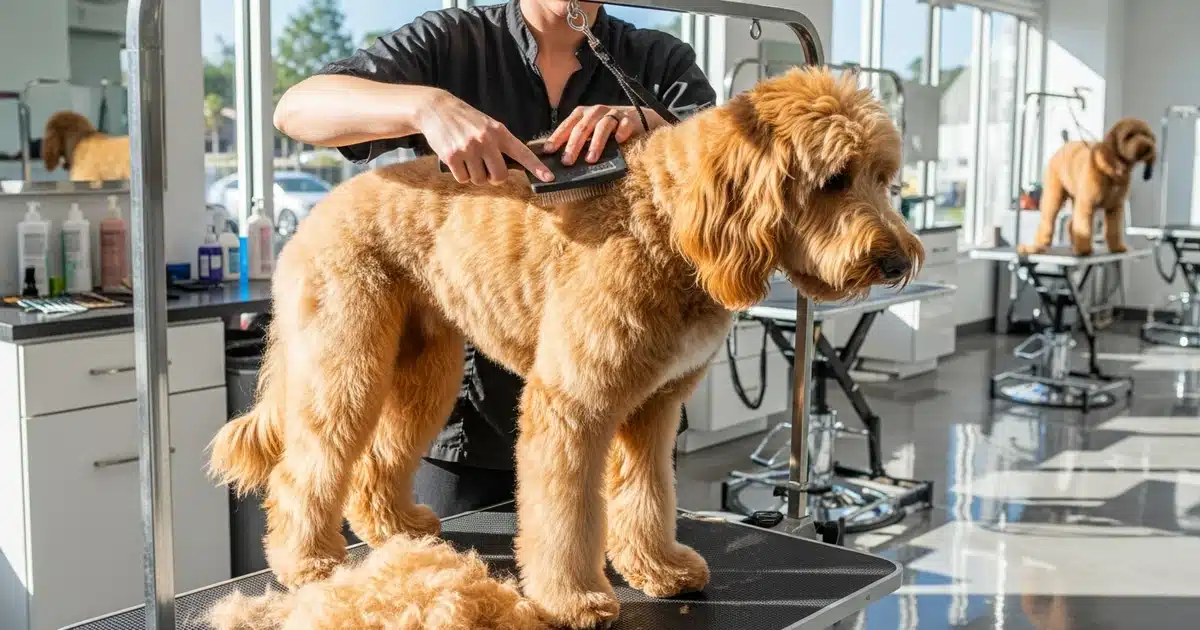
Grooming routine basics
- Brushing: several times a week for wavy coats, often daily for curlier coats to prevent mats
- Bathing: as needed, many families aim for every 4 to 8 weeks depending on lifestyle
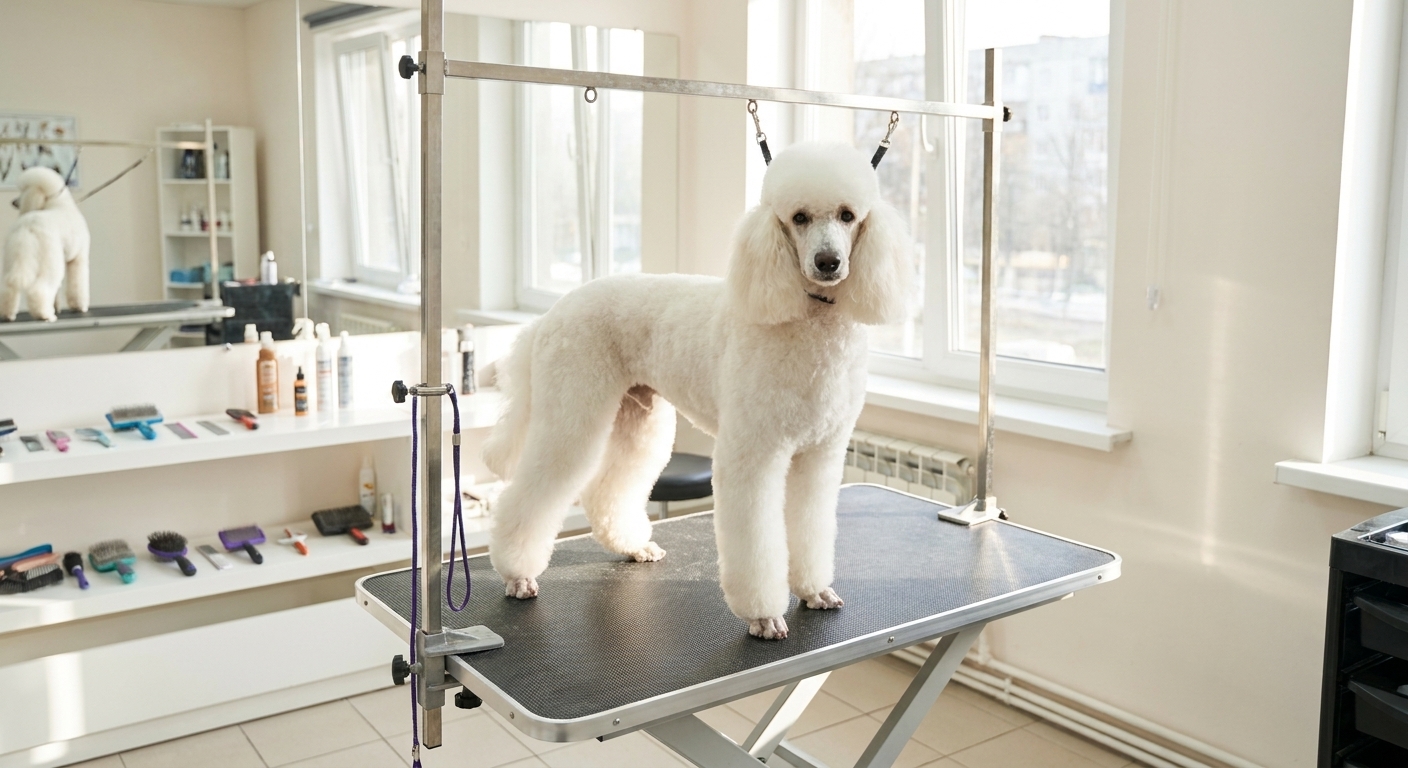
- Professional grooming: common for curly or longer coats, typically every 6 to 10 weeks
- Ears: check weekly, especially if the dog has floppy, hairier Poodle-style ears
- Nails: trim regularly, giant dogs can split nails more painfully if they get too long
Puppy note: coat changes and grooming practice
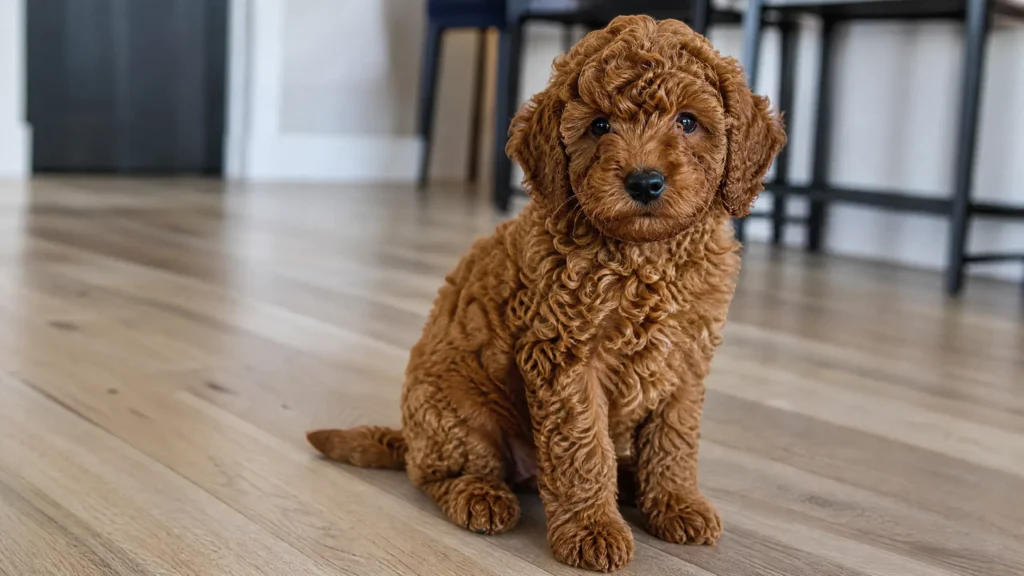
Many Poodle-mix coats change texture as the dog matures, often around adolescence. Even if your puppy’s coat feels easy at first, plan for the possibility of more brushing later.
Start grooming practice early and keep it upbeat: short brushing sessions, gentle handling of paws and ears, and quick visits to a groomer just to say hello can pay off for life.
Once coat care is in a good rhythm, daily life gets easier. That brings us to movement and mental work, because big dogs still need a plan.
Exercise needs and daily life
A Great Danoodle is not usually a marathon training partner, but they are also not a low-effort dog. Many do best with a blend of steady daily movement and brain work.
How much exercise do they need?
As a starting point, many adult Great Danoodles do well with about 60 to 90 minutes of total activity a day, split into manageable chunks. Some need less (especially very giant, senior, or more laid-back dogs). Some need more if they lean Poodle in drive and athleticism.
That daily plan can look like:
- Two solid walks
- A sniffy stroll with lots of “read the news” time
- Short training sessions
- Gentle play in a fenced yard
Puppy warning: protect growing joints
Giant-breed puppies need careful exercise. Too much repetitive impact (lots of stairs, forced running, big jumps) can stress developing joints. Your veterinarian can help you build a sensible plan for growth stages, body condition, and safe activity.
Space, travel, and the giant dog budget
Great Danoodles often require:
- Extra-large crates and beds
- More food than many households expect
- Bigger vehicles or strategic seat folding for safe travel
- Training that focuses on calm greetings and leash manners, because 120 pounds of enthusiasm is a lot of enthusiasm
Lifespan: how long do Great Danoodles live?
In general, larger dogs tend to have shorter lifespans than smaller dogs. A Great Danoodle’s lifespan depends on genetics, size, structure, overall health, and preventive care.
A commonly cited range for Great Danoodles is around 8 to 12 years, with many landing nearer the lower end if they are very large.
Supporting longevity often comes down to the basics done consistently: keeping a lean body condition, regular veterinary visits, dental care, appropriate exercise, and early attention to symptoms that could signal heart or digestive issues.
Great Danoodle health risks to know
Mixing breeds does not erase health issues. It changes the odds and the mix of possibilities. Great Danoodles can inherit concerns seen in Great Danes, Poodles, or both.
Bloat and GDV (a true emergency)
One of the biggest, scariest concerns in deep-chested large and giant dogs is GDV, often called bloat. This is when the stomach fills with gas and may twist, cutting off blood flow and trapping contents.
Call an emergency vet right away if you see signs like:
- Unproductive retching or trying to vomit
- A swollen or tight-looking belly
- Sudden restlessness, pacing, drooling
- Weakness, collapse, pale gums
Prevention is not perfect, but many owners discuss a preventive gastropexy with their veterinarian, especially for very large, deep-chested dogs. Your vet can help you weigh timing, benefits, and surgical considerations.
Day-to-day management ideas you can discuss with your veterinarian include:
- Feeding multiple smaller meals instead of one large meal
- Avoiding hard exercise right around meals
- Using slow-feeding strategies if your dog gulps food
- Asking about raised bowls before you switch, because the evidence is mixed and your dog’s individual risk factors matter
Heart disease (including dilated cardiomyopathy)
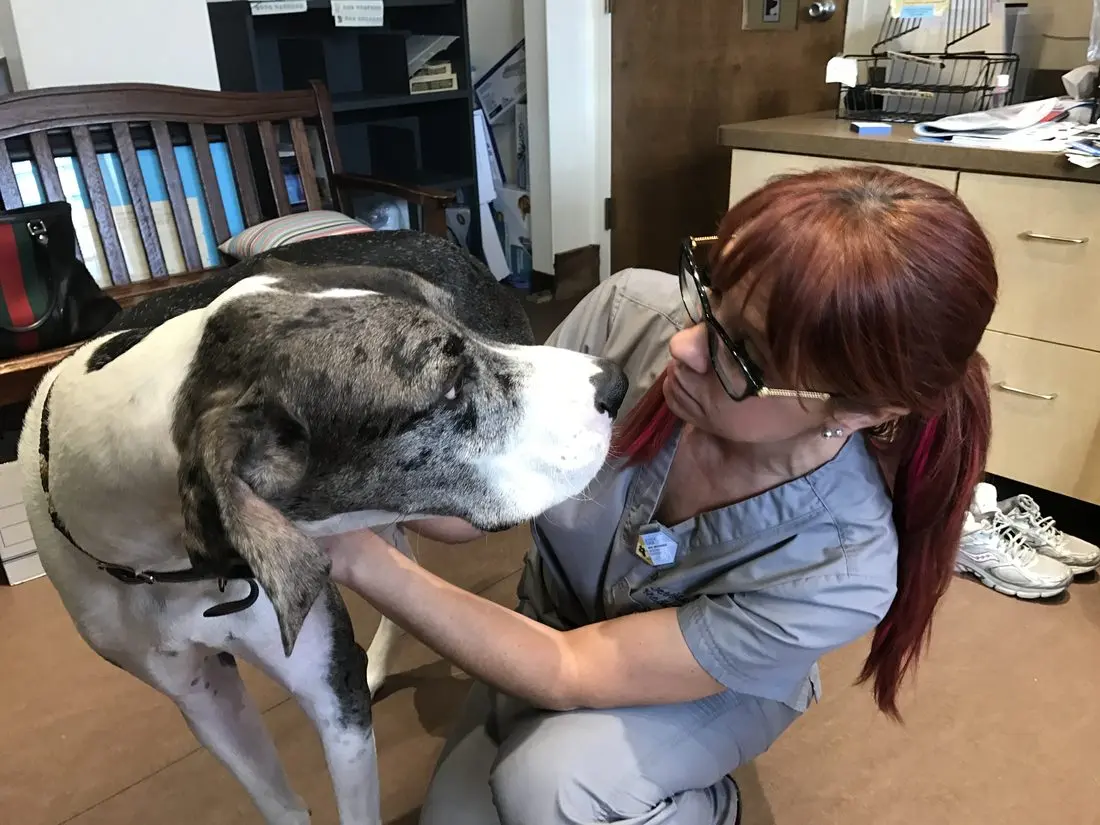
Great Danes are known to have risk for heart disease, including dilated cardiomyopathy (DCM). Some Great Danoodles may share that vulnerability.
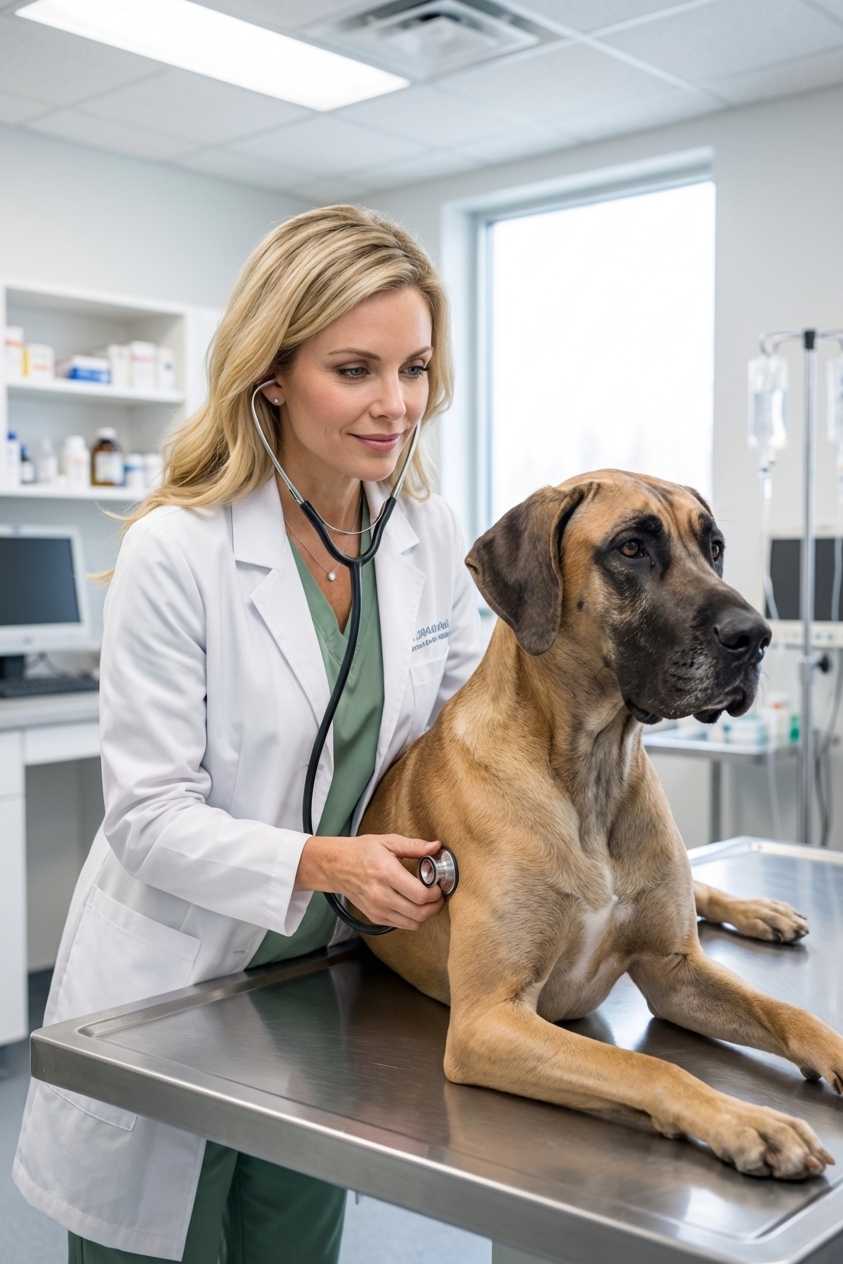
Screening starts with a good exam and listening to the heart, then may include an echocardiogram for definitive assessment. Depending on your dog’s history and signs, your veterinarian or a veterinary cardiologist may also recommend an ECG or Holter monitor to check rhythm, plus other tests as helpful adjuncts.
Potential signs to bring to a vet promptly include:
- Coughing
- Reduced stamina
- Fainting or collapsing
- Fast breathing at rest
- Swollen belly
Joint and orthopedic issues
Because this mix can be heavy and fast-growing, orthopedic concerns are important to watch for, including:
- Hip dysplasia
- Elbow dysplasia
- Osteoarthritis later in life
Keeping your Great Danoodle lean, using joint-friendly exercise, and asking your vet about appropriate nutrition for growth can make a real difference.
Thyroid disease
Hypothyroidism can appear in many breeds and mixes. Symptoms can be subtle at first, like weight gain, low energy, skin and coat changes, and recurrent infections. It is typically diagnosed with bloodwork and managed with medication.
Poodle-linked concerns to be aware of
Depending on the lines, some Great Danoodles may also face issues seen in Poodles such as:
- Addison’s disease (hypoadrenocorticism)
- Eye conditions (varies by line)
- Ear infections, especially with floppy, hairier ears and frequent swimming
The most helpful step is asking breeders or rescues for health history and veterinary records when available, then setting up a new-dog vet visit early.
Feeding a Great Danoodle: the big-dog basics
Giant dogs are not just “more dog.” They have different growth patterns and different nutritional needs, especially during puppyhood.
- Choose an appropriate diet for large or giant breeds, especially for puppies. Large-breed puppy formulas are designed for controlled growth and appropriate mineral balance.
- Avoid DIY supplementation (like extra calcium) unless your veterinarian specifically directs it. More is not better for growing joints.
- Keep them lean. Extra weight adds stress to joints and can affect overall health.
- Use slow-feeding strategies if your dog gulps meals, such as slow feeder bowls or food-dispensing toys.
- Ask your vet about meal timing and activity, particularly if you are worried about GDV risk.
Training and socialization: essential for a dog this big
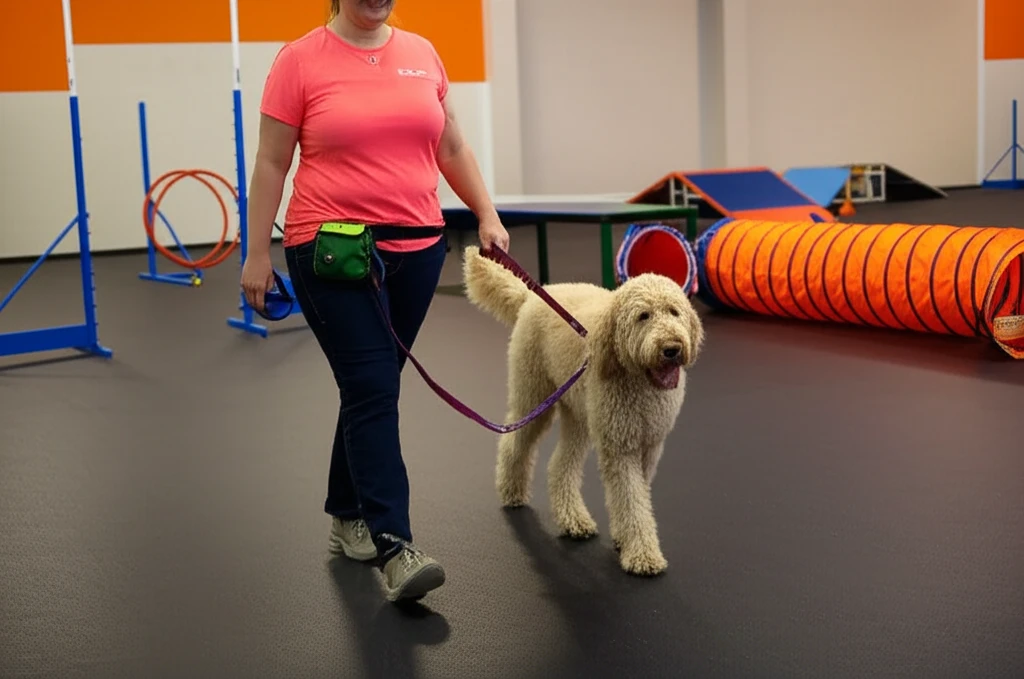
A Great Danoodle who learns polite skills early is a joy. A Great Danoodle who never learns them can unintentionally bowl people over, drag on leash, and feel stressful to handle. Training is not about strictness. It is about clear communication and safety.
Top skills to teach early
- Loose-leash walking
- Sit to say hi (no jumping greetings)
- Leave it and drop it
- Settle on a mat for calm indoor time
- Comfort with handling (paws, ears, brushing)
Short, upbeat sessions work well for many Poodle-influenced dogs, and gentle consistency suits the sensitive side that can show up too.
Finding a healthy Great Danoodle
If you are shopping for a puppy, slow down and get wonderfully picky. If you are adopting, ask for every scrap of history you can, then start fresh with your own vet visit. Either way, you are looking for a dog with a stable temperament and a paper trail that shows someone cared.
Breeder or rescue: what to ask for
- Parent health testing documentation, not just verbal assurances
- Clear information on adult size in the line, including the parents’ weights and heights
- Temperament notes on both parents, plus how puppies are raised and socialized
- A return policy or take-back clause for breeders, or post-adoption support from the rescue
Health testing to request for parents
Testing varies by line, but commonly requested evaluations for a Great Dane and Standard Poodle pairing include:
- Hips and elbows (orthopedic screening)
- Cardiac evaluation (exam and, ideally, echocardiogram if indicated in the line)
- Thyroid screening when appropriate
- Eye exam by a veterinary ophthalmologist
- Addison’s history in the Poodle line, plus any relevant testing or family incidence information
A good breeder will welcome questions and discuss what they screen for and why. A good rescue will be honest about what they do and do not know and will help match you with the right dog for your home.
Is a Great Danoodle right for you?
This mix can be a wonderful fit if you want a people-focused companion and you are ready for the day-to-day needs of a very large dog. A Great Danoodle may be a good match if you have:
- Space for a large dog to move comfortably
- Time for training, grooming, and daily exercise
- Budget for larger food costs and potentially higher veterinary expenses
- Patience for a slower-maturing puppy
You may want to reconsider if you need a guaranteed low-shedding dog, have a very tight travel setup, or are not comfortable with the increased urgency around risks like bloat.
Great Danoodle FAQ
Do Great Danoodles shed?
Some do, some shed very little, and some shed a moderate amount. Coat genetics vary widely. Wavy and curly coats often shed less but require more brushing and professional grooming.
Are Great Danoodles good apartment dogs?
Temperament-wise, some can be calm indoors. Practically, giant size can make apartment life harder due to elevators, tight hallways, limited space, and fewer easy potty options. It can work with dedication, but it is not the easiest setup.
How big will my Great Danoodle puppy get?
Parents are your best clue, especially the Great Dane parent’s size and build. Even then, mixes can surprise you. Your veterinarian can also track growth trends over time and help you keep your pup at a healthy body condition as they grow.
What colors do Great Danoodles come in?
They can inherit a wide range of colors and patterns from both breeds, including black, white, cream, gray, apricot, and various markings. Patterns like merle may appear depending on ancestry and lines. If merle is present or advertised, ask direct questions about genetics, health, and responsible breeding practices.
What is the biggest health risk for Great Danoodles?
For many deep-chested large and giant dogs, GDV (bloat) is one of the most urgent risks because it can become life-threatening quickly. Heart disease and orthopedic issues are also key concerns to discuss with your vet.
A final sniff and a gentle nudge
If you are meeting a Great Danoodle puppy or adult for the first time, enjoy the moment, then ask the practical questions. How big are the parents? What health screening was done? What does the coat care actually look like week to week? Big dogs bring big love, and they also deserve big preparation.
If you want, tell me what kind of Great Danoodle you are considering (adult rescue or puppy, coat type, your household setup), and I can help you build a checklist of questions to ask.