A curious nose. A very waggy welcome.
If you have ever found a tick on your dog, you probably did the brave part already: you got it off. Then comes the second worry, the one that stares back at you from the fur. A little red bump. A scab. Maybe a tiny bald spot. Maybe your dog keeps trying to lick it like it is a snack that got away.
Most tick bite bumps are most often just local irritation that settles down on its own. But ticks can also leave behind mouthparts, trigger a longer-lasting lump called a granuloma, or pass along tick-borne diseases that start with vague, easy-to-miss symptoms.
Let’s sniff through what is normal, what is not, and what healing often looks like day by day.
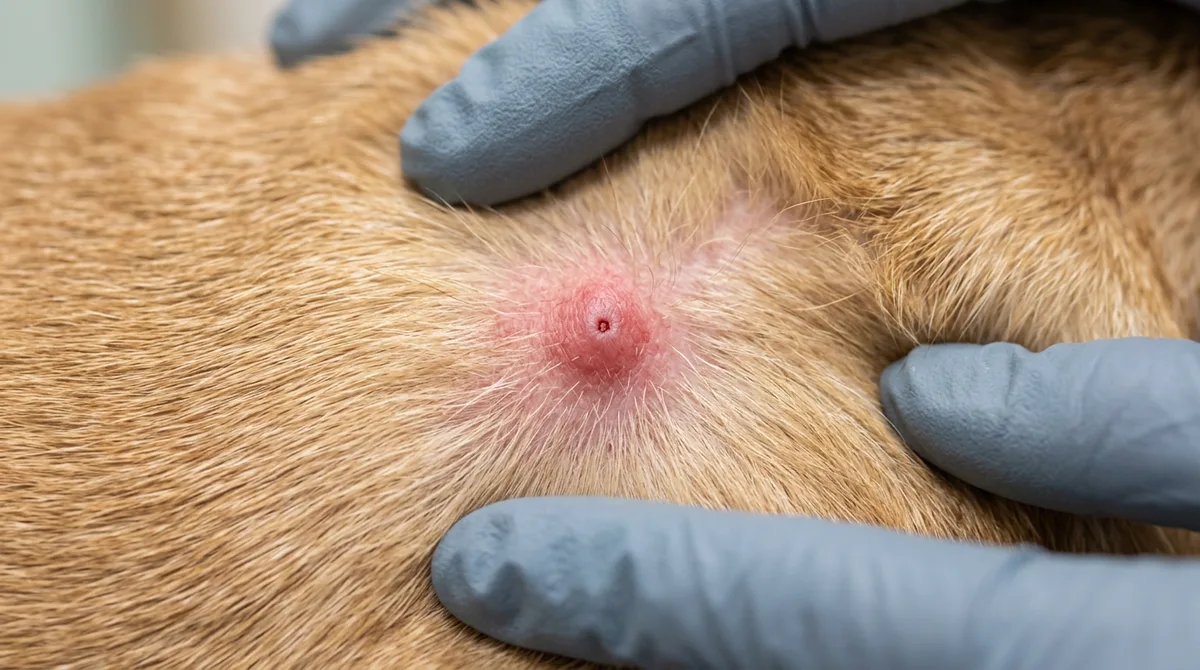
What a normal tick bite bump looks like
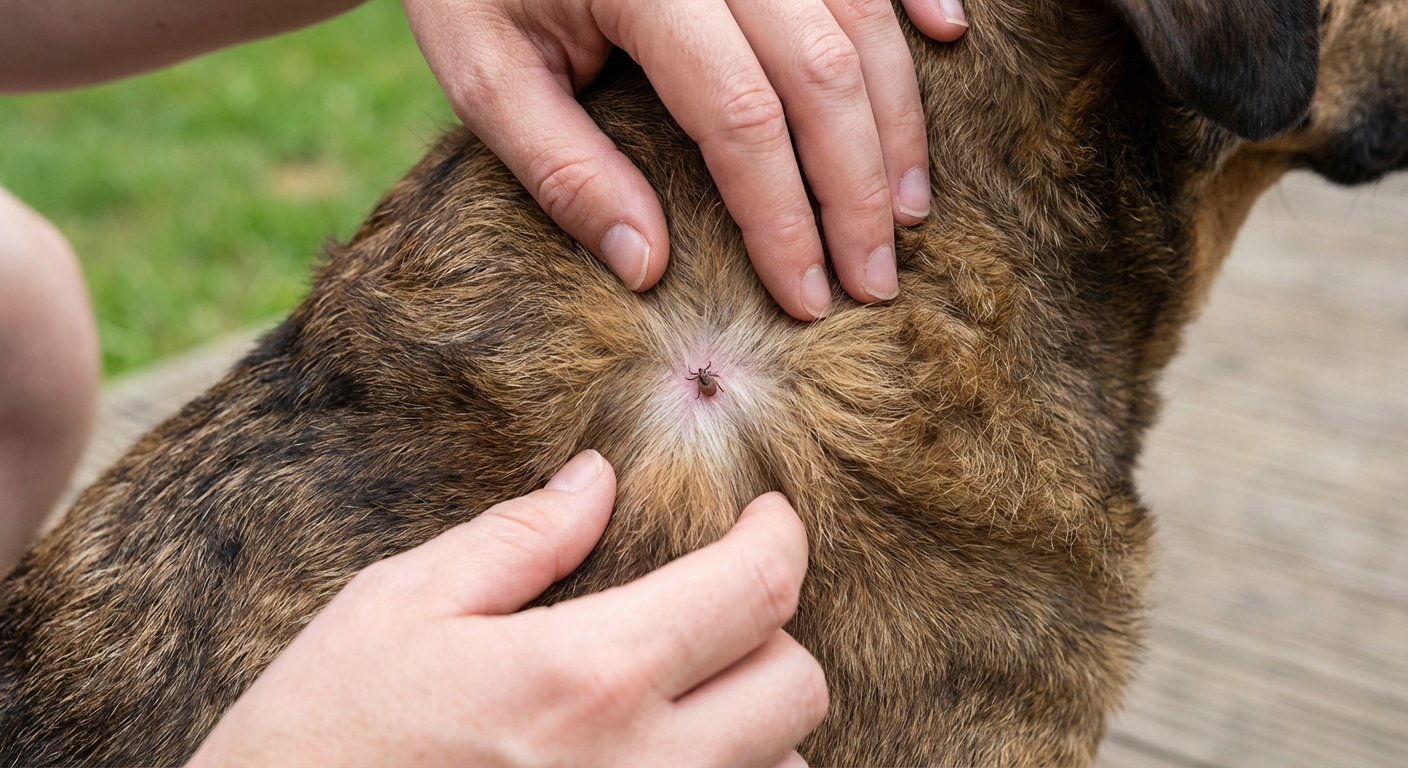
A tick irritates the skin in a few ways: it pierces the surface, it anchors with its mouthparts, and it injects saliva that helps it feed. Even after the tick is gone, that spot can stay a little grumpy for a bit.
Common normal findings
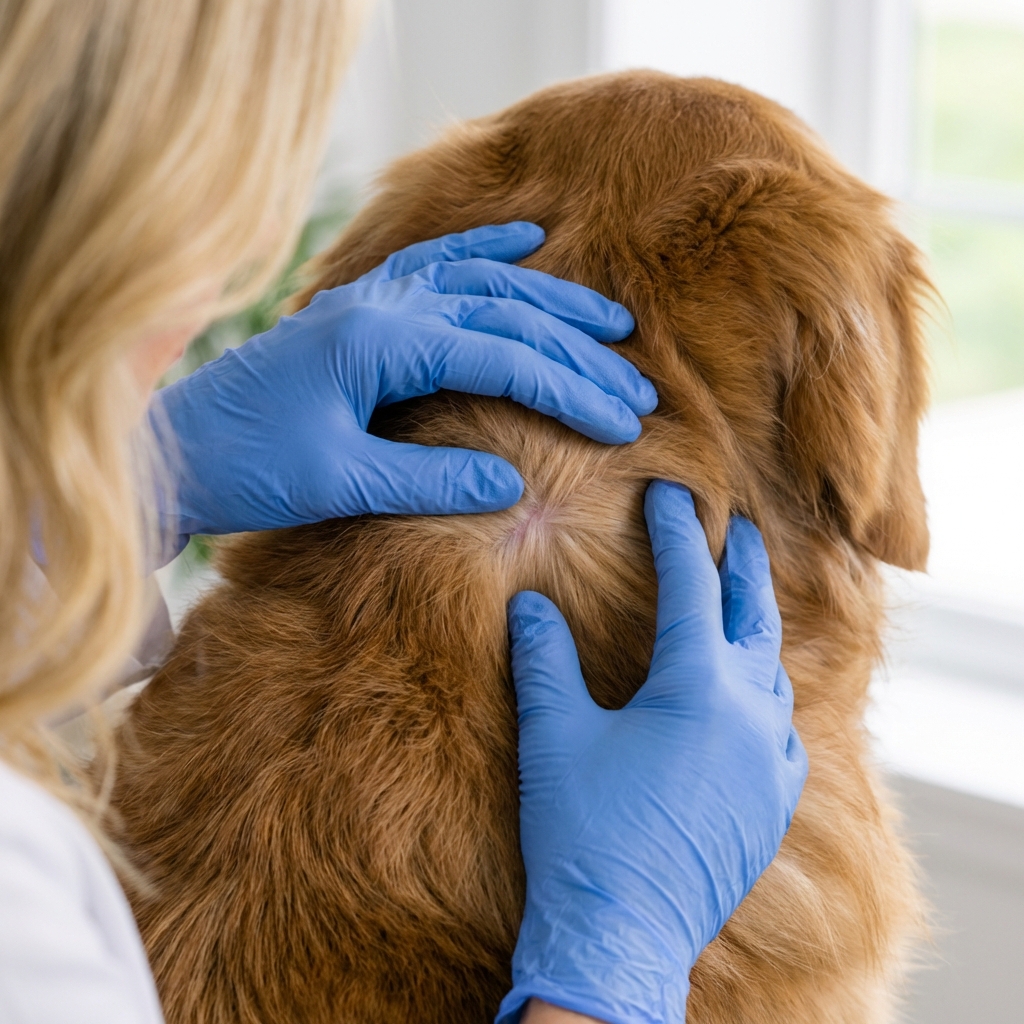
- A small pink or red bump, often the size of a pinhead to a pea.
- A tiny scab or crust where the tick mouthparts were.
- Mild swelling that feels like a little firm bead under the skin.
- Slight warmth in the immediate area, especially the first 24 to 48 hours.
- Itchiness, licking, or scratching for a day or two.
Normal tick bite bumps are usually localized. They do not spread rapidly, ooze pus, or, by themselves, make your dog feel generally ill.
How long does a tick bite bump last on a dog?
For most uncomplicated tick bite sites, you will often see noticeable improvement within 2 to 7 days. A faint bump, mild discoloration, or a small scab can commonly linger for 1 to 2 weeks, especially in sensitive skin or areas with lots of movement (armpits, groin, around the collar line).
If a larger lump forms, if your dog keeps worrying the spot, or if there are retained mouthparts and the body mounts a bigger inflammatory response, the timeline can stretch to several weeks.
Healing timeline: day by day
Dogs are individuals, and bite sites can vary by tick species, how long the tick fed, and how much your dog bothers the spot. Still, there is a pretty typical pattern.
Day 0
- A small red dot or pinprick opening where the tick attached.
- Possible minor bleeding or clear fluid.
- A raised bump may appear quickly as the skin reacts.
Days 1 to 2
- Redness is often at its peak.
- The bump can feel firmer, like a tiny mosquito bite.
- A scab may form.
- Mild itching is common.
Days 3 to 5
- Redness should begin to fade, not intensify.
- The bump usually starts shrinking.
- The scab may look dry and darker.
Days 6 to 10
- Many routine tick bite bumps are mostly gone.
- The scab loosens and flakes off on its own.
- You might notice a tiny hairless spot where the fur is regrowing.
Weeks 2 to 4
- Any remaining mark is often faint discoloration or a small firm dot under the skin.
- Some dogs develop a lingering lump (often a granuloma) that resolves slowly.
If you are seeing the opposite pattern, meaning the bump is growing, getting wetter, getting smellier, or getting more painful, treat that as a sign to check in with your vet.
Irritation vs infection
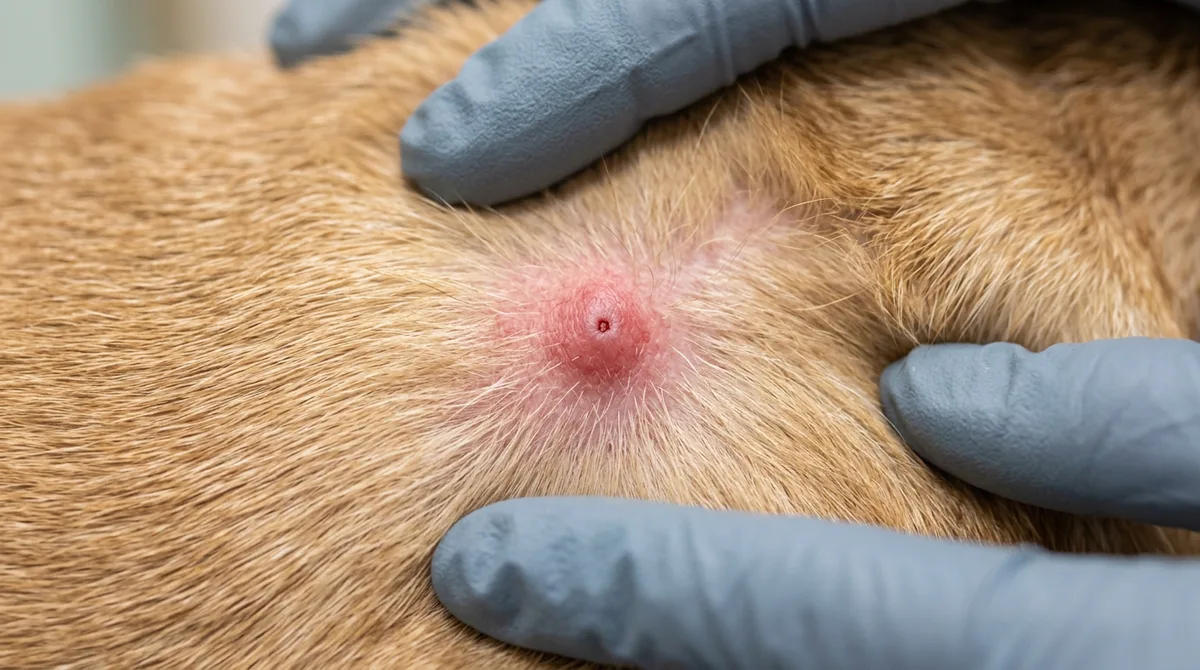
It is normal for a tick bite to look a little angry at first. Infection is more about progression: spreading redness, increasing swelling, drainage, and discomfort.
More likely routine irritation
- Small bump that is stable or shrinking each day
- Dry scab with minimal redness around it
- Mild itch that improves with distraction and time
- No change in appetite, energy, or behavior
Possible infection (call your vet)
- Pus or thick yellow, green, or cloudy discharge
- Bad odor from the site
- Spreading redness or a red patch that expands over hours or a day
- Heat and pain that are increasing, not decreasing
- Significant swelling, especially if it feels squishy or fluid-filled
- Fever or your dog seems unusually tired
Also call if the spot is in a high-friction area (between toes, under a tight collar, armpit, groin) and your dog cannot stop licking. Licking turns small problems into big ones.
If mouthparts are stuck
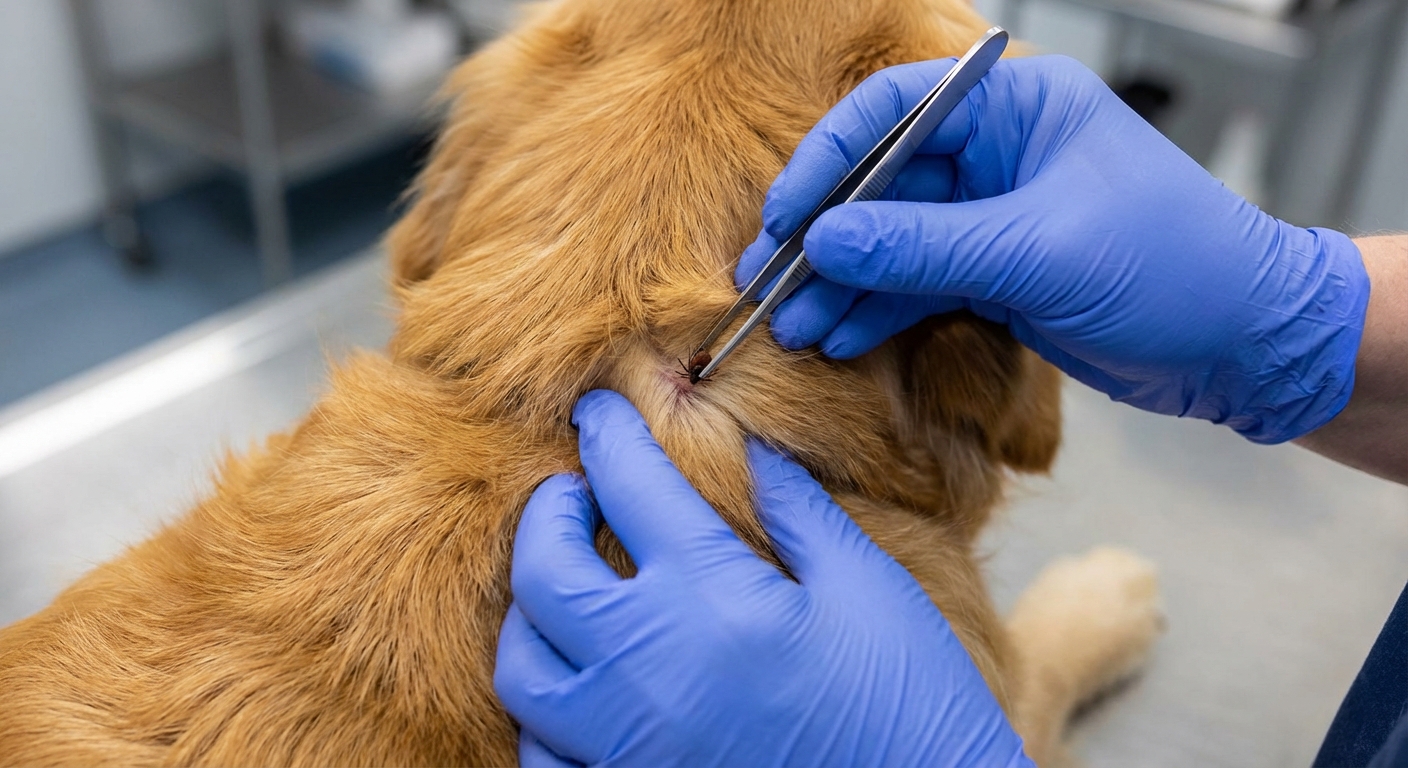
This is a super common worry. Most of the time, what people call a “tick head” is actually mouthparts that remain in the skin. The body treats them like a splinter.
What you may see:
- A tiny dark speck at the center of the bite
- A small firm bump that persists longer than expected
- A little scab that keeps reforming after it falls off
Often, small retained pieces will work their way out on their own as the skin heals. Retained mouthparts alone are not automatically a reason for antibiotics. The bigger concerns are infection or your dog feeling sick.
Do not dig aggressively with a needle or tweezers. That can traumatize the skin and raise the risk of infection. If you strongly suspect retained mouthparts and the area is getting more inflamed or your dog is very uncomfortable, your vet can remove debris safely and decide whether medication is needed.
Granuloma after a tick bite
A granuloma is a small inflammatory nodule the body forms around something it considers irritating, sometimes retained mouthparts, sometimes just the aftermath of the tick’s saliva and tissue damage.
What it may look like
- A firm, pea-sized lump under the skin
- Skin may look normal or slightly pink over it
- Often not painful, but can be itchy
- May last weeks and slowly shrink
When to get it checked
- The lump is growing after the first week
- It becomes ulcerated (open sore) or drains
- Your dog keeps scratching it raw
- It is near the eye, inside the ear flap, between toes, or in another sensitive location
- It is still obvious after 3 to 4 weeks
There are other causes of lumps too, including cysts, abscesses, benign growths, and tumors. If you cannot clearly connect the timing to the tick attachment, it is worth having your vet palpate it.
Signs of tick-borne disease
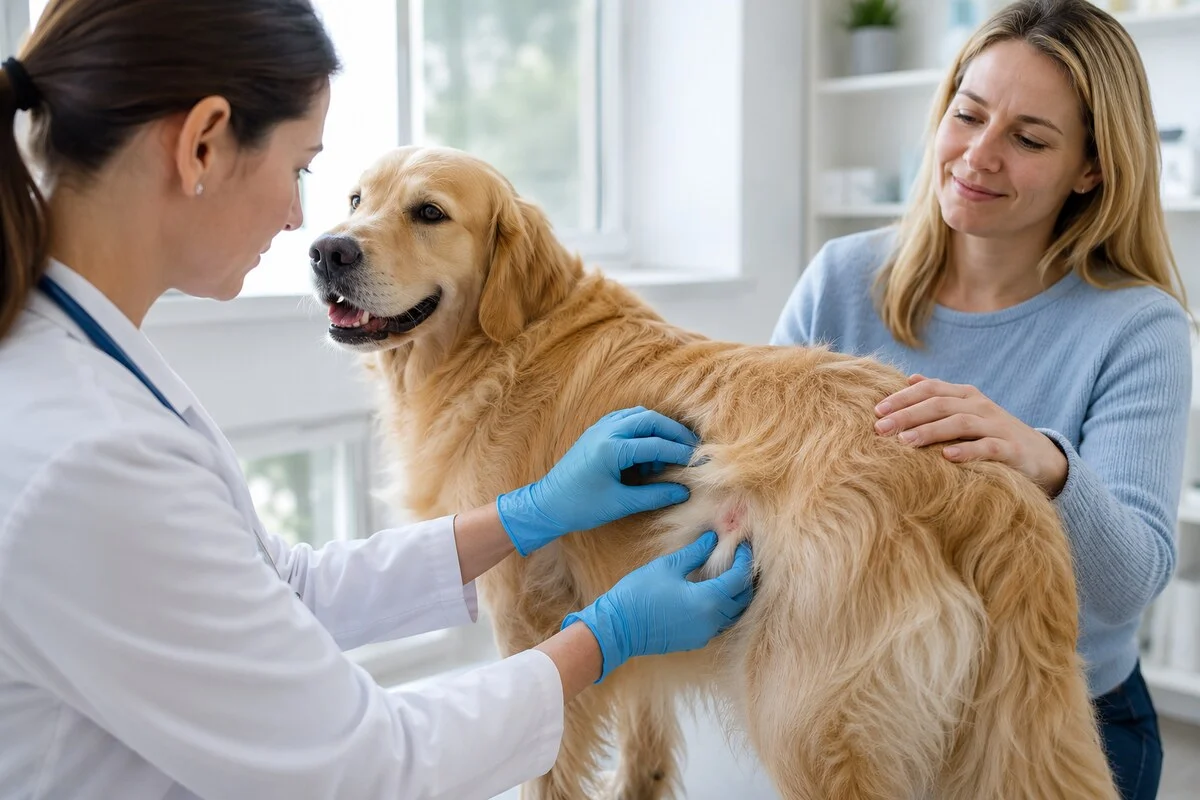
This is the sneaky part. Many tick-borne illnesses cause systemic symptoms, meaning the bite spot might be almost healed while your dog is starting to feel unwell.
Call your vet promptly if you notice any of these
- Low energy, weakness, or sudden reluctance to exercise
- Fever
- Loss of appetite
- Lameness that shifts from leg to leg, stiffness, or joint pain
- Swollen lymph nodes
- Vomiting or diarrhea
- Unusual bruising, nosebleeds, or pinpoint red spots on gums or skin
- Dark urine or yellow-tinged gums (urgent)
Depending on where you live and the tick species involved, your vet may consider Lyme disease, ehrlichiosis, anaplasmosis, Rocky Mountain spotted fever, babesiosis, or other regional infections. Early treatment can make a big difference.
Home care for a normal bump
If the tick is fully removed and your dog is acting normal, you can usually manage the site with simple, gentle care.
Right after removal
- Clean the site gently. A little mild soap and water on a clean cloth is usually enough. If your vet has recommended a pet-safe antiseptic wipe for your dog in the past, that can be a good option too.
- Skip the strong stuff. Avoid essential oils, harsh antiseptics, and over-the-counter steroid creams unless your vet tells you to use them.
What you can do
- Keep it clean and dry. If the area is dirty, wipe gently with warm water on a clean cloth.
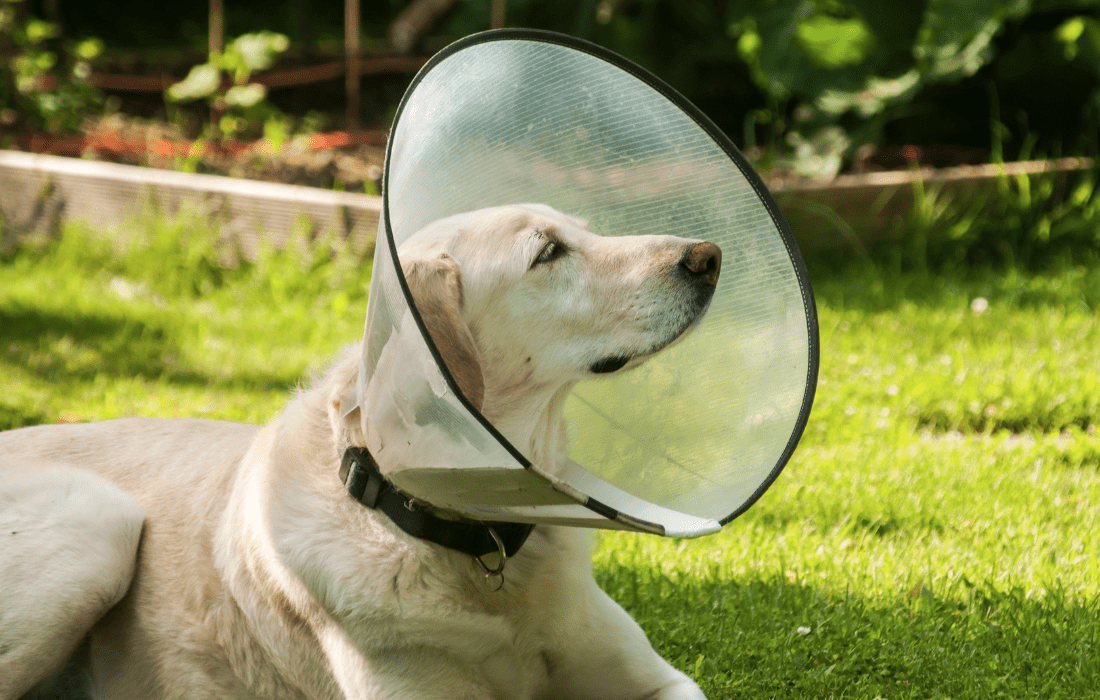
- Prevent licking and scratching. Use an e-collar or a recovery cone if needed, especially in the first 48 hours.
- Check it once daily. You are looking for “smaller and calmer,” not “bigger and wetter.”
- Document it. A quick phone photo plus the date can help you tell if it is truly shrinking or slowly getting worse.
- Monitor your dog’s whole-body symptoms. Energy, appetite, and gait matter as much as the skin.
What to avoid unless your vet tells you otherwise
- Hydrogen peroxide, alcohol, or harsh antiseptics that can irritate tissue
- Human antibiotic ointments without veterinary guidance (some dogs lick them, some ingredients are not ideal)
- Bandaging the spot tightly (traps moisture and invites infection)
- Squeezing a lump like a pimple
When to call the vet
I like a simple rule: call if you are seeing worsening, spreading, or whole-body symptoms. If you are on the fence, it is always okay to call and describe what you are seeing. That is part of being a good human.
- The bite site becomes more red, more swollen, or more painful after day 2
- There is discharge, odor, or a moist, open sore
- The lump is large, rapidly enlarging, or still prominent after 3 to 4 weeks
- Your dog has fever, lethargy, appetite loss, or lameness any time after the tick bite
- You notice bruising, nosebleeds, or tiny pinpoint spots, which can be linked to platelet problems in some tick-borne diseases
- The tick was attached for an unknown length of time and your dog is not on consistent tick prevention
- You cannot remove suspected retained mouthparts without digging
If your dog has trouble breathing, collapses, has pale gums, or you see significant bleeding or bruising, treat it as urgent and seek emergency care.
Quick FAQ
Is a hard lump after a tick bite normal?
A small firm lump can be normal for days, sometimes weeks. It should gradually shrink. A growing, painful, or draining lump needs a vet check.
Why is my dog’s tick bite bump itchy?
Tick saliva can trigger local inflammation and itching, similar to a bug bite. Itching should improve within a few days. If your dog cannot stop licking or scratching, ask your vet about safe itch relief and skin protection.
Can a tick bite look healed but my dog still get sick?
Yes. Tick-borne disease symptoms can show up days to weeks later, and the skin may look normal by then. Watch energy, appetite, and mobility closely.
Should I save the tick?
If you still have it, saving it in a sealed container can help your vet identify the tick. Do not stress if it is already gone, just write down when you found it and where on your dog it was attached.
Does fast tick removal prevent disease?
Prompt removal can reduce the risk of some infections, but it does not eliminate risk entirely. That is why watching for symptoms in the days and weeks after matters.
One last puppy-scout reminder
The best “tick bump” is the one that never happens. If ticks are common where you live, talk with your vet about a reliable tick prevention plan. In many regions, prevention is a year-round job, not just a summer hobby. And do quick full-body checks after walks. Ears, toes, collar line, armpits, groin, and under the tail are favorite hiding spots for tiny hitchhikers.
And if you are staring at a bump wondering, “Is this normal?”, you are not being dramatic. You are being a good human.