A curious nose. A very waggy welcome.
The Lyme vaccine question usually shows up right after someone finds a tick, spots a “Lyme hotspot” map, or moves to a woodsy neighborhood where every blade of grass feels suspicious. Here is the calm version: some dogs benefit a lot from Lyme vaccination, and some dogs do just fine with tick prevention alone. The best choice depends on where you live, what your dog does outdoors, and how comfortable your veterinarian is with your dog’s risk profile.
What the Lyme vaccine prevents
Lyme disease in dogs is linked to infection with a bacteria called Borrelia burgdorferi. Dogs are typically exposed when an infected tick feeds long enough to pass the bacteria during a bite. Not every exposed dog gets sick, and not every sick dog shows the same symptoms.
When dogs do develop illness, signs can include fever, tiredness, shifting leg lameness, painful joints, and swollen lymph nodes.
A less common but very serious complication is Lyme-associated kidney disease, sometimes called Lyme nephritis. It is best thought of as a rare, life-threatening syndrome that has been associated with Lyme exposure and may be immune-mediated, rather than a simple direct cause-and-effect in every case.
The Lyme vaccine is a risk-reduction tool. It is not a substitute for tick prevention, and it cannot protect against every tick-borne disease.
Do all dogs need it?
No. Lyme vaccination is considered a non-core vaccine for most dogs, meaning it is recommended based on lifestyle and geography rather than given automatically to every dog everywhere.
Think of it like this: the Lyme vaccine tends to make the most sense for dogs with high odds of tick exposure in places where Lyme is common. For a low-exposure dog in a low-Lyme area, the benefit may be smaller.
Dogs to consider the vaccine
Vets commonly recommend considering Lyme vaccination when a dog has both opportunity (ticks are around) and exposure (your dog is in tick habitat a lot).
In much of the United States, Lyme is spread mainly by Ixodes ticks, including the blacklegged tick (Ixodes scapularis) in the Northeast, upper Midwest, and parts of the Mid-Atlantic, and the western blacklegged tick (Ixodes pacificus) along parts of the West Coast. Local risk varies a lot, even within the same state, so your veterinarian’s view of your exact area matters.
Higher risk situations
- You live in or travel to a tick-endemic region, especially areas known for Lyme disease.
- Frequent time in tick habitat: wooded trails, tall grass, brushy edges, leaf litter, fields, hunting land.
- Outdoor lifestyles: hiking buddies, camping dogs, hunting dogs, farm dogs, dogs that roam acreage.
- Homes with lots of wildlife traffic (deer, rodents) moving through the yard.
- Dogs with a history of heavy tick exposure, even if you use preventives faithfully.

Lower risk situations
- Lyme is uncommon where you live and you do not travel to higher-risk regions.
- Mostly indoor, city-living dogs with limited time in tick habitat.
- Reliable tick prevention plus low exposure, meaning your dog rarely encounters ticks in the first place.
One important nuance: “We do not see many Lyme cases” can mean either low risk or low testing, so your veterinarian’s local experience matters. Your vet also knows which tick species are common in your area and how often they carry Lyme.
How it works
Lyme vaccines for dogs aim to train the immune system to recognize key proteins associated with Borrelia burgdorferi. When a vaccinated dog is exposed, the immune system is more prepared to respond, lowering the odds the bacteria successfully establishes infection and causes disease.
A practical detail that often gets missed: Lyme transmission is not instant. Many experts cite that efficient transmission often requires about 24 to 48 hours of attachment, but earlier transmission can happen. That is one reason tick prevention and tick checks are still such a big deal, vaccinated or not.
Typical schedule
Most canine Lyme vaccines are given as an initial two-dose series followed by boosters. The exact timing and product choice can vary, so your veterinarian’s protocol wins. A very common approach is:
- First dose: given when your veterinarian recommends based on age, season, and risk.
- Second dose: typically 2 to 4 weeks after the first.
- Booster: often yearly for ongoing risk, following your veterinarian’s guidance and the product label.
If you are vaccinating for travel or a move, ask about timing. Protection is not immediate, and it is best to start the series before peak tick season or before your dog starts spending weekends in high-risk woods.
Effectiveness and limits
The Lyme vaccine can lower risk, but it has important limits:
- It does not replace tick prevention. Even a well-vaccinated dog can still pick up ticks, and ticks carry more than Lyme.
- No vaccine is 100 percent. Some vaccinated dogs may still become infected or show signs of disease.
- It does not protect against other tick-borne illnesses like anaplasmosis, ehrlichiosis, babesiosis, or Rocky Mountain spotted fever.
- Exposure varies by yard and trail. Two dogs in the same town can have very different tick contact depending on lifestyle.
That is why veterinarians frame the Lyme vaccine as part of a broader plan: prevention products, tick checks, and prompt removal, plus vaccination when the overall risk supports it.
Side effects and safety
Most dogs handle the Lyme vaccine well. When side effects happen, they are usually mild and short-lived, similar to other vaccines.
Possible side effects
- Soreness or a small lump at the injection site
- Tiredness for a day
- Mild fever or decreased appetite
- Temporary discomfort
Rare but urgent reactions
- Facial swelling, hives, intense itching
- Vomiting or diarrhea soon after vaccination
- Weakness, collapse, trouble breathing
If you notice any urgent signs, contact your veterinarian or an emergency clinic right away.
When to pause and ask your vet
Tell your veterinarian ahead of time if your dog has had a prior vaccine reaction, is sick or feverish on vaccine day, or has a history of immune-mediated disease. Your vet may separate vaccines, adjust timing, monitor longer after the shot, or recommend a different plan.

Found a tick? Do this now
- Remove it promptly using fine-tipped tweezers or a tick tool, grabbing as close to the skin as you can and pulling steadily.
- Clean the spot with soap and water or a pet-safe antiseptic.
- Note the date and where on the body you found it.
- Watch for symptoms over the next few weeks, especially fever, sudden lameness, stiffness, low energy, or appetite changes.
- Call your vet if your dog feels off, if the tick was likely attached for a long time, or if you are in a high-risk region and you want guidance.
Some people like to save the tick in a sealed container in case their veterinarian recommends identification later.
Tick prevention still matters
If my puppy-scout brain had a badge for this, it would say: Vaccines do not stop ticks from biting. Preventives help keep ticks from attaching, feeding, and sticking around long enough to transmit disease.
A solid tick plan often includes:
- Veterinarian-recommended tick preventive (oral or topical), used on schedule
- Tick checks after hikes and yard time, especially around ears, collar area, armpits, groin, and between toes
- Fast tick removal with fine-tipped tweezers or a tick tool
- Yard management such as keeping grass trimmed and reducing brush and leaf litter
Ask your veterinarian whether your area calls for year-round prevention. In many regions, milder winters mean ticks can stay active outside the classic summer window.
One more practical note: bathing and swimming can reduce effectiveness for some topical products depending on label directions. If your dog is basically a part-time otter, it is worth discussing product choice with your vet.
How vets decide
Veterinarians typically weigh a few practical questions:
- Is Lyme common in your region or in the places your dog travels?
- How often is your dog in tick habitat?
- How reliable is your tick prevention routine? (Not a judgment. Just real life.)
- Does your dog have a history of vaccine reactions or other health considerations?
- What is your comfort level? Some families prefer every reasonable layer of protection.
There is no gold-star answer for every dog. The “right” plan is the one that matches your dog’s real exposure and keeps prevention consistent.
Testing and vaccination
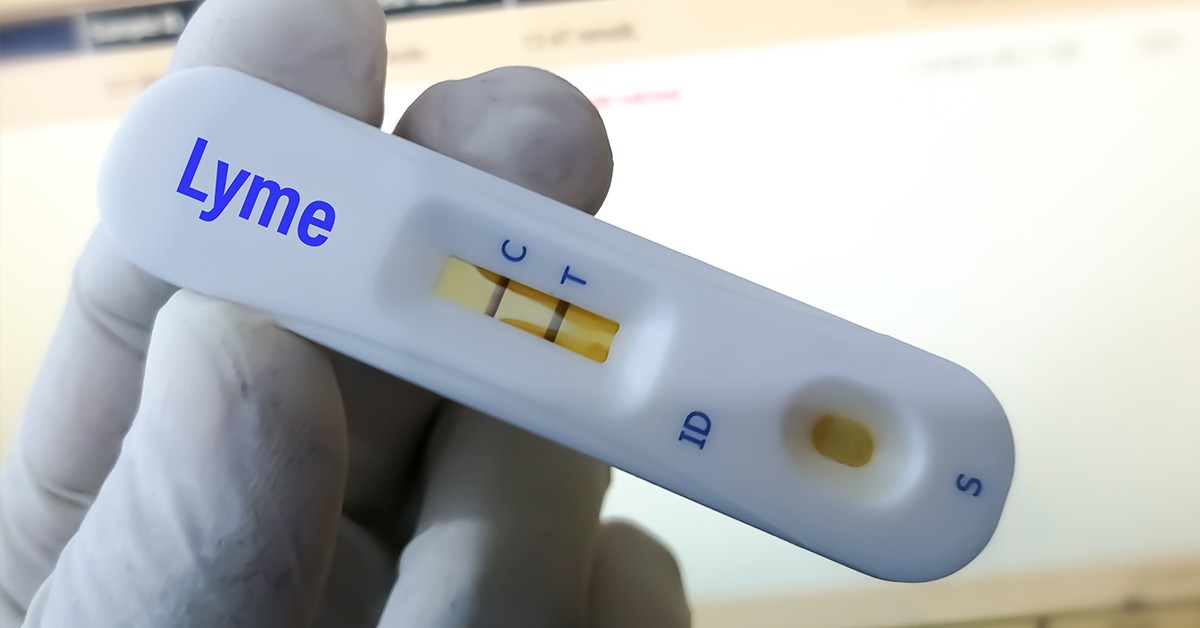
Some common screening blood tests look for antibodies linked to Lyme exposure. That is why a dog can test positive without acting sick. It can also be why a positive test is not automatically an emergency.
Testing gets a little confusing because not all Lyme tests behave the same way after vaccination. Many clinics use C6-based tests (often part of SNAP-style screens) that are designed to be less likely to react to vaccination, while some other assays can be harder to interpret depending on what they measure and when they are run. Your veterinarian can explain which test they use and what a result means for a vaccinated dog.
Practical takeaway: tell your veterinarian if your dog has had the Lyme vaccine, and keep vaccine dates handy in your records. If a dog tests positive, treatment decisions typically depend on the whole picture, including symptoms, exam findings, and sometimes additional lab work such as kidney values and urinalysis.
FAQ
Can my dog get Lyme if they are vaccinated?
Yes. Vaccination lowers risk but does not guarantee protection. Tick prevention and tick checks are still essential.
If I use a good tick preventive, do we still need the vaccine?
Sometimes yes, sometimes no. In high-Lyme regions or for high-exposure dogs, vets may recommend both because prevention can fail if doses are late, if tick pressure is intense, or if a product is not a great match for a dog’s routine.
When is the best time of year to vaccinate?
Your veterinarian will time it based on local tick season and your dog’s schedule. The key is to start early enough that your dog completes the initial two-dose series before heavy tick exposure.
Is the Lyme vaccine safe for puppies?
Your vet will advise based on your puppy’s age, overall vaccine schedule, and local risk. Puppies can be exposed to ticks too, especially in high-risk areas.
Does the Lyme vaccine protect people in the household?
Not directly. It protects the dog, not the humans. However, reducing ticks on pets through prevention and daily checks can help lower the chance ticks end up indoors.
The bottom line
If your dog lives in or regularly visits a Lyme-endemic area and spends time in tick habitat, the Lyme vaccine is worth a serious conversation. If your dog’s tick exposure is low and Lyme is uncommon where you live, your veterinarian may focus on tick prevention without adding the vaccine.
Either way, the most protective plan is layered: consistent tick prevention, good tick-check habits, and vaccination when it makes sense for your dog’s risk.