When a dog feels perfectly normal and you still see that little Lyme “positive” line on a screening test, it can feel like the ground drops out from under you. I get it. In my work as a veterinary assistant, I have seen many families go from a routine wellness visit to sudden worry in about 30 seconds.
The reassuring truth is this: a positive Lyme antibody test often means exposure, not necessarily active Lyme disease. Your veterinarian’s next steps are usually about confirming what the test is telling us, looking for early complications (especially kidney changes), and tightening up tick prevention so your dog stays well.
What that positive Lyme line means
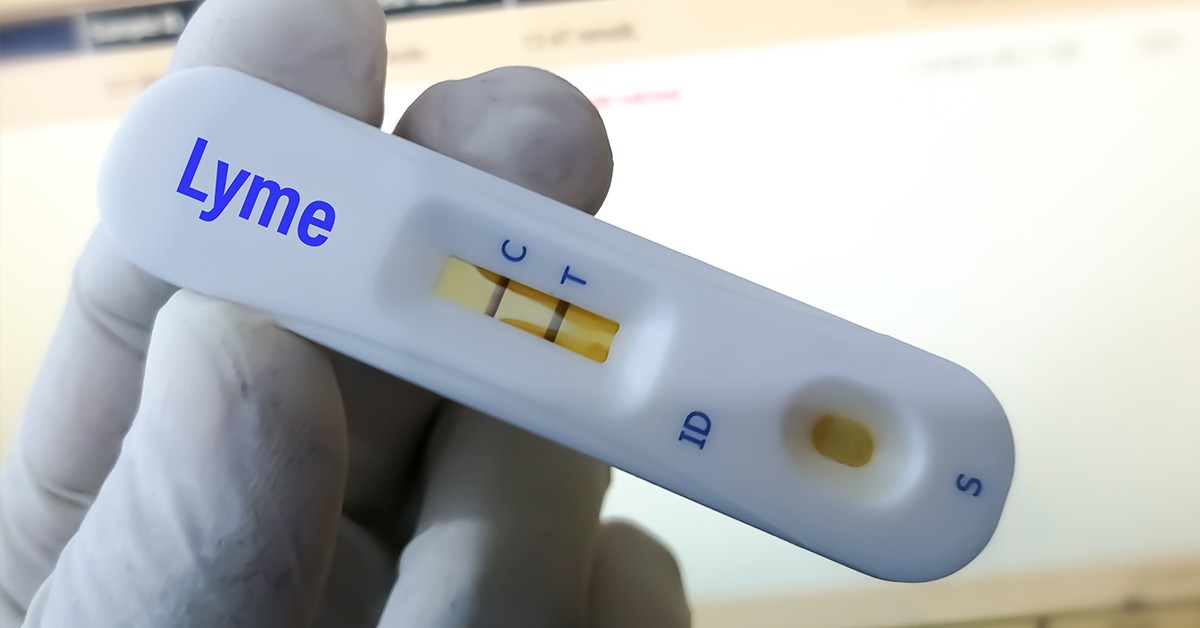
Most “Lyme tests” run at routine visits are screening tests. The most common is the IDEXX SNAP 4Dx or 4Dx Plus, which checks for several tick-borne diseases and heartworm.
When the Lyme portion is positive, it means the test detected antibodies to Borrelia burgdorferi, the bacteria that causes Lyme disease. On the 4Dx family of tests, that Lyme result is based on C6 antibodies.
Antibodies show contact, not illness
Antibodies are your dog’s immune system “memory.” A positive antibody result usually means:
- Your dog was exposed to Lyme at some point.
- An infected tick attachment long enough for transmission is possible and consistent with this result (risk increases as attachment time increases, often discussed around the 24 to 48 hour mark).
- Your dog’s immune system recognized it and responded.
What it does not automatically mean is that your dog currently has an active infection causing damage, or that your dog will definitely become sick. Many dogs with positive antibody tests never develop outward signs.
Could the test be wrong?
False positives are possible with any screening test, but for SNAP 4Dx Lyme, they are considered uncommon. It is also worth knowing that false negatives can happen early after exposure, because it takes time for antibodies to develop. That timing piece is one reason your veterinarian may recommend follow-up testing and monitoring rather than relying on a single snapshot.
Exposure vs. active Lyme disease
Here is the practical way veterinarians think about it:
- Exposure: Antibodies are present, but your dog looks and feels normal and there is no evidence (yet) of body systems being affected.
- Active Lyme disease: The infection is affecting the body in a clinically meaningful way, which may show up as exam findings, lab abnormalities, or specific symptoms.
Your dog can be antibody-positive and still be completely stable. That is why follow-up decisions are often based on the whole picture, including your dog’s history, tick exposure risk, physical exam, and lab work.
Why vets take a healthy positive seriously
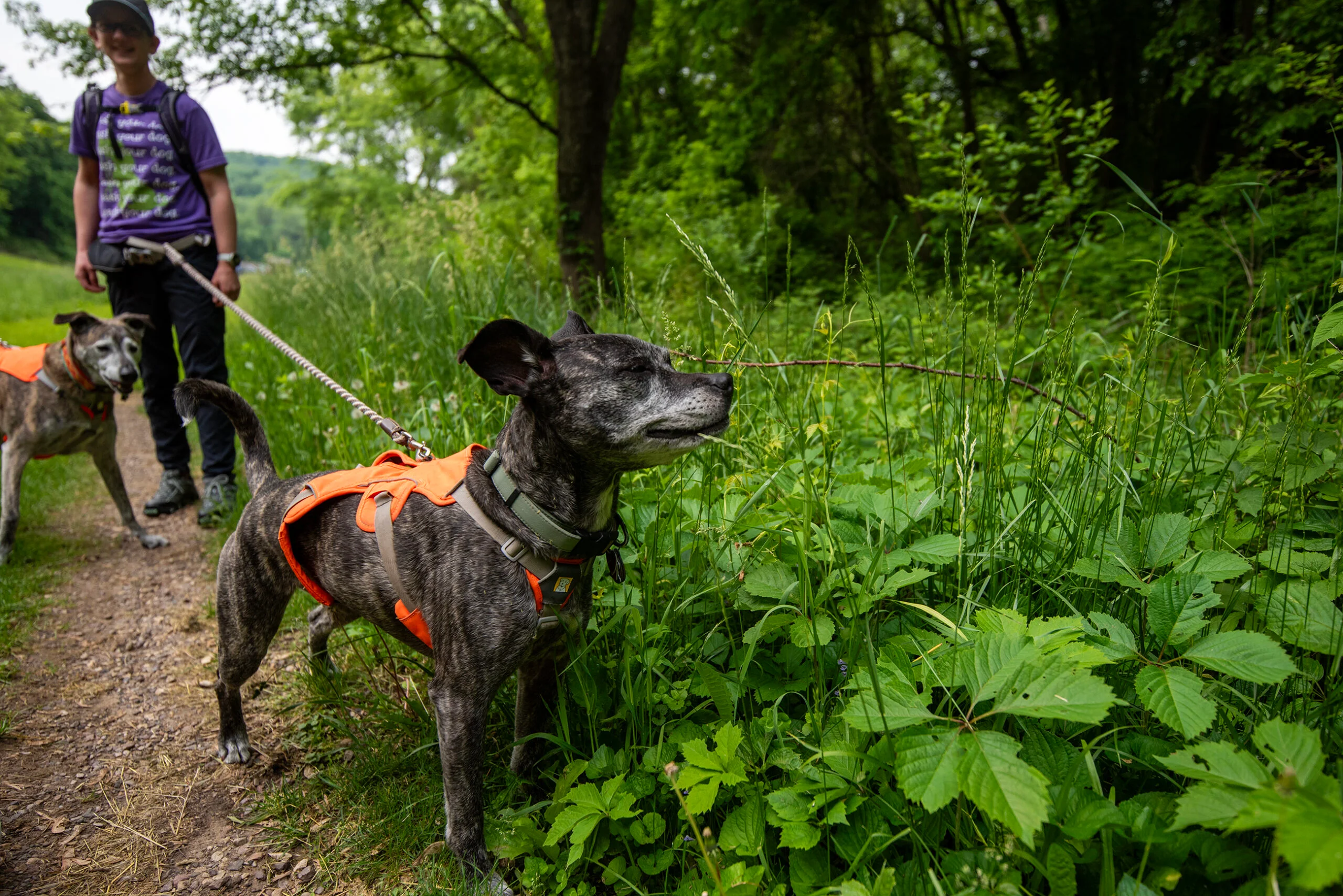
Even if your dog seems fine, Lyme exposure is still important information. The two big reasons are:
- It confirms tick exposure. If one tick-borne disease exposure happened, others can happen too, and prevention needs to be strong and consistent.
- Some dogs can develop kidney complications. A small percentage of dogs develop a serious protein-losing kidney condition often discussed as Lyme-associated kidney disease (uncommon, but important). It is not a simple, guaranteed cause-and-effect situation, but it is the reason your vet may recommend urine and kidney monitoring even when your dog looks great.
Follow-up tests your vet may recommend
What comes next varies by region, your dog’s risk level, and your vet’s preferences. The goal is to answer two questions: Is there evidence of active disease right now, and are the kidneys healthy?
1) A urine test for protein loss
This is one of the most common next steps after a positive Lyme antibody screening.
- Urinalysis: looks for protein, concentration, inflammation, and other clues.
- Urine protein-to-creatinine ratio (UPC): a more specific way to measure how much protein is being lost in urine.
Why this matters: protein in the urine can be an early sign that the kidneys are under stress. Catching it early gives your veterinarian more options to protect kidney function.
2) Baseline bloodwork
Your vet may suggest bloodwork to look at overall health and organ function, including kidney values. Even when these values are normal, having a baseline is useful for comparison later.
3) A quantitative Lyme test (C6 level)
Some practices recommend a quantitative antibody test after a positive screening, often reported as a C6 level. This can help estimate antibody level and may be useful for context, and in some cases for tracking trends over time.
Important nuance: these tests still measure immune response, not a direct “live bacteria count.” They can support decision-making and, when treatment is given, may help monitor response. They are not a simple on/off switch for disease.
4) Looking at the whole 4Dx panel
One more practical point: the 4Dx also reports results for other tick-borne diseases (like Anaplasma and Ehrlichia) and heartworm. Co-positives, travel history, and your dog’s symptoms can change the plan, so your veterinarian will interpret all results together.
Kidney monitoring in real life
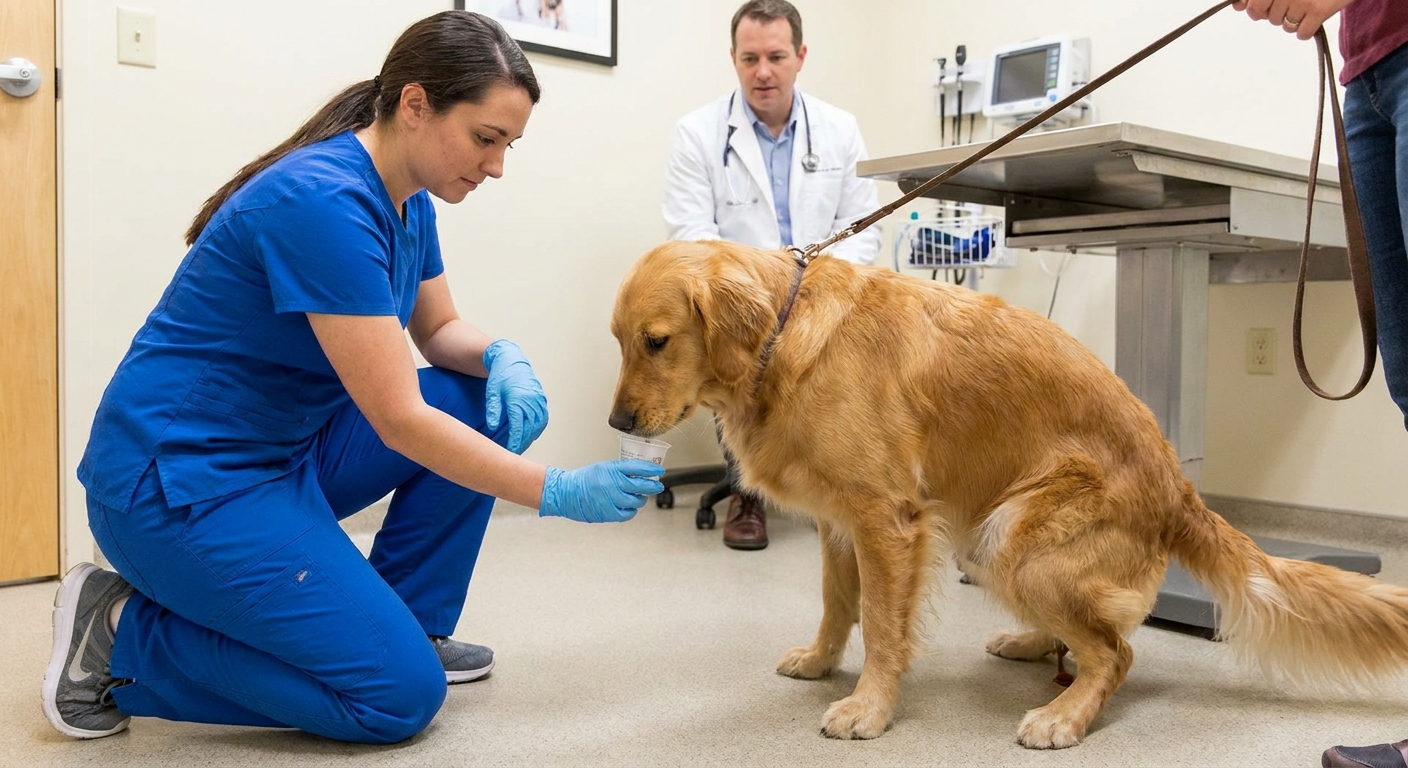
If your dog is Lyme-positive but outwardly well, many veterinarians focus on a sensible monitoring plan. That may include:
- A baseline urinalysis and UPC now.
- A recheck urine test on a schedule your veterinarian recommends, especially if your dog is at higher risk or has any urine protein.
- Periodic bloodwork to track kidney values and overall wellness.
If your dog already has known kidney disease, is older, or has other chronic conditions, your veterinarian may monitor more closely.
Do all Lyme-positive dogs need treatment?
This is one of the most common questions I hear, and the honest answer is: it depends.
Veterinarians do not all approach an asymptomatic Lyme-positive dog exactly the same way. Some will recommend treatment based on local risk patterns and the dog’s individual situation. Others may prioritize monitoring and prevention if the dog is truly well and lab work is reassuring.
When treatment is more likely
In general, the conversation shifts when a dog has:
- Compatible clinical signs (especially shifting leg lameness, joint pain or swelling, fever, lethargy, or reluctance to move).
- Concerning lab findings (especially protein in the urine, changes in kidney values, or other abnormalities your vet feels fit the story).
- Possible co-infections or a more complicated medical history.
What treatment often looks like
When veterinarians do treat, doxycycline is commonly used. Your veterinarian will choose the medication, dose, and duration that fit your dog, and will walk you through side effects to watch for and what rechecks they want.
What I recommend as a pet parent is to have a clear, calm conversation with your vet about:
- Your dog’s tick exposure risk (yard, hiking, dog parks, travel).
- Whether urine and blood testing are normal.
- Any subtle changes you might have noticed at home.
- How your veterinarian weighs benefits and downsides for your specific dog.
Tick control steps vets discuss next
A positive Lyme test is a loud reminder that tick prevention needs to be consistent, not occasional. In the clinic, we usually talk about a few practical layers of protection.
Use a reliable tick preventive
Your veterinarian can help you choose a preventive that fits your dog and your lifestyle. The “best” one is the one that is safe for your dog and used correctly on schedule.
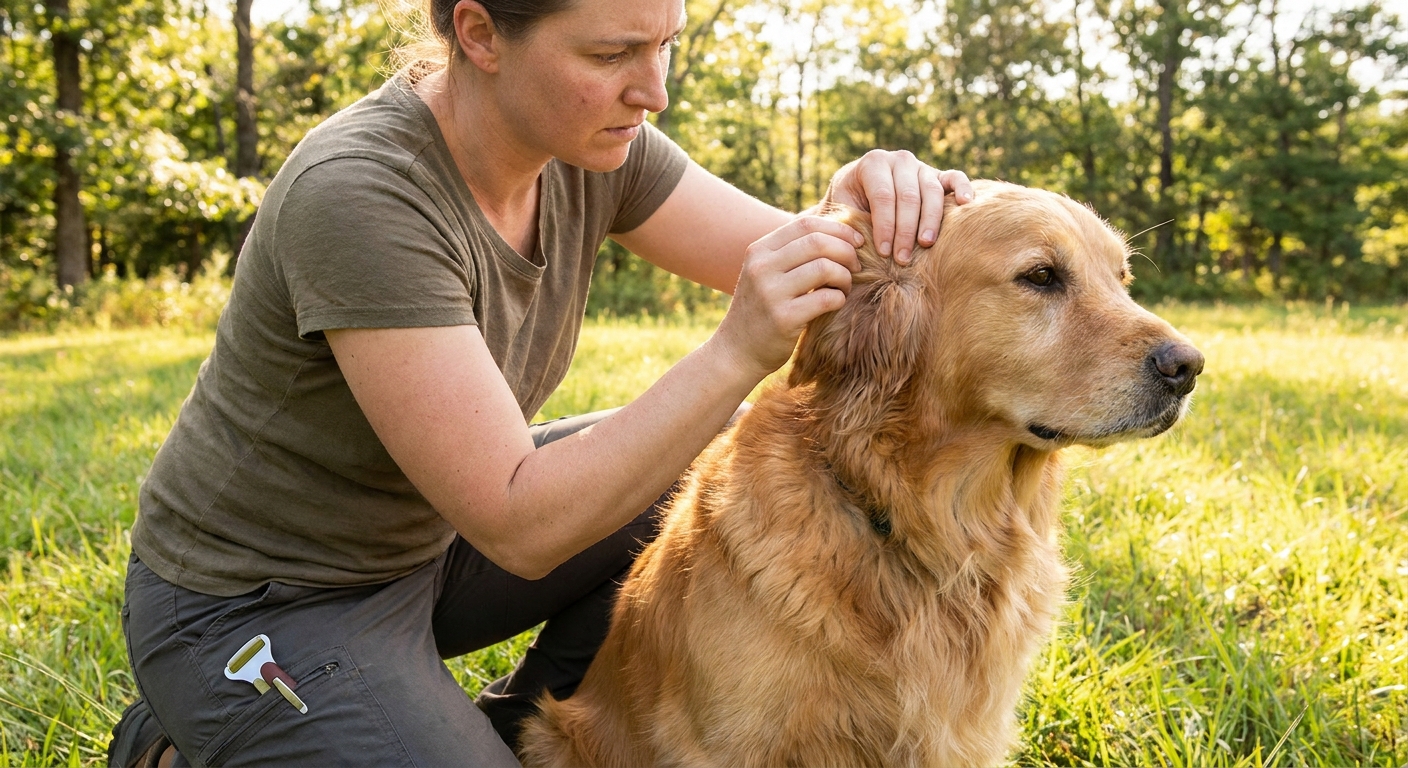
Do regular tick checks at home
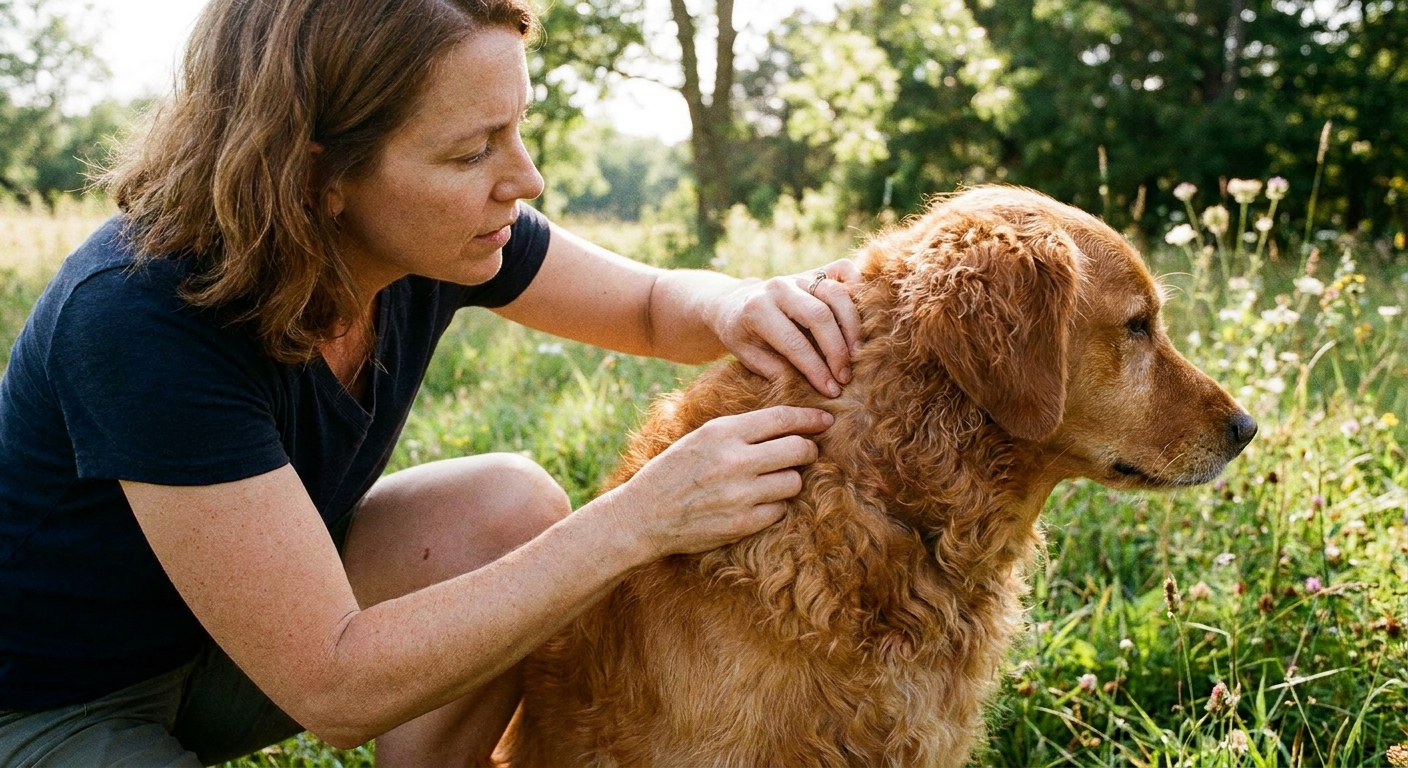
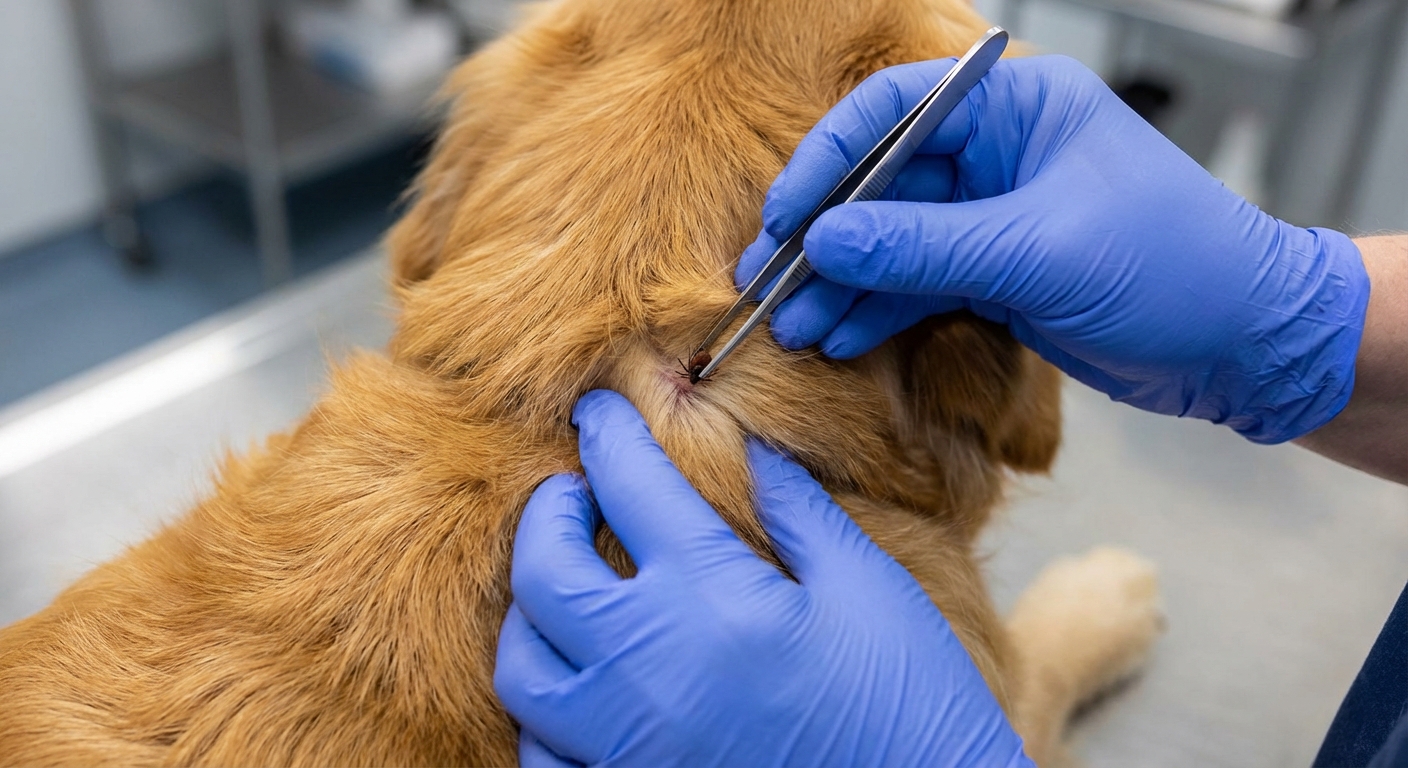
Even on prevention, ticks can hitch a ride. I suggest quick checks after outdoor time, especially:
- Head and ears
- Under the collar
- Armpits and groin area
- Between toes
- Under the tail
Talk about your yard and routines
Simple changes can reduce tick exposure: keeping grass trimmed, clearing brush and leaf litter, and discouraging wildlife visitors that carry ticks (like deer and rodents). If your dog hikes or travels to wooded areas often, mention that to your vet because it changes risk.
What to watch for at home
If your dog is feeling great today, you do not need to live in fear. You do, however, want to be the person who notices early changes.
Instead of memorizing a huge symptom list, focus on this simple idea: new, unexplained changes that last more than a day or two deserve a call, especially after a positive Lyme result.
A few concrete examples I often hear from owners when Lyme becomes clinically relevant include:
- Sudden stiffness, especially after rest
- Lameness that seems to shift from one leg to another
- Reluctance to jump, climb stairs, or go on walks
- Low energy, acting “off,” or running a fever
- Less appetite than usual
If you ever see sudden or severe changes, or your dog seems painful or unusually quiet, call your veterinarian promptly.
Questions to ask your vet
- Do you recommend a urinalysis and UPC for my dog now? If so, why?
- Should we run baseline bloodwork, and what values are you most focused on?
- Do you recommend a quantitative Lyme test like a C6 level for additional context?
- How often should we recheck urine or bloodwork if everything is normal today?
- What tick preventive do you recommend for our area and my dog’s age and health?
- Do we need to adjust prevention for hiking, travel, or a tick-heavy yard?
FAQ
Can my dog test positive for Lyme years after exposure?
Yes. Antibodies can persist for a long time. That is one reason a positive result does not automatically equal a current active problem.
Can the Lyme vaccine make the test positive?
For the commonly used SNAP 4Dx and 4Dx Plus, Lyme vaccination is not expected to cause a positive Lyme result, because the test detects C6 antibodies, which most Lyme vaccines are designed not to produce. Other Lyme assays can behave differently, so always tell your veterinarian if your dog has been vaccinated.
Is my dog contagious to my other pets or my family?
Lyme disease is primarily spread through tick bites, not casual contact from dog to dog or dog to human. The bigger household risk is that ticks can be brought into shared spaces. That is why tick prevention for all pets in the home matters, along with regular tick checks.
The bottom line
A positive Lyme antibody or 4Dx Lyme result in a dog who seems fine most often means your dog was exposed and developed antibodies. Many dogs stay asymptomatic. Your veterinarian’s job next is to look for any early evidence of complications, especially kidney-related changes, and to help you build a strong tick-control plan going forward.
If you take away one thing, let it be this: don’t panic, but do follow up. A calm, step-by-step plan is how we keep healthy dogs healthy.