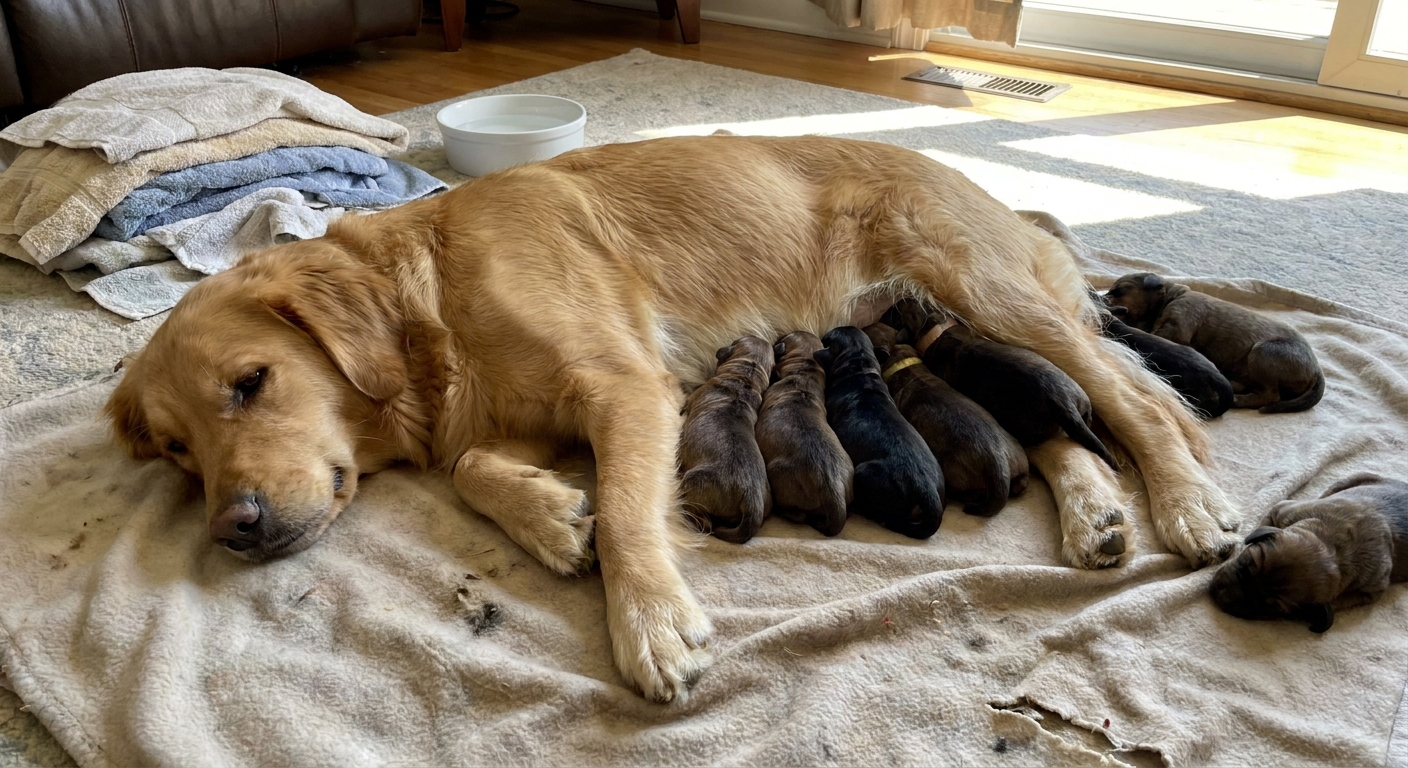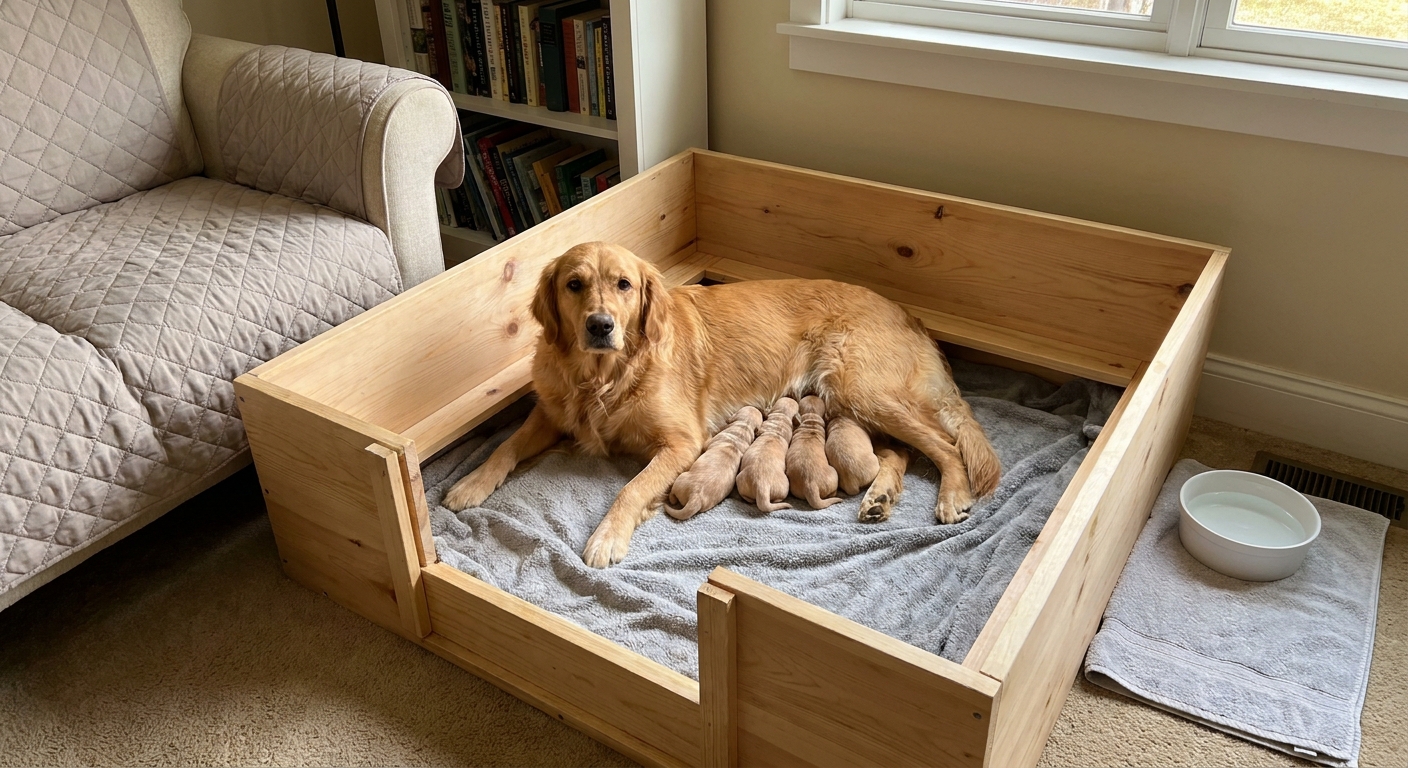
When I talk with new mother dogs and their people, one worry comes up again and again: “All the puppies are out, but did she pass all the placentas?” That is a very fair question. A retained placenta (retained afterbirth) can lead to infection, and the sooner you catch it, the easier it is to treat.
The good news is that many deliveries include some “messy” normal that looks scary at first. I’m going to walk you through how to count placentas against puppies, what normal postpartum lochia can look like, and what warning signs mean you should call your veterinarian the same day.
What is the placenta in dogs?
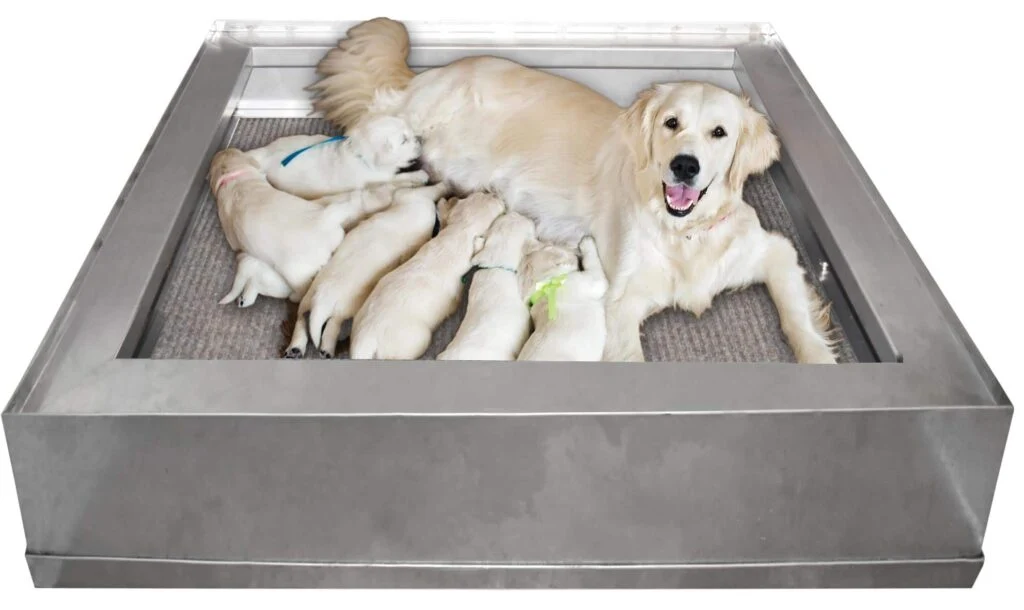
The placenta is the temporary organ that attaches a puppy to the uterus during pregnancy. It delivers oxygen and nutrients and removes waste through the umbilical cord. After each puppy is born, that puppy’s placenta should detach and be expelled.
In dogs, placentas are often passed shortly after each puppy, but they can also be passed after the next puppy or even after the entire litter is delivered. That timing difference is one reason counting can get confusing.
Do dogs have one placenta per puppy?
Typically, yes. In a normal canine pregnancy, you expect one placenta per puppy.
However, real-life whelping is not always tidy. A placenta can tear, be passed in pieces, or be hard to identify if there is a lot of fluid and bedding to sift through. Some mothers also eat placentas quickly, which can make it hard to keep track unless you’re watching closely. So if your count feels “off” but mom looks great, it does not automatically mean something is retained.
How to count placentas against puppies
If you are assisting a home whelping, counting is one of the most helpful things you can do. You are not “pulling puppies” or doing anything invasive. You are simply observing, documenting, and keeping the whelping area clean.
Step-by-step: a simple placenta count
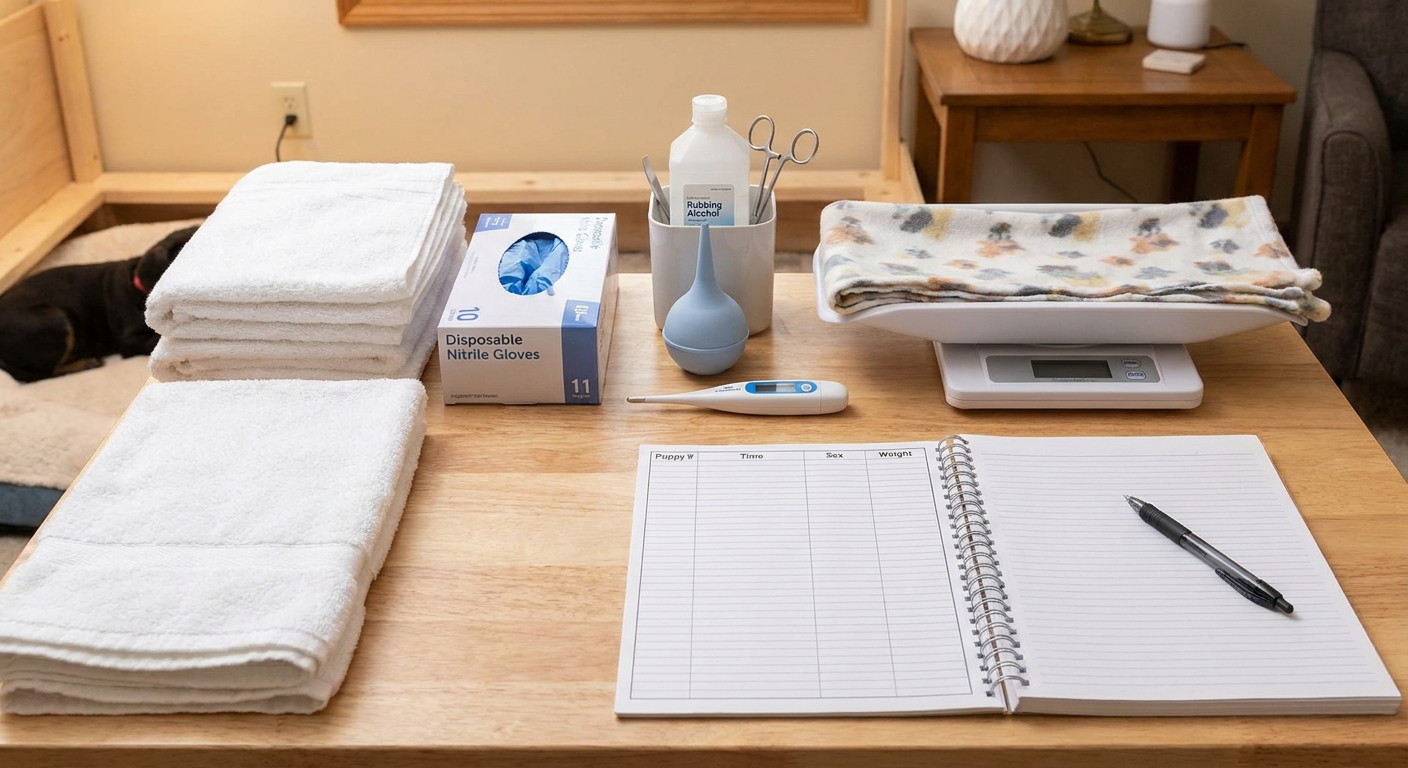
- Start a written log as soon as the first puppy arrives. Note the time each puppy is born.
- Mark placenta delivered: yes or no for each puppy. If mom eats it before you see it clearly, note “observed eaten” if you witnessed it.
- Check bedding between puppies. Sometimes a placenta comes out, gets lost in towels, then you find it later.
- Don’t panic if it’s not immediate. It can be normal for a placenta to pass after the next puppy.
- At the end, compare totals: number of puppies should match the number of placentas you clearly observed passed (or eaten in front of you), understanding that one may have been missed in the mess.
What does a dog placenta look like?
Placentas can vary, but owners often describe them as:
- Dark red to greenish-black, soft tissue
- Gelatinous or “liver-like” in texture
- Sometimes attached to membranes (the fetal sac)
If you are unsure whether you’re looking at placenta or just fluid-soaked bedding, that’s normal. The key is the overall picture: how mom is acting, whether her discharge has a foul odor, whether she is feverish, and whether she continues straining.
What a retained placenta can look like
A placenta that stays in the uterus can irritate the uterine lining and become a source of bacterial infection. Sometimes the only early sign is that mom just does not seem right.
Possible signs to watch for
- Foul-smelling vaginal discharge (strong, rotten, or “infected” odor)
- Fever (a rectal temperature over about 102.5°F, or 39.2°C, is generally considered a fever in dogs)
- Lethargy, weakness, or acting “dull” instead of attentive to puppies
- Not eating or suddenly refusing food and water
- Vomiting or diarrhea
- Persistent abdominal discomfort, restlessness, or panting that does not settle
- Ongoing hard straining after the last puppy is delivered
- Puppies not nursing well or crying constantly, which can happen if mom is unwell (for example, with metritis or significant pain)
One important note: some postpartum discharge is expected and normal. What we worry about is discharge that becomes foul-smelling, mom becoming systemically sick (fever, weakness), or continued hard straining.
Retained placenta vs. normal lochia
After a dog gives birth, it is normal for her to have uterine discharge called lochia. Lochia is the uterus cleaning itself out. This can include blood, fluid, and small bits of tissue. It can look alarming, but it is often normal.
What is normal
- Color: red-brown at first, sometimes dark or green-tinged around delivery, then often becomes more watery over time
- Amount: light to moderate discharge that gradually decreases
- Odor: mild or “metallic” blood smell, but not rotten or overpowering
- Timeline: many dogs have some lochia for up to 2 to 3 weeks postpartum (sometimes longer), and it should trend lighter and less frequent as days pass
- Mom’s behavior: she is bright, eating, caring for puppies, and improving day by day
What is concerning
- Odor: foul, putrid, or suddenly much worse
- Mom’s condition: feverish, weak, not eating, not attentive to pups
- Discharge: thick, pus-like, or increasing instead of tapering down
- Pain: clear abdominal pain, trembling, or persistent panting with discomfort
Because discharge can vary by dog, litter size, and how the delivery went, ask your veterinarian what is normal for your individual dog and when they want an update.
When to get same-day vet care
I always tell families: trust your gut. If your dog looks unwell after giving birth, it is worth a phone call. But there are a few situations where I would not “wait and see.”
Call your veterinarian today if
- Fever (about 102.5°F or 39.2°C and up) plus acting unwell
- Foul-smelling discharge at any point postpartum
- Hard, unproductive straining after the last puppy, especially if you see active contractions for about 20 to 30 minutes with no progress
- Depression, weakness, collapse, or she cannot stand comfortably
- Not eating for a full day, or refusing water
- Vomiting repeatedly
- Pale gums or signs of heavy bleeding
- Puppies are not thriving (crying constantly, not nursing, losing weight)
Retained placentas can contribute to metritis (uterine infection), which is not something to manage at home.
What your vet may do
If your veterinarian is concerned about retained placenta or postpartum infection, they may recommend an exam, a temperature check, and imaging such as ultrasound. Depending on what they find and how mom is doing, treatment can include antibiotics, pain control, fluids and supportive care, and sometimes medications that help the uterus contract. These are decisions your vet will tailor to her condition and whether there is any concern a puppy could still be present.
Other postpartum emergencies
Not every postpartum emergency is a retained placenta. If your dog seems suddenly sick after whelping, your veterinarian may also be thinking about problems like eclampsia (low calcium), hemorrhage, mastitis, or uterine prolapse. The takeaway is the same: if she looks unwell, call promptly.
What not to do at home
When you are worried, it is tempting to try a “quick fix.” Please avoid these common mistakes, because they can make things worse.
- Do not pull on anything protruding from the vulva. You can cause tearing or bleeding.
- Do not give human pain medications. Many are toxic to dogs.
- Do not give leftover antibiotics or someone else’s prescription.
- Do not attempt internal exams unless a veterinarian has specifically instructed you.
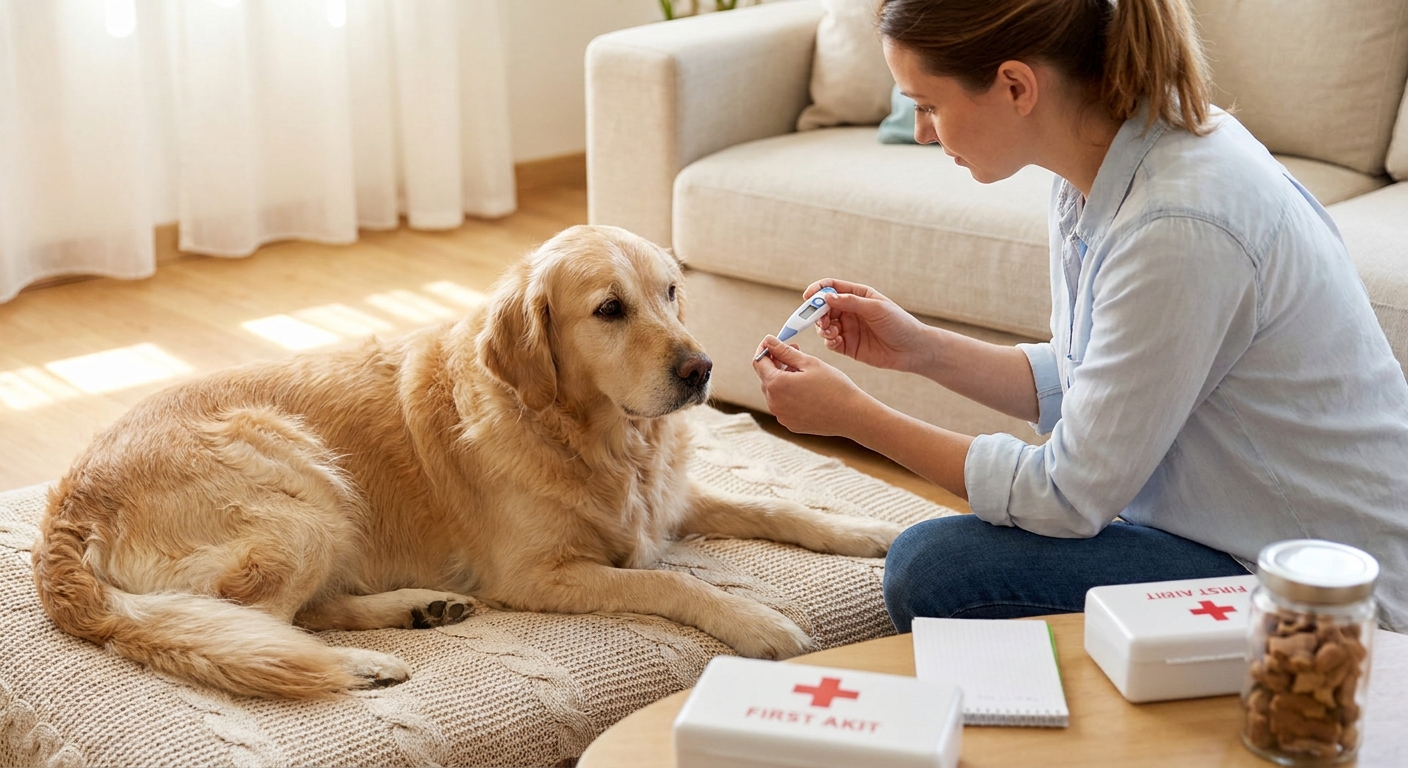
What you can do safely is keep mom comfortable, keep puppies warm, offer fresh water, and take a rectal temperature if your veterinarian has shown you how and you can do it calmly without stressing her.
FAQ
My dog ate some placentas. Is that bad?
Many dogs eat placentas naturally. Small amounts are usually not a problem, but eating several can cause vomiting or diarrhea in some moms. The bigger issue is that it makes counting harder. If she seems nauseated, offer small bland meals and water and check with your veterinarian if vomiting continues.
What if I am missing one placenta but my dog seems fine?
Sometimes a placenta was passed and simply missed in the bedding, or it was passed in pieces. If mom is bright, eating, has no foul odor, no fever, and no ongoing straining, your veterinarian may advise monitoring closely. If you are missing a placenta and she is acting off, that is when I would call the same day.
How long after the last puppy should placentas pass?
There is variability. Many placentas pass shortly after each puppy, but some pass later. If your dog is still having strong contractions after the last puppy, seems painful, or seems unwell, call your veterinarian right away.
My best tip: watch the whole mom
Counting placentas is smart and it can absolutely save time if a problem develops. But I also want you to watch the big picture: mom’s energy, appetite, temperature, odor of discharge, and whether she settles in to nurse and care for her pups.
If something feels wrong, you are not overreacting by calling. Postpartum complications can move quickly, and getting help the same day is often the difference between a simple treatment plan and a true emergency.