A curious nose. A very waggy welcome.
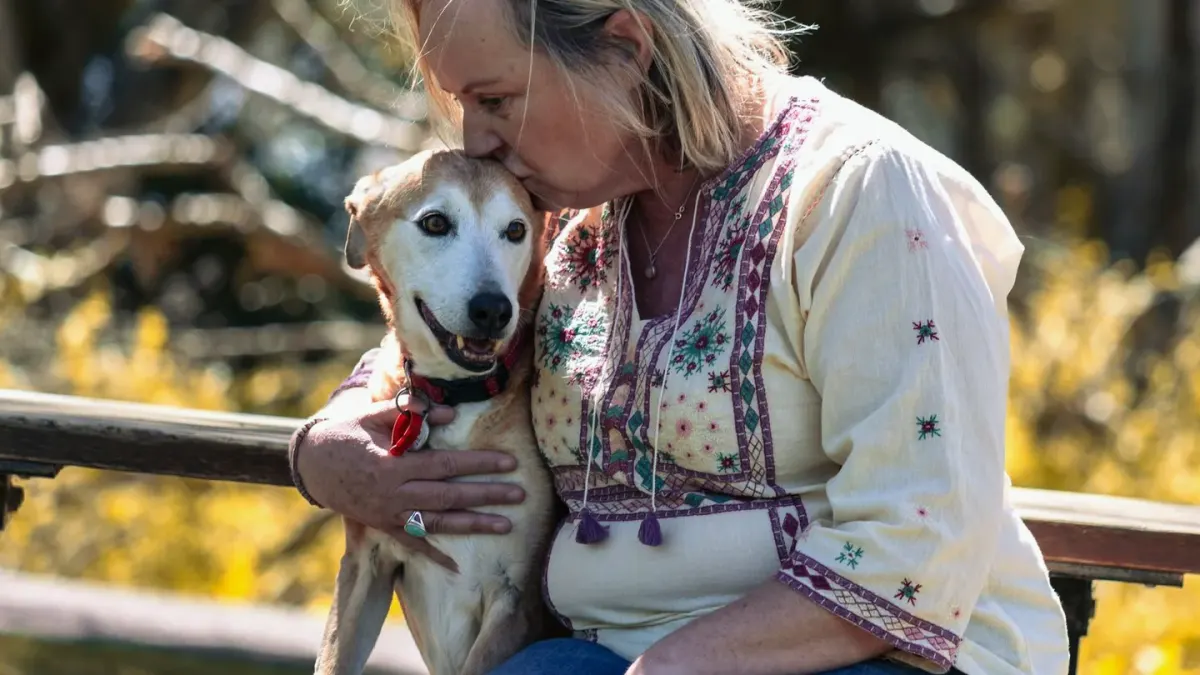
If you are reading this with a lump in your throat and a pet curled up nearby, I want to start with something simple: what you are feeling can be grief, even though your dog or cat is still here. That ache has a name. It is called anticipatory grief, and it shows up when we know a goodbye is coming.
What it is (and why it feels confusing)
Anticipatory grief is the emotional response to an expected loss. With pets, it often starts after a terminal diagnosis, during a rapid health decline, or simply when an older friend begins to show big changes in mobility, appetite, or awareness.
It can feel confusing because you are living in two timelines at once:
- Right now: your pet is still here, still needing breakfast, meds, walks, litter box care, cuddles, and reassurance.
- Soon: you know the day will come when those routines stop.
Your brain tries to prepare you by grieving early. Your heart argues back because your pet is still breathing, still looking at you, still being themselves in little flashes. That push and pull is part of why anticipatory grief can feel exhausting.
And sometimes, it is not as “expected” as you thought. Even with a slow decline, there can be sudden drops, scary crises, or a vet visit that changes everything. You can be bracing for months and still feel shocked when the timeline shifts.
Common feelings (all normal)
Anticipatory grief rarely looks like one neat emotion. It is more like a basket of tangled leashes.
Sadness and fear
You may feel waves of sadness, dread, and worry about suffering. Many people also fear being alone in the decision-making.
Guilt
Guilt is very common, especially around thoughts like:
- I should have noticed sooner.
- I am not doing enough.
- I am doing too much and missing work or family time.
- I laughed today. Does that mean I do not care?
Guilt often shows up when you love deeply and feel responsible. It does not automatically mean you are doing something wrong.
Anger and resentment
Anger can land anywhere. At the diagnosis. At the cost. At time. At your own body for being tired. Sometimes at your pet, and that can feel shocking.
Resentment often appears when caregiving becomes nonstop. It is a signal that you need support, rest, and breaks, not a sign that you are a bad person.
Numbness, denial, or feeling detached
Some days you might feel oddly normal, even flat. That can be your nervous system taking a breather. Denial can also arrive in small ways, like avoiding the vet’s calls or putting off hard conversations. That is common too.
Grief bursts during ordinary moments
You might cry over a food bowl, a leash hook, a favorite window perch, or the way your dog no longer greets you at the door. Anticipatory grief has a sneaky nose for routines.
Caregiving while grieving
When your pet is sick or very old, your love turns into tasks. Medication schedules. Mobility help. Cleaning accidents. Monitoring breathing. Counting good days. All while you are also mourning. That is a lot for one human nervous system.
Build a care routine you can sustain
If you can, aim for a plan that is realistic on your worst day, not your best day. Consider:
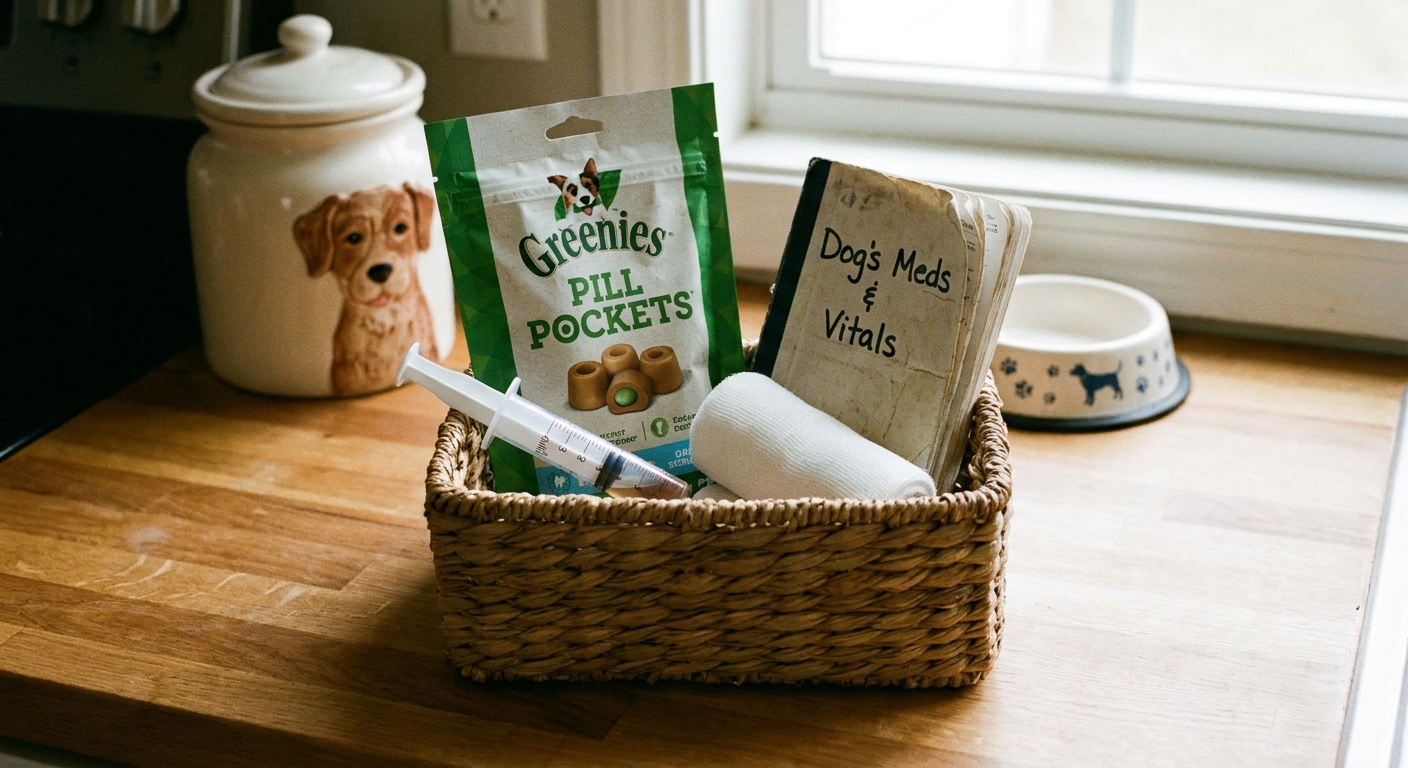
- One central list for meds, feeding instructions, and symptoms to track.
- Phone reminders for medications and rechecks.
- Stationing supplies where you use them: pee pads, wipes, towels, ointments, nail trimmers, a basket of syringes or pill pockets.
Let the goal be comfort, not perfection
When time is limited, many families find it helpful to focus on comfort and connection. You can love fiercely without doing every possible thing every day.
Take guilt-free breaks
If someone offers to sit with your pet, drop off a meal, run an errand, or take a shift so you can shower and breathe, saying yes can be a form of care for your pet too. A depleted caregiver has less patience, less sleep, and less bandwidth for decision-making.
Use the “two truths” trick
When feelings conflict, try holding two truths at the same time:
- I am heartbroken.
- I am grateful we still have today.
Both can be true in the same hour.
Quality of life and hard choices
As much as we wish love could cure this, anticipatory grief often includes decisions about treatment, hospice, and euthanasia. Planning does not make the goodbye easy, but it can reduce panic and second-guessing when you are tired and scared.
Ask your veterinarian for clear options
These questions can help you understand what is ahead:
- What changes would mean my pet is suffering?
- What symptoms can we manage at home, and how?
- What would an emergency look like for this condition?
- What is the likely timeline, and how uncertain is it?
- What does a “good day” look like for my pet now?
Your veterinary team may also offer a quality-of-life scale that helps you score things like appetite, mobility, pain, breathing, hygiene, and joy. Some people find numbers grounding when emotions are loud.
Track patterns, not just single bad days
Many pets will have ups and downs. A single rough day does not always mean it is time, but patterns matter. You might jot notes about appetite, hydration, mobility, breathing effort, interest in favorite things, and pain signals.
If you are unsure what pain looks like in your specific pet, your veterinary team can describe common signs for their condition.
Consider pet hospice or palliative care
Some areas have veterinarians who focus on comfort care at home, symptom management, and family support. Even one consult can help you create a plan that matches your pet’s needs and your household’s capacity.
Make memories the gentle way
When you love someone, you want receipts of the love. Memory-making can be ordinary. It does not have to be a huge event.
Small memory ideas
- Take a few everyday photos of regular life: naps, the food bowl, the favorite spot in the yard.
- Capture a short video of their walk, purr, snore, tail wag, or happy little chirp.
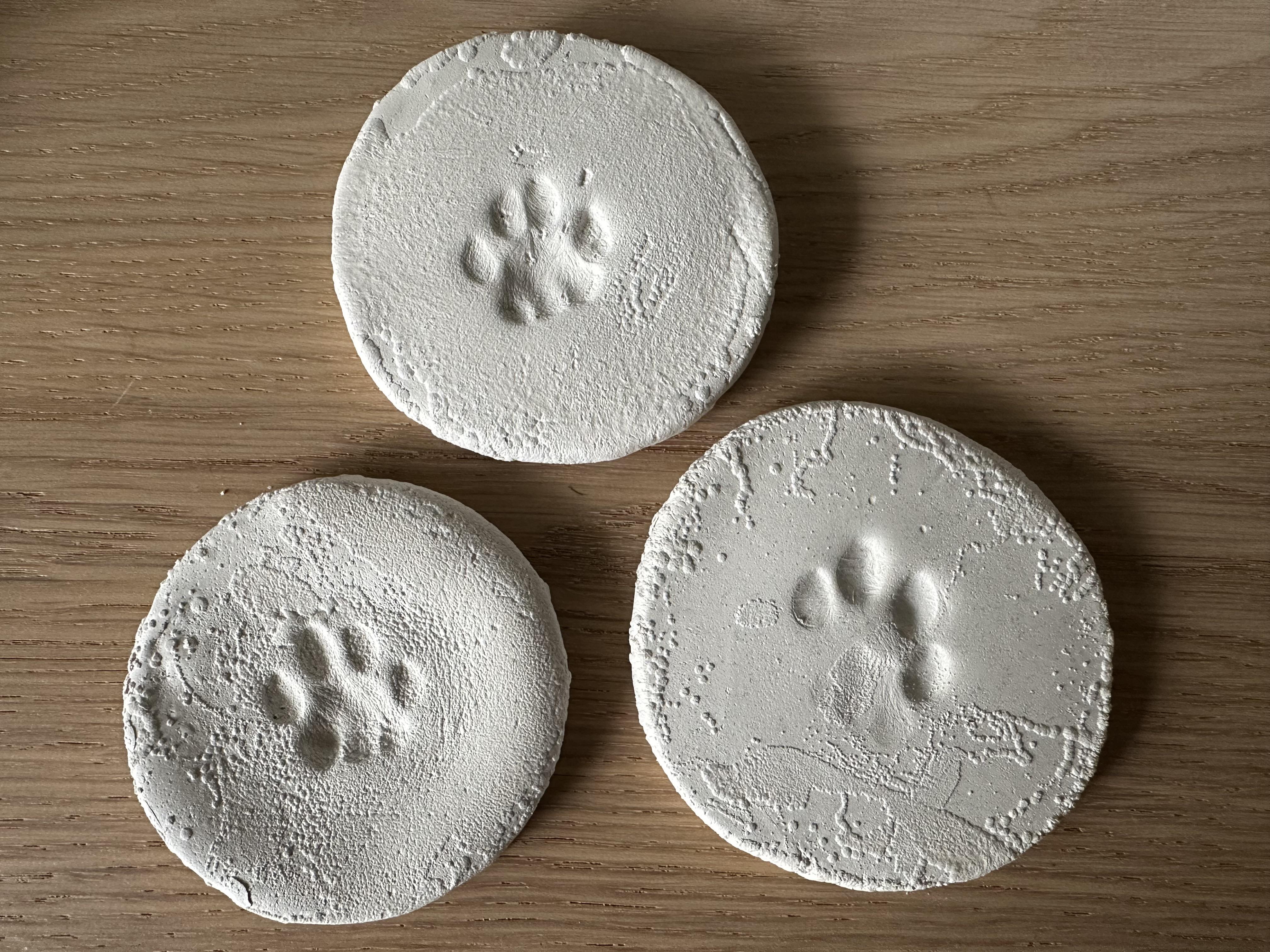
- Make an ink paw print or a clay impression if your pet tolerates it.
- Save a collar tag, a favorite toy, or a whisker you find during brushing.
- Write down “Their Top 10 Things” like favorite treats, people, games, and weird habits.
Create comfort rituals
Some families find comfort in small rituals that say: we are still here together.
- Morning cuddle time with a blanket.
- A slow sniff-walk or stroller ride.
- Brushing for a minute or two if it feels good.
- Sitting outside together for fresh air.
If your pet is not feeling well, the kindest memory is often simply calm company.
Get the practical stuff ready
Practical planning can feel cold, but it often protects your heart when emotions spike. When choices are made ahead of time, you can spend more energy on your pet.
Decide what you want the last day to feel like
If you have the ability to plan, consider:
- Location: at home or at the clinic, whichever feels most peaceful and safe.
- People: who should be there, and who might say goodbye earlier.
- Aftercare: cremation or burial options, and any keepsakes you may want.
- Comfort items: a blanket, a bed, familiar treats if appropriate, soothing music.
Plan for the “2 a.m.” moment
Ask your vet about:
- After-hours emergency options.
- What symptoms mean you should go in right away.
- Whether your pet’s condition could lead to a sudden crisis.
Knowing the plan can reduce that constant edge-of-your-seat feeling.
What to tell children
Kids usually do better with calm truth than with confusing half-explanations. The goal is to be clear, avoid scary misunderstandings, and invite questions.
Use simple, direct language
Helpful options:
- Their body is very sick, and the medicine cannot make them better.
- The vet is helping us keep them comfortable.
- Soon, their body will stop working, and they will die.
Some child grief specialists suggest avoiding phrases like “put to sleep” with young children because it can create fear around bedtime or medical care. If euthanasia is part of your pet’s plan, you can say something like: The vet will give medicine that is meant to make them very sleepy and then gently stop their body from working. The vet will tell us what to expect, and it is intended to be peaceful.
Expect repeating questions
Children process grief in loops. They may ask the same thing again and again. That is often their way of trying to understand, not their way of challenging you.
Give kids a job if they want one
A small role can reduce helplessness:
- Pick a soft blanket for the pet.
- Draw a picture to place near the bed.
- Help refill the water bowl.
- Choose a favorite photo for a memory corner.
Support for you, too
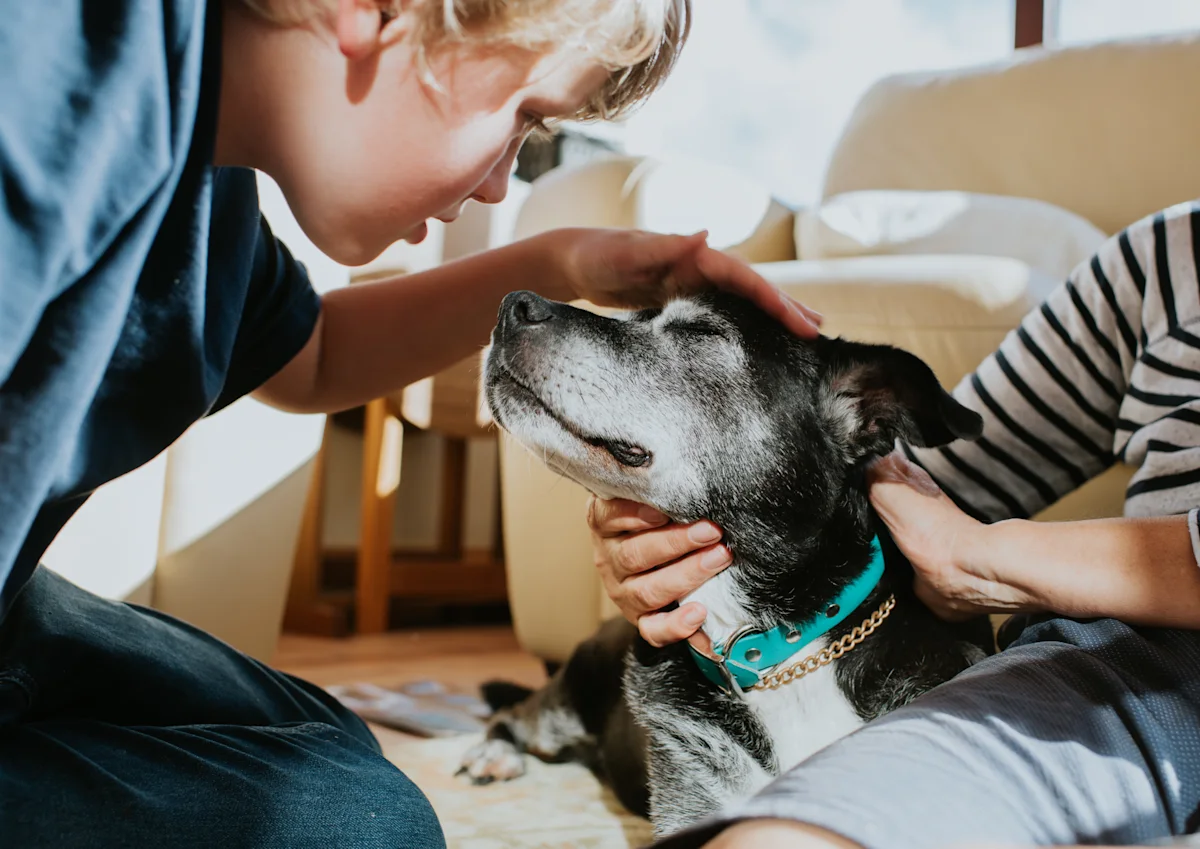
Anticipatory grief can make you feel isolated, especially if people around you minimize it because your pet is “still here.” You deserve support now, not only after.
Tell one safe person
Choose someone who will not rush you into silver linings. You can be specific: “I do not need solutions. I just need you to listen.”
Ask for flexibility where you can
If your pet’s care is affecting sleep, schedules, or finances, it is okay to name it. You might ask a workplace for temporary flexibility, tell friends you are not up for group plans, or simply say: “We are in a tough season with our pet, and I am a little raw.”
If someone minimizes it, you do not have to convince them. A simple “They are family to me” is enough.
Consider a pet loss support group or counselor
Some counselors and support groups welcome families before the death, not only after. That can be especially helpful if you are facing complicated decisions or past losses are being stirred up.
Take care of your body like it is part of the plan
Grief lives in the body. If you can, aim for the basics:
- Eat something with protein.
- Drink water.
- Step outside for two minutes of daylight.
- Sleep in chunks whenever you can.
Small care counts.
When to seek urgent help
This article is about grief, not medical advice, but I do want to include a safety note. If your pet is declining, ask your veterinarian which symptoms are emergencies for their condition. In general, contact a veterinary professional promptly if you see:
- Difficulty breathing, or blue or gray gums or tongue
- Gums that look newly very pale (keeping in mind some pets have natural pigment)
- Collapse, seizures, or unresponsiveness
- Uncontrolled bleeding
- Repeated vomiting or inability to keep water down
- Severe pain, crying, or sudden inability to stand
- Straining to urinate with little or no urine produced (especially in male cats)
FAQ
Is anticipatory grief the same as grieving early?
It can look like that from the outside, but it is not a choice and it does not mean you are giving up. Anticipatory grief is a normal response to impending loss, especially when you are caregiving and watching changes day by day.
Can anticipatory grief make me feel depressed or anxious?
Yes. It can affect sleep, appetite, focus, and motivation. If you feel panicky, unable to function, or unsafe, reaching out to a mental health professional or crisis support in your area is a strong and caring step.
I feel relief sometimes. Is that wrong?
Relief can mean “I hate watching them struggle” or “I cannot keep living in crisis mode.” It does not cancel love. It often sits right beside sadness.
How do I know when it is time?
This is one of the hardest questions in pet guardianship. Your veterinarian can help you evaluate comfort, suffering, and quality of life for your pet’s condition. Many families find it helpful to define what a “good day” looks like, then notice when good days become rare or hard to reach even with support.
If you are carrying anticipatory grief, you are not being dramatic. You are loving a pet in a season where love looks like waiting, watching, and choosing comfort again and again.