Hind leg trembling in older dogs: what it usually means
When a senior dog’s back legs tremble, it is easy to jump straight to the worst-case scenario. In my experience as a veterinary assistant in Frisco, Texas, the most common contributors are much more everyday: muscle weakness, arthritis pain, nerve changes, and simple fatigue after standing for a while.
The key detail is where the trembling happens. This article is about trembling that is mostly limited to the hind legs, especially when your dog stands up, walks on slick floors, climbs steps, or holds a “squat” to potty.
If your dog is trembling all over, has a repetitive head bobble, or refuses to put weight on a leg, that is a different situation. I will help you separate those patterns below so you can decide what needs a vet visit soon and what needs same-day care.
What kind of tremble is it?
Hind legs only
- Often shows up when standing still, after exercise, or when rising from rest.
- May look like a quick shake at the thighs or knees, or a “quiver” in the back end.
- Commonly linked to weakness, pain, fatigue, or nerve signaling problems.
Whole-body shivering
- More likely due to being cold, stress, nausea, fever, systemic pain, or certain toxins.
- If your dog is cold and stops shivering when warmed, that is reassuring. If shivering comes with vomiting, diarrhea, lethargy, or collapse, treat it as urgent.
Head tremor
- Looks like head bobbing up and down or side to side while the dog is otherwise alert.
- Some head tremors can be benign, but new tremors in a senior dog still deserve a veterinary discussion.
Generalized body tremor
- This is a whole-body tremor, not limited to the hind legs.
- Idiopathic generalized tremor syndrome (sometimes called “shaker syndrome”) has been reported more often in small dogs, including some small white breeds, but it can occur in other dogs too.
Not bearing weight on one leg
- This is more like limping, toe-touching, or holding one leg up.
- Think injury, painful arthritis flare, ligament or tendon strain, a paw injury, or fracture. That is a different lane than “trembling.”
Common causes in senior dogs
1) Muscle weakness with age
Senior dogs can lose muscle mass in the thighs and hips, especially if they have slowed down over the years. When muscles are weaker, they can shake while trying to stabilize the body, kind of like a human’s legs after too many squats.
You might notice:
- Trembling when standing still, especially on hard or slick flooring
- Difficulty rising from lying down
- Hesitation to jump into the car or onto furniture
- More stumbling when turning
2) Arthritis and joint pain
Arthritis and other painful joint conditions are among the biggest reasons I see back-leg trembling in older dogs. Pain causes muscle tension and can trigger shaking. Hips, knees, and the lower spine are frequent trouble spots.
Clues it may be pain-driven:
- Trembling worse after rest, like first thing in the morning
- Stiffness, slower pace, or “warming up” after a few minutes
- Licking at joints, avoiding stairs, reluctance to squat to potty
- Grumpiness when touched on the hips or lower back
3) Other orthopedic issues
Not every back-end shake is “just arthritis.” If trembling seems one-sided, comes with limping, or flares after a slip or jump, your vet may also consider issues like cruciate ligament disease, patellar luxation, iliopsoas strain, or hip problems. These can make dogs shift weight in odd ways, which can look like trembling.
4) Spine and nerve changes
Some seniors develop nerve issues that affect the back end first. That can include conditions like degenerative myelopathy, lumbosacral disease, disc disease (IVDD), or other neurologic problems. These can cause trembling from weakness, poor proprioception (knowing where the feet are), and fatigue.
Signs that raise my concern for a nerve-related cause:
- Knuckling over (walking on the top of the paw)
- Dragging toes or scuff marks on nails
- Crossing hind legs when turning
- Wobbliness that is gradually worsening over weeks to months
- New incontinence or trouble starting to urinate
5) Fatigue after standing or activity
Many older dogs tremble most when they have been standing in one place. Grooming sessions, waiting at the door, “helping” you cook dinner, or standing on slippery floors can fatigue the stabilizing muscles quickly.
This pattern often looks like: your dog is okay lying down, then starts to tremble after a minute or two of standing, and improves when allowed to sit or lie down.
If your dog has sudden hind-end trembling or weakness after activity and it seems painful, do not assume it is simple fatigue. Back pain from IVDD or lumbosacral stenosis can look like this and deserves prompt veterinary guidance.
6) Paw, nail, and traction problems
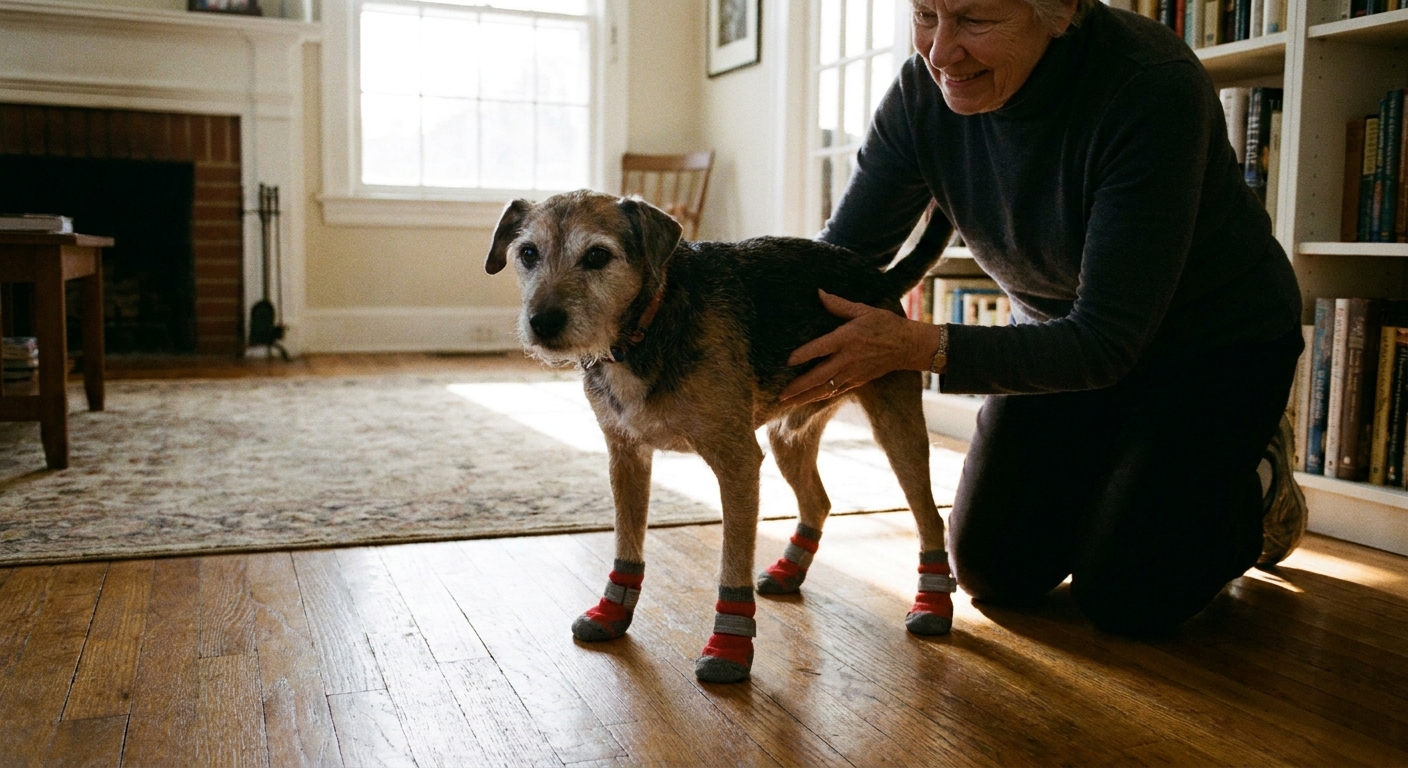
Sometimes the back legs tremble because your dog is trying not to slip. Long nails, hair between paw pads, slick tile, or weak grip can make seniors work harder to stay upright, which can look like shaking.
Also check for things like cracked nails, interdigital cysts, or paw pad injuries that may make your dog stand oddly and overload the other hind leg.
7) Metabolic and systemic causes
While this article focuses on hind-leg-only trembling, whole-body problems can sometimes show up as back-end weakness first, especially in seniors. Examples include electrolyte imbalances, kidney disease, anemia, endocrine disease, medication side effects, low blood sugar (hypoglycemia), or low calcium (hypocalcemia).
If trembling is new and you cannot link it to posture, pain, or fatigue, a wellness exam and lab work are a smart next step.
Emergency or not?
Same-day veterinary care
Please seek same-day care if hind leg trembling comes with any of the following:
- Sudden inability to stand, collapse, or repeated falling
- Dragging the back legs or rapidly worsening weakness
- Severe pain (crying out, tense abdomen, shaking that does not settle, unwilling to move)
- Loss of bladder or bowel control, inability to urinate, or a sudden change in continence along with back pain or weakness (this can be seen with IVDD or cauda equina type problems)
- One leg is non-weight-bearing after a slip, jump, or fall
- Deep lethargy, pale gums, difficulty breathing, or weakness that seems systemic
- Suspected toxin exposure, seizures, or repeated disorientation
Book a visit soon
Make an appointment soon if you see:
- Gradually increasing trembling over time
- Stiffness, trouble rising, reluctance on stairs
- Toe scuffing, knuckling, or wobbliness
- Weight loss, appetite change, increased thirst or urination
- Trembling that is frequent, daily, or disrupting normal life
Monitor at home
Monitoring can be reasonable if trembling is mild, brief, clearly linked to fatigue or slippery footing, and your dog otherwise seems comfortable, bright, and normal. Even then, I recommend mentioning it at your next senior wellness visit.
What you can do at home
1) Improve footing
- Add runners or yoga mats on slick floors.
- Keep nails trimmed and paw pad hair neat for traction.
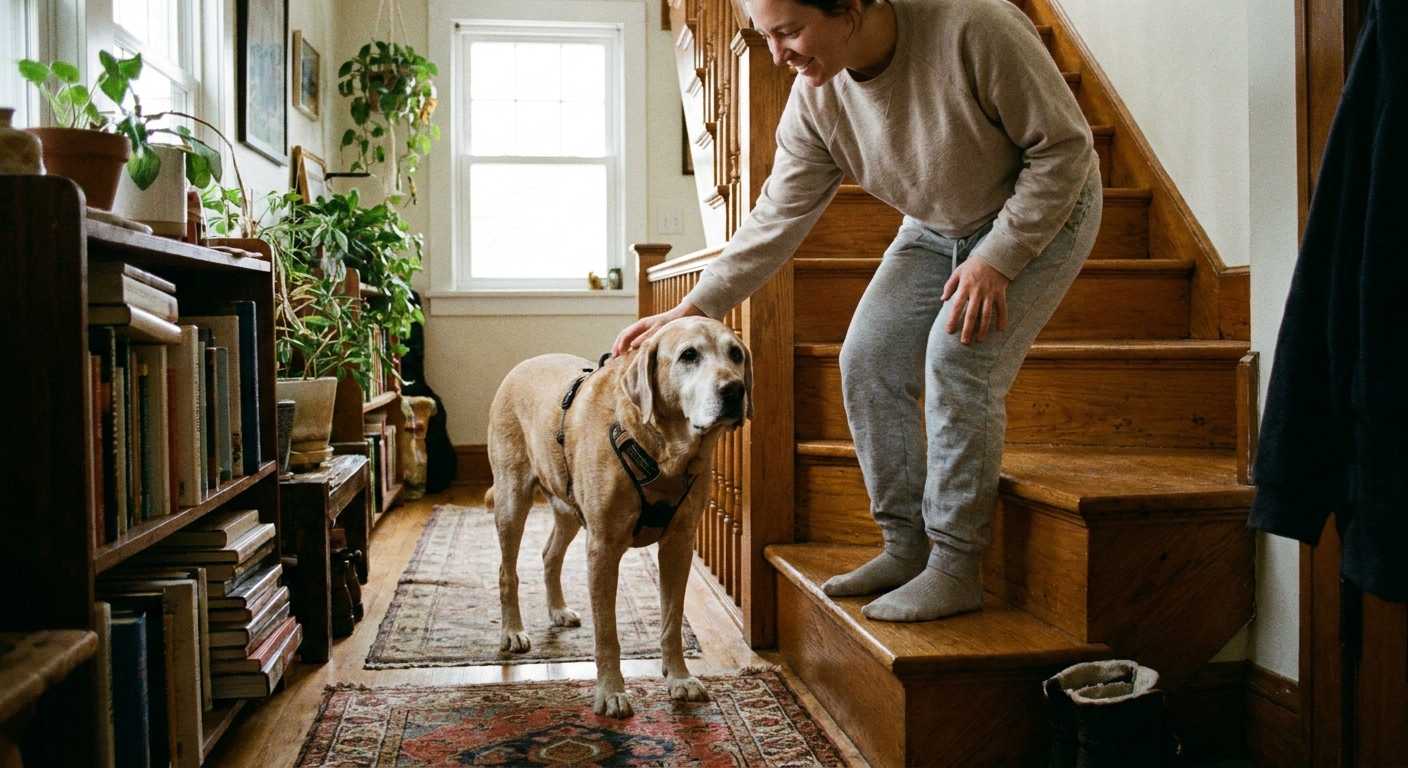
- Use a supportive harness for stairs if your dog wobbles.
2) Keep movement gentle and consistent
In many seniors, a little bit of daily movement helps more than occasional big exercise. Short, frequent walks on flat ground can maintain muscle without exhausting them.
- Aim for multiple short walks instead of one long one.
- Warm up slowly, especially in cold weather or early mornings.
- Avoid slippery fetch sessions or sudden sprints if your dog is unstable.
3) Support joints and comfort
- Use an orthopedic bed and keep your dog warm.
- Consider a ramp for the car or furniture to reduce impact.
- Do not give human pain medications unless your veterinarian instructs you to. Many are toxic to dogs.
4) Make weight a health tool
If your dog is carrying extra weight, it can make arthritis pain worse and make weak muscles work harder. I have seen a modest, vet-guided weight loss plan improve mobility and reduce trembling in a lot of seniors. Your clinic can help you set a safe target weight and daily calorie goal.
5) Track patterns
Bring specifics to your vet. It truly helps. Keep notes on:
- When trembling happens (after standing, after walks, after naps)
- Whether it is one leg or both
- Any slipping, yelping, licking, or change in gait
- Any new meds or supplements
If you can safely capture a short video, that is one of the best tools you can bring to an appointment.
What your vet may check
A good exam for hind leg trembling often includes:
- Orthopedic exam to evaluate hips, knees, and pain response
- Neurologic exam to check reflexes, paw placement, and spinal pain
- Gait observation on different surfaces, turning, and sit-to-stand
- Bloodwork and urinalysis in many seniors to look for systemic contributors
- X-rays for arthritis, spinal changes, or other structural issues
- Referral for advanced imaging or neurology consult if needed
Depending on the cause, treatment might include pain relief, weight management, physical rehabilitation, controlled exercise plans, joint supplements, or mobility aids.
Quick FAQ
Why do my senior dog’s back legs tremble when standing still?
Standing still requires small stabilizer muscles to work continuously. In older dogs, weakness, arthritis pain, poor traction, or subtle neurologic change can make those muscles fatigue quickly, leading to trembling. If it is frequent or worsening, schedule an exam to look for pain and nerve issues.
Is trembling the same as weakness?
Not always, but they often overlap. Trembling can be a sign of weakness, pain, or both. If your dog is trembling and also struggling to rise, slipping, or dragging toes, that strongly suggests weakness that needs veterinary evaluation.
My dog’s hind legs tremble after a walk. Is that normal?
Mild trembling after exertion can happen with fatigue, especially in seniors or dogs who are deconditioned. It should resolve with rest. If trembling is intense, painful, long-lasting, or becoming more frequent, scale back activity and check in with your vet.
Can arthritis cause shaking in the back legs?
Yes. Pain and joint instability can lead to trembling. Seniors with hip or knee arthritis may shake when they shift weight, stand up, or hold a squat posture.
What if it is only one hind leg trembling?
One-sided trembling can still be arthritis, but it can also mean an injury, cruciate disease, patellar issues, or a painful soft tissue strain. If your dog is reluctant to bear weight, limping, or suddenly worse, get them checked promptly.
My take as a veterinary assistant
Hind leg trembling in senior dogs is common, and many dogs improve significantly once we identify the main driver, usually pain, weakness, traction problems in the home, or a combination. What I do not want you to do is wait months if you are seeing a gradual decline or any neurologic red flags like toe dragging, knuckling, or accidents in the house.
If you are unsure, trust your instincts and call your veterinarian. A short video and a clear description of when it happens can speed up answers and help your dog stay comfortable longer.