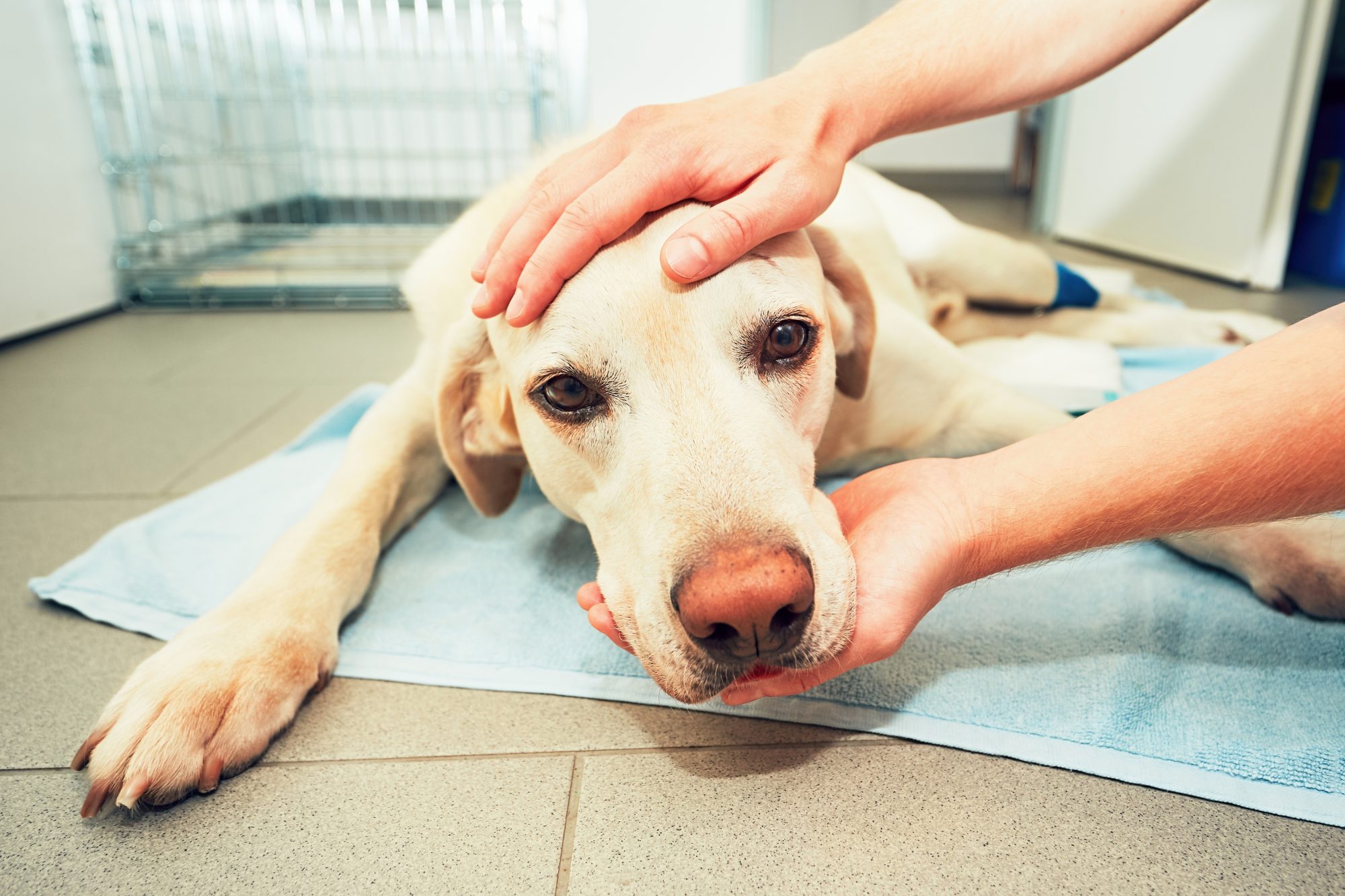
As a veterinary assistant in Frisco, Texas, one of the hardest calls to take is from someone whispering, panicked, “My dog is seizing again.” When seizures repeat in a short window, it can feel like you are just waiting for the next one to hit. This is exactly why some veterinarians prescribe intranasal midazolam as an at-home rescue medication for certain dogs.
Let’s walk through when a vet is likely to recommend it, how it differs from daily seizure medications, and what you can do in the moment to keep your dog safe without trying to play doctor at home.

What intranasal midazolam is for
Midazolam is a medication in the benzodiazepine family. In veterinary medicine, it is used to stop an active seizure or interrupt cluster seizures so ongoing seizure activity has a better chance of settling. When it is prescribed as intranasal, it is given through the nostril using a device your veterinary team demonstrates.
Why the nose? The nasal cavity has a rich blood supply, and intranasal delivery can work quickly without needing an IV. Response time and effectiveness can vary based on the dose, the device, and the individual dog, which is why your vet will pair it with a clear plan for when to treat at home versus when to go straight to the ER.
A rescue med, not a daily med
Intranasal midazolam is typically prescribed as a rescue medication, meaning it is meant for specific situations like a seizure that does not stop promptly or a dog that is starting a cluster cycle. It is not designed to replace long-term seizure control strategies.
How it differs from daily seizure meds
This is one of the most important distinctions for families to understand.
Daily anticonvulsants help prevent seizures
Medications such as phenobarbital and levetiracetam are commonly used as daily or scheduled anticonvulsants for epilepsy and other seizure disorders. Their goal is to reduce seizure frequency and severity over time by changing the brain’s seizure threshold.
- Phenobarbital is often chosen for long-term control and typically requires monitoring and rechecks, including bloodwork, because of how it is processed by the body.
- Levetiracetam is often used as a maintenance medication and sometimes as an add-on when seizures are not fully controlled.
Those are “foundation” medications. They work in the background.
Rescue meds focus on the moment
Intranasal midazolam is about interrupting a seizure event or cluster cycle when time is critical. Many dogs who have rescue medication at home also take daily anticonvulsants. It is not an either-or situation for a lot of patients.
When vets prescribe it
Your veterinarian looks at patterns. A single, brief seizure that happens once every few months may not justify keeping a rescue drug at home. But when seizures start showing higher-risk patterns, the conversation changes.
1) Cluster seizures
A very common reason is cluster seizures, meaning a dog has more than one seizure within a short period. Vets worry about clusters because each seizure can make the next one more likely, and a cluster can escalate into a life-threatening emergency.
2) Seizures that are prolonged or trending longer
If a dog’s seizures are lasting longer than they used to, or if an owner reports a seizure that felt like it would not stop, a vet may prescribe a rescue medication to help reduce the risk of a prolonged event turning into an emergency. In general, the longer a seizure continues, the harder it can become to stop.
3) A predictable repeat pattern
Some dogs have a very consistent rhythm. An owner may say, “He has one, recovers, then two hours later he has another.” When there is a repeatable pattern like that, vets often want you equipped to respond early according to a plan.
4) Breakthrough seizures on daily meds
Even well-managed epilepsy can have breakthrough seizures. If a dog is on daily meds and still has occasional clusters or longer episodes, intranasal midazolam may be part of the safety net while your vet adjusts the long-term regimen.
5) When rectal rescue meds are not a good fit
Some practices prescribe rectal diazepam as a rescue option. It can be helpful, but at-home rectal administration is not practical for every household, and absorption can be variable. Some veterinarians and neurologists prefer intranasal midazolam for home rescue because it is often easier to administer quickly. The “best” choice is the one your veterinary team can train you to use safely and consistently.
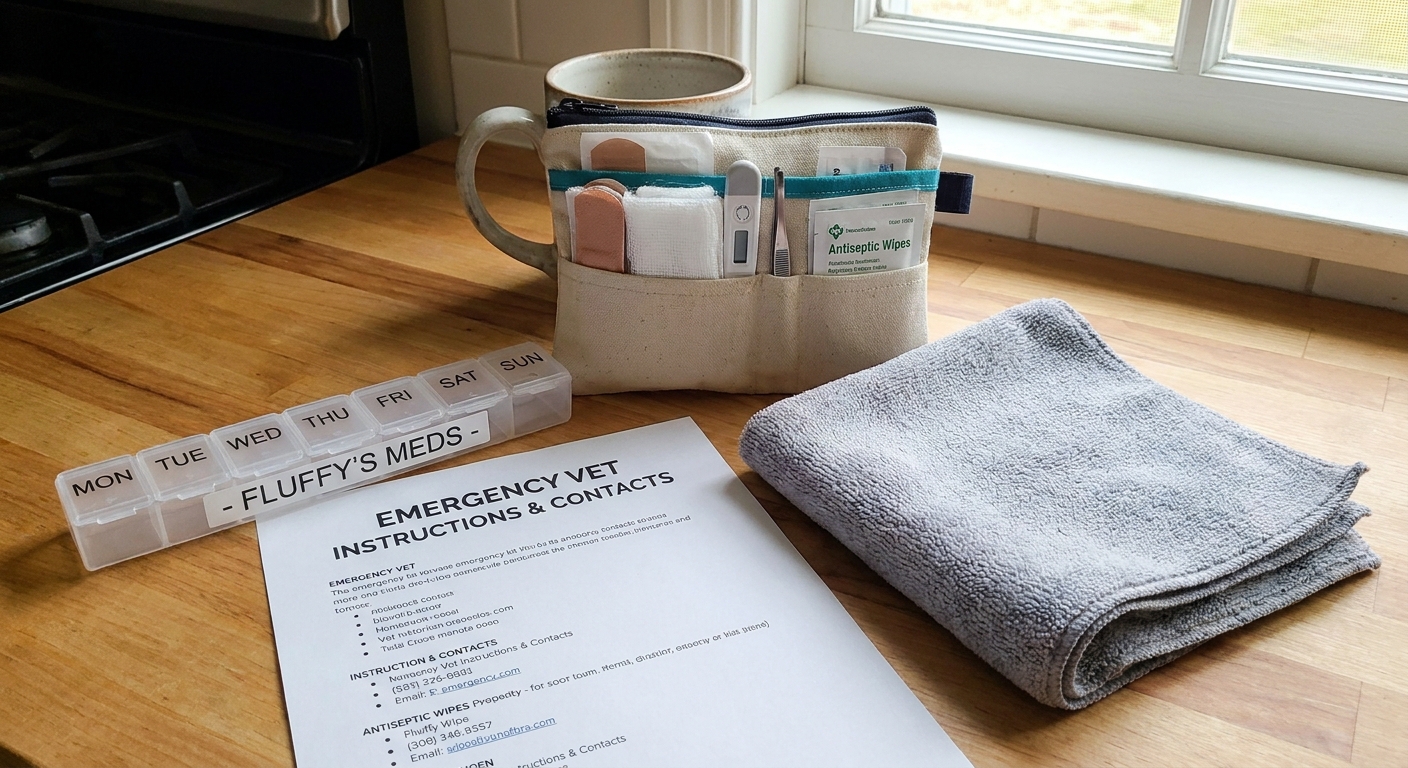
What to do during a seizure
When a seizure starts, your job is safety and information, not perfection. Here are the steps I coach families through, again and again.
Step 1: Start a timer
Time feels distorted during a seizure. A seizure that seems like 10 minutes might be 90 seconds. Use your phone’s timer and keep it running until the seizure stops, then note the recovery phase separately.
Step 2: Protect your dog from injury
- Move furniture or sharp objects away.
- Place a folded blanket or pillow nearby to buffer hard corners if needed.
- Dim lights and reduce noise if possible.
Do not put your hands near your dog’s mouth. Dogs do not swallow their tongues, but they can unintentionally bite during a seizure.
Step 3: Keep other pets and children away
Even friendly housemates can panic, crowd, or get hurt. Give your seizing dog space.
Step 4: Follow your vet’s seizure plan
If your veterinarian has prescribed intranasal midazolam, they should also give you a written plan for when to use it, whether and when to repeat a dose if advised, and when to head to the ER. Follow that plan exactly. Do not improvise or borrow medication from another pet.
Administration basics vary by clinic and device, so the safest rule is: do it exactly how your team demonstrated. In many hospitals, that includes using a nasal atomization device and aiming into the nostril (not “straight up”) so it contacts the nasal lining.
Step 5: Watch the recovery phase closely
After a seizure, many dogs experience a postictal phase that can include pacing, confusion, temporary blindness, hunger, or restlessness. Keep them in a quiet, safe room and block stairs. Offer small amounts of water when they are awake and able to swallow normally.
If you use a rescue medication, expect possible sleepiness, wobbliness, or disorientation. Some dogs may still have another seizure later, which is one reason your action plan should include clear “go now” thresholds.

When it is an emergency
Even with a rescue medication at home, some situations should trigger immediate veterinary help. Contact an emergency clinic right away if:
- The seizure lasts longer than your veterinarian’s stated cutoff time. Many clinics use a threshold of around 3 to 5 minutes, but you should follow your dog’s specific plan.
- Your dog has repeated seizures close together, especially if they are not fully recovering between them.
- Your dog has trouble breathing, has blue or gray gums, or seems dangerously overheated.
- This is your dog’s first seizure, or the seizure looks very different than usual.
- Your dog is pregnant, diabetic, very young, very old, or has other significant health conditions.
If you are unsure, call. I would always rather talk someone through a “maybe” than have them wait through a true emergency.
What to discuss with your vet
Intranasal midazolam can be incredibly helpful, but it works best when everyone is prepared.
Ask for a clear, written plan
This should include your dog’s specific patterns, what counts as a cluster for your dog, when to give rescue medication, and exactly when you should go to the ER.
Have your vet team demonstrate the device
There is usually a specific setup for intranasal administration. Ask your clinic to show you using a demo device, then have them watch you practice with an empty or training setup if available.
Know what side effects to watch for
Sedation, wobbliness, or disorientation can occur with benzodiazepines. Your vet can help you understand what is expected versus what is concerning for your dog.
Talk about storage and safety
Rescue meds need to be accessible quickly, but also secured. Midazolam is a controlled medication in many places. Keep it out of reach of children and pets, store it as directed by your pharmacy or clinic, and check expiration dates regularly.
Ask what to do after you use it
In many cases, your vet will want you to call and report the event after a rescue dose, even if your dog seems to recover well. That update helps them decide whether the daily regimen needs adjustment.
A seizure log helps
If your dog has seizures, a log is one of the most powerful tools you can bring to your veterinarian. It helps your vet decide whether a rescue medication like intranasal midazolam is appropriate and whether daily medications need adjustment.
- Date and time of seizure
- Length of seizure (timer)
- What it looked like (body stiffening, paddling, facial twitching, staring)
- How long recovery took
- Any triggers or changes (missed meds, new diet, stress, boarding, illness)
- Whether it was a single event or part of a cluster
If you can safely record a short video from a distance, that can also be extremely helpful for your veterinarian.
FAQ
Is intranasal midazolam the same as phenobarbital or Keppra?
No. Phenobarbital and levetiracetam (Keppra) are typically used as ongoing anticonvulsants to reduce seizure frequency. Intranasal midazolam is most often used as a rescue medication to stop an active seizure or interrupt clusters.
Will my dog still need daily meds if we have a rescue med at home?
Often, yes. Many dogs who need rescue medication also need daily anticonvulsants. Your veterinarian will decide based on seizure frequency, severity, underlying cause, and overall health.
Can I use intranasal midazolam without a vet prescription?
No. This is prescription medication and should only be used under veterinary direction with a dog-specific plan. Seizures have multiple causes, and the safest approach is always individualized medical guidance.
What should I do right after my dog has a seizure?
Keep them safe, quiet, and away from stairs. Let them fully reorient before offering water or food. Then document the event and contact your veterinarian, especially if it was longer than normal, required rescue medication, or was part of a cluster pattern.
The takeaway
Veterinarians most often prescribe intranasal midazolam when a dog has a seizure pattern that could escalate quickly, especially clusters or concerning breakthrough events. It is a tool for the moment, not a replacement for daily seizure management.
If your dog has ever had more than one seizure in a day, has prolonged seizures, or seems to be trending toward clusters, it is worth asking your veterinarian, “Should we have a rescue medication at home?” Having a plan can turn one of the scariest moments of pet parenting into something you can handle with calmer hands and a clearer head.