If you have ever parted your dog’s fur and suddenly realized the “dirt” is moving, you know the exact kind of panic that seed ticks can trigger. I’m a veterinary assistant in Frisco, Texas, and one of the most distressing tick situations I see is not a single tick on a shoulder. It is the dog who comes home with dozens, sometimes hundreds, of tiny pinhead-sized ticks clustered on the ears, belly, armpits, and between the toes.
That infestation pattern is classic for what many pet parents call seed ticks. Let’s break down what they are, why they happen, and how to handle them safely and thoroughly.
Seed ticks: what they are
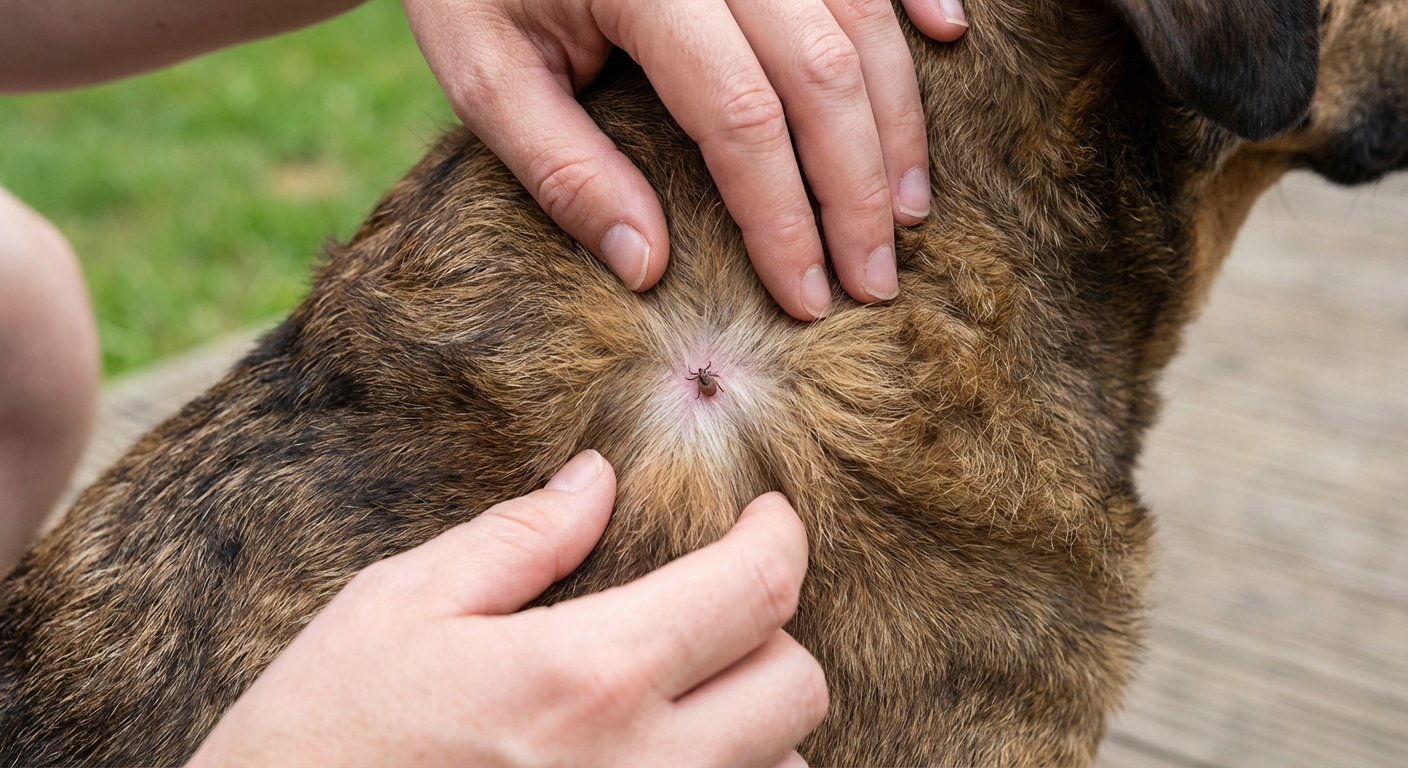
“Seed ticks” is a common nickname for tick larvae, the life stage right after a tick hatches from its egg. In everyday conversation, some people also use “seed ticks” to describe very tiny nymphs, too. Either way, the home experience is similar: they are extremely small and often show up in clusters.
They are often described as:
- Pinhead-sized or even smaller
- Dark specks that look like pepper, fine dirt, or tiny scabs
- Clustered together in groups rather than spaced out
Larval ticks have six legs (nymphs and adults have eight), but you usually cannot see the legs without magnification. What you will notice is the sheer number of them and how tightly they bunch up.
How they differ from one tick
A single adult tick is usually bigger, easier to spot, and tends to be found as a one-off hitchhiker. Seed ticks behave differently.
Key differences you will notice
- Quantity: Seed ticks often appear by the dozens or hundreds after your dog brushes through the wrong patch of grass or leaf litter.
- Clustering: They commonly attach in tight groups along edges of skin and fur, like a “line” of specks.
- Body location: They gravitate to areas that are easy to reach from the ground and protected from grooming and friction.
- Size: They are so tiny that many dogs end up with significant irritation before a person realizes they are ticks at all.
Practically speaking, this is why seed ticks require a different plan than “remove one tick and move on.” With larvae and tiny nymphs, your goal is to remove the bulk of the infestation and then prevent the rest from attaching, surviving, or reappearing.
Common attachment spots
Seed ticks love thin skin, warm creases, and spots with less dense fur. The most common places I see them include:
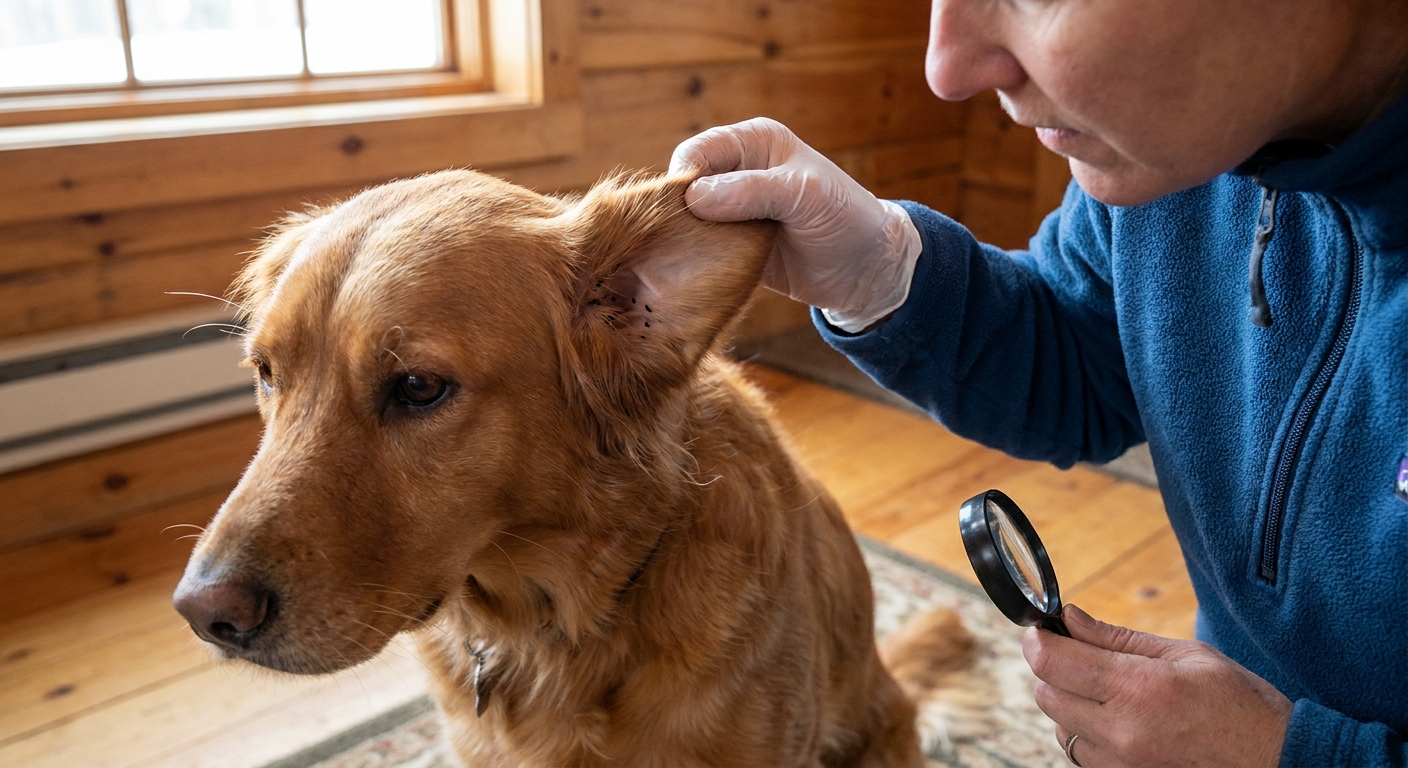
- Ears: especially the ear edges, ear flap, and around the base of the ear
- Belly and groin: thinner hair and more skin exposure
- Armpits: tucked away and warm
- Between toes: and around nail beds
- Under the collar or harness areas: friction and warmth make it attractive
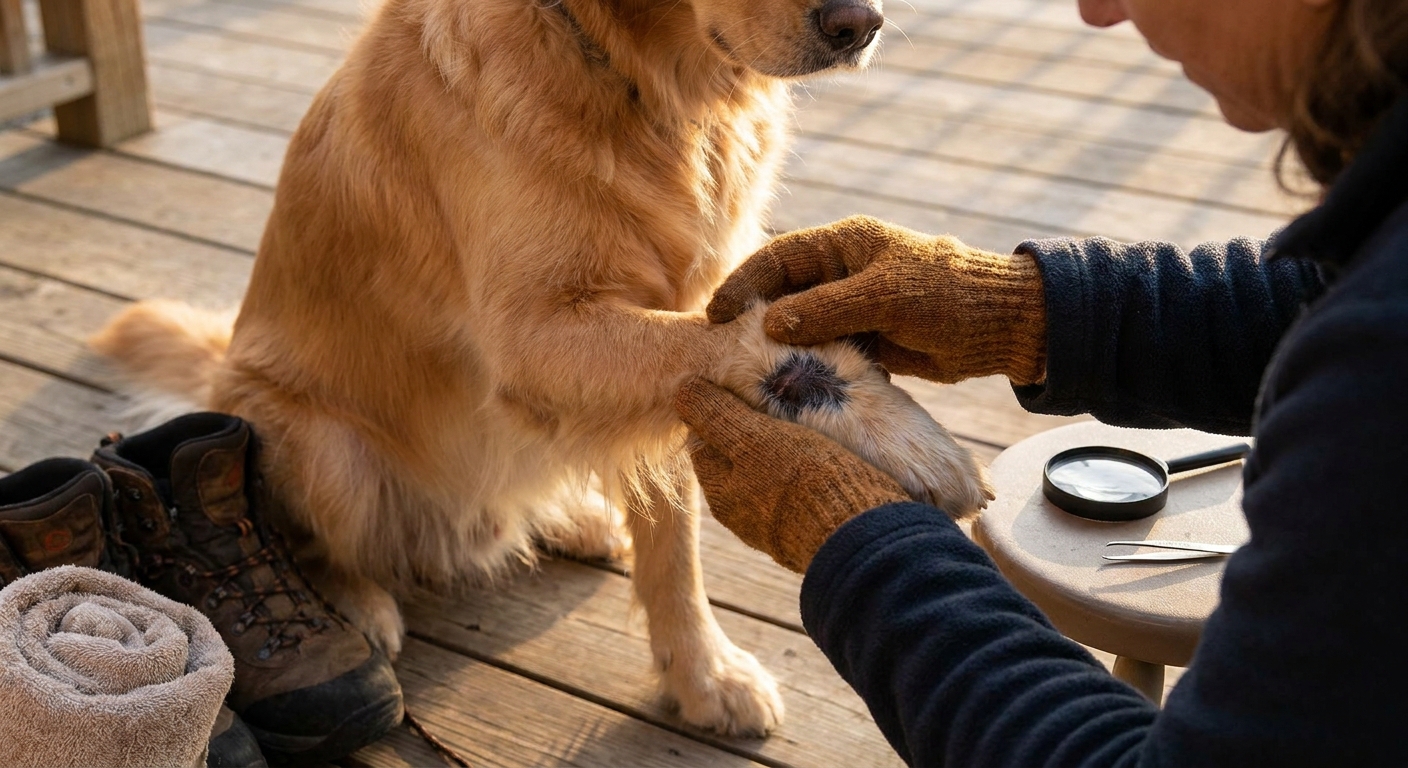
If you live in an area with tall grasses, wooded edges, or lots of wildlife, you may see these outbreaks seasonally. Dogs that run through brushy areas, creek lines, or overgrown lots are especially at risk.
Why they show up in clusters
Ticks lay eggs in the environment. When those eggs hatch, a large batch of larvae can be waiting low to the ground. If your dog passes through the wrong spot, larvae can swarm onto the coat very quickly.
It can feel like your dog became infested “out of nowhere,” but usually it is tied to:
- Walks through tall grass or along trail edges
- Time in leaf litter or brush piles
- Yards visited by deer, feral cats, coyotes, rabbits, rodents, or outdoor pets
- Dog parks with uncut perimeter areas
What to do right away
With seed ticks, you are managing a small-scale infestation on the body. The steps below focus on safe, practical action without turning your bathroom into a tick transfer station.
1) Contain your dog
Keep your dog in a bathroom, laundry room, garage, or any easy-to-clean area. Keep them off soft furniture. Seed ticks can fall off during handling and end up in bedding, carpets, or crate pads.
2) Scan under bright light
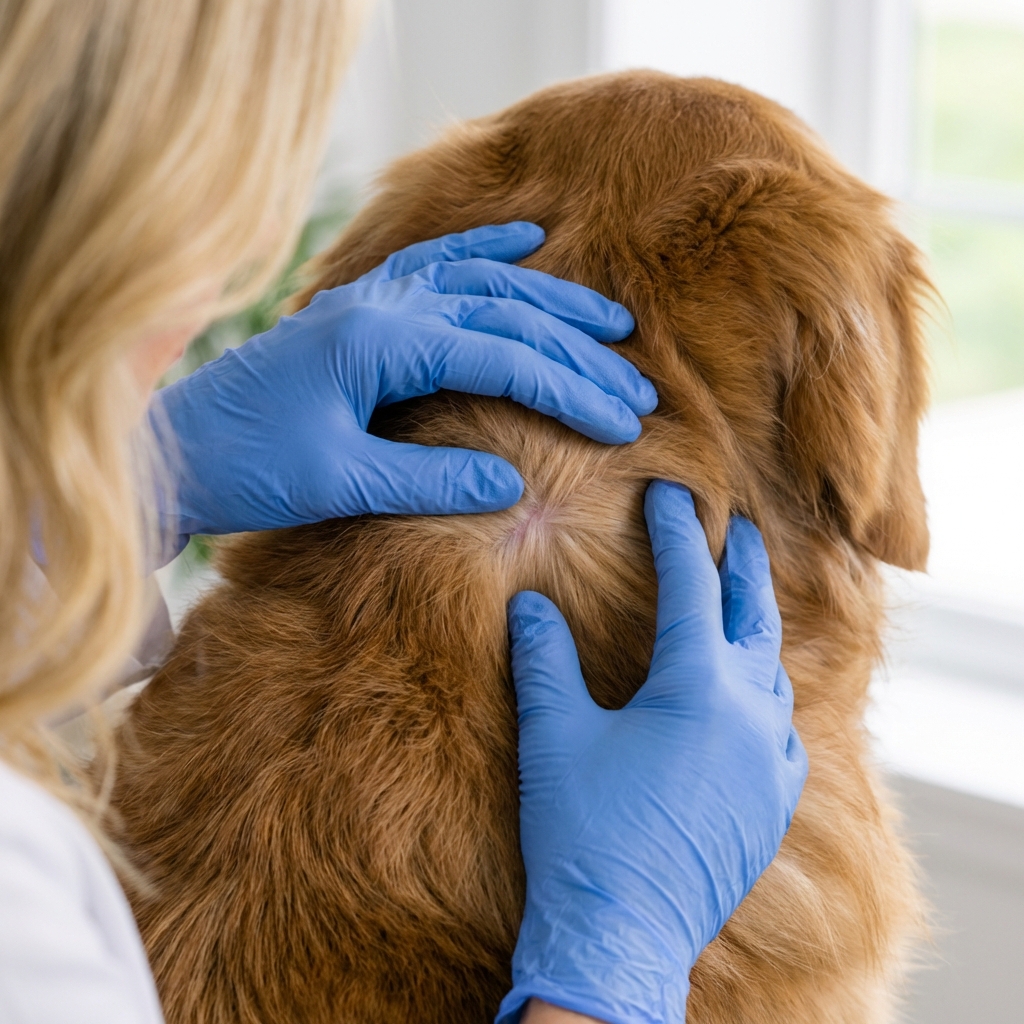
Part the fur and look closely at common hiding zones: ears, belly, armpits, groin, toes, and under collars. You are looking for clusters of tiny dark specks that are anchored to the skin.
3) Groom for mass removal
For large numbers of larvae, hands-on grooming matters. Depending on coat type, that can include:
- Thorough combing with a fine-toothed comb
- Flea combing around ears and belly (many people already have one at home)
- Careful trimming of heavily infested fur if your dog’s coat allows it and your dog tolerates it
In clinic, we will often do a slow flea-comb pass in the worst clusters, then use a piece of clear tape to lift a few specks for a closer look. It is a quick way to confirm you are dealing with ticks and not dirt or scabs.
If your dog is very wiggly, sensitive, or the ticks are densely packed around ears or toes, it is completely appropriate to let a professional groomer or your veterinary clinic help. Comfort and safety matter, especially around delicate skin.
4) Use vet-approved prevention
This is where prevention and treatment overlap. Talk with your veterinarian about a reliable tick preventive that fits your dog’s age, weight, and health history. Most vet-approved preventives kill ticks after they attach, and some products also help repel ticks or reduce attachment. Speed of kill and repellency vary by product and tick species, so it is worth matching the option to your region.
If your dog is not currently on tick prevention, a seed tick outbreak is a very good reason to start that conversation promptly.
How to remove attached ticks
Even when you are combing, you will usually find a few that are clearly attached. For those, use a tick tool or fine-tipped tweezers:
- Part the fur and grasp the tick as close to the skin as possible.
- Pull straight out with steady, even pressure. Do not twist, crush, or “pop” the tick.
- Clean the bite site with mild soap and water or a pet-safe antiseptic your vet recommends.
- Wash your hands, and keep the tick in a sealed container or on tape if your clinic wants an ID.
Avoid folk remedies like petroleum jelly, nail polish, essential oils, or rubbing alcohol to “back the tick out.” Those methods can irritate skin and can increase the chance of messy removal.
What not to do
- Do not scrub ear edges aggressively. Ear margins can get raw fast, especially with dozens of bites.
- Do not use essential oils on your dog. Some are toxic to pets, and they are not a reliable tick treatment.
- Be careful with permethrin products in mixed pet homes. Permethrin is used in some dog tick products but is dangerous to cats. If you have cats, talk to your vet before using anything new, and keep cats away from treated dogs until products are fully dry as directed.
- Do not assume you need a whole-house “infestation” treatment. Ticks are not like fleas. The priority is removing stragglers that fell off during handling and keeping your dog protected going forward.
Grooming plus prevention
Here is the simple truth I share with pet parents: grooming removes ticks you can reach, prevention helps handle the ticks you miss.
- Grooming helps physically remove larvae from the coat and reduces the total number attached.
- Veterinary preventives help kill ticks that are already attached and reduce the chances of repeated hitchhikers after outdoor time.
This matters because seed ticks are so small that it is easy to miss a cluster in a skin fold or under a collar.

Look-alikes
Before you assume every speck is a tick, consider a few common look-alikes:
- Flea dirt: pepper-like specks that smear reddish-brown when wet
- Scabs or crusts: irregular, skin-colored to brown, and not all identical
- Plant debris: burrs or seed heads that sit in fur but are not anchored to skin
- Mites or chiggers: can cause intense itching but are often harder to see individually
If you are unsure, your vet clinic can often identify a sample, and that can help guide next steps.
When to call your vet
I am all for empowering pet parents, and I also want you to know when it is time to bring in backup. Contact your veterinarian if:
- Your dog has heavy coverage and you cannot safely remove enough with grooming
- The clusters are concentrated around ears, eyes, or between toes and your dog will not tolerate handling
- You notice significant redness, swelling, scabbing, or oozing at bite sites
- Your dog is very young, senior, pregnant, nursing, or has chronic illness and you are unsure what products are safe
- You need guidance choosing an effective tick preventive for your region and dog’s lifestyle
Also, if you saved a sample (even a piece of tape with a few ticks stuck to it), your clinic may be able to help with identification.
Monitoring after exposure
Ticks can transmit disease, but risk varies by tick species, region, and how long ticks were attached. Many major tick-borne illnesses are more commonly linked with nymphs and adults than larvae. Still, after a heavy tick exposure, keep an eye on your dog for the next few weeks and call your vet if you see:
- Low energy or unusual sleepiness
- Fever
- Lameness or stiffness
- Reduced appetite
- Pale gums or weakness
Your veterinarian can advise you on local tick-borne disease risks and if or when testing makes sense based on your area.
Cleaning your home
Most seed tick issues start outdoors. A few ticks can drop off inside during handling, but ticks generally prefer to stay on a host rather than setting up a home infestation the way fleas can. After you groom and treat your dog, do a quick clean-up to catch stragglers:
- Wash bedding your dog touched in hot water if possible
- Vacuum floors and rugs, especially entryways and where you examined your dog
- Empty the vacuum promptly into an outdoor trash bin
- Check other pets in the household, especially if they were on the same walk or in the same yard
How to help prevent it
You cannot control every tick in the environment, but you can lower the odds of another “pinhead tick” event.
Smart prevention habits
- Use veterinarian-recommended tick prevention consistently, not just when you “see ticks.”
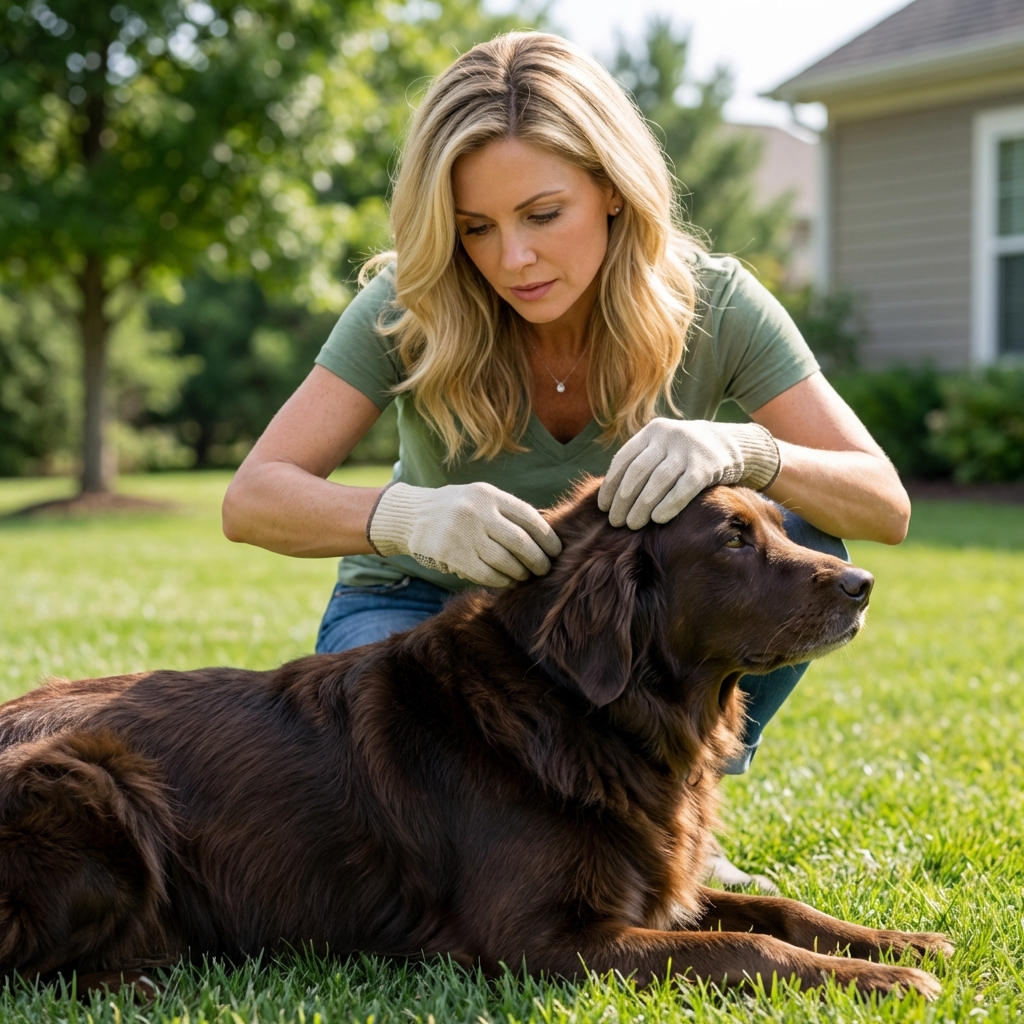
- Do a post-walk check focusing on ears, belly, and paws.
- Stick to the center of trails and avoid brushing against tall grasses.
- Keep grass trimmed and remove leaf litter piles in your yard.
- Talk to your vet if you live in a heavy tick area and need a stronger plan.
My favorite tip for families is to build a “quick check” into your routine: a two-minute ear, belly, and toe scan right when you get home. Catching larvae early makes everything easier.
Seed ticks on dogs: FAQ
Are seed ticks the same as fleas?
No. Fleas move quickly through the coat and you may see “flea dirt” that turns reddish when wet. Seed ticks usually look like stationary, attached specks clustered in one area.
Can a dog get sick from seed ticks?
Ticks can transmit disease, and heavy tick exposure can cause significant skin irritation. The disease risk varies by tick species and region. The best step is to remove as many as you can through grooming and get your dog on effective veterinary tick prevention. If you have concerns about your dog’s health after tick exposure, your veterinarian can guide you on monitoring and any needed testing.
Why are they on my dog’s ears and belly?
Those areas are warm, have thinner hair, and are close to the ground. Larvae also tend to cluster where they can attach more easily.
Do I need to treat my yard?
Sometimes yard management helps, especially trimming vegetation and reducing wildlife attraction. For chemical yard treatments, I recommend speaking with your veterinarian and using a reputable pest control company that understands pet-safe application and drying times.
The bottom line
Seed ticks are usually tick larvae (and sometimes very tiny nymphs), and they behave like an infestation rather than a one-and-done pest. If your dog comes in covered in tiny pinhead specks, think: containment, thorough grooming, safe tick removal, and fast veterinary-backed prevention.
You are not overreacting. You are being a good pet parent. And with a calm plan, you can get your dog comfortable again and reduce the chances of it happening the next time your pup charges happily into the grass.