A curious nose. A very waggy welcome.
Dogs are experts at finding trouble with their faces and feet, which is why I take wound-related issues seriously. Tetanus in dogs is one of those conditions that sounds old-fashioned until it is suddenly not. It usually starts after a wound and shows up as tight, painful muscle stiffness that can look like shaking or spasms. The classic nickname is lockjaw, but tetanus can affect far more than the jaw.
What tetanus is in dogs
Tetanus is caused by a toxin made by the bacteria Clostridium tetani. These bacteria can be found in soil and animal feces, and they can contaminate a wound. The key detail is that the bacteria prefer low-oxygen environments, like deep punctures, crushed tissue, or wounds that close over at the surface.
The toxin (called tetanospasmin) affects the nervous system and interferes with the normal “off switch” for muscles. That is why tetanus is known for rigidity and spasms rather than loose, wobbly weakness.
How dogs get tetanus
Most cases trace back to some kind of break in the skin, even if it seemed small at the time. Common examples include:
- Puncture wounds (like stepping on something sharp, bite wounds, or a thorn)
- Nail injuries to the foot or between toes
- Deep scrapes that trap dirt
- Wounds after surgery or after giving birth (less common, but possible)
- Mouth injuries, including gum trauma
Dogs seem to be less susceptible than humans (and far less than horses), and tetanus is relatively uncommon in dogs. But uncommon is not the same as impossible. When it happens, it is serious.
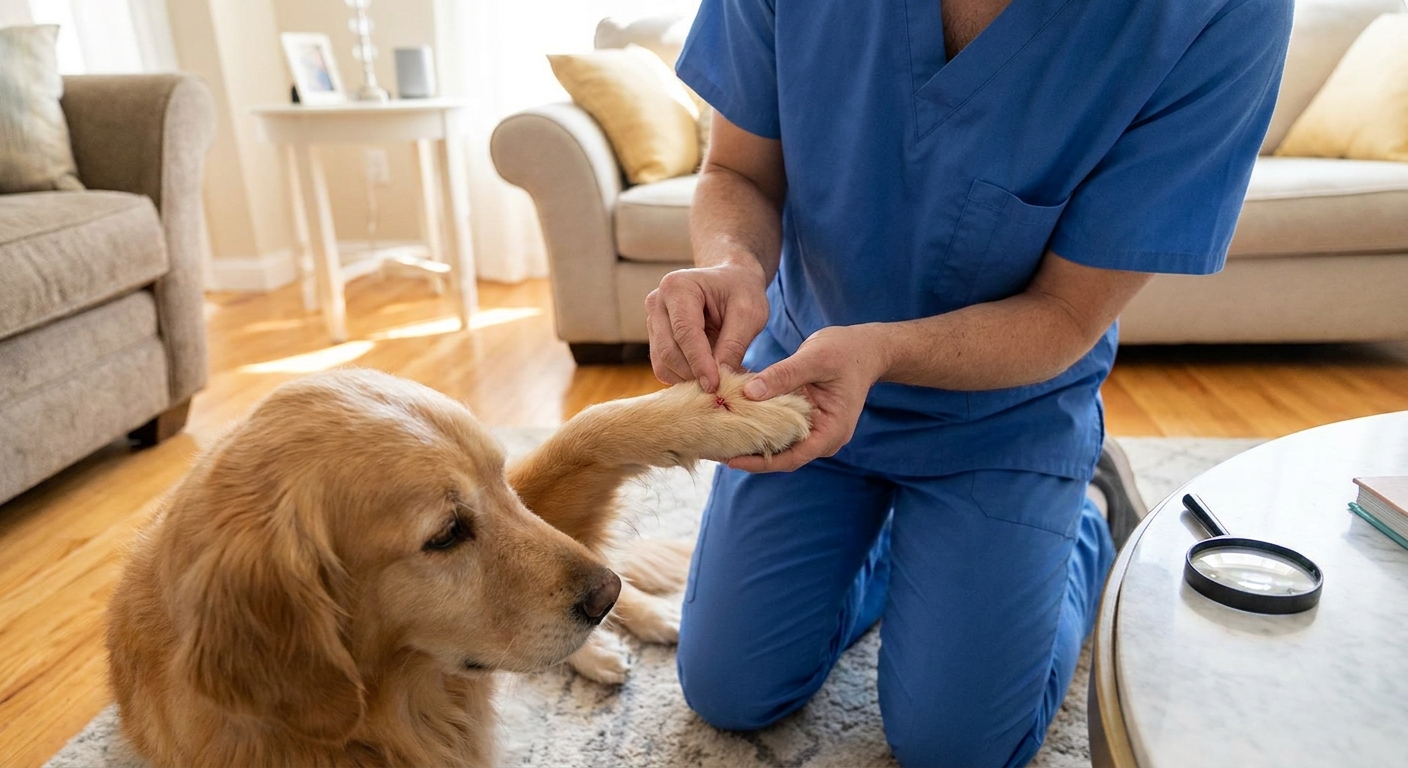
One frustrating twist is that the original wound can be tiny, hidden under fur, or already scabbed over by the time stiffness starts. That is why vets look carefully between toes, under the collar area, and inside the mouth.
Signs of tetanus
Tetanus signs often appear after the wound has had time to “sit.” In many cases that is within about 1 to 2 weeks (often cited around 3 to 18 days), but it can be shorter or longer depending on the wound and bacterial conditions. Some dogs develop signs that stay more local near the wound, while others develop generalized full-body stiffness.
Lockjaw and facial changes
- Jaw stiffness or inability to open the mouth normally
- Trouble eating or drinking because chewing is painful or difficult
- Facial muscle tightness, sometimes with a strained “grin” look
- Third eyelid showing more than normal in some dogs
Stiff, rigid posture (the “sawhorse stance”)
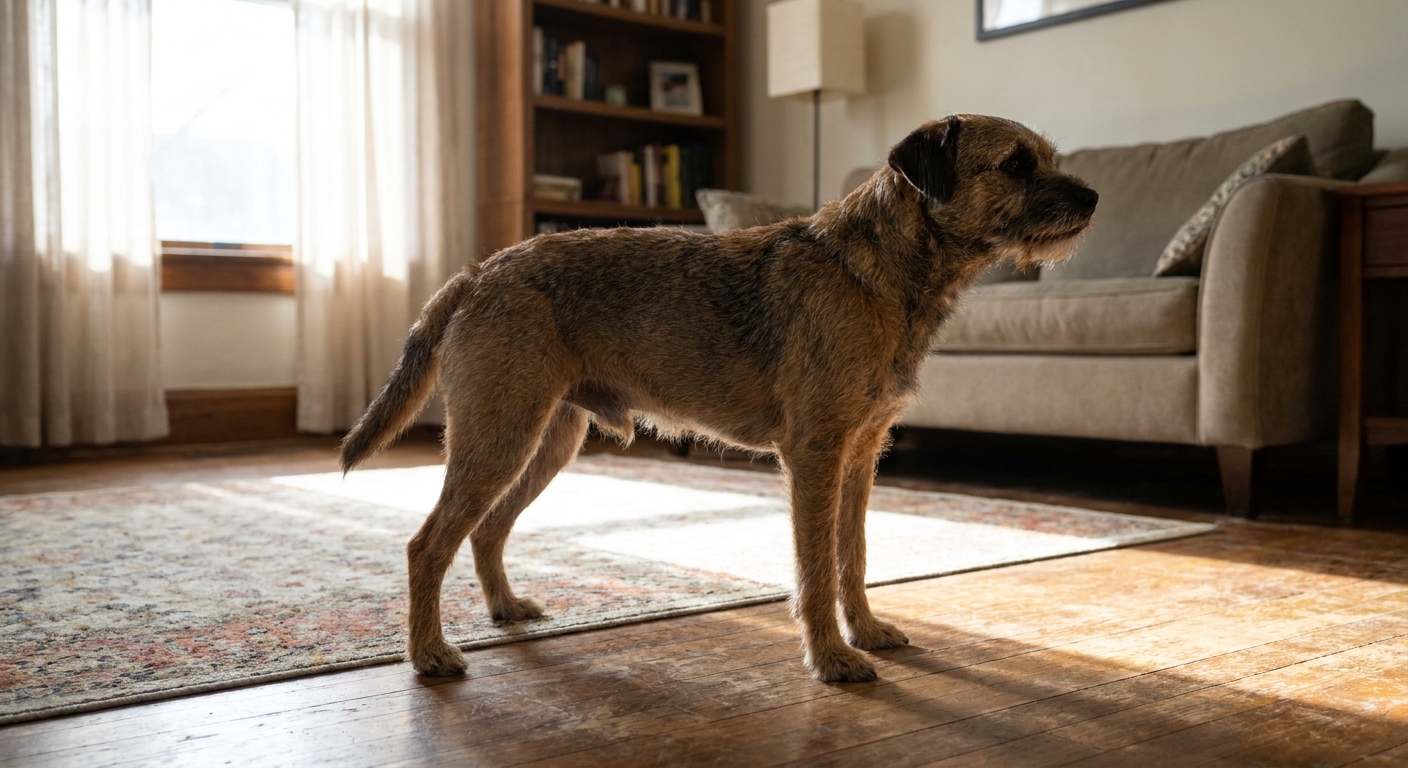
A classic tetanus posture is the sawhorse stance: the legs look stiff and planted, the back can appear rigid, and the dog may move with short, tight steps. It is not the loose trembling of a chilly dog. It is more like the muscles are stuck “on.”
Muscle spasms
- Sudden, painful-looking muscle contractions
- Spasms triggered by sound, touch, or light because the nervous system is overly reactive
- Stiffness that seems to spread from one area to other muscle groups
Other red-flag signs
- Difficulty swallowing or excessive drooling
- Rapid breathing or breathing that looks strained
- Fever (can occur from sustained muscle activity, and it can also reflect wound infection or complications)
- Restlessness or anxiety because it hurts and they cannot relax
Tetanus vs shivering, tremors, or a seizure
Dogs shake for lots of reasons. Tetanus is one of the “do not wait and see” possibilities, but it is also easy to confuse with other issues at first glance. Here is how to tell the patterns apart.
Tetanus vs normal shivering
Shivering is often rhythmic and looks like the dog is trying to generate heat or responding to stress. A shivering dog can usually still soften their body, change positions, and relax between shivers.
- Shivering: body can still bend and relax, often stops with warmth or calm
- Tetanus: muscles feel tight, posture looks rigid, jaw or face may be stiff, spasms can be triggered easily
Tetanus vs shaker syndrome
Shaker syndrome (also called generalized tremor syndrome) causes tremors that can look dramatic, but it is typically more of a continuous trembling than hard, locked muscle rigidity. It is often described as immune-mediated and is classically noted in some small white breeds, but it can happen in many dogs.
- Shaker syndrome: tremors, often full-body, may worsen with excitement and improve with rest or sleep
- Tetanus: stiffness, tight facial muscles, jaw issues, and painful spasms are more typical
Both conditions need veterinary care. The difference matters because the treatments are different.
Tetanus vs a seizure
Seizures are episodes of abnormal brain activity. During a seizure, dogs may lose awareness, fall over, paddle their limbs, drool, or urinate. Some seizures are more subtle (including focal seizures) and might look like odd facial movements, staring, or repetitive behaviors. Afterwards, many dogs act disoriented or tired (the post-ictal phase), but not always.
- Seizure: a distinct episode, often with altered awareness, sometimes followed by a recovery phase
- Tetanus: ongoing stiffness that does not “reset,” plus spasms that can be triggered repeatedly
If your dog is actively seizing, that is an emergency. If your dog has stiffness and spasms after a wound, that is also an emergency. Either way, a vet should be involved immediately.
Why human tetanus advice does not fit dogs
A common online detour goes like this: someone reads about tetanus after a bite (often a cat bite), and the advice they find is mostly about human wound management: cleaning the bite, watching for infection, and deciding whether the person needs a tetanus booster shot.
That advice does not answer what to do when a dog is showing symptoms that could be tetanus. In dogs, once toxin-related illness is underway, the priority is urgent veterinary care to support breathing, control spasms, treat the wound, and reduce further toxin production.
Also important: a dog’s stiff “lockjaw” presentation after a wound is not solved by the same checklist used for a person who got bitten and is asking, “Am I due for a shot?” They are different situations.
When this is an emergency
If you see any of the signs below, contact an emergency vet or your vet’s urgent line immediately:
- Stiffness in the jaw, trouble opening the mouth, or sudden difficulty eating
- Rigid legs or a sawhorse stance, especially after any wound
- Repeated muscle spasms, especially if triggered by touch or sound
- Breathing difficulty, noisy breathing, or blue or pale gums
- Trouble swallowing, excessive drooling, or choking or gagging during drinking
- Rapid worsening over hours
- A known puncture wound that is deep, dirty, or painful
Even if you are not sure it is tetanus, stiffness plus a wound is enough to justify urgent evaluation. It is much safer to be wrong at the vet than right at home.
What to do on the way to the vet
This is one of those “less is more” moments.
- Keep your dog quiet and in a dim, calm space. Stimulation can trigger spasms.
- Do not force the mouth open or try to pry the jaw.
- Prevent slips and falls. Use a leash or a towel sling for support if needed.
- If you can see a wound, do not aggressively probe it. If it is actively bleeding, apply gentle pressure with a clean cloth.
- Avoid tight wraps or splints unless a veterinarian has shown you exactly what to do. A too-tight bandage can create new problems.
- Do not try to stretch, “walk it off,” or massage out the stiffness. That can worsen pain and trigger spasms.
- Call ahead so the clinic can prepare for safe handling and rapid assessment.
Avoid giving leftover antibiotics or human pain medication. Those choices can complicate treatment, and some human medications are dangerous for dogs.
What the vet visit is for
Tetanus is diagnosed based on a dog’s history (often a wound) and the pattern of symptoms. There is not a reliable home test that confirms it. The vet visit is about stabilizing your dog and stopping the toxin problem from getting worse.
1) Finding and treating the wound
Your vet will look for an entry wound, including between toes, in the mouth, or under the coat. Wound care may include cleaning, flushing, and possibly removing damaged tissue if needed.
2) Reducing ongoing toxin production
Because the bacteria are involved, vets commonly use antibiotics to reduce the bacteria in the wound and limit additional toxin production.
3) Controlling spasms and pain
Dogs with tetanus often need medications to relax muscles, reduce spasm triggers, and control pain. Keeping a dog comfortable is not just kindness. It can reduce stress-related worsening.
4) Monitoring breathing, hydration, and nutrition
Severe stiffness can affect swallowing and breathing. Some dogs need hospitalization for oxygen support, IV fluids, feeding support, and close monitoring in a low-stimulation environment.
5) Considering tetanus antitoxin
In some situations, a veterinarian may consider tetanus antitoxin to neutralize toxin that has not yet bound to nerves. Timing matters. Use also varies by region and case, and your vet may discuss risks like hypersensitivity reactions as part of that decision.
Tetanus vaccine for dogs
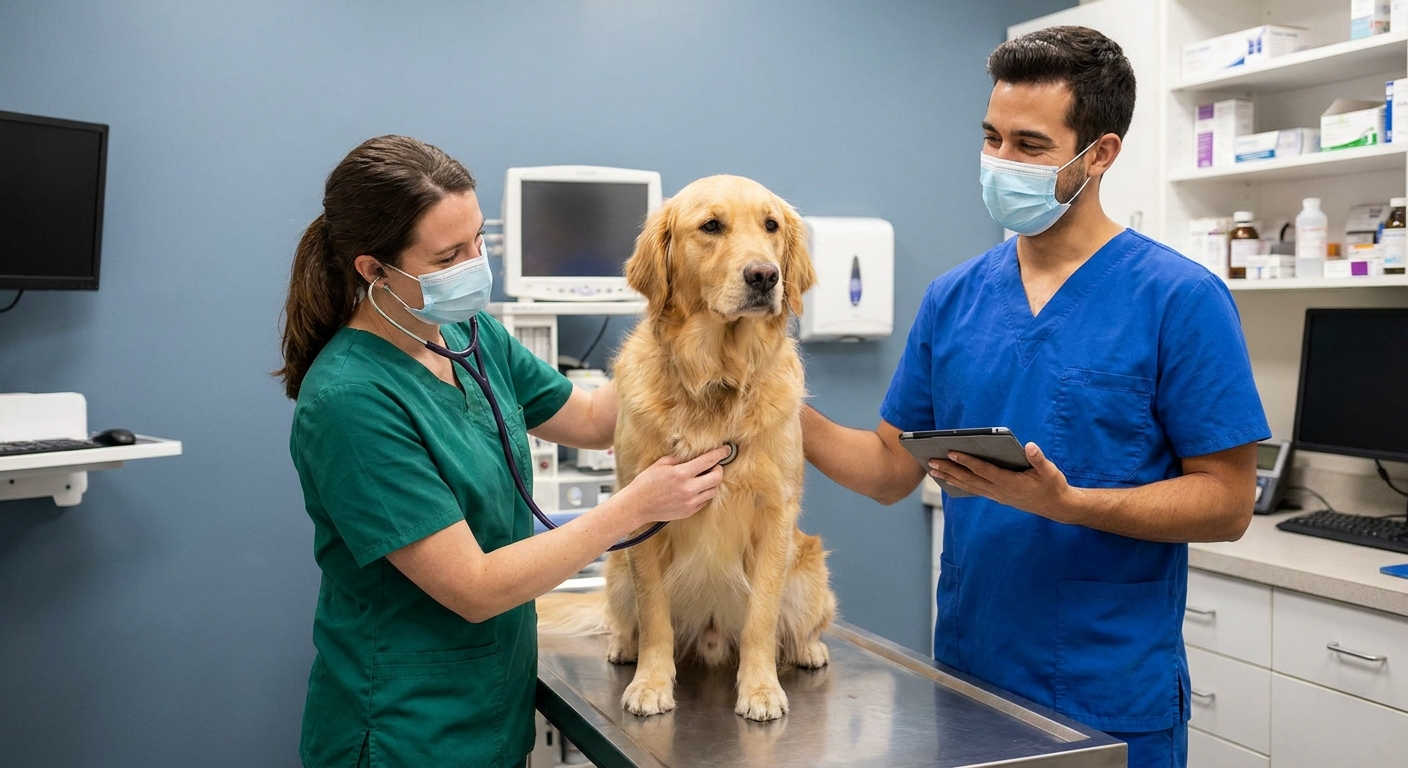
In many places, routine tetanus vaccination is not part of standard dog vaccine schedules the way it is for humans. Tetanus toxoid products for animals exist and have been used in some settings, but they are not routinely recommended for most pet dogs. Your veterinarian is the best person to ask about prevention options in your area and your dog’s individual risk.
The practical prevention steps most families can control are wound-related: check paws after outdoor adventures, keep bite wounds and punctures from “hiding” under fur, and get deep or dirty wounds assessed promptly.
Recovery and outlook
Recovery depends on how severe the signs are, how quickly treatment starts, and whether breathing and swallowing stay safe. Some dogs recover well with intensive support, but it can take time because the nervous system needs to regain normal control of muscle tone.
Localized tetanus (stiffness mostly near the wound) often has a better outlook than generalized tetanus, which can involve the whole body. Recovery can take weeks, not days.
Your vet will also be watching for complications, which can include breathing problems and aspiration pneumonia if swallowing is unsafe.
If your vet suspects tetanus, follow-up care is usually about:
- Keeping the environment calm and low-stimulation
- Continuing medications exactly as prescribed
- Monitoring eating, drinking, bathroom habits, and comfort
- Rechecking the wound and watching for infection
Quick recap
If your dog has a recent wound and starts showing jaw stiffness, rigid posture (sawhorse stance), or painful muscle spasms, treat it as an emergency and get veterinary help immediately.
Shivering from cold or stress tends to come and go. Tetanus tends to tighten and persist. When in doubt, let a vet sort out the “why.” That is what the visit is for.