A curious nose. A very waggy welcome.
If your vet mentions a ringworm culture and then casually adds, “It can take a couple weeks,” it can feel like an eternity. Ringworm is contagious, it can look like other skin problems, and everyone wants an answer now.
Let’s sniff through what the DTM fungal culture test is, how it’s different from a Wood’s lamp exam and PCR testing, and why waiting up to 3 weeks is annoyingly normal.
First, what ringworm is
Ringworm is not a worm. It is a fungal infection of hair, skin, or nails caused by dermatophytes. In dogs, Microsporum canis is one of the most common causes, but other species can be involved too, and prevalence can vary by region and population.
Because other issues can mimic ringworm, things like allergies, mange mites, bacterial infection, and immune-related skin disease, vets often recommend testing instead of guessing.
Three common vet tests
Wood’s lamp exam (fast, not definitive)
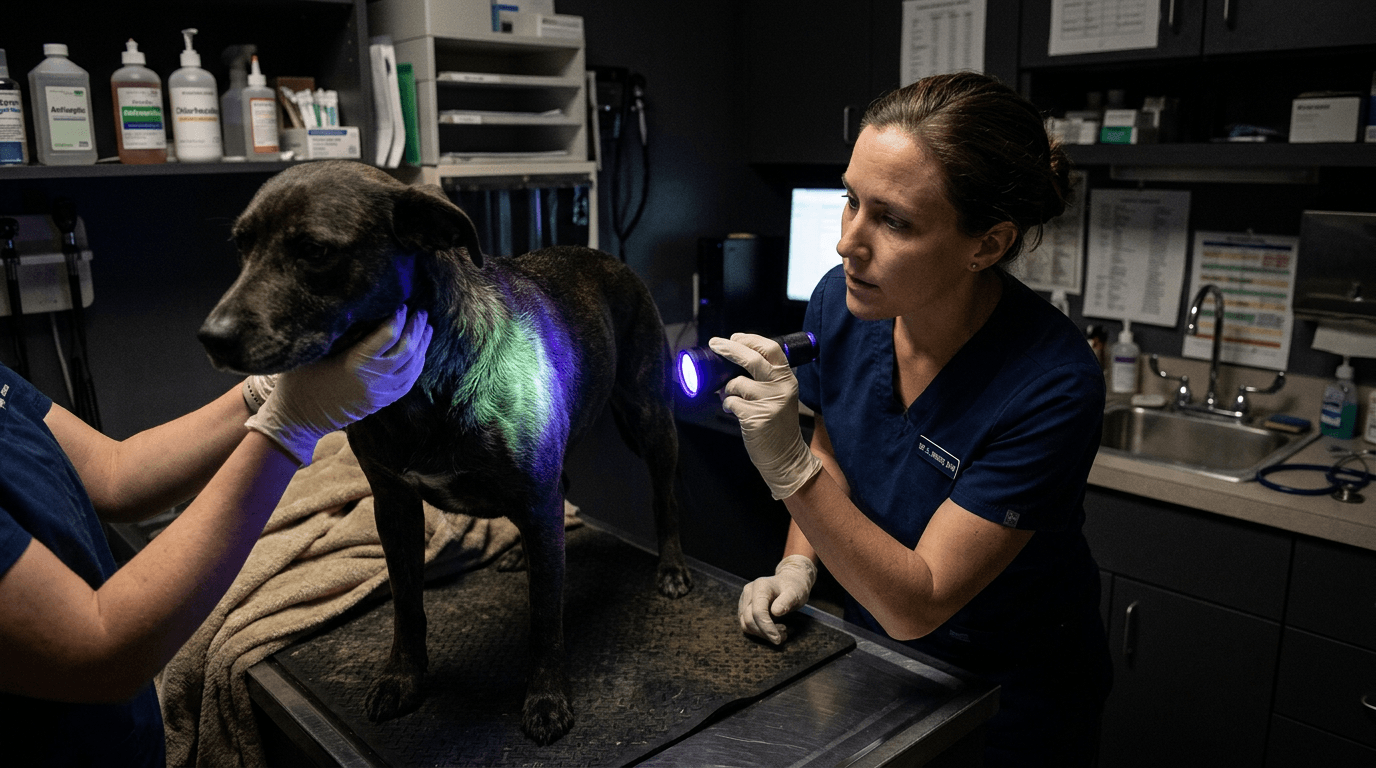
A Wood’s lamp is a special ultraviolet light. Some strains of Microsporum canis can make infected hairs fluoresce an apple-green color under the lamp. That glow is tied to compounds on infected hairs, and not all strains fluoresce.
- Timing: results are immediate during the appointment.
- Best for: helping choose where to sample, and may offer a quick clue.
- Limitations: many ringworm infections do not glow, and most non–M. canis dermatophytes will not either. Debris or topical products can sometimes cause confusing fluorescence. A negative Wood’s lamp does not rule out ringworm.
DTM fungal culture (slower, very useful)
A DTM test is a dermatophyte test medium culture. Your vet places hairs and skin debris onto a special growth medium and waits to see if dermatophytes grow.
- Timing: often 1 to 3 weeks, with many clinics reading cultures for up to 21 days before calling them final-negative.
- Best for: confirming whether live dermatophytes are present and helping assess treatment progress and clearance.
- Limitations: slower by nature, and it takes experience to interpret early color change versus true dermatophyte growth. Like every test, it is sampling-dependent.
PCR testing (fast and sensitive, but nuanced)
PCR tests look for fungal DNA on the sample. Depending on the lab and shipping, PCR can sometimes return faster than culture.
- Timing: commonly a few days, though turnaround varies.
- Best for: rapid support for diagnosis, especially when culture results are pending.
- Limitations: PCR may detect DNA even when organisms are no longer alive, so a positive does not always mean a dog is still contagious. PCR can also be falsely negative if sampling misses infected hairs or the fungal burden is low.
How the sample is collected
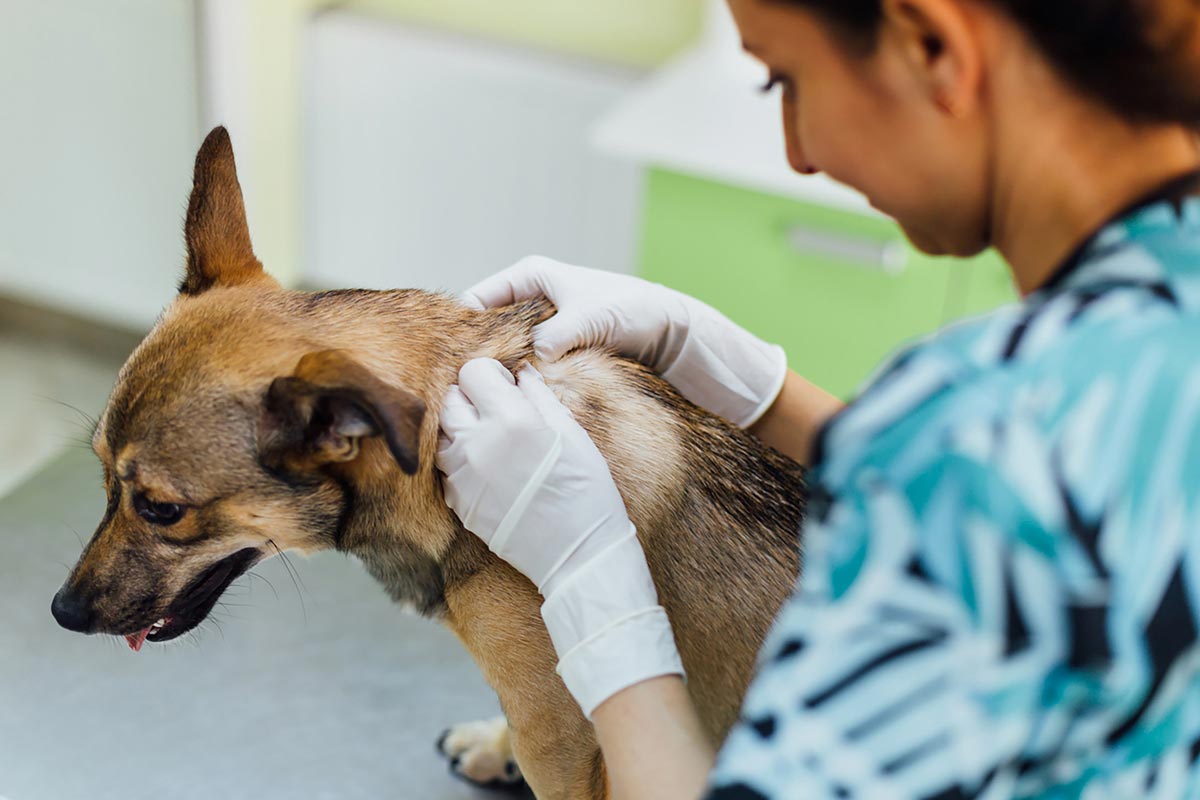
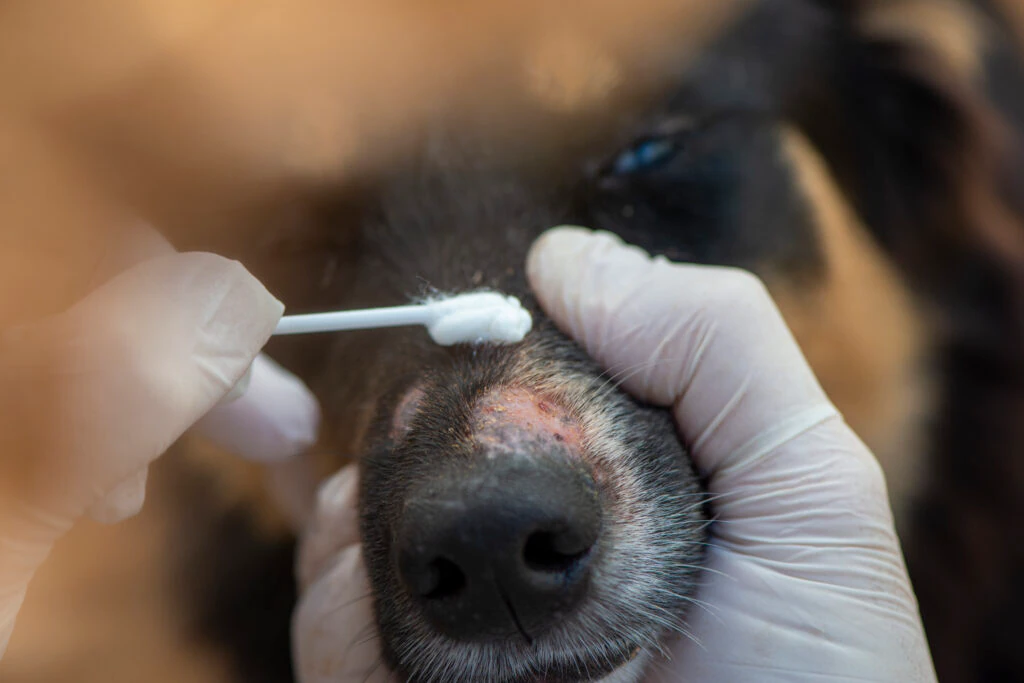
For ringworm testing, sample quality is everything. Dermatophytes live in keratin, so the goal is to collect infected hairs and scale, not just surface dust.
Common sampling methods
- Plucking hairs from the edge of a lesion (often where active infection lives).
- Skin scraping or collecting flaky scale.
- Toothbrush technique for generalized cases, long-coated dogs, or when lesions are hard to find. A new toothbrush is brushed across the coat to gather hairs and debris.
Vets may also use the Wood’s lamp first to pick the best suspicious hairs to culture or send for PCR.
Why DTM results take up to 3 weeks
This is the part where my puppy-parent patience gets tested. But fungal culture is slow for good reasons.
Dermatophytes need time
With a DTM culture, the lab or clinic is waiting for live fungus to grow from the sample. If there are only a few spores, or if the sample is small, it can take longer for growth to become obvious.
Early changes can be misleading
DTM medium typically changes color as organisms grow and affect the pH. The catch is that non-dermatophyte contaminants can sometimes grow too, especially if the sample has environmental fungi. Those can cause color change without a true ringworm infection.
That is why experienced interpretation matters. Many clinics consider not just color, but also colony appearance and may confirm with microscopic identification of fungal structures.
No growth yet is not negative
A culture can look quiet for several days and then turn positive later. That’s why vets often say they need to keep reading it through the full incubation window before calling it negative.
What a positive culture means
A positive culture generally indicates dermatophytes grew from your dog’s sample. In plain terms, that supports that ringworm is present and that live organisms were collected.
- It supports a diagnosis: especially when the dog has compatible lesions or known exposure.
- It helps guide control steps: your vet may discuss treatment, cleaning, and limiting spread to other pets and people.
- It can be used to monitor: follow-up cultures help confirm when treatment is working.
Because ringworm is contagious, vets often treat a positive as a big “take this seriously” flag, even if your dog seems only mildly itchy.
What a negative culture means
A negative culture means dermatophytes did not grow during the reading period.
That can mean your dog truly does not have ringworm. It can also happen when:
- The sampled area was not actually infected.
- There were too few organisms on the sample to grow.
- Your dog has already started antifungal treatment, which can reduce culture growth.
- The lesions are from something else entirely, which is very common.
If ringworm still seems likely based on the pattern of lesions, exposure history, or multiple animals in the home developing similar spots, your vet may recommend re-sampling or using a different test like PCR.
Why vets repeat cultures
Here’s the tricky part: skin can look better before a dog is truly fungus-free. Hair regrowth is encouraging, but it is not a lab confirmation.
Ringworm can linger
Dermatophyte spores can stick around on fur and in the home. A dog may appear improved while still carrying enough organisms to spread infection, especially with close contact or heavy environmental contamination.
Repeat cultures help confirm clearance
Many vets use repeat fungal cultures to confirm treatment success. It is common to require more than one negative culture before stopping treatment and relaxing isolation and cleaning steps, especially in multi-pet households or shelter situations.
Your vet will choose the exact schedule, but the big idea is consistent: repeat testing reduces the chances of stopping too early.
DTM timeline
Every clinic and lab is a little different, but this is a helpful mental map. How quickly you hear updates may also depend on how often the clinic reads cultures, such as daily versus every few days.
- Day 0: sample is collected and placed on DTM.
- Days 3 to 7: some positives show early, especially with heavier infection. Some cultures show color change that still needs interpretation.
- Days 7 to 14: many true positives declare themselves, and suspicious cultures become clearer.
- Days 14 to 21: late growth can still appear. If there is no dermatophyte growth by the end of the reading window, it is more confidently considered negative.
If your vet says “We’ll call you if it turns positive,” it can help to ask: When will you call it final-negative? That way you know when the waiting actually ends.
Culture vs PCR
It’s less “better” and more “best tool for the moment.” Here’s a simple way to think about it:
- If you need speed: PCR may return sooner.
- If you need evidence of live fungus: culture is valuable, especially for clearance decisions.
- If you have a glowing hair under Wood’s lamp: that can help target both PCR and culture sampling.
Some vets combine tests: Wood’s lamp to target the right hairs, PCR for quick support, and culture to confirm and track ongoing infection and clearance.
While you wait
Always follow your veterinarian’s directions first. In the meantime, these are common, sensible precautions when ringworm is on the table:
- Limit close contact with kids, elderly family members, and anyone immunocompromised until you have answers.
- Wash hands after handling your dog, bedding, collars, or brushes.
- Separate grooming tools for the affected pet if possible.
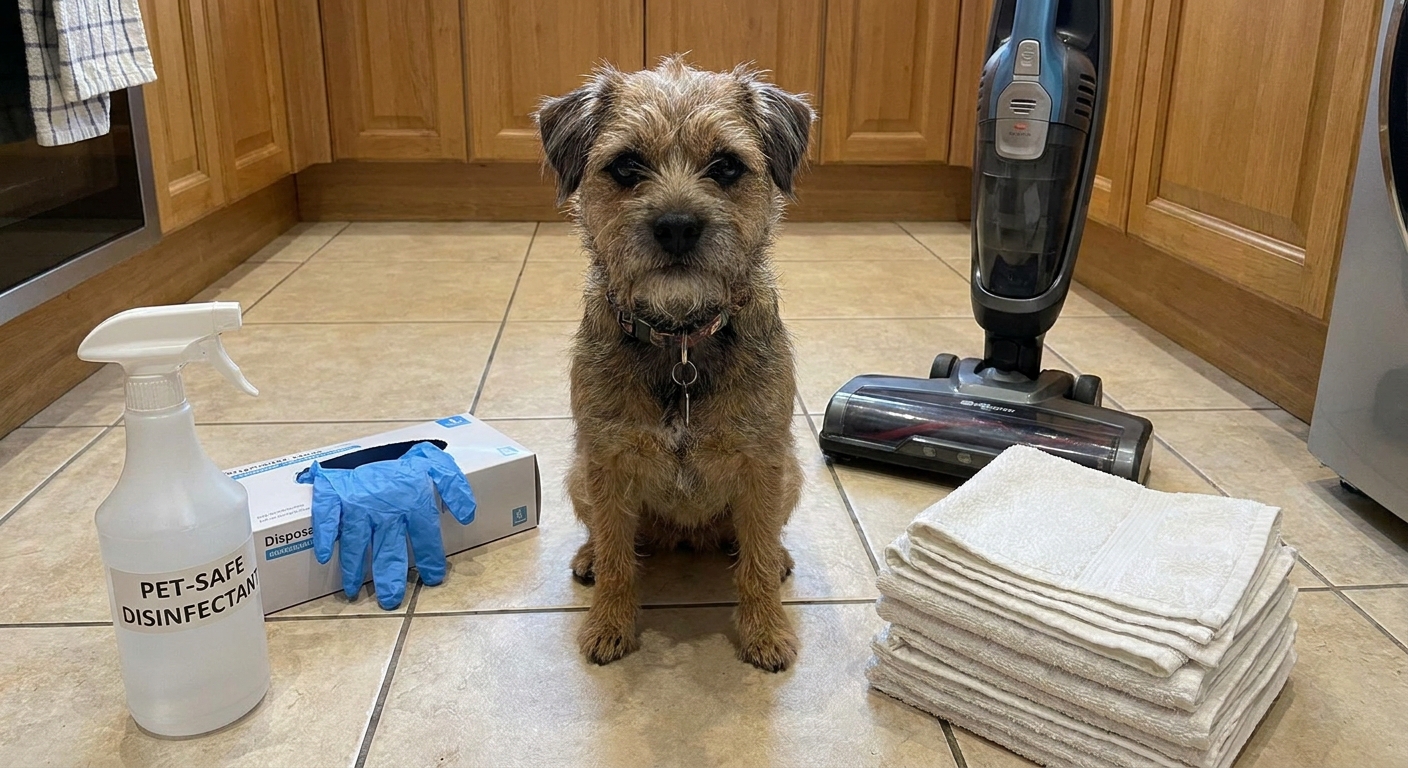
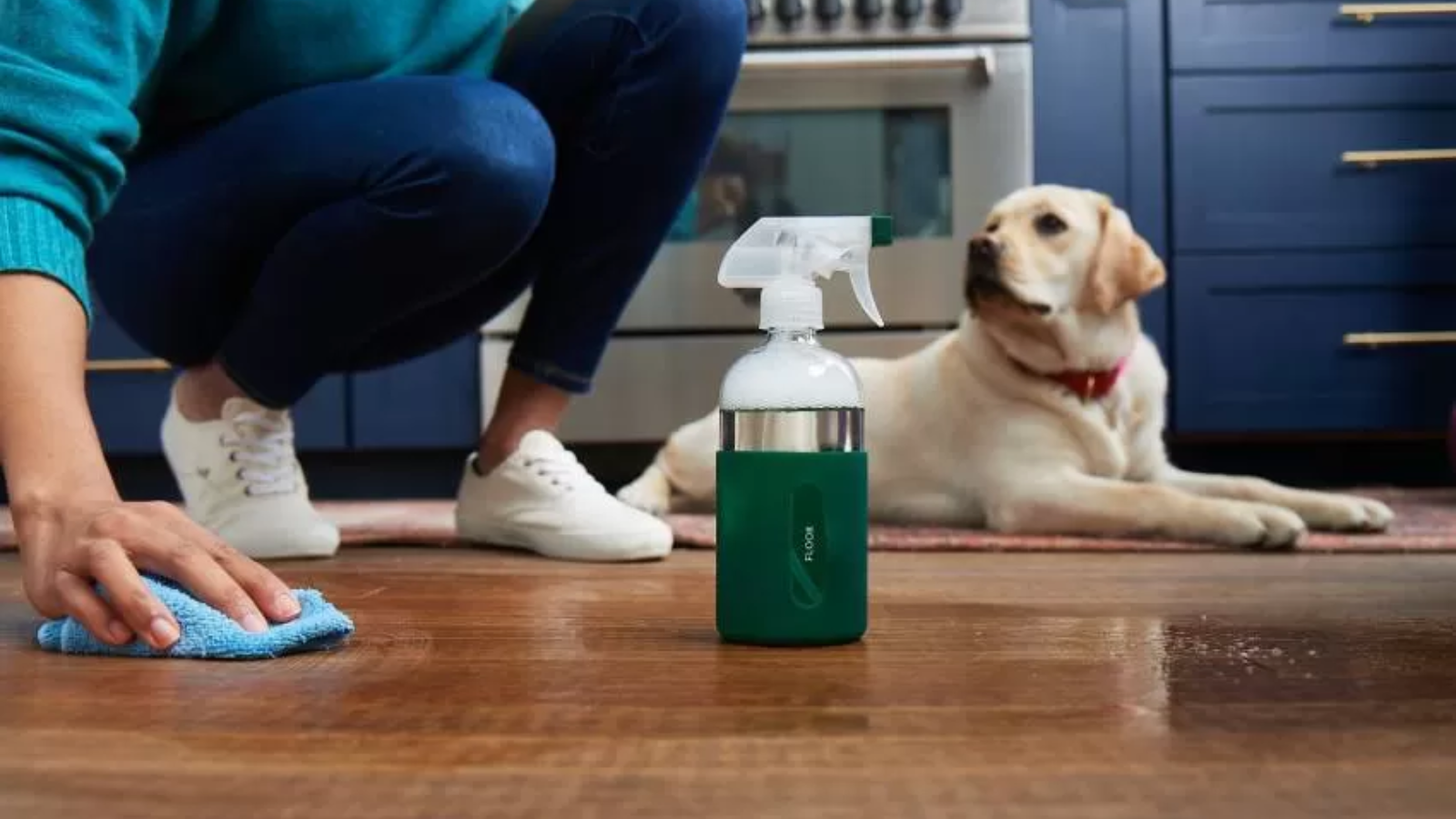
- Clean and vacuum regularly to reduce hair and dander that can carry spores.
- Avoid over-the-counter antifungals unless your vet recommends them, since starting treatment can sometimes complicate test interpretation.
If your vet starts treatment before results
Sometimes your vet will start treatment while testing is in progress, especially if lesions and exposure history fit. That can be the right call for limiting spread, but it can also reduce the chance of fungal growth on culture. If treatment starts right away, ask your vet how they plan to interpret results and whether they want follow-up cultures later to document clearance.
Don’t forget the other pets
Dogs can catch ringworm from other animals, and cats are a common reservoir in many households. If you have multiple pets and more than one has suspicious lesions, your vet may recommend checking everyone, not just the dog with the most obvious spot.
If anyone in the household develops an itchy circular rash, call a human healthcare provider. Ringworm can pass between pets and people.
When to call your vet
Ringworm is usually not an emergency, but you should check in promptly if:
- Your dog’s lesions are rapidly spreading.
- There is pus, heavy crusting, swelling, or significant pain.
- Your dog seems unwell (poor appetite, lethargy) or is very itchy.
- You have multiple pets developing lesions.
- Someone in the home is immunocompromised or has a concerning rash.
Quick FAQ
Can a ringworm culture be positive in a few days?
Yes, sometimes. Heavier infections can grow quickly. But a culture that is negative at day 3 is not “cleared” yet. It still needs time, often up to 21 days.
Does a Wood’s lamp confirm ringworm?
No. It can support suspicion and help choose hairs to sample, but not all ringworm glows and not everything that glows is ringworm.
Can my dog be contagious while we wait for the DTM culture?
If ringworm is suspected, your vet may treat your dog as potentially contagious until results are clearer. Ask your vet what level of isolation is appropriate for your household.
Why do some vets want two negative cultures?
Because clinical improvement can happen before the fungus is truly gone. Repeat negative cultures reduce the risk of stopping treatment too early and having ringworm bounce back.