A curious nose. A very waggy welcome.
If your dog has suddenly started trembling, wobbling, or seizing and there’s any chance they got into slug or snail bait, treat it like an emergency. One common ingredient in these products, metaldehyde, can cause rapid-onset neurologic signs and a dangerously high body temperature. This pattern is much more consistent with toxin exposure than primary epilepsy, especially when tremors and overheating show up together.

What is metaldehyde poisoning?
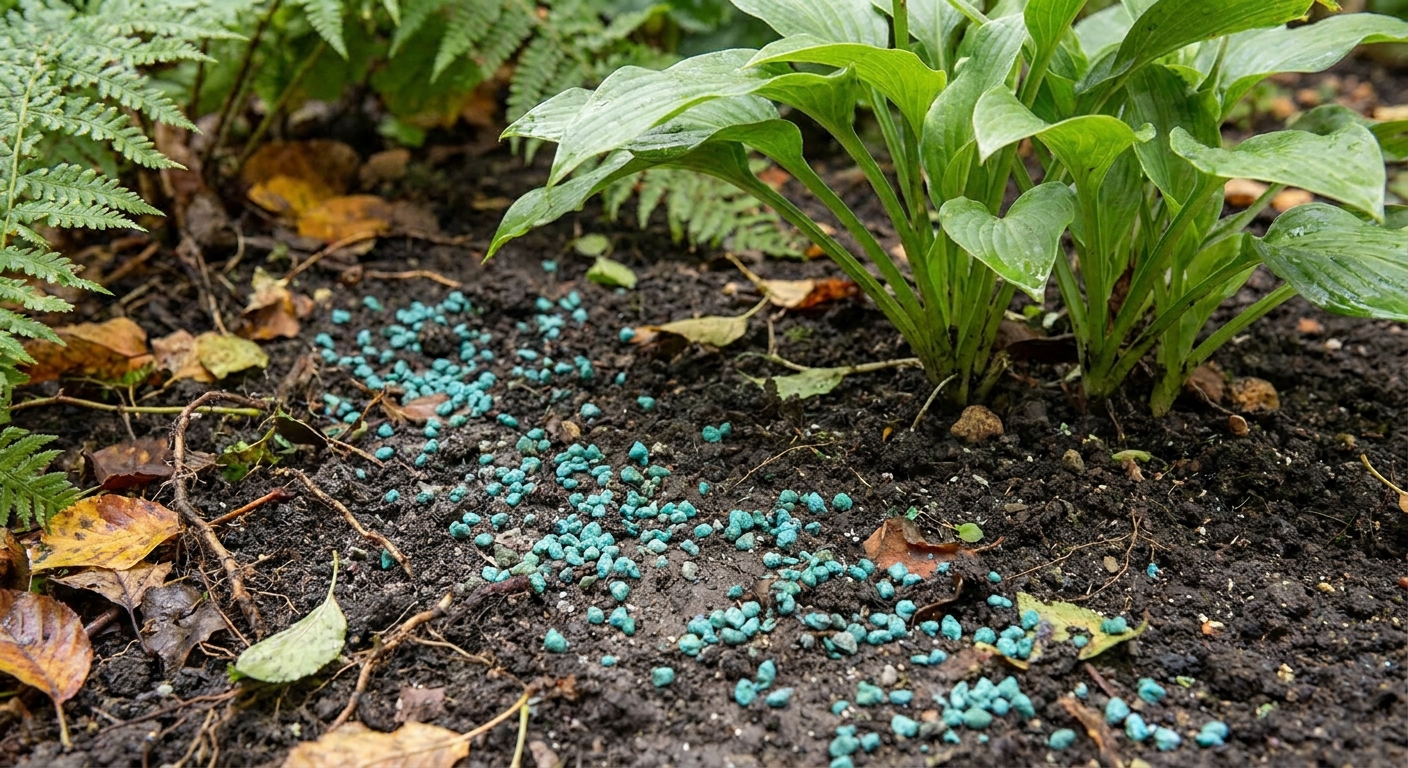
Metaldehyde poisoning happens when a dog eats a pesticide product designed to kill slugs and snails that contains metaldehyde. These products are most commonly sold as pellets or granules (and in some places may come in other forms). Some are flavored to attract pests, and unfortunately that can also make them interesting to dogs.
Once swallowed, metaldehyde can be absorbed quickly and trigger intense neurologic excitation. That can look like trembling that escalates into seizures, along with overheating from constant muscle activity.
Important: Not all slug and snail baits are the same. Some use different active ingredients (such as iron-based products), and they can still cause illness. If you are unsure what your dog got into, the product packaging is one of the most helpful things you can bring to a veterinary team.
Why it causes tremors and seizures
Metaldehyde can cause a cluster of signs that often show up together:
- Tremors and shaking that may not stop even when your dog tries to rest
- Seizures, including full-body convulsions
- Hyperthermia, meaning a dangerously high body temperature from sustained muscle activity
- Fast heart rate and rapid breathing
- Wobbliness, weakness, or collapse
- Drooling, vomiting, or agitation in some dogs
This combination is one reason veterinarians tend to take suspected metaldehyde exposure very seriously. Seizures alone are urgent. Seizures plus overheating can become life-threatening quickly.
How fast do symptoms start?
Signs can appear fast, often within 30 minutes to a few hours after ingestion. The exact timing varies with the product, the amount eaten, and your dog’s size.
If your dog is showing tremors or seizures and you suspect bait exposure, do not wait to see if it passes. Call a veterinarian or an animal poison hotline right away and start heading to an emergency clinic if advised.
What to do right away
I wish there were a calm, tidy checklist for this, but metaldehyde cases are a sprint. The safest plan is to get professional help immediately. If you are reading this while your dog is trembling or seizing and bait is even a possibility, call now and start moving toward care.
1) Get your dog away from the source
Remove access to the yard, garden, garage, shed, or any area where bait may be present. Keep other pets away too.
2) Call for urgent guidance
Call your veterinarian, an emergency vet, or an animal poison hotline. Be ready to describe what you saw and what your dog is doing right now.
3) If your dog is actively seizing
- Keep your hands away from their mouth. Dogs can bite unintentionally during seizures.
- Move hazards away (furniture edges, stairs, sharp objects).
- Dim lights and reduce noise if possible.
- Time the seizure on your phone if you can do so safely.
4) Do not induce vomiting unless a professional tells you to
If your dog is trembling, uncoordinated, or seizing, trying to make them vomit can increase the risk of aspiration and injury. This is a situation where the “usual” at-home steps may not be safe.
5) Be careful with home cooling
Overheating is dangerous, but avoid ice baths or forcing cold water. That can worsen things by triggering stress and shivering. While you are getting help, move your dog to a cooler, quiet area and use a fan if available. Offer small sips of water only if your dog is fully awake and able to swallow normally. Follow the clinic’s instructions as closely as you can.
6) Head to the clinic
Even if the tremors seem to pause, the toxin can still be active. Treatment often requires medications to control tremors and seizures and aggressive temperature management. Do not wait for a second seizure.
What to bring to the clinic
Veterinary teams love good clues. With metaldehyde, a few items can speed up decision-making.
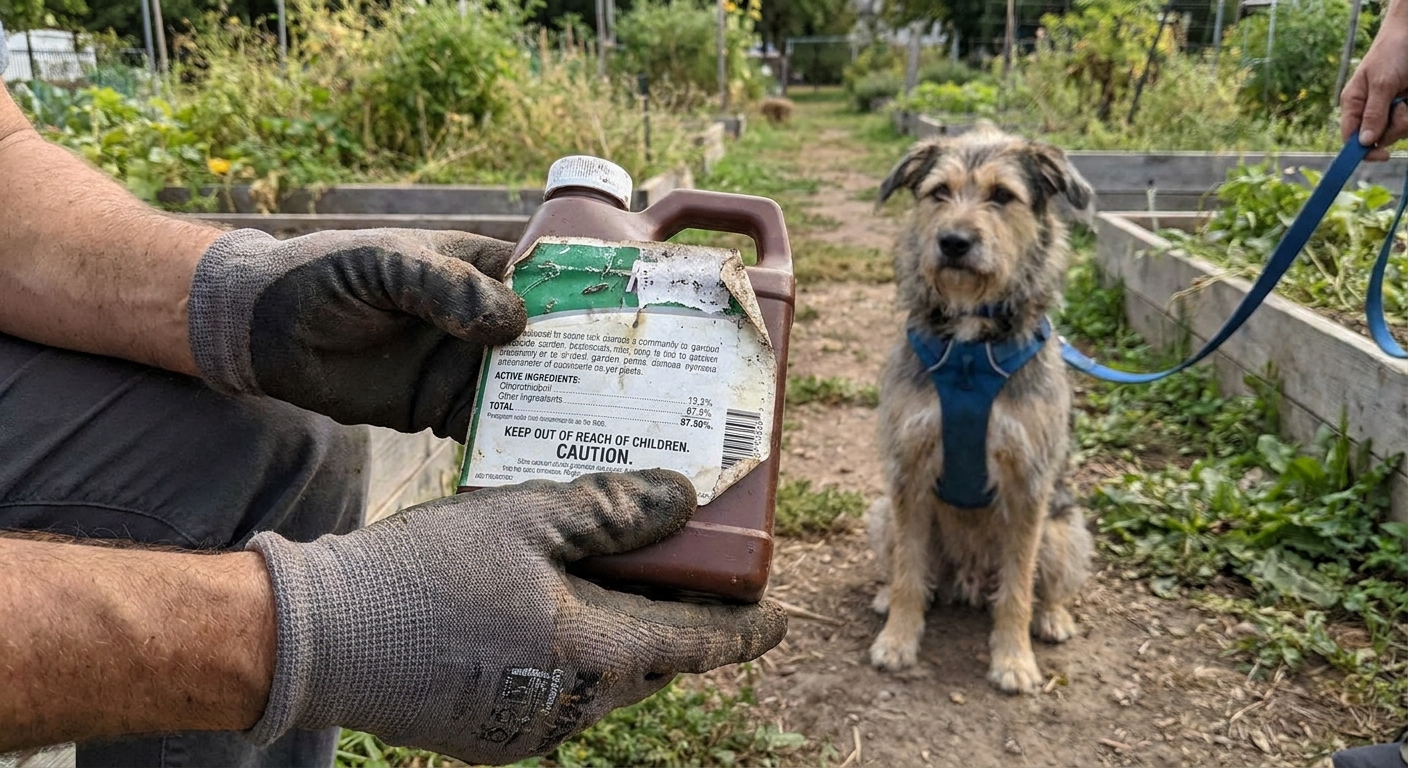
- The bait packaging (or a clear photo of the front and back label, including ingredients)
- Any leftover pellets or granules in a sealed bag or container (only if you can do this safely)
- What you know about timing: when your dog may have gotten into it and when signs started
- Your dog’s weight (an estimate is fine)
- A list of medications or supplements your dog takes
Why this is not epilepsy
Seeing a dog seize is terrifying, and it is natural to worry that it means epilepsy. Epilepsy is a condition characterized by recurrent seizures, often with normal behavior between episodes and no toxin trigger.
Metaldehyde poisoning is different because it often comes with a specific pattern:
- Sudden onset in a dog that was normal earlier
- Possible exposure history: access to garden products, garages, sheds, or freshly treated areas
- Tremors and constant muscle activity that may be present between seizures
- Overheating from sustained tremoring or repeated seizures
- Potential stomach upset like drooling or vomiting
This does not mean you can rule epilepsy in or out at home after one episode. It means that when tremors, seizures, and high temperature appear together, veterinarians treat toxic exposure as a top concern until proven otherwise.
What the vet may do
Treatment depends on how much was eaten, how long ago it happened, and how severe your dog’s signs are. Your veterinarian may focus on:
- Stopping tremors and seizures with prescription medications
- Controlling body temperature with cooling measures and monitoring
- Decontamination if appropriate and safe (this may include activated charcoal and other steps chosen by the veterinary team)
- IV fluids and supportive care
- Bloodwork and monitoring to track complications
The goal is to stabilize first, then keep your dog steady while the toxin clears.
Can it be fatal?
It can be, especially if a dog eats a significant amount, treatment is delayed, or hyperthermia becomes severe. The hopeful note is that fast veterinary care can make a big difference. If you catch it early and get prompt treatment, many dogs can recover.
How to prevent poisoning
- Avoid metaldehyde-based products if you have dogs that access the yard or garden.
- Store garden chemicals securely in closed cabinets or locked sheds.
- Read labels carefully before using any snail or slug control product.
- Ask neighbors or landlords what they use, especially in shared outdoor spaces.
- Leash-walk in treated areas if you suspect bait might be present.

When it is an emergency
Seek emergency veterinary care immediately if your dog has any of the following:
- Tremors that do not stop
- Any seizure activity
- Rapid panting, overheating, or a very warm body
- Severe agitation, wobbliness, collapse, or unresponsiveness
- Known or suspected access to slug or snail bait
If you are choosing between “wait and see” and “call now,” metaldehyde is a call-now problem.
FAQs
My dog had one seizure and now seems normal. Could it still be metaldehyde?
Yes. Signs can come in waves, and toxins can continue to affect the nervous system even if your dog appears to settle briefly. If there is any chance of bait exposure, contact a veterinarian right away.
Will my vet be able to test for metaldehyde?
In many real-world cases, veterinarians diagnose metaldehyde poisoning based on history, clinical signs, and response to treatment rather than a quick in-clinic test. That is why bringing the product label or a photo is so helpful.
What if I am not sure it was slug bait?
Tell the clinic exactly what you saw. Describe the product (pellets, granules, color, where it was found), your dog’s signs, and timing. The safest approach is still urgent evaluation, because several toxins and emergencies can look similar and need immediate care.