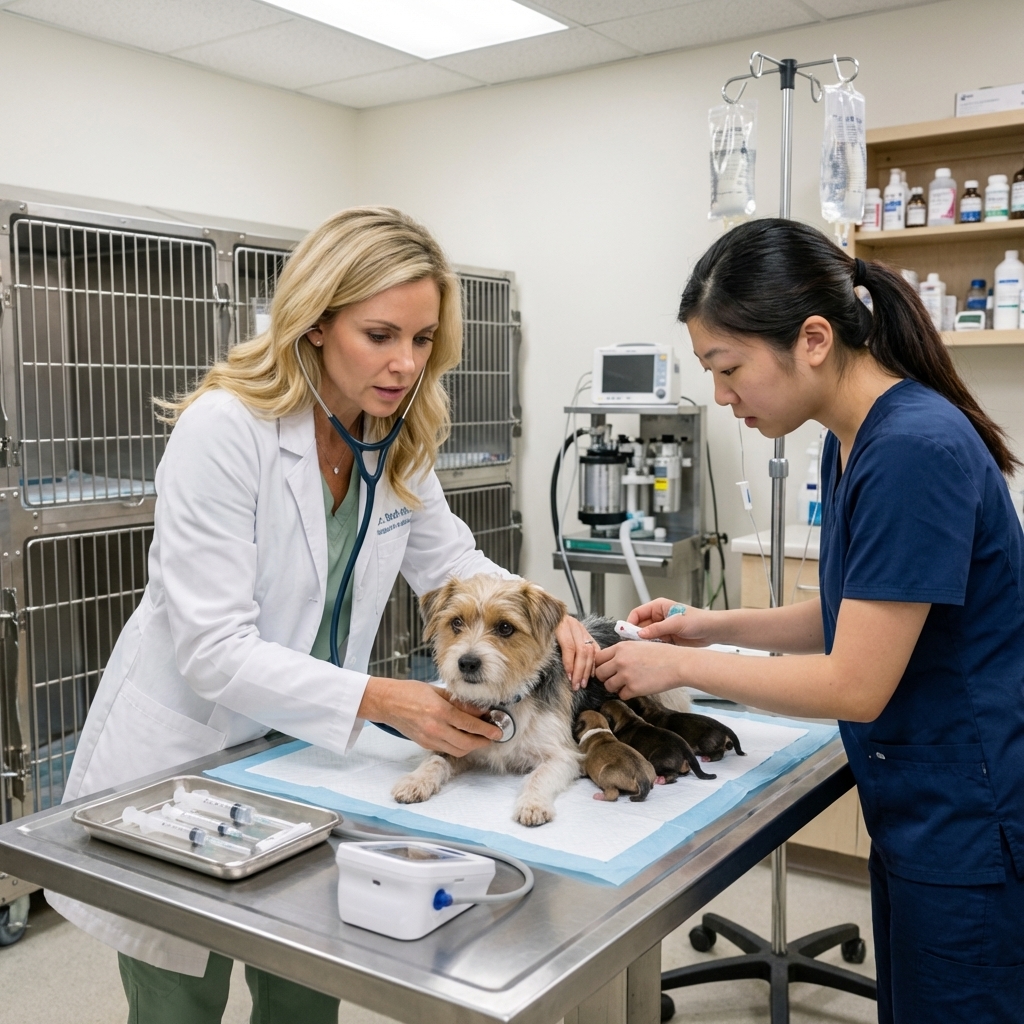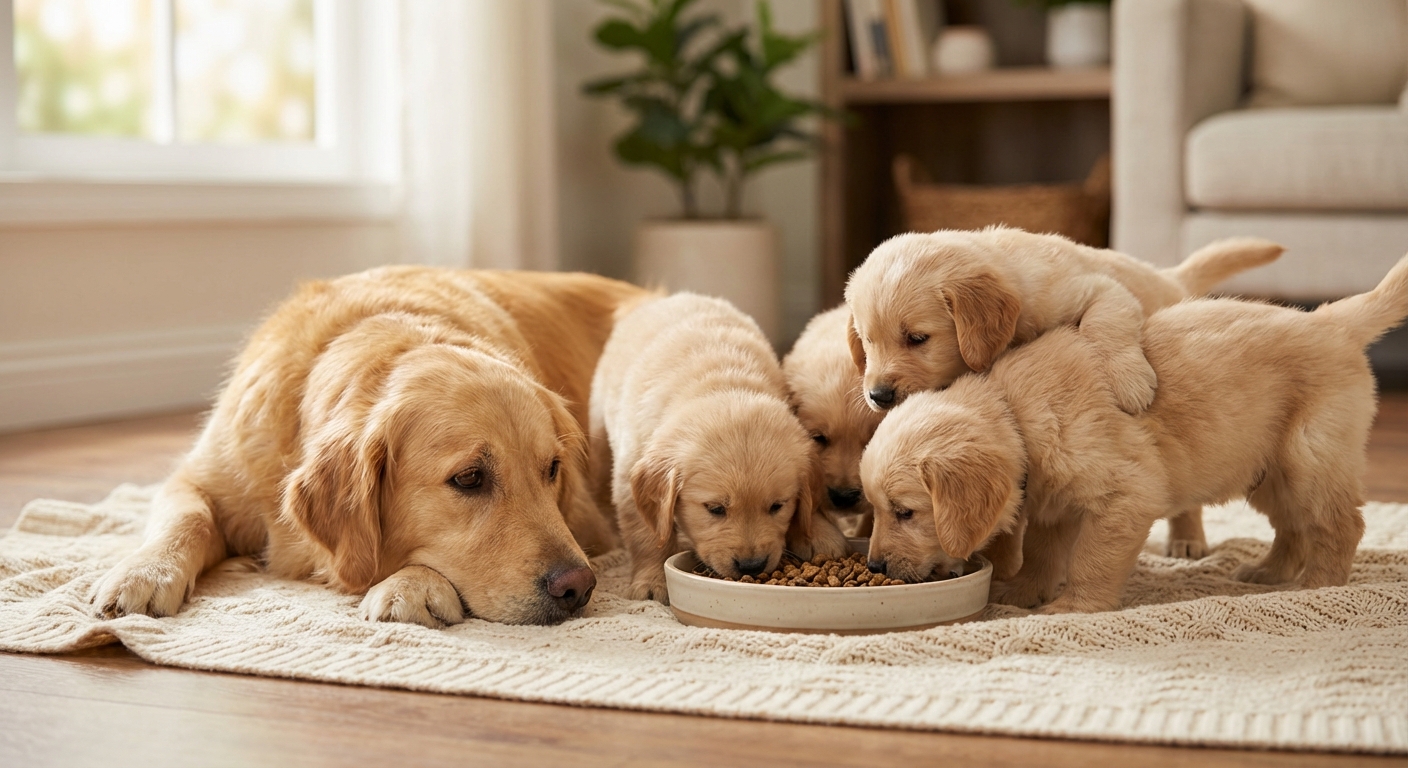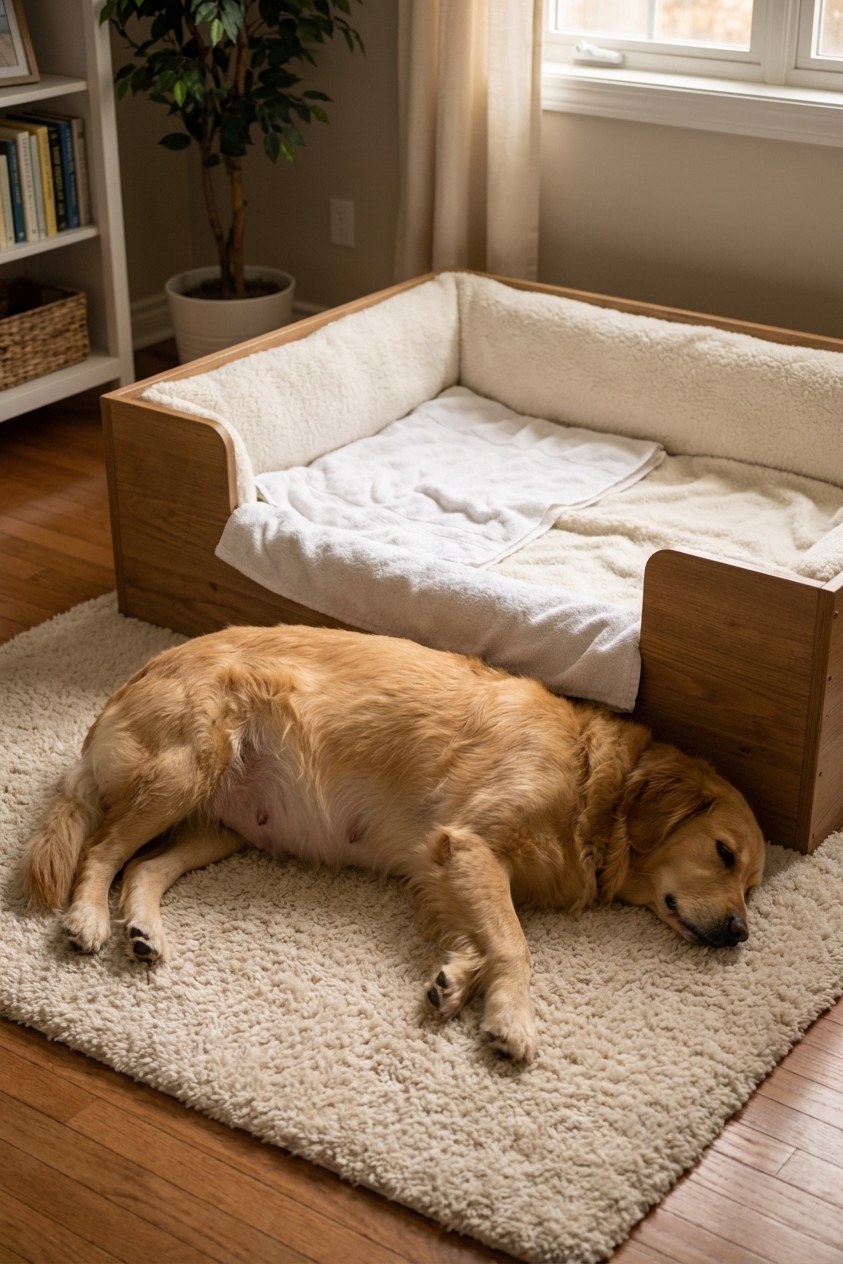
I have a soft spot for new mom dogs. As a veterinary assistant here in Frisco, Texas, I have seen how quickly a calm nursing setup can turn into a very stressful day when a mammary gland suddenly looks swollen, red or purple, and feels hot and painful. If you are staring at a hard lump or a discolored teat and wondering if it is mastitis, you are not overreacting. Mammary infections can worsen fast, and they can affect the puppies just as much as the dam.
This guide will help you recognize mastitis, tell it apart from normal milk “coming in,” and know when you need urgent veterinary care. I will also cover what to watch for in the puppies so you can act early.
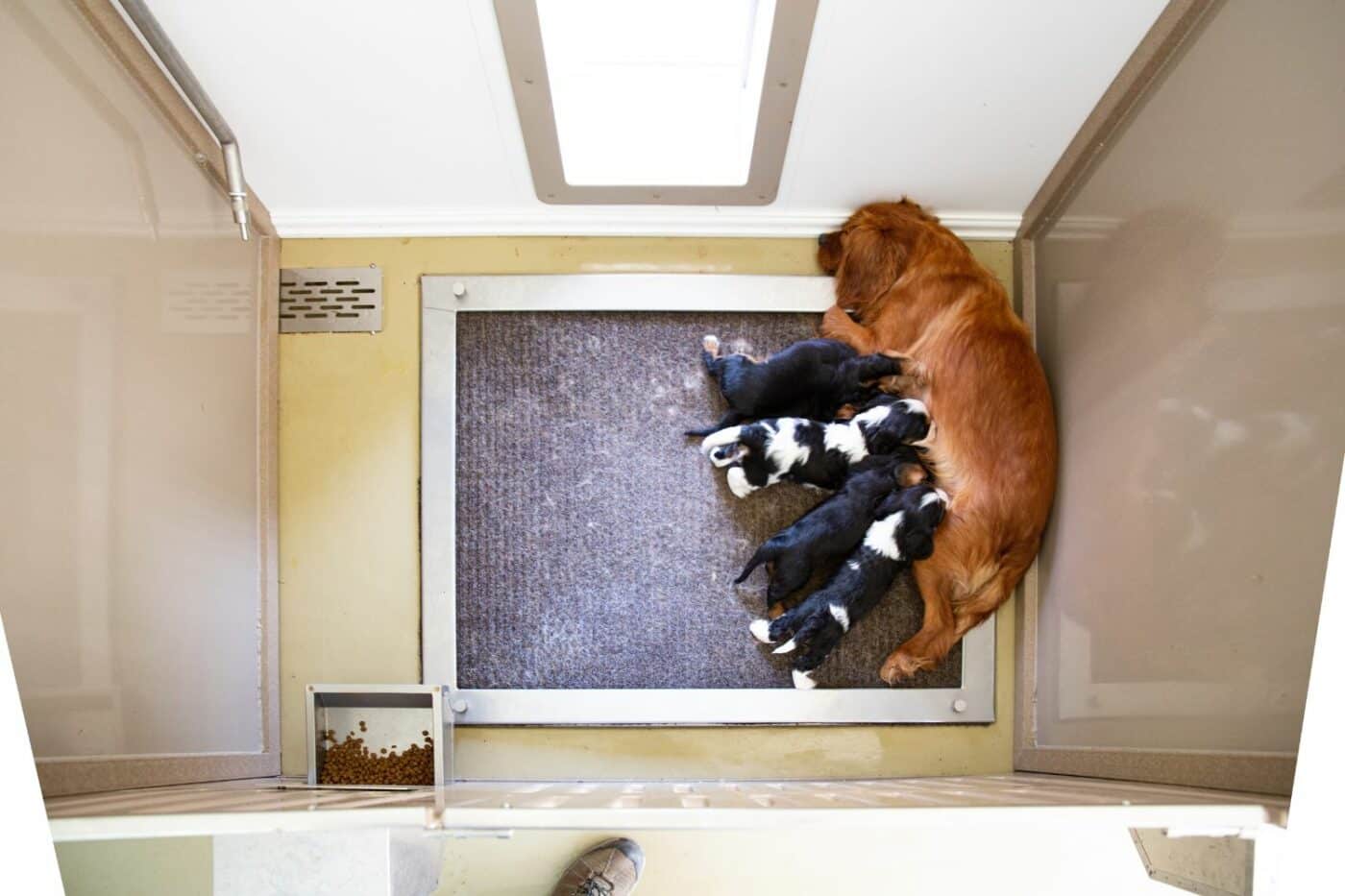
Quick check: call today or go now
If you are scrolling while worrying, here is the simple triage I use in clinic.
Call your vet today
- One gland is hard, hot, or clearly more painful than the others.
- Milk looks off (watery, clotted, blood-tinged) even if your dog seems okay.
- Mom is uncomfortable nursing or keeps shifting away from puppies.
- Puppies seem hungrier than normal or are restless at the nipple.
Go to an emergency vet now
- Purple, black, or rapidly spreading discoloration of the skin over a gland.
- Open wound, draining hole, tissue sloughing, or a strong foul odor.
- Collapse, extreme lethargy, repeated vomiting, or signs of shock.
- Tremors, stiffness, disorientation, or seizures (think eclampsia).
- Puppies are weak, cold, not nursing, or losing weight.
What mastitis is (and why it happens)
Mastitis is inflammation of one or more mammary glands, usually due to bacterial infection. It can show up anytime a dam is producing milk, including early postpartum, especially if a gland is not being emptied well.
Common triggers include:
- Bacteria entering through the teat opening, especially if bedding is dirty or damp.
- Small scratches or trauma from sharp puppy nails or vigorous nursing.
- Milk stasis, meaning milk is not being removed well from a gland (blocked duct, pups favoring other teats, or sudden nursing changes).
- Stress and poor hygiene, which can make infection more likely.
Mastitis can be mild, but it can also progress to abscess formation or, more rarely, gangrenous mastitis where tissue becomes severely damaged. That is one reason I treat a hot, painful, discolored gland as an urgent situation until proven otherwise.
Signs of mastitis in the dam
Mastitis can affect one gland or several. Watch for:
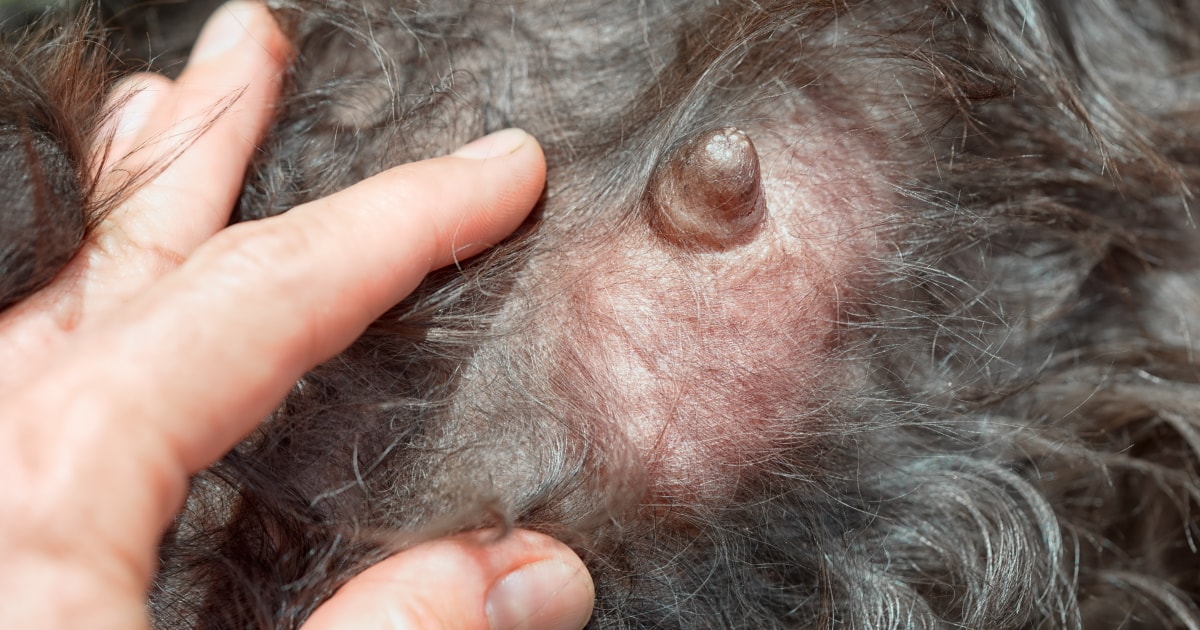
- Swollen, firm, painful mammary gland that feels hot to the touch.
- Red, dark pink, purple, or bruised-looking skin over the gland.
- Milk changes such as watery milk, clots, pus, blood-tinged milk, or a foul smell.
- Reluctance to let puppies nurse, flinching, growling, moving away, or lying in a way that blocks access.
- General illness such as fever, lethargy, loss of appetite, vomiting, or dehydration.
- Open wound or draining tract, which may indicate an abscess has ruptured.
Signs puppies are not getting enough milk
Sometimes the first clue is not the dam at all. If milk supply drops or nursing becomes painful, puppies can decline quickly.
Red flags in puppies include:
- Crying constantly or being restless at the nipple instead of settling into a steady nurse.
- Poor weight gain or weight loss.
- Weak suckle, falling off the nipple repeatedly, or feeling limp.
- Cool body temperature to the touch or poor huddling.
- Dehydration such as a dry mouth or tacky gums. (Urine concentration is hard to judge in very young puppies, so weight trends are usually the best at-home metric.)
- Fewer stools or very dry stools once they are passing stool regularly.
How to monitor puppy weights
- Weigh each puppy at the same time daily on a small kitchen scale, and write it down.
- Call your veterinarian if a puppy does not gain or loses weight over a 24 hour period, or if the smallest puppy is consistently being pushed off nipples.
If you suspect puppies are not nursing well, contact your veterinarian the same day.
Mastitis vs normal fullness
It is normal for mammary glands to become larger and firmer as milk production ramps up. That normal fullness can look scary if you have never seen it before. The key is how the dam feels, how the gland feels, and whether things improve after nursing.
Normal fullness
- Glands are full but not intensely painful.
- Skin is not markedly red or purple.
- Dam is bright, eating, caring for puppies.
- After nursing or gentle expression, the gland becomes softer.
- Milk looks normal (white to slightly bluish, no foul odor, no clots).
More consistent with mastitis
- One gland is much harder than the rest, or there is a distinct painful lump.
- Skin is hot and red, dark, or bruised.
- Dam seems ill or refuses nursing.
- The gland does not soften after nursing.
- Milk appears watery, bloody, clotted, pus-like, or smells bad.
If you are unsure, it is safest to get guidance from your vet. Delays can allow mild mastitis to worsen.
Mastitis vs eclampsia
Two postpartum emergencies can look similar at the start because both can involve restlessness and panting, but they are very different problems with very different treatments.
Eclampsia (milk fever)
Eclampsia is a dangerously low blood calcium level, most common in small breed dams with heavy milk production, often in the first few weeks of nursing. It is a true emergency.
Signs that point more toward eclampsia include:
- Restlessness, anxiety, pacing
- Panting not explained by heat
- Tremors, muscle twitching, stiff gait
- High temperature can occur, sometimes from intense muscle activity
- Seizures in severe cases
Mastitis
Mastitis is more likely when you see one or more painful, hot mammary glands and abnormal milk, sometimes with fever and lethargy.
Important: If your nursing dog is trembling, stiff, disoriented, or having seizures, treat it as an emergency and go to an emergency vet immediately. Do not try to manage that at home.
What to do right now
Call your veterinarian as soon as you suspect mastitis. While you are waiting to be seen, these steps are generally safe and can help, but they are not a substitute for medical care.
1) Check the whole mammary chain
Gently feel each gland and note which ones are painful, hot, hard, or discolored. This helps your vet and helps you notice changes.
2) Keep the whelping area clean and dry
Replace bedding frequently. Wash your hands before and after handling the mammary area.
3) Warm compresses
A warm, damp compress for 5 to 10 minutes a few times a day can help discomfort and encourage milk to move. It should feel warm, not hot.
4) Gentle milk removal if your vet says it is OK
In many mastitis cases, frequent milk removal helps. Sometimes that means allowing puppies to nurse, and sometimes it means gentle hand expression. However, if milk looks bloody or pus-like, or if the gland is severely painful or discolored, your vet may recommend keeping puppies off that gland.
5) Protect the puppies
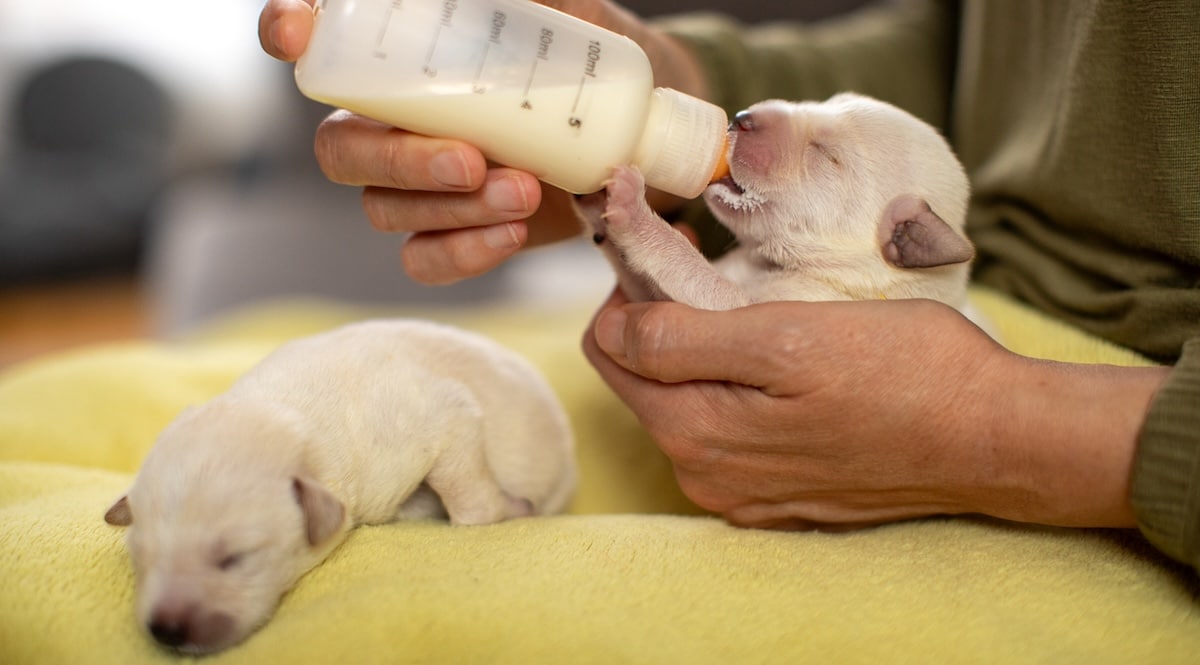
If puppies are not thriving, ask your vet about supplemental feeding right away.
What not to do
- Do not give human pain relievers like ibuprofen, naproxen, or acetaminophen unless your veterinarian specifically instructs you. Some are toxic to dogs.
- Do not lance or squeeze an abscess at home. This can worsen infection and cause serious tissue damage.
- Do not abruptly stop nursing without a plan. Sudden milk buildup can make the problem worse and stress the dam and pups.
How vets diagnose mastitis
Your veterinarian will usually combine a physical exam with targeted testing based on severity.
- Exam and temperature to assess pain, swelling, dehydration, and fever.
- Milk cytology (looking at milk under the microscope) to check for bacteria and inflammatory cells.
- Milk culture and sensitivity in recurrent, severe, or non-responding cases to choose the best antibiotic.
- Ultrasound if an abscess or deeper tissue damage is suspected.
- Bloodwork if the dam is systemically ill.
Do not be surprised if your vet asks about the puppies too. In practice, we treat mastitis as a whole litter issue because nursing success and puppy hydration are part of the medical picture.
Treatment and recovery
Treatment depends on how sick the dam is and whether an abscess is present.
Antibiotics
Most bacterial mastitis needs antibiotics prescribed by your veterinarian. The specific drug choice should consider safety around nursing and the likely bacteria involved.
Pain control
Safe, veterinary-prescribed pain relief helps the dam feel better and often improves willingness to nurse.
Fluids and supportive care
If the dam is dehydrated or not eating, your vet may recommend fluids, appetite support, and close monitoring.
Abscess care or surgery
If there is an abscess, your veterinarian may need to drain it and flush the area, sometimes under sedation. Severe tissue damage can require surgical treatment.
Nursing plan for the puppies
Depending on the gland and the milk quality, your vet may recommend:
- Continuing to nurse on unaffected glands
- Keeping pups off the infected gland temporarily
- Supplementing with a canine milk replacer
- In some cases, early transition away from nursing if the dam is very ill
With prompt treatment, many dams often start to look more comfortable within 24 to 72 hours, but recovery can take longer in severe cases, especially if an abscess or tissue damage is involved. Even if your dog seems better, finishing the prescribed course of medication still matters.
When it is an emergency
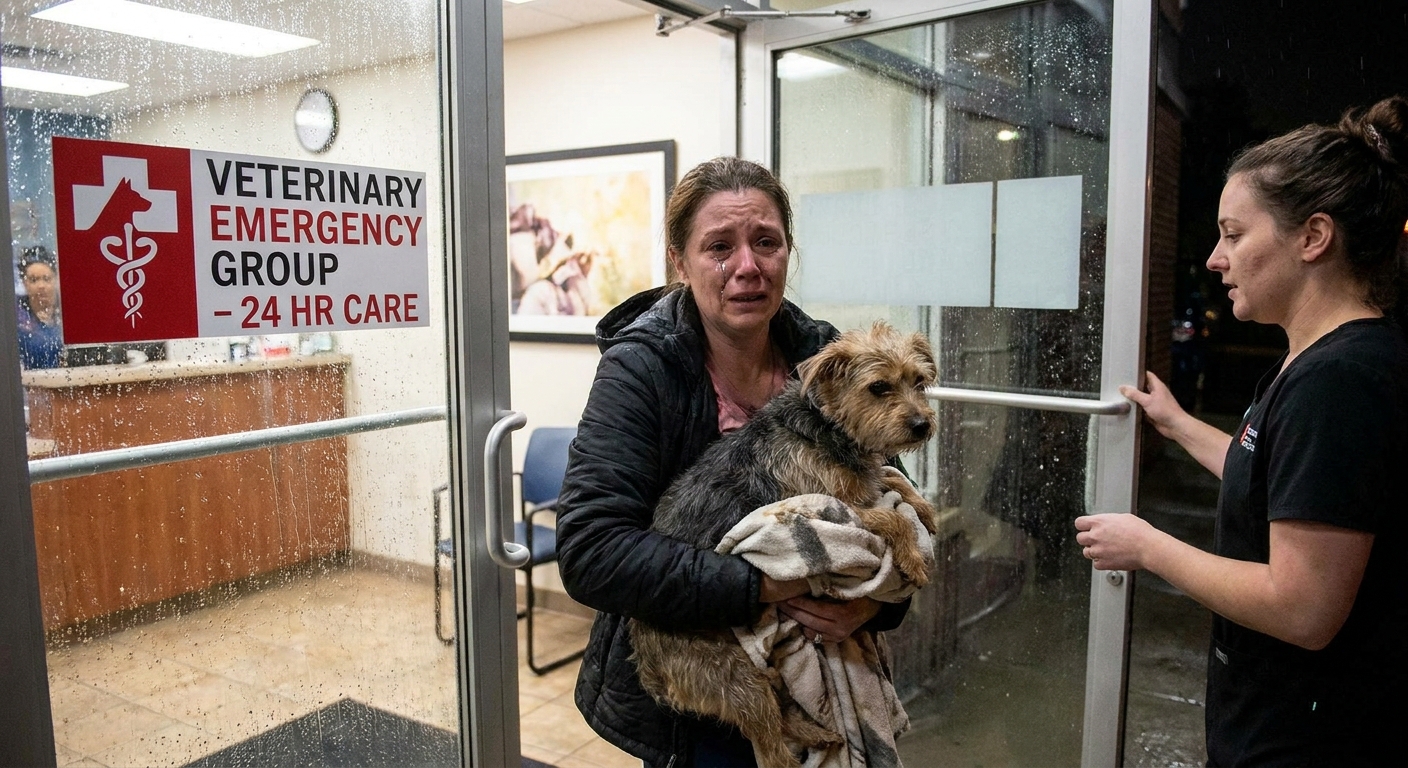
Go to an emergency veterinarian now if you see any of the following:
- Purple, black, or rapidly worsening discoloration of a mammary gland
- Open wound, tissue sloughing, or a strong foul odor
- High fever, collapse, profound lethargy, or signs of shock
- Vomiting with weakness or dehydration
- Neurologic signs like tremors, stiffness, disorientation, or seizures (think eclampsia)
- Puppies are weak, cold, not nursing, or losing weight
Other causes of lumps
Not every lump or firm spot is mastitis, even in a nursing dog. A veterinarian may also consider:
- Plugged duct or milk stasis that improves after nursing or careful expression
- Bruising or hematoma from trauma
- Mammary mass, which is less common right around whelping but still possible
The safest move is to have your vet examine the area, especially if the gland is painful, hot, discolored, or not improving.
Preventing mastitis
You cannot prevent every case, but you can reduce risk with a few practical habits:
- Keep bedding clean and dry. Change it often, especially when it becomes damp with milk, urine, or discharge.
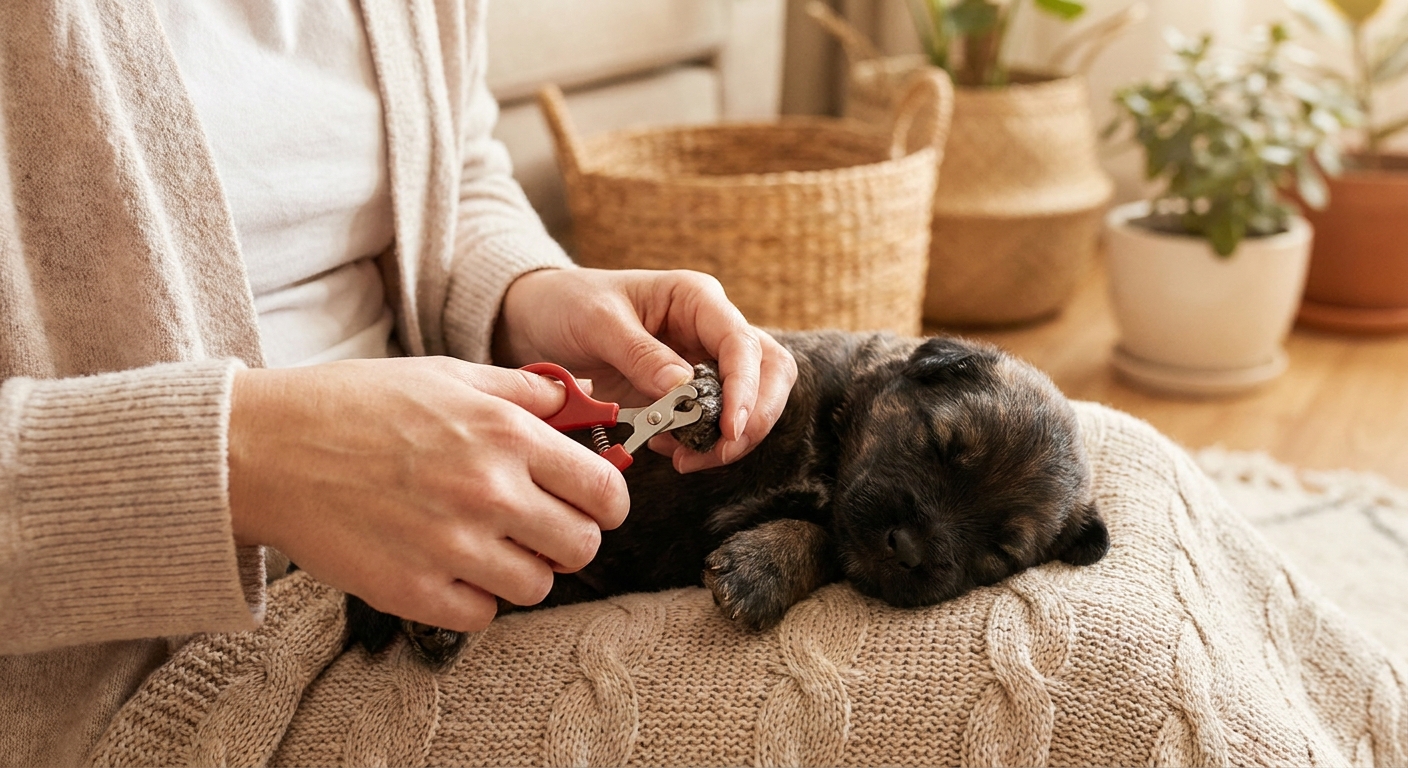
- Trim puppy nails to reduce scratches on teats and skin.
- Encourage even nursing so one gland does not stay overly full. Rotate puppies if one side is favored.
- Check the mammary chain daily with a quick, gentle hands-on assessment.
- Support the dam’s nutrition and hydration. Lactation is demanding.
How to trim puppy nails safely
- Plan to trim as needed, often every few days in fast-growing neonates.
- Clip only the needle-sharp tip.
- Avoid the quick. If you are unsure, ask your veterinary team to show you once in person.
FAQ
Can puppies keep nursing if mom has mastitis?
Sometimes yes, sometimes no. In many cases, nursing and milk removal helps. But if the milk is bloody, pus-like, foul-smelling, or your veterinarian suspects an abscess or severe infection, they may recommend keeping puppies off the affected gland and supplementing instead. Follow your veterinarian’s plan because puppy safety and dam recovery both matter.
Will mastitis reduce milk supply?
It can. The affected gland may produce less milk, and pain can interfere with milk letdown. That is why monitoring puppy weight and behavior is so important.
How fast can mastitis get serious?
It can progress quickly, sometimes within a day or two, especially if an abscess forms or the dam becomes systemically ill. Early veterinary care is the best protection.
Is a hard lump always mastitis?
No. A firm area can be simple fullness or a plugged duct, especially if it softens after nursing and the dam feels well. But if it is hot, very painful, discolored, or persistent, it needs veterinary attention to rule out infection or abscess.
The bottom line
Mastitis is one of those postpartum problems that looks like “just a swollen gland” until it is suddenly not. If a mammary gland is hot, painful, discolored, or producing abnormal milk, call your veterinarian promptly. At the same time, watch the puppies closely, because their behavior and daily weights will tell you quickly if milk intake is falling.
You are doing the right thing by paying attention. With fast care, most nursing dogs recover well and their puppies stay on track.