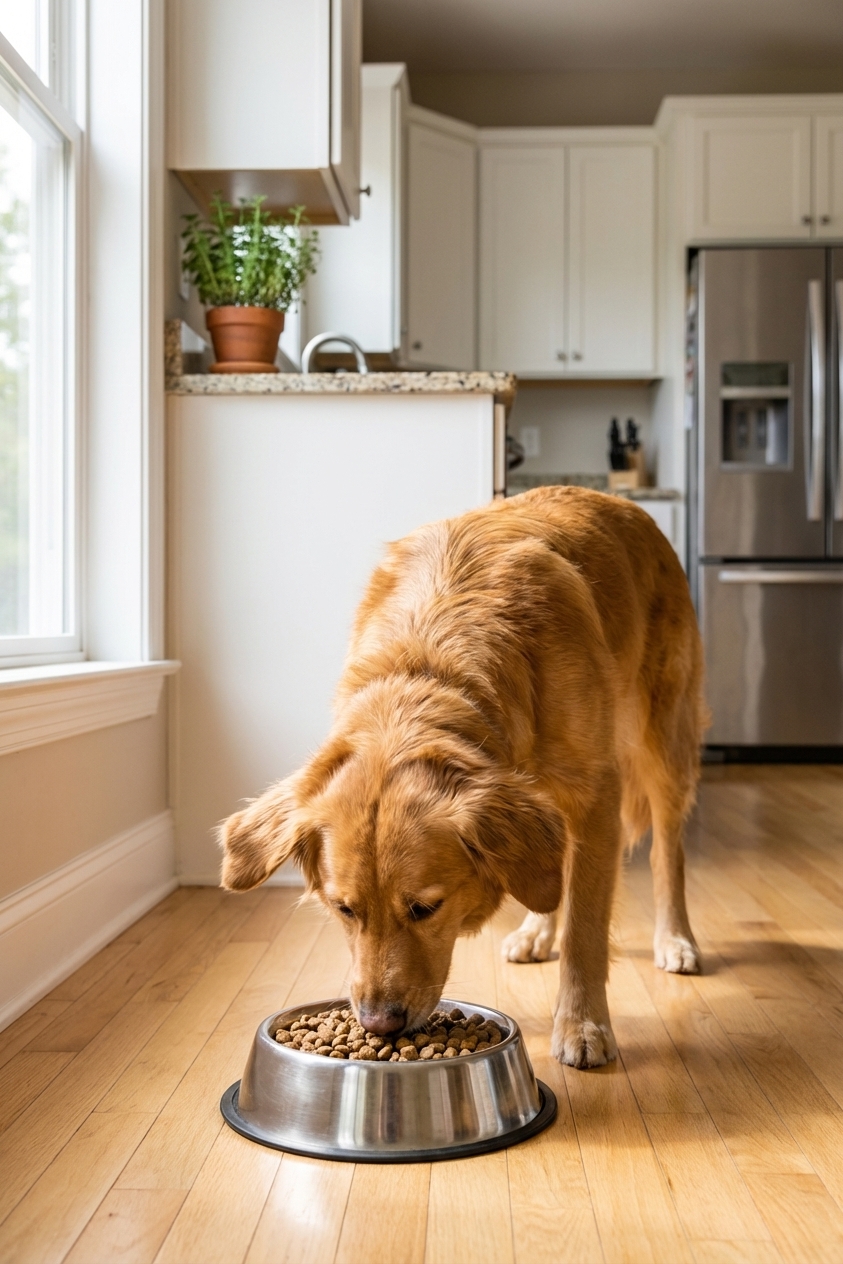
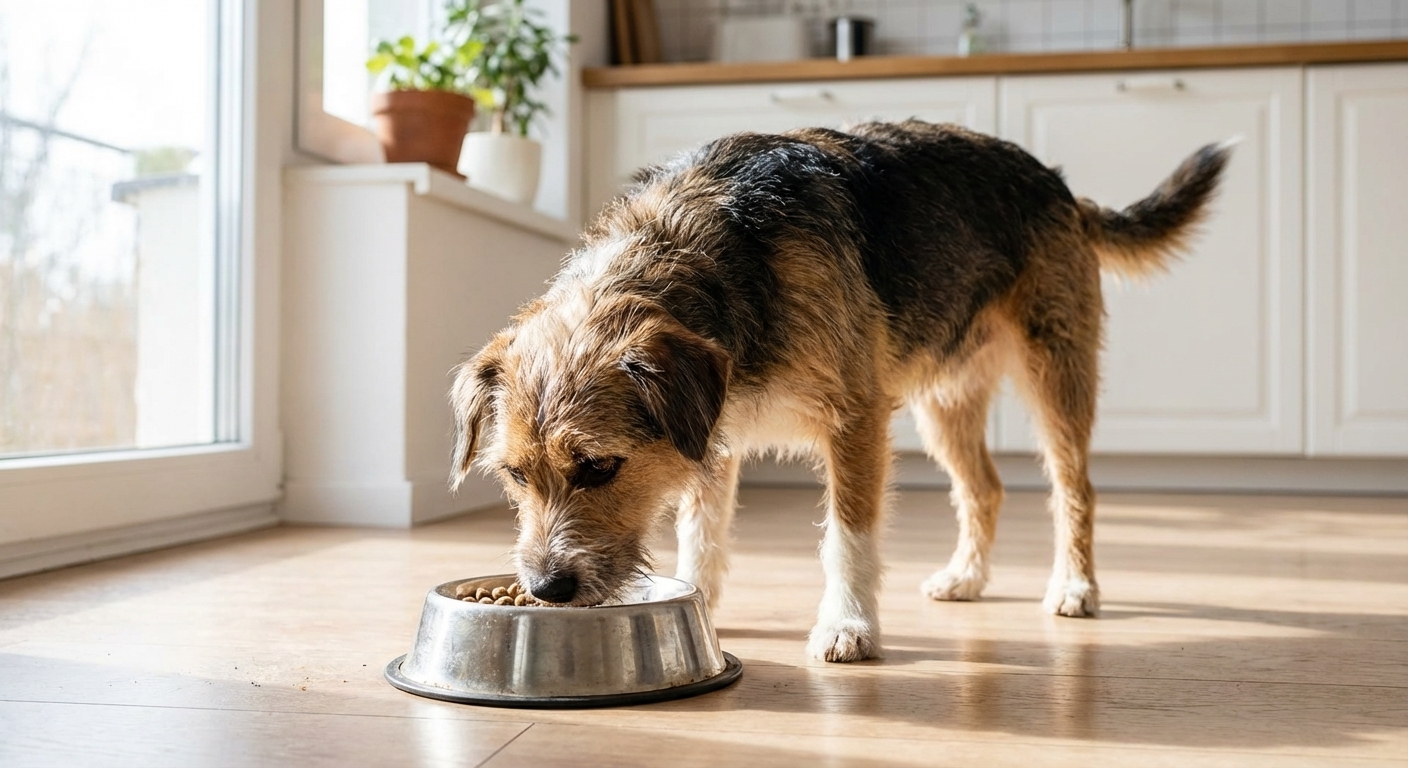
I work with a lot of Miniature Schnauzers here in North Texas, and I have learned to pay close attention anytime a schnauzer owner tells me, “We have dealt with pancreatitis before.” Very often, there is a bigger background problem that helps explain the repeat episodes: hyperlipidemia, meaning the dog has abnormally high levels of fats in the bloodstream.
Let’s walk through what hyperlipidemia is, what your vet is looking for on bloodwork, and how a smart, steady low-fat prevention plan can lower the odds of your schnauzer getting hit with another painful pancreatitis flare.
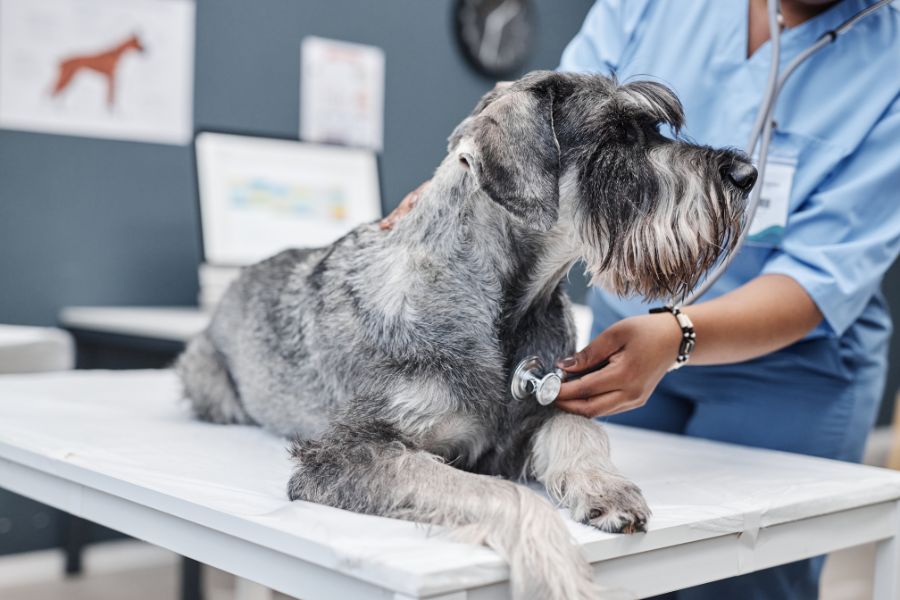
What hyperlipidemia means
Hyperlipidemia is the medical term for too much fat (lipid) circulating in the blood. In dogs, the two big lab values we are usually talking about are:
- Triglycerides (often the key value when we are thinking about pancreatitis risk in this breed)
- Cholesterol
Miniature Schnauzers have a well-known breed predisposition to developing high triglycerides, sometimes even when they look perfectly healthy on the outside. Some dogs have a primary (inherited) tendency toward high blood fats. Others have secondary causes that push fats higher.
Primary vs. secondary
Primary (familial) hyperlipidemia means the issue is largely driven by genetics and how the dog processes fats.
Secondary hyperlipidemia means another condition or medication is contributing. Common secondary contributors your veterinarian may screen for include:
- Hypothyroidism
- Diabetes mellitus
- Cushing’s disease (hyperadrenocorticism)
- Obesity
- Pancreatitis (illness and inflammation can shift metabolism and sometimes raise triglycerides, even though high triglycerides are more commonly considered a risk factor for pancreatitis in the first place)
- Some medications (your vet will evaluate based on what your dog takes)
Why fasting matters
Hyperlipidemia is often discussed as “high blood fats when fasting” because fasting bloodwork is the cleanest way to measure baseline triglycerides and cholesterol.
If a dog eats shortly before blood is drawn, triglycerides naturally rise for a period of time. That can muddy the waters. With Miniature Schnauzers, though, what stands out is that even after a proper fast, triglycerides can still be abnormally high.
Most clinics recommend something like 8 to 12 hours of fasting (water allowed unless your vet says otherwise), but follow your veterinarian’s instructions for your dog.
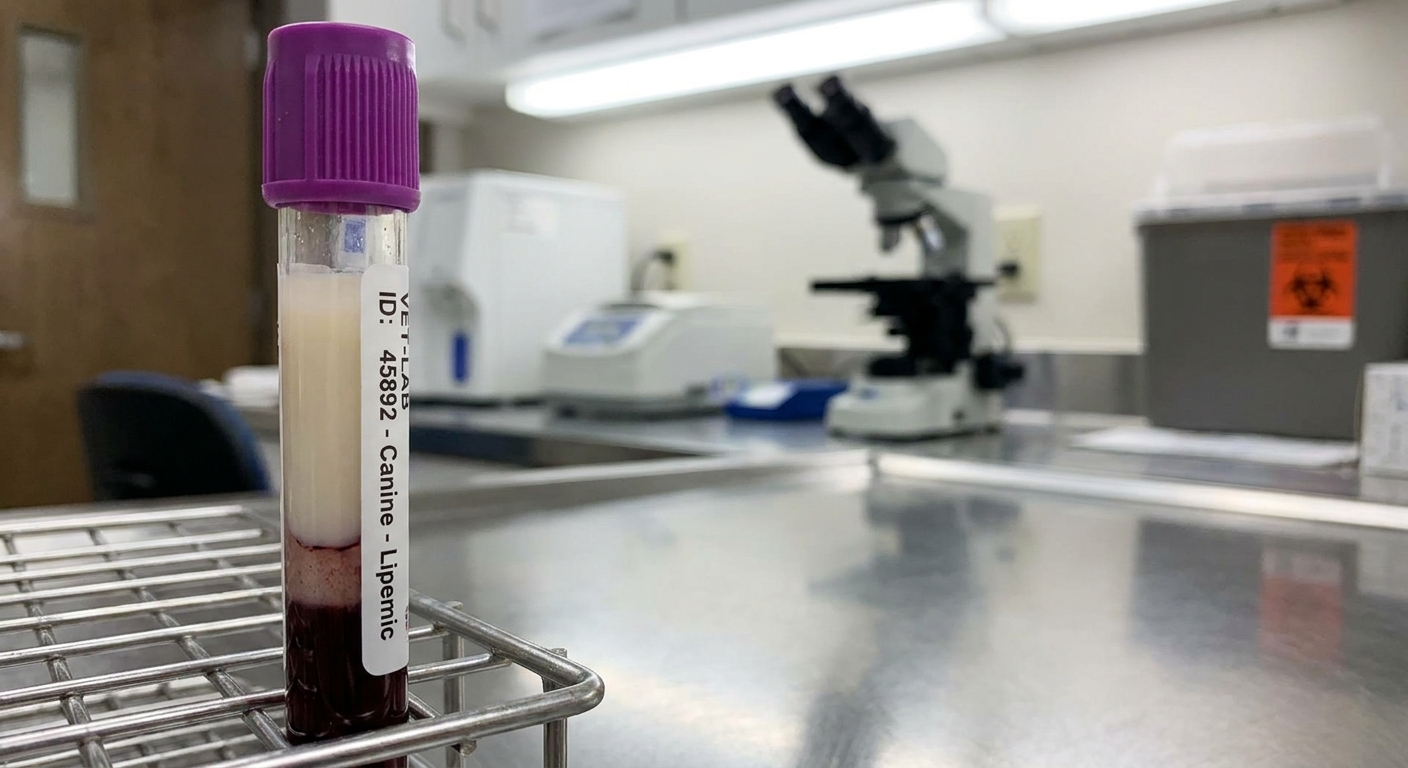
Sometimes a technician will notice the serum or plasma looks cloudy, creamy, or “milk-like.” That appearance is called lipemia, and it is a visual clue that fat levels are elevated. Not every dog with high triglycerides has obvious lipemia, but when you see it, it gets everyone’s attention quickly.
What bloodwork shows
Your veterinarian may start with a routine chemistry panel, but when Miniature Schnauzer hyperlipidemia is suspected, they often recommend a fasting lipid panel (triglycerides and cholesterol) specifically, sometimes repeated to confirm a pattern.
Common lab clues
- Elevated triglycerides (sometimes very high)
- Elevated cholesterol (not always, but can be present)
- Lipemia can interfere with some lab methods and make certain results harder to interpret until lipids are addressed
- Pancreatitis markers may be evaluated if a flare is suspected (your vet may run a canine pancreatic lipase test, plus supportive labs)
Depending on your dog’s history and physical exam, your vet may also recommend screening tests for underlying disease, such as thyroid testing, glucose evaluation, or endocrine testing.
Why your vet might recheck
Hyperlipidemia management is not usually based on a single number one time. Your veterinarian may want:
- A repeat fasting lipid panel to confirm it is persistent
- Follow-up testing after diet changes
- Periodic monitoring long-term, especially if your schnauzer has had pancreatitis before
If you want a practical ballpark to discuss with your vet, many dogs get rechecked about 4 to 12 weeks after a diet change or new medication, then every 6 to 12 months once stable. The right schedule depends on your dog’s numbers, history, and risk factors.
How it raises pancreatitis risk
The pancreas helps digest food by releasing enzymes. In pancreatitis, those enzymes become activated in the wrong place at the wrong time, which can trigger painful inflammation.
In Miniature Schnauzers, high triglycerides are strongly associated with increased pancreatitis risk. The exact chain of events is complex, and risk is always multifactorial, but the practical takeaway is simple: when a schnauzer lives with chronically high blood fats, the pancreas tends to be less forgiving.
That is why some schnauzers can eat something “a little rich,” like a fatty table scrap, and develop a pancreatitis episode that seems to come out of nowhere. I often think of it as a dry forest and a spark. Hyperlipidemia is the dry conditions, and a high-fat extra can be the spark.
Other problems linked to high fats
Pancreatitis is the complication most people recognize, but hyperlipidemia can be tied to other issues too, especially when triglycerides remain high over time.
Skin fatty deposits
Some dogs develop fatty plaques or nodules in or under the skin, often described as yellowish or pale raised lesions. These are sometimes called xanthomas. If you notice new lumps, bumps, or unusual plaques, let your veterinarian check them rather than assuming they are harmless.
Eye changes
Elevated lipids can sometimes contribute to eye issues such as:
- Lipid deposits in the cornea (corneal lipidosis)
- Inflammation inside the eye in some cases
If your dog’s eyes suddenly look cloudy, painful, red, or squinty, that is always worth an urgent vet visit.
Neurologic signs
Rarely, when triglycerides are extremely high, dogs can develop neurologic episodes. One concern veterinarians may consider in severe cases is hyperviscosity, meaning the blood is thicker than normal. Owners may report:
- Weakness or wobbliness
- Disorientation
- Seizures in more serious situations
Seizures have many potential causes, so this is not something to self-diagnose. But if your Miniature Schnauzer has a history of high triglycerides and has any neurologic episode, it is an important detail to tell the veterinarian.
Signs you might notice
Here is the tricky part: many dogs with hyperlipidemia act completely normal, especially early on. That is why fasting bloodwork is so valuable.
When signs do show up, they are often related to complications like pancreatitis. Call your vet promptly if your dog has:
- Vomiting, especially repeated vomiting
- Diarrhea
- Loss of appetite
- Abdominal pain (hunched posture, “prayer position,” reluctance to be picked up)
- Lethargy
- Fever
- Sudden weakness, collapse, or neurologic signs
Low-fat prevention
This is the heart of managing Miniature Schnauzer hyperlipidemia: preventing spikes in blood fats so the pancreas is not constantly being challenged.
Think of prevention like brushing teeth. It is not exciting, but it prevents expensive, painful problems later.
1) Choose a truly low-fat diet
Your veterinarian may recommend a prescription low-fat gastrointestinal diet or a carefully selected over-the-counter option. What matters most is the fat content on a calorie basis, not just the guaranteed analysis percentage on the bag or can.
If your dog has had pancreatitis, ask your vet what fat target is appropriate for your schnauzer, and whether a therapeutic diet is the safest choice. If you like concrete numbers, this is a helpful way to ask it: “What grams of fat per 1,000 kcal should I stay under for my dog?” Your vet can give you a target that matches your schnauzer’s history and lab results.
2) Cut out high-fat extras
In my experience, schnauzers get into trouble from “little tastes” more than from meals. Common high-fat triggers include:
- Bacon, sausage, hot dogs
- Fatty steak trimmings, skin-on poultry
- Cheese, butter, cream
- Fried foods
- Greasy leftovers
- High-fat treats and some bully sticks
- Pan drippings and gravy
Also watch for surprises that families often mean well with, like peanut butter, some dental chews, and “all natural” treats that are still fatty.
For treat time, ask your vet about options that are naturally lean, such as small bites of cooked skinless chicken breast, or very low-fat commercial treats designed for sensitive stomachs. And remember that treats, chews, and human foods should still count toward daily calories.
3) Keep your schnauzer lean
Extra body fat worsens metabolic stress and can push triglycerides up. If your schnauzer is overweight, slow, steady weight loss under veterinary guidance can make a real difference.
Along with calorie control, regular age-appropriate exercise helps many dogs maintain a healthier body condition and improves overall metabolic health.
4) Be consistent with meals
Dogs prone to pancreatitis often do better with predictable, evenly spaced meals rather than irregular feeding schedules. Many do well with two to three small meals a day, but your vet can tailor this to your dog’s needs.
5) Ask about omega-3s and meds
Some dogs with persistent high triglycerides benefit from additional help beyond diet. Your veterinarian may discuss:
- Omega-3 fatty acids (EPA and DHA) in an appropriate dose
- Prescription medications in select cases to lower triglycerides, such as fibrates used under veterinary supervision
Do not start supplements without guidance. With pancreatitis-prone dogs, we want the right tool and the right dose, not guesswork.
Prevention vs. active flare
I want to gently underline this because it trips up a lot of caring dog parents.
Hyperlipidemia prevention is what you do when your dog is stable. The goal is to keep triglycerides down long-term with a low-fat routine.
An active pancreatitis flare is a medical event. Dogs may need anti-nausea medication, pain control, fluids, and a very specific feeding plan determined by your veterinarian. Some dogs cannot keep food down at first. Others can eat small amounts of a vet-recommended low-fat gastrointestinal diet once vomiting is controlled.
If your Miniature Schnauzer is actively vomiting, painful, or not eating, please do not try to “feed through it” at home without veterinary direction. Pancreatitis can worsen quickly, and early supportive care makes a huge difference.
What to ask your vet
If you suspect hyperlipidemia or your Miniature Schnauzer has a pancreatitis history, these questions usually lead to a productive plan:
- Should we run a fasting lipid panel (triglycerides and cholesterol)?
- How many hours should my dog fast before the blood draw?
- Do we need to rule out secondary causes like hypothyroidism, diabetes, or Cushing’s?
- What diet fat target do you recommend for my dog (for example, grams of fat per 1,000 kcal)?
- How often should we recheck lipids once we start a plan?
- Are omega-3s or medication appropriate for my schnauzer?
FAQ
Is hyperlipidemia the same as pancreatitis?
No. Hyperlipidemia means high blood fats. Pancreatitis is inflammation of the pancreas. Hyperlipidemia can raise the risk of pancreatitis, especially in Miniature Schnauzers.
Can my dog have hyperlipidemia with normal cholesterol?
Yes. Some dogs have very high triglycerides with less dramatic cholesterol changes. Triglycerides are often the bigger concern for pancreatitis risk.
What if my schnauzer’s bloodwork was not fasting?
Non-fasting samples can look elevated just because the dog ate. If results are suspicious, most veterinarians will recommend repeating the test after an appropriate fast to get a clearer baseline.
Will a low-fat diet cure hyperlipidemia?
Diet can significantly improve triglycerides for many dogs, and it is the foundation of prevention. Some schnauzers still need additional support, especially if the condition is strongly genetic or severe, or if there is an underlying endocrine issue that needs treatment.
The bottom line
If your Miniature Schnauzer has recurrent pancreatitis, hyperlipidemia is one of the first background issues I hope gets checked, because it can explain the pattern and it gives you a prevention target that is actually actionable.
With the right fasting bloodwork, a consistent low-fat routine, and regular monitoring, many schnauzers do very well and avoid repeat flare-ups. Work closely with your veterinarian, move slowly with diet changes, and remember that the small daily choices, especially treats and table scraps, matter more than most people realize.