When I’m helping pet parents in a clinic setting, one of the most common reactions I see to lab work is this: someone fixates on a single number and feels like it must be the whole story. I get it. A Spec cPL result can look very black and white on paper, especially if your dog has vomiting, diarrhea, abdominal pain, or suddenly stops eating.
But Spec cPL is best understood as one important clue, not a stand-alone diagnosis. Let’s walk through what the test measures, what the ranges usually mean, and which questions I would ask the veterinarian before changing your dog’s diet.
What is Spec cPL?
Spec cPL is a commonly used brand-name blood test that measures canine pancreas-specific lipase (cPL), a lipase enzyme that comes primarily from the pancreas.
In plain language, the pancreas is an organ that helps your dog digest food and helps regulate blood sugar. When the pancreas is inflamed, as in pancreatitis, cPL in the bloodstream often rises.
The “pancreas-specific” part matters because older, non-specific lipase tests could be elevated for reasons unrelated to the pancreas. Spec cPL is more pancreas-focused, which makes it more useful when your veterinarian is deciding whether pancreatitis belongs high on the list.
Spec cPL ranges
Most labs report Spec cPL results in micrograms per liter (µg/L) and group them into three categories. Your lab report may show slightly different wording or cutoffs, so always defer to the reference range printed on your dog’s results.
That said, for IDEXX Spec cPL, the typical interpretation most clinics reference looks like this:
Normal
- Typically: less than or equal to 200 µg/L
- What it suggests: pancreatitis is less likely, but not impossible
A normal result is reassuring, especially if your dog’s symptoms are mild or improving. Still, dogs can have GI upset that looks like pancreatitis and resolves quickly, or they can have early or mild pancreatitis that is not caught on one single blood draw.
Borderline
- Typically: 201 to 399 µg/L
- What it suggests: pancreatitis is possible, but the result is not definitive
This is the range that causes the most confusion. “Borderline” can mean several things: early pancreatitis, mild pancreatitis, resolving pancreatitis, or a different illness happening at the same time. In the real world, borderline results are best treated as a signal to slow down and interpret the number alongside the exam, history, and other testing.
Positive
- Typically: greater than or equal to 400 µg/L
- What it suggests: pancreatitis is more likely, especially if symptoms and other findings match
A positive result supports pancreatitis as a leading diagnosis, but even here, it is still not a complete diagnosis all by itself. Your vet will interpret the number alongside your dog’s exam, history, imaging, and other lab work.
Spec cPL vs SNAP cPL
This trips up a lot of people, so it is worth a quick clarification. Spec cPL is a quantitative lab test that gives an actual number (µg/L). The SNAP cPL is an in-clinic screening test that reads more like a yes or no style result.
If you are not sure which one your dog had, ask your vet. It changes how precisely you can track trends over time.
Why the number is not a diagnosis
I wish pancreatitis were as simple as: high number equals pancreatitis, low number equals no pancreatitis. Real life is messier.
1) Pancreatitis can look different
A dog with severe, painful pancreatitis may have a high cPL, but a dog with milder disease might fall into the borderline range. Chronic pancreatitis can also flare and calm down, which can change lab values over time.
2) Timing matters
Labs are a snapshot. If the blood sample is taken very early in the course of illness, the number may not have peaked yet. If it is taken later, it may already be trending down.
3) Other illness can overlap
GI disease and systemic illness can occur alongside suspected pancreatitis, and that overlap can complicate interpretation. Depending on your dog’s signs, your vet may recommend additional diagnostics to check for problems that can look similar, such as intestinal disease, gallbladder issues, dietary indiscretion, Addison’s disease, or obstruction.
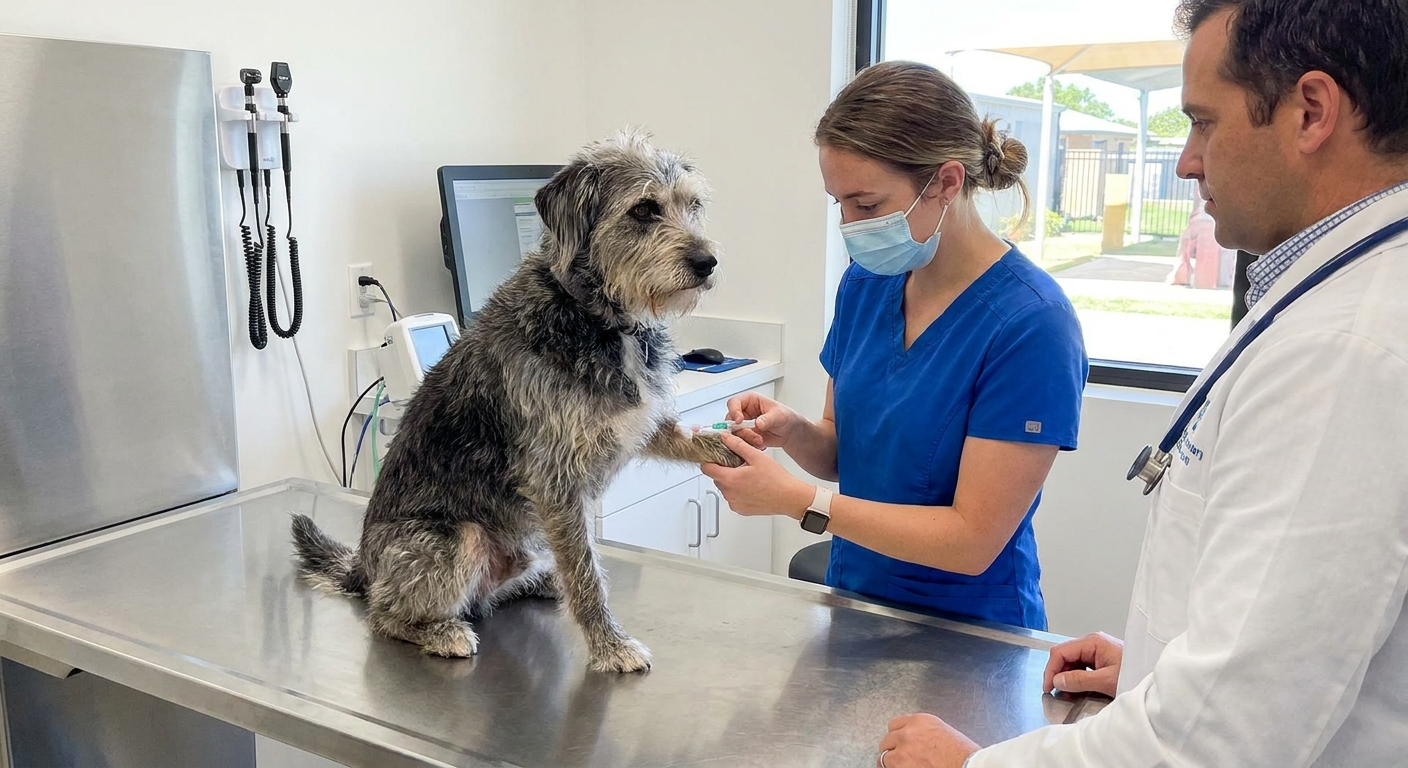
4) Vets use a full toolkit
Veterinarians often combine Spec cPL with:
- Physical exam findings: dehydration, painful abdomen, fever, weakness
- Other bloodwork: CBC and chemistry values, electrolytes, kidney and liver markers
- Urinalysis: hydration status and concurrent issues
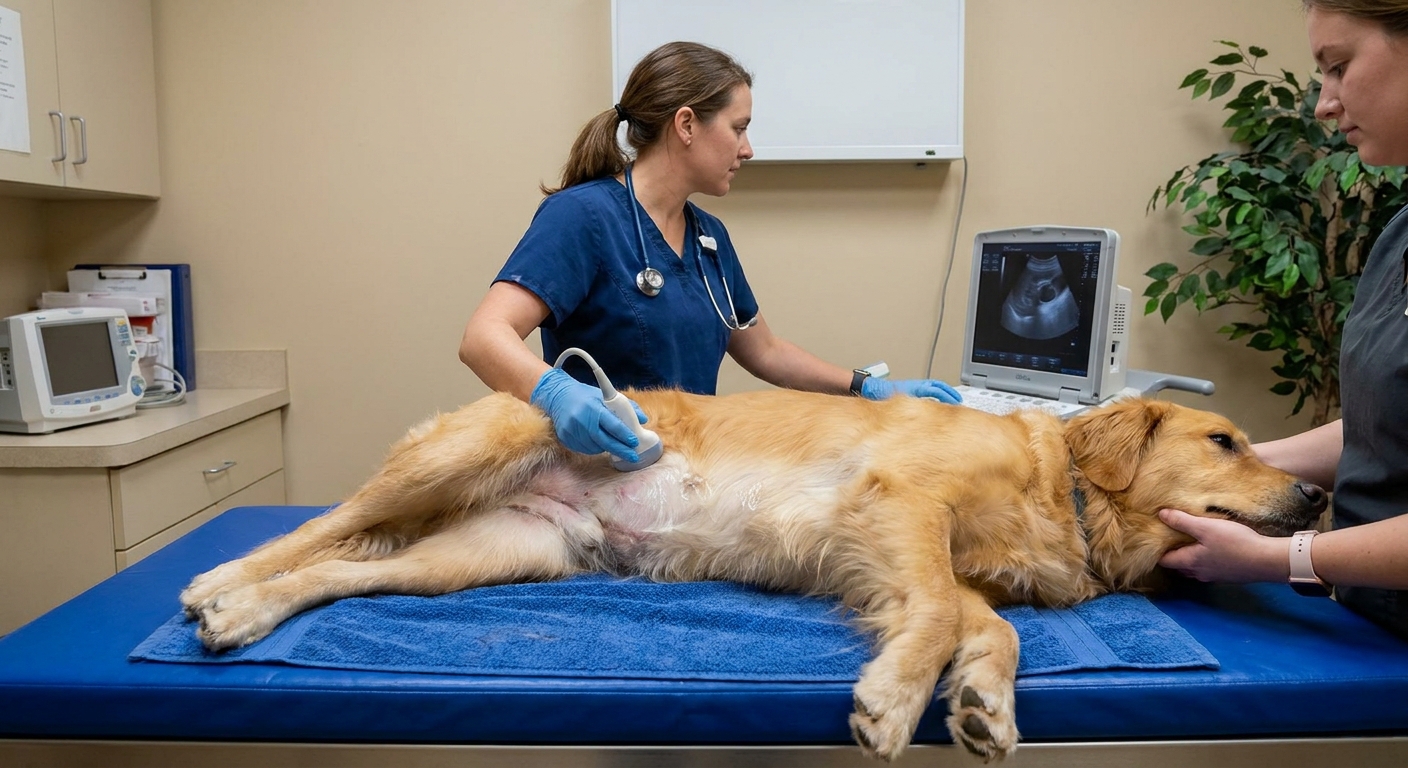
- Abdominal ultrasound: pancreatic changes, surrounding inflammation, rule-outs
- Response to treatment: improvement with supportive care
One extra nuance I often share with clients: an ultrasound can be very helpful, but it is not magic. Sometimes it is normal early in the disease, and sometimes the pancreas is hard to evaluate. That is why the best answers usually come from putting symptoms, labs, and imaging together.
Reading results in context
If you are staring at a lab report and wondering what to do next, here is a practical way to frame it:
- Normal cPL + dog feels fine: pancreatitis is less likely. Your vet may look for other causes if symptoms persist.
- Normal cPL + dog is very sick: do not ignore the symptoms. Your veterinarian may recommend additional testing or supportive care based on what they see clinically, not on cPL alone.
- Borderline cPL: think “maybe.” This is often the moment for recheck testing, ultrasound, and a close look at other labs.
- Positive cPL: think “probable,” especially if signs fit. Your vet may treat as pancreatitis while also checking for triggers and complications.
One more gentle reminder from the veterinary assistant side of things: if your dog is vomiting repeatedly, refusing water, acting painful, has a bloated belly, seems weak, or collapses, that is an urgent situation no matter what a lab value says.
Questions to ask before diet changes
Diet is a huge part of pancreatitis management, but making sudden changes without a plan can backfire. Before you switch foods, I recommend asking your vet questions like these:
About the diagnosis
- “Do my dog’s symptoms and physical exam match pancreatitis?”
- “Are there other conditions you are also considering?”
- “Would an abdominal ultrasound help us confirm or rule out pancreatitis?”
- “Do we need to repeat the Spec cPL? If so, when?”
About severity and risks
- “Do you consider this mild, moderate, or severe?”
- “Is my dog dehydrated or at risk of complications?”
- “Should my dog be treated at home or hospitalized?”
About feeding right now
- “Should my dog eat today, and if so, how much and how often?”
- “What fat level are you targeting for my dog’s meals?”
- “Do you recommend a prescription GI diet, an over-the-counter option, or a home-cooked plan?”
- “If we do home-cooked, how do we make it nutritionally complete?”
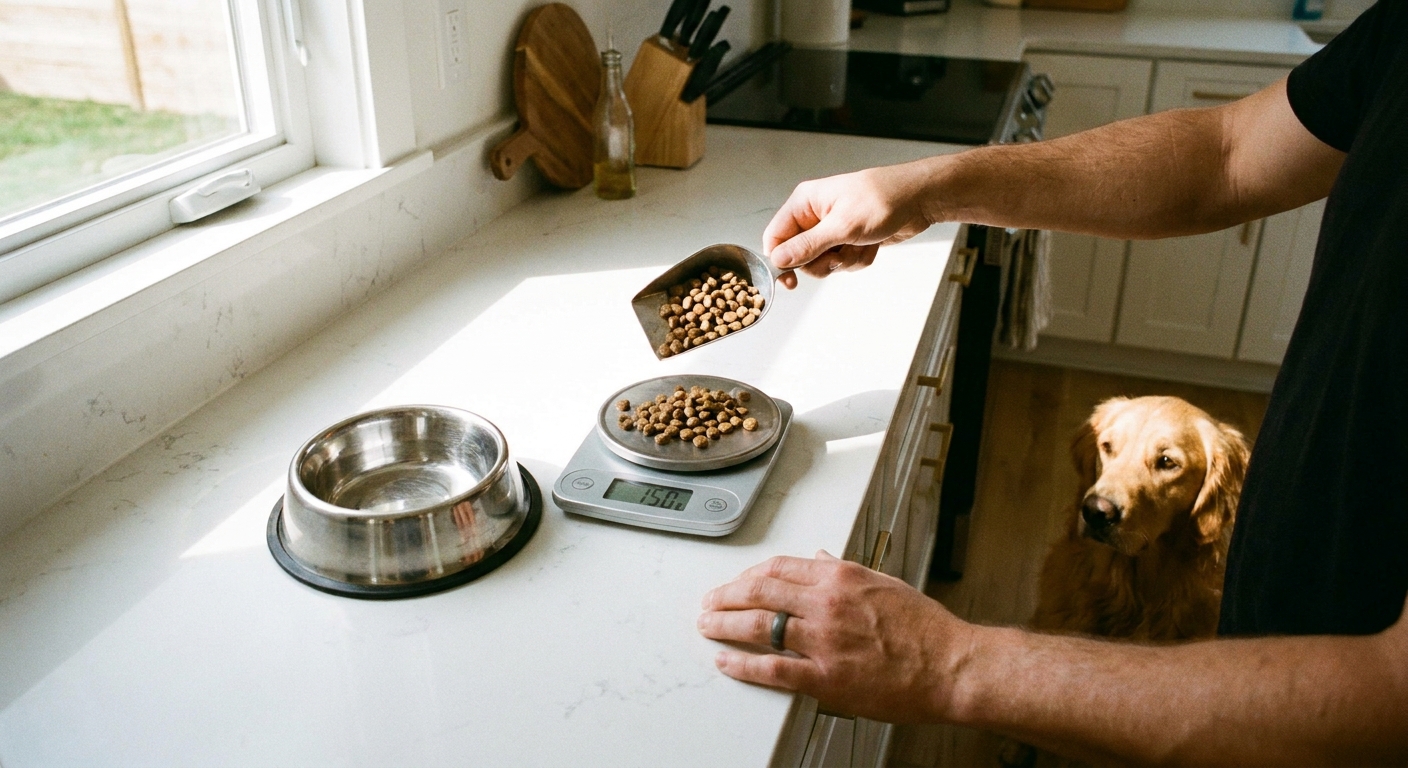
In many acute cases, feeding ends up looking like small, frequent meals of a highly digestible, vet-recommended diet once vomiting is controlled. But there is no single plan that fits every dog, so I always anchor this to your veterinarian’s advice and your dog’s comfort level.
About treats, supplements, and medications
- “Which treats are safe during recovery?”
- “What foods should be completely avoided right now?”
- “Should we use anti-nausea meds, pain control, probiotics, or digestive enzymes?”
- “Are there any human foods I should not give at all during this period?”
Common diet mistakes
These are a few patterns I see when people are scared and trying to help fast. The intention is loving, but the execution can create setbacks.
- Changing everything overnight. A sudden switch can worsen diarrhea or food refusal. Your vet may want a gradual transition once vomiting is controlled, or a specific short-term plan if symptoms are active.
- Assuming “no fat” is the goal. Many pancreatitis plans aim for lower fat, not zero fat. The right target is individualized, so let your vet (and sometimes a veterinary nutritionist) set the goal for your dog.
- Adding rich toppers to “get calories in.” Cheese, sausage, bacon grease, buttery rice, and fatty table scraps are common triggers for flare-ups.
- Overdoing supplements. Some supplements can be helpful, but too many changes at once make it hard to tell what is working and what is upsetting the stomach.
When to recheck Spec cPL
Your veterinarian may recommend repeating Spec cPL when:
- your dog’s result is borderline and the clinical picture is unclear
- your dog is improving and you are deciding when and how to transition diets
- your dog is not improving as expected and the team is reassessing the plan
- there is concern for chronic pancreatitis or recurrent flare-ups
Ask your vet what they hope to learn from a recheck. Sometimes the trend over time is more informative than a single number.
Quick FAQ
Can a dog have pancreatitis with a normal Spec cPL?
Yes, it is possible. It is less likely, but no test is perfect. If symptoms and exam findings strongly suggest pancreatitis or another serious problem, your vet may still recommend imaging and supportive care.
Does a positive Spec cPL always mean pancreatitis?
A positive result makes pancreatitis more likely, but your vet still needs to interpret it alongside the full clinical picture. It supports pancreatitis as a leading diagnosis, it does not replace the diagnosis.
Should I change my dog’s diet just because the result is borderline?
Do not make big diet changes based on the number alone. Borderline results are a pause-and-investigate moment. Ask your vet whether they want ultrasound, a recheck test, or a short-term GI plan while you monitor symptoms.
What symptoms matter most when interpreting Spec cPL?
Vomiting, loss of appetite, abdominal pain, diarrhea, dehydration, weakness, fever, and a hunched posture are all important. Your veterinarian will also consider hydration status, temperature, and abdominal palpation findings.
The takeaway
A Spec cPL result is a valuable tool, especially when pancreatitis is on the list. But it is still just one piece of the puzzle. The most helpful next step is usually a calm conversation with your veterinarian about what else supports the diagnosis, what needs to be ruled out, and what feeding plan makes sense for your dog’s specific situation.
If you want, you can take a photo of the full lab report and write down your dog’s symptoms and timeline before your appointment. In my experience, that simple prep helps pet parents feel less overwhelmed and helps the veterinary team make faster, safer decisions.