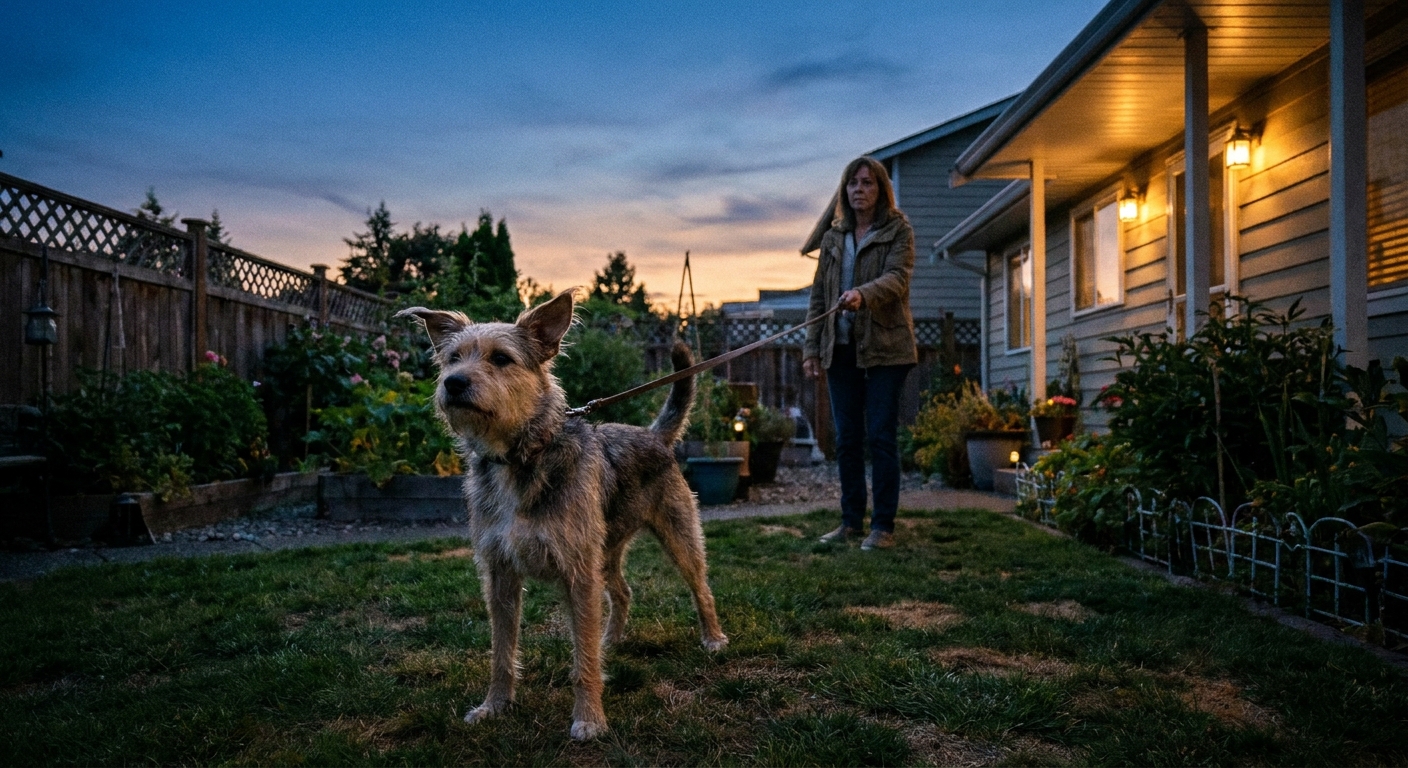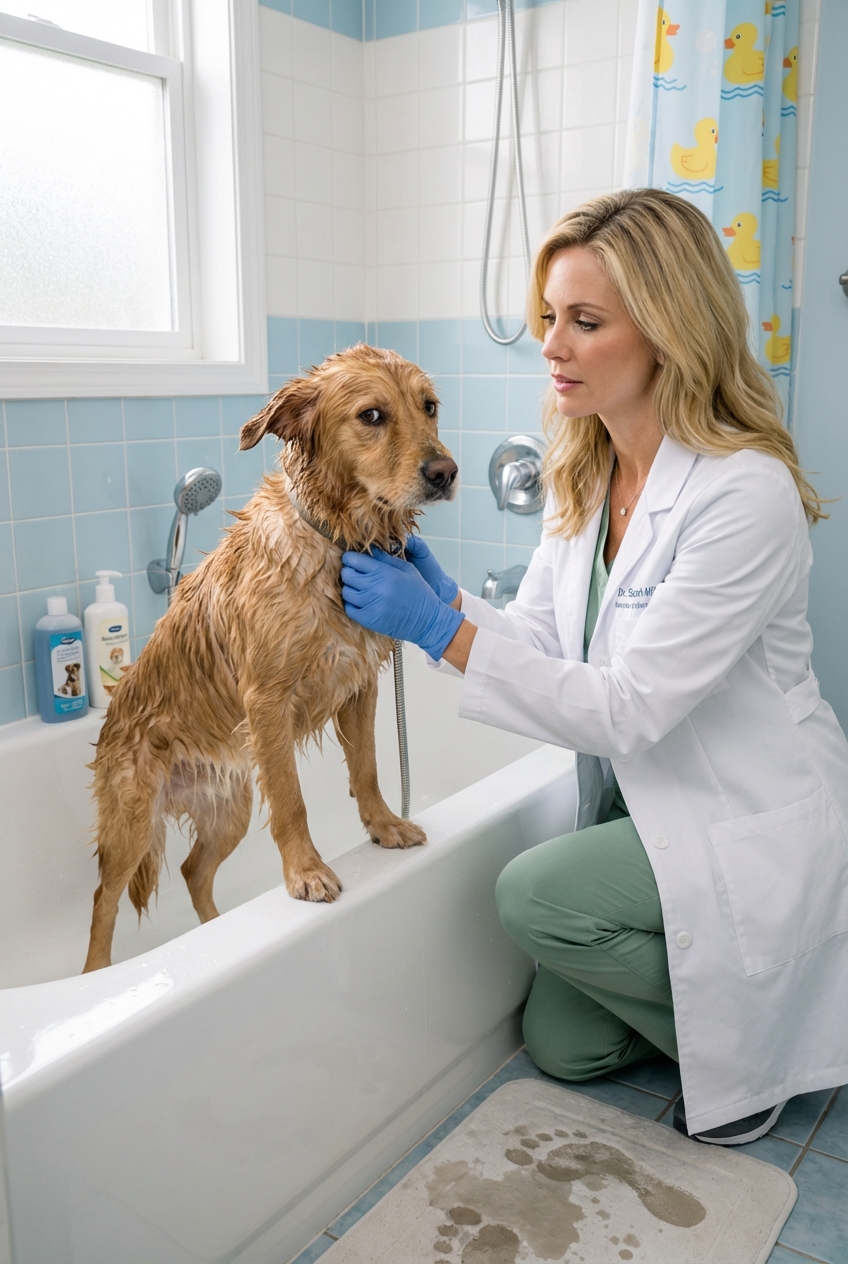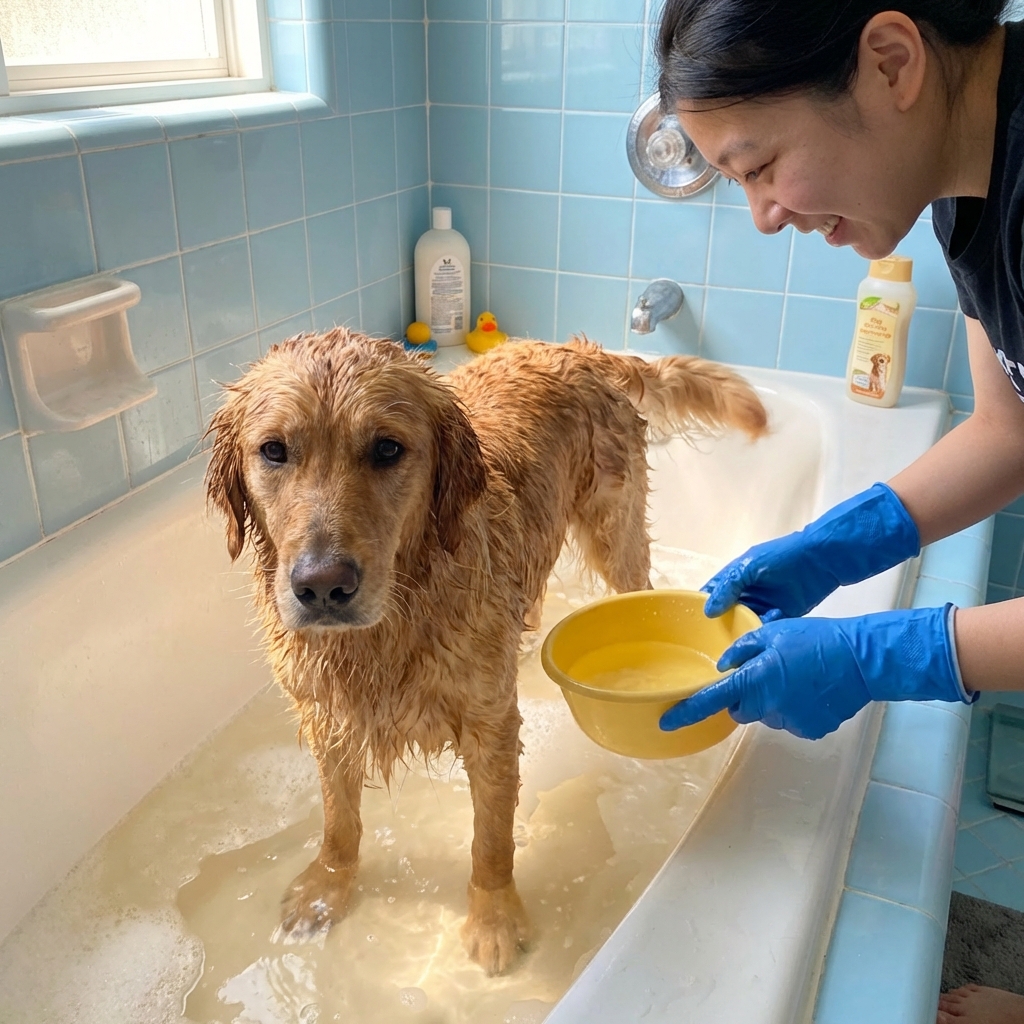
As a veterinary assistant here in Frisco, Texas, I have heard every version of this sentence: “My dog got sprayed again. How do I keep skunks out of my yard for good?”
The best long-term strategy is not chasing skunks away after they show up. It is making your yard a place they do not want to live. Skunks are opportunistic. If they find a cozy den and reliable food, they will keep coming back.
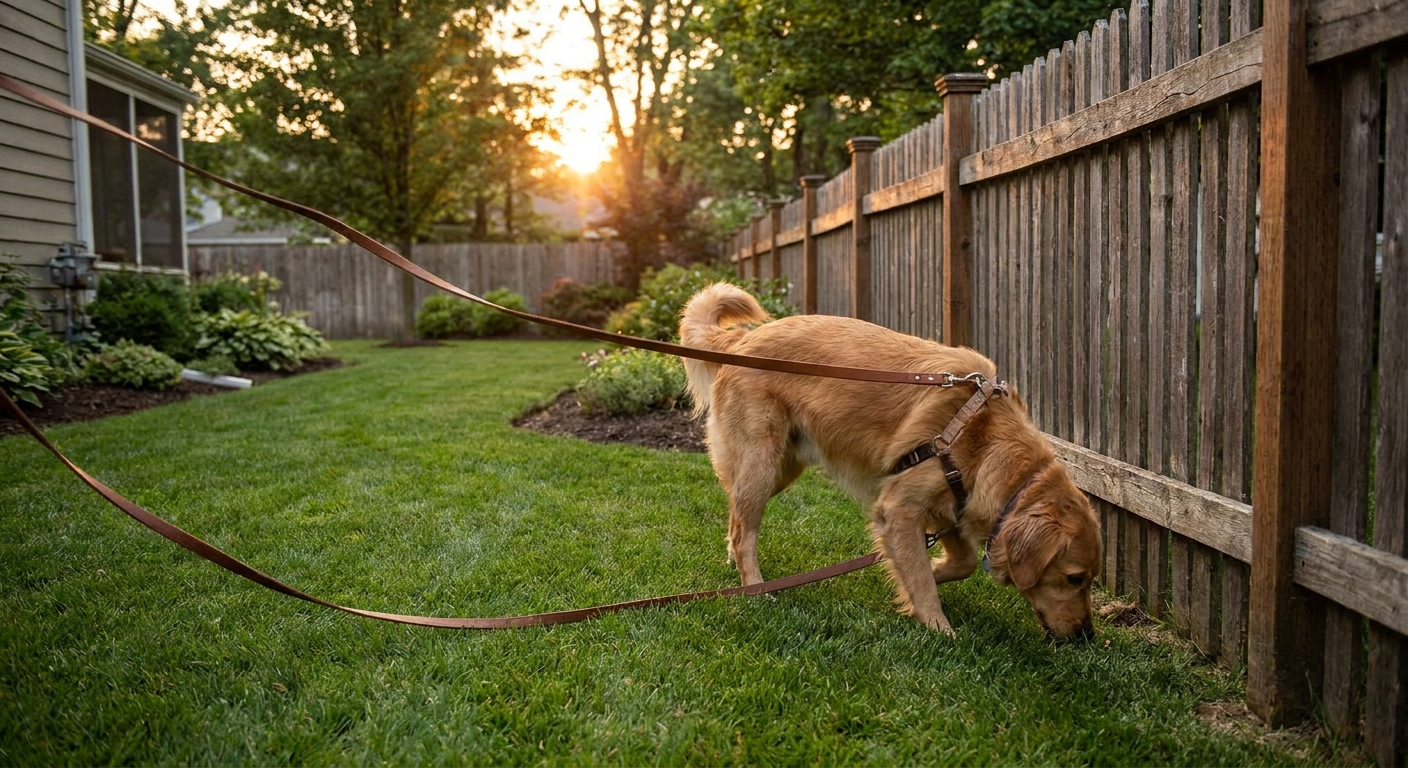
What attracts skunks to a dog’s yard
Skunks are mostly active at night and they are motivated by two things: easy calories and safe cover. They are generally poor climbers compared with raccoons and cats, so they prefer low, protected spaces where predators and people are less likely to bother them.
Food smells they can follow
- Pet food left outside, including “just for a few minutes” meals on patios.
- Open trash or trash bags set out early.
- Bird seed and the spilled seed under feeders.
- Fallen fruit under trees.
- Compost, especially if it contains table scraps, grease, or meat.
- Grub-rich lawns, because skunks will dig for beetle larvae and insects.
Shelter and den sites
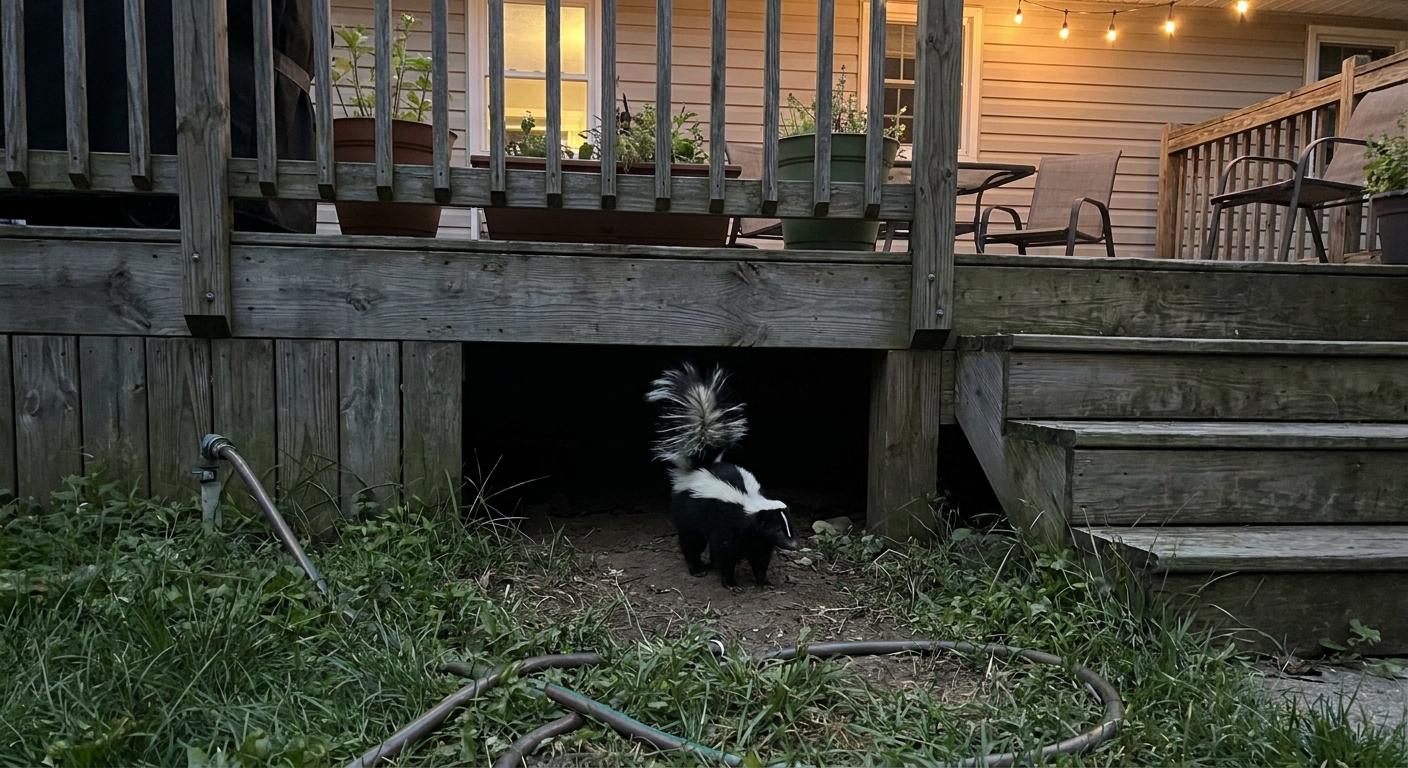
- Under decks, porches, and sheds with an open edge or soft soil.
- Woodpiles and brush piles that stay undisturbed.
- Thick ground cover where they can hide during the day.
- Abandoned burrows left by other animals.
Remove food and water
If you do only one thing, do this section. When skunks cannot count on food, they are much less likely to settle in and far more likely to pass through.
Pet food and feeding routines
- Feed pets indoors whenever possible.
- If you must feed outdoors, pick up bowls immediately and wipe up spills.
- Store kibble in a sealed container inside, not in an open bag in the garage.
- Do not leave pet treats or chew items outside overnight.
Trash, recycling, and compost
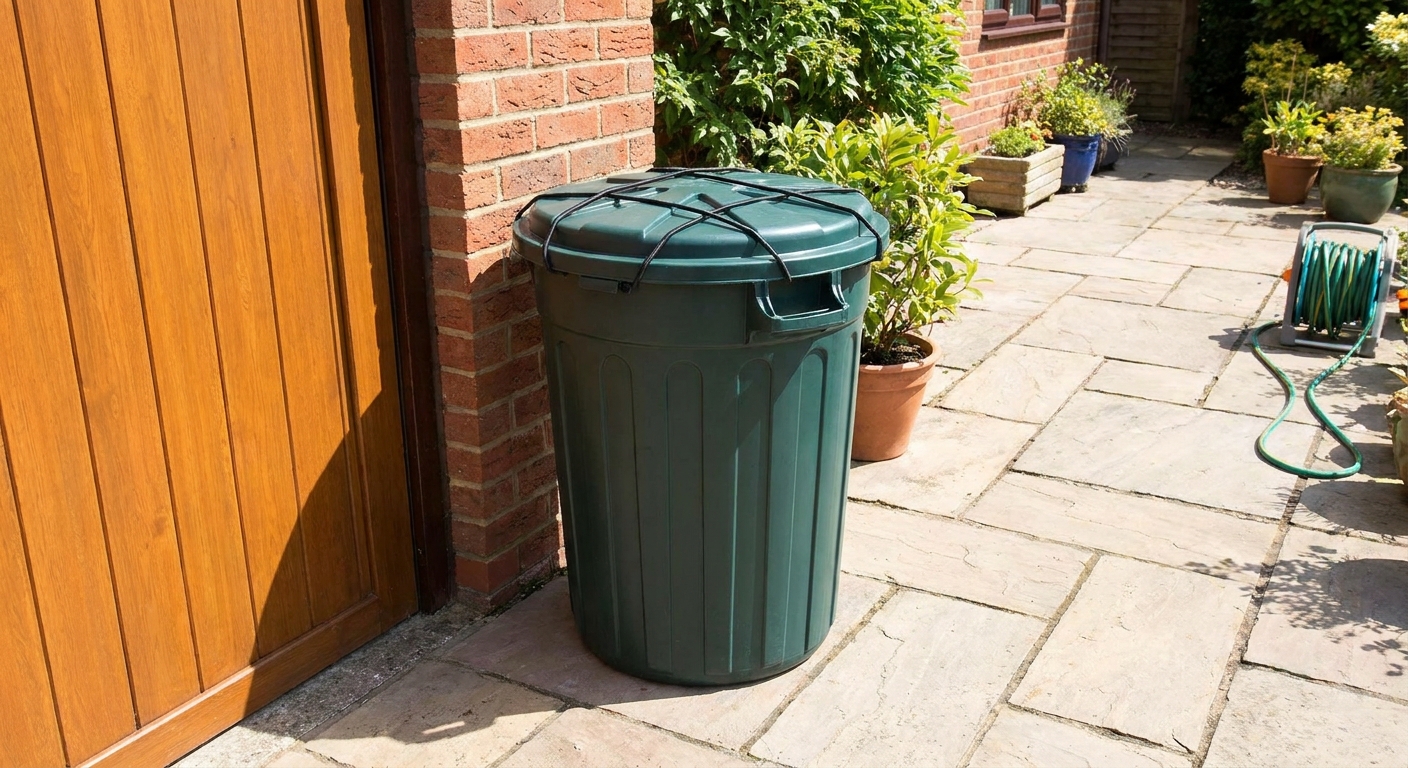
- Use wildlife-resistant trash cans with tight-fitting or locking lids. If your lid is loose, a bungee cord can help.
- Rinse food containers before putting them in recycling.
- Keep compost skunk-resistant by avoiding meat, bones, grease, and dairy.
- On trash night, put cans out as close to pickup time as possible.
Bird feeders and outdoor eating
- Place feeders over an area you can clean often, and rake up spilled seed.
- Consider taking feeders down temporarily if skunks are visiting nightly.
- After grilling, clean drips and keep grease containers sealed.
Standing water
Skunks will drink from whatever is easiest. Dump and refresh outdoor water bowls nightly, repair leaky spigots, and avoid leaving shallow pans of water out after watering plants.
Skunk-proof decks and sheds
Under-deck denning is one of the most common reasons skunks stick around a dog’s yard. It is quiet, protected from weather, and usually close to food smells from grills, trash, and pet bowls.
Signs a skunk may be living there
- A shallow, D-shaped opening near the deck edge.
- Fresh digging or disturbed soil and mulch.
- Tracks or a clear “path” through grass along a fence line.
- A mild musky odor in the area, especially at dawn or dusk.
How to do exclusion safely
Exclusion works best when you combine physical barrier installation with a one-way exit method. The goal is: let the animal leave, then block re-entry. Do not reach into openings, and wear gloves. If you cannot confirm the skunk is out, call a pro.
- Confirm activity times. Skunks are typically out at night. Watch from inside, or use a motion light or camera.
- Use a one-way door or an exclusion device on the suspected opening so the skunk can exit but not get back in.
- Wait several nights to confirm no activity.
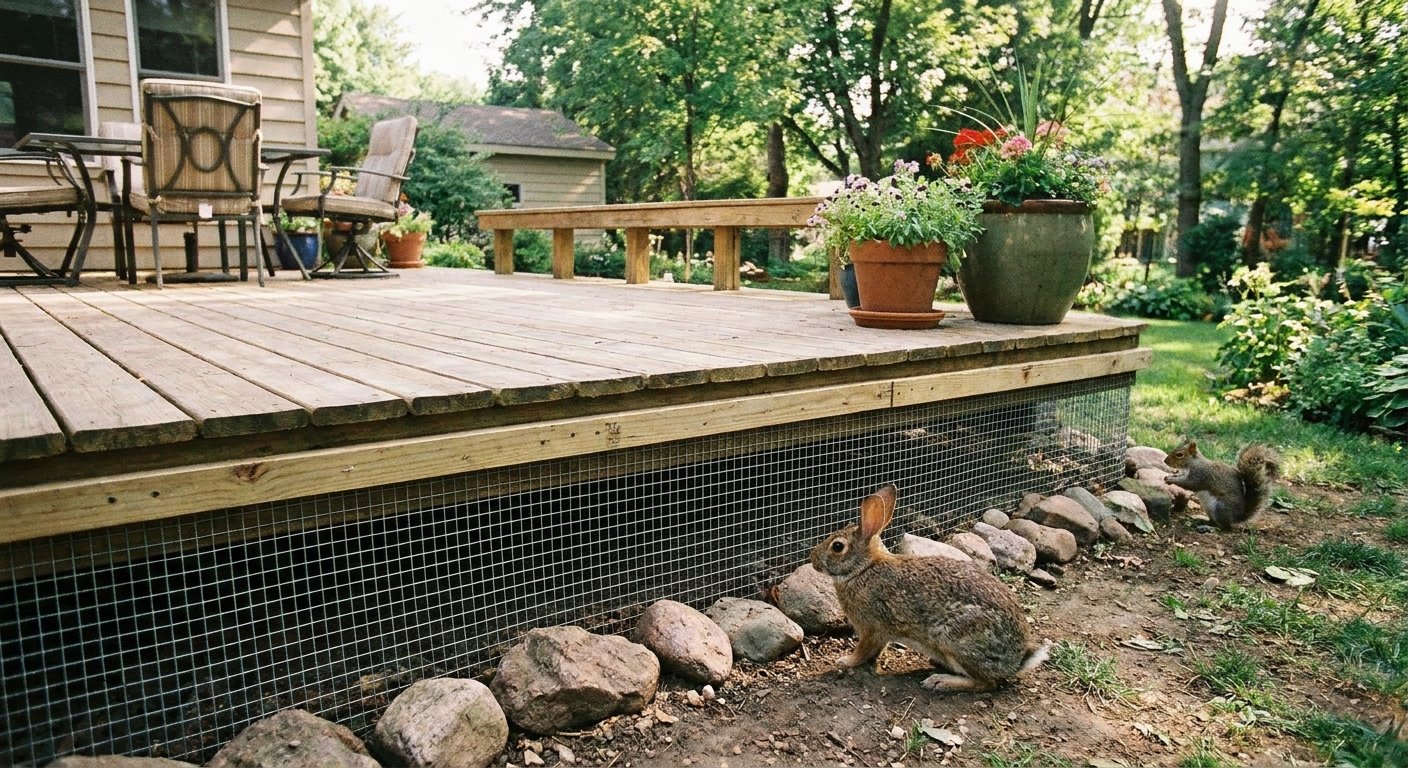
- Seal the entire perimeter with sturdy hardware cloth, usually galvanized 1/4-inch to 1/2-inch mesh, or another appropriate barrier.
- Bury the barrier so they cannot dig under it. Many wildlife pros use roughly 6 to 12 inches plus an outward L-shaped apron, but soil and grading vary, so follow local guidance and your site’s needs.
If you are not comfortable doing this yourself, a licensed wildlife professional is often the safest choice. Skunks can spray when stressed, and a cornered animal is not an animal you want to wrestle with.
Baby season warning
This is the part I really want you to remember. Skunks have a breeding season, and mothers raise their young in dens. If you seal an opening during that time, you can accidentally trap babies inside.
In North Texas, skunks often breed in late winter, and kits are commonly born in spring and are still dependent into early summer. Timing can shift with weather and region, so if you have any doubt, pause and confirm before you seal.
Trapped young can lead to serious problems fast: persistent crying sounds, a frantic mother trying to dig back in, and sometimes the worst-case scenario of young dying in place. That is heartbreaking, and it can create a major odor problem as well.
Signs there may be young
- You see an adult skunk returning repeatedly to the same spot around dusk or dawn.
- You hear faint chirping or squeaking from under a deck or shed.
- You notice multiple small tracks or a lot of fresh, repeated activity at one opening.
If you suspect a mother and babies, do not seal the den yourself. This is the moment to call a wildlife professional who can confirm what is inside and remove animals humanely and legally.
Make the yard less inviting
Once food and shelter are handled, you can tip things further in your favor with yard habits that reduce hiding places and surprise encounters.
Reduce cover and clutter
- Stack firewood off the ground and away from the house if possible.
- Remove brush piles and keep shrubs trimmed up near the base.
- Store outdoor cushions and supplies so you do not create “bonus dens” behind bins and planters.
Lighting and fencing basics
- Motion-activated lights can reduce the “safe at night” feeling skunks prefer.
- Walk the fence line and close gaps. Skunks can fit through surprisingly small openings.
- Keep gates latched, especially if you back up to greenbelts or drainage areas.
Address grubs to reduce digging
If your lawn is getting rolled up or dug in small cones, skunks may be hunting grubs. A healthy lawn care plan and targeted grub control, using methods appropriate for your area, can reduce that incentive.
Dog safety at night
Keeping skunks from living in the yard helps, but dogs are curious and fast. Here are prevention habits that reduce surprise face-to-face meetings.
- Supervise potty trips at night, especially in spring and summer.
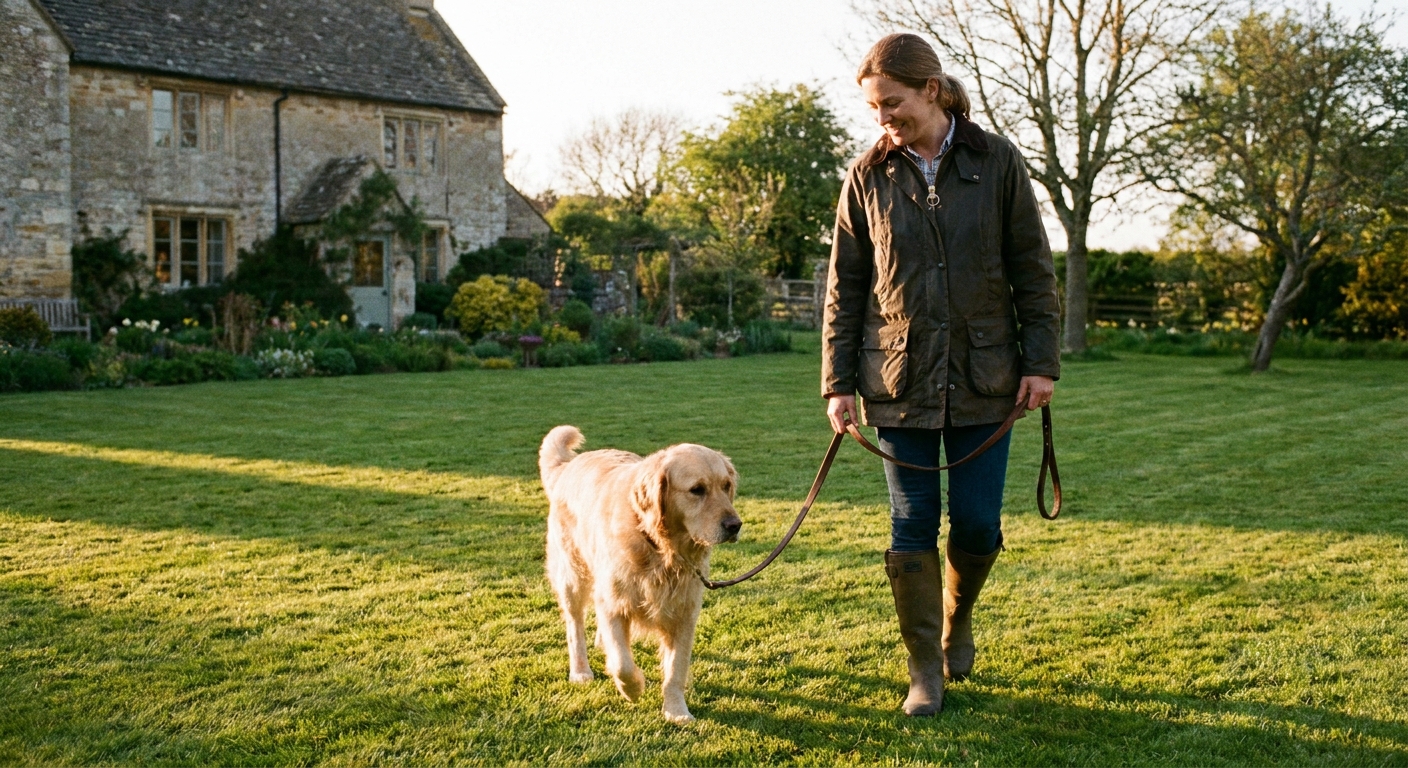
- Use a leash after dark for quick outings, even in a fenced yard.
- Teach a strong “leave it” and practice around mild distractions first.
- Do a quick scan before letting your dog out, especially near decks, sheds, and woodpiles.
If your dog tends to charge wildlife, consider using a long line for controlled freedom while you are working on training. I cannot tell you how many “it happened so fast” skunk cases I have seen walk through our clinic doors.
What not to do
When people are desperate, they try all sorts of hacks. A few of them can backfire, put pets at risk, or create legal issues.
- Do not use poison. It is unsafe for pets and other wildlife, and it can create a bigger problem if an animal dies under a structure.
- Skip mothballs, ammonia, and harsh chemicals. Fumes can be harmful to pets and people, and they rarely solve the real issue long-term.
- Avoid DIY trapping or relocation. It is easy to get sprayed or bitten, and relocation can be illegal or restricted in many areas. In Texas, rules can vary by city and county, so check local guidance and use licensed professionals.
- Be cautious with repellents. If a product is not clearly labeled for outdoor wildlife use and pet safety, do not put it where your dog can sniff, lick, or roll.
If your dog gets sprayed
Even with prevention, accidents happen. Skip the tomato juice myth. Use a vet-approved de-skunk product if you have one, and call your veterinarian if your dog was sprayed in the eyes, is coughing, or seems stressed. If your dog was very close to the skunk, it is also smart to confirm your rabies vaccination is current.
When to call a professional
Some situations are just not DIY, and that is okay.
- You suspect a den under a structure and you are not sure whether babies are present.
- The skunk is showing up nightly despite removing food sources.
- You see unusually bold behavior, staggering, disorientation, or other signs the animal may be ill.
- You have multiple entry points and need comprehensive exclusion work.
Keep your distance from any wild animal that seems sick or unusually fearless. Bring pets inside and contact local animal control or your local public health guidance for next steps. Look for a licensed wildlife control company that focuses on humane exclusion and prevention, not just removal.
Quick checklist
- Feed pets indoors and never leave bowls out overnight.
- Lock down trash, compost, and bird seed spills.
- Pick up fallen fruit and reduce standing water.
- Inspect under decks and sheds and use a one-way exit before sealing.
- Never seal a den if you suspect babies.
- Remove brush piles and block low hiding spots.
- Supervise dogs at night and use a leash for quick potty breaks.
The goal is simple: remove the rewards, remove the shelter, and make your yard predictable and calm for your dog again.
FAQ
Why do skunks go under decks?
Because it is protected from weather, hidden from predators, and usually quiet. If there is also easy food nearby, it becomes an ideal den site.
Will skunks leave on their own?
Sometimes, especially if you remove food attractants. But if a skunk is denning under a structure, it often needs proper exclusion to prevent return.
Is it safe to block the hole right away?
Not until you know the skunk is out and there are no babies inside. A one-way exclusion approach helps prevent accidental trapping.
Do skunks come back to the same yard?
They can. If your yard consistently offers food and shelter, it becomes part of their routine. Prevention is about breaking that routine.