A curious nose. A very waggy welcome.
If your dog just got flea medicine and is now staring at a pool, a lake, or the bathtub like it is their life’s calling, you are not alone. The tricky part is that “flea medicine” can mean two totally different delivery styles, and water matters a lot for one of them.
Let’s sort it out in plain pup-scout terms: what water can do to topical flea products, why oral flea meds are different, and how long you typically need to wait before swimming or bathing. Then we will separate that from a bath you might give to remove live fleas right now, and from bathing rules for puppies.
The first question: topical or oral?
Before you count hours on the calendar, identify what kind of flea medicine your dog received:
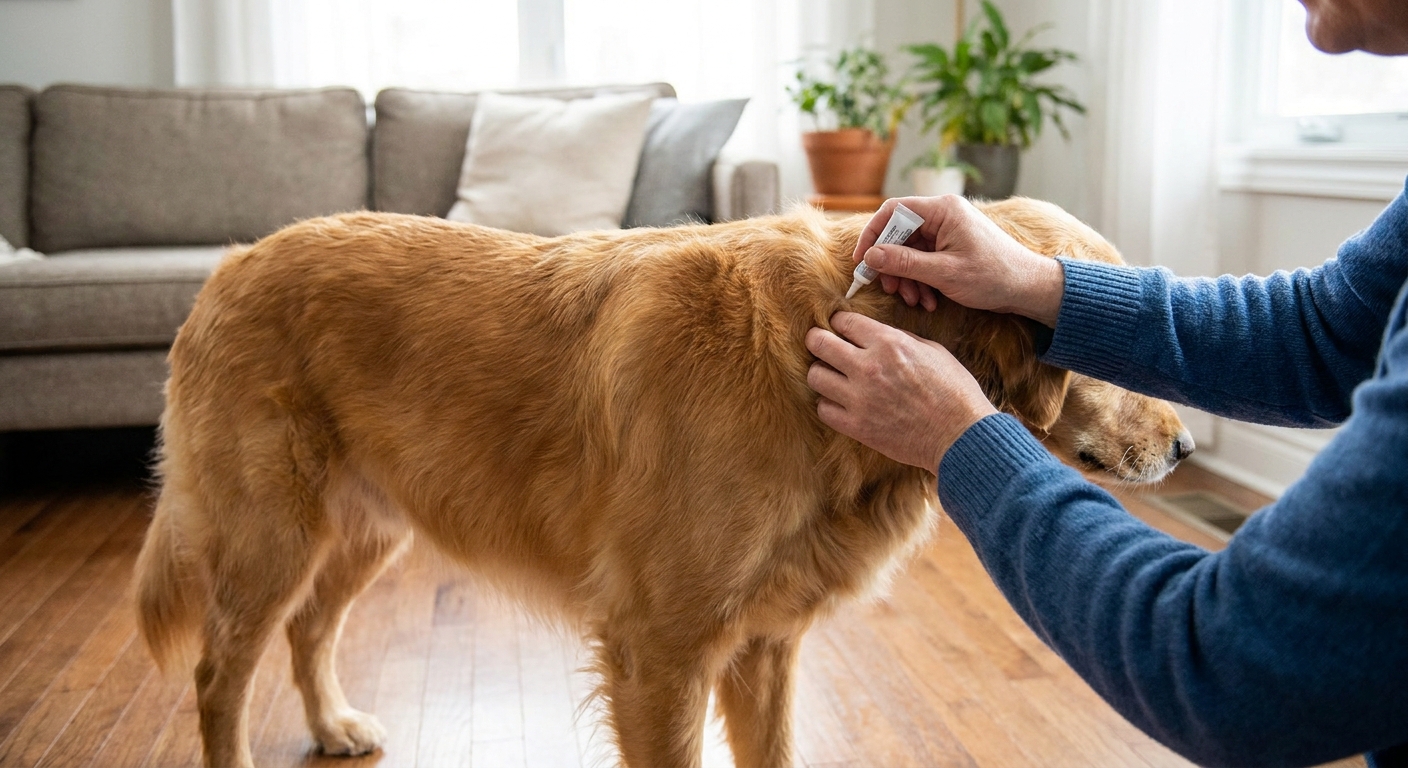
- Topical flea treatment: Usually a small tube of liquid applied to the skin (often between the shoulder blades or along the back). In many products, the medication distributes across the skin and coat via skin oils over time. (Some topicals work a bit differently, so the label directions matter.)
- Oral flea medicine: A chewable tablet or pill. The active ingredient is absorbed into the body, so water exposure does not “wash off” the dose.
If you are not sure which one you used, look for words like “topical,” “spot-on,” “for topical use,” or “apply to skin” versus “chew,” “tablet,” or “oral.” The package insert and label are the real boss here.
Wait times after topical flea medicine
Topicals are the ones where swimming and bathing can change how well the product works, especially right after application. Some are labeled water-resistant after they have fully dried or after a stated number of hours, but that grace period varies a lot by brand.
Most labels give two kinds of timing guidance:
- How long to keep the application area dry so it can absorb and start distributing.
- How bathing or swimming affects ongoing protection, including any advice about frequent baths, shampooing, or grooming products.
What you will commonly see on labels
Because brands and ingredients vary, you must confirm your specific product’s instructions. That said, many topical flea treatments advise waiting about 24 to 48 hours before bathing or swimming. Others give a shorter “once fully dry” rule, and some recommend a longer window or avoiding bathing for a certain period before and after application.
Why so picky? Topicals often rely on an early “settling in” period. If a dog swims, gets a full shampoo, is caught in heavy rain, or has the application site wiped while the product is still spreading, protection can drop sooner than expected.
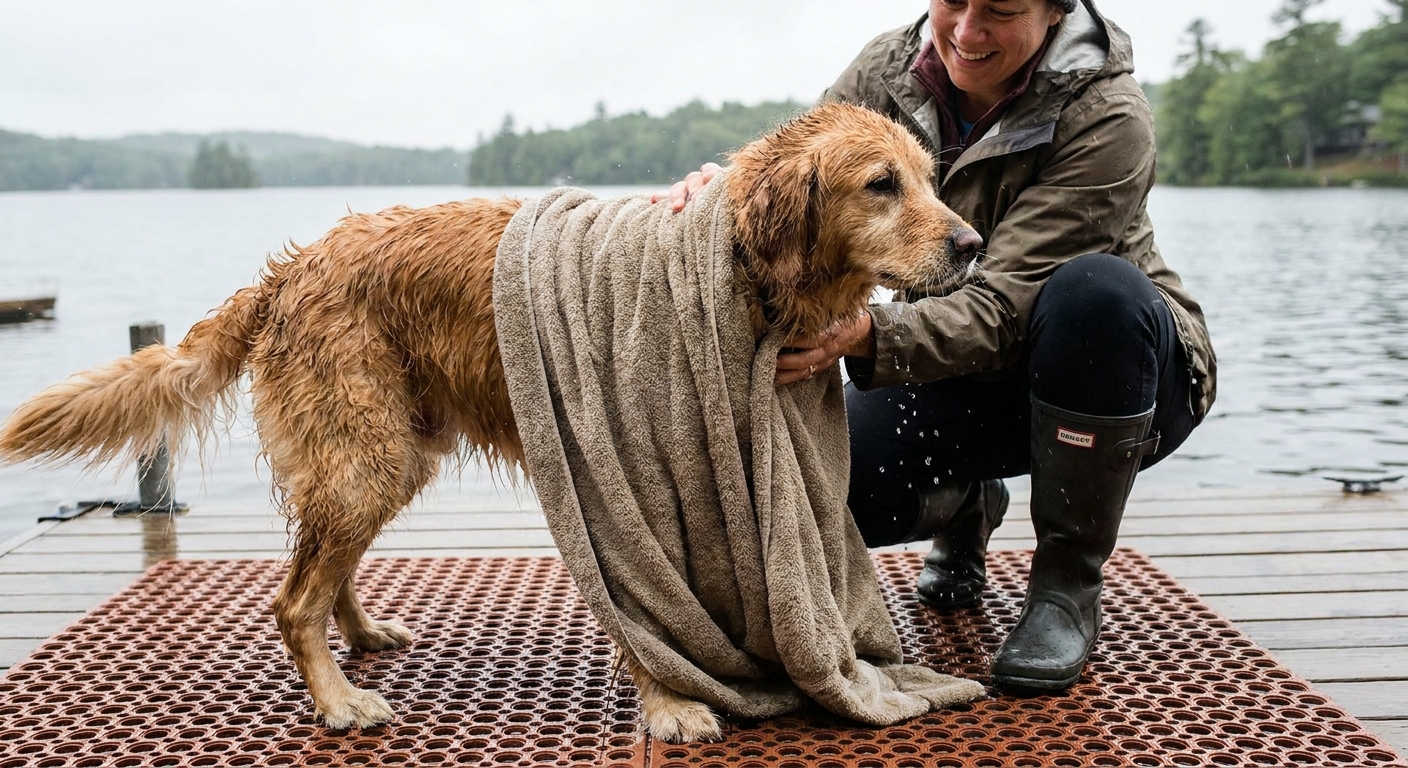
Quick translation: water exposure includes swimming, bathing, shampooing, and sometimes wet grooming wipes. Towel-drying and gentle brushing are usually fine once your label’s wait window has passed, but avoid scrubbing the application site.
What if my dog got wet by accident?
If your dog jumped into water or got an unexpected bath soon after a topical application, do not panic. Instead:
- Check the label for what it says about water exposure, including any “water-resistant after X hours” note.
- Call your veterinarian or the manufacturer’s customer support line if the directions are not clear.
- Do not automatically reapply. Doubling up can increase side effects risk, especially with products in the same drug family.
Wait times after oral flea medicine
Oral flea medicines are not sitting on the coat waiting to be washed away. So for most dogs, bathing or swimming does not reduce the dose the way it can with topical products.
Still, there are three timing notes worth sniffing out:
- Vomiting soon after dosing: If a dog vomits shortly after taking an oral medication, they might not have absorbed it. Because the “re-dose or wait” window varies by product, call your veterinarian or the manufacturer for guidance rather than giving another dose on your own.
- Stress and skin issues: A bath right after any medication can be irritating if your dog’s skin is already inflamed from flea bites.
- Combination plans: Some dogs use oral flea meds plus medicated shampoos for skin infections or allergies. In that case, your vet’s schedule is the schedule.
So: swimming is usually fine after an oral dose, but you still want to follow the product directions and your veterinarian’s guidance, especially for puppies and dogs with medical conditions.
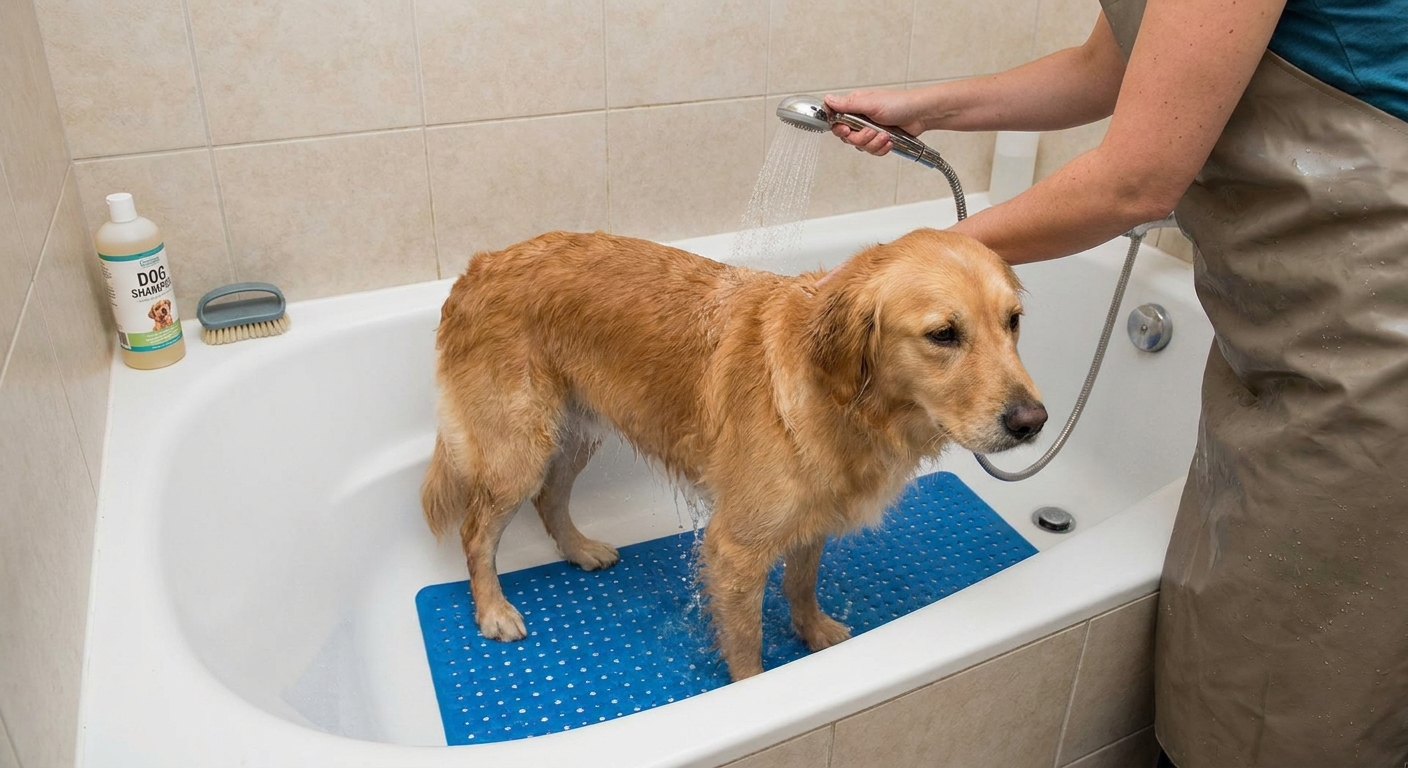
Bathing to remove live fleas
Now for the important split: the “wait time” after a dose is about protecting the medication’s effectiveness. But sometimes you are bathing for a different reason entirely: your dog has live fleas on them right now, and you want immediate relief.
If you just applied a topical, should you bathe anyway?
Often, bathing soon after applying a topical is exactly what you are trying to avoid. If you need immediate help because your dog is miserable:
- Call your vet and ask what to do first. This is especially important if you used a topical very recently.
- Use only dog-safe products. Human shampoos can irritate skin, and some essential oils (including tea tree oil) can be toxic to pets.
- Be cautious with flea shampoos. Some are insecticidal and can overlap with ingredients in your flea medicine. That overlap can matter.
In other words: “I need to wash fleas off” is a real need, but it should be handled as its own plan, not blended with the usual post-dose wait window.
Can I bathe before applying a topical?
Many labels advise avoiding bathing shortly before application too. A fresh bath can strip skin oils that help some medications distribute. Some shampoos and conditioners can also leave residues that interfere. If your dog needs a bath, check your topical’s directions for a “before application” guideline.
Puppies: extra rules apply
Puppies are adorable, but their medication rules are not just “smaller dog, smaller dose.” Age and weight minimums exist for safety.
Before you treat: confirm age and weight
Many flea medicines, both topical and oral, have minimum age and minimum weight requirements. For a puppy, your first step is always to confirm the product is approved for that age and size. If you are not sure, your veterinarian can point you to an appropriate plan.
Bathing puppies without derailing flea control
If your puppy got a topical flea product, treat bath timing seriously and follow the label closely. If your puppy has not been treated yet and needs a bath, use a gentle puppy shampoo and warm water, keep the session short, and dry them thoroughly. Puppies chill easily, and being cold and stressed makes everything harder.
Quick checklist (confirm on your label)
- Topical flea treatment: Water exposure soon after application can reduce effectiveness. Many products suggest waiting 24 to 48 hours, but some require shorter or longer, and some are labeled water-resistant after a stated time. Your label is the final word.
- Oral flea medicine: Bathing and swimming usually do not wash off the dose. If your dog vomits soon after dosing, call your vet or the manufacturer for re-dosing advice.
- Emergency flea bath: This is a separate decision from post-dose waiting. If a topical was applied recently, ask your vet before shampooing or using any flea-killing bath products.
- Puppies: Confirm minimum age and weight for any flea medicine. When in doubt, your vet is the safest shortcut.
Do not forget the house
If you are seeing fleas, think bigger than just the dog. Wash bedding, vacuum floors and furniture, and follow through for a few weeks so newly hatched fleas do not restart the party. And treat all pets in the household with species-appropriate products. A dog flea product can be dangerous for cats, so keep cat safety front of mind.
When to call the vet
Flea control should not make your dog feel worse. Contact your veterinarian promptly if you notice:
- Drooling, vomiting, diarrhea, weakness, tremors, or wobbliness after flea medication
- Skin redness, intense itching at the application site, or hives
- Your dog is very young, very small, pregnant, nursing, or has a history of seizures and you are unsure what is safe
- You think you applied the wrong product, the wrong dose, or a dog product to a cat household member
And if your dog swam too soon after a topical and you are unsure whether to re-dose later, your veterinarian or the manufacturer can help you choose the safest next step.
FAQ
Will swimming wash off flea medicine?
Topical flea medicine can be affected by swimming, especially soon after application, although some products are labeled water-resistant after a stated time. Oral flea medicine generally is not washed off by water. Always confirm with your product label.
Can I bathe my dog the same day as topical flea treatment?
Often, labels advise waiting before bathing or swimming after a topical dose, commonly around 24 to 48 hours. Some products use a different timeline (shorter or longer), so check the directions for your exact medication.
What if I applied topical flea medicine and my dog got rained on?
Heavy rain can count as water exposure. Check the label and call your vet or the manufacturer if you cannot find clear instructions. Avoid reapplying unless a professional tells you it is safe.
Can I use a flea shampoo after giving oral flea medicine?
Sometimes, but it depends on ingredients and your dog’s skin condition. Because overlap can increase irritation or side effect risk, it is worth asking your veterinarian before combining treatments.