I’m Shari Shidate, a veterinary assistant in Frisco, Texas, and I want to start with the most important truth: you usually cannot confirm a ruptured eardrum at home. The eardrum, also called the tympanic membrane, sits deep in the ear canal. If it is torn or open, some ear medications and cleaners can reach the middle ear and trigger intense pain, irritation, and sometimes sudden balance symptoms.
That is why this question matters so much. If your cat was being treated for ear mites or an ear infection and then things took a sharp turn, it is time to pause and get eyes on that eardrum.
What a ruptured eardrum can look like
Cats can rupture an eardrum most commonly from severe ear infections (otitis), or from trauma (like a bite wound near the ear). A foreign body or severe inflammation deeper in the canal can also contribute. Scratching is usually not the primary cause by itself, but it can worsen swelling and trauma, which can make an already-bad ear problem spiral.
Rarely, significant pressure changes (barotrauma) may play a role, but that is not a typical day-to-day cause for most cats.
Sometimes the eardrum is already damaged before any medication is used, and the first clue is how your cat responds when drops go in.
Here are the signs that make me most concerned about an open eardrum or middle and inner ear involvement.
Key warning signs to watch for
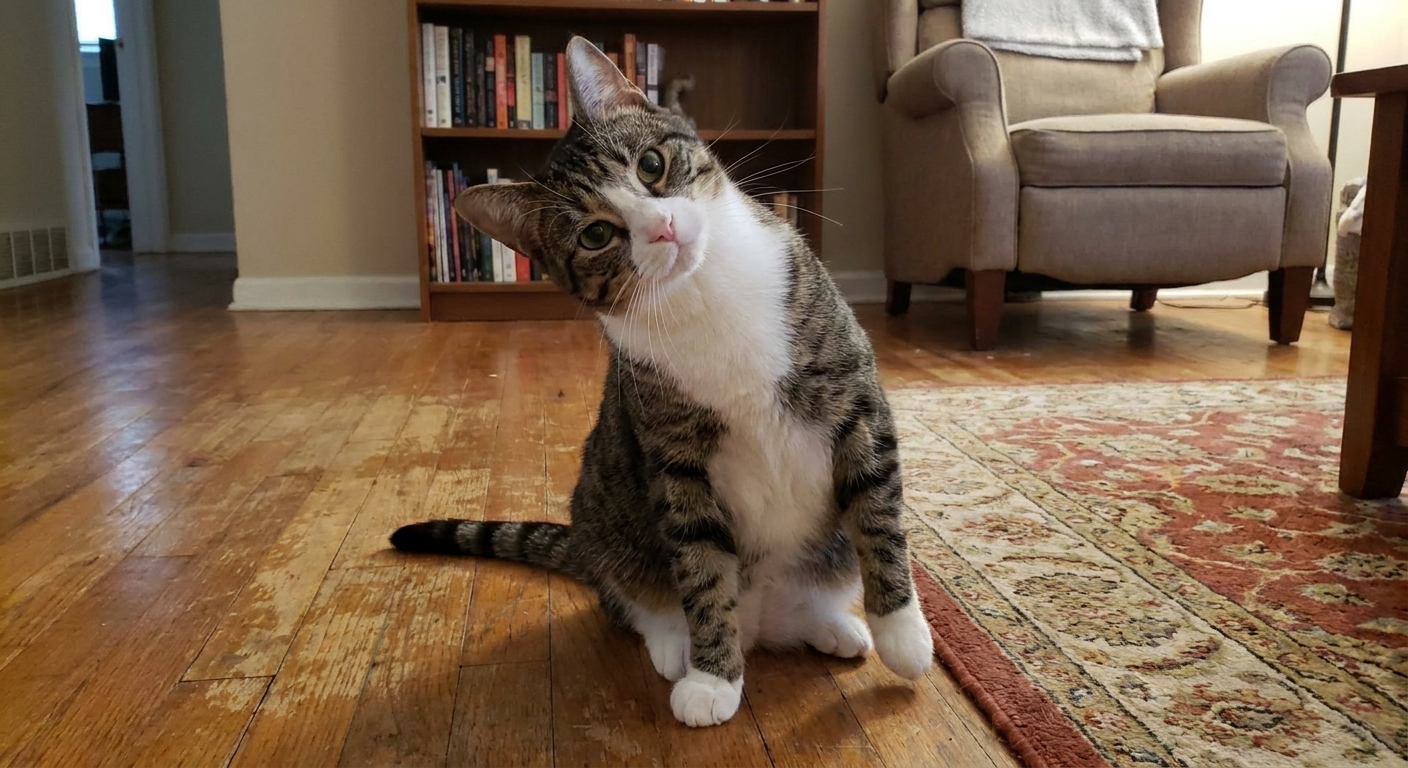
1) Head tilt or sudden dizziness
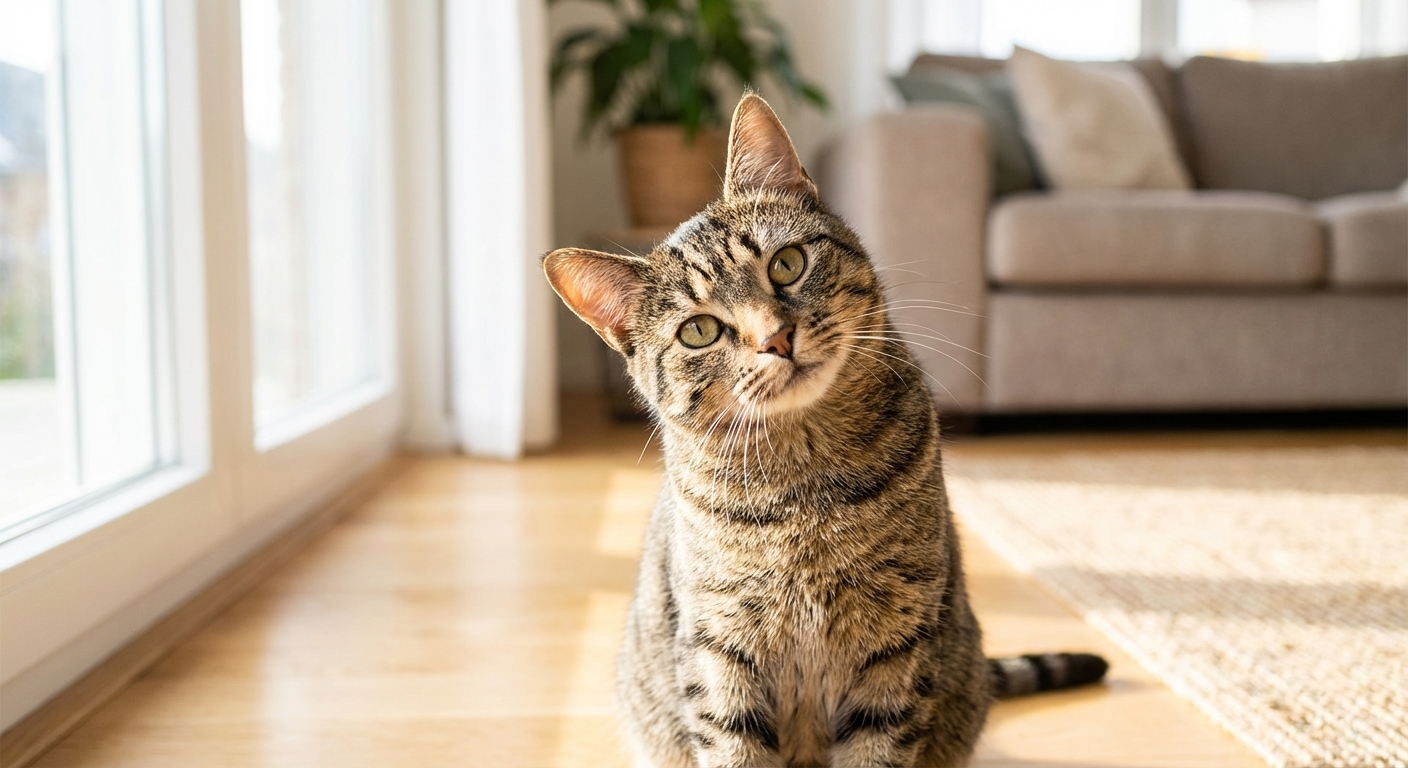
A head tilt, stumbling, circling, falling over, or a wide-based stance can indicate vestibular involvement, meaning your cat’s balance and coordination system is affected. The balance organs sit in the inner ear, so middle or inner ear inflammation can cause dramatic changes fast.
Also important: head tilt and wobbliness are not only caused by ear disease. Toxins, neurologic disease, or other serious problems can look similar, which is another reason urgent evaluation matters.
2) Obvious pain when you touch the ear or use drops
Some cats with simple ear mites have itchy ears, but they can still tolerate gentle handling. With deeper infection or eardrum damage, you may see a jump response, yowling, hiding, ear pinned back, or even sudden attempts to bite when the ear is touched.
Pain that seems disproportionate, especially if it appears suddenly, deserves a same-day veterinary check. And please do not give human pain medications like ibuprofen, acetaminophen, or naproxen. They can be dangerous for cats. Only use pain relief specifically prescribed for your cat.
3) Horner’s syndrome signs on the same side
Problems in the middle ear can affect sympathetic nerves that travel through that area. When those nerves are irritated, some cats develop Horner’s syndrome, usually on the same side as the affected ear. Watch for:
- A smaller pupil in one eye
- A droopy upper eyelid
- A sunken-looking eye
- A raised third eyelid that is suddenly more visible
These changes are not something to wait on for days. They are a strong reason to get your cat examined promptly.
4) Sudden worsening right after ear drops
This is one of the biggest red flags. If your cat seemed uncomfortable before, but then immediately after ear drops they develop head tilt, wobbliness, rapid eye movements (nystagmus), intense agitation, vomiting, or extreme discomfort, stop the drops and call your veterinarian or an emergency clinic.
When an eardrum is not intact, medication can reach sensitive middle or inner ear structures. Some categories of ingredients are more concerning if the eardrum is ruptured, including certain antibiotics (like aminoglycosides) and some antiseptics or harsh cleaners. Your veterinarian can choose options that are appropriate and safer once they know the eardrum status.
5) Discharge and odor that keep getting worse
Ear discharge can happen with mites or infection, but thick pus-like discharge, blood, a strong foul odor, or swelling around the ear can indicate a more severe infection. Severe infections are one of the common pathways to eardrum rupture.
One small nuance: sometimes early in treatment you may see more debris at the outer ear as the medication loosens buildup. That is different from worsening odor, increasing pain, new swelling, or a sudden spike in discharge, which are all concerning.
Why to stop oil or mite meds until a vet checks
If you suspect the eardrum might be ruptured, do not put anything else down the ear canal unless your veterinarian specifically tells you to. That includes oils, over-the-counter mite products, natural ear remedies, hydrogen peroxide, alcohol, or leftover prescription drops from a previous pet.
Here is the simple reason: if the eardrum is torn, substances can pass into the middle ear. That can cause intense pain and can worsen balance issues. In some cases it can contribute to hearing problems or prolonged vestibular signs.
I know it is frustrating to pause treatment when your cat is itchy or uncomfortable, but protecting the inner ear is the priority. Your veterinarian needs to confirm the eardrum’s status first.
What you can do at home safely
Your job right now is to keep your cat safe, reduce stress, and collect helpful information for your vet team.
- Prevent falls. If your cat is dizzy, keep them in a small, quiet space. Block stairs and high furniture access.
- Do not clean deep in the ear. Avoid cotton swabs in the ear canal. They can pack debris deeper and risk trauma.
- Note which ear is affected. Also note the time symptoms started and whether they worsened after drops.
- Video the behavior. A short clip of head tilt, stumbling, or rapid eye movements (nystagmus) can help your vet tremendously.
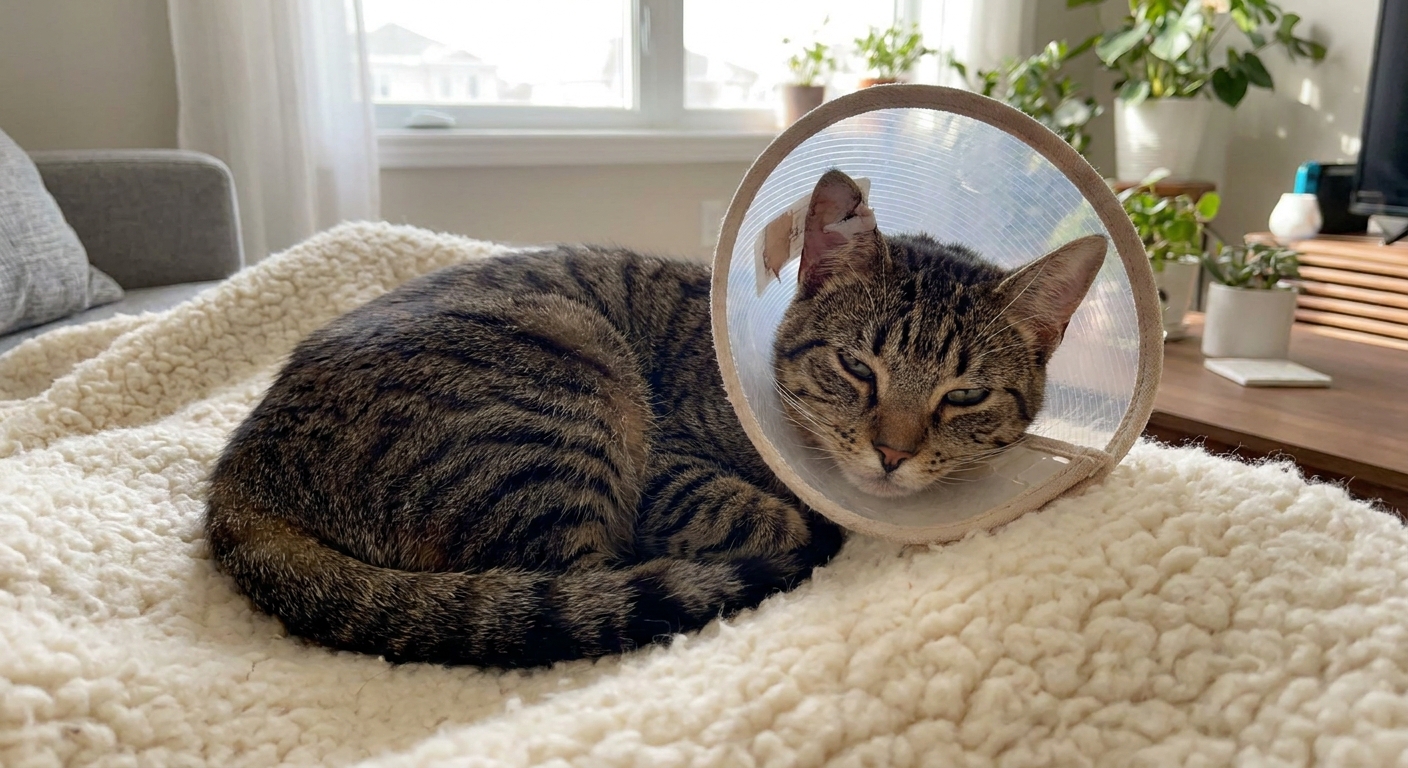
- Use an e-collar if needed. If your cat is shredding the ear with scratching, a cone can prevent self-trauma until you are seen.
When this is an emergency
Please seek urgent care if you notice any of the following:
- Sudden head tilt with inability to stand, falling, or severe disorientation
- Repeated vomiting along with dizziness
- Horner’s syndrome signs that appear suddenly
- Severe pain, crying, collapse, or signs of extreme distress
- Facial weakness, such as one-sided drooping, trouble blinking, or drooling
- Rapid worsening right after ear drops were applied
These signs do not always mean an eardrum rupture, but they strongly suggest the middle or inner ear, or even the nervous system, may be involved and your cat should be examined as soon as possible.
How a vet checks the eardrum
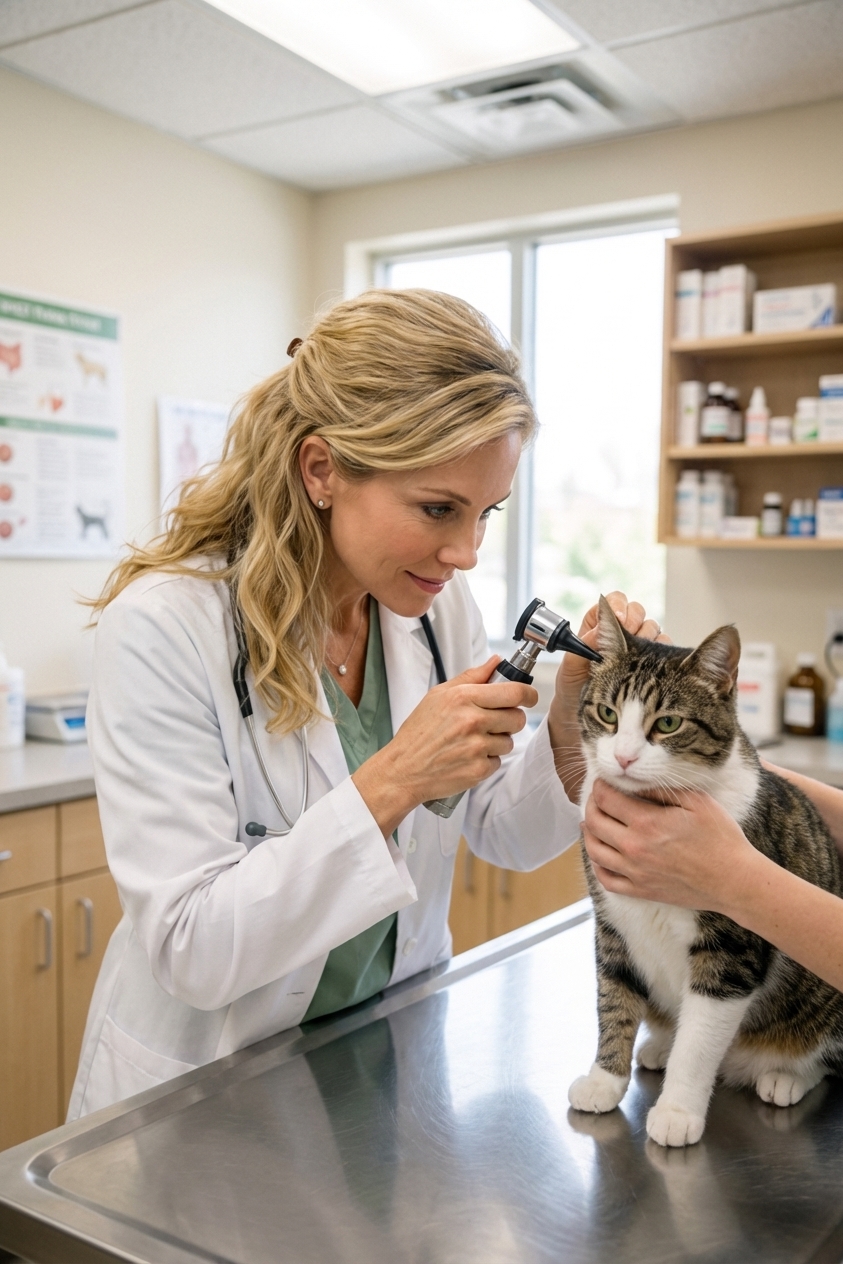
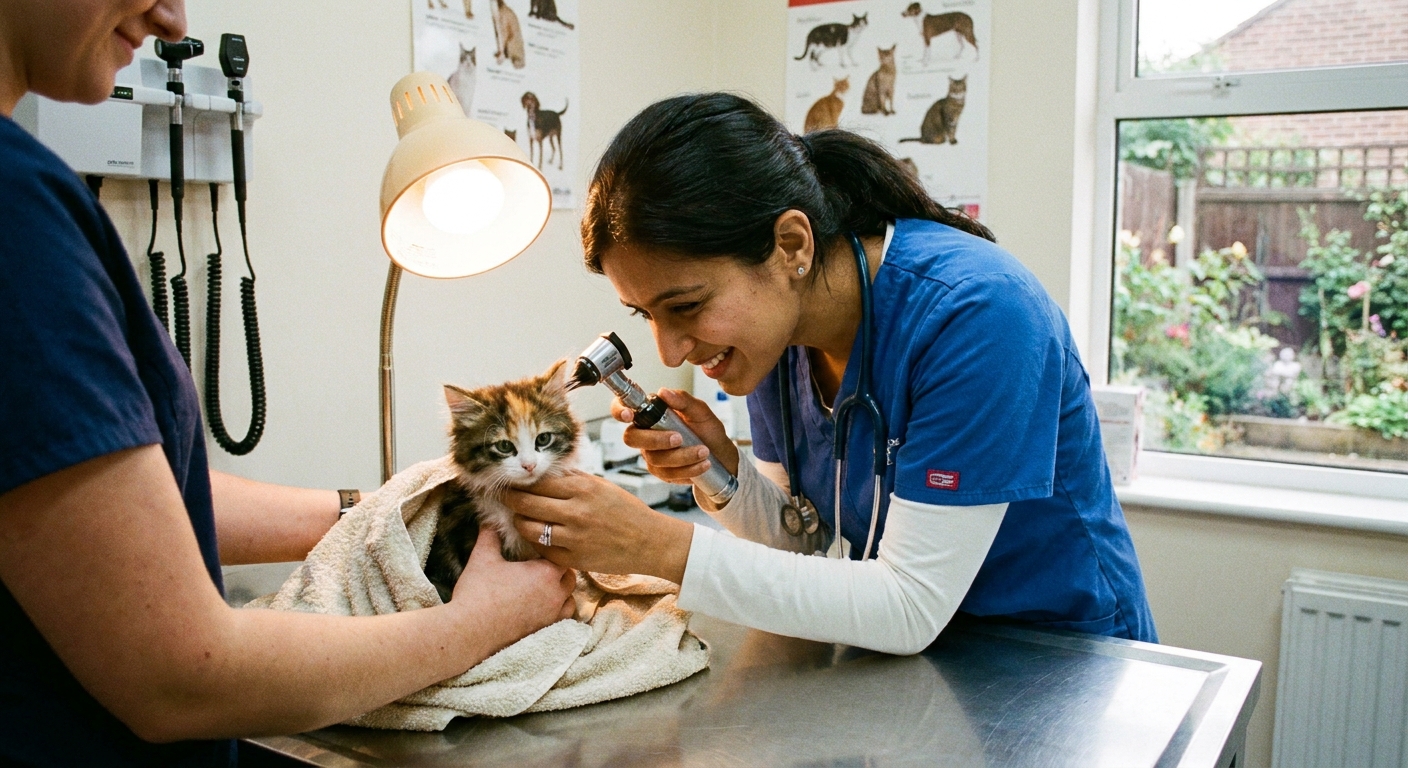
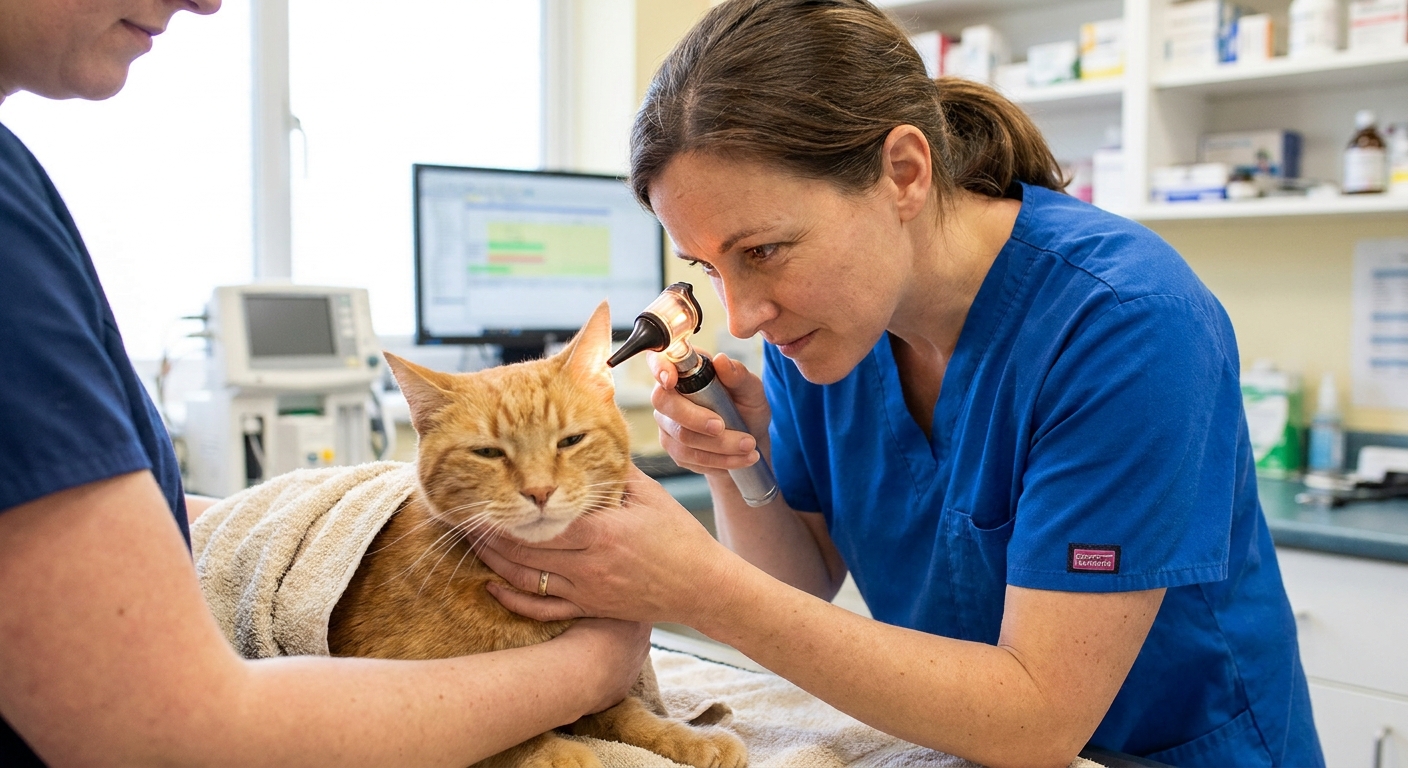
In clinic, your veterinarian will usually start with an otoscopic exam, using a lighted instrument to look down the ear canal at the eardrum. This can be challenging if the canal is swollen, painful, or filled with debris.
Depending on what they find, your vet may recommend:
- Ear cytology (looking at debris under a microscope) to identify mites, yeast, or bacteria
- Culture and sensitivity for stubborn or recurrent infections
- Careful ear cleaning, sometimes under sedation or anesthesia for pain control and visibility, so the canal and eardrum can be properly evaluated
- Advanced imaging like CT in chronic or severe cases to assess the middle ear
Once the eardrum status is known, your veterinarian can choose medications that are appropriate and safer for that specific situation.
FAQ
Can a cat’s ruptured eardrum heal on its own?
Sometimes, yes, the eardrum can heal, especially if the underlying infection is treated appropriately and the ear is protected from further irritation. But it is not something to manage blindly at home because the cause still needs treatment, and the wrong drops can make things worse.
Will my cat go deaf if the eardrum ruptures?
A rupture can affect hearing temporarily or, in more severe cases, long-term. The outcome depends on the cause and whether the inner ear is affected. Fast veterinary care gives the best chance for recovery.
My cat is shaking their head after drops. Is that normal?
A brief head shake can be normal because the sensation is strange. What is not normal is sudden severe pain, wobbliness, head tilt, vomiting, rapid eye movements (nystagmus), or eye changes after drops. If you see those, stop medication and call your veterinarian right away.
The bottom line
If your cat has a head tilt, strong ear pain, Horner’s syndrome signs, facial weakness, or sudden worsening after ear drops, treat it as a serious warning sign that the middle or inner ear may be involved and the eardrum might not be intact.
Pause any oils or mite medicine until a veterinarian can examine the ear canal and confirm it is safe to continue. Getting the right diagnosis first is the kindest, safest next step for your cat.