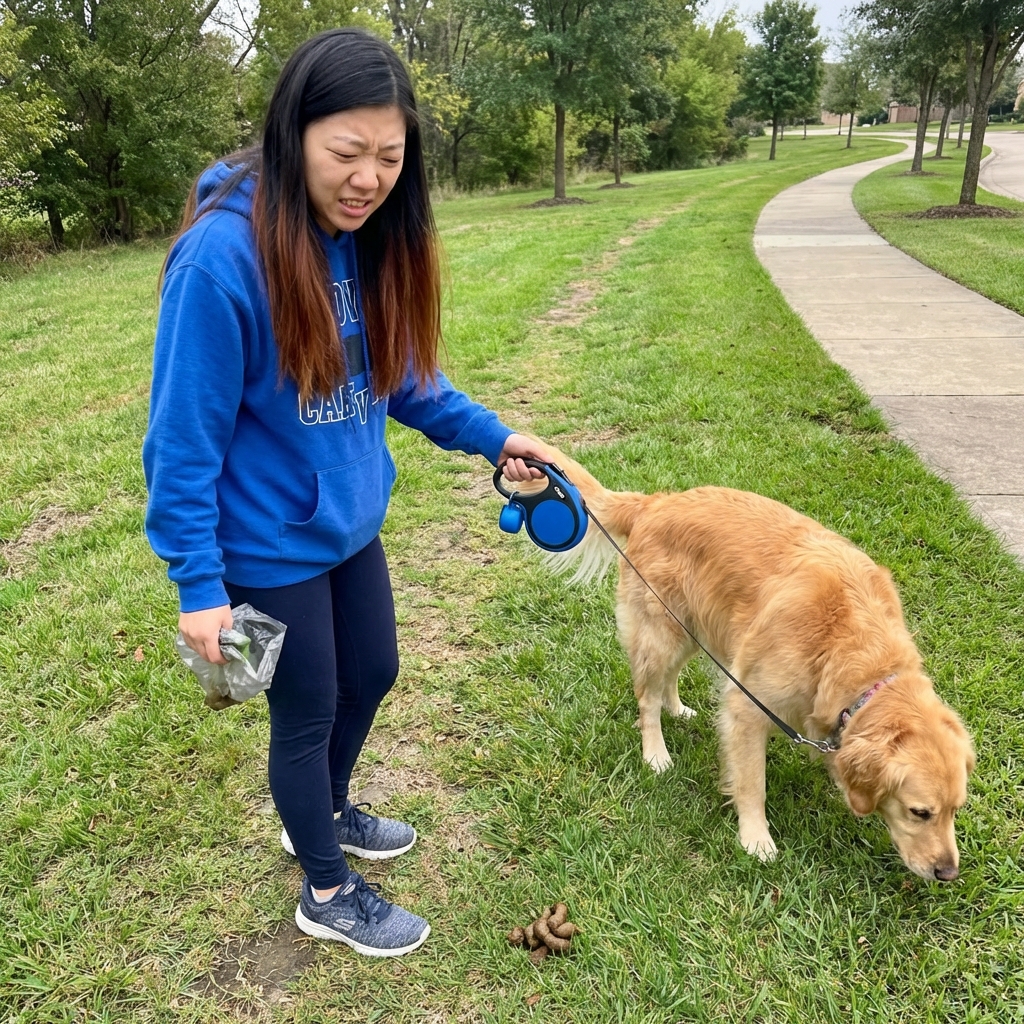
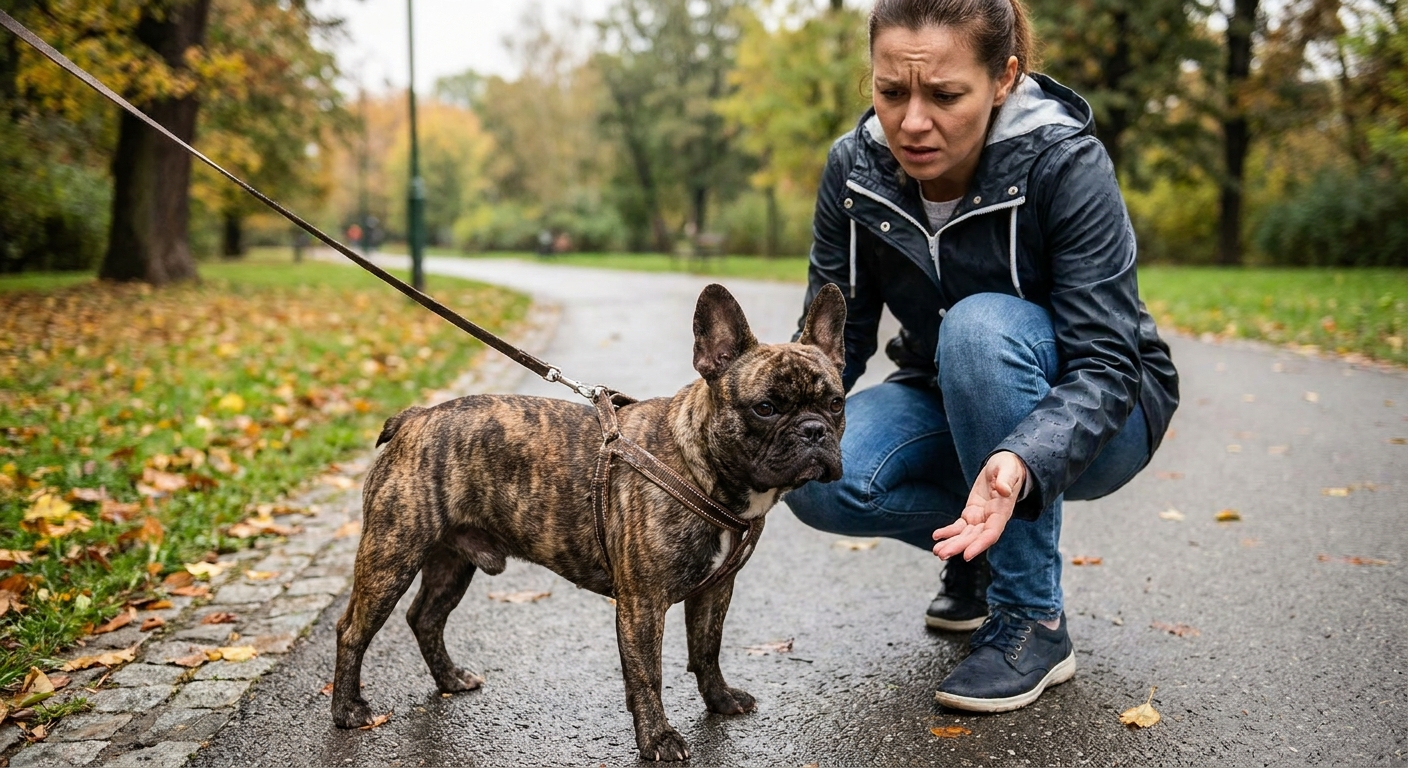
I have worked with a lot of upset tummies as a veterinary assistant here in Frisco, Texas, and most bouts of mucus in the stool are short-lived. But there is one situation that makes my ears perk up fast: a Boxer (or French Bulldog) with frequent bloody, mucous diarrhea that keeps coming back, especially when it does not act like a simple, one-off flare.
In these breeds, that pattern can point to a specific colon disease most commonly called granulomatous colitis, also known as histiocytic ulcerative colitis (you may also hear “Boxer colitis”). This matters because the antibiotic approach can be different from ordinary diarrhea care, and the best outcomes tend to come from targeted diagnosis and targeted treatment, not guesswork.
Go now, not later: If your dog is very lethargic, vomiting repeatedly, seems painful, will not drink, has pale gums, is a puppy or senior, or is passing large amounts of blood, treat it like an urgent visit.
What it is
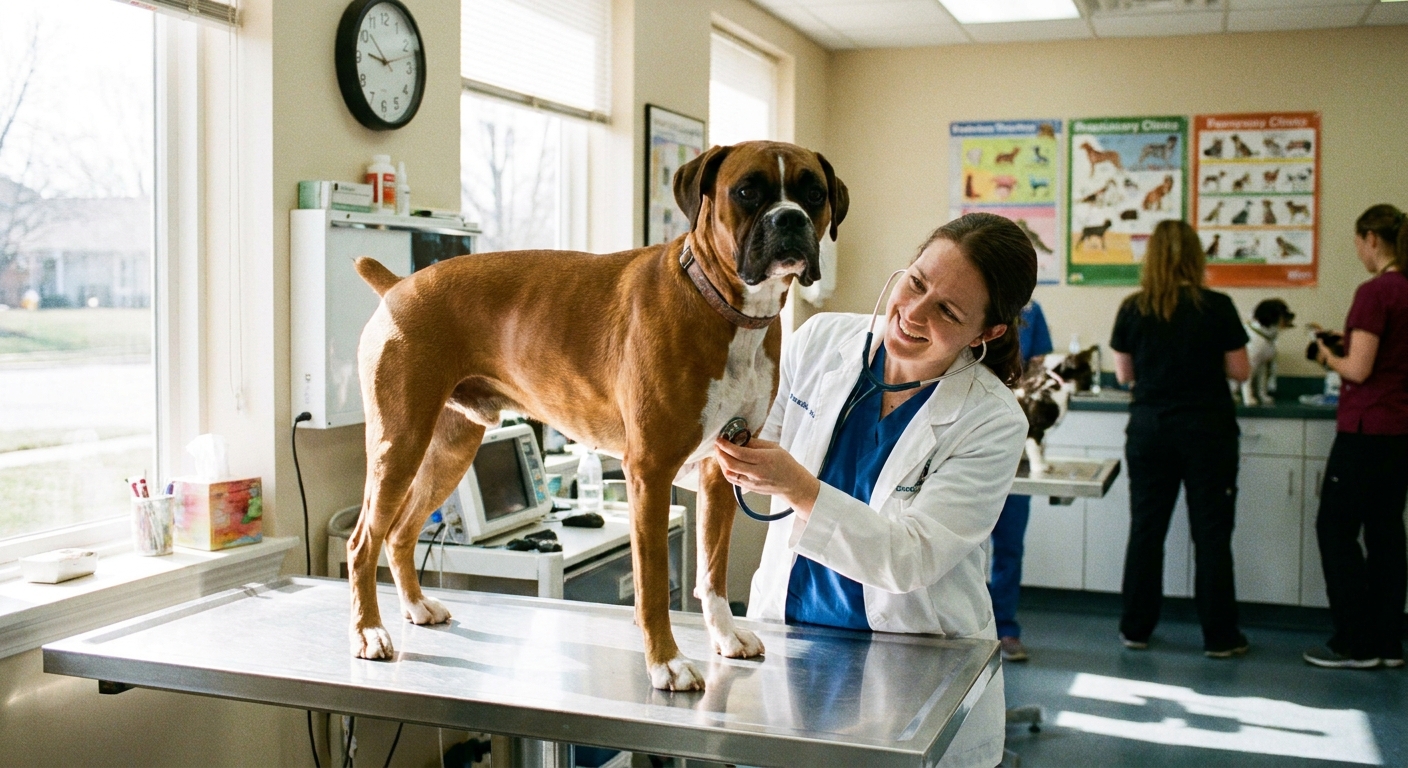
Granulomatous colitis (histiocytic ulcerative colitis) is an inflammatory disease of the large intestine (colon) with a well-known breed association, especially with Boxers and also French Bulldogs.
I want to be very clear about wording here: people sometimes say “ulcerative colitis,” but that phrase on its own can be used more broadly for other causes of colon ulceration. The breed-associated condition we worry about in Boxers and French Bulldogs is specifically granulomatous colitis or histiocytic ulcerative colitis.
Under the microscope, the colon lining can show:
- Ulceration (damage to the surface of the colon lining)
- Inflammation dominated by certain immune cells called histiocytes
What makes this condition especially important is that many cases are associated with adherent or invasive strains of Escherichia coli (E. coli) that can live within the colon lining. It is not guaranteed in every dog and it is not always easy to demonstrate depending on the tests performed, but when bacteria are involved in this “invasive” way, it helps explain why some dogs do not respond to the usual quick fixes for diarrhea, and why some antibiotic choices work far better than others.
How it differs from simple colitis
Plenty of dogs can get a short colon flare from stress, a diet slip, scavenging, or a sudden change in routine. That type of colitis often improves quickly once the trigger is gone.
With granulomatous colitis, the story is usually more persistent. Owners commonly describe:
- Frequent trips outside, often with urgency
- Mucus coating the stool
- Bright red blood mixed in or on the outside of the stool
- Soft stool or diarrhea that keeps recurring
- Straining to pass stool, sometimes producing only small amounts
- Accidents in the house because urgency is so intense
- Weight loss or poor body condition in more advanced cases
The key point is not that mucus or blood automatically equals this disease. The key point is that in Boxers and French Bulldogs, the combination of breed risk plus chronic or repeatedly relapsing signs should push granulomatous colitis higher on the “things to rule out” list.
Other causes your vet may rule out
Chronic bloody, mucous stool is a “big umbrella” symptom, so your veterinarian will usually keep a differential list in mind. Depending on your dog’s age, exposure risks, and exam findings, that list may include:
- Parasites (including whipworms and giardia)
- Dietary intolerance or food-responsive colitis
- Stress colitis or a dietary indiscretion
- Anal sac inflammation or infection that can mimic straining
- Foreign material irritating the colon
- Polyps or masses (more concerning in older dogs)
- Other infectious colitides
- Other forms of inflammatory bowel disease
This is exactly why testing matters. If you treat every flare the same way, it is easy to end up stuck in a loop.
Why antibiotics are handled differently
For uncomplicated diarrhea, antibiotics are often not needed, and in many cases they are best avoided. Supportive care and diet changes are frequently enough.
Granulomatous colitis is different because many affected dogs have evidence suggesting adherent or invasive E. coli associated with the colon lining. That can change the treatment goal from “settle the gut down” to “treat a specific bacterial driver while also healing inflammation.”
Targeted antibiotics, not random antibiotics
When granulomatous colitis is suspected, veterinarians often focus on:
- Confirming the diagnosis rather than guessing
- Choosing an antibiotic based on the case, ideally using culture and sensitivity and or tissue-based testing (availability varies)
- Using an appropriate dose and duration to address what is driving the disease, not just temporarily reduce symptoms
You may hear about fluoroquinolone antibiotics (for example, enrofloxacin) in connection with this condition. These can be very effective in the right patient, but they are not casual medications. They require a veterinarian’s oversight because the risks, dosing, and appropriateness depend on your dog’s age, health status, and the specific diagnosis.
It is also worth noting that antibiotic resistance is an increasing issue in some regions, including reports of fluoroquinolone-resistant E. coli and treatment failures. That is one more reason many veterinarians prefer test-guided selection whenever possible.
Why “it got better, then came right back” happens
Some dogs improve briefly with general diarrhea medications or short antibiotic courses, then relapse. If invasive bacteria and deeper colon inflammation are part of the picture, partial treatment can quiet symptoms without fully resolving what is driving the disease.
How vets diagnose it
Because chronic bloody, mucous stool has multiple possible causes, diagnosis usually involves a stepwise plan. In a Boxer or French Bulldog with ongoing signs, your vet may recommend:
- Fecal testing to check for parasites and other infectious contributors
- Basic labwork to evaluate hydration, inflammation clues, protein levels, and overall health
- Imaging as needed to look for other GI problems
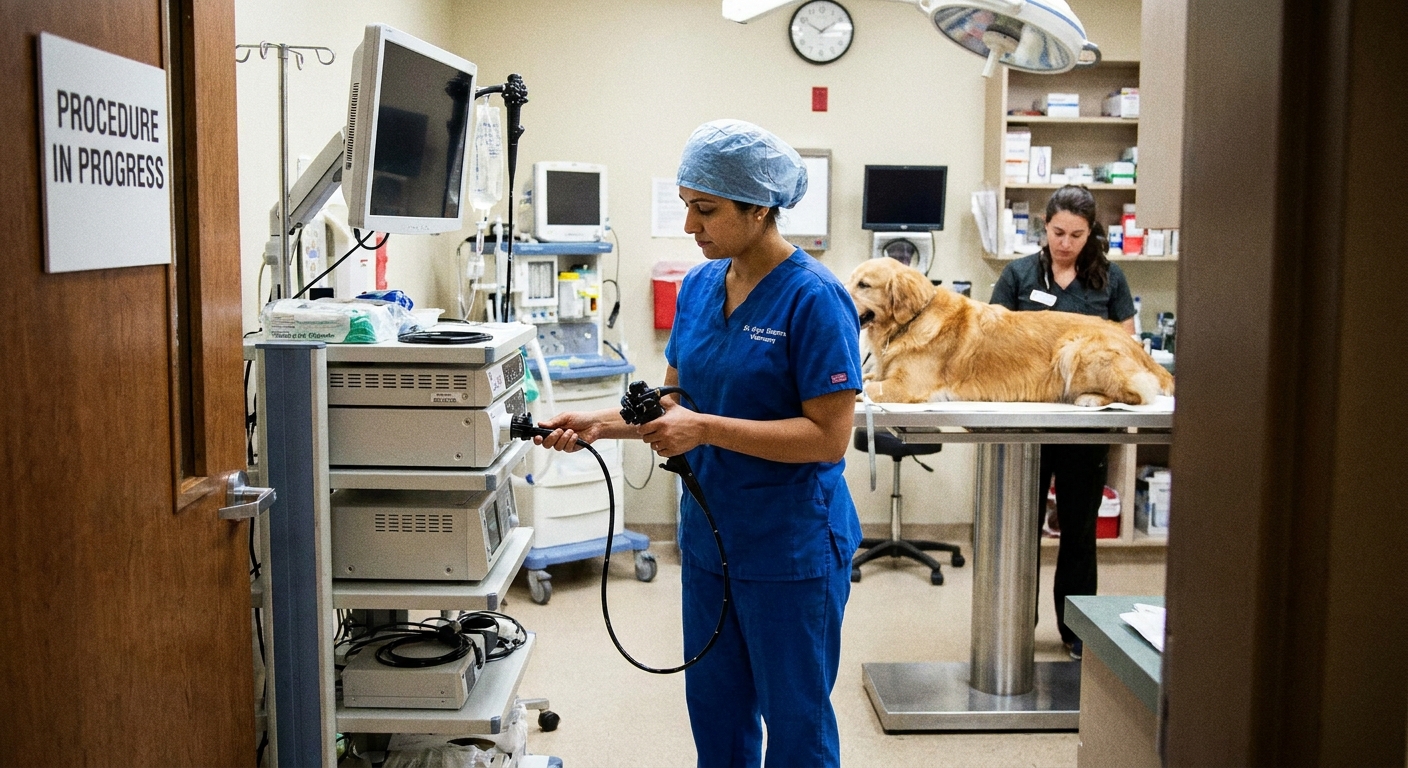
- Colonoscopy with biopsies to directly assess the colon lining and take samples
The biopsy is where this condition can be confirmed, because the characteristic inflammation pattern can be seen in the colon tissue.
In some cases, veterinarians may pursue additional testing on biopsy samples to help look for bacteria within tissue. The exact options vary by region and lab, but the concept is the same: when you can identify what is happening in the colon lining, you can treat it more precisely.
What treatment may include
Treatment plans are individualized, but they commonly involve a combination of:
- A targeted antibiotic plan selected by your veterinarian
- Diet strategy to reduce irritation and support gut healing, often with a prescribed GI diet or a carefully chosen elimination-style plan
- Probiotics in some cases, used thoughtfully and timed appropriately around antibiotics
- Recheck visits to confirm the stool is improving and the dog is regaining weight and comfort
Some dogs also need adjunct anti-inflammatory and or IBD-style medications if inflammation is significant, if response is incomplete, or if there are multiple factors going on at the same time. That is very case-dependent, and it is another reason diagnosis helps.
One thing I remind families about is that “successful treatment” is not just fewer messes on the carpet. We also want to see your dog’s energy, appetite, hydration, body weight, and stool quality normalize and stay stable.
What the timeline can look like
When the diagnosis is correct and the therapy is a good match, some dogs show improvement in stool urgency and blood fairly quickly. Even so, completing the full plan and doing rechecks is important, because stopping early is a common setup for relapse.
Why early, breed-aware care matters
When a Boxer is passing bloody mucus frequently, it is easy to get stuck in a loop of temporary fixes. The sooner granulomatous colitis is considered, the sooner your vet can decide whether it is time for deeper diagnostics.
That is especially important because:
- Chronic colon inflammation can lead to ongoing discomfort and poor quality of life
- Repeated, untargeted antibiotics can increase the risk of antibiotic resistance
- Weight loss, reduced appetite, protein loss, and deconditioning can develop over time
Questions to ask your veterinarian
If your Boxer or French Bulldog has chronic or frequently relapsing bloody, mucous stool, these questions can help you and your veterinarian get on the same page quickly:
- “Is granulomatous colitis (histiocytic ulcerative colitis) on your differential list for my dog?”
- “What tests do you recommend first, and why?”
- “At what point do we consider colonoscopy and biopsies?”
- “If antibiotics are recommended, are we using testing to guide selection when possible?”
- “How will we measure success, and when should we recheck?”
You are never being “too much” by asking for clarity. Chronic GI disease can be exhausting, and a clear plan is part of good care.
Living with a Boxer prone to colon trouble
Boxers are such bright, devoted dogs, and it is hard to see them uncomfortable. The encouraging news is that many dogs with granulomatous colitis can improve dramatically once they are properly diagnosed and treated with a plan that matches what is really happening in the colon.
If your dog’s stool issues are bloody, mucousy, frequent, and persistent, bring that pattern to your vet’s attention and ask directly about granulomatous colitis. In these breeds, recognizing the possibility is a huge first step.
FAQ
Is this the same as IBD?
They are related in the sense that both involve inflammation in the GI tract, but granulomatous colitis (histiocytic ulcerative colitis) is typically discussed as a distinct, breed-associated colon disease in Boxers and French Bulldogs and is often associated with adherent or invasive E. coli. Many cases have a characteristic response to certain antibiotics when selected appropriately, which is not how all IBD cases are approached.
Can diet alone fix it?
Diet is important for gut support, but if adherent or invasive bacteria are contributing to the inflammation, diet alone may not be enough. Many dogs need veterinary-prescribed medications plus diet management to truly resolve signs.
Why does it keep coming back?
Relapses can happen if the underlying cause is not fully addressed, if treatment duration is not sufficient for the condition, if resistance is present, or if a different diagnosis is actually responsible for the symptoms. That is why confirmation testing and follow-ups are so important.