Yes, a heavy flea infestation can absolutely make a puppy anemic, and it can happen faster than many families realize.
I am a veterinary assistant in Frisco, Texas, and one of the hardest things to see is a tiny puppy that is “just covered in fleas” and now too weak to play, too tired to eat, and suddenly looking pale. Fleas are not just itchy. Fleas are parasites that feed on blood, and young puppies simply do not have much blood volume to spare.
How fleas cause anemia
Fleas survive by biting and drinking blood. One flea bite does not take much, but a heavy flea load can mean many fleas feeding repeatedly throughout the day.
In adult dogs, the body often has more reserve to handle small ongoing losses. In young puppies, especially small breeds and very young litters, that same blood loss can quickly tip them into blood-loss anemia.
Another problem is that fleas reproduce quickly in the environment. So if you are seeing fleas on a puppy, there are usually many more developing in your home or yard, which can keep the cycle going.
Also, while this article is focused on anemia, it is worth knowing that fleas can also spread tapeworms, and in some regions they can transmit other infectious diseases.
Puppies most at risk
Any puppy can become anemic from fleas, but these situations raise the risk significantly:
- Very young puppies (especially under 8 to 12 weeks)
- Small breed puppies with low body weight
- Underweight puppies or runts of the litter
- Rescued puppies from outdoor, stray, or hoarding situations
- Puppies with diarrhea, intestinal worms, or poor nutrition already stressing the body
If your puppy is tiny and you see a lot of fleas, it is safer to assume anemia is a possibility and act quickly.
Signs of flea-related anemia
When fleas cause anemia, the biggest issue is oxygen delivery. Red blood cells carry oxygen. When red blood cell levels drop, puppies can feel weak and unwell.
Warning signs
- Pale gums (instead of healthy bubblegum pink)
- Lethargy or “not acting like themselves”
- Weakness, wobbling, or reluctance to stand
- Fast breathing or seeming out of breath with minimal activity
- Fast heart rate (you may feel a racing heartbeat when holding them)
- Cold ears, paws, or feeling unusually cool
- Poor appetite or not nursing well
- Collapse (emergency)
How to check gum color
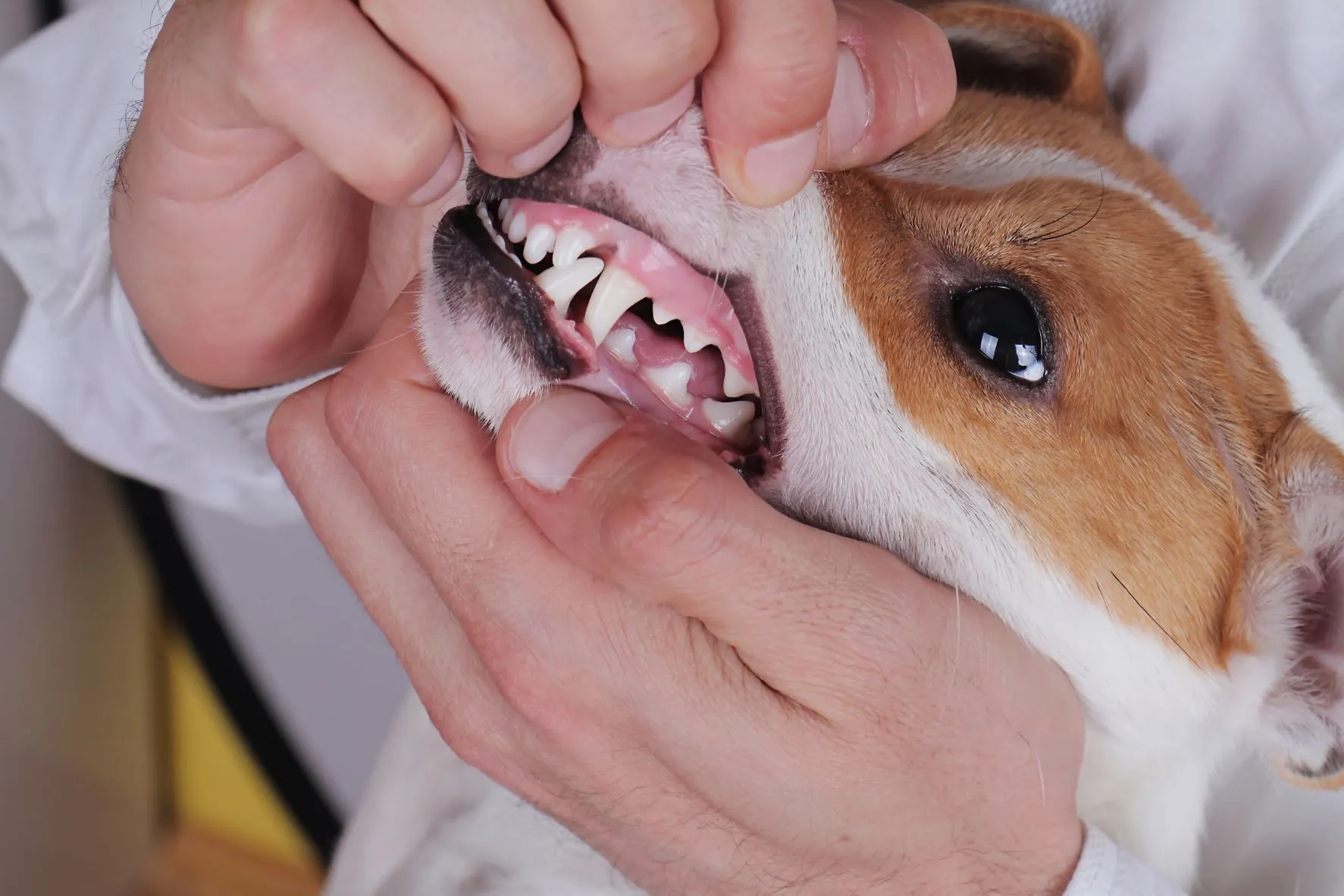
Lift the lip and look at the gums above the teeth. In good lighting, they should look moist and pink. If the gums look very pale, white, or grayish, that can be a sign of significant anemia or poor circulation.
You can also press gently on the gum with your fingertip and release. The pink color should return quickly. If it is slow to return, that can signal poor circulation and serious illness (not just anemia), and your puppy needs prompt veterinary care.
What flea dirt looks like
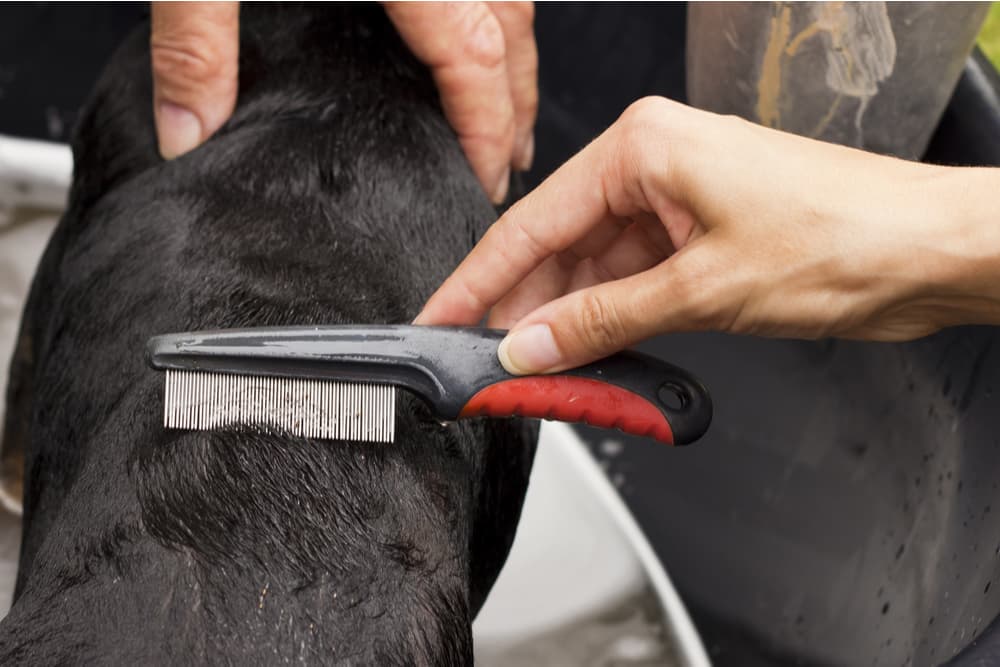
Sometimes families do not actually see the fleas, especially if the puppy has dark fur. What they notice instead is black pepper-like specks.
That is often flea dirt, which is flea feces made largely of digested blood. Seeing flea dirt on a puppy is a strong clue that fleas have been feeding.
Simple test at home
- Use a flea comb or your fingers to collect some of the black specks from the coat, especially around the neck, back, and base of the tail.
- Place the specks on a damp white paper towel.
- If it smears reddish-brown, that is very consistent with flea dirt.
Anemia vs flea allergy
Fleas can cause both anemia and allergy symptoms, but the urgency is different.
Flea-related anemia
- Main concern: weakness, pale gums, low energy
- Often seen with: heavy flea load, flea dirt, tiny puppy
- Can become life-threatening without quick treatment
Flea allergy dermatitis
- Main concern: intense itching, chewing, scabs, hot spots
- Can happen with: even a few bites in a sensitive dog
- Usually not an anemia emergency by itself, but still needs treatment to prevent suffering and skin infection
Itching matters. But pale gums and weakness matter most right now, especially in a young puppy.
When to get same-day care
If you suspect flea-related anemia, do not wait a few days to see if it improves. Puppies can decline quickly, sometimes within 24 to 48 hours.
Go in today if you notice
- Pale, white, or gray gums
- Marked lethargy or your puppy cannot keep up like normal
- Weakness, wobbling, or trouble standing
- Rapid breathing or seeming short of breath
- Not eating, not nursing, or vomiting repeatedly
- A heavy flea infestation you cannot get under control quickly
- Any collapse, unresponsiveness, or extreme weakness (go to emergency)
In clinic, your veterinarian may check a packed cell volume (PCV) and total protein, or run a complete blood count. They will also check for dehydration, low body temperature, and other issues like intestinal parasites. Treatment may include fluids, a puppy-safe flea plan based on age and weight, deworming when appropriate, and in severe cases, a blood transfusion.
What to do while you arrange care
If you are seeing weakness or pale gums, your priority is safe, urgent veterinary care. While you are calling your veterinarian or heading in:
- Keep your puppy warm. Use a blanket and keep the car warm. Young puppies can chill quickly, especially if they are stressed or damp.
- Keep them calm. Minimize activity to reduce oxygen demand.
- Bring evidence if you can. A photo of fleas or flea dirt, or the flea comb you used, can help.
- Be careful with baths. A bath can cause chilling and stress in a weak puppy. If you bathe at all, use warm water, work quickly, dry thoroughly, and keep them warm. If your puppy looks weak or pale, I would prioritize getting to the vet over bathing.
- Do not use random flea products meant for adult dogs. Many products are not labeled for very young puppies. Never use dog products on cats, and never use a cat product on a puppy. If you are unsure what is safe for your puppy’s age and weight, call your veterinary clinic before applying anything.
To reduce reinfestation while you are sorting out veterinary care, wash bedding in hot water if you can, vacuum floors and furniture, and keep the puppy on clean, dry blankets.
If you need help with step-by-step flea removal and home cleanup, check out our dedicated flea-control guides.
FAQ
How many fleas does it take to make a puppy anemic?
There is not one magic number because risk depends on the puppy’s size, age, and overall health. If you are combing multiple fleas off in a short session, or you are seeing lots of flea dirt on a tiny puppy, take it seriously.
Can a puppy have anemia from fleas without itching?
Yes. Some puppies itch, but others mainly show weakness and pale gums. Itching is more dramatic in flea-allergic dogs, but anemia is about blood loss, not just skin irritation.
Do fleas cause anemia suddenly or over time?
It can be either. Puppies can deteriorate quickly because their blood volume is small, especially if fleas are continuing to feed.
Is flea-related anemia the only cause of pale gums?
No. Pale gums can also be caused by other serious problems, including intestinal parasites, internal bleeding, toxin exposure, dehydration, poor circulation, and some infections. That is another reason same-day evaluation is so important if your puppy looks pale or weak.
The bottom line
A heavy flea infestation can cause dangerous blood-loss anemia in puppies. If you see pale gums, significant tiredness, weakness, rapid breathing, or collapse, treat it as urgent and get same-day veterinary care.
You are doing the right thing by asking this question. Fleas are common, but anemia in a puppy is not something to manage with guesswork. When in doubt, call your veterinarian and describe gum color, energy level, and how many fleas or flea dirt you are seeing.