Considering a Chorkie? Explore typical size and coat types, personality traits, exercise and training needs, grooming routines, nutrition guidance, and commo...
Article
•
Designer Mixes
Yorkipoo

Shari Shidate
Designer Mixes contributor
What a Yorkipoo Is and Why People Love Them
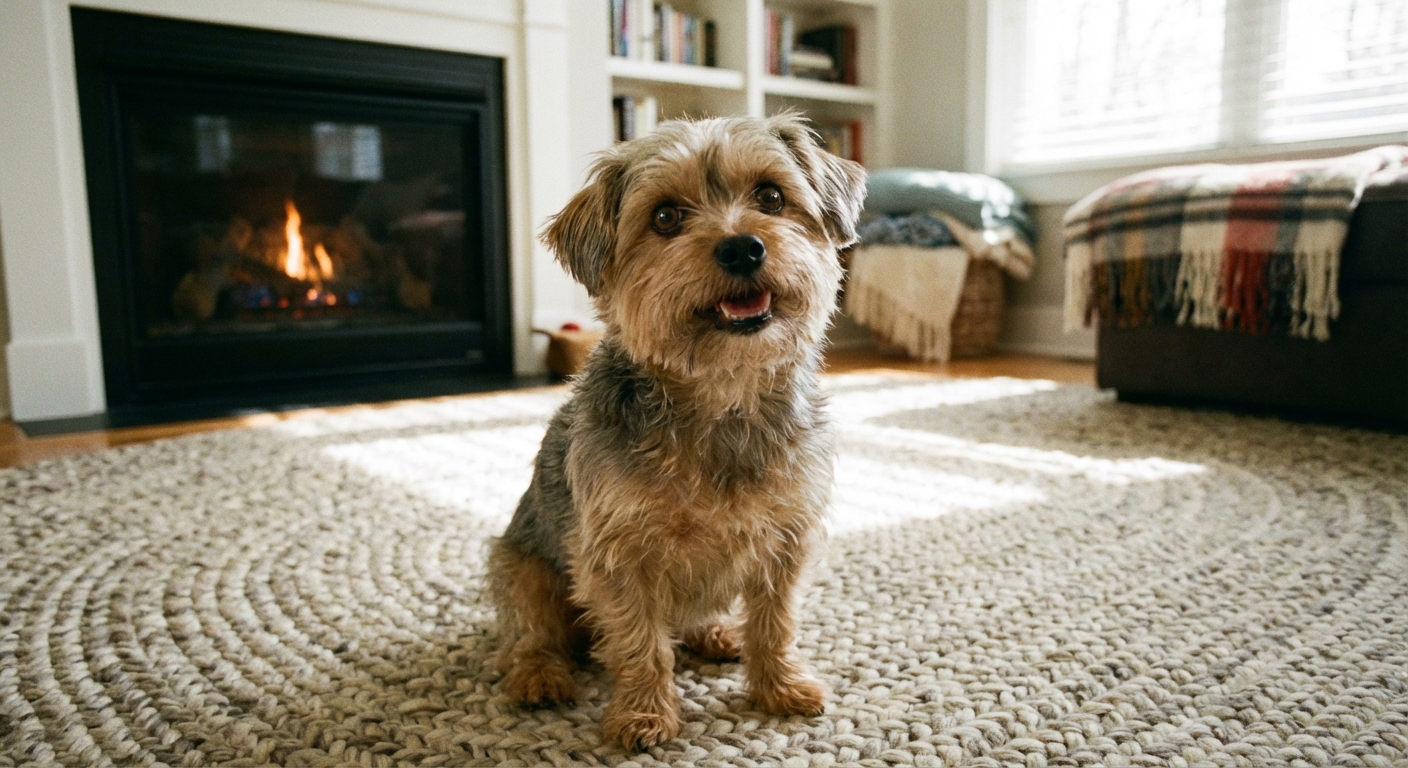
A Yorkipoo is a mixed-breed dog created by pairing a Yorkshire Terrier (Yorkie) with a Poodle, typically a Toy Poodle or Miniature Poodle. Because the Poodle parent can vary in size and genetics are always a bit of a wildcard, Yorkipoos can look and feel quite different from one dog to the next. In general, they are small, people-focused companions with lively personalities and coats that can range from silky to curly. Many families are drawn to Yorkipoos because they often combine the Yorkie’s spunk with the Poodle’s smarts, making them engaging to live with and fun to train.
As a health and wellness writer, I always appreciate when a pet fits a household’s daily rhythm. Yorkipoos tend to do best with consistent routines, gentle training, and lots of companionship. If you want a dog that feels like a true sidekick, this mix is often a great match.
Size, Lifespan, and General Expectations
Yorkipoos are typically small dogs, though their adult size depends heavily on whether the Poodle parent is Toy or Miniature and on the genetics they inherit. Most fall into a compact “lap-dog” range, which can be ideal for apartments and smaller homes.
- Typical size: Often around 4 to 15 pounds, with some dogs landing a bit higher, especially with Miniature Poodle lines.
- Lifespan: Often about 12 to 15+ years, with variation based on genetics, preventive care, and overall health.
- Energy: Moderate to high in short bursts. Think playful zoomies followed by cuddle time.
The biggest predictor of quality of life is not the breed label. It is the day-to-day basics: nutrition, dental care, exercise, training, and regular veterinary visits.
Temperament and Personality
Most Yorkipoos are affectionate, alert, and social. They often love being close to their people and can be enthusiastic greeters. Many also inherit a bit of terrier boldness, so confidence and curiosity are common.
Common traits you may see
- Devoted companionship: They frequently bond strongly with one or two people, but can still enjoy the whole family.
- Smart and trainable: Poodle genetics often shine through with fast learning.
- Vocal tendencies: Some bark when excited, bored, or unsure. Early training helps a lot.
- Sensitivity: Many respond best to calm, positive reinforcement rather than harsh correction.
If you want a dog that thrives on interaction, Yorkipoos can be wonderful. If you are gone for long stretches most days, plan for help like a midday walker, doggy daycare, or a trusted sitter.
A quick note on separation anxiety
Because this mix often bonds closely, some Yorkipoos struggle when left alone. Prevention is usually easier than correction. Start with short, calm departures, build independence with food puzzles and “settle” practice, and avoid making arrivals and departures a big emotional event.

Exercise and Mental Stimulation
Yorkipoos may be small, but they often have a big drive to play. The goal is consistent movement and brain work without overdoing it, especially in puppies with developing joints.
What works well for many Yorkipoos
- Short walks: Many adults do well with about 20 to 45 minutes total per day, split into one to two walks plus play. Adjust for age, weather, and energy level.
- Play sessions: Fetch in a hallway, gentle tug, or supervised yard time.
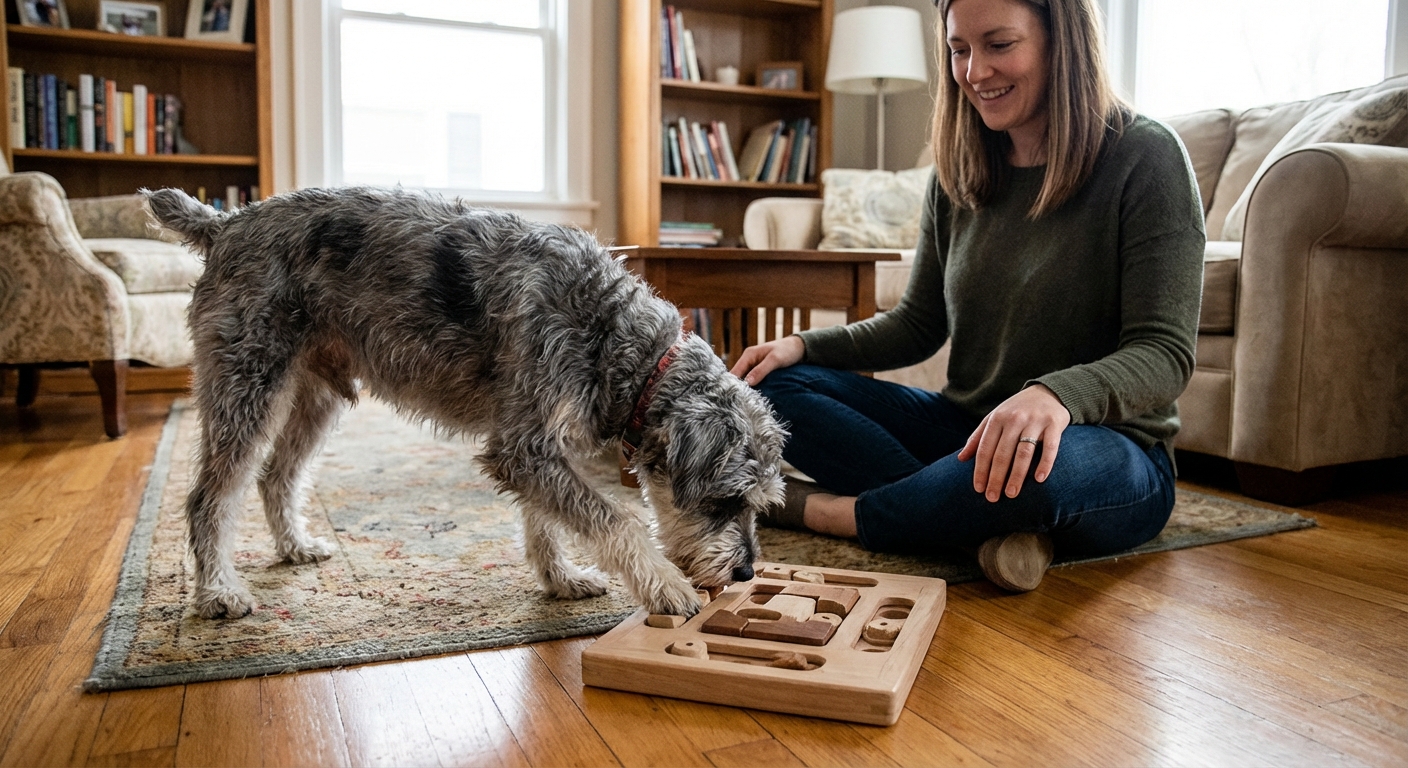
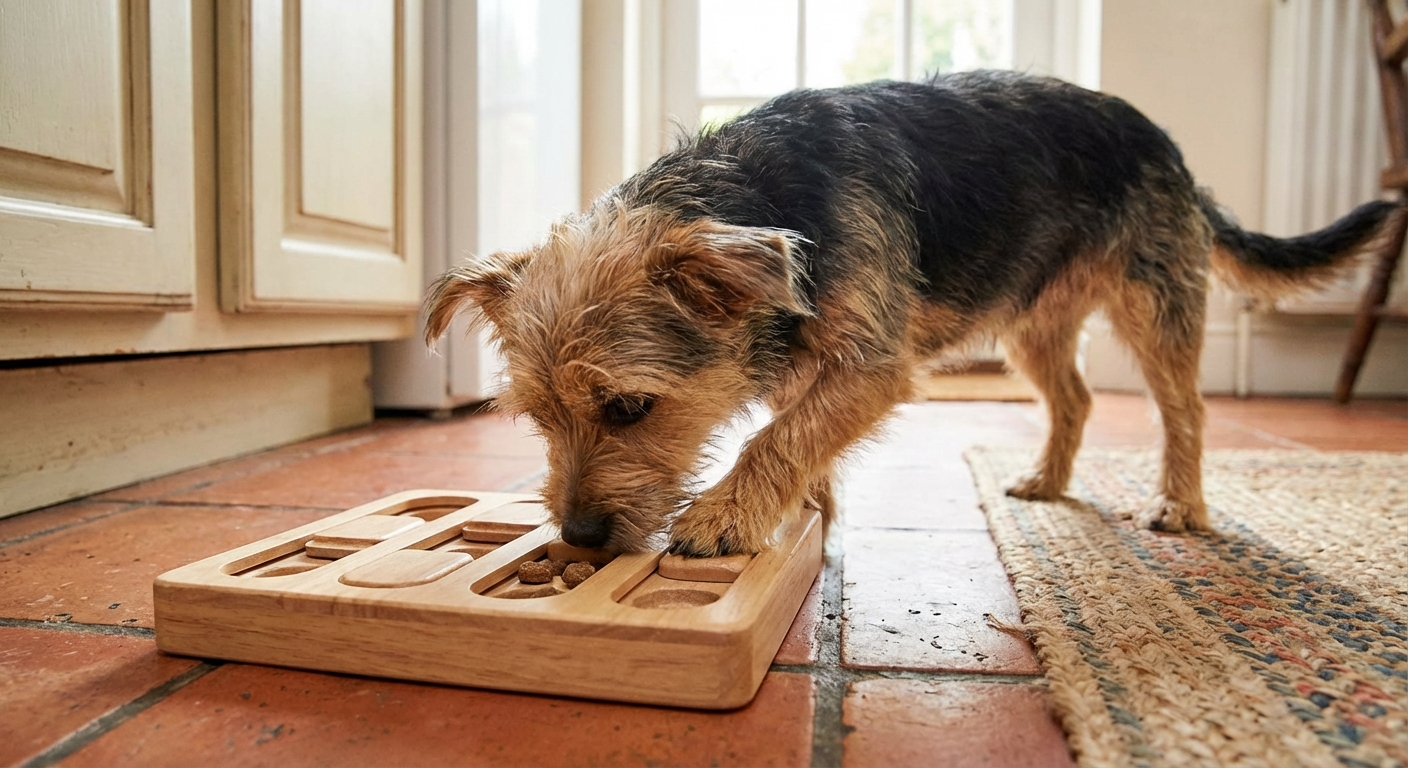
- Puzzle toys: Food puzzles and sniff games help prevent boredom.
- Training as enrichment: Five-minute sessions scattered through the day can be more effective than one long session.
If you want a simple routine, aim for a short walk in the morning, a quick training or puzzle session midday, and a mix of play and a second walk later in the day. For many Yorkipoos, that steady rhythm reduces nuisance barking and “busy” behavior.
Also keep temperature in mind. Many small dogs are sensitive to cold and heat. In winter, a sweater or coat can make walks more comfortable. In summer, walk during cooler hours and watch for overheating.
Coat Types, Shedding, and Grooming Needs
Yorkipoos can inherit a range of coat textures, including wavy, curly, or silky. Some shed less than others, but no dog is truly non-shedding. Low shedding can still mean you will find hair, and shedding patterns vary. Some dogs shed more seasonally, while many indoor dogs shed at a steady, year-round pace.
Basic grooming checklist
- Brushing: Often needed several times per week to prevent tangles and mats, especially for curlier coats.
- Professional grooming: Many owners schedule every 4 to 8 weeks depending on haircut preference and coat type.
- Bathing: As needed, typically every few weeks, using dog-safe shampoo.
- Ear care: Check weekly for odor, redness, or buildup, particularly if the coat grows into the ear canal.
- Nail trims: Usually every 2 to 4 weeks.
Mats can become painful quickly, so staying on top of brushing is not just cosmetic. It is comfort and skin health.
Training and Socialization
Because Yorkipoos are often intelligent and people-attuned, training can be a rewarding experience. The key is to start early, keep it upbeat, and practice in real-life settings. Small-dog behavioral issues can crop up if boundaries are inconsistent, so gentle structure matters.
Focus areas that pay off
- House training: Stick to a schedule, reward successes immediately, and manage access to the home.
- Barking cues: Teach a “quiet” cue and reward calm behavior.
- Handling practice: Get them comfortable with brushing, paw touches, and tooth checks.
- Socialization: Calm exposure to friendly people, safe dogs, sounds, and environments during puppyhood.
If your Yorkipoo is shy or reactive, do not push them into overwhelming situations. Gradual, positive experiences build confidence.
Kids and other pets
Many Yorkipoos do well with respectful children and friendly pets, but supervision matters, especially with very young kids. Teach children how to support a small dog’s body when holding, and create a quiet, off-limits rest space. For other pets, slow introductions and positive associations usually set the tone.
Health Considerations to Know
Mixed-breed dogs can still inherit health risks from either parent breed. Responsible breeding, good preventive care, and early intervention make a meaningful difference.
Common areas to watch
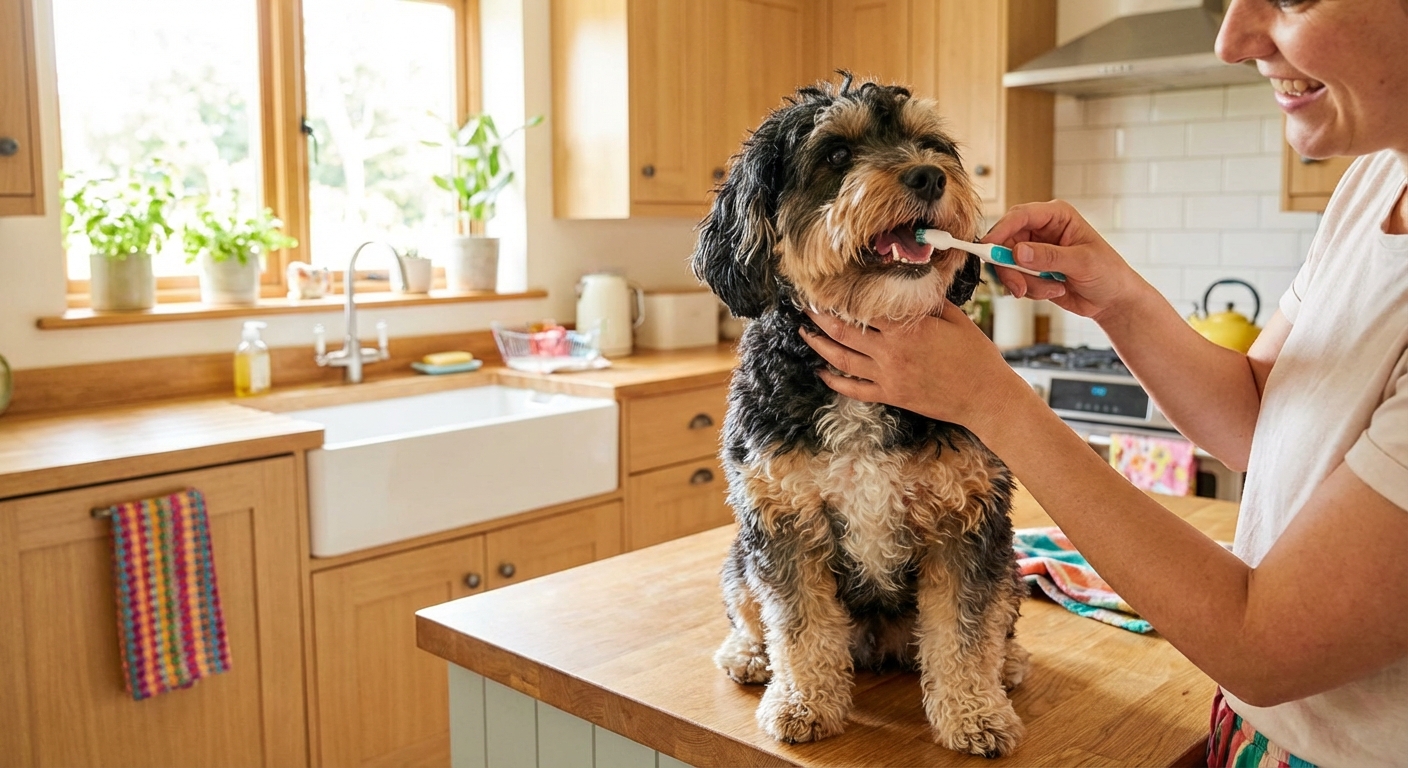
- Dental health: Small dogs are prone to dental disease. Daily tooth brushing and regular dental cleanings recommended by your veterinarian can be game-changing.
- Patellar luxation: A kneecap issue seen in many small breeds. Maintaining a healthy weight helps reduce stress on joints.
- Allergies and skin sensitivity: Itching, ear infections, or licking paws may signal allergies. Work with your veterinarian for a plan.
- Eye concerns: Some lines may be predisposed to eye issues. Regular exams help catch problems early.
- Hypoglycemia in tiny puppies: Very small young pups can be vulnerable to low blood sugar. Frequent meals and monitoring are important.
- Other issues that can occur: Depending on lineage, conditions like tracheal collapse, Legg-Calvé-Perthes disease, pancreatitis, or liver shunts may show up. This is not a given, but it is a good reminder to prioritize reputable sourcing and routine care.
If you are choosing a Yorkipoo puppy, ask the breeder what health testing and screening has been done for both parent dogs and request documentation. If you are adopting, schedule a veterinary visit early to establish a baseline.
Breeder and adoption guidance
If you go through a breeder, look for transparent health records, a clean and calm home environment, and a willingness to answer questions about temperament and early socialization. Avoid sellers who will not show you where puppies are raised or who always seem to have multiple litters available. If you are open to adoption, small-dog rescues and local shelters sometimes have Yorkipoos or similar mixes in need of homes.
Nutrition and Healthy Weight
Yorkipoos do best with nutrient-dense food in appropriate portions. Because they are small, even a few extra treats per day can add up quickly. A healthy weight supports joint health, energy levels, and long-term longevity.
Practical feeding tips
- Measure meals: Use a measuring cup or kitchen scale for consistency.
- Choose a complete diet: Look for foods formulated for small breeds and for the right life stage.
- Limit treats: Keep treats to a small percentage of daily calories and consider using part of their kibble for training.
- Fresh water: Always available, especially if feeding dry food.
For specific recommendations, your veterinarian can tailor guidance based on your dog’s age, activity level, and any medical needs.
Is a Yorkipoo Right for Your Home?
A Yorkipoo can be a wonderful companion for individuals, couples, and families who enjoy an interactive dog. They often thrive in homes where someone is around frequently, where training is consistent, and where grooming is viewed as part of the routine rather than a chore.
A Yorkipoo may be a great fit if you want:
- A small, affectionate dog that likes to be near you
- A clever companion who enjoys learning
- A playful dog that can adapt to apartment living with daily activity
You may want to think twice if:
- You prefer a very independent dog
- You cannot commit to regular grooming and dental care
- You are away from home for long periods most days
When you match a dog’s needs with your lifestyle, everyone benefits. With routine, patience, and preventive care, many Yorkipoos become confident, joyful little companions that bring a lot of warmth to everyday life.