
Yorkipoo
Meet the Yorkipoo
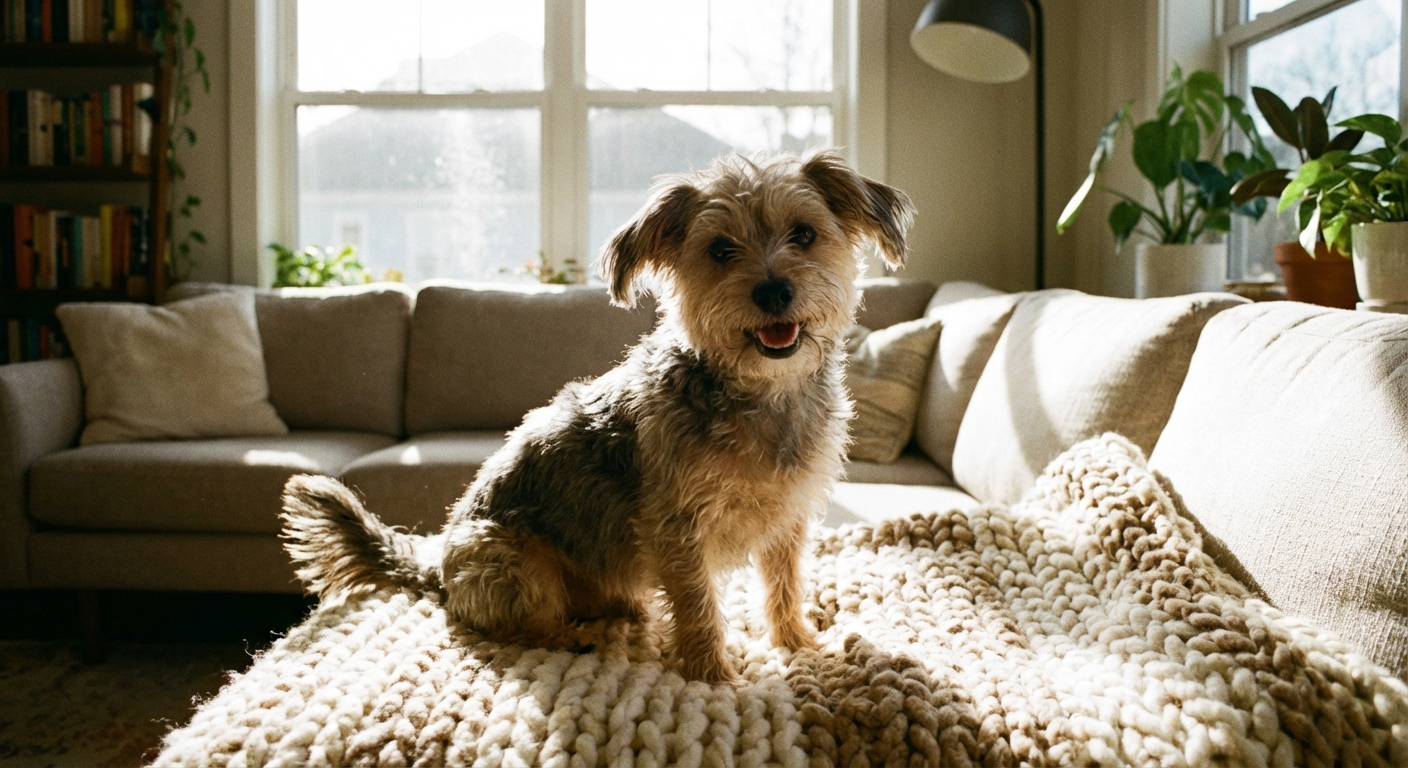
The Yorkipoo is a popular “designer mix” that blends the Yorkshire Terrier with a Poodle (most often a Toy or Miniature Poodle). These small dogs are known for their bright, people-oriented personalities and their teddy-bear looks. Because they are a mix, their coat type, size, and energy level can vary from puppy to puppy, even within the same litter.
If you are considering a Yorkipoo, the best approach is to think in terms of tendencies rather than guarantees. You will often get a companion dog that thrives on attention, enjoys play, and adapts well to apartment living. But you will also want to be prepared for regular grooming, consistent training, and a little “big dog confidence” in a small body.
Quick Facts at a Glance
- Common sizes: Small, often about 5 to 15 pounds, but can be larger depending on parent size (especially with larger Mini Poodles)
- Typical height: Around 7 to 15 inches at the shoulder, with some individuals outside this range
- Coat types: Wavy to curly, sometimes straight; can be silky or more “poodle-like”
- Shedding: Often low, but not always non-shedding
- Life expectancy: Commonly 12 to 16 years
- Temperament: Affectionate, alert, playful, often very attached to their people
These are general ranges. The most reliable predictor is the size and coat type of the parents, along with the individual puppy’s traits.
Temperament and Personality
Yorkipoos tend to combine the Yorkie’s bold, curious nature with the Poodle’s intelligence and social awareness. Many are affectionate “shadow dogs” who follow you from room to room. They often do best in homes where someone is around for a good part of the day, or where the family is willing to build independence skills gradually.
Common personality traits
- People-focused: They often bond closely with one or two primary caregivers.
- Smart and quick to learn: Training can be enjoyable when kept positive and consistent.
- Alert: Many will bark at new noises or visitors, which can be shaped with training.
- Playful: Short bursts of energetic play are typical, especially in younger dogs.
Because they are small, it is easy for well-meaning owners to accidentally reward demanding behaviors. Setting gentle boundaries early helps your Yorkipoo feel secure and well-mannered.
Coat, Grooming, and Allergies
One reason Yorkipoos are so beloved is their often-soft, fluffy coat. But that same coat usually requires regular care. Depending on genetics, your Yorkipoo may have a silky, straighter coat (more Yorkie-like) or a curlier coat (more Poodle-like). Both can mat if not brushed consistently.
Grooming basics
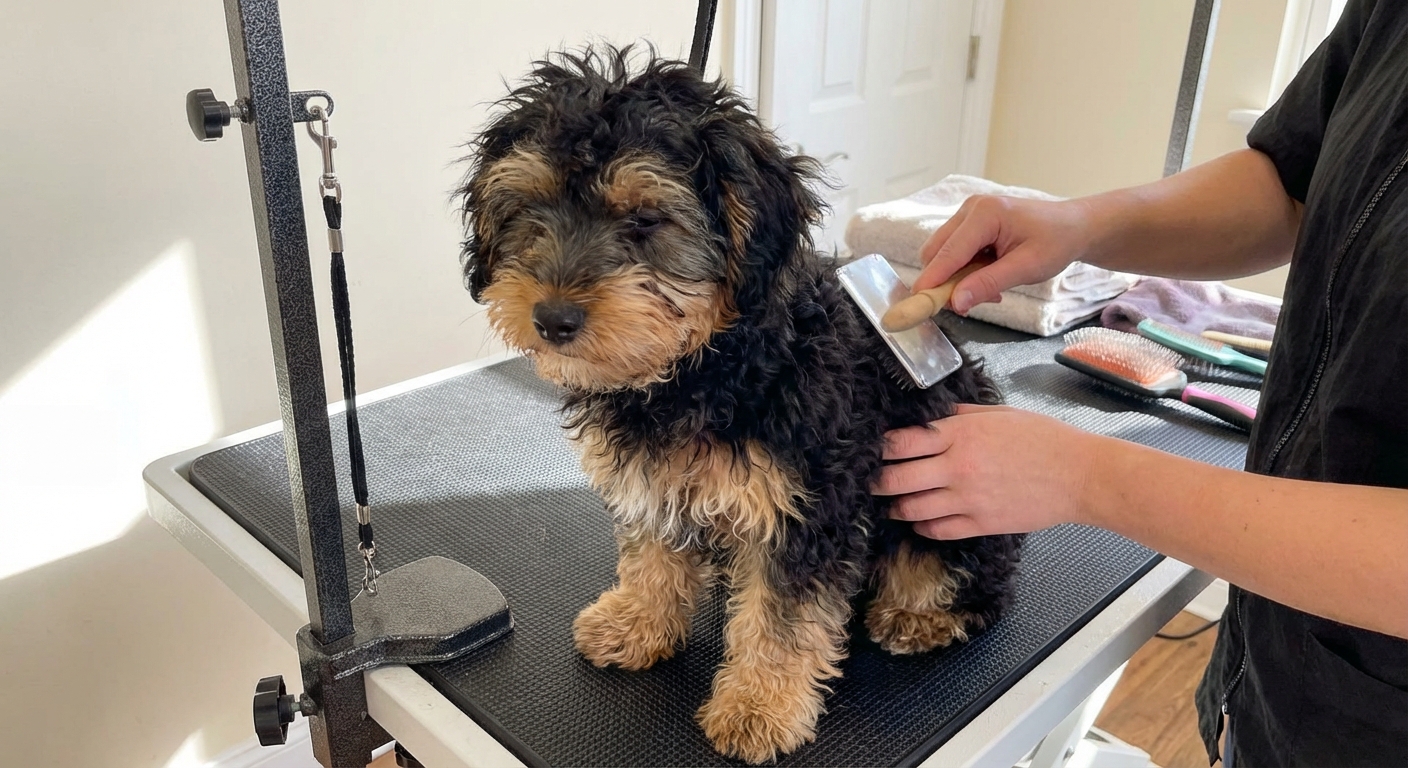
- Brushing: Aim for at least 3 to 5 times per week. Daily brushing is ideal for curlier coats.
- Professional grooming: Often every 4 to 8 weeks, depending on coat length, coat texture, and your preferred style.
- Bathing: Often about every 3 to 4 weeks, but it varies widely by coat and skin sensitivity. If your dog gets dry or itchy, your groomer or vet can help you adjust the schedule and products.
- Ear care: Check weekly. Hair and moisture can increase the risk of ear irritation.
- Dental care: Small dogs are prone to dental disease. Brush teeth regularly and schedule routine cleanings with your vet.
About “hypoallergenic” claims: No dog is truly hypoallergenic. Some Yorkipoos may shed less and may be easier for certain allergy sufferers, but allergies are triggered by proteins in dander and saliva, not just fur. If allergies are a concern, spend time with adult Yorkipoos and talk with your healthcare provider before committing.
Training and Socialization
Yorkipoos are typically eager learners, especially when training is treated like a game. Positive reinforcement works beautifully. Think praise, treats, and short sessions that end on a win. Because they are small, it is also important to socialize them thoughtfully so they feel safe around larger dogs, new people, and everyday sounds.
Training tips that work well
- Keep sessions short: 3 to 8 minutes at a time, a few times daily.
- Teach a “quiet” cue: Useful for alert barkers in apartments or busy neighborhoods.
- Practice gentle handling: Touch paws, ears, and mouth with rewards to make grooming and vet visits easier.
- Use a consistent potty routine: Small dogs have small bladders. Frequent opportunities help prevent accidents.
- Choose walking gear thoughtfully: Many small dogs do best with a well-fitted harness to reduce neck pressure during leash training.
If your Yorkipoo struggles with separation or becomes overly clingy, early independence training can help. Brief alone-time practice paired with calm rewards can make a big difference.
Exercise and Mental Stimulation
Yorkipoos are small, but they are not “no-exercise” dogs. Most do well with a mix of short walks, indoor play, and brain games. Their Poodle heritage often shows up as a need for mental stimulation. A bored Yorkipoo may bark more, chew, or become restless.
What a good routine can look like
- Daily walks: 20 to 45 minutes total, split into 2 to 3 outings.
- Playtime: Fetch down a hallway, tug with rules, or gentle chase games.
- Puzzle feeders: Great for slowing eating and building confidence.
- Training games: Simple tricks, scent games, and “find it” activities.
Always adjust activity to your dog’s age and health. Puppies need lots of rest, and older Yorkipoos may prefer shorter, more frequent movement breaks.
Feeding and Healthy Weight
Nutrition matters for every dog, but it is especially important for small breeds and mixes because even a little weight gain can strain joints and affect overall comfort. Choose a high-quality diet appropriate for your dog’s life stage. Your veterinarian can help you determine the right calorie range and whether your Yorkipoo would benefit from a small-breed formula.
Healthy feeding habits
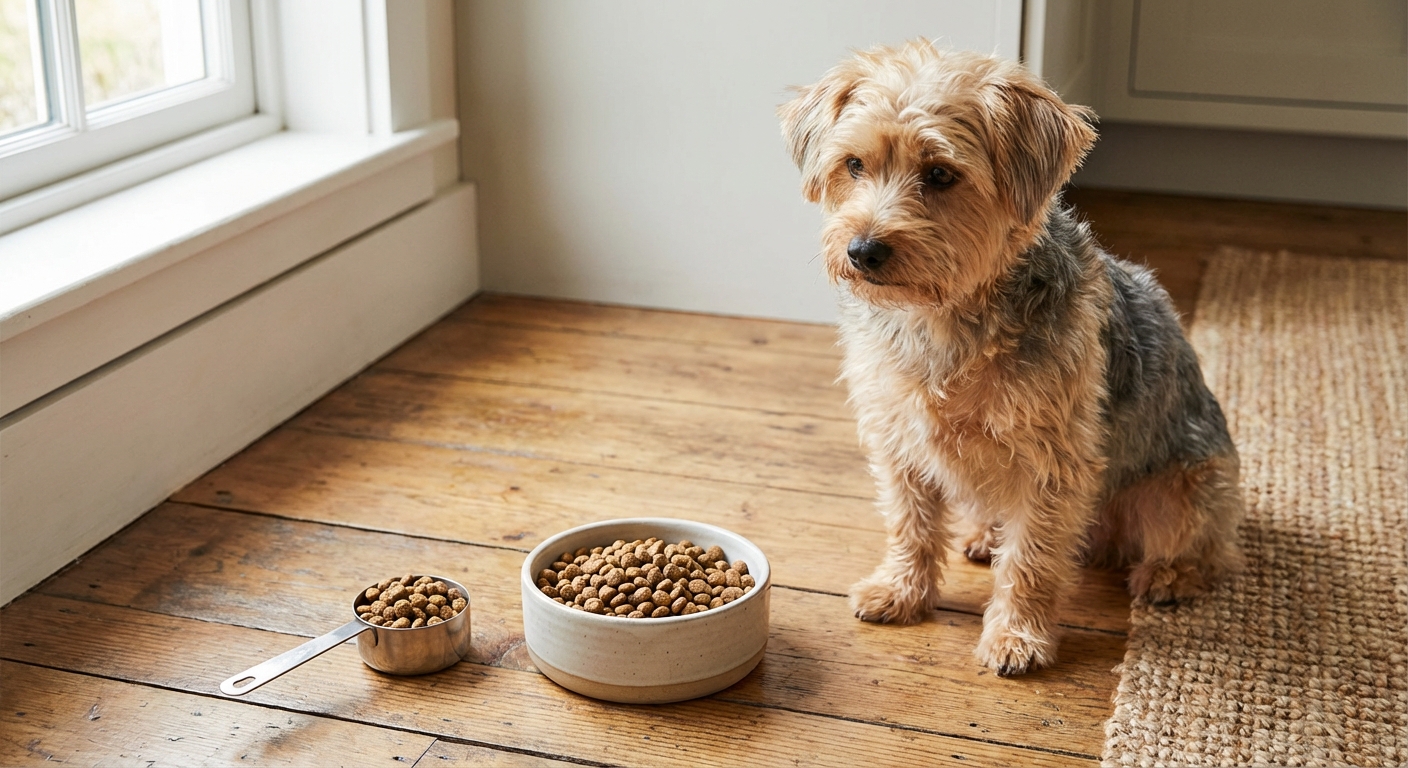
- Measure meals: Avoid free-feeding to prevent gradual weight gain.
- Limit treats: Keep treats to about 10 percent of daily calories.
- Prioritize protein and nutrient balance: Look for complete and balanced foods that meet AAFCO standards.
- Watch for picky eating: If your dog skips meals, avoid constantly switching foods. Rule out dental issues first.
If you are unsure whether your Yorkipoo is at a healthy size, ask your vet about body condition scoring. It is a simple, practical way to evaluate weight beyond the number on the scale.
Common Health Considerations
Mixed-breed dogs can still inherit health issues from either parent line. Good breeding practices, health testing, and routine veterinary care all matter. While every dog is unique, Yorkipoos may be more prone to certain concerns seen in Yorkshire Terriers and Poodles.
Health issues that may come up
- Dental disease: Very common in small dogs. Prevention is key.
- Patellar luxation: A kneecap issue that can cause skipping or hopping.
- Tracheal sensitivity: Some small dogs do better with a harness instead of a collar.
- Allergies or skin irritation: Can show up as licking, redness, or recurrent ear issues.
- Eye disease (in some lines): Some dogs may be at higher risk for issues like cataracts or progressive retinal atrophy (PRA), depending on lineage. Tear staining can happen too, but it is often cosmetic rather than a true eye disease.
- Legg-Calvé-Perthes disease: A hip joint condition seen in some toy dogs that can cause limping.
- Pancreatitis risk: Not unique to Yorkipoos, but small dogs can be prone, especially with high-fat treats or abrupt diet changes.
Practical prevention steps: Routine exams, parasite prevention, dental care, a healthy weight, and early attention to limping, eye changes, or coughing are simple habits that can make a meaningful difference over time.
Safety Tips for Small Dogs
Yorkipoos are sturdy for their size, but “small” still means easier to injure. A little prevention goes a long way, especially in busy homes.
- Teach respectful handling: If you have children, practice gentle petting and supervised holding.
- Prevent jumping injuries: Use ramps or steps for beds and couches if your dog is a frequent jumper, and be cautious with stairs.
- Watch for underfoot accidents: Shadow dogs love to follow you, so be mindful in kitchens and hallways.
Is a Yorkipoo a Good Fit for Your Home?
I often remind families that the “best” dog is the one whose needs match your daily life. Yorkipoos can be wonderful companions for many households, including first-time dog owners, as long as expectations are realistic and time is set aside for training and grooming.
A Yorkipoo may be a great match if you want:
- A small, affectionate companion dog
- A playful pet that enjoys learning tricks
- A dog that can adapt well to apartment living with regular walks
- A mix that often sheds less than many other dogs
You may want to think twice if:
- You are away from home for long hours most days
- You prefer a very low-maintenance grooming routine
- You are not comfortable with occasional barking that requires training
Starting your routine right sets the tone for success. Small, consistent habits like brushing, short training sessions, and calm socialization outings add up over time.
Finding a Yorkipoo Responsibly
Whether you are adopting or purchasing, look for transparency, health focus, and thoughtful early socialization. Reputable breeders should be willing to discuss health testing, temperament, and how puppies are raised. Rescues can be a wonderful option too, especially if you are open to an adult dog whose personality is already clear.
Smart questions to ask
- What health screenings were done for the parents?
- Can I meet at least one parent or see where the puppies are raised?
- What grooming and training have you started?
- What support do you offer after adoption?
A responsible source will welcome questions. If someone pressures you to decide quickly or avoids discussing health and care, that is worth taking seriously.
Takeaway
The Yorkipoo is a charming, intelligent companion with a lot of love to give. With consistent training, regular grooming, and a balanced daily routine that includes both movement and mental stimulation, many Yorkipoos thrive in a wide range of homes. If you are ready for a small dog with a big personality, this mix can be a joyful addition to your life.