Recurring yeast infections in dogs often have a root cause. Learn the most common triggers—especially allergies and moisture—plus symptoms, diagnosis, an...
Article
•
Designer Mixes
Yeast Infection Symptoms in Dogs

Shari Shidate
Designer Mixes contributor
When I hear pet parents say, “My dog just won’t stop itching,” yeast is one of the first things that comes to mind. Yeast infections in dogs are common, uncomfortable, and sometimes subtle at first. The good news is that once you know the easy-to-miss signs, you can get help faster and keep flare-ups from becoming a regular thing.
Quick note: Yeast problems can look like allergies, mites, or bacterial infections. Your veterinarian can confirm what is going on with a simple skin or ear test, and that diagnosis matters because treatment is different for each cause.
What it is and why it happens
Most canine yeast infections of the skin and ears involve Malassezia, most commonly Malassezia pachydermatis, a yeast that normally lives on the skin in small amounts. Trouble starts when the skin barrier is irritated or the environment becomes extra yeast-friendly. Think moisture, warmth, and inflammation. (In comparison, Candida is uncommon in typical canine skin and ear yeast infections.)
Common underlying triggers
- Allergies (environmental or food related) that inflame skin and ears
- Moisture from swimming, frequent baths, or trapped humidity in skin folds
- Hormonal issues like hypothyroidism or Cushing’s disease
- Immune system changes or chronic illness
- Antibiotics or steroids that can shift the skin microbiome in some dogs
Yeast is often not the “first domino.” For many dogs, it is a secondary problem that takes advantage of irritated skin. That is why long-term relief usually involves treating both the yeast and the underlying trigger.
Easy-to-miss symptoms
Yeast infections do not always scream “infection” right away. Many start as mild itchiness, a little odor, or licking that seems like boredom. Here are the signs that tend to fly under the radar until they get worse.
1) A “corn chip” or musty smell
A common clue is a yeasty, musty, sometimes “corn chip” odor, especially from paws, ears, armpits, groin, or skin folds. That said, odor alone is not diagnostic. Bacteria, normal paw funk, and other skin issues can smell similar, so consider it a clue to investigate rather than a confirmation.
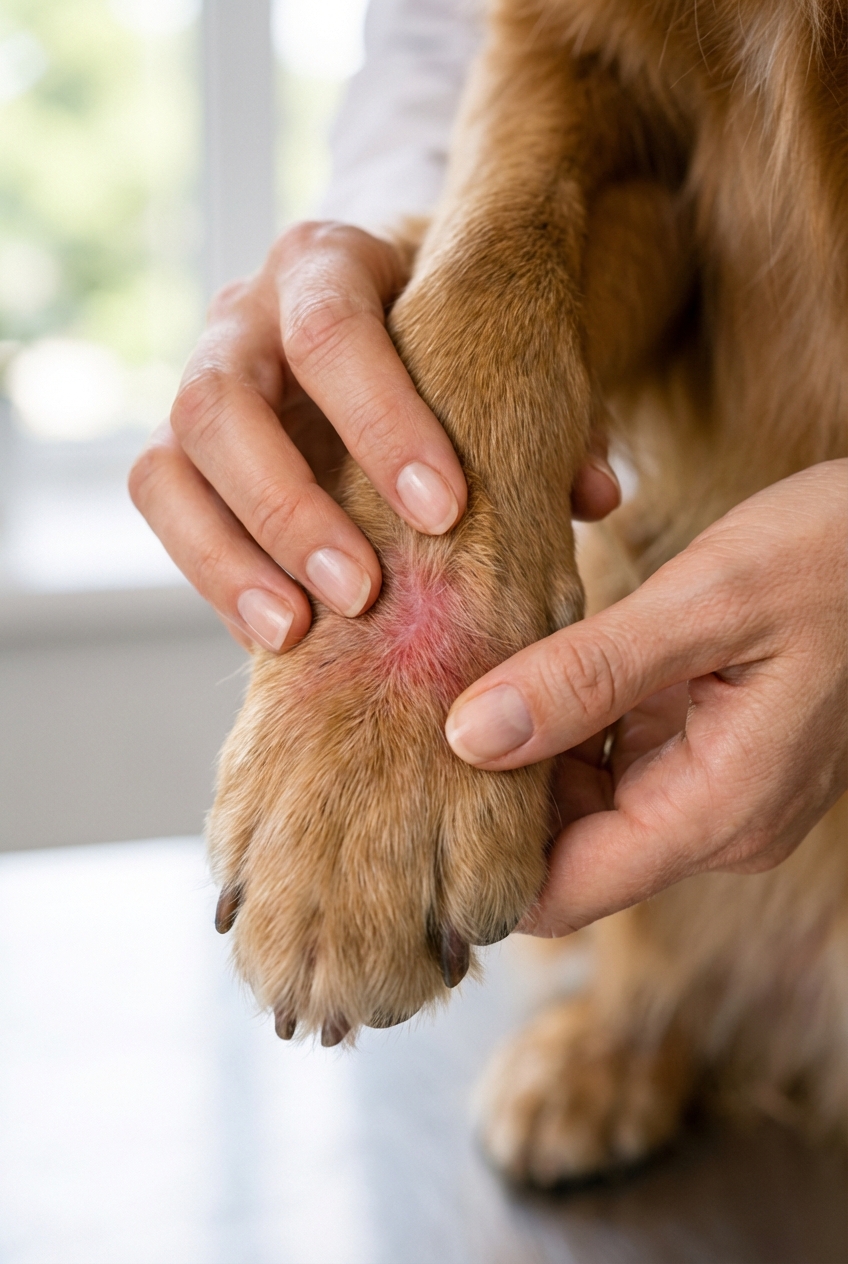
2) Paw licking you notice more at night
Many dogs with itchy paws lick more when the house is quiet, such as in the evening, after walks, or when settling down. You may see saliva-stained fur between the toes or around nail beds. The skin can look red, shiny, or slightly thickened.
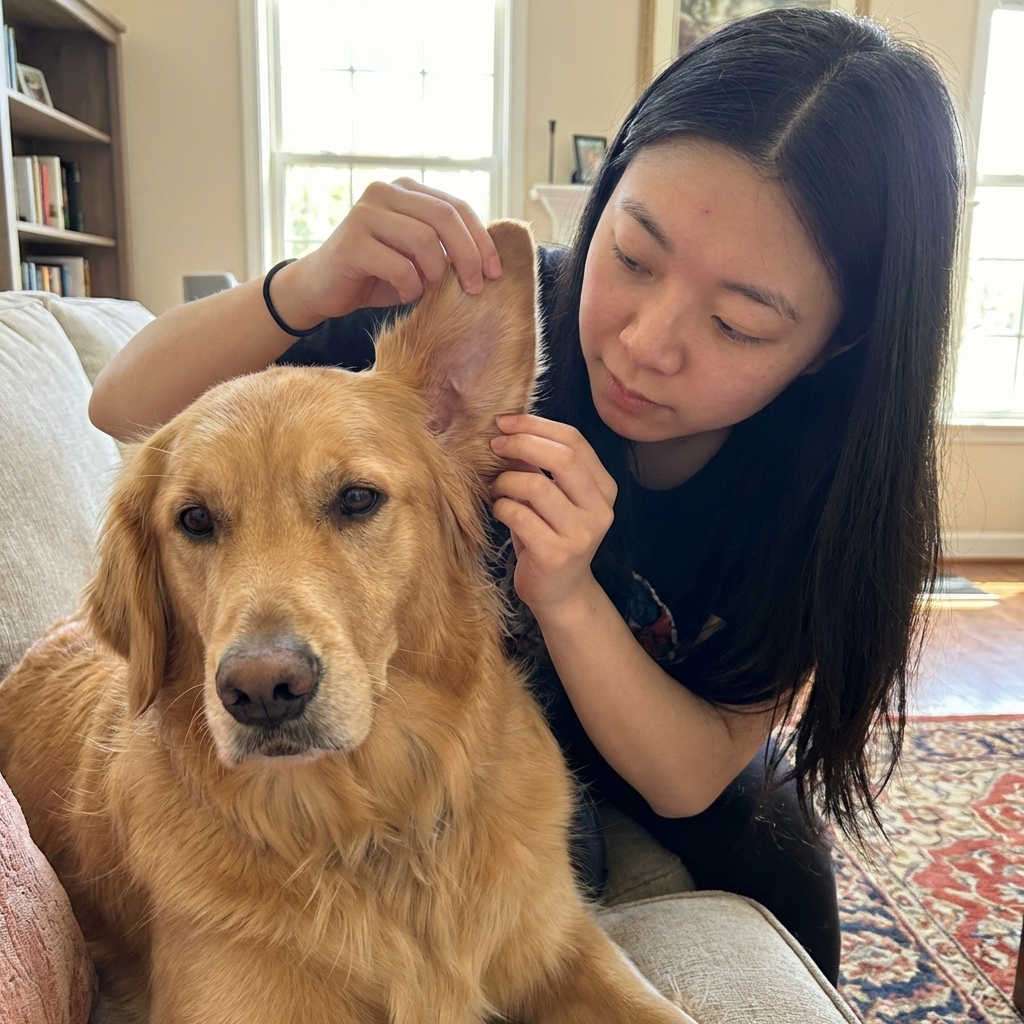
3) “Gunky ears” that keep coming back
Yeast in the ears often causes:
- Brown or dark waxy discharge
- Head shaking or ear scratching
- Redness in the ear canal
- Strong odor
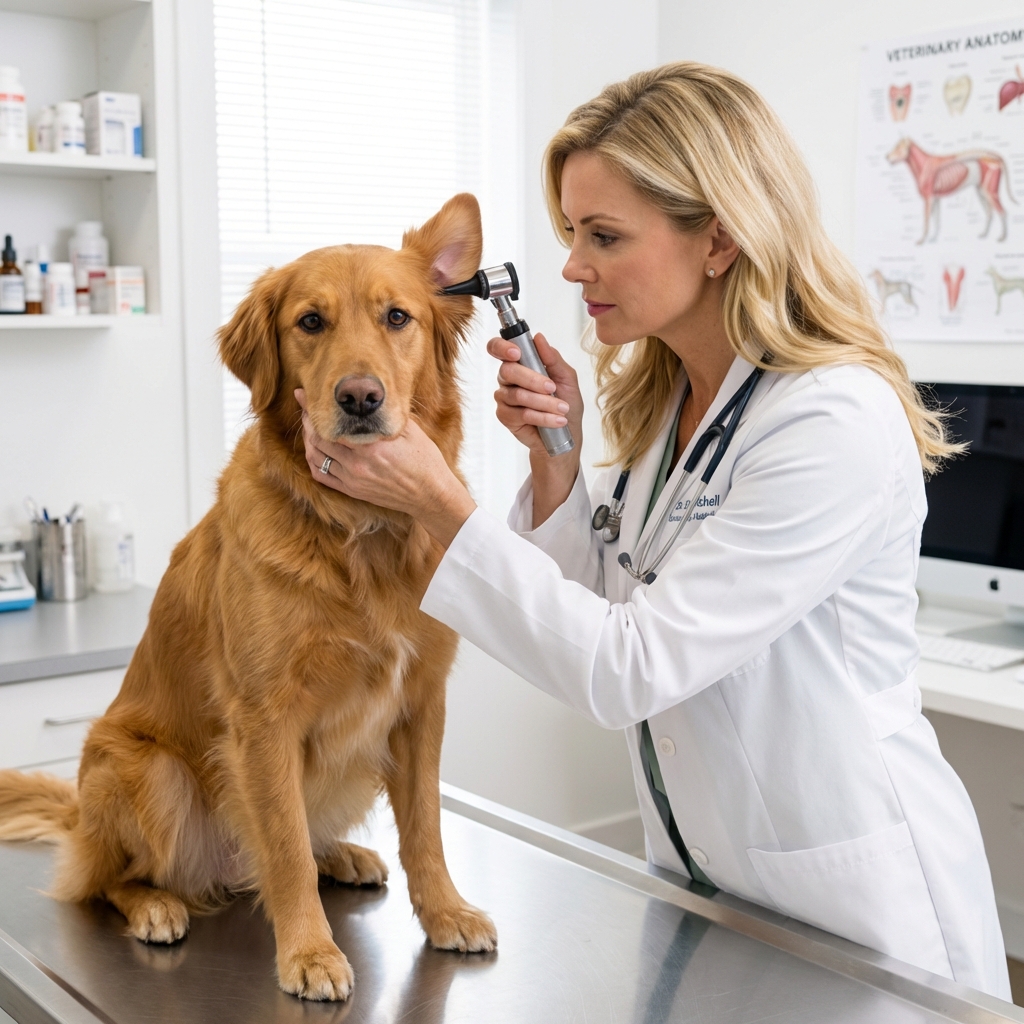
Recurring ear problems are often connected to allergies, so it is worth discussing an allergy plan with your veterinarian, not just treating the ear each time.
4) Skin that feels greasy or looks “dirty”
Some yeast infections cause a waxy, oily coat, dandruff, or a grimy look even when the dog is regularly groomed. This is especially common on the belly, neck, and underarms.
5) Darkened, thickened skin over time
Chronic yeast can lead to hyperpigmentation (darker skin) and lichenification (thickened, leathery skin), often in armpits, groin, or between toes. These changes do not happen overnight, which is why they can be easy to normalize or overlook.
6) Red, irritated skin folds
Dogs with wrinkles or skin folds can develop yeast and bacterial “fold dermatitis.” You may notice redness, odor, moisture, and soreness in folds around the lips, face, vulva, tail pocket, or armpits.
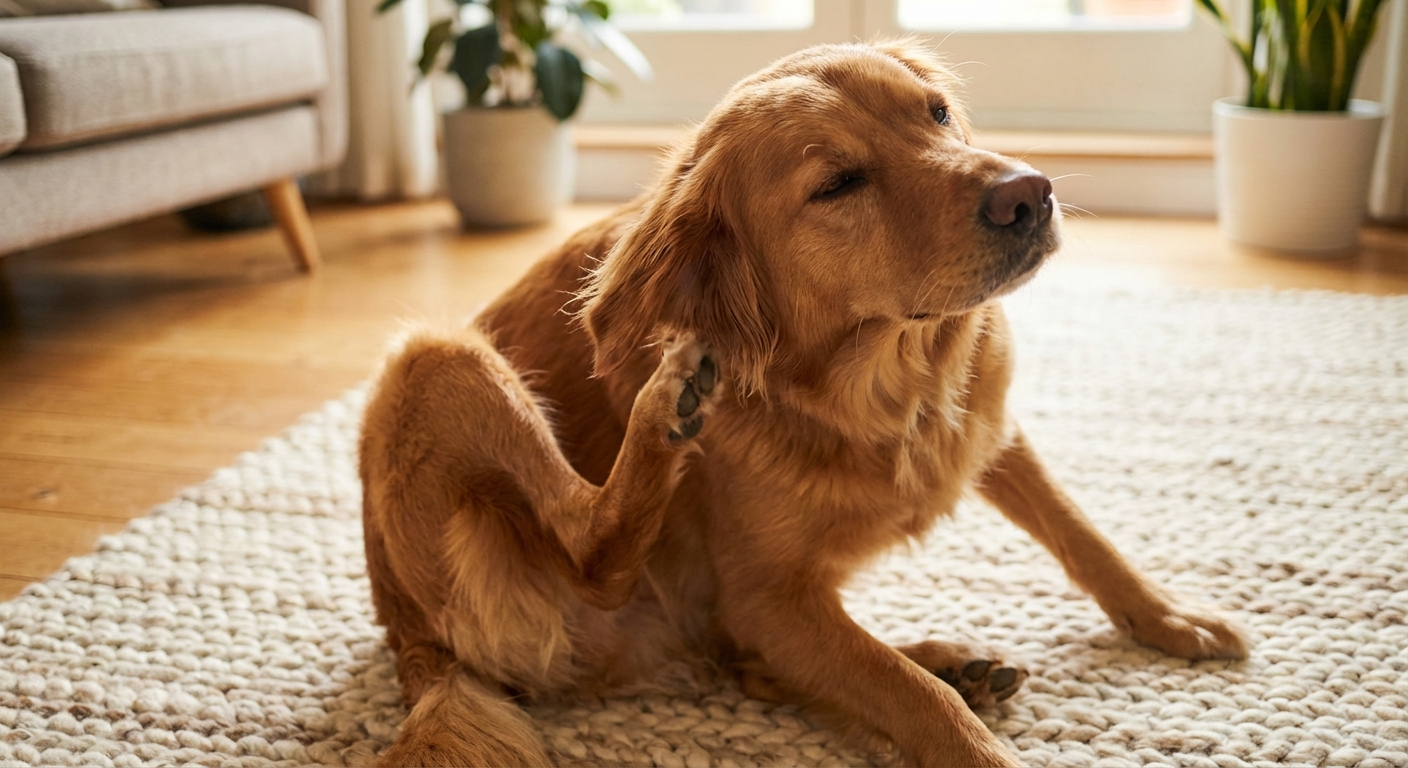
7) Itching without obvious fleas
If you do not see fleas and your dog is still itchy, yeast can be part of the story, especially if the itch is focused on paws, ears, belly, or folds. Other common look-alikes include contact dermatitis, bacterial skin infection, and mites, so it is another reason not to guess.
Common problem areas
- Ears (especially floppy-eared dogs)
- Paws and between toes
- Groin and belly
- Armpits
- Skin folds on the face, neck, and tail area
Some dogs are more prone due to coat type, anatomy, allergies, or lifestyle. If your dog swims, has lots of folds, or struggles with allergies, prevention becomes extra important.
How vets confirm yeast
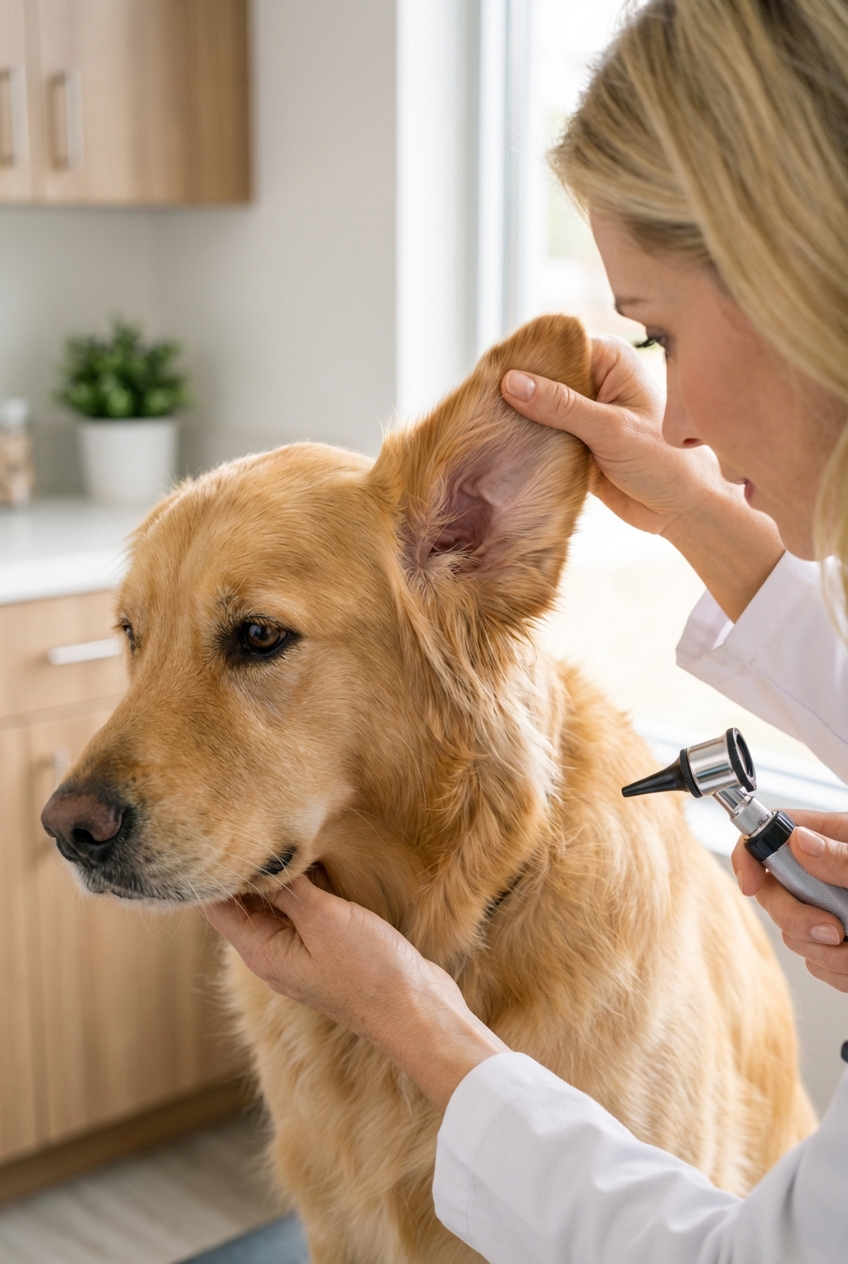
Yeast can look like many other conditions, so a solid diagnosis saves time and discomfort. In many clinics, confirmation is often quick and typically inexpensive.
Common veterinary tests
- Ear cytology: a swab viewed under a microscope
- Skin tape prep or impression smear: checks for yeast and bacteria
- Skin scraping: helps rule out mites
- Culture (in some cases): used for stubborn or recurrent infections
This is important because the wrong approach can backfire. For example, steroid-only sprays can temporarily reduce redness and itching while letting yeast or bacteria continue to build. Also, some prescription ear medications appropriately include a steroid along with antifungal and antibiotic ingredients to reduce inflammation. The key is matching the medication to what your vet sees on cytology.
What vet treatment is like
Treatment depends on where the yeast is and how widespread it is. Many dogs do well with topical therapy such as medicated shampoos, wipes, mousse, or ear medications. More severe or stubborn cases may need oral antifungals and follow-up testing, since some medications require monitoring. It is also common for your vet to recommend a recheck cytology to make sure the yeast count is truly coming down, not just “looking better.”
Timeline-wise, mild cases may improve in days, but full treatment often takes a few weeks, and recurring cases usually improve most when the underlying trigger (often allergies) is addressed.
Help you can start today
If you suspect yeast, you can support your dog right away while you schedule a vet visit. These steps are safe, practical, and often make your dog more comfortable.
Keep it clean and dry
- Dry paws after walks, especially between toes.
- Dry ears after baths or swimming. Do not use cotton swabs down the canal.
- Clean and dry skin folds daily if your dog has wrinkles or a tail pocket.
Use vet-recommended antifungal products
Depending on location and severity, your veterinarian may recommend:
- Medicated shampoos (often containing chlorhexidine plus an antifungal like miconazole or ketoconazole)
- Wipes or mousses for paws, folds, or small areas
- Ear cleaners or ear medications specifically formulated for yeast
- Oral antifungals for widespread or stubborn cases, with appropriate monitoring
Follow contact time instructions on shampoos. Many medicated shampoos need to sit on the coat for about 5 to 10 minutes to work well.
Ear safety note: Avoid putting OTC human antifungal creams, hydrogen peroxide, essential oils, or random “home remedy” liquids into your dog’s ears. If the eardrum is inflamed or damaged, the wrong product can cause serious harm. If your dog has significant ear pain, head tilt, or balance issues, treat that as urgent and let your vet guide you.
Support the skin barrier
- Grooming: Keep coat and feet trimmed if your dog traps moisture easily.
- Omega-3 fatty acids: Many dogs with allergic skin benefit from EPA and DHA. Ask your vet for dosing guidance based on your dog’s weight and the specific product.
- Diet basics: Stick with a complete and balanced diet that agrees with your dog. If food allergy is on the table, your vet may recommend a structured diet trial rather than changing foods repeatedly.
I like to keep the focus on what we know helps: controlling moisture, treating yeast directly, and addressing the underlying inflammation and allergies that allow yeast to overgrow in the first place.
When to call the vet urgently
Some yeast infections can become painful fast, and ear infections in particular can escalate.
- Ear pain, crying, or reluctance to let you touch the head
- Head tilt, loss of balance, or walking oddly
- Bleeding, open sores, or a strong rancid odor
- Swelling of the ear flap or a “puffy” ear
- Itching that is intense and disrupting sleep
- Symptoms that keep returning despite treatment
If your dog has recurring infections, ask your veterinarian about an allergy workup, thyroid screening when appropriate, and a long-term prevention plan.
Keeping yeast from coming back
Prevention is usually a combination of hygiene, moisture control, and managing the underlying reason yeast is thriving.
Simple prevention routine
- After water play: rinse and dry paws, belly, and ears.
- Weekly check: sniff ears, look between toes, and scan skin folds.
- Proactive medicated bathing: for yeast-prone dogs, your vet may recommend a schedule such as weekly or every other week during humid seasons.
- Allergy control: consistent flea prevention, environmental allergy strategies, and diet trials if recommended by your vet.
My Frisco, Texas tip: humidity and seasonal allergies can be a double hit. If your dog flares in spring or late summer, start your prevention routine before the itch begins.
Bottom line
Yeast infections in dogs are common, but they are not something you have to keep chasing forever. If you catch the easy-to-miss signs early, get a quick confirmation from your veterinarian, and treat both the yeast and the root trigger, most dogs feel better fast and relapse less often.
If you tell me where your dog is struggling most (ears, paws, belly, or folds) and whether this is the first time or a repeat issue, I can help you think through the most likely next steps to discuss with your vet.