Recurring yeast infections in dogs often have a root cause. Learn the most common triggers—especially allergies and moisture—plus symptoms, diagnosis, an...
Article
•
Designer Mixes
Yeast Infection in Dogs: Itchy Paws and Ears

Shari Shidate
Designer Mixes contributor
If your dog is chewing their paws like a hobby or shaking their head nonstop, a yeast infection may be part of the picture. I see this pattern all the time as a veterinary assistant in Frisco, Texas: itchy feet, smelly ears, and skin that looks irritated, greasy, or darker than usual. The good news is that yeast infections are often very treatable once you know what you are dealing with and why it keeps coming back.
What is a yeast infection in dogs?
Most canine yeast infections are commonly linked to Malassezia yeast (especially Malassezia pachydermatis), which normally lives on the skin. In healthy amounts, it is not a problem. But when the skin barrier is irritated, inflamed, or the environment becomes warm and moist, yeast can overgrow and trigger inflammation and intense itchiness.
Yeast is not the same thing as ringworm (a fungus) and it is not the same thing as mange (mites). That is why getting the right diagnosis matters.
Common signs: paws and ears
Dogs can get yeast overgrowth anywhere, but paws and ears are especially common trouble spots. Moisture and trapped heat can contribute, but the bigger driver I see in many patients is allergy-related inflammation and a disrupted skin barrier. Here are signs I encourage pet parents to watch for.
Itchy paws
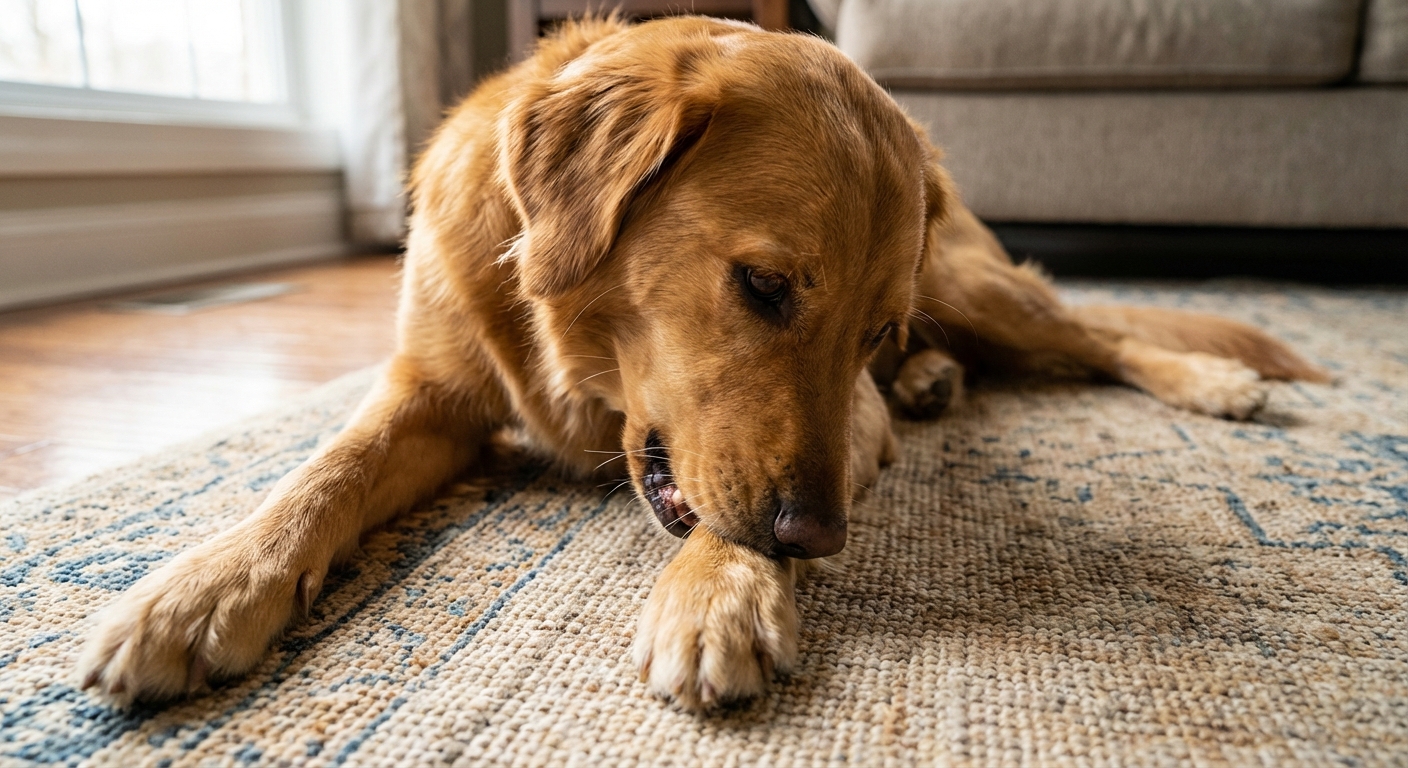
- Constant licking or chewing between toes
- Redness, staining, or darkened skin
- A “corn chip” or musty smell (common, but not specific to yeast)
- Greasy feel or flaky skin
- Swollen nail beds or recurrent infections around nails
Itchy ears
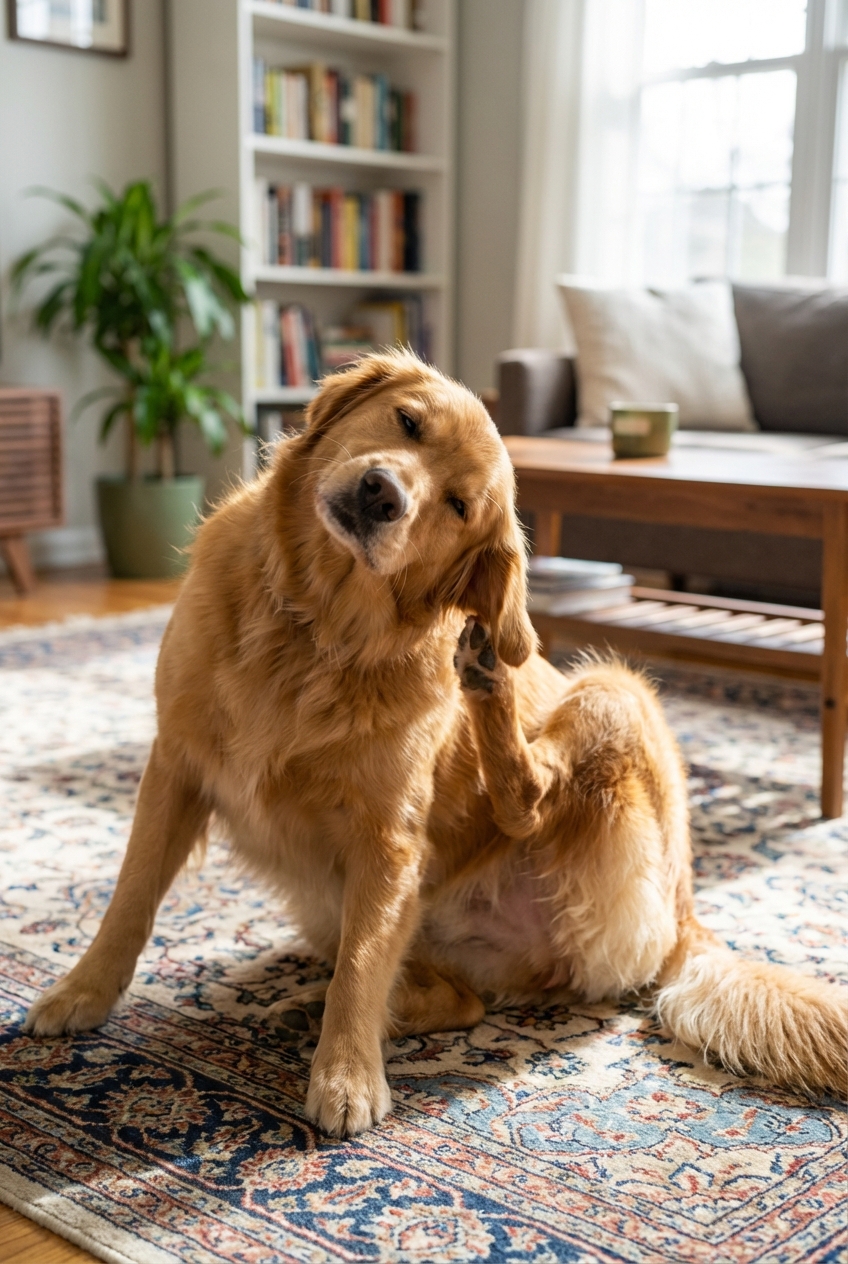
- Head shaking, ear scratching, or rubbing ears on furniture
- Red, thickened, or painful ear canals
- Brown or waxy discharge
- Strong odor coming from the ears (odor alone cannot confirm yeast)
Why yeast keeps coming back
When yeast is chronic or recurring, it usually means there is an underlying trigger that is not fully controlled yet. In clinic, we often look for:
- Allergies (environmental allergies like pollen and dust mites, or food allergies)
- Moisture (swimming, frequent bathing, wet grass, or humid weather)
- Skin barrier issues (irritated skin is easier for yeast to overgrow on)
- Ear anatomy (floppy ears can reduce airflow and trap moisture)
- Hormonal conditions like hypothyroidism or Cushing’s disease
- Medications that change the skin environment, including some courses of antibiotics or steroids
My rule of thumb: treat the infection, but also ask “why this dog, why now?” That is how you reduce repeat flare-ups.
What else it could be
Itchy paws and ears do not automatically mean yeast. A few common look-alikes we see include:
- Bacterial skin infection (often happens alongside yeast)
- Allergic dermatitis (atopic dermatitis, food allergy, flea allergy)
- Contact irritation (cleaners, grass, allergens on paws)
- Foreign material like foxtails causing sudden, intense licking or ear pain
- Ear mites (more common in puppies and multi-pet households)
This is one reason I push diagnosis first. The right treatment depends on the true cause.
How vets diagnose yeast
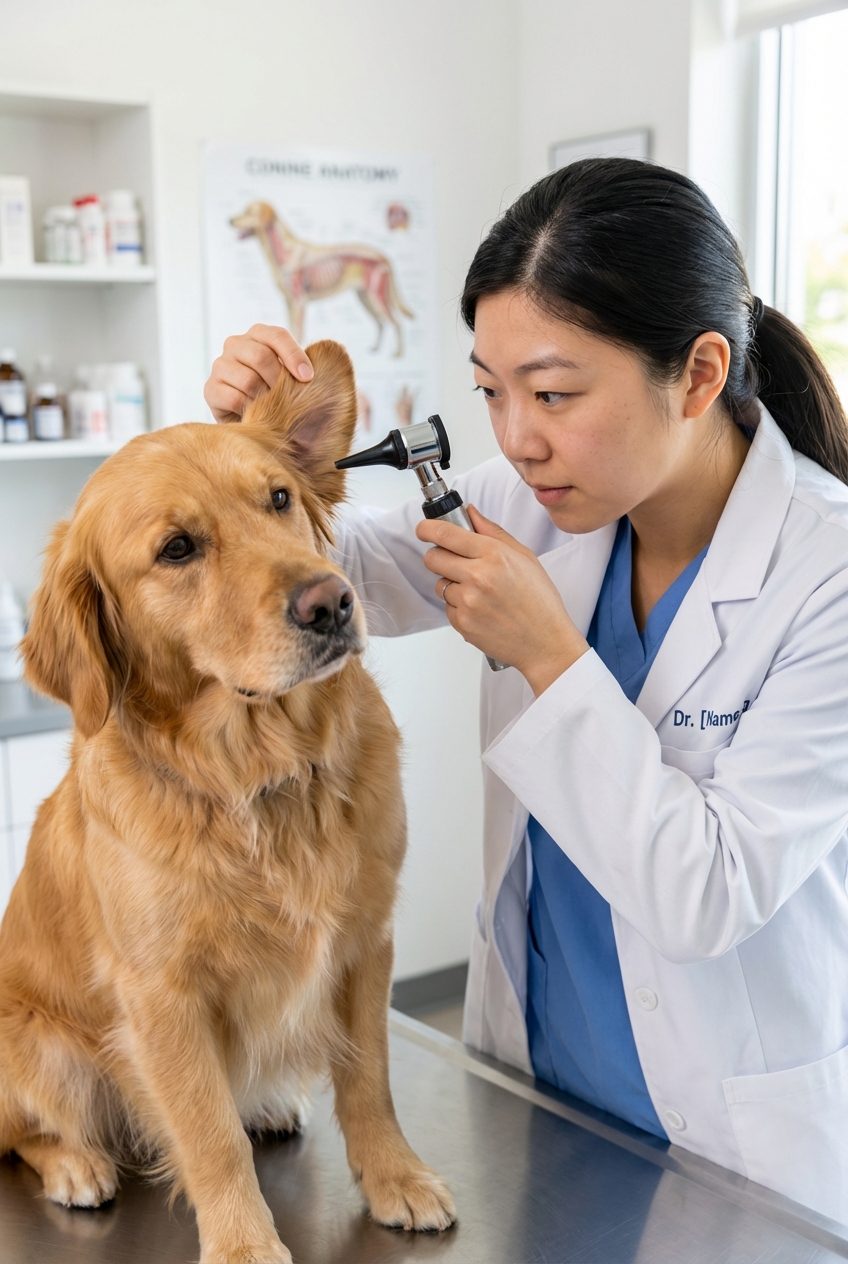
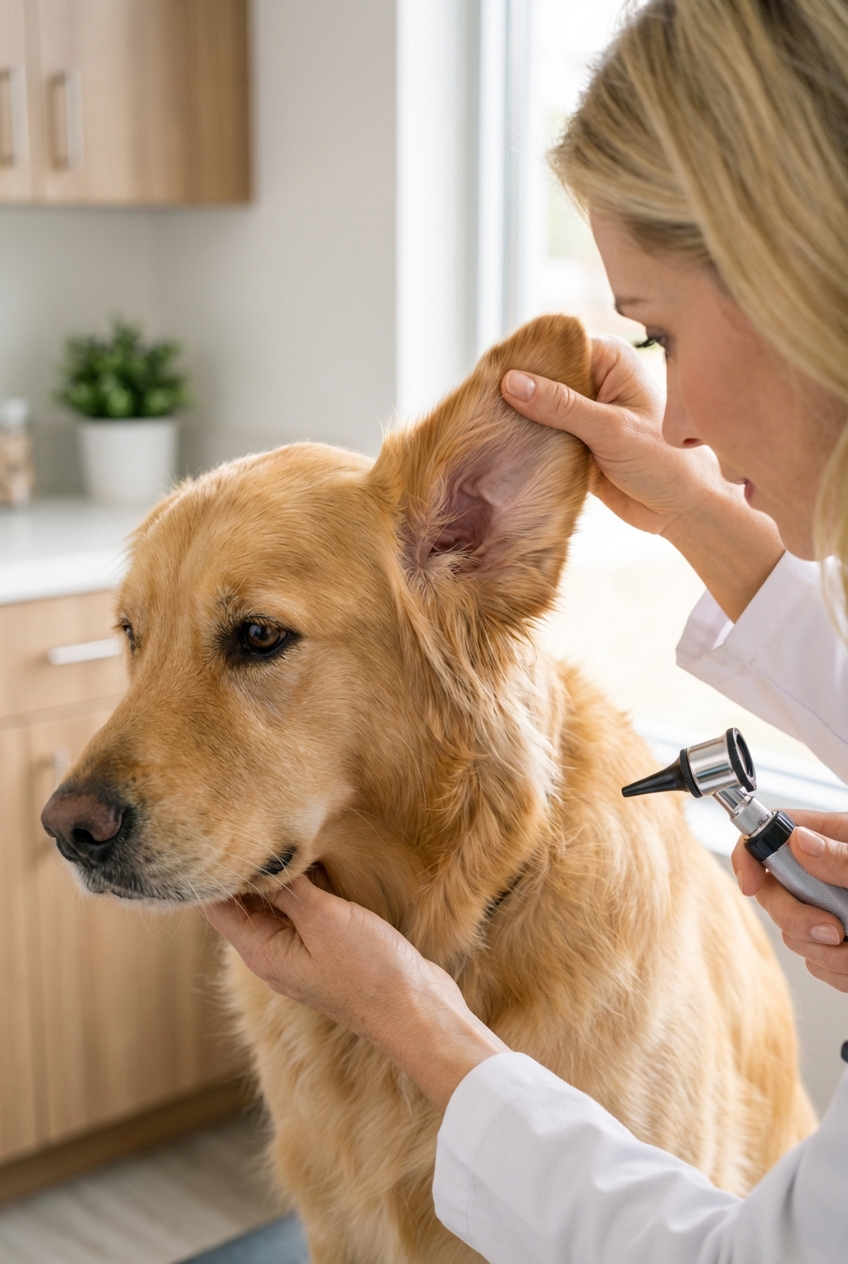
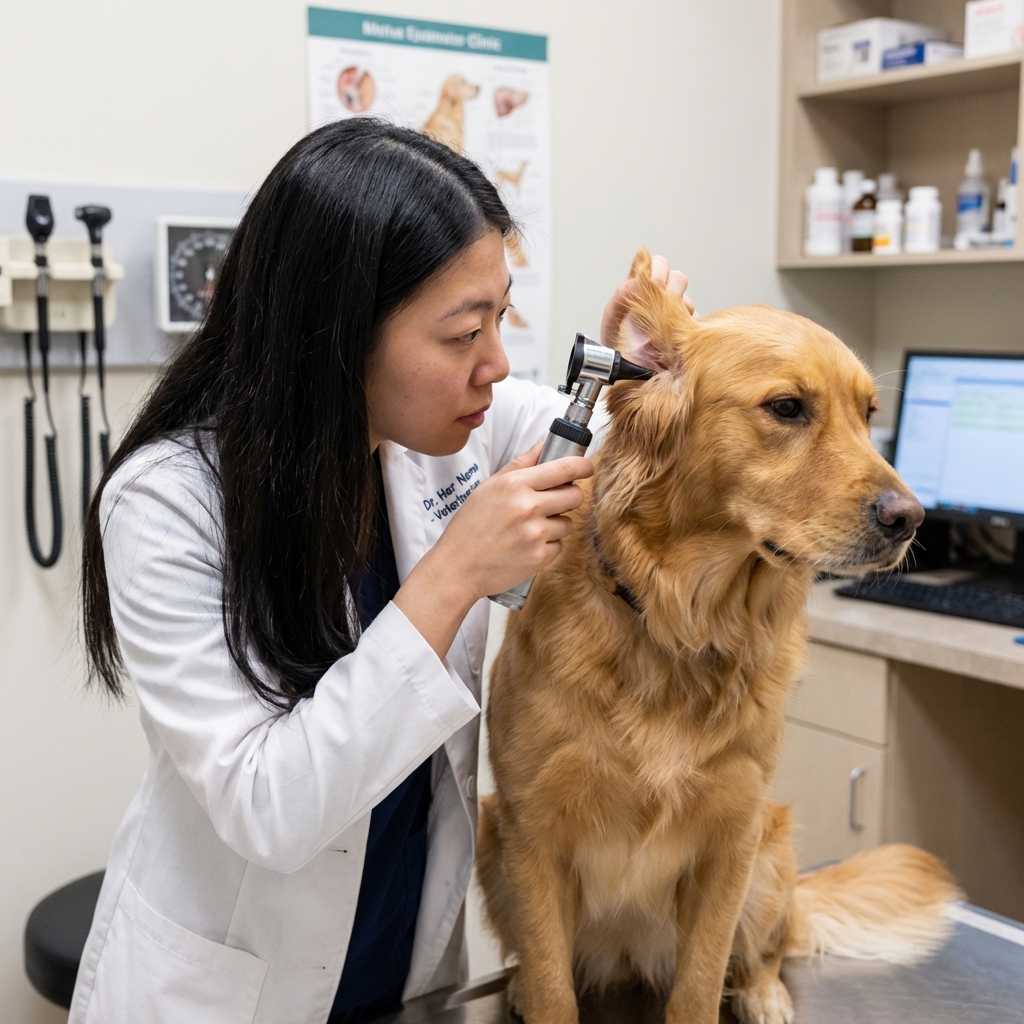
Many ear and skin problems look alike. Bacteria, yeast, mites, and allergies can all cause itching and redness, and the treatments are different. Your veterinarian may recommend:
- Skin cytology: a quick microscope check from a swab or tape prep
- Ear cytology: to see whether yeast, bacteria, or both are present
- Skin scrape: if mites are a concern
- Culture and susceptibility: more common when bacteria are suspected, the infection is severe, or it is not responding as expected
A simple cytology can prevent weeks of the wrong treatment.
Treatment options
Treatment depends on location, severity, and whether bacteria are also involved. Many dogs need a combination approach.
1) Topical antifungals for skin and paws
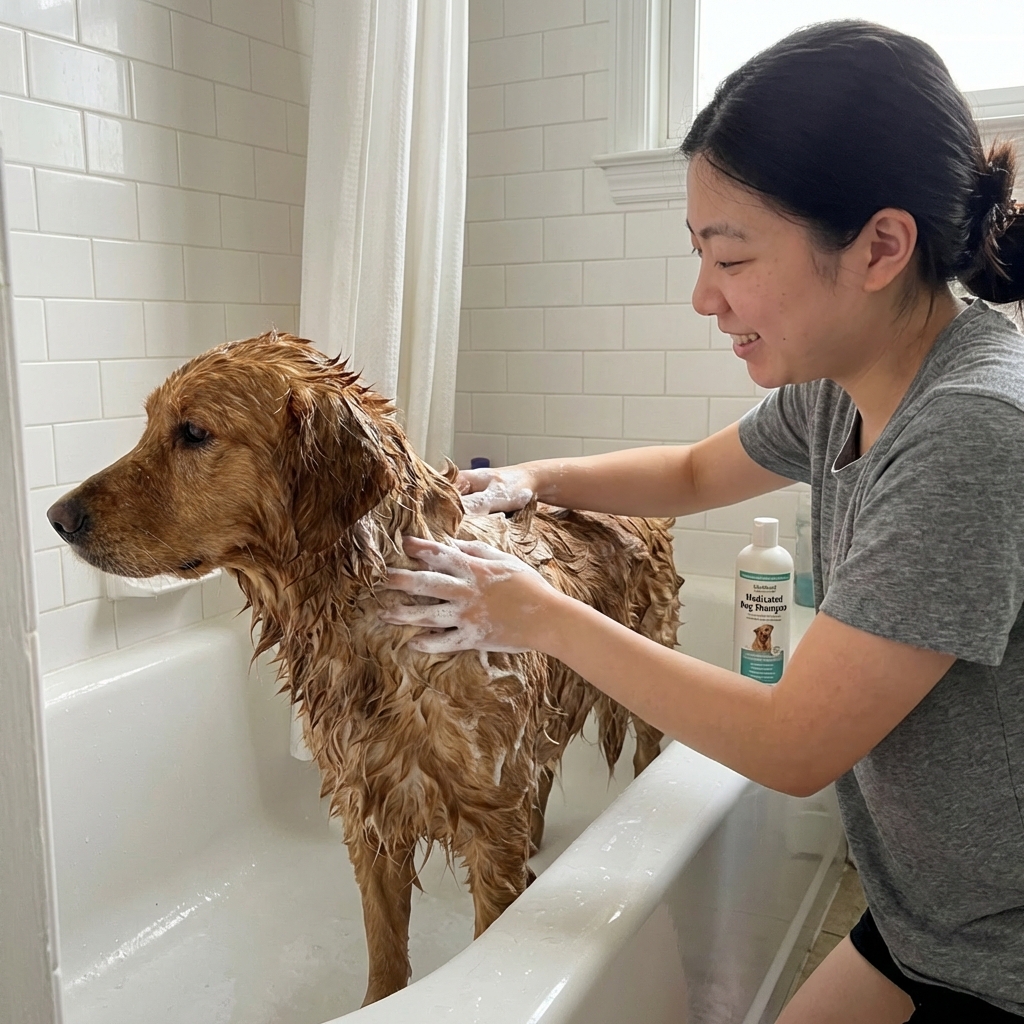
Your vet may recommend medicated shampoos, wipes, sprays, mousses, or creams that contain ingredients like miconazole, ketoconazole, chlorhexidine, or climbazole. These products reduce yeast counts directly on the skin.
- Shampoos: often used 2 to 3 times weekly during a flare, with a 10-minute contact time if your dog tolerates it
- Wipes or mousse: great for paws and in-between toes, especially for busy households
2) Ear medications
Yeasty ears often need prescription ear drops, and sometimes a professional ear cleaning first. If the ear canal is inflamed, painful, or full of discharge, at-home cleaning alone usually is not enough. Chronic or repeat ear infections can also involve deeper ear disease, which is another reason follow-ups matter.
3) Oral antifungals for moderate to severe cases
For widespread yeast dermatitis or stubborn infections, vets may use oral antifungals (such as fluconazole, itraconazole, or ketoconazole). These can be very effective, but they are not a DIY situation. Your veterinarian may recommend bloodwork monitoring, including liver enzymes, especially with longer courses or certain medications.
4) Treat the underlying trigger
This is the part that often makes the biggest difference long-term. If allergies are driving the inflammation, your vet may discuss:
- Allergy control meds (including Apoquel, Cytopoint, or other options)
- Flea prevention (fleas can mimic or worsen skin disease)
- Diet trials if food allergy is suspected
- Testing and treatment for hormonal disease when indicated
Safe at-home care
You can do a lot at home to support treatment and prevent relapse, but please avoid harsh home remedies. The goal is to dry, protect, and restore the skin barrier, not irritate it further.
Paws
- Rinse and dry after walks, rain, or swimming. Focus between toes.
- Consider booties during high-pollen walks if your dog flares seasonally.
- Use vet-approved antifungal wipes on paws during flare-ups.
- Prevent self-trauma with an e-collar if chewing is intense. Chewing can turn a yeast issue into a bacterial infection fast.
Ears
- Do not put vinegar, peroxide, or essential oils in the ears. These can burn inflamed tissue and make things worse.
- Use only a veterinarian-recommended ear cleaner, and only if the eardrum is confirmed intact.
- Dry ears after swimming or baths and ask your vet how often cleaning is appropriate. Over-cleaning can irritate the ear canal.
- Stop and call your vet if your dog yelps, tilts their head, loses balance, or the ear looks very swollen.
A quick safety note about human products
Avoid using human antifungal creams or leftover prescriptions without guidance. Some products are irritating, and some are unsafe if licked or used in ears.
Food and lifestyle
Yeast overgrowth is happening on the skin, but skin health is deeply connected to nutrition and inflammation control. While diet is not a stand-alone cure for an active infection, it can reduce flare-ups in dogs where allergies are part of the story.
Nutrition steps to discuss with your vet
- Omega-3 fatty acids (EPA and DHA) can support the skin barrier and reduce inflammation. Ask your vet for dosing and a quality product.
- Hydrolyzed or limited-ingredient diet trial for 8 to 12 weeks if food allergy is suspected. This is the gold standard approach and needs consistency.
- Weight and portion control because obesity increases inflammation and can worsen skin problems.
If you are interested in homemade food, I am a big fan of real, whole ingredients, but I also want it balanced. Work with your veterinarian or a veterinary nutritionist so you are improving skin health without creating nutrient gaps.
When this is urgent
Most yeast infections are not emergencies, but ear problems can escalate quickly. Seek veterinary care promptly if you notice:
- Severe ear pain, head tilt, loss of balance, or rapid eye movements
- Bloody discharge or a strong, sudden odor with swelling
- Open sores on paws or skin from constant licking and chewing
- Symptoms are worsening, or not improving as expected after 5 to 7 days of a vet-prescribed plan (or sooner if your vet advises)
Prevention checklist
- Keep paws and ears dry, especially after swimming or baths
- Rinse and dry feet after outdoor time during allergy season
- Stay consistent with flea and tick prevention
- Do not over-clean ears, and use only veterinary-approved products
- Schedule rechecks if your vet recommends them, chronic yeast often needs follow-up cytology
- Talk to your vet about long-term allergy control if flare-ups are frequent
If your dog is stuck in the cycle of itchy paws, itchy ears, and repeat infections, you are not failing them. You are just missing one key piece of the puzzle. With the right diagnosis and a prevention routine, most dogs get real relief.
Veterinary note
This article is for general education and does not replace a veterinary exam. Ear infections in particular can look similar on the outside but require very different medications. When in doubt, your veterinarian can confirm yeast with a quick cytology and get your dog comfortable faster.