From allergies and fleas to yeast, dry skin, and diet triggers, this guide covers gentle natural remedies like oatmeal baths, omega-3s, paw care, and when to...
Article
•
Designer Mixes
Yeast Infection in Dogs: Help and Care

Shari Shidate
Designer Mixes contributor
Yeast infections are one of those frustrating skin issues that can make a sweet dog absolutely miserable. I see it often as a veterinary assistant here in Frisco, Texas: a dog who was doing fine suddenly starts licking paws nonstop, shaking their head, or developing that musty smell some owners describe as “corn chips.” The good news is that yeast infections are treatable. With the right plan, you can often prevent them from coming right back.
Quick note: that “corn chip” smell is a clue, not a diagnosis. Normal paw odor, bacteria, or just a damp coat can smell similar, which is why getting the cause right matters.
What a yeast infection is
Many superficial yeast skin infections and ear infections in dogs involve an overgrowth of Malassezia, a type of yeast that normally lives on canine skin and in ears. When a dog’s skin barrier is irritated, oily, inflamed, or overall health is compromised, yeast can multiply and cause infection. Mixed infections are also common, meaning yeast and bacteria can show up together.
Yeast most often flares in warm, slightly moist areas like paws (between toes), ears, armpits, groin, and skin folds.
Yeast infections are not usually “caught” from other dogs. Yeast can be transferred, but it typically does not cause a problem unless the receiving dog has an underlying predisposition (like allergies or chronic inflammation).
Common signs pet parents notice
Yeast can show up on the skin, paws, ears, or in skin folds. Watch for:
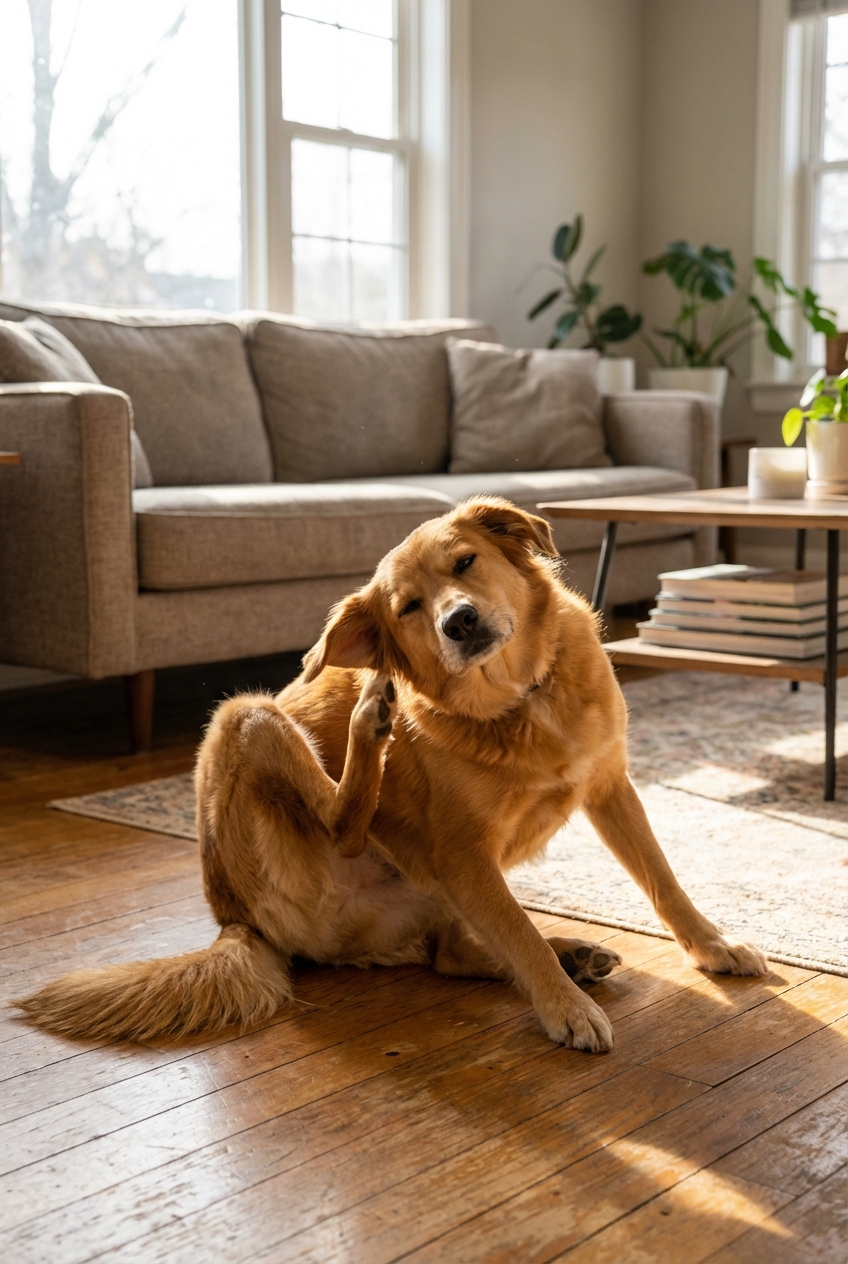
- Itchy paws with constant licking, chewing, or red staining between toes
- Ear trouble like head shaking, scratching, redness, or dark waxy debris
- Greasy skin or dandruff, especially along the belly, armpits, groin, or neck
- Odor often described as musty, sour, or “corn chips”
- Redness and thickened skin, sometimes with dark discoloration over time
- Recurrent hot spots or skin infections that keep returning
Not every itchy dog has yeast. Fleas, contact irritation, mites, and bacterial skin infections can look very similar from the outside.
Why yeast infections happen
If yeast is the “weed,” the root cause is the “soil.” When we only treat the surface infection and do not address the trigger, yeast often comes back.
1) Allergies (very common)
Many dogs with yeast also have environmental allergies (pollen, grass, dust mites, molds). Food allergy is possible too, but it is generally less common than environmental allergy. Either way, allergies inflame the skin, weaken the barrier, and create the warm, irritated environment yeast loves.
2) Moisture and skin folds
Swimming, frequent baths that do not fully dry the coat, humid weather, and skin folds (especially in wrinkly breeds) can create the perfect yeast friendly environment.
3) Ear anatomy
Floppy ears, hairy ear canals, and chronic ear inflammation can trap heat and moisture.
4) Hormones and medical conditions
Endocrine issues like hypothyroidism or Cushing’s disease can predispose dogs to recurrent skin and ear infections.
5) Medications and microbiome shifts
Antibiotics may be necessary for bacterial infections, but they can also alter normal skin flora. If underlying inflammation persists, some dogs then swing toward yeast overgrowth.
6) Breed tendencies
Some breeds are more yeast prone due to skin type, folds, and chronic allergy patterns. We commonly see it in Bulldogs, Westies, Basset Hounds, and Cocker Spaniels, among others.
How vets diagnose yeast
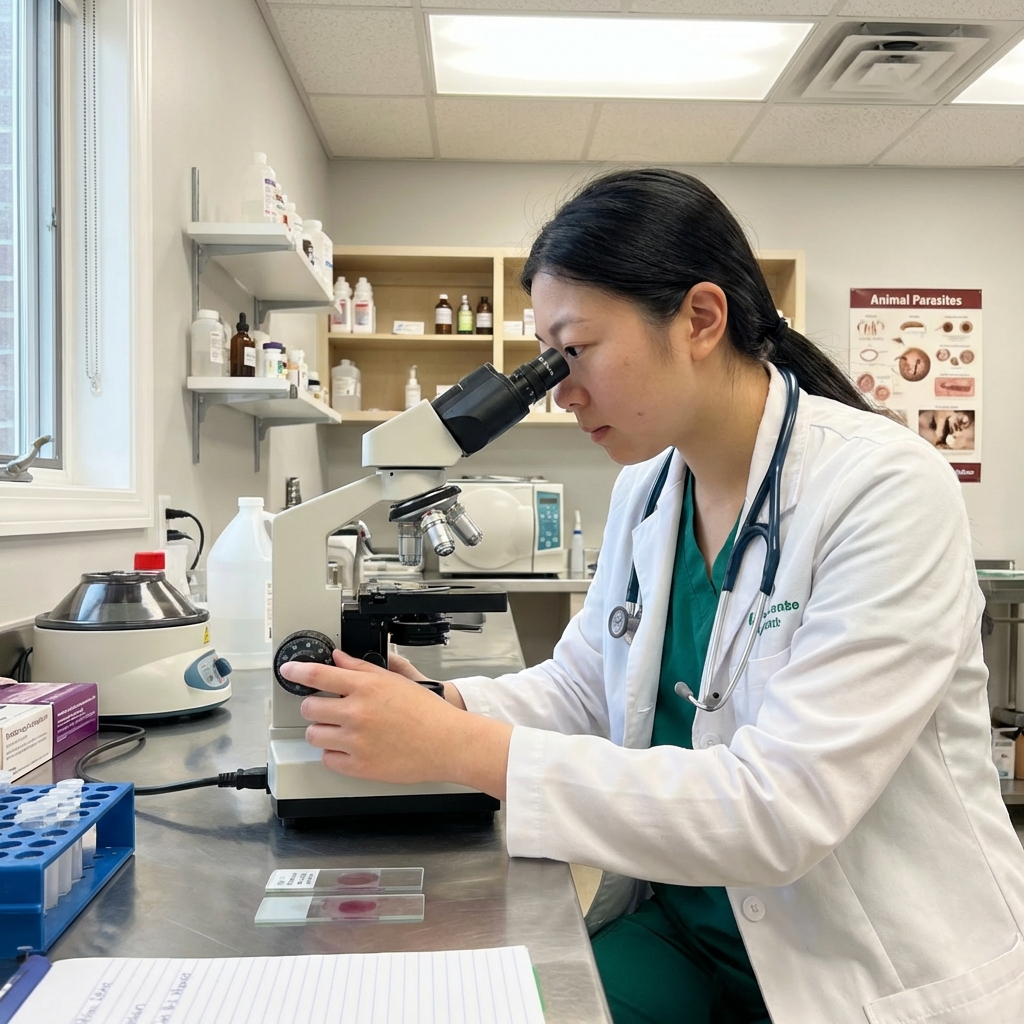
Because yeast can look like allergies, mites, or bacterial infections, diagnosis matters. In clinics, we commonly use:
- Skin cytology (a quick microscope check from tape impressions or swabs)
- Ear cytology to see yeast, bacteria, and inflammation
- Skin scraping if mites are a concern
- Culture and sensitivity most often when bacteria are suspected, infections are recurrent, or treatment is not working as expected
- Bloodwork if an endocrine problem is suspected
That microscope slide can change the whole treatment plan, so it is worth doing.
At-home care that helps
Home care can make a big difference, but it should support, not replace, a veterinary diagnosis, especially if your dog is painful or has repeated infections. Also, please avoid DIY ear medications unless your veterinarian tells you it is safe. If the ear drum is damaged or the canal is severely inflamed, the wrong product can make things worse.
Supportive steps you can start today
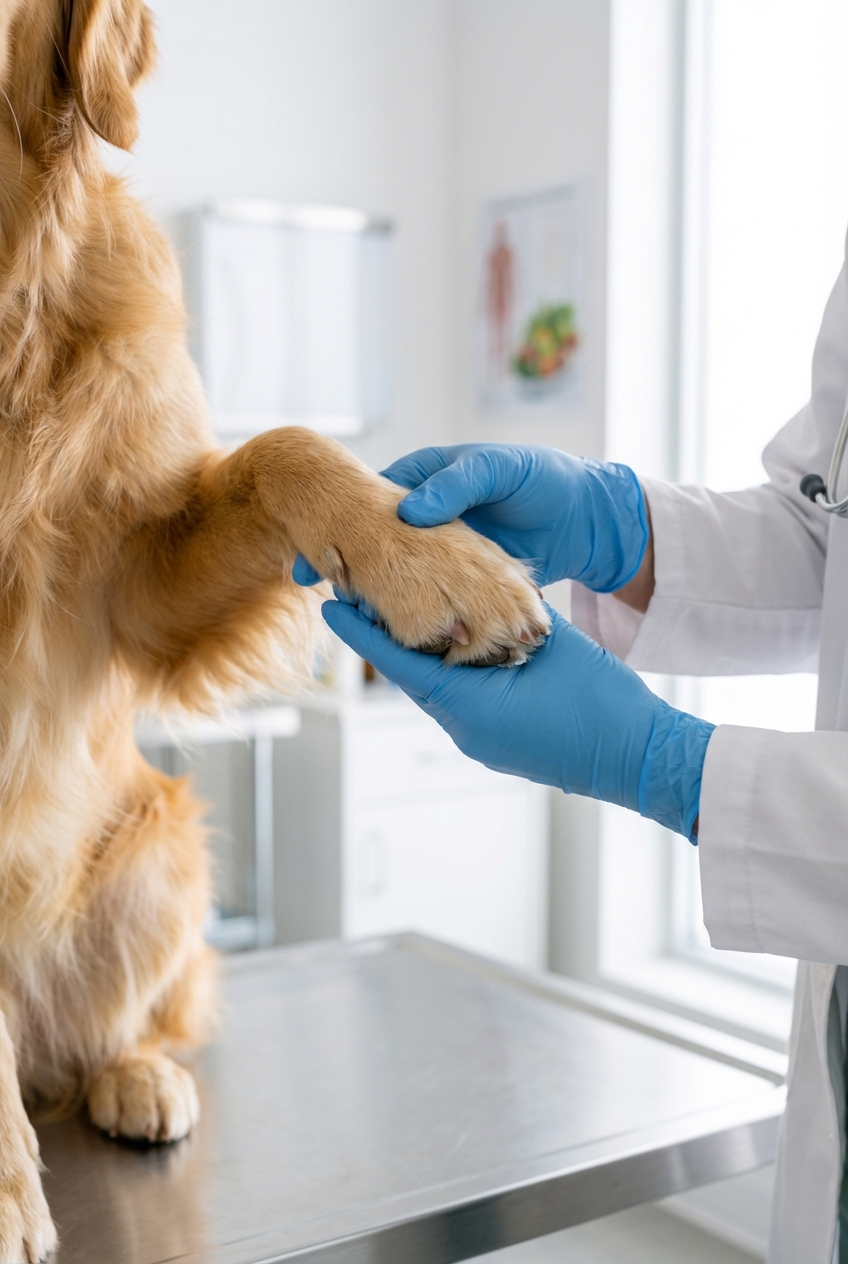
- Keep paws clean and dry: wipe after walks, dry thoroughly between toes, and consider a paw rinse after grass exposure.
- Dry ears after water play: ask your vet for a safe drying ear cleanser, especially for dogs who swim.
- Reduce moisture in skin folds: gently clean and fully dry wrinkles, armpits, and groin areas.
- Stop the itch-scratch cycle: use an e-collar if licking is constant, because broken skin invites secondary infection.
What to avoid
- Do not pour vinegar or peroxide into ears. The ear drum may be damaged, and these can burn inflamed tissue.
- Be cautious with essential oils. Many are irritating or toxic to pets when applied to skin or ingested.
- Do not assume it is “just yeast” if there is swelling, pus, bleeding, severe pain, or a strong change in odor or discharge.
Vet treatments you may see
Treatment depends on where the yeast is, whether bacteria are also involved, and how severe things are.
Skin yeast
- Medicated shampoos or mousse using antifungal or antifungal plus antiseptic ingredients (commonly miconazole with chlorhexidine, or ketoconazole based products), used on a schedule
- Topical wipes for paws and skin folds
- Oral antifungals for severe or widespread infections, with monitoring as advised by your veterinarian (often to watch liver enzymes and check for drug interactions)
Ear yeast
- Ear cleaning to remove debris so medication can contact the canal
- Prescription ear drops that may include antifungal plus anti-inflammatory medication, and sometimes antibiotics if bacteria are present
How long does treatment take?
Many dogs start to feel less itchy within 1 to 2 weeks, but full resolution can take longer, especially if the skin is thickened or the infection is widespread. Recheck visits are common for ear infections, because the ear canal needs to be rechecked and sometimes re-cytologied to confirm the yeast and bacteria are truly gone.
Many dogs also need allergy management to prevent recurrence, such as prescription diets (when indicated), immunotherapy, Apoquel, Cytopoint, or other vet guided options.
Nutrition and yeast
Food is not the only factor, but diet can support skin health and reduce inflammation for many dogs. This is not about “starving yeast.” It is about supporting the skin barrier and lowering irritation.
Focus on skin-supporting basics
- High-quality protein your dog tolerates well
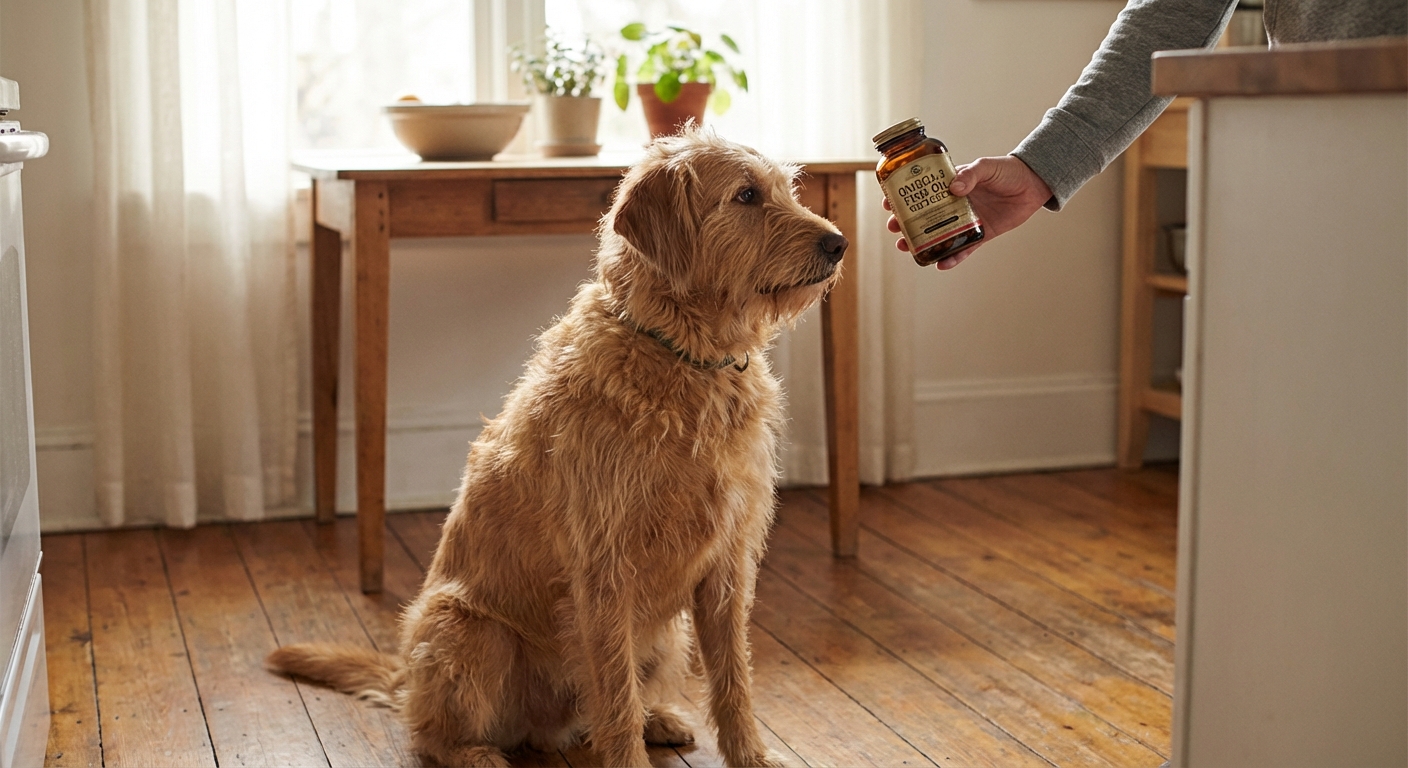
- Omega-3 fatty acids (EPA and DHA) from fish oil, under veterinary guidance for dosing
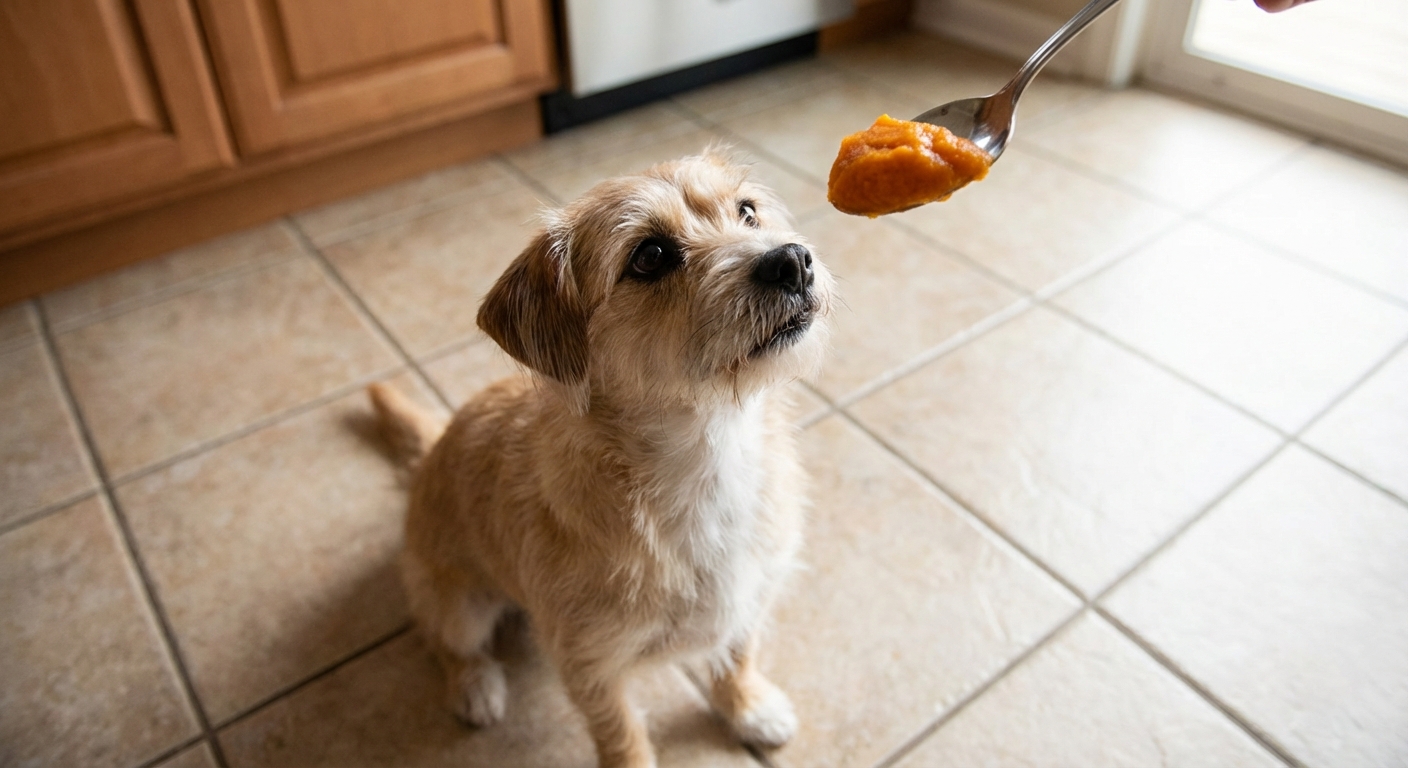
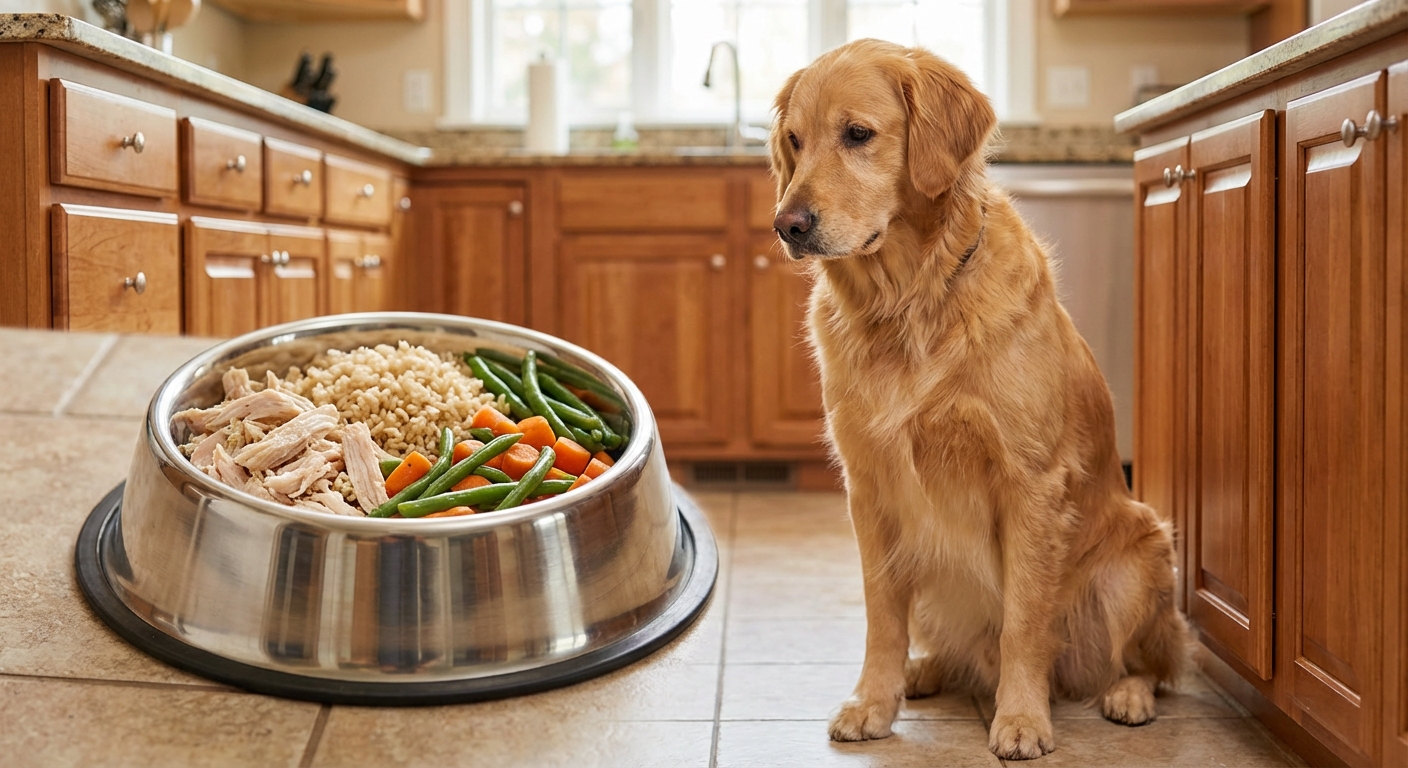
- Dog-safe fruits and veggies as appropriate for your dog, mainly as general nutrition support
- Consistent feeding plan so you can spot triggers
If you suspect food allergy
Talk to your veterinarian about a proper elimination diet trial. Randomly switching foods every few weeks makes it harder to identify what is truly helping.
If you are exploring homemade meals, go slow and make sure the recipe is nutritionally complete. Balance is essential.
When to call the vet quickly
Please get prompt veterinary care if you notice:
- Ear pain, head tilt, loss of balance, or crying when touched
- Open sores, bleeding, or rapidly spreading redness
- Foul odor with discharge that is yellow, green, or bloody
- Swelling of the face, hives, or sudden severe itching
- Yeast infections that return repeatedly (this needs a root cause plan)
Prevention for yeast-prone dogs
If your dog is a repeat yeast prone pup, you are not failing. They usually need a consistent routine and, very often, long-term allergy control.
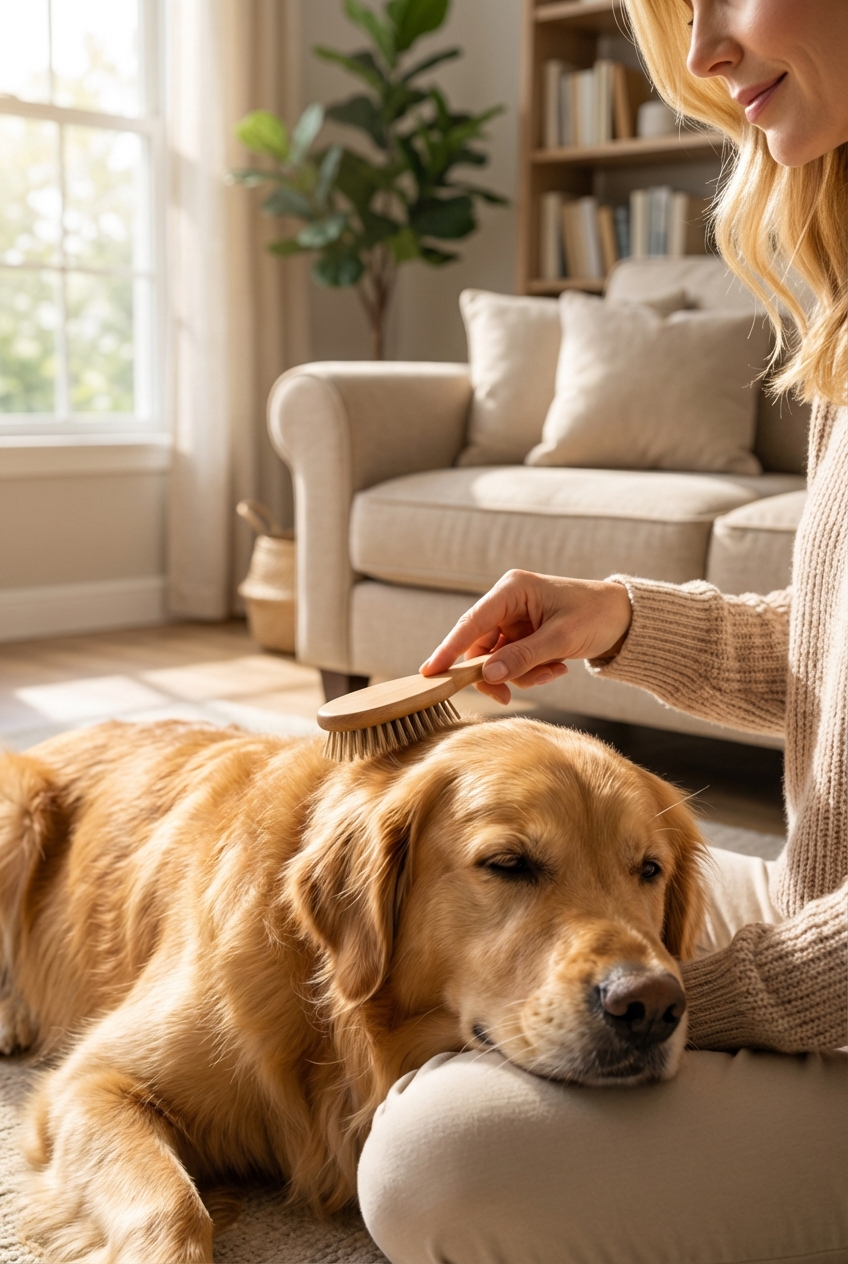
- Scheduled bathing with a vet recommended product, then fully dry the coat
- Paw care after walks, especially during high pollen seasons
- Regular ear maintenance if your dog has a history of ear issues
- Allergy control as a long-term strategy, not just when things flare
- Weight management because extra skin folds and inflammation can worsen infections
The bottom line: yeast is treatable, but prevention usually means treating the reason yeast keeps getting the upper hand.