
Xylitol Poisoning in Dogs: Symptoms, Hidden Products, and Emergency First Steps

Xylitol is one of the scariest toxins I talk about with dog owners, because it is common, it is fast-acting, and even small amounts can be dangerous. It is a sugar alcohol used as a sweetener in many “sugar-free” products. In dogs, it can trigger a rapid insulin release that drops blood sugar to life-threatening levels, and in some cases it can also cause acute liver injury.
If you even suspect your dog got into something with xylitol, treat it like an emergency. Do not wait for symptoms.
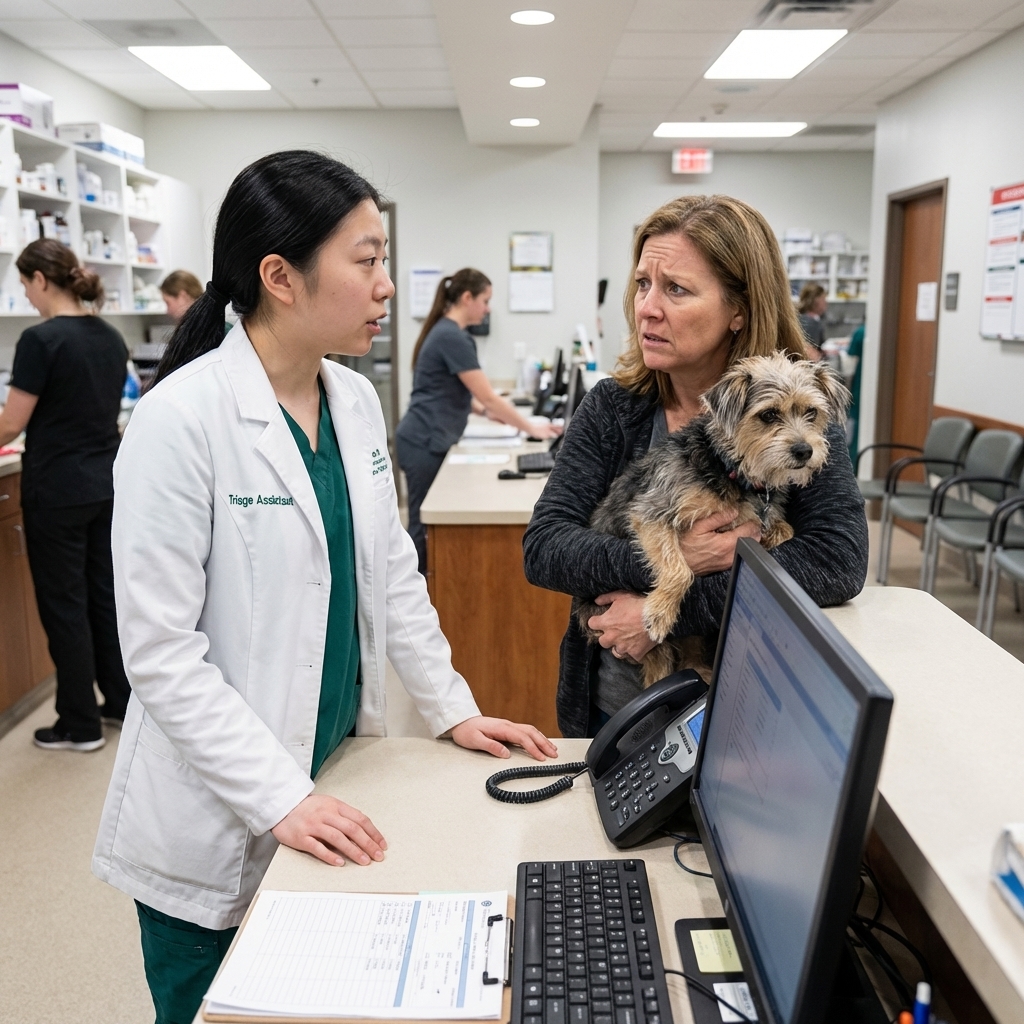
Why xylitol is such a big deal
In people, xylitol is generally safe. In dogs, it is different. Dogs can experience:
- Dangerously low blood sugar called hypoglycemia, which can happen quickly.
- Liver injury in some cases, which may develop later and is not predictable.
- Bleeding or clotting problems as a complication of severe liver injury.
The takeaway: a dog can look okay at first and then crash. That is why aggressive, early care matters.
Symptom timeline
Every dog and every exposure is a little different, but this timeline can help you understand why veterinarians move quickly with xylitol cases. Signs can start as soon as 15 to 30 minutes, or sometimes take a few hours depending on the product and the amount eaten.
Within 15 minutes to a few hours
- Vomiting
- Weakness or wobbliness
- Restlessness or unusual quietness
- Pale gums
- Shaking or tremors
Within 30 minutes to 6 hours
- More obvious hypoglycemia signs: disorientation, stumbling, glassy eyes
- Seizures
- Collapse
Within 6 to 24 hours (sometimes longer)
- Signs that can suggest liver involvement: decreased appetite, lethargy
- Vomiting that continues or returns
- Yellow tint to gums, whites of the eyes, or skin (jaundice)
- Dark urine
Within 24 to 72 hours (severe cases)
- Bruising or pinpoint red spots on skin or gums
- Bleeding (nosebleeds, blood in stool, bleeding gums)
- Worsening lethargy, weakness
Important: symptoms do not reliably tell you how serious the exposure is. A dog can have no symptoms early on and still need immediate treatment.
Hidden xylitol sources
Most people know about sugar-free gum. But xylitol shows up in a lot of everyday items. Always check the ingredient list for xylitol.
Also check for these names: xylitol is increasingly listed as birch sugar or birch bark extract on some labels. If you see those terms, treat it as xylitol and keep it away from dogs.

Pantry and food items
- Sugar-free candies and mints
- “No sugar added” or “keto” desserts and baking mixes
- Protein bars and snack bars
- Peanut butter or nut butters labeled sugar-free
- Drink mixes, flavored powders, and some electrolyte powders
- Syrups and sweeteners, including some “natural” sugar substitutes
- Ice cream or frozen treats marketed as low-sugar
Medications and supplements
- Chewable vitamins
- Melatonin gummies
- Chewable antacids or OTC chewables
- Prescription or compounded meds that are flavored
If a medication is chewable, flavored, or labeled “sugar-free,” it deserves an ingredient check.
Personal care and household products
- Toothpaste and mouthwash
- Breath strips and oral sprays
- Some nasal sprays or sinus rinses
- Moisturizers or skin products (less common, but possible)
A common household emergency I see is a dog finding toothpaste in a bag, a bathroom trash can, or a travel kit.

How much is dangerous?
This is the part people want a clear number for, but in real life it is not that simple. The xylitol amount can vary a lot between products, and some dogs are affected at lower doses than others.
My rule of thumb is simple: any possible xylitol exposure warrants an immediate call. Even if you think it was “just one piece” or you are not sure how much was eaten, call your vet, an ER, or a pet poison hotline right away.
What to do right now
If you think your dog ate xylitol, time matters. Here is what I recommend as a veterinary assistant and as someone who has seen how quickly these cases can change.
1) Call for help immediately
- Call your veterinarian or the nearest 24-hour ER vet.
- You can also call a pet poison hotline for guidance while you are on the way.
In the U.S. you can contact:
- ASPCA Animal Poison Control: 1-888-426-4435
- Pet Poison Helpline: 1-855-764-7661
Fees may apply, but they can be worth it because they help your ER team with case-specific dosing and monitoring advice.
If you are outside the U.S., contact your local emergency veterinarian or an animal poison center in your country. If you are unsure who to call, an emergency vet clinic can usually direct you quickly.
2) Do not “wait and see”
With xylitol, the danger is often before you see obvious symptoms. Waiting can reduce treatment options.
3) Do not give food or home remedies unless a professional tells you to
For some toxins, people reach for honey or syrup. With suspected xylitol, you need veterinary direction because your dog may need controlled dextrose support and monitoring, and some dogs also face liver risk.
4) Do not induce vomiting unless a vet tells you to
Inducing vomiting can be unsafe in certain situations, especially if your dog is already sleepy, weak, or at risk of seizures. A veterinarian will decide if vomiting is appropriate based on timing, product, dose, and your dog’s current condition.
5) Do not give activated charcoal unless directed
Activated charcoal is not a reliable fix for xylitol and may complicate care if given at the wrong time or to a dog that is not fully alert. Let your veterinary team decide what is appropriate.
6) Secure the product and keep your dog calm
- Remove access to any remaining gum, mints, toothpaste, or wrappers.
- Bring the packaging or a photo of the ingredient label if you can do it fast.
- Keep your dog warm and quiet in the car.
- If your dog is acting abnormal, have a second person watch them during transport if possible.
Why aggressive care matters
When we treat xylitol exposures early, we can often prevent the worst outcomes. In an ER setting, your veterinary team may:
- Check blood glucose immediately and repeat it often
- Start IV dextrose support if needed
- Run baseline bloodwork for liver values and monitor for changes
- Assess clotting risk if liver injury is suspected
- Give IV fluids and anti-nausea support
- Monitor for seizures and treat quickly if they occur
- Consider liver-protective medications when indicated
The goal is not just to “get through today.” It is to keep blood sugar stable and watch for delayed liver complications.
What to tell the ER vet
The fastest way to help your ER team help your dog is to bring clear details. If you can, take a photo of the ingredients label too.
- Product name and brand
- Ingredients list and xylitol amount if listed (many products do not list the exact amount)
- How much your dog may have eaten
- When it happened, as best as you can estimate
- Your dog’s weight
- Current symptoms, even if they seem mild
- Any medical conditions (especially diabetes, liver disease, seizure history)
- All medications and supplements your dog takes
Bring the packaging, chewed container, or wrappers in a sealed bag. Even partial information is useful.

Prevention tips
- Bathroom trash can with a lid: this is a big one for toothpaste and floss picks.
- Purse and backpack rule: keep bags off the floor and zipped. Gum and mints are frequent culprits.
- Check labels for xylitol and birch sugar: especially sugar-free and keto products.
- Check peanut butter labels: especially sugar-free and keto varieties.
- Use dog-safe toothpaste: never let dogs lick human toothpaste.
- Tell visitors: house guests may have gum or mints in pockets or luggage.
If your home includes kids or teens, I recommend a simple household rule: “Sugar-free stays up high.”
Bottom line
Xylitol poisoning is urgent, but it is also treatable when caught early. If you suspect exposure, call your vet or an ER right away, bring the packaging, and get on the road. Trust your instincts. You are not overreacting. You are protecting your dog.
Quick reminder: This article is educational and not a substitute for veterinary care. If your dog may have eaten xylitol, seek emergency help immediately.