Worms are common and treatable. Learn the vet-approved plan: fecal testing, targeted dewormers, repeat doses, treating other pets, flea control, cleanup, and...
Article
•
Designer Mixes
Worms in Dog Poop: Tapeworms vs Roundworms

Shari Shidate
Designer Mixes contributor
Seeing something that looks like a worm in your dog’s poop can be alarming. I get it. As a veterinary assistant, I have learned that staying calm and noting specifics helps your vet choose the right treatment faster.
Two intestinal worms pet parents commonly notice are tapeworms and roundworms . They can look very different, spread in different ways, and require different prevention strategies. Let’s walk through what to look for, what it means, and what to do next.
First: Is it really a worm?
Not everything stringy or rice-like in stool is a parasite. Common look-alikes include:
- Mucus from mild colitis or irritation
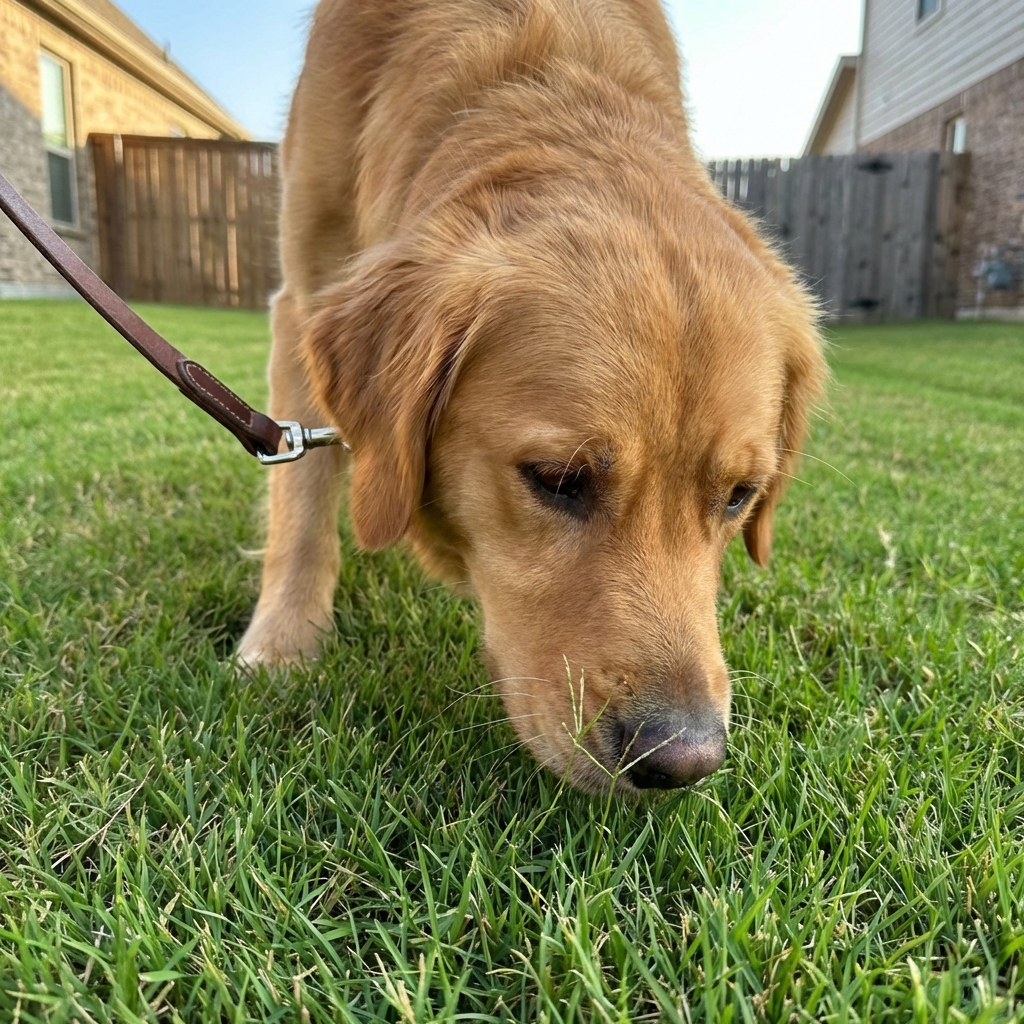
- Grass or plant fibers that pass through undigested
- Undigested food (especially in dogs who eat fast)
- String, hair, or foreign material which can be more urgent if your dog swallowed something
If you can, take a clear photo and bring a fresh stool sample to your vet. Even if the stool is loose, you can collect a small amount in a clean container. The goal is to identify what you are seeing so you do not waste time or use the wrong medication.
Also, keep in mind that many intestinal parasites are not visible in poop. Eggs are microscopic, which is why vets often use fecal testing (commonly fecal flotation, sometimes antigen testing) to confirm what is going on.
Tapeworms: What they look like
Tapeworms are often noticed because their segments show up in poop or around the rear end. Pet parents usually see these segments (called proglottids), not the whole worm.
Typical look
- Rice-like segments in the stool or stuck to fur around the anus
- Segments may look like tiny cucumber seeds
- Fresh segments can sometimes move; dried segments look like hard grains
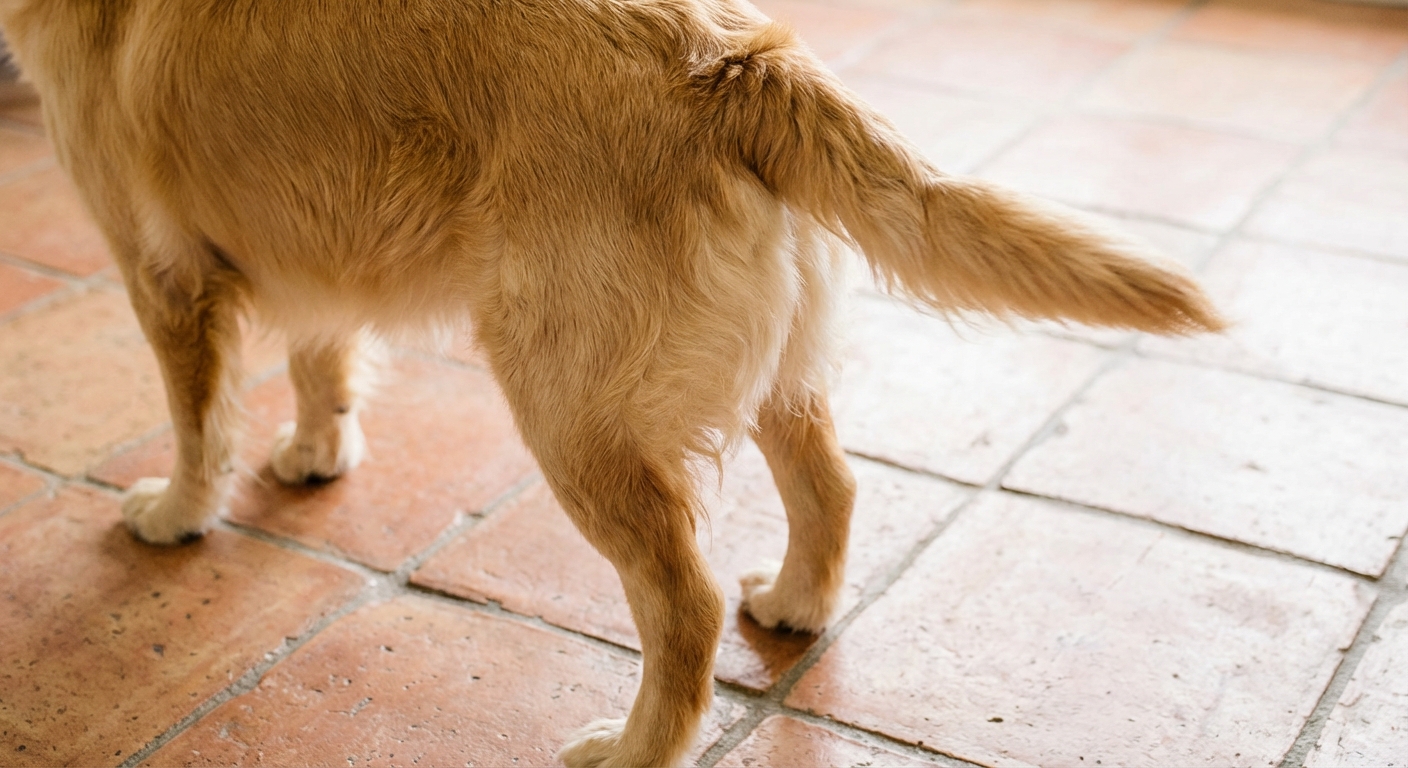
Many dogs with tapeworms still act totally normal. You may notice licking at the rear end or scooting , but scooting is not specific to tapeworms. Anal gland issues, allergies, and other irritation are common causes too.
Roundworms: What they look like
Roundworms are often longer and more “worm-like” than tapeworm segments. They live in the intestines and shed eggs that are too small to see, but sometimes adult worms are visible.
Typical look
- Long, spaghetti-like worms in the stool or vomit
- Usually pale white to light tan
- May be several inches long
Puppies are especially prone to roundworms, and heavy burdens can contribute to a pot-bellied look, poor growth, or digestive upset.
How dogs get them
Tapeworms
The most common tapeworm in dogs is Dipylidium caninum. Dogs usually get it from swallowing an infected flea while grooming or biting at itchy skin. Less commonly, dogs can pick up other tapeworm species from hunting or scavenging.
Key takeaway: Tapeworms are strongly connected to flea exposure , even if you do not see fleas.
Roundworms
Roundworms (often Toxocara canis) are commonly spread by:
- Ingesting eggs from contaminated soil or surfaces
- Eating infected prey (like rodents)
- From mom to puppies before birth or through nursing
Key takeaway: Roundworms are common in puppies and can be picked up from the environment. Routine deworming is standard for a reason.
Symptoms to watch for
Some dogs show no obvious signs. Others may have mild to more significant symptoms depending on worm load, age, and overall health.
Possible signs of tapeworms
- Rice-like segments near the anus or in stool
- Rear-end licking or scooting (not specific)
- Mild digestive upset (sometimes none)
Possible signs of roundworms
- Visible worms in stool or vomit
- Pot-bellied appearance (especially in puppies)
- Diarrhea or soft stool
- Weight loss or failure to gain weight
- Dull coat, low energy
If your dog seems weak, is vomiting repeatedly, has black tarry stool , has a swollen painful abdomen, or cannot keep water down, call your veterinarian promptly.
What to do next
Here is the most helpful, practical plan:
- Save a sample: Collect a fresh stool sample (or a visible worm or segment) in a sealed container or bag.
- Store it safely: If you cannot get to the clinic right away, refrigerate the sample and bring it within about 24 hours if possible. Avoid freezing unless your vet clinic specifically instructs you to.
- Take a photo: It helps your vet team, especially if the sample dries out.
- Call your veterinarian: Ask whether you should bring in a fecal sample for testing, schedule an exam, or both.
- Do not guess at medication: Over-the-counter dewormers are not one-size-fits-all. Tapeworm treatment is different from many roundworm protocols.
- Start flea control right away if tapeworm is suspected, using a vet-recommended product.
Also, pick up stools promptly in the yard. Parasite eggs can persist in the environment, and quick cleanup reduces re-exposure. Roundworm eggs in particular can remain viable for a long time in the right conditions.
Treatment basics
Your veterinarian will tailor treatment based on your dog’s age, weight, health history, and fecal test results.
Tapeworm treatment
Tapeworms are commonly treated with a medication containing praziquantel. Most importantly, tapeworm treatment is often incomplete without addressing the flea problem.
If fleas are not controlled, dogs can be reinfected quickly.
Roundworm treatment
Roundworms are often treated with dewormers such as pyrantel pamoate, fenbendazole, or other medications depending on the situation. Puppies typically need repeat deworming on a schedule because the life cycle of the parasite makes one-and-done treatment less reliable.
Your vet may recommend rechecking a fecal sample to confirm the infection has cleared.
Other parasites to keep on your radar
Tapeworms and roundworms get a lot of attention because they can be obvious. But other common parasites can cause diarrhea, weight loss, or anemia without you ever seeing a worm in the poop. Examples include hookworms, whipworms, and Giardia . This is another reason fecal testing matters.
Can humans catch these worms?
Some intestinal parasites are zoonotic, meaning they can affect people. Roundworms are a bigger concern in this area than the most common flea-associated tapeworm.
- Roundworms: Eggs in contaminated soil or on dirty hands can pose a risk, especially to children who play outside and may put hands in their mouth.
- Tapeworms: The common flea tapeworm is typically spread by ingesting an infected flea . People do not get Dipylidium directly from dog stool, which is another reason flea prevention is such a big deal.
Good hygiene goes a long way. Wash hands after picking up stool, keep kids away from pet waste, and maintain routine deworming and flea prevention.
Prevention that works
Prevention is where you win long-term. Most families do best with a few consistent habits:
- Year-round flea prevention recommended by your vet
- Regular fecal testing, often 1 to 2 times per year for adult dogs, and more often for puppies or high-exposure dogs
- Puppy deworming schedules as directed by your veterinarian
- Pick up poop daily in the yard to reduce environmental contamination
- Discourage hunting and scavenging when possible
If you have multiple pets, ask your vet if other animals in the home should be checked or treated too. Cats can share fleas with dogs, and flea control works best when every pet in the household is protected.
When to call urgently
Most intestinal worms are treatable and not an emergency, but please call promptly if you notice:
- Puppy with diarrhea, vomiting, bloated belly, or weakness
- Blood in stool, severe diarrhea, or dehydration
- Repeated vomiting, especially if worms are present
- Weight loss or a sudden drop in appetite
- Any concern your dog ate a foreign object that looks like a “worm” (string, thread, fabric)
Trust your gut. If your dog looks unwell, it is always appropriate to check in with your vet team.
Bring a stool sample and a photo if you can. Those two things alone often speed up diagnosis and treatment dramatically.