A vet assistant’s guide to foods that can poison dogs, including chocolate, grapes/raisins, xylitol, onions/garlic, alcohol, caffeine, and more—plus red ...
Article
•
Designer Mixes
Will Chocolate Hurt Dogs?

Shari Shidate
Designer Mixes contributor
As a veterinary assistant here in Frisco, Texas, I hear this question all the time, usually right after someone realizes a dog grabbed a brownie off the counter. The honest answer is: chocolate can absolutely hurt dogs, and in some cases it can be life-threatening. But not every exposure is an automatic emergency, so the goal is to stay calm, gather the right details, and act quickly.
This article is general education and is not a substitute for veterinary advice. When in doubt, call your vet or a pet poison hotline.
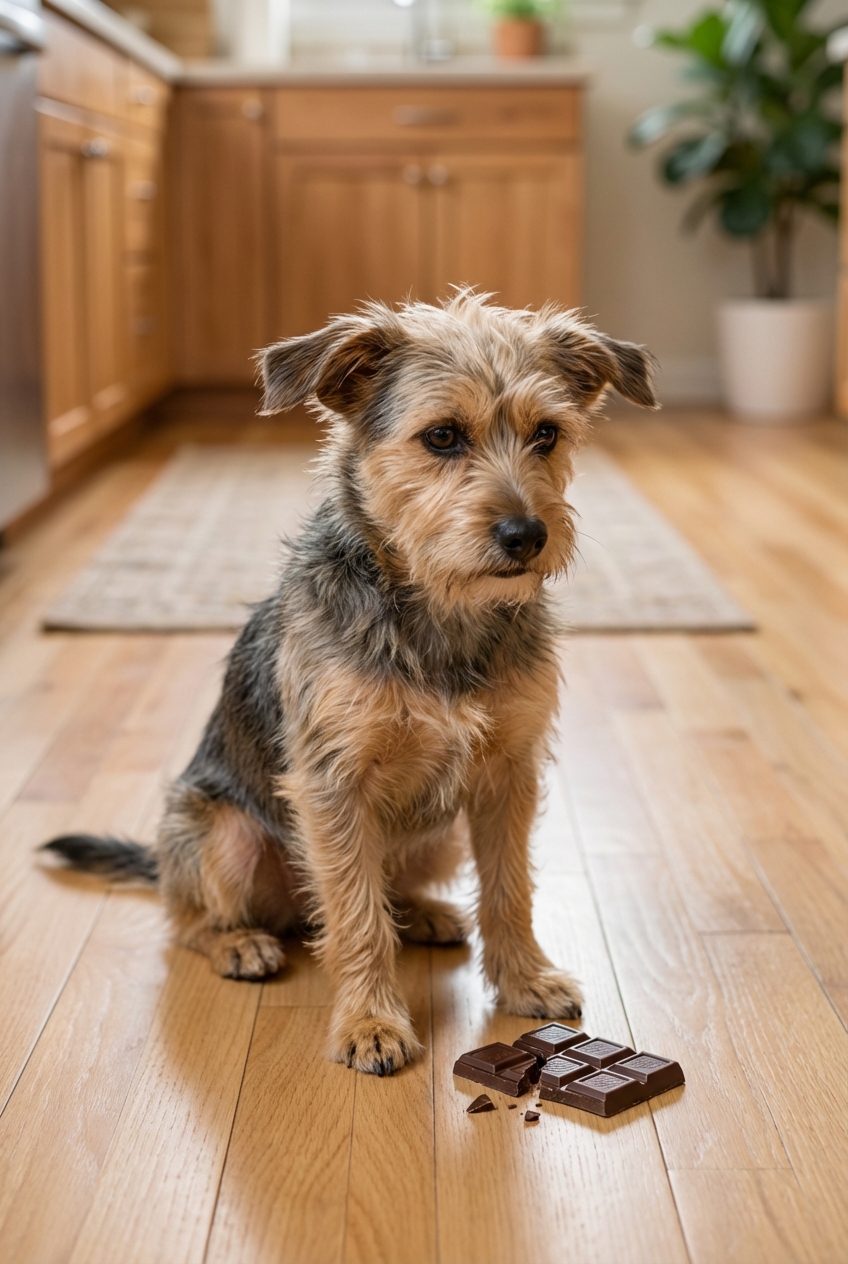
Why chocolate is dangerous for dogs
Chocolate contains two stimulant compounds that dogs metabolize much more slowly than people do:
- Theobromine
- Caffeine
These stimulants can overstimulate the heart and nervous system, upset the digestive tract, and in serious cases lead to abnormal heart rhythms, seizures, and collapse. The risk depends on the type of chocolate, the amount eaten, and your dog’s weight and health. Clinically, we are looking at a dose (often discussed as mg of theobromine per kg of body weight), which is why weight and chocolate type matter so much.
Which chocolate is most dangerous?
Not all chocolate is equal. In general, the darker and more concentrated it is, the higher the theobromine content.
- Most dangerous: baking chocolate, unsweetened chocolate, cocoa powder
- High risk: dark chocolate, gourmet bars
- Lower risk (but still a problem): milk chocolate
- Usually least risky: white chocolate (very low theobromine), but still not “safe” because it is high in fat and sugar and may cause stomach upset and, in some dogs, can contribute to pancreatitis risk
Extra caution: Chocolate desserts can contain other toxic ingredients like xylitol (a sugar alcohol), raisins, macadamia nuts, or alcohol. Those change the situation fast.
Another sneaky source: cocoa mulch (landscaping mulch) can also contain theobromine and cause chocolate-type toxicity if eaten.

Common symptoms
Signs usually appear within 6 to 12 hours, but can start sooner. In some cases, symptoms can be delayed and show up later (sometimes up to 24 hours), especially depending on the dose and what else was in the food. Watch for:
- Vomiting
- Diarrhea
- Restlessness, pacing, panting
- Increased thirst and urination
- Fast heart rate
- Abnormal heart rhythm
- Tremors
- Seizures
- Weakness or collapse
If your dog is showing tremors, seizures, severe lethargy, or collapse, treat it as an emergency and go in immediately.
What to do right now
Step 1: Get the details
The most helpful things you can collect (before calling) are:
- Your dog’s weight
- What type of chocolate it was (milk, dark, cocoa powder, brownie, etc.)
- How much was eaten (best estimate)
- When it happened (best estimate)
- Any symptoms you are seeing right now
If you can, keep the wrapper or take a quick photo of the nutrition label and ingredients list. It helps the veterinary team assess risk.
Also check: Did your dog swallow any wrappers, foil, or a plastic bag? Those can cause choking or a gastrointestinal obstruction, even if the chocolate amount was small.
Step 2: Call a professional
Call your veterinarian, an urgent care clinic, or a pet poison hotline. They can estimate risk based on the dose (often discussed as mg/kg) and your dog’s size. This is especially important if your dog is small, senior, has heart disease, or ate dark or baking chocolate.
- ASPCA Animal Poison Control Center: 1-888-426-4435 (consult fee may apply)
- Pet Poison Helpline: 1-855-764-7661 (consult fee may apply)
If you are feeling unsure, a simple rule I use in clinic is: small dog + dark chocolate (or baking cocoa) + unknown amount = call immediately.
Step 3: Do not try home remedies
Please avoid making your dog vomit unless a veterinarian specifically tells you to. Some situations make vomiting unsafe, and timing matters.
Quick “do not” list:
- Do not wait for symptoms to start if you know a significant amount was eaten.
- Do not give hydrogen peroxide, salt, or other at-home “vomit tricks” unless your vet instructs you on the exact dose and timing.
- Do not rely only on online calculators. They can be helpful, but products vary and your vet can factor in your dog’s health and what else was in the food.
What treatment may look like
What we do depends on how much was eaten, the chocolate type, and how your dog looks in the exam room. Common treatments include:
- Inducing vomiting (when appropriate and within a safe time window)
- Activated charcoal to reduce absorption of theobromine
- IV fluids to support circulation and help the body clear toxins
- Heart monitoring and medications if rhythm issues occur
- Medications for tremors or seizures if needed
The good news is that with quick action, many dogs recover fully.

Prevention that works
Chocolate emergencies often happen during holidays, parties, and baking days. A few simple habits help a lot:
- Store chocolate up high or in a closed pantry, not on counters
- Use containers with lids for brownies, cookies, and candy bowls
- Teach “leave it” and reward heavily for ignoring dropped food
- Warn guests and kids not to share sweets
- Secure the trash: many dogs get chocolate from the trash, not the countertop
If you want a sweet treat your dog can enjoy, keep dog-safe options on hand like frozen banana slices or a small spoonful of plain yogurt (if dairy agrees with your pup).
When it is an emergency
Go to an emergency vet now if:
- Your dog ate baking chocolate, cocoa powder, or a large amount of dark chocolate
- Your dog is small and ate more than a quick taste or lick
- You notice tremors, seizures, collapse, or severe agitation
- The chocolate product may contain xylitol or raisins
- Your dog may have swallowed wrappers, foil, or packaging
One last encouraging note: you are not “a bad dog parent” if this happened. Dogs are fast and curious. What matters most is getting accurate help quickly and preventing a repeat.