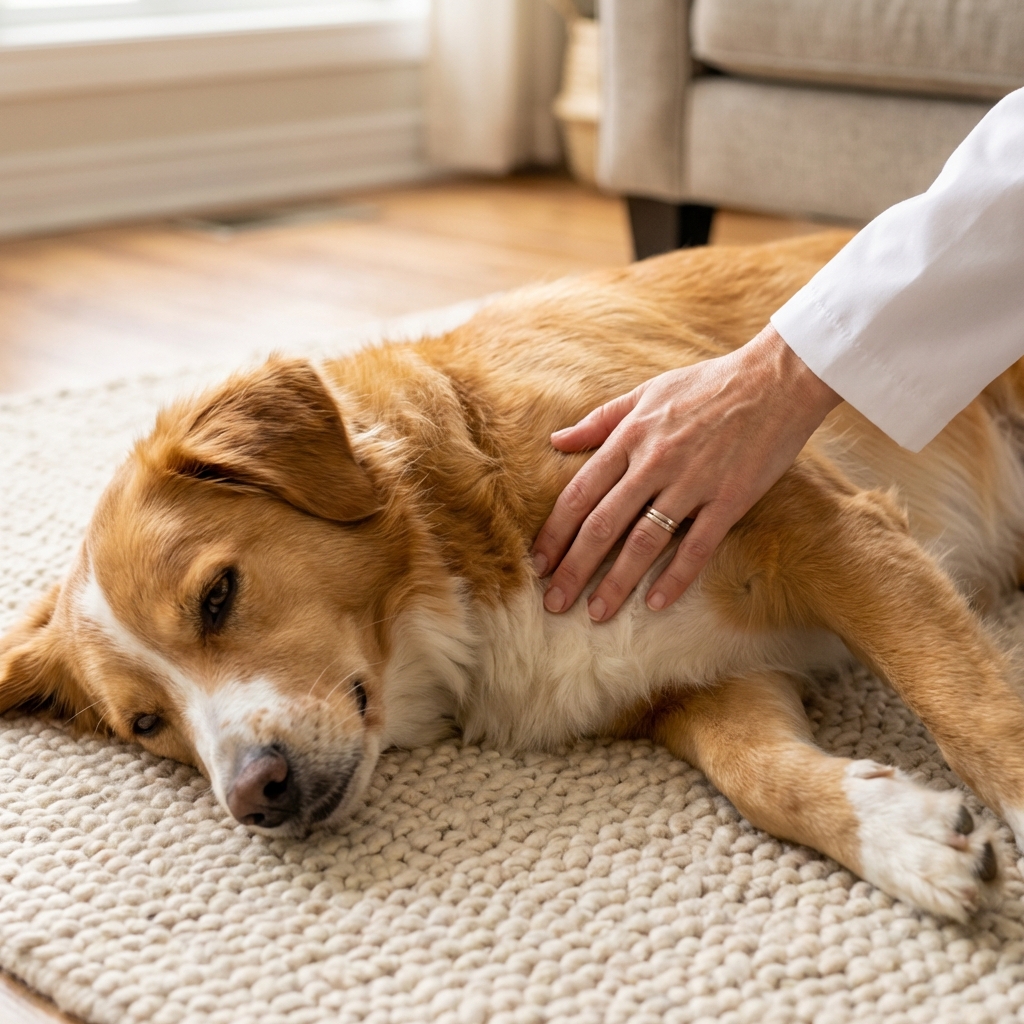
Hear your dog’s belly gurgling or rumbling? Learn what borborygmi means, when to monitor vs call the vet, and safe home tips like smaller meals, slow feede...
Article
•
Designer Mixes
Why Your Dog’s Stomach Gurgles

Shari Shidate
Designer Mixes contributor
As a veterinary assistant here in Frisco, Texas, I get this question a lot: “Why is my dog’s stomach making those loud gurgling sounds?” The medical term is borborygmi, and in many cases it is completely normal. But sometimes it is your dog’s way of saying, “Hey, something isn’t right in here.”
Quick note from my lane: this is not a diagnosis, just practical guidance on when to monitor at home versus when to call your vet.
Let’s walk through the most common reasons, what you can safely do at home, and the red flags that mean it’s time to call your vet.
What the gurgling means
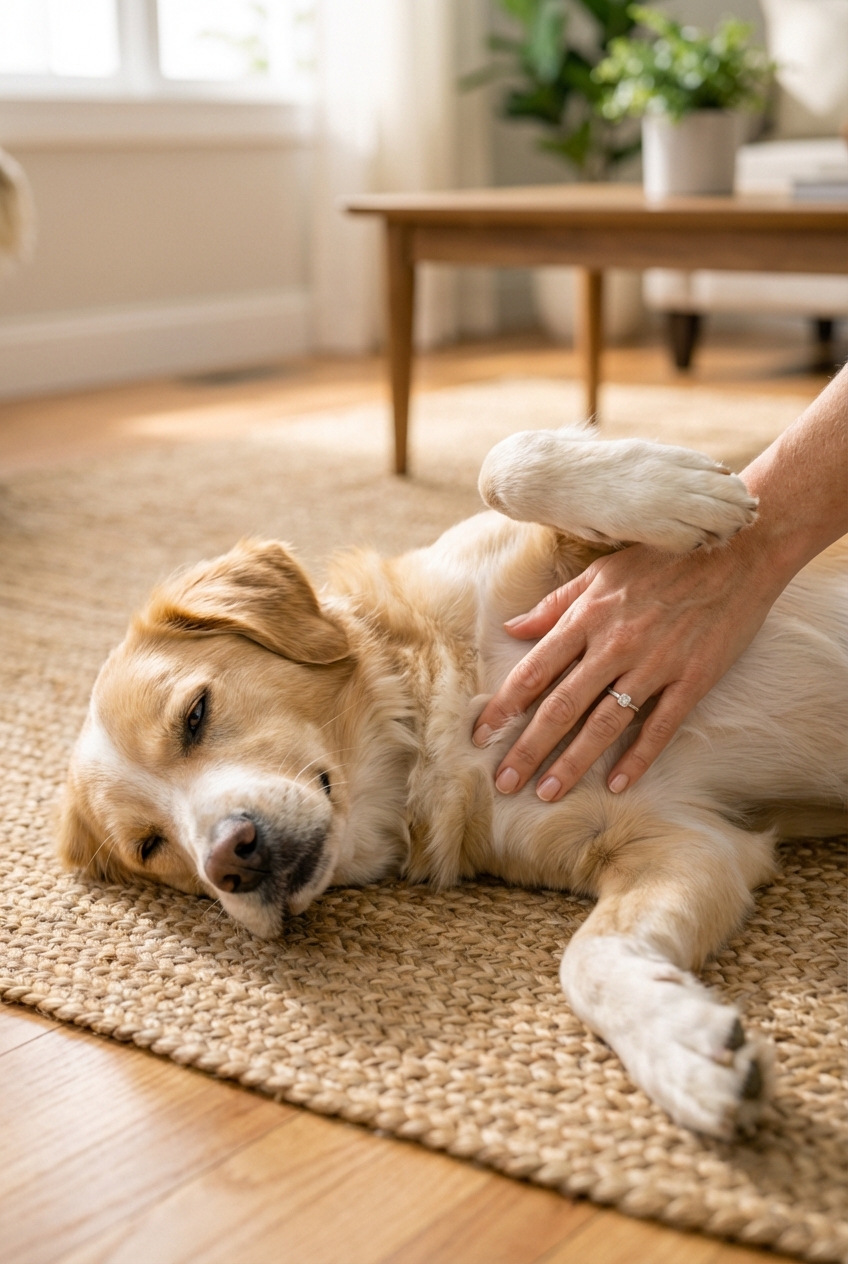
Those sounds usually come from gas and fluid moving through the stomach and intestines. A little rumbling can be a sign of normal digestion, especially after eating, drinking, exercising, or when your dog is excited or stressed.
It becomes more concerning when it is new, louder than usual, frequent, or paired with symptoms like vomiting, diarrhea, lethargy, belly pain, or loss of appetite.
Common reasons
1) Hunger and an empty stomach
If your dog’s belly growls in the morning or right before meals, it may simply be hunger. The stomach and intestines still contract even when they are empty, and that can create louder sounds.
- Typical clue: rumbling with normal energy and normal stool, then it improves after eating.
2) Eating too fast or swallowing air
Fast eaters can swallow extra air (aerophagia), leading to gas and intestinal noises.
- Typical clue: rumbling soon after meals, burping, or increased passing gas.
3) Mild digestive upset
Dogs get “off days” just like we do. A new treat, a rich chew, table scraps, or raiding the trash can all irritate the gut and change how food moves through.
- Typical clue: gurgling plus soft stool, a one-time vomit, or decreased appetite that resolves within 24 hours.
4) Diet change done too quickly
A sudden switch in food can disrupt the gut microbiome and cause extra fermentation, gas, and abnormal motility.
- Typical clue: gurgling and loose stool starting within a day or two of a food change.
5) Food intolerance or sensitivity
Some dogs react to specific proteins, dairy, high-fat foods, or certain ingredients. Sensitivities can show up as chronic rumbling, gas, and intermittent diarrhea.
- Typical clue: recurring episodes, itchy skin, frequent ear issues, or inconsistent stools.
6) Intestinal parasites
Giardia and intestinal worms can cause gas, gurgling, diarrhea, and weight changes. Puppies and dogs who visit dog parks or daycare are at higher risk.
- Typical clue: soft stool, mucousy stool, “cow-patty” diarrhea, or weight loss.
7) Stress and anxiety
The gut and brain are connected. Stress can increase gut movement and change digestion, leading to gurgling, loose stool, or decreased appetite.
- Typical clue: symptoms around travel, storms, visitors, boarding, or schedule changes.
8) Chronic GI issues
When rumbling becomes frequent and comes with chronic vomiting, diarrhea, or weight loss, your vet may consider conditions like IBD, chronic pancreatitis, or other malabsorption issues.
- Typical clue: symptoms last weeks to months, not just a day.
9) Foreign body or blockage (urgent)
If a dog eats part of a toy, sock, corn cob, or bones, the intestines may partially or fully block. Some dogs may have louder intestinal sounds early on, but others can have quieter sounds. The bigger clue is how your dog is acting and whether they can keep food and water down.
- Typical clue: repeated vomiting, inability to keep food or water down, belly pain, lethargy, hunched posture, or no stool.
When it is an emergency
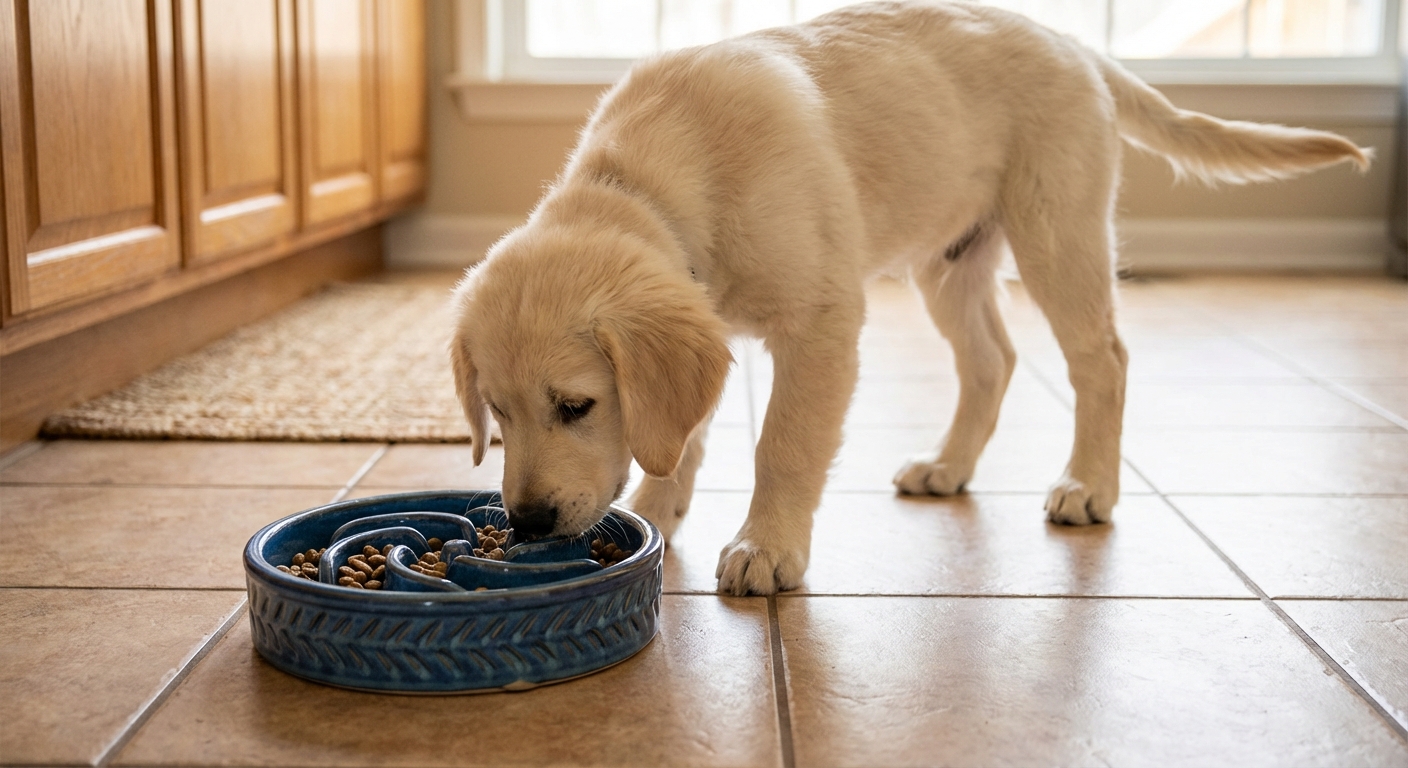
Most mild stomach rumbling is not an emergency. This next section is the “do not wait” list.
Please call your veterinarian or an emergency clinic right away if gurgling is paired with any of the following:
- Repeated vomiting or vomiting that won’t stop
- Bloated, tight abdomen or unproductive retching (trying to vomit but nothing comes up)
- Restlessness, pacing, drooling, or rapid deterioration
- Severe lethargy, weakness, collapse, or pale gums
- Bloody diarrhea or black, tarry stool
- Obvious abdominal pain (crying, guarding the belly, hunched posture)
- Refusing water or signs of dehydration (sticky or dry gums, sunken eyes, very low urine output)
- Refusing food for more than 24 hours (or much sooner for puppies, seniors, and very small dogs)
- No stool or straining without producing stool
Deep-chested breeds (like Great Danes, Weimaraners, Standard Poodles) have a higher risk for bloat and GDV, which is a true emergency. Hallmark signs include a rapidly enlarging belly, repeated retching with little or no vomit, obvious distress, and fast decline. If you suspect it, go now.
What you can do at home
Step 1: Check the whole dog
Before you change anything, do a quick at-home assessment:
- Is your dog bright, alert, and acting normal?
- Any vomiting or diarrhea?
- Is your dog eating and drinking?
- Is the belly soft and comfortable when touched?
- Are stools normal in color and frequency?
- Are the gums moist and are they peeing normally?
If the only symptom is mild rumbling and your dog otherwise seems fine, you can usually start with supportive care. If your dog is a puppy, senior, toy breed, or has chronic health issues, I recommend calling sooner because they can go downhill faster.
Step 2: Simple meals for 24 to 48 hours
For mild tummy upset, many vets recommend a bland diet temporarily. Common options include:
- Boiled skinless chicken breast and plain white rice
- Lean ground turkey and rice
- Plain pumpkin (not pie filling) in small amounts for fiber
Feed small meals instead of one or two large ones.
Important caveat: a bland diet is not ideal for every dog. If your dog has a history of pancreatitis, diabetes, food allergies, is on a prescription diet, or has a chronic GI condition, check with your veterinarian before switching foods.
Step 3: Slow down fast eating
- Use a slow feeder bowl
- Try a snuffle mat or food puzzle
- Split meals into 3 to 4 smaller portions
Step 4: Pause rich treats and chews
High-fat treats, rich chews, and lots of new goodies at once can trigger gurgling and diarrhea. Keep treats simple while you are troubleshooting.
Step 5: Probiotics can help
Probiotics can support a healthy gut microbiome during mild digestive upset. Ask your veterinarian which option fits your dog’s age, size, and health history. If your dog is immunocompromised, very young, or feeling very ill, do not self-prescribe supplements.
Step 6: Avoid human OTC meds
Unless your veterinarian specifically tells you to, do not give human over-the-counter stomach meds (like Pepto-Bismol, Imodium, or gas medications). They can be unsafe for some dogs, can mask symptoms, and can complicate certain conditions.
When to call even if it seems mild
- Rumbling lasts more than 48 hours
- Diarrhea lasts more than 24 hours or is frequent and watery
- Vomiting happens more than once, or your dog cannot keep water down
- You suspect dehydration or your dog seems “off”
How to prevent it
Transition foods slowly
If you are changing foods, go slow to protect the gut. A common approach is:
- Days 1 to 3: 25% new, 75% old
- Days 4 to 6: 50% new, 50% old
- Days 7 to 9: 75% new, 25% old
- Days 10 to 14: 100% new
Keep a simple food and symptom log
If the rumbling keeps popping up, write down:
- What your dog ate (including treats)
- When the sounds happened
- Stool quality and frequency
- Any vomiting, itching, or ear inflammation
This helps your veterinarian spot patterns much faster.
Parasite prevention and stool checks
Routine fecal testing is often recommended to help catch parasites like Giardia, especially for dogs who go to parks, daycare, grooming, or boarding. Higher-risk dogs may need more frequent testing based on your clinic’s advice and what is common in your area.
What your vet may check
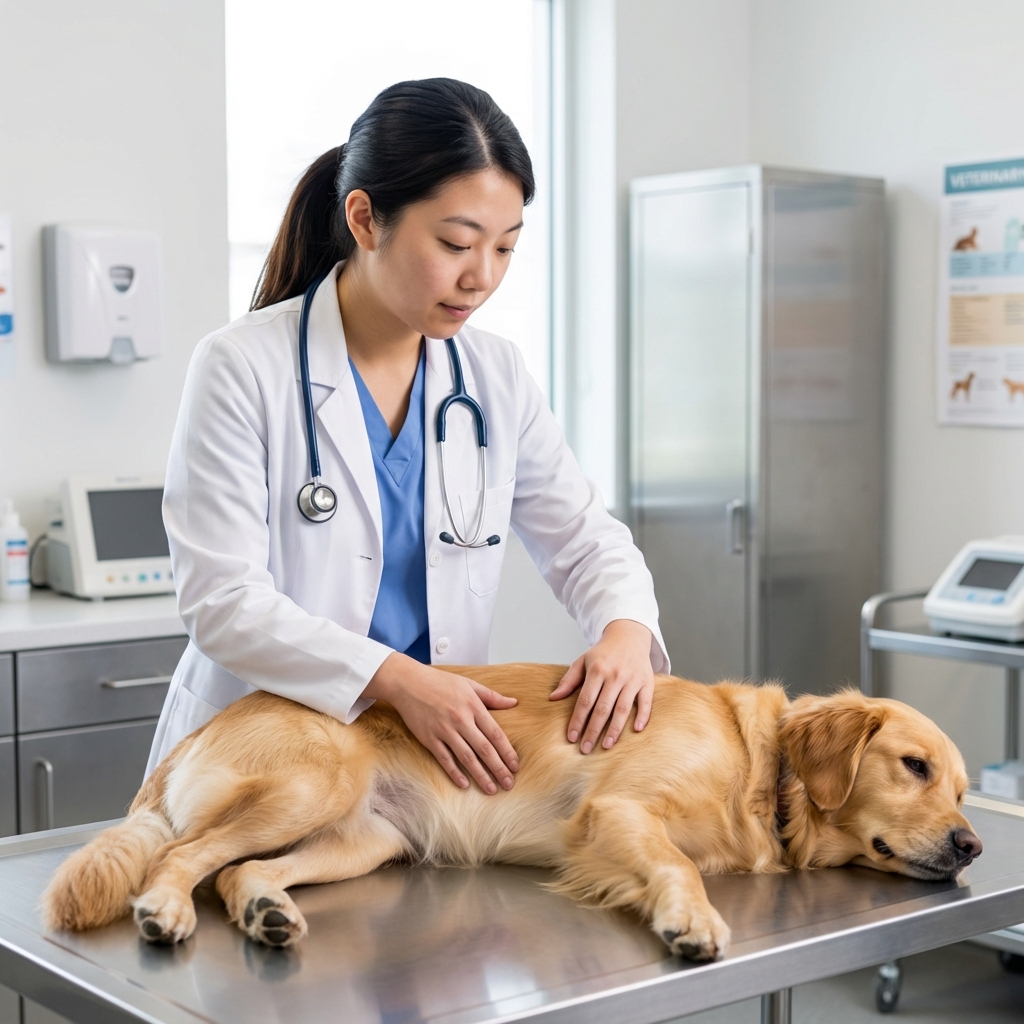
If stomach rumbling is frequent or comes with other symptoms, your veterinarian may recommend:
- Fecal testing for parasites and Giardia
- Bloodwork to assess hydration, inflammation, organ function, and pancreatitis markers
- Diet trial with a veterinary therapeutic food or limited ingredient plan
- X-rays or ultrasound if a foreign body, obstruction, or chronic GI disease is suspected
Most importantly, you do not have to guess. Recurrent rumbling is worth a conversation, even if your dog seems mostly fine.
Bottom line
Occasional stomach gurgling is usually normal, especially around mealtimes. But intestinal noises plus vomiting, diarrhea, pain, bloating, lethargy, dehydration, or appetite changes deserves quick attention.
If you are unsure, trust your instincts. You know your dog’s “normal” better than anyone, and it is always okay to call your veterinary team and ask, “Should I bring them in?”