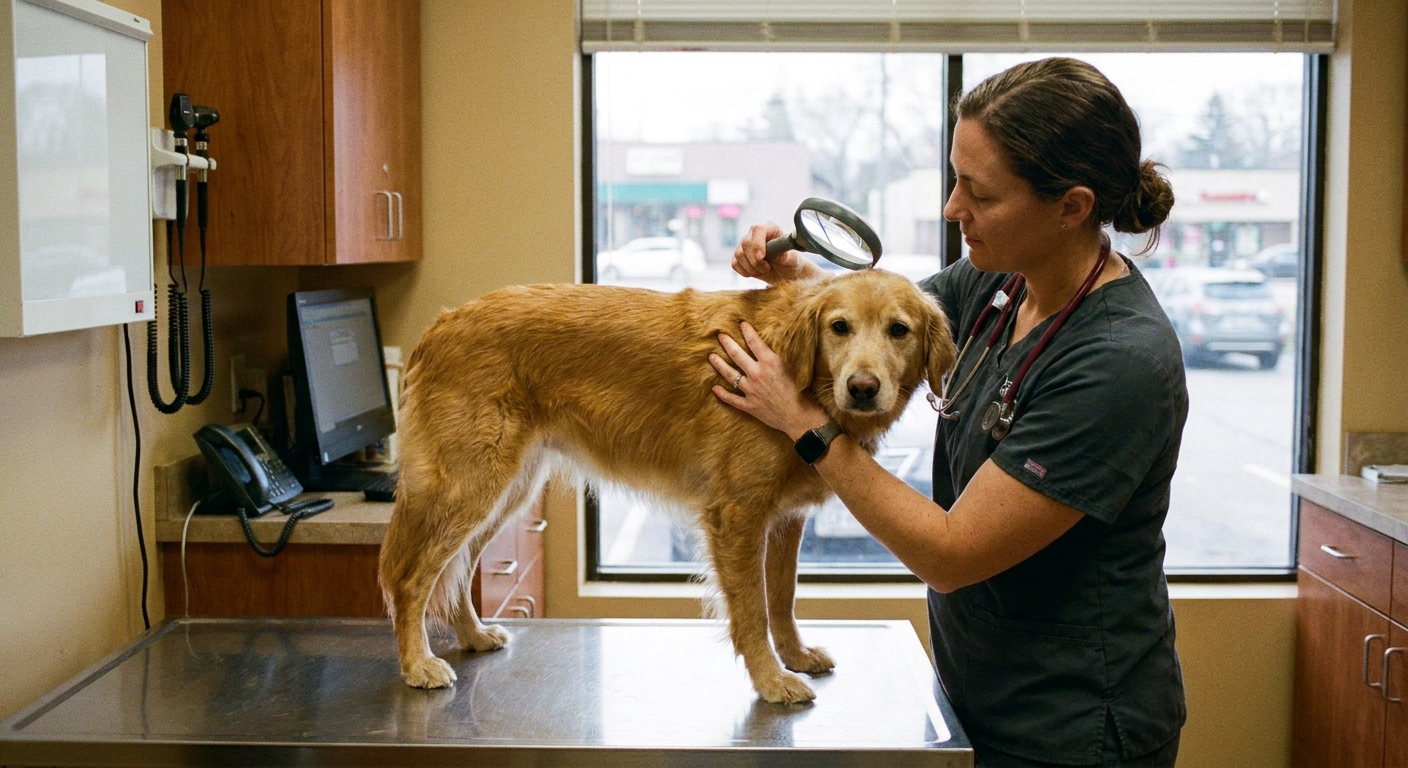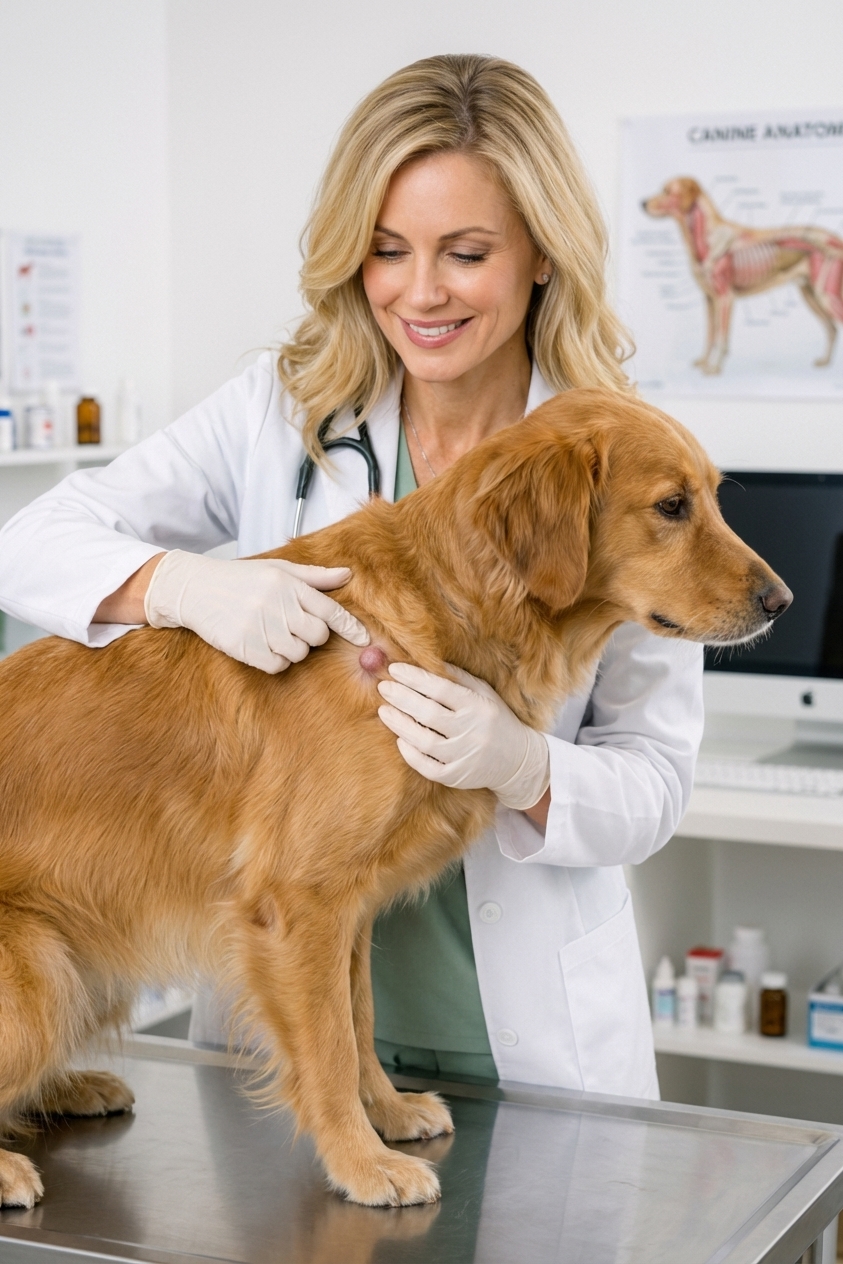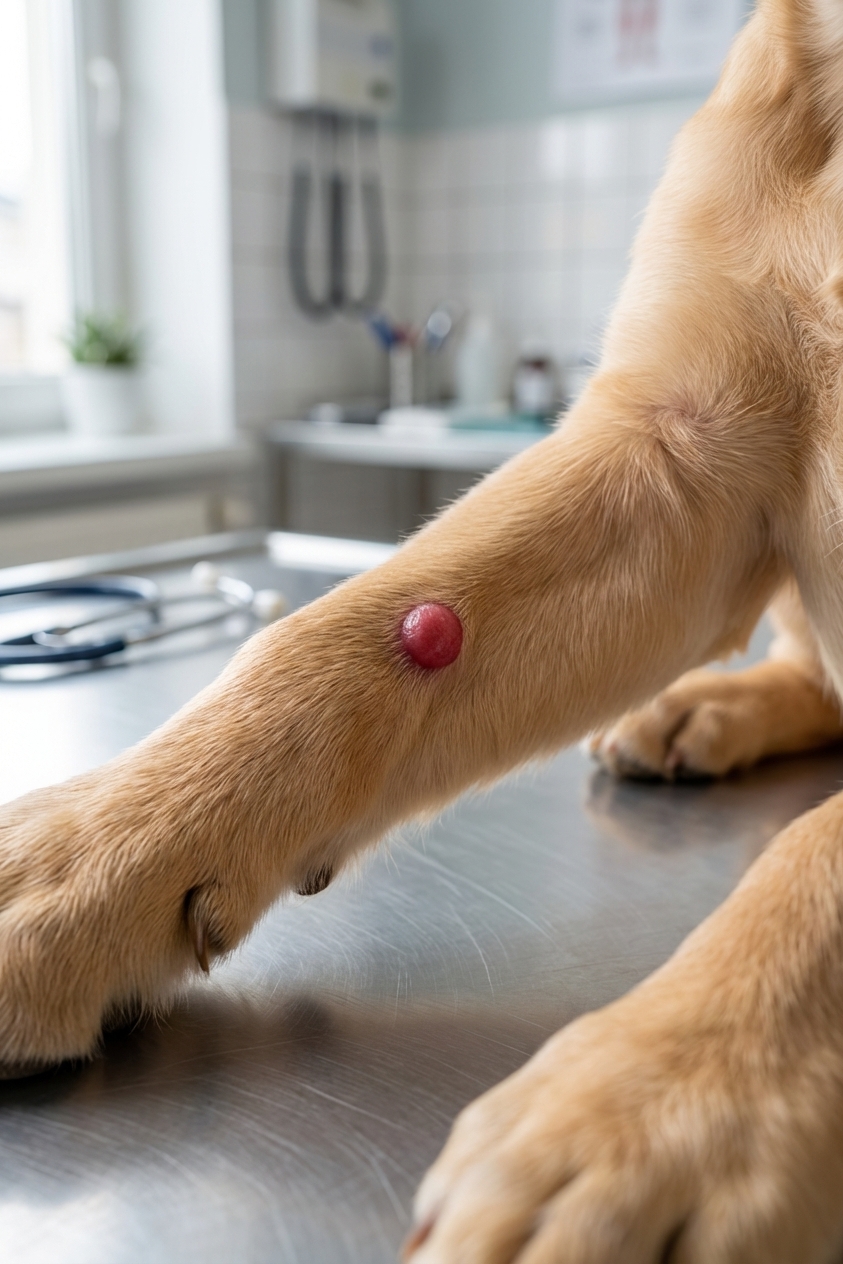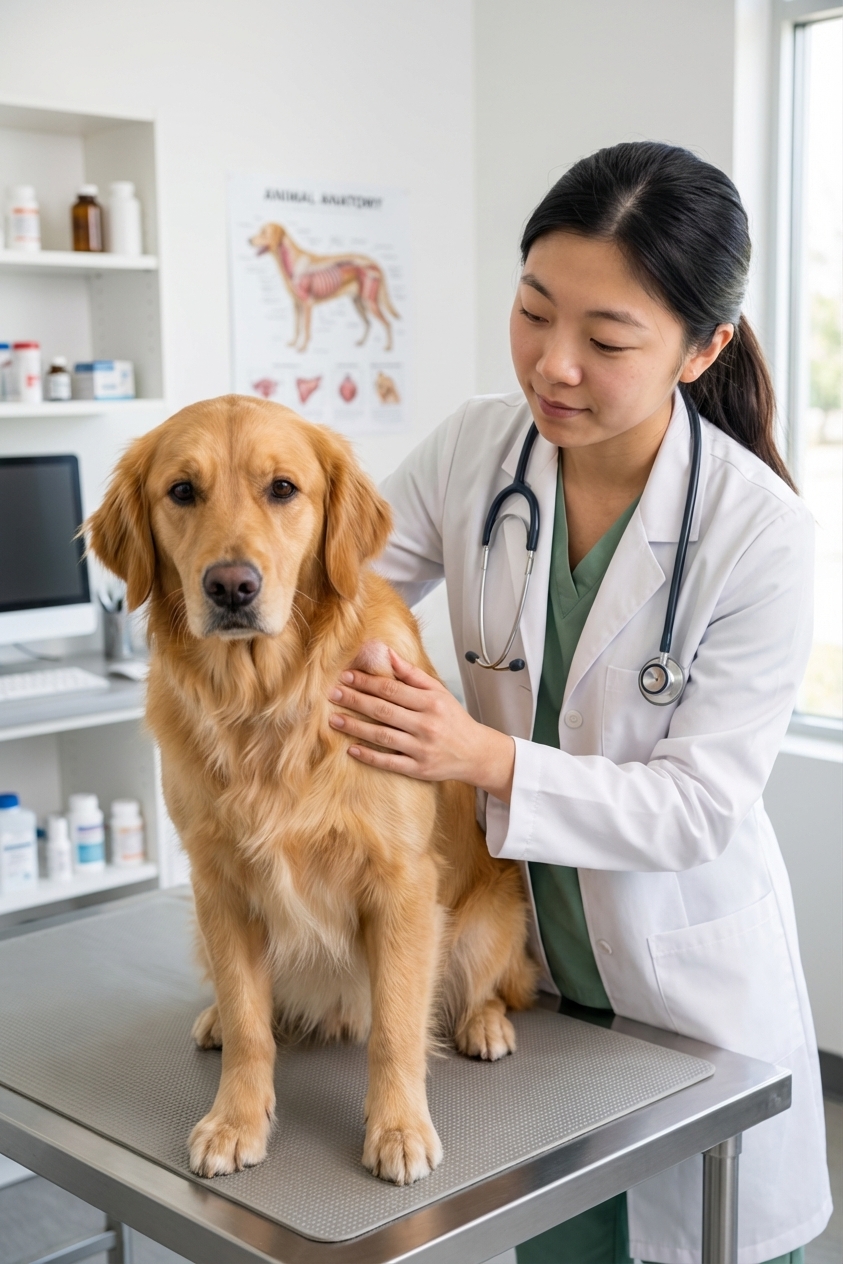
I have had more than one worried pet parent tell me, “I barely touched it and the lump got bigger.” If that happens to your dog, please do not feel silly or guilty. Some lumps react dramatically to even gentle handling, and that reaction can actually be an important clue for your veterinarian.
The most well-known reason a lump suddenly swells, looks very red, or seems to create hives after you squeeze or rub it is something called mast cell degranulation. You do not need to diagnose this at home, but it helps to understand why your vet may take it seriously and why I recommend you stop repeatedly checking the lump with your fingers.
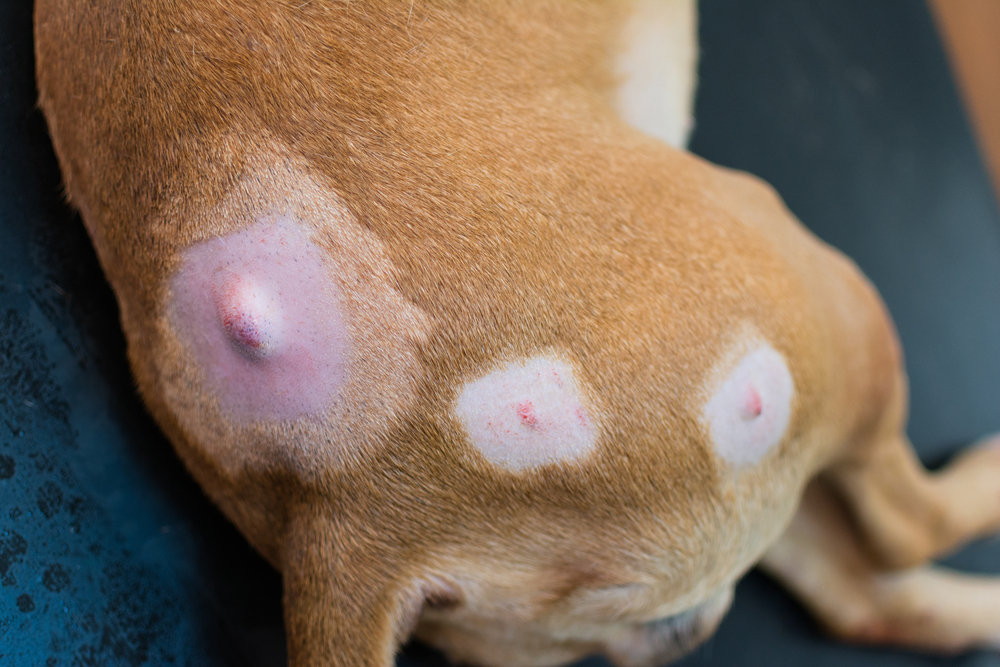
What it can mean if a lump swells after touch
When a lump swells right after it is handled, one possibility is that the lump contains mast cells that release inflammatory chemicals when irritated. Mast cells are part of the immune system. They normally help with allergic responses and inflammation.
When mast cells get “triggered,” they can release substances like histamine and other inflammatory mediators. This chemical release is called degranulation.
In plain language: the lump gets poked, the cells dump chemicals, and the area can suddenly look worse.
Mast cell degranulation and sudden swelling
Mast cell tumors (often shortened to MCTs) are among the most common malignant skin tumors in dogs. One classic feature is that they can be “changeable.” They may look bigger one day and smaller the next, or swell up after being touched.
After rubbing, squeezing, or even a dog scratching at it, you might notice:
- Sudden swelling of the lump or the tissue around it
- Redness or warmth
- Hives or raised bumps nearby
- Itchiness, licking, or pawing at the spot
Some lumps also look bruised or may ooze if the surface gets irritated or ulcerated (from licking, rubbing on carpet, or trauma). Those changes are not specific to mast cell tumors, but they are still worth mentioning to your veterinarian.
This is one reason mast cell tumors can be confusing for families. They can mimic an insect bite, an allergic welt, a cyst, or an infection.
The “touch it and it blows up” pattern is a red flag worth mentioning to your veterinarian.
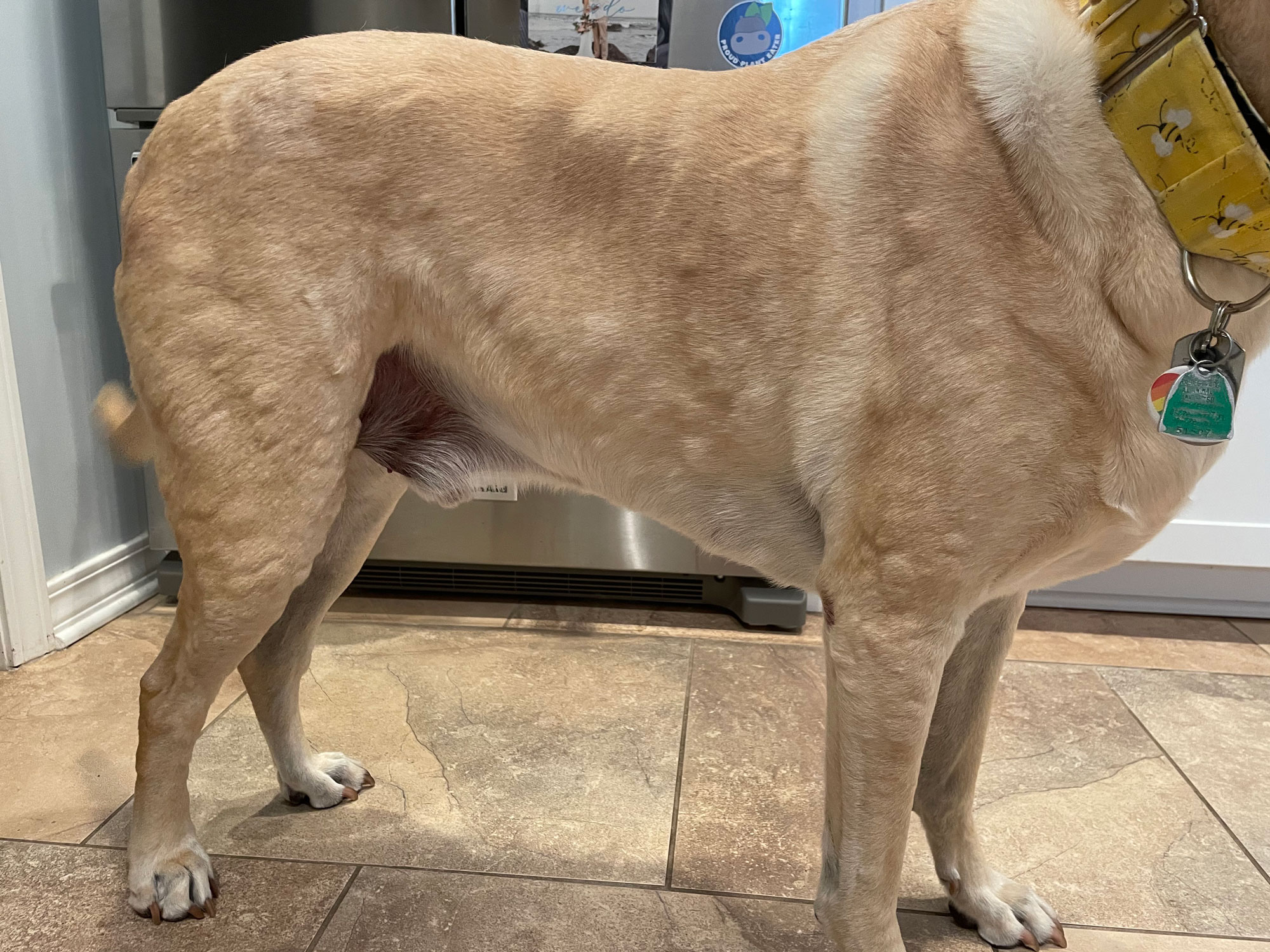
Why the reaction matters to your vet
Not every lump that swells after touch is a mast cell tumor. Inflammation, local bleeding under the skin, infection, or trauma can also cause a temporary increase in size.
For example, I also think about:
- An inflamed cyst or follicle, which may feel tender, warm, and sometimes drain
- An abscess or infected bite wound, which often becomes painful, hot, and rapidly swollen
- Bleeding into or around a lump (a small hematoma), especially if there was recent bumping, rough play, or vigorous scratching
But when we see a lump that:
- changes size quickly
- gets red and puffy after handling
- seems to flare up and then settle down
that behavior goes on the mental checklist for a mast cell tumor. It is not a diagnosis by itself, but it is a helpful clue that can guide how urgently we sample it and how carefully we handle it.
Do not keep squeezing or “checking” it
I understand the urge. You want to know if it is getting bigger. You want to see if it moves. You want to figure out whether it hurts.
But if mast cells are involved, repeated touching can keep triggering degranulation, which can make the area more inflamed and uncomfortable for your dog.
While you are waiting for a veterinary appointment or a needle sample, do this instead:
- Take a clear photo once a day in similar lighting.
- Measure it with a ruler or measuring tape and write it down.
- Prevent licking or chewing if your dog is bothering it (an e-collar can be helpful if recommended by your vet).
- Keep notes on any swelling episodes and what seemed to trigger them (grooming, scratching, bath, etc.).
If your dog will allow it, you can gently feel around the area one time to locate it, then stop. No repeated squeezing tests.
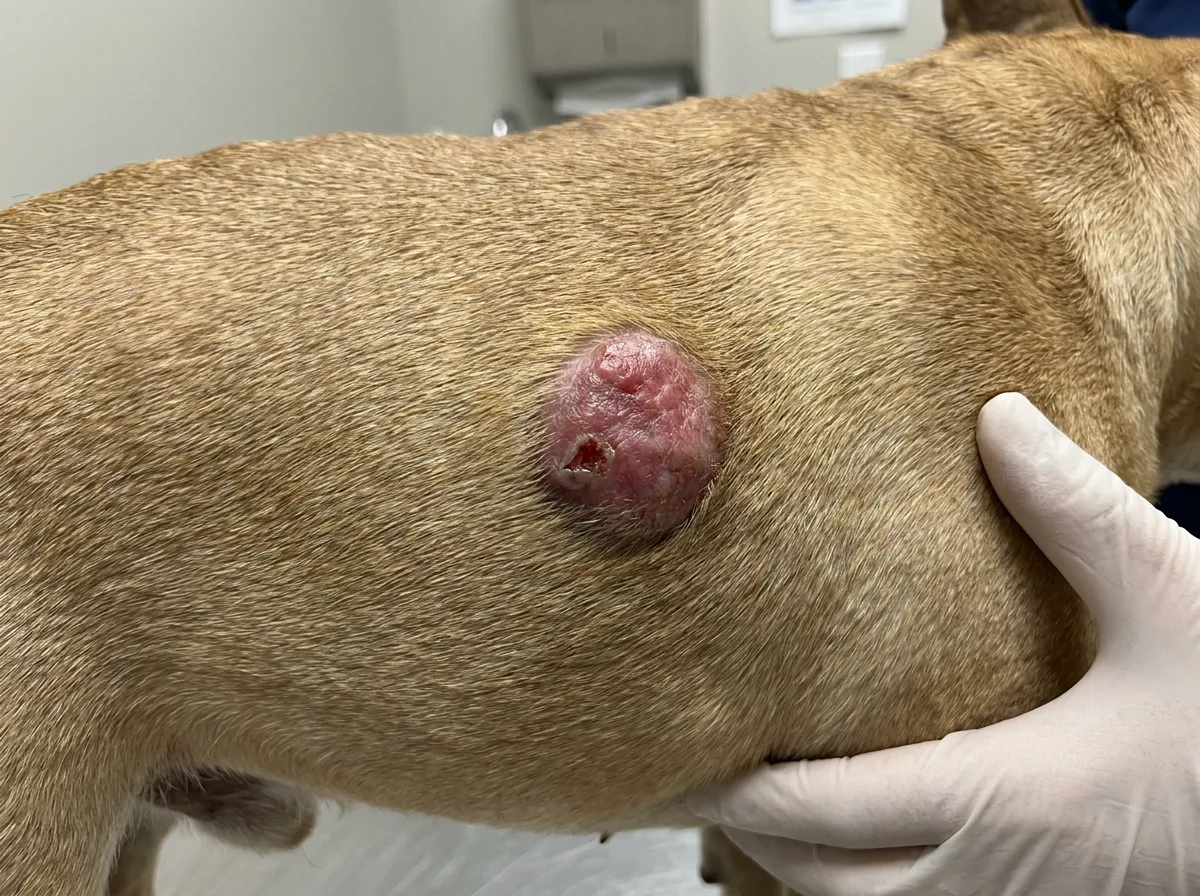
What your vet may do next
The usual next step for a new lump is a fine needle aspirate (FNA). This is a quick procedure where a veterinarian uses a small needle to collect cells from the lump and looks at them under a microscope, sometimes in the clinic and sometimes sent to a lab.
With mast cell tumors, an FNA is often very informative because mast cells have a distinct appearance under the microscope. Your vet may also discuss:
- Pre-treatment medications in certain cases (often antihistamines) to reduce histamine effects
- Surgical removal if the sample suggests MCT or another tumor type
- Biopsy and grading after removal, which helps predict behavior and guide treatment
- Staging tests if there is concern about spread (your vet will tailor this to your dog’s situation)
If you have already scheduled an FNA, that is great. Until then, the goal is to keep the lump as calm as possible and your dog comfortable.
When this is urgent
Most local swelling episodes are not life-threatening, but mast cell degranulation can sometimes cause a bigger body-wide reaction. Call your veterinarian right away, an urgent care clinic, or an emergency hospital if you notice any of the following:
- Facial swelling (puffy muzzle, eyelids, lips)
- Vomiting or diarrhea, especially sudden and repeated
- Weakness, collapse, or extreme lethargy
- Pale gums, especially along with weakness, vomiting, breathing changes, or collapse
- Difficulty breathing or noisy breathing
- Widespread hives or intense itching that rapidly worsens
- The lump becomes very painful, bleeds, or rapidly enlarges over minutes to hours
If your dog has any trouble breathing, collapses, or seems “off” in a way that scares you, do not wait.
Common questions I hear
Can a mast cell tumor swell and then go back down?
Yes. That “now you see it, now you do not” behavior is one reason people delay getting it checked. Even if it shrinks again, it still deserves a veterinary exam and sampling.
Could it just be a bug bite or a cyst?
It could. Bug bites, allergic welts, abscesses, sebaceous cysts, and benign fatty tumors can all create lumps. The problem is that you cannot reliably tell which is which just by feel. A needle sample is usually the quickest way to get clarity.
Should I give Benadryl?
Please call your veterinarian before giving any medication. In some mast cell cases, vets do use antihistamines like diphenhydramine, but the dose depends on your dog’s weight, health history, and what else is going on. Also, some human products contain added ingredients that are not safe for dogs, and side effects like sleepiness (or occasionally agitation) can happen.
Will my vet be upset that I touched it?
No. Almost everyone touches a new lump. Just let your vet know it swelled after handling. That detail helps them prioritize next steps.
My best advice if this happened to your dog
If there is one takeaway from this article, it is this: a lump that flares up after being touched should be checked sooner rather than later.
Here is a simple plan you can follow today:
- Stop squeezing or rubbing the lump.
- Take a photo and measure it.
- Book a vet visit and ask if a fine needle aspirate is appropriate.
- Seek urgent care if you see facial swelling, vomiting, collapse, pale gums, or breathing trouble.
You are doing the right thing by paying attention. Most of the time, getting answers is less scary than sitting in uncertainty. And if it does turn out to be a mast cell tumor, catching it early can make a real difference in the options available to your dog.