A practical, vet-informed guide to nighttime cat meowing: common causes, medical red flags to rule out, and step-by-step fixes with feeding, play, routine, a...
Article
•
Designer Mixes
Why Your Cat Meows at Night

Shari Shidate
Designer Mixes contributor
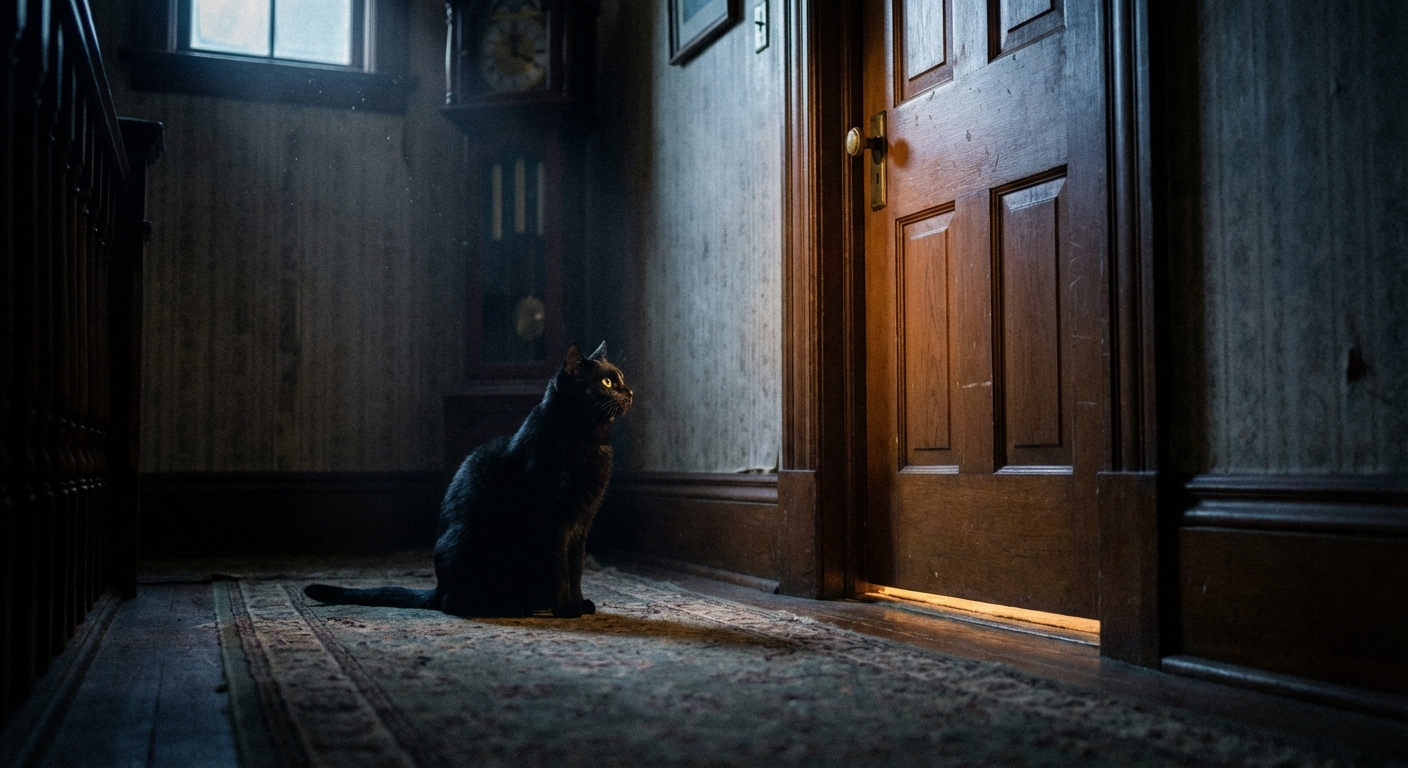
If your cat starts vocalizing the moment you turn out the lights, you are not imagining it and you are not alone. Nighttime meowing is one of the most common concerns I hear from pet parents. The good news is that in many cases, it is fixable once you figure out the why. Cats meow to communicate needs, discomfort, stress, and sometimes just habit. Our job is to narrow down the cause, then respond in a way that supports health and does not accidentally reward the noise.
Quick note: This article is educational and not a substitute for veterinary care. If you are worried or your cat’s behavior has changed suddenly, call your veterinarian.
What nighttime meowing can mean
Cats are often crepuscular, meaning many are naturally most active at dawn and dusk. Some cats shift their schedule based on routine, indoor environment, and household activity. If your schedule is the opposite of your cat’s preferred activity cycle, nighttime may be when your cat seeks interaction most. But behavior is only one piece of the puzzle. Night meowing can also be your cat’s way of telling you something is medically wrong.
- Attention seeking or boredom: Your cat learned that meowing brings you out of bed, talking, petting, or food.
- Hunger or food anxiety: Empty bowl, not enough calories, or a learned routine of being fed when you wake up.
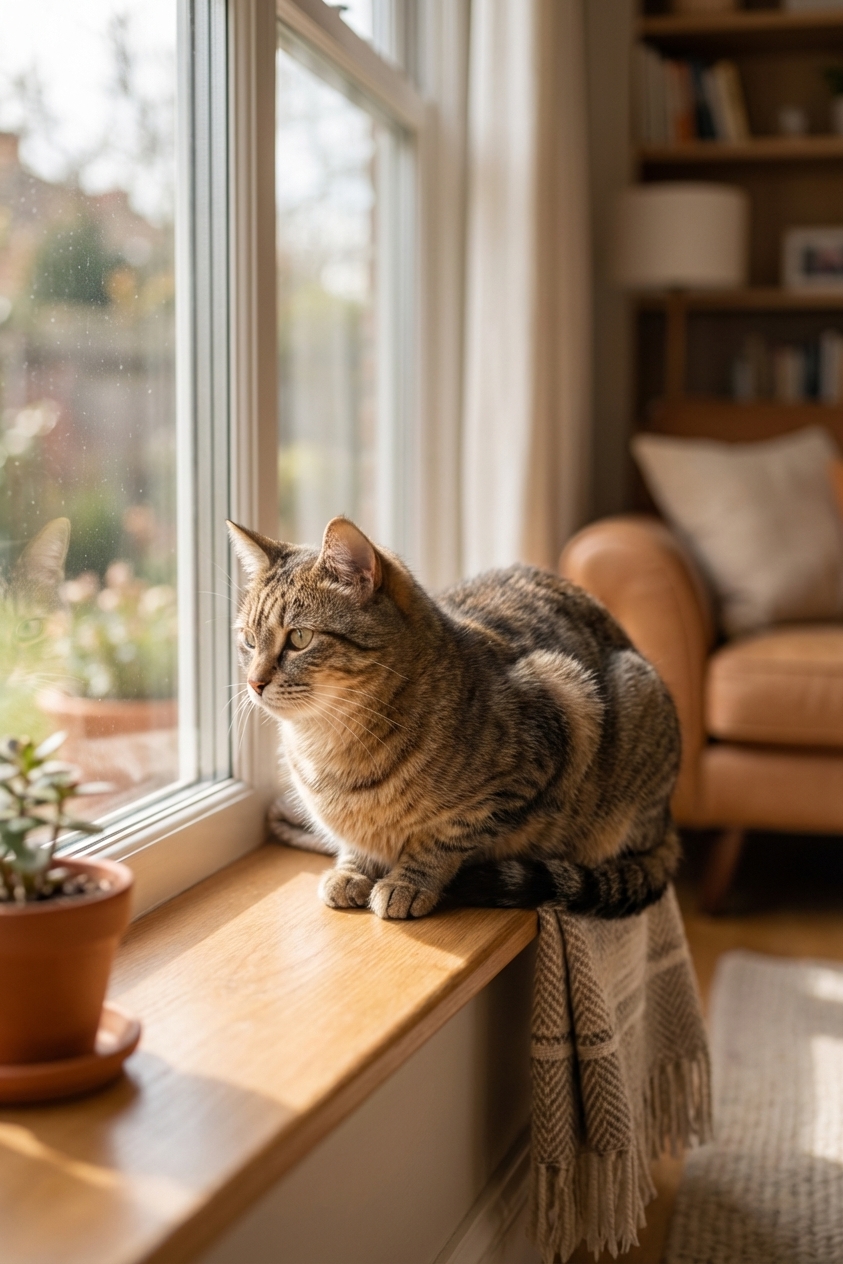
- Stress or environmental changes: New home, new pet, schedule changes, or outdoor cats seen through the window.
- Litter box issues: Dirty box, painful urination, constipation, or location problems.
- Age-related changes: Senior cats can vocalize due to cognitive changes or sensory changes like vision loss or hearing loss.
- Medical discomfort: Hyperthyroidism, pain, high blood pressure, kidney disease, dental pain, GI upset, and more can all increase nighttime vocalization.
Step 1: Rule out medical causes
As a veterinary assistant, I always recommend treating sudden or escalating nighttime meowing like a health clue, especially if your cat is middle-aged or older. Cats may hide signs of illness, and nighttime is quieter, so discomfort can feel louder then.
Call your veterinarian soon if you notice any of these
- Meowing that is new, intense, or different in tone
- Increased thirst or urination
- Weight loss, increased appetite, or ravenous behavior
- Vomiting, diarrhea, or constipation
- Straining in the litter box or frequent trips with little output
- Bad breath, dropping food, or chewing on one side
- Restlessness, pacing, disorientation, or staring at walls (especially in seniors)
- Sudden loud yowling in a senior cat, especially with confusion (ask about blood pressure, thyroid disease, pain, and cognitive dysfunction screening)
Common medical culprits include hyperthyroidism (often presents with loud yowling and hunger), pain (arthritis is a big one in older cats), high blood pressure, and urinary tract problems (which can become urgent quickly). If your cat is male and straining to urinate, treat it as an emergency.
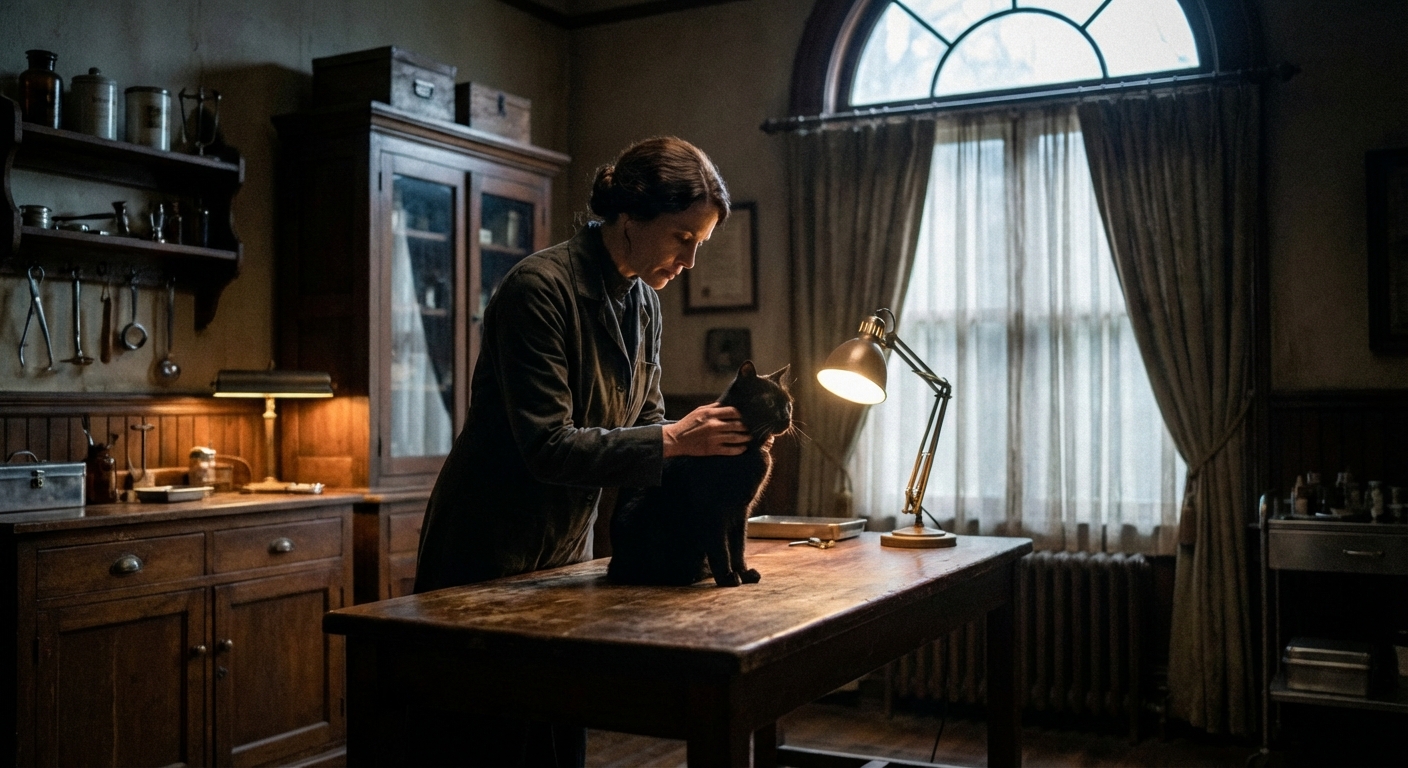
If your vet rules out illness, you can feel much more confident moving forward with a behavior and routine plan. Medical first, then behavior.
Step 2: Identify the pattern
Before you change anything, take 3 nights to observe. This makes your next steps much more effective.
Quick checklist
- When does it start? Right after lights out, at 3 a.m., or near sunrise?
- Where does your cat meow? Bedroom door, kitchen, hallway, litter box area?
- What ends it? Feeding, petting, letting them in the room, play?
- Are there triggers? Outdoor cats, a new baby, guests, construction noise?
- Multi-cat clue: Does it happen after chasing, blocking hallways, or guarding food or litter boxes?
Patterns tell you what your cat believes they are asking for.
Step 3: Meet needs before bed
If your cat is meowing because they have unmet needs, the fastest path to quiet is to meet those needs proactively, earlier in the evening, on your schedule.
Try “hunt, eat, groom, sleep”
This taps into a cat’s natural rhythm.
- Play (10 to 15 minutes): Wand toy, chase toy, or a short training session with treats.
- Feed a meal: A wet food meal can help because it adds moisture and can be more satisfying.
- Calm wind-down: Brush time, a cozy blanket, or a heat-safe warming pad designed for pets.
- Lights out: Same time each night if you can.

Consider a timed feeder
If your cat meows because they are hungry at 4 a.m., a timed feeder can be a game changer. It removes you from the equation so your cat is not training you to wake up and serve breakfast.
Make nighttime resources easy
- Water: Fresh water in more than one spot. Some cats drink better from a fountain.
- Litter box: Clean, uncovered if your cat prefers, and placed where your cat feels safe.
- Comfort: Warm bed, quiet hiding spot, and an option to be near you if that reduces anxiety.
Step 4: Do not reward the meowing
This is the hard part, but it is where many loving pet parents get stuck. If your cat learns that meowing causes you to get up, talk, or feed them, the behavior becomes stronger. Even “just this once” can reinforce it, because intermittent rewards are powerful.
What to do instead
- Stay consistent: If you choose not to respond, commit for at least 1 to 2 weeks.
- Use earplugs or white noise temporarily: This helps you stay calm and consistent.
- Reward quiet: In the morning, greet and feed only after a calm moment. You can also toss a treat when your cat is quiet in the evening to reinforce the behavior you want.
Expect an “extinction burst” at first. That means the meowing may get worse for a few nights before it gets better, because your cat is testing the old strategy.
Skip punishment
Avoid yelling, scolding, or spraying water. Punishment can increase anxiety and confusion, and it often makes nighttime vocalizing worse. Focus on meeting needs, setting routines, and reinforcing quiet behavior.
Step 5: Reduce stress and triggers
Night vocalizing can be fueled by anxiety or territorial stress, especially if your cat sees another cat outside.
Easy environment fixes
- Block night views: Close curtains or use frosted window film if your cat is reacting to outdoor animals.
- Add vertical space: Cat tree or shelves give your cat control and confidence.
- Use pheromones: A feline pheromone diffuser can help some cats feel more secure.
- Give them a safe zone: A quiet room with food, water, litter box, and bed can reduce pacing and yowling.
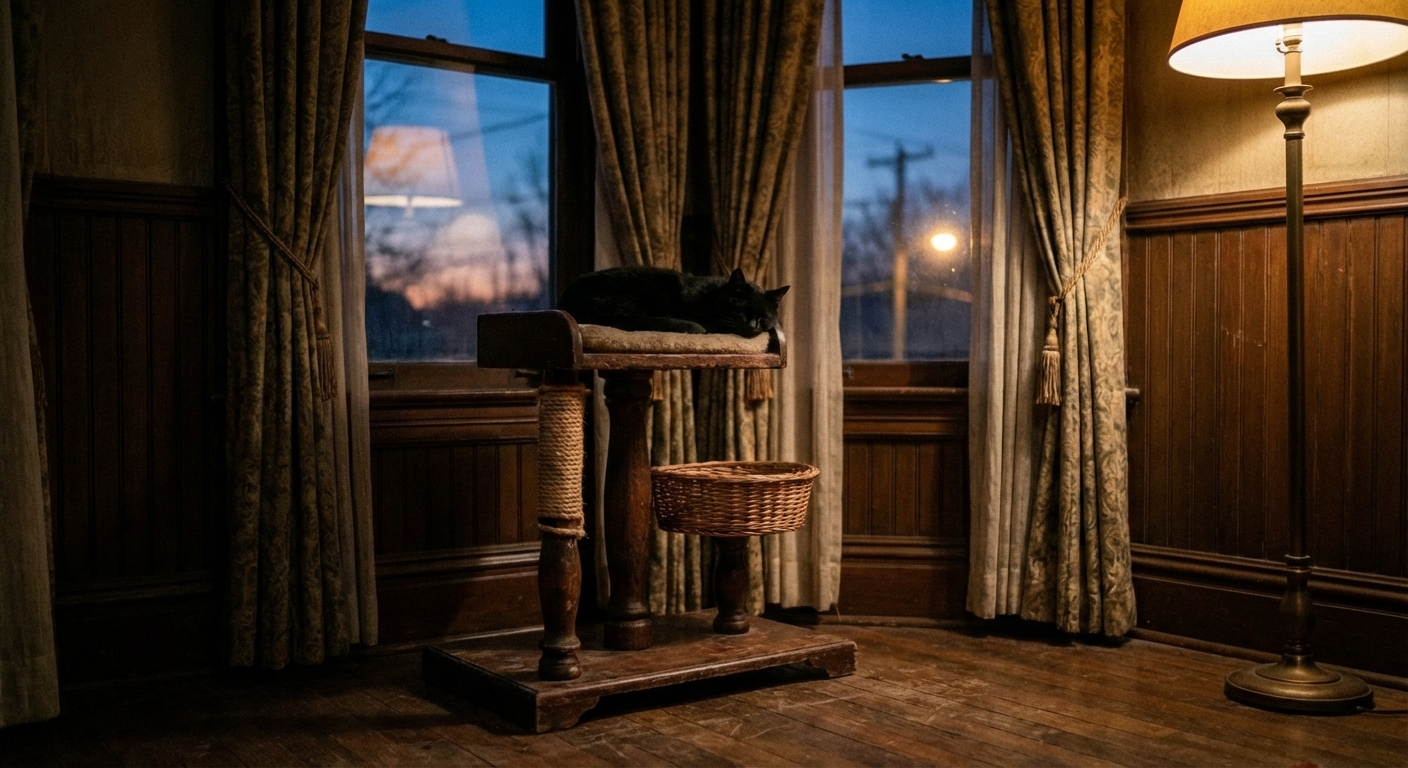
If your cat cries at the bedroom door
Some cats vocalize because they want proximity, not food. If you suspect attachment or separation-related stress, try:
- Create a bedtime cue: Same short routine each night (play, snack, brush, lights out).
- Give a nearby sleep option: A cat bed or perch near your bedroom door can be enough for some cats.
- Practice short separations: Briefly close the door during the day and reward calm behavior so nighttime is not the first time it happens.
If your cat is not spayed or neutered
Hormones can drive nighttime yowling and restlessness. Intact cats may vocalize to find mates and may roam or become more territorial. Talk with your veterinarian about spay or neuter options.
Multi-cat homes
In multi-cat households, nighttime meowing can be a sign of tension, resource guarding, or nighttime chasing. One cat may block access to the litter box, food, water, or even the hallway to your bedroom, and the other cat complains loudly because they feel stuck or unsafe.
Quick fixes to try
- Add resources: Aim for the “n + 1” rule for litter boxes (one per cat, plus one extra), and place them in different locations.
- Separate key resources: Food, water, and resting areas should not all be in one spot where a confident cat can guard them.
- Nighttime management: If needed, use a safe zone setup overnight for the cat who seems stressed (litter, water, bed, enrichment).
Senior cats that cry at night
If your older cat is yowling at night and seems confused, they may be experiencing age-related cognitive changes. They can also be coping with vision or hearing decline, which makes nighttime feel disorienting. Because several medical issues can look like cognitive changes, it is worth a prompt vet check.
Ways to help tonight
- Use a night light: Soft lighting in hallways can reduce confusion.
- Keep paths clear: Avoid furniture changes, and keep litter boxes easy to access.
- Ask your vet about pain control: Arthritis pain is extremely common in senior cats and can worsen at rest.
- Discuss screening: Blood pressure, thyroid values, and kidney function are especially important in older cats.
A simple 7-day plan
Days 1 to 2: Set the stage
- Schedule a vet check if this is new, escalating, or your cat is older.
- Clean litter boxes daily and add a second box if needed (or follow “n + 1” in multi-cat homes).
- Set up a bedtime routine: play, meal, calm, lights out.
Days 3 to 5: Remove the reward
- Stop responding to nighttime meows with food, attention, or play.
- Add white noise and consider a timed feeder.
- Reward calm behavior in the evening and in the morning.
Days 6 to 7: Fine-tune
- If meowing happens at a specific time, schedule the feeder or a small later meal.
- Adjust play intensity to fully tire your cat out.
- Reduce window triggers and add enrichment during the day.
If you are consistent, you may see improvement within 1 to 2 weeks, but timelines vary depending on the cause, your cat’s personality, and the household routine. If there is no improvement, or if behavior escalates, circle back to your veterinarian. Sometimes the why is subtle pain or an underlying medical issue that needs a deeper look.
Bottom line
Your cat is not trying to drive you crazy. They are communicating. Once you rule out medical problems and stop accidentally reinforcing the behavior, you can often get your nights back. Start slow, stay consistent, and give your cat a predictable routine that meets their needs before you ever head to bed.