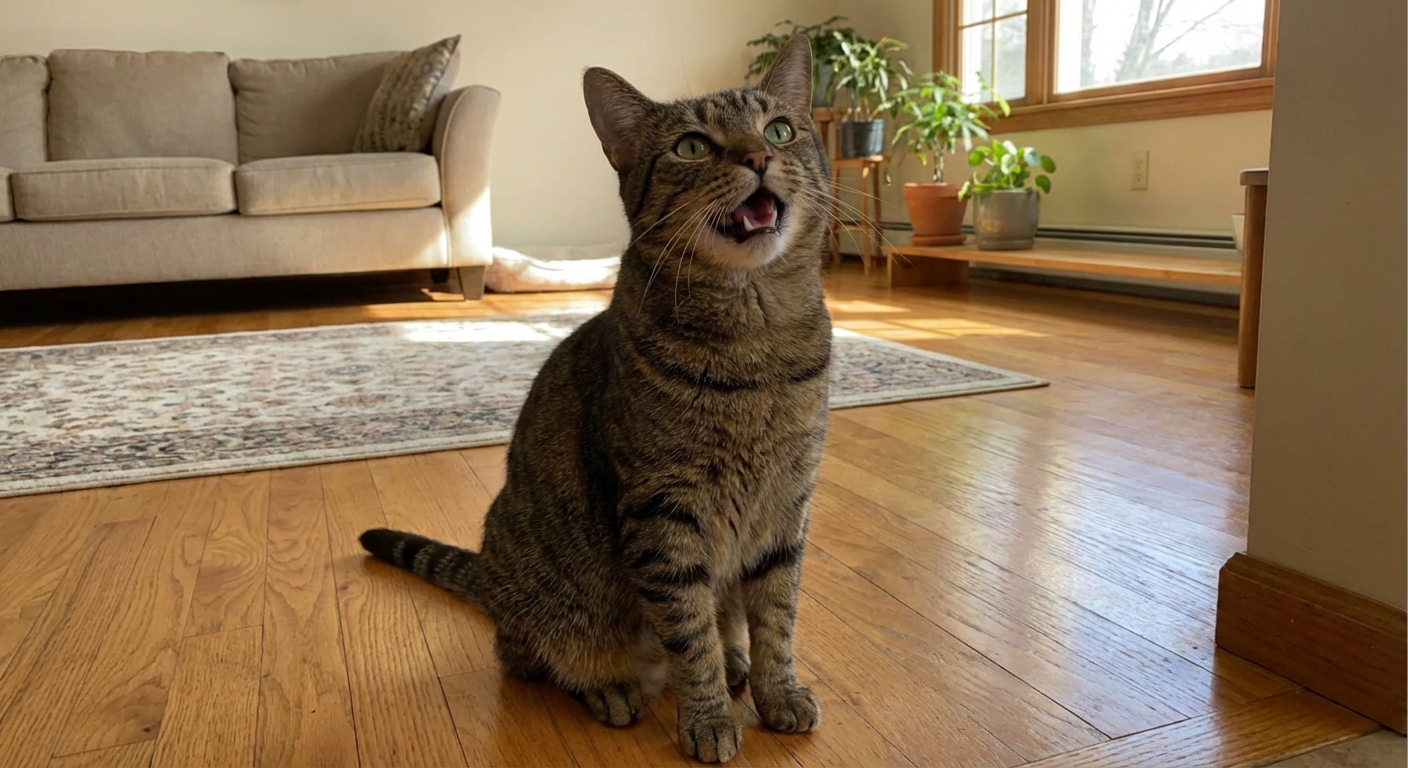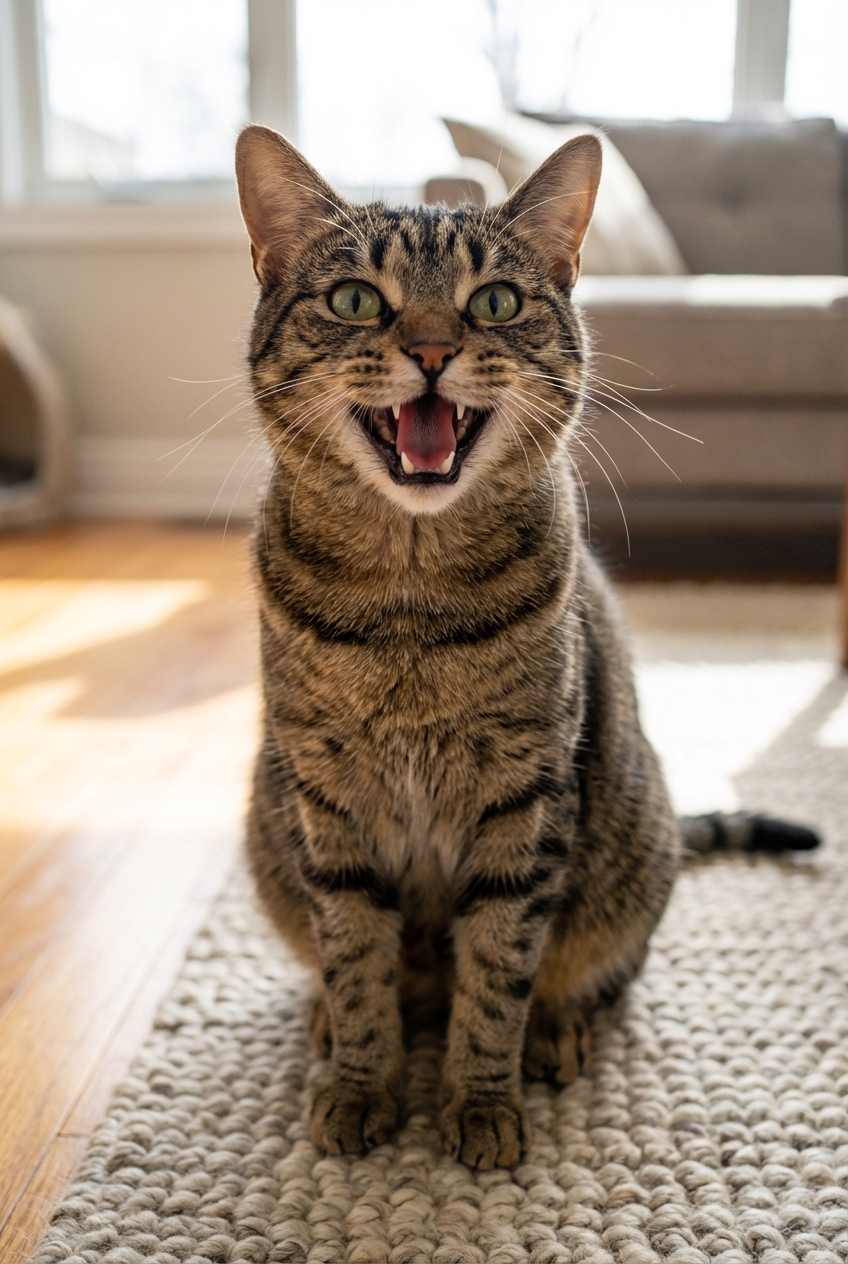
Constant meowing can mean hunger, boredom, stress, heat cycles, or pain. Use a quick checklist, try enrichment and routine fixes, and learn the emergency signs.
Article
•
Designer Mixes
Why Your Cat Meows All the Time

Shari Shidate
Designer Mixes contributor
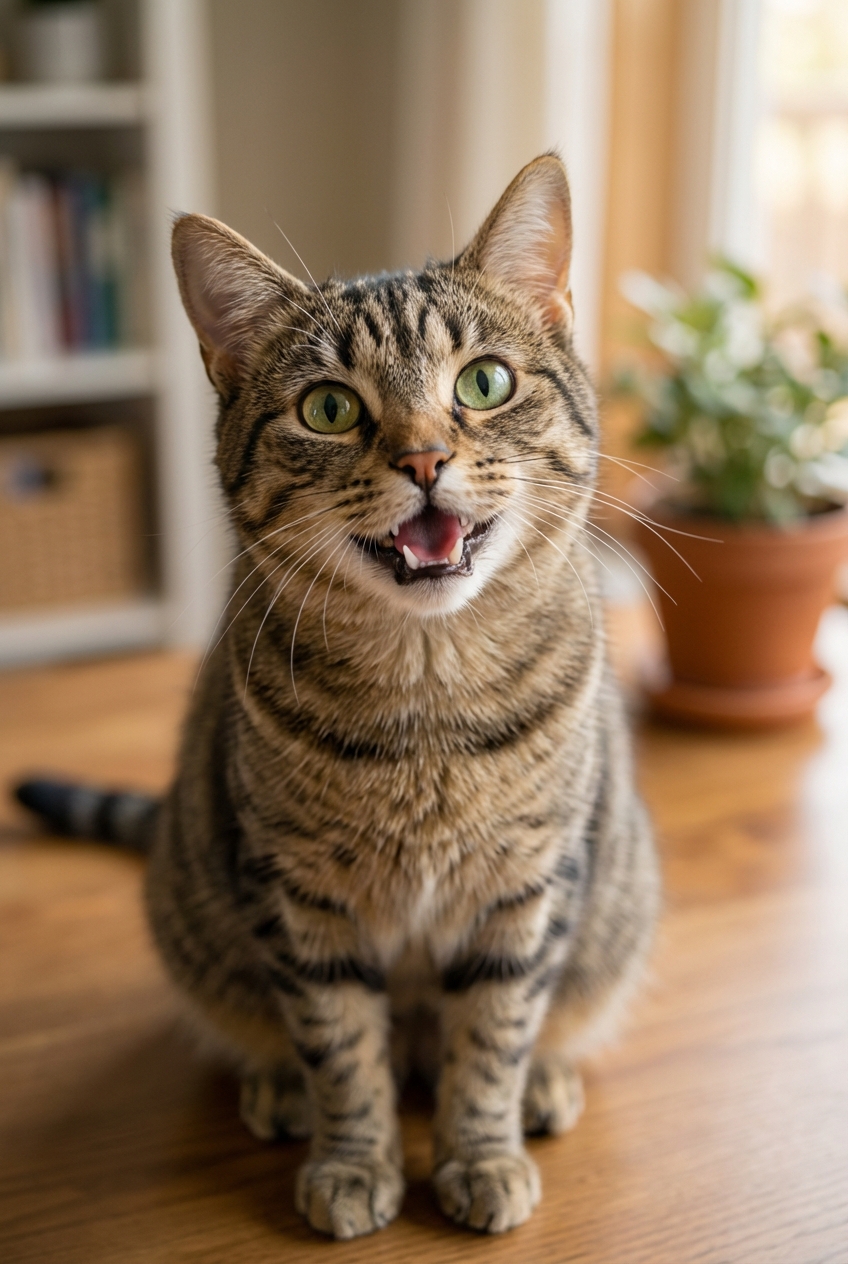
If your cat meows constantly, you are not imagining it and you are not alone. As a veterinary assistant, I hear this concern all the time. The good news is that frequent meowing is usually your cat trying to communicate something specific. The harder news is that sometimes it can be a sign of a medical issue that deserves attention.
Let’s walk through the most common reasons cats meow constantly, what is normal, what is not, and what you can do today to help your cat feel better and your home feel quieter.
What “normal” meowing looks like
Meowing is most often a cat-to-human communication tool. Adult cats can and do vocalize to other cats in certain situations (conflict, mating, or social tension), but the classic “meow” is usually aimed at people. Some cats are naturally more vocal than others, and certain breeds like Siamese-type cats are famously chatty.
In general, meowing tends to be “normal” when it is:
- Brief and tied to a situation, like you walking toward the pantry
- Not increasing in volume or urgency over time
- Not paired with other symptoms like weight loss, vomiting, or litter box changes
It becomes more concerning when it is new, escalating, happening overnight, or paired with any changes in appetite, thirst, peeing, pooping, mobility, or behavior.
Common reasons a cat meows constantly
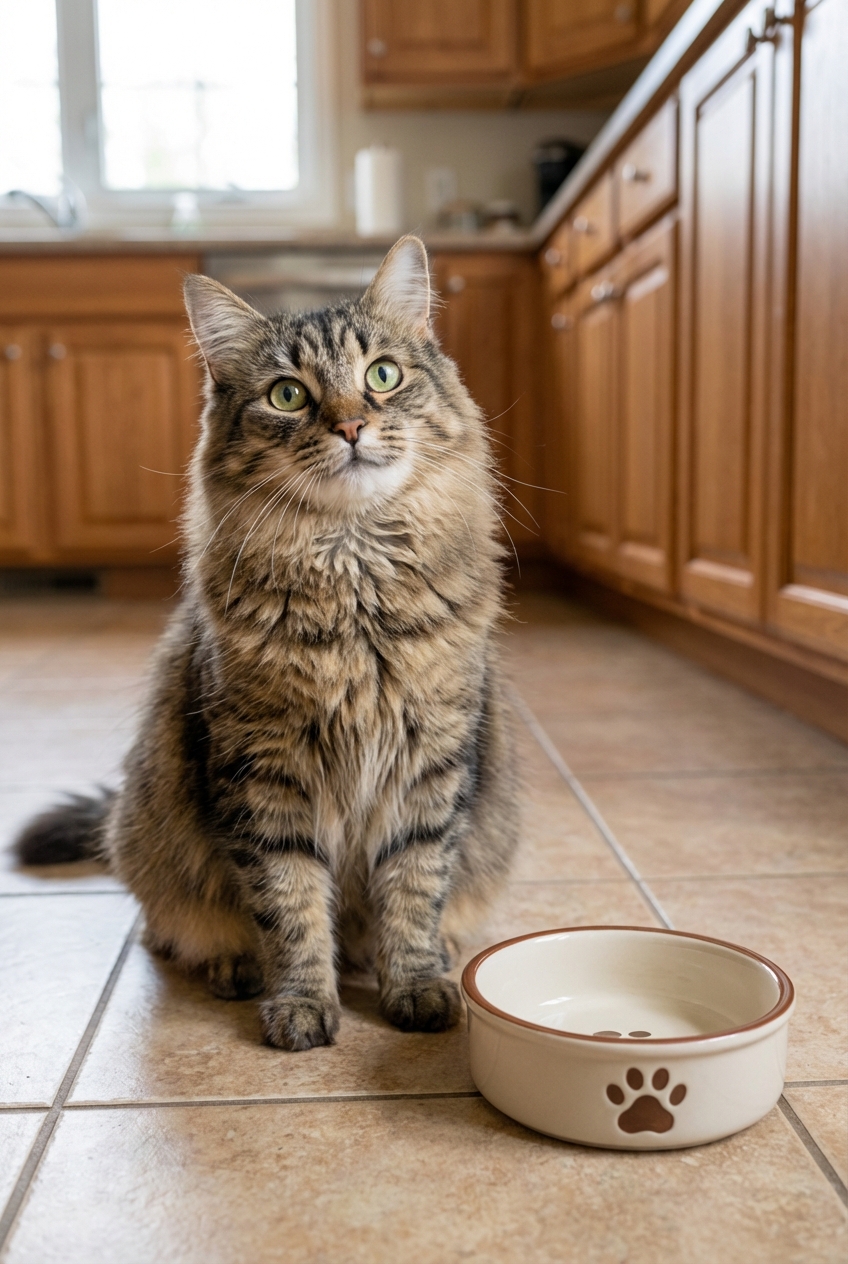
1) They want food, treats, or the “routine” that leads to food
Cats are brilliant at training humans. If meowing has ever resulted in a meal, a treat, or even a little snack “just this once,” the behavior gets reinforced.
What it looks like:
- Meowing near the kitchen, food bowl, or where treats are stored
- Meowing at the same times every day
- Meowing that escalates when you stand up or head toward the kitchen
2) Attention-seeking and social needs
Some cats are truly social. If your cat is bored, lonely, or under-stimulated, meowing can be a way to request interaction.
Common triggers include a new work schedule, less playtime, a family member moving out, or changes in the home environment.
3) Stress, anxiety, or change at home
Cats are routine lovers. Stress can show up as increased vocalization, pacing, hiding, over-grooming, or changes in litter box habits.
Common stressors:
- Moving homes or rearranging furniture
- New baby, partner, roommate, or pet
- Construction noises or outdoor cats near windows
- Not enough resources in a multi-cat home
- Inter-cat conflict or bullying (one cat blocking food bowls, litter boxes, or hallways)
4) Heat cycle and mating-related behavior
Unspayed female cats in heat can become extremely vocal, often yowling, rolling, and rubbing. Depending on indoor lighting and geography, cycling can happen for many months of the year, not just in a short “breeding season.”
Intact male cats may also become more vocal if they smell a female in heat nearby. They can pace, call, and try hard to get outside.
If this matches your situation, talk with your veterinarian about spaying or neutering. It is one of the most effective ways to reduce hormone-driven vocalizing and it also supports long-term health.
5) Aging and cognitive dysfunction (senior cats)
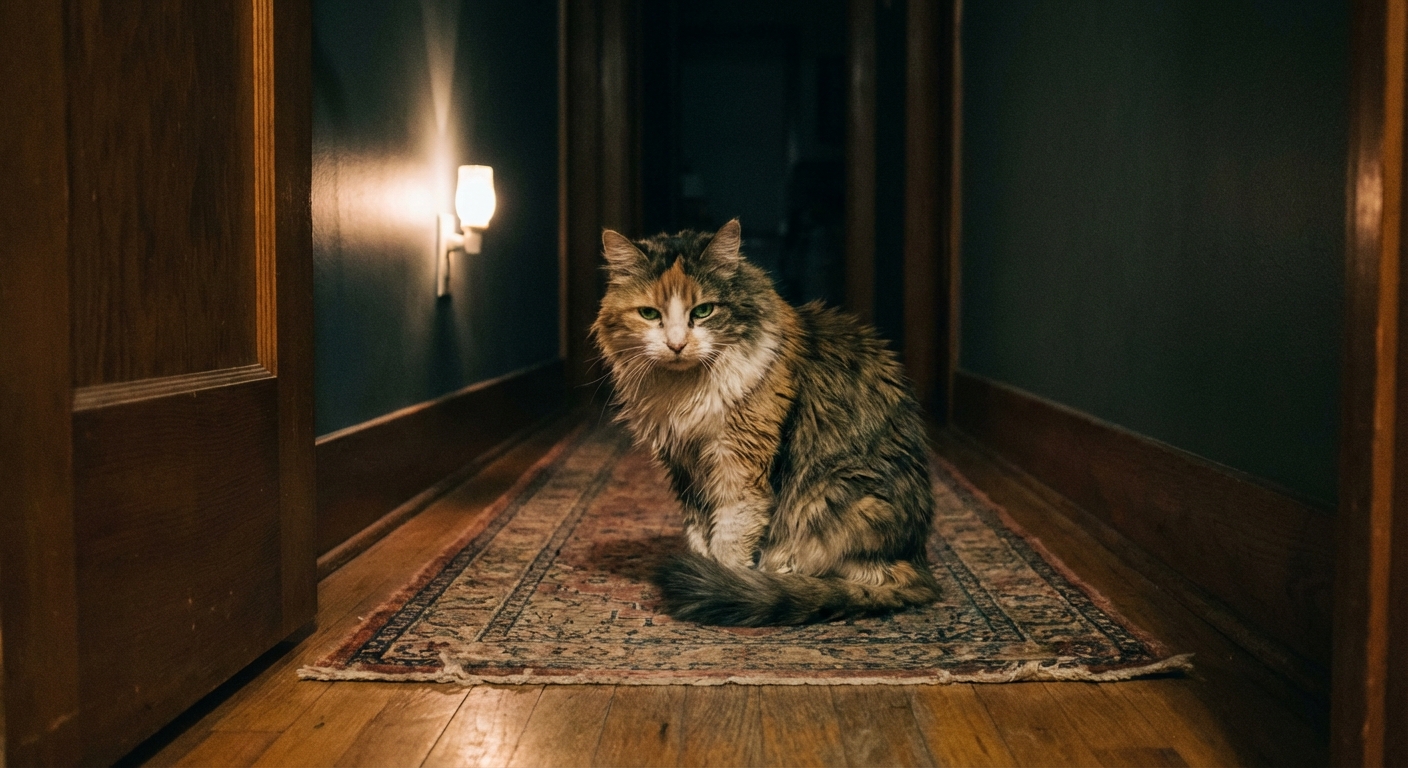
Older cats sometimes vocalize more, especially at night. They may seem disoriented, clingy, or restless. Feline cognitive dysfunction is similar to dementia in humans and can cause nighttime yowling and changes in sleep-wake cycles.
6) Separation-related distress
Some cats vocalize when you leave, when you return, or when you are home but not available (like during meetings). This can look like following you from room to room, calling from the doorway, or increased meowing when routines change.
7) Medical causes you should not ignore
When constant meowing is new or intense, it is important to rule out pain or illness first. Cats are experts at hiding discomfort, and vocalization can be one of the only clues.
Common medical reasons include:
- Hyperthyroidism: often causes weight loss despite a big appetite, restlessness, and increased vocalization
- High blood pressure: often silent, but can be associated with sudden vision changes (including retinal detachment) and behavior changes
- Kidney disease: may cause increased thirst and urination, nausea, and vocalizing
- Urinary tract issues: vocalizing near the litter box, frequent trips, straining, blood in urine, or peeing outside the box
- Dental disease: pain while eating, dropping food, bad breath, pawing at the mouth
- Arthritis: reluctance to jump, stiffness, irritability, vocalizing when moving or being handled
- Constipation or GI discomfort: straining, smaller stools, decreased appetite, hiding, or vocalizing before or after the litter box
- Vision or hearing loss: cats may meow more if they feel unsure or startled
Any cat that is straining to urinate, crying in the litter box, or producing little to no urine needs urgent veterinary care. This can become life-threatening, especially in male cats.
Meow vs yowl vs chirp
While every cat is unique, the sound can offer clues:
- Short meows: greeting, request, mild attention-seeking
- Repeated meows: learned behavior, food demand, routine-based requests
- Loud yowling: stress, pain, heat cycle, or senior disorientation
- Low growl-like vocalizations: fear, conflict, or defensive mood
- Chirps and trills: excitement, friendly communication, “follow me”
Even with these hints, sound alone cannot diagnose a problem. Pair the vocalization with context and any physical signs.
What to do at home
Step 1: Check for red flags
Call your vet promptly if you notice:
- Sudden increase in meowing with no obvious reason
- Changes in appetite, thirst, or weight
- Vomiting or diarrhea
- Litter box changes, straining, or accidents
- Hiding, aggression, or sensitivity to touch
- Nighttime yowling in a senior cat
- Any sudden vision changes, bumping into things, or reluctance to jump
Step 2: Make sure the basics are met
- Fresh water daily, ideally in more than one location
- Clean litter boxes. A common rule is one box per cat plus one extra
- A predictable feeding schedule
- Quiet resting spots and vertical spaces like cat trees or shelves
Step 3: Use behavior-friendly feeding
If your cat is meowing for food, structured feeding can reduce the cycle:
- Use a timed feeder for early mornings
- Try puzzle feeders to slow eating and add mental stimulation
- Avoid feeding “to stop the noise” if your vet says your cat is medically healthy
Step 4: Add play and enrichment, especially before bedtime
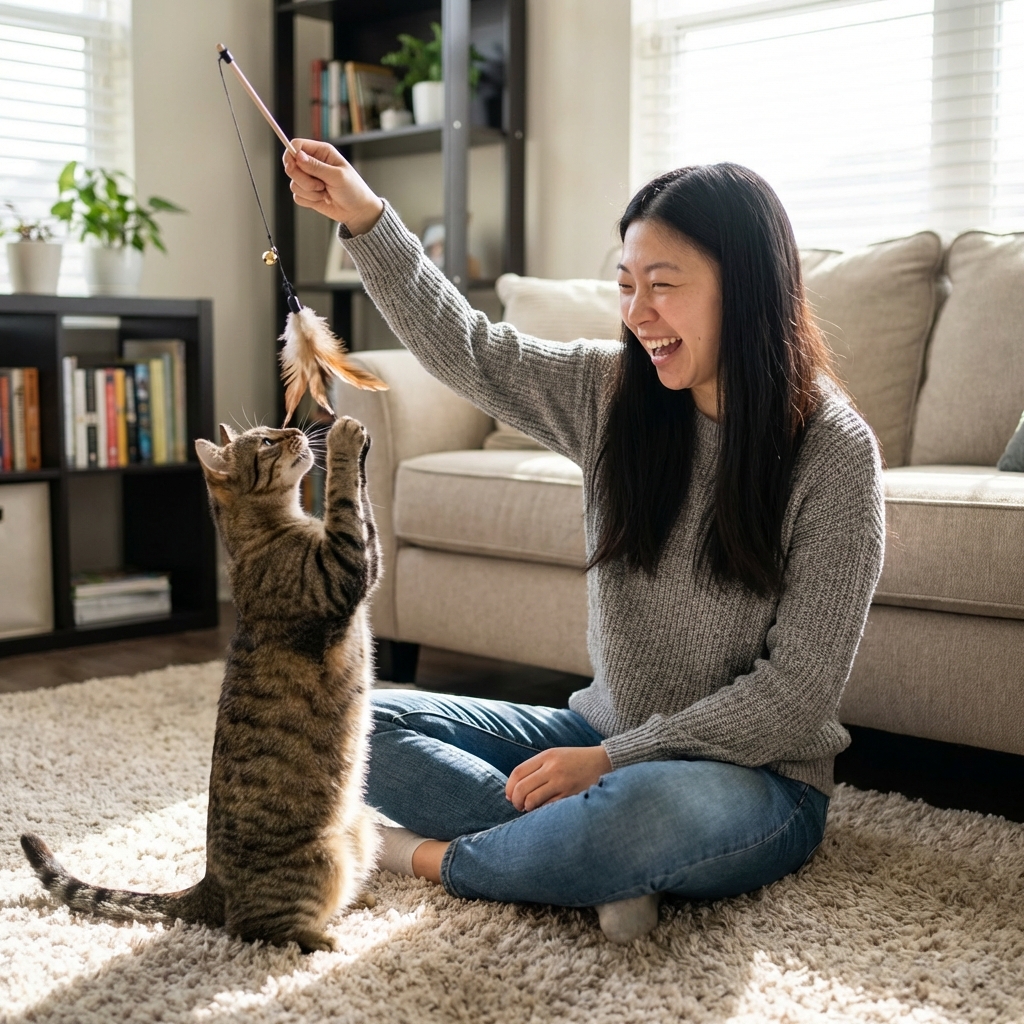
A 10 to 15 minute interactive play session can do wonders. Think wand toys, gentle chase, and a “catch” at the end. Follow play with a small meal to mimic the natural hunt, eat, groom, sleep rhythm many cats fall into.
Step 5: Reinforce quiet, not noise
If your cat is medically cleared and the meowing is attention-based, reward calm moments:
- Give attention or treats when your cat is quiet
- Ignore demand meows when safe to do so
- Offer an alternative behavior, like “sit on the mat,” then reward
Consistency matters. If the meowing works one day out of ten, your cat learns to keep trying harder.
Special situations
My cat meows at night
Night vocalizing often comes from boredom, a shifted sleep schedule, senior cognitive changes, or a medical issue like hyperthyroidism. Try a play session plus a small meal before bed, keep nighttime lighting gentle, and talk to your vet if it is new or escalating.
My cat meows when I am on the phone or working
This is often a predictable attention pattern. Create a “work buddy” routine: a perch near your desk, a short play break at set times, and a puzzle feeder to keep them busy.
My cat meows at the door or window
This can be curiosity, territorial stress from outdoor cats, or a desire to explore. Consider window film, closing blinds partway, or providing a different viewing spot. If your cat is trying to bolt outside, enrichment and structured play can reduce that restlessness.
My cat meows when I leave
If the vocalizing happens around departures or arrivals, keep your exits low-key and predictable, and leave something to do (a puzzle feeder, safe solo toys, a window perch). For cats that seem truly panicked, talk with your veterinarian. Anxiety can be treated, and you do not have to guess your way through it.
When to see the vet
If meowing is excessive, new, or paired with any symptoms, a vet visit is the fastest way to protect your cat’s health. Your veterinarian may recommend:
- A full physical exam including mouth and joint evaluation
- Weight check and body condition scoring
- Bloodwork, commonly including thyroid testing in adult and senior cats
- Urinalysis for urinary issues or kidney concerns
- Blood pressure check in seniors or cats with kidney or thyroid disease
Evidence-based takeaway: many of the conditions linked to increased vocalizing are treatable or manageable, especially when caught early.
This article is educational and not a substitute for veterinary care. If something feels off, trust that instinct and call your clinic.
Bottom line
Constant meowing is a message. Sometimes it is as simple as “I want dinner,” and sometimes it is your cat asking for help. Start by ruling out medical issues, then build a predictable routine with enrichment, appropriate feeding habits, and calm reinforcement. Small changes, done consistently, can create a big shift in just a couple of weeks.