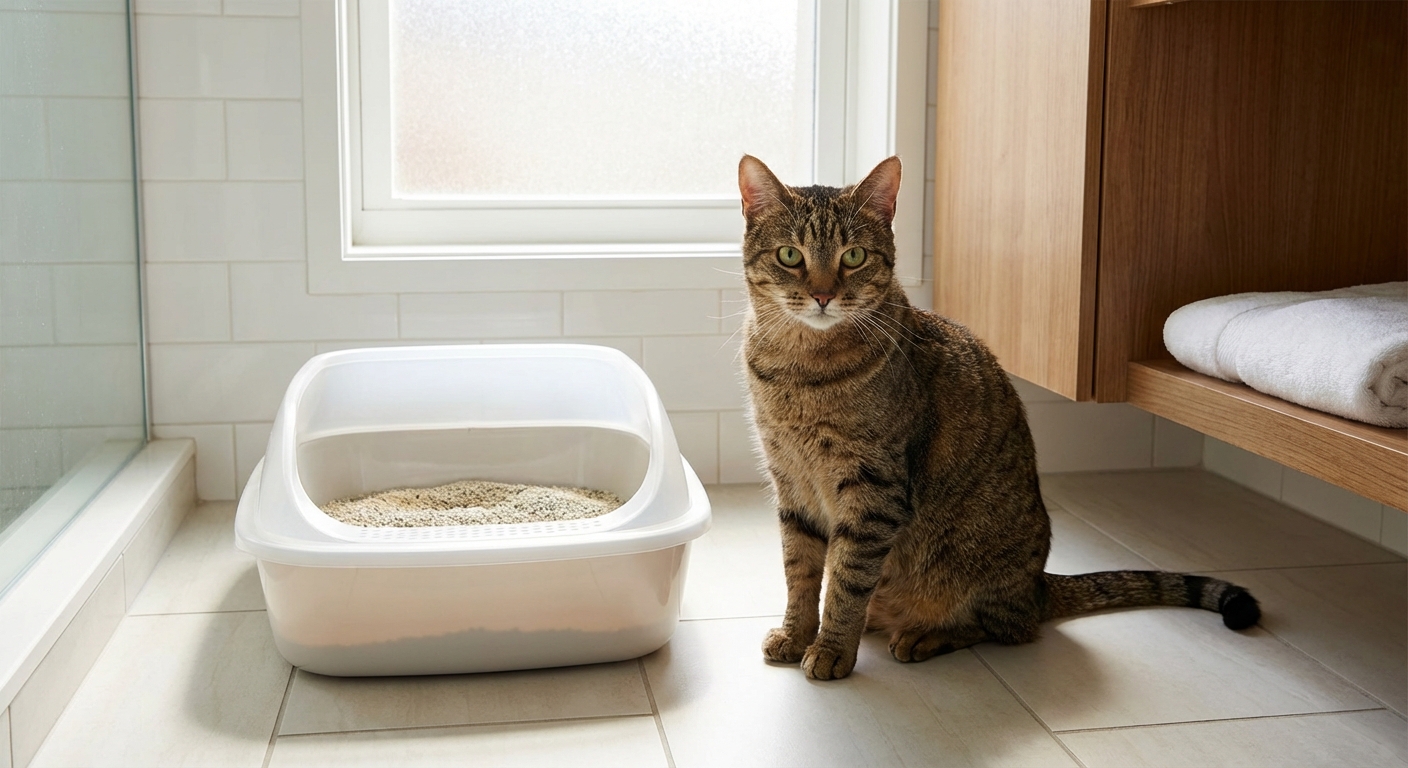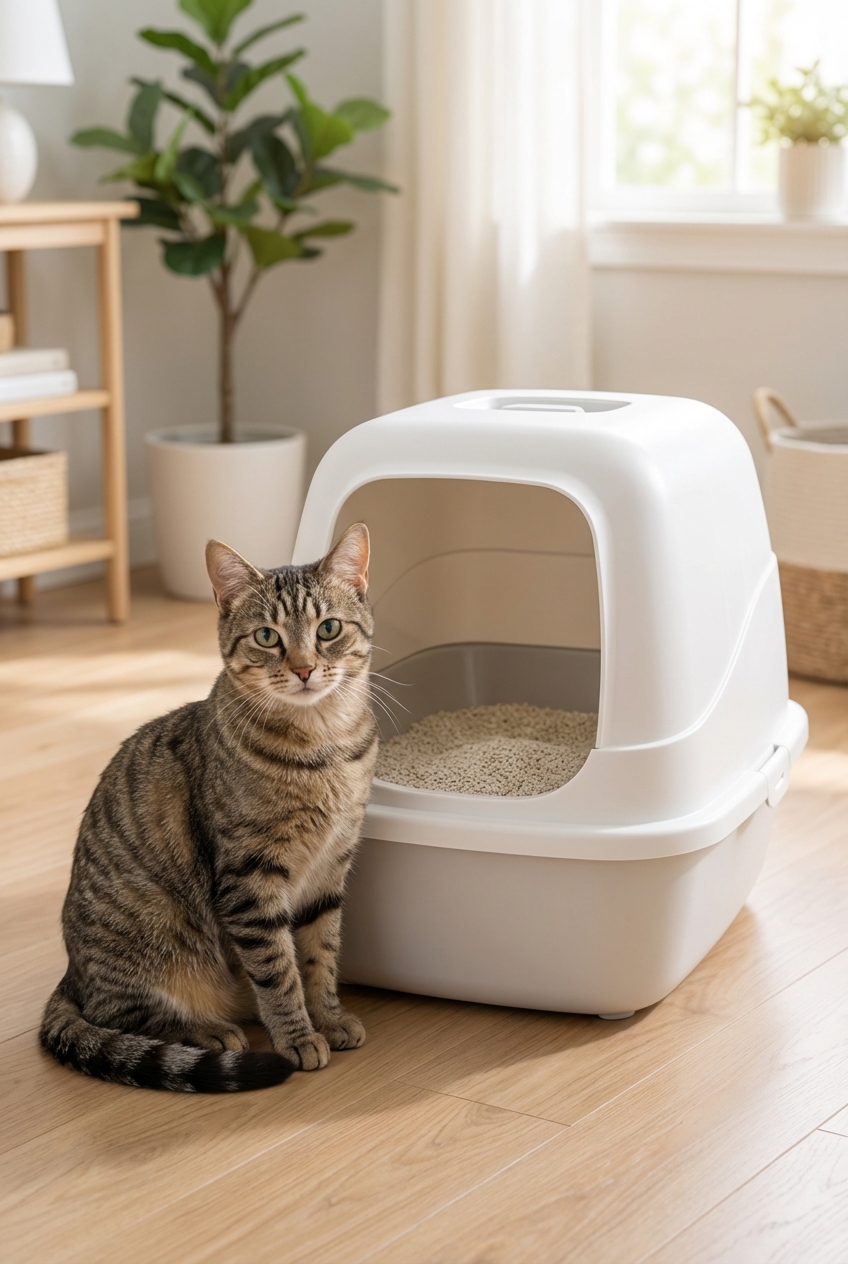
A veterinary assistant’s guide to cat diarrhea: common causes, small vs. large bowel clues, safe home steps, what not to do, and when to call urgent care.
Article
•
Designer Mixes
Why Would My Cat Have Diarrhea?

Shari Shidate
Designer Mixes contributor
Seeing diarrhea in the litter box can be unsettling, especially when your cat cannot tell you what feels “off.” The good news is that many cases are short-lived and treatable once you identify the likely trigger. The not-so-good news is that diarrhea can quickly lead to dehydration and can also be linked to parasites, infection, food intolerance, or other medical issues that need prompt veterinary care.
As a veterinary assistant, I always tell families to focus on two things first: how your cat is acting and how long the diarrhea has lasted. Those clues help you decide whether you can safely monitor at home or should head to your veterinarian.
Quick timeline note: Acute diarrhea is sudden and short-term (often days). Chronic or recurring diarrhea (often roughly 2 weeks or more, or on-and-off episodes) deserves a veterinary workup, even if your cat seems mostly okay.
Note: This article is educational and not a substitute for a veterinary exam and diagnosis.
What counts as diarrhea in cats?
Diarrhea means your cat’s stool is looser or more frequent than normal. It can look like:
- Soft-serve stool that does not hold shape
- Watery stool that soaks into litter quickly
- Mucus (a jelly-like coating)
- Blood (bright red streaks or darker, tarry-looking stool)
- Urgency with accidents outside the box
One important detail: “Diarrhea” can come from the small intestine or the large intestine, and the pattern can help your vet narrow causes.
Small vs large intestine clues
- Small intestine diarrhea: larger volume, fewer trips, weight loss can occur. Stool may look greasy with certain malabsorption or maldigestion problems. Blood and mucus are less common.
- Large intestine diarrhea: smaller amounts, frequent trips, straining, mucus is common, and bright red blood can appear.
Common reasons cats get diarrhea
There is rarely one single “most common” cause for every household. Here are the big categories veterinarians see again and again.
1) Diet changes or food intolerance
Cats have sensitive digestive systems, and even a well-meaning switch can cause loose stool. Common triggers include:
- Switching brands or flavors too quickly
- New treats, people food, or table scraps
- Rich or high-fat foods
- Food intolerance (not always a true allergy)
- Milk or dairy, which many cats cannot digest well
If diarrhea started within 24 to 72 hours of a new food, that timing matters.
2) Parasites
Intestinal parasites are especially common in kittens, newly adopted cats, cats that go outdoors, and cats exposed to fleas. Parasites that can cause diarrhea include:
- Roundworms
- Hookworms
- Giardia
- Coccidia
- Tapeworms (more often cause scooting or segments in stool, but can still upset digestion)
Not every parasite is visible in stool, which is why fecal testing is so useful.
3) Stress and routine changes
Stress can show up as diarrhea in cats. Common stressors include moving, new pets, visitors, construction noise, travel, boarding, or even a change in litter or litter box location.
4) Infections (viral or bacterial)
Cats can get gastrointestinal infections that cause diarrhea, sometimes along with vomiting, fever, or low appetite. In shelters or multi-cat homes, contagious causes can spread more easily.
5) IBD and chronic GI conditions
If diarrhea is recurring or ongoing, your veterinarian may consider chronic conditions like inflammatory bowel disease (IBD). These cases often involve intermittent flare-ups, appetite changes, vomiting, or weight loss.
6) Medications and supplements
Antibiotics can disrupt the gut microbiome and cause diarrhea. Some other medications and supplements can also cause GI upset in certain cats, especially if started at high doses or changed abruptly. Always tell your vet what your cat is taking, including preventives and “natural” products.
7) Toxins or inappropriate foods
Cats can develop diarrhea after getting into trash, spoiled food, plants, or household chemicals. If you suspect poisoning or toxin exposure, treat it like an emergency.
8) Underlying disease
Diarrhea can be linked to systemic issues like hyperthyroidism, pancreatitis, liver disease, or certain cancers. These are more likely when diarrhea is chronic, your cat is older, or you see weight loss and poor coat quality.
When diarrhea is an emergency
Please do not “wait it out” if any of the following are true. Call your veterinarian or an emergency clinic.
- Kittens (they dehydrate quickly)
- Senior cats or cats with known conditions (kidney disease, diabetes, hyperthyroidism)
- Diarrhea plus vomiting repeatedly
- Not eating for more than 24 hours, especially if paired with vomiting, lethargy, weight loss, or known illness (for kittens, call sooner)
- Lethargy, weakness, collapse, or hiding more than usual
- Dehydration signs such as dry or tacky gums, weakness, or reduced skin elasticity (cats can be subtle, so use behavior changes as a clue too)
- Blood (especially large amounts) or black, tarry stool (can indicate digested blood)
- Straining with little output (can mimic constipation or signal obstruction)
- Possible toxin exposure or foreign body ingestion (string, ribbon, toys)
- Diarrhea lasting more than 48 hours despite supportive care
Trust your instincts. If your cat looks “not themselves,” it is worth a call. Cats are masters at hiding illness.
What you can do at home (safe supportive care)
If your cat is bright, alert, eating at least some, and the diarrhea is mild and recent, supportive care can help while you monitor closely. Always check with your veterinarian if you are unsure, and avoid giving human medications unless specifically prescribed.
Hydration first
Diarrhea can pull water and electrolytes out of the body quickly.
- Offer fresh water in multiple locations.
- Consider a pet fountain if your cat prefers running water.
- Feed wet food if your cat will eat it, since it increases fluid intake.
Keep the diet simple and consistent
For many cats, the best step is not fasting, but reducing digestive stress.
- Pause new treats and people food.
- Stick with one familiar diet, or ask your vet about a bland or gastrointestinal prescription diet that is appropriate for cats.
- Make any diet changes slowly once stools normalize (typically over 7 to 10 days).
Ask your vet about probiotics
There is evidence that certain veterinary probiotics can support gut balance during diarrhea. Your clinic can recommend a product and dose that is appropriate for cats.
Reduce stressors
- Keep a predictable routine for feeding and play.
- Make sure there is a quiet resting space.
- Keep litter boxes clean and easy to access.
Multi-cat household tip
If you have multiple cats, it can be surprisingly hard to tell who is affected. If possible, add an extra litter box temporarily and separate cats for short periods so you can match symptoms to the right cat. This also helps your vet make faster decisions.
What not to do
- Do not give over-the-counter anti-diarrheal drugs unless your veterinarian directs you. Some human medications are dangerous for cats, and some can mask serious issues.
- Do not switch foods repeatedly in a panic. Rapid changes can worsen diarrhea.
- Do not assume it is “just stress” if it is persistent, severe, or paired with appetite changes or weight loss.
- Do not delay care for kittens, seniors, or cats with other medical problems.
How your veterinarian will diagnose the cause
At the clinic, your vet will combine history, physical exam, and targeted testing. Helpful information you can bring includes when the diarrhea started, diet details, any new treats, medication history, and whether there is vomiting or weight loss.
Common tests
- Fecal testing for parasites and certain protozoa
- Bloodwork to assess hydration, organ function, inflammation, and endocrine disease
- Urinalysis to add context to overall health
- Imaging (x-rays or ultrasound) if obstruction, pancreatitis, or organ disease is suspected
- Diet trial with a veterinary therapeutic diet for possible food intolerance
Treatment can range from deworming and probiotics to prescription diets, fluids, antibiotics when appropriate, or additional work-up for chronic disease.
Tracking symptoms at home (it really helps)
A simple log can speed up diagnosis and prevent repeat flare-ups. Track:
- Date and time of diarrhea episodes
- Stool appearance (watery, soft, mucus, blood)
- Frequency and accidents outside the box
- Appetite and water intake
- Vomiting (how often, what it looks like)
- New foods, treats, plants, or stress events
Stool sample tips
If your veterinarian recommends fecal testing, a good sample can make a big difference.
- Collect a fresh sample if possible.
- Place it in a clean, sealed container or a poop bag inside a sealed container.
- Refrigerate it if you cannot bring it right away (do not freeze).
- Try to deliver it to your clinic within 24 hours (sooner is even better).
Prevention tips
You cannot prevent every case, but you can reduce risk significantly with a few consistent habits.
- Transition foods slowly over 7 to 10 days.
- Keep up with parasite prevention as recommended by your vet, especially for outdoor cats.
- Schedule routine wellness exams and fecal checks.
- Limit scavenging by securing trash and removing stringy toys or loose ribbon.
- Support a calm environment with enrichment, play, and predictable routines.
If you are dealing with recurring diarrhea, you are not failing your cat. You are gathering clues. With a thoughtful plan and veterinary guidance, most cats can get back to comfortable, healthy digestion.