Bone broth can support hydration, appetite, and comfort for picky, senior, or recovering dogs. Get a plain, dog-safe recipe, serving amounts, storage tips, a...
Article
•
Designer Mixes
Why Won’t My Dog Drink Water?

Shari Shidate
Designer Mixes contributor
When a dog suddenly stops drinking water (or seems to barely drink), it can feel scary fast. Hydration impacts everything from digestion and circulation to temperature control and kidney function. As a veterinary assistant here in Frisco, Texas, I can tell you this: sometimes the cause is simple and fixable, and sometimes it is a sign your dog needs medical help the same day.
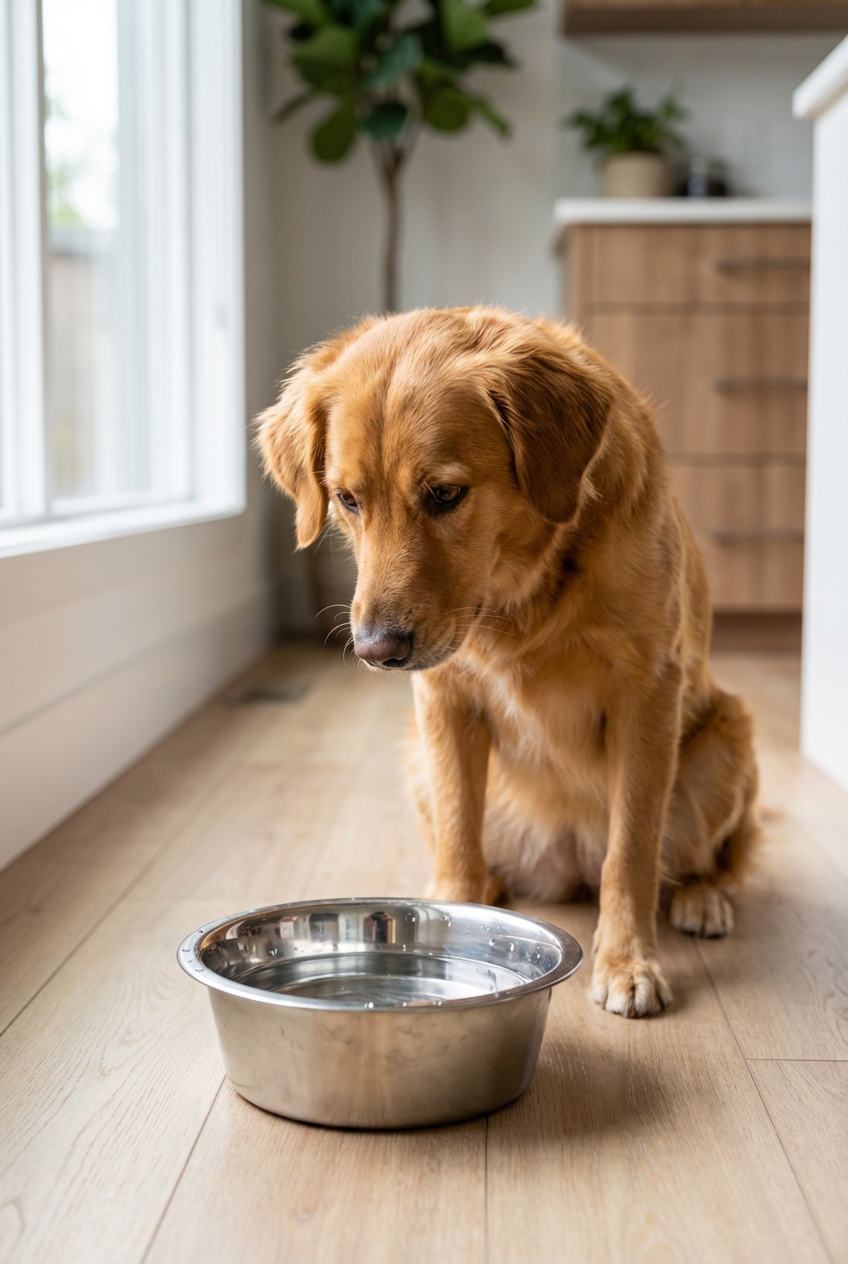
Let’s walk through the most common reasons dogs skip water, what you can safely try at home, and the red flags that should send you to your veterinarian or an emergency clinic.
How long can a dog go without water?
Most healthy adult dogs should not go long without drinking. While “survival” timelines vary, around 24 hours with little to no water is a big deal for many dogs. Go sooner if your dog is a puppy, toy or small breed, senior, sick, or has conditions like kidney disease or diabetes, or is on medications that affect hydration.
Heat, exercise, vomiting, diarrhea, fever, and panting all increase fluid needs. Even mild dehydration can make a dog feel tired, nauseated, and less interested in food and water.
Why a dog won’t drink
1) The water, bowl, or location changed
Dogs can be surprisingly sensitive to taste and smell. A new water source, a bowl washed with strongly scented soap, or a bowl moved near a loud appliance can reduce drinking.
- Tap water taste changes can happen with seasonal treatment adjustments.
- Plastic bowls can hold odors and develop scratches that harbor bacteria.
- Busy or noisy areas can make a cautious dog avoid the bowl.
2) Dental pain or mouth problems
If lapping hurts, dogs often drink less. Look for bad breath, pawing at the mouth, drooling, bleeding gums, broken teeth, facial swelling, or refusing crunchy food.
3) Nausea or illness
Nausea can decrease thirst. So can fever, infections, pancreatitis, intestinal blockage, and many other conditions. If your dog is also not eating, seems lethargic, or is vomiting, dehydration can snowball quickly.
4) Meds or recent anesthesia
Some medications can alter thirst, and dogs recovering from sedation or anesthesia may temporarily drink less. On the flip side, some meds cause increased thirst. Any sudden change is worth a quick call to your vet, especially if it started after a new prescription.
5) Stress or routine changes
Boarding, guests at home, moving, thunderstorms, and new pets can change drinking habits. Some dogs avoid the bowl if they do not feel safe or settled.
6) They are getting fluids elsewhere
If your dog eats primarily canned food, fresh food, or homemade meals with added broth or water, they may naturally drink less. This can be normal, as long as urination and energy are normal and there are no dehydration signs.
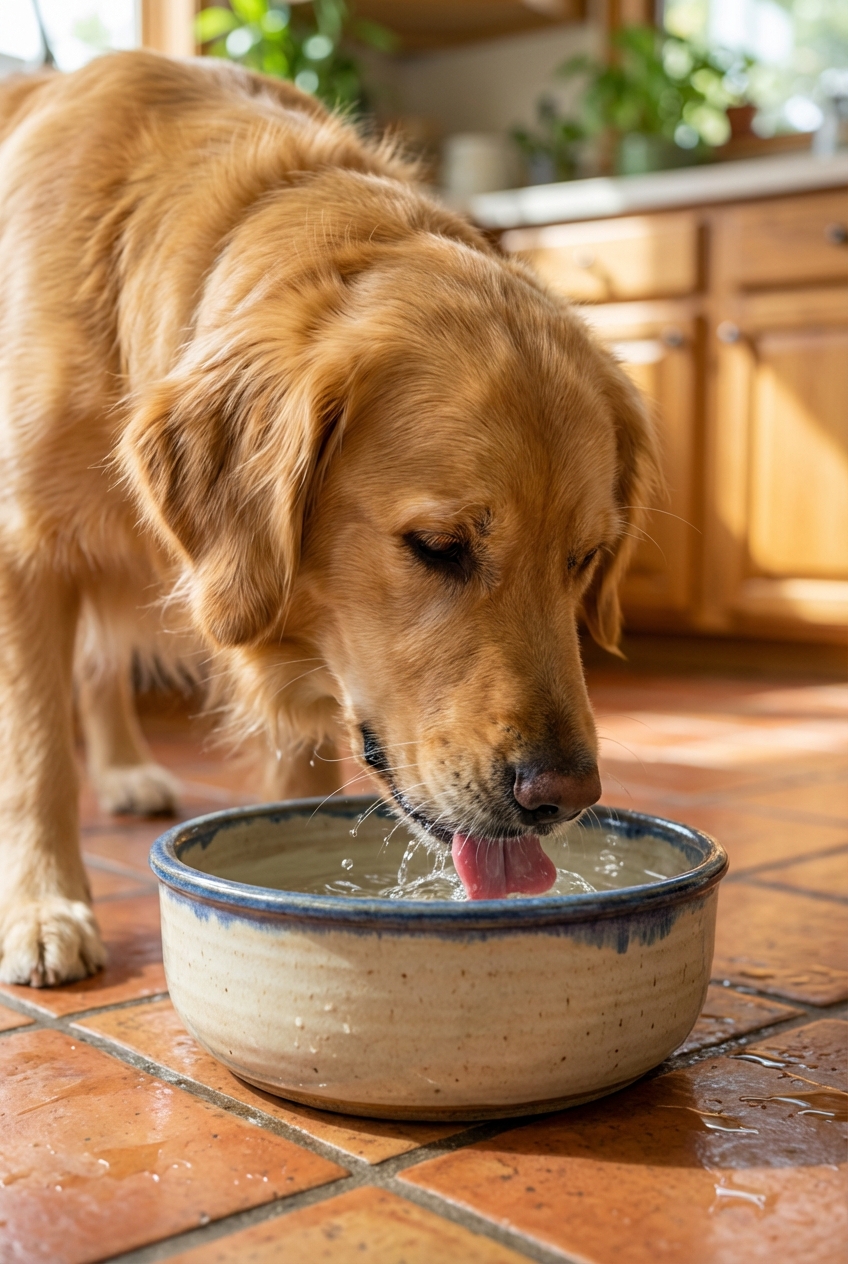
Signs of dehydration
Here are practical signs you can check at home:
- Gums feel tacky or dry instead of slick and moist.
- Skin tent test: gently lift the skin over the shoulders or along the ribcage. If it returns slowly, dehydration is possible (this is less reliable in seniors, overweight dogs, and some breeds).
- Sunken-looking eyes or a “dull” look.
- Low energy, weakness, panting, or acting “off.”
- Less urine, darker urine, smaller clumps/volumes, or fewer potty breaks.
Note: urine odor is not a reliable dehydration test. Foul-smelling urine can happen with diet changes, but it can also point to a urinary tract infection, so mention it to your vet.
If you suspect dehydration, do not just wait it out. Dehydration can become dangerous quickly, and some causes require urgent treatment.
Encourage drinking at home
If your dog is otherwise bright, not vomiting, and not showing urgent red flags, these gentle strategies often help:
Make water easier
- Offer fresh water and refresh it several times a day.
- Try a stainless steel or ceramic bowl if you use plastic.
- Move the bowl to a quiet, easy-to-access area.
- Offer a second bowl in another room. Many dogs drink more with multiple “stations.”
Change the taste (dog-safe)
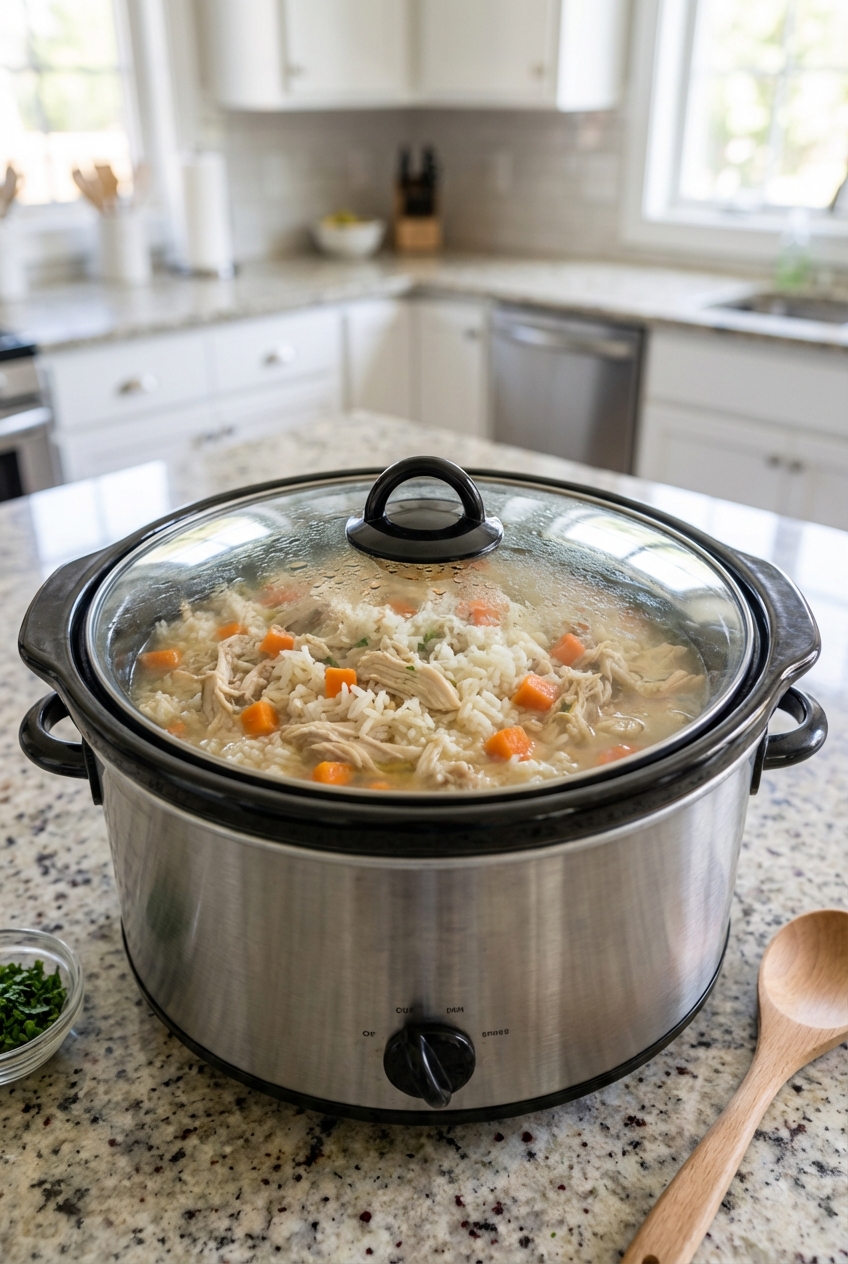
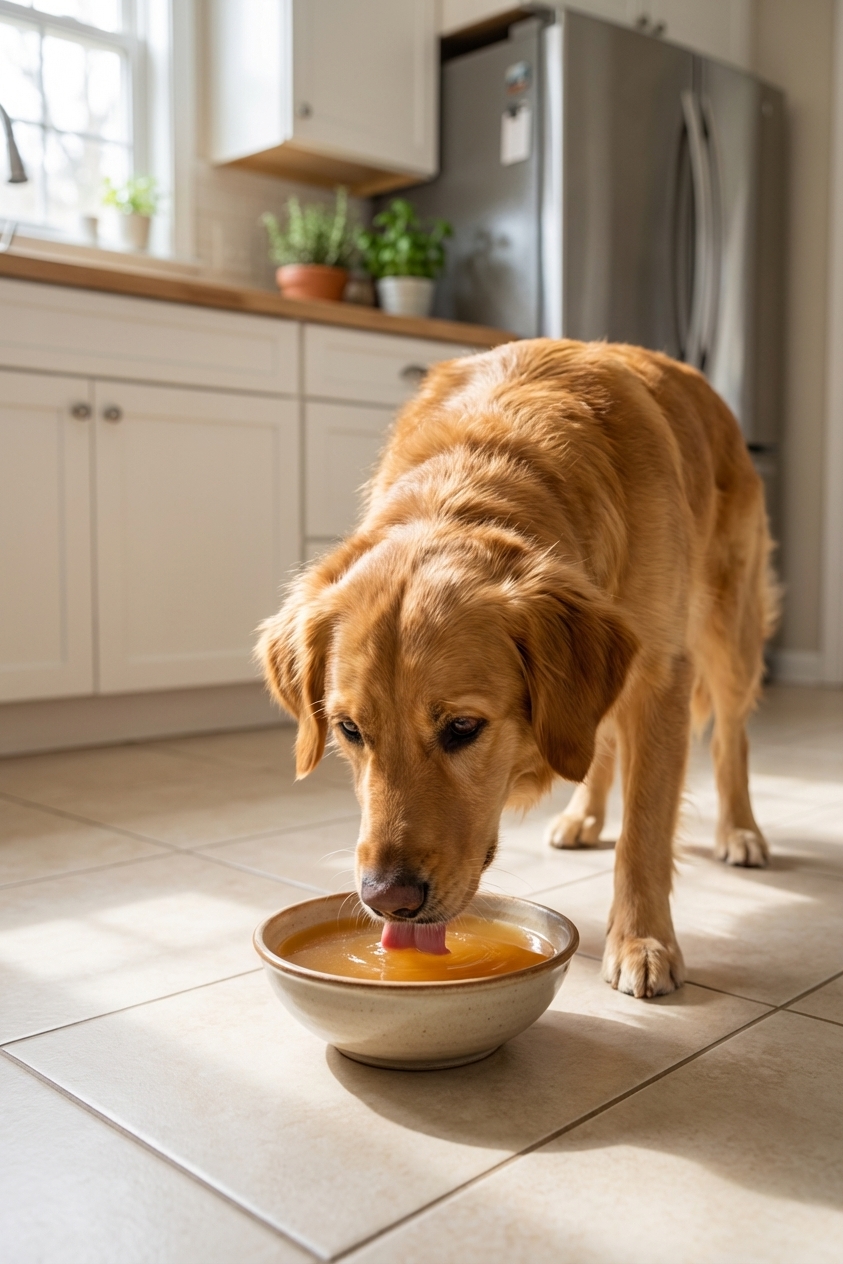
- Add a splash of low-sodium chicken broth (no onion, no garlic, no xylitol). Keep it very light, just enough for aroma.
- Offer ice cubes to lick, especially after play or on warm days.
- Try cool water or slightly room-temperature water. Some dogs have a strong preference.
Add moisture to meals
This is one of my favorite “low effort, high impact” hydration helpers.
- Mix water into kibble and let it soak for 5 to 10 minutes.
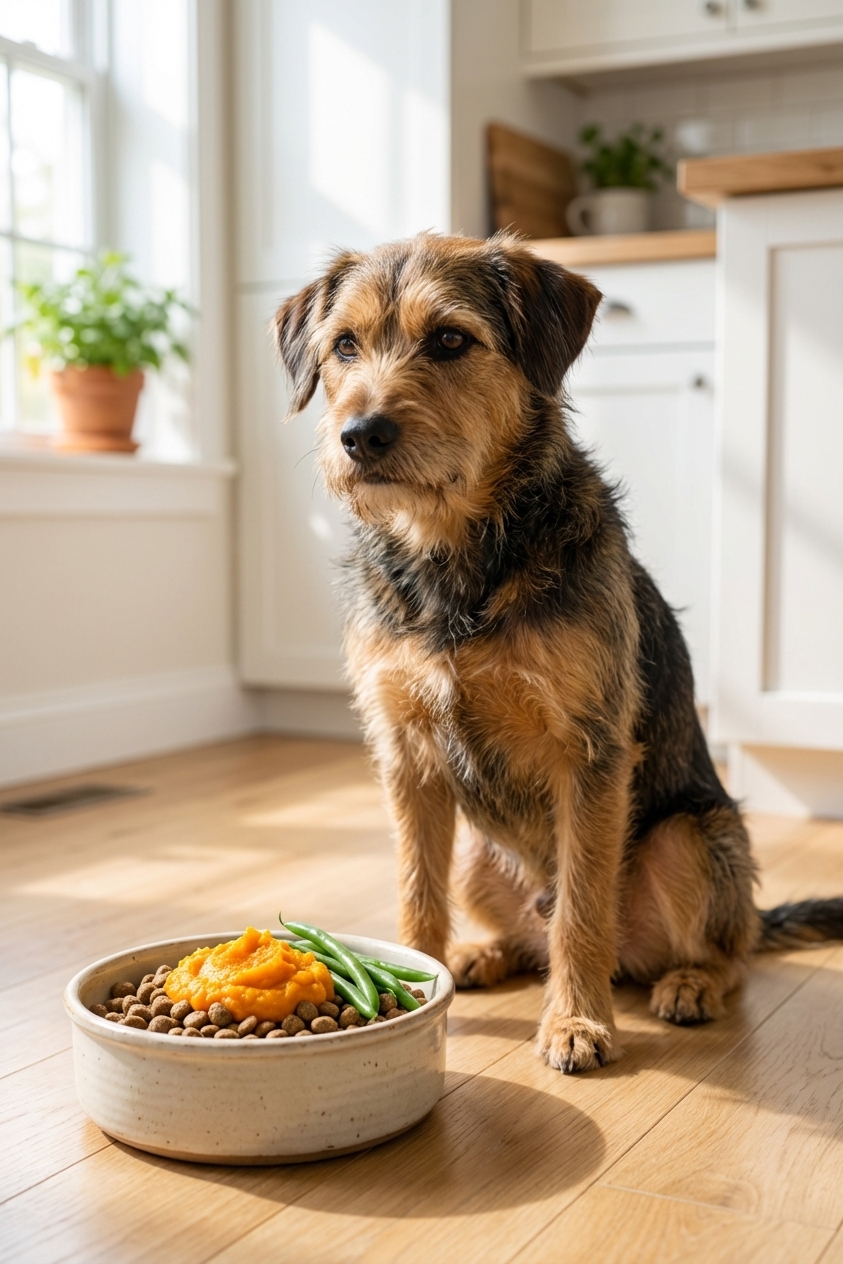
- Serve wet food or add a spoonful of plain canned pumpkin (not pie filling) with water.
- If you feed homemade meals, include naturally hydrating ingredients like cooked zucchini or steamed greens and add warm water for a stew-like texture.
Try a pet fountain
Some dogs prefer moving water. A fountain can increase interest, especially in multi-pet homes.
Measure intake if you’re unsure
If you’re worried, do a simple 24-hour check: measure how much water you put down and how much is left. (Just remember spilled water and playful paw-dips can make it look like more was consumed than actually was.)
What not to do
- Do not force water by pouring it into your dog’s mouth.
- Do not syringe or turkey-baster fluids unless your veterinarian specifically instructs you. There is a real aspiration risk.
- Avoid sports drinks or electrolyte products unless your vet recommends one for your dog.
- Avoid salty broths and heavily seasoned foods.
When it’s urgent
Home tips are only for dogs who are otherwise acting fairly normal. If your dog seems sick, gets worse, or you see any of the signs below, skip the troubleshooting and call your veterinarian or an emergency clinic.
- Little to no water for about 24 hours (or much sooner for puppies, toy breeds, seniors, or dogs with health conditions).
- Vomiting, repeated retching, or diarrhea (fluid losses add up fast).
- Not eating plus low energy, weakness, or obvious discomfort.
- Straining to urinate, frequent small attempts, or crying during urination (possible urinary blockage, a true emergency in male dogs).
- Collapsed, very weak, disoriented, or excessively sleepy.
- Heat exposure, heavy panting, or suspected heatstroke.
- Bloated abdomen, unproductive retching, restlessness (possible GDV or bloat).
- Known conditions like kidney disease, diabetes, Cushing’s, or your dog is on meds that affect hydration.
- Very young puppies can decline quickly. If a puppy is not drinking well, contact your vet early.
It is always okay to call your vet and say, “My dog is not drinking, and I’m worried.” That simple update helps your veterinary team triage appropriately.
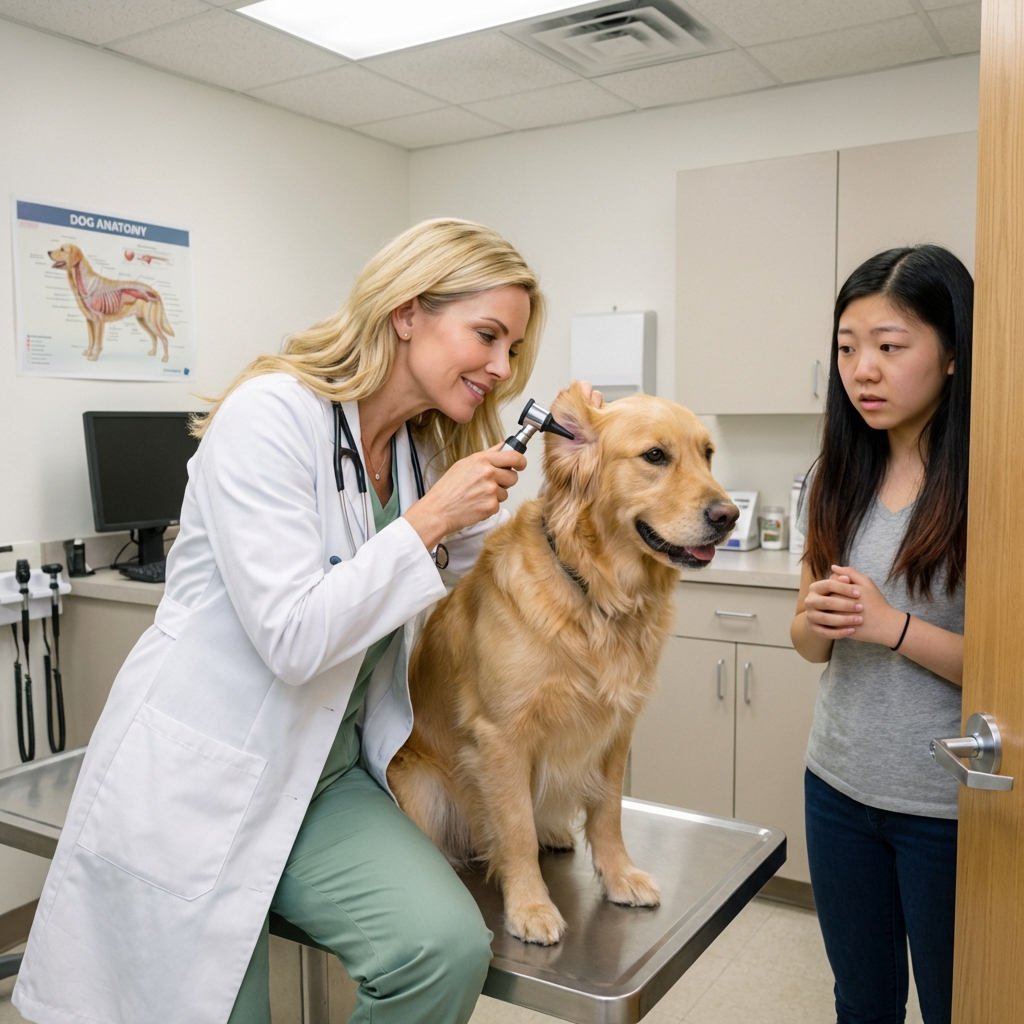
What your vet may check
If you come in, your veterinarian may:
- Do a full exam, including an oral exam for dental pain, ulcers, or foreign material.
- Check hydration status and temperature.
- Run bloodwork to assess kidney and liver values, electrolytes, blood sugar, and inflammation.
- Check a urinalysis for infection, concentration, crystals, and kidney function clues.
- Recommend imaging such as X-rays or ultrasound if blockage or abdominal disease is suspected.
- Provide fluids under the skin or via IV if dehydration is present.
Daily water needs
A common guideline is that dogs need roughly 0.5 to 1 ounce of water per pound of body weight per day (about 50 to 60 mL per kg per day). That varies with diet, activity, weather, and health conditions, so treat it as a starting point, not a strict rule.
If your dog eats wet or fresh food, they may drink less from the bowl and still be well-hydrated. What matters most is overall hydration, normal urination, comfortable energy, and normal gums.
One more helpful note: drinking a lot more than usual can also be a medical clue (for example with diabetes or kidney disease). If you notice a big increase in thirst, it is worth mentioning to your vet too.
Before you call the vet
- How long it has been since your dog drank normally
- Any vomiting, diarrhea, coughing, lethargy, or changes in appetite
- How often your dog is urinating and what it looks like
- Recent changes: new food, travel, new bowl, new medication
- Any chance of toxin exposure (xylitol, grapes or raisins, rodent bait, medications)
Those details help your veterinary team move faster, and when hydration is involved, speed matters.